Mobile hunting won. A decade ago, hanging a stand the morning of a hunt was a fringe move. Now it’s the default. MeatEater’s Tony Hansen documented in 2024 that mobile hunters are pushing deeper and covering more ground than ever, which means the public land that used to feel untouched is now absorbing pressure from every direction. His warning is blunt: once deer start meeting hunters inside their bedrooms, the long-term quality of that ground collapses.
So the tactic that was supposed to give you an edge now takes more discipline to keep one. The hunters who are still killing mature bucks this way are not winging it. They run a system: e-scout with intent, read sign like a clock, model the wind, and time the move to the day a buck is most likely to slip. This guide is that system.
What Makes a Hang and Hunt Different (and Why It Works)
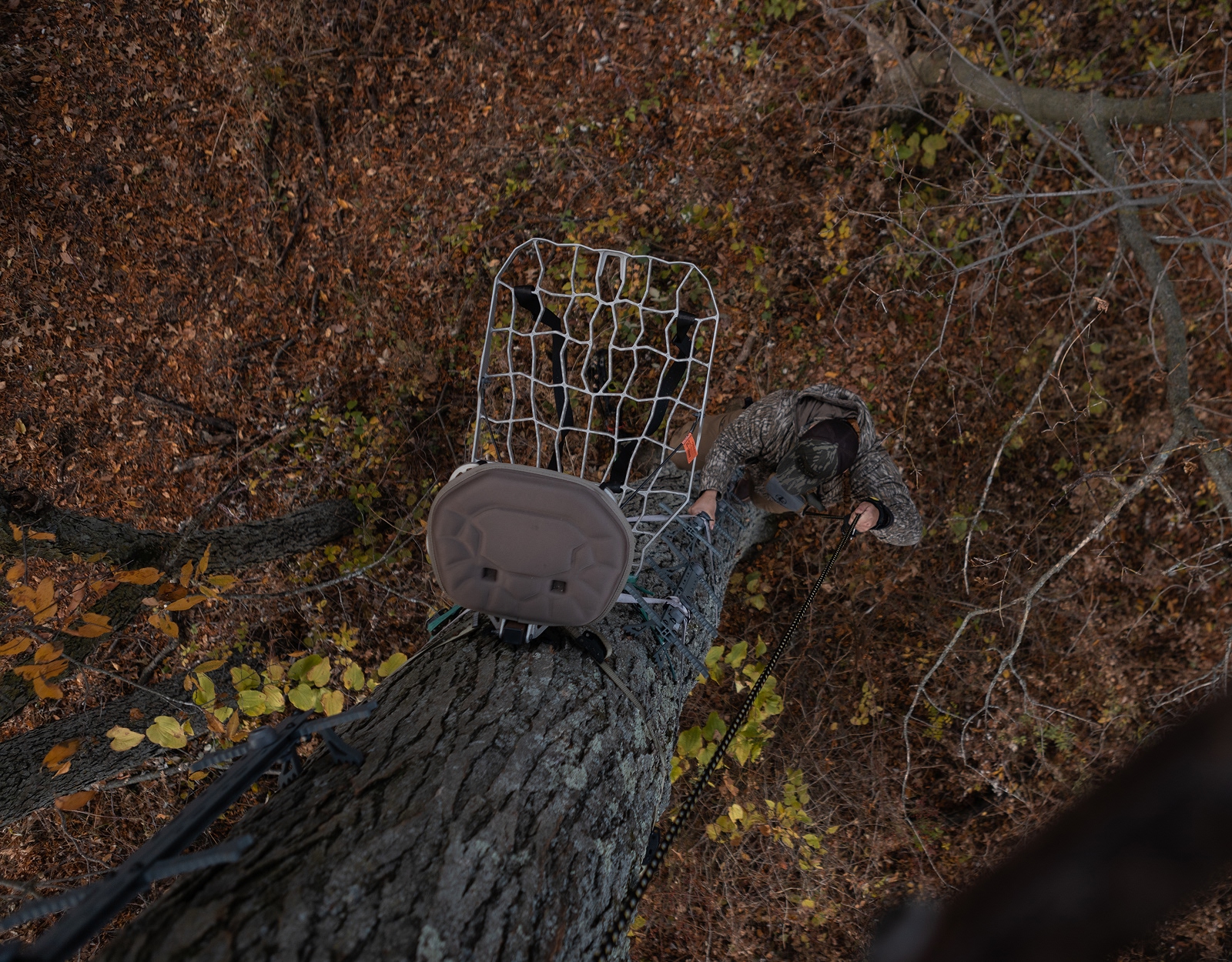
Every other way to hunt whitetails leaks information. A stand you hang in summer and sit all fall teaches the local deer your routine: the same approach trail, the same scent cone, the same silhouette in the same tree, day after day. Mature bucks are wired to catch exactly that, and they adjust fast, sliding their daylight movement into the dark the moment a spot starts to feel hunted.
A hang and hunt flips the script. The first time you slip into a fresh tree, you hold every edge a pre-hung setup has already spent. The deer have not patterned you, because there is nothing to pattern. Your entry is unpressured, because no one has been burning the area on a schedule. Your scent profile is clean, because you have not laid down a week of yesterdays. That’s the whole reason the tactic works. Not the gear, not the height, but the fact that you’re a brand new variable in a place the deer think they have solved.
But that advantage has a shelf life of one sit. It’s well agreed upon among whitetail hunters that your first time into an area is your best chance of success.
Every time you return, you trade a little of it away, so treat the first sit as the prize and build everything else around protecting it.
E-Scout Your Mobile Hunt

Before your boots touch dirt, build a shortlist of trees from the map. Here’s how:
- Find the food. Open Crop Data Layers and locate active ag (corn, soybeans, alfalfa) for early season and pre-rut, plus white oak acorns during the October transition. The seam where a field edge meets hardwood interior is the primary movement corridor across most of whitetail country.
- Trace terrain corridors. Switch to the Hybrid Basemap and read the ground between bedding and that food: saddles, benches, creek crossings, ridge-end pinch points. These are candidate areas, not trees yet.
- Vet your access. For each area, draw a wind-safe entry that never crosses the deer’s travel corridor. Use Property Boundaries to spot the access points other hunters will use, then plan the opposite.
- Drop Waypoints with Optimal Wind. For each candidate, set wind-direction preferences. Mark 3-5 trees per area for different wind scenarios so you are not paralyzed on the morning of.
“I’ll have it narrowed down to a short list of highly probable spots,” says KC Smith from The Element. - Rank and winnow. Narrow to your top two or three trees per area on access quality and wind safety. Everything else is backup.
Do this pre-season and the day-of decision becomes “which prepared tree fits today’s wind,” not “where do I even start?”
Boots on the Ground: Find the Exact Tree
The map gets you to the neighborhood. Your eyes pick the tree. The rule that matters: your stand is set by where the deer will walk, not by the best-looking tree in the timber. Call it the 30-yard rule. The right tree sits within shot range of the trail, scrape line, or pinch the deer is actually using.
“We’d rather try to anticipate where the deer is going to walk,” explains Aaron Warbritton from The Hunting Public.
When you arrive, read the convergence: scrape density, rub lines as directional arrows pointing the way bucks travel, trail intersections, and confirmation that the terrain pinch you saw on the map is real.
Two discipline points. First, cut as little as you can. Every trimmed branch is a visual change and a fresh-wood scent flag, so lean on natural cover instead. Second, set height to terrain. In flat ground with steady wind, 20+ feet is standard. In hill country with swirling thermals, height matters less than getting out of the deer’s eyeline and scent cone. Hold yourself to a 20-minute standard from approach to ready; if it takes longer, you are in the wrong tree or underprepared. Run sticks and a saddle or lock-on in the yard until entry, hang, and setup take 15-20 minutes, quiet.
Read Fresh Sign vs. Cold Sign
Fresh deer sign is the whole game, but “fresh” needs a definition you can apply in the field. Read it like a clock, calibrated to ground type and weather.
ASSESSING DEER SIGN FRESHNESS
| Type of Sign | Hours Old | 1-2 Days Old | Cold | Context |
|---|---|---|---|---|
| Tracks | Sharp, clean edges; crisp floor | Softened edges | Crumbled, rounded edges | After rain, a dry floor means the track came after the rain stopped; a water-filled bottom means before. |
| Frost Tracks | Bare print in frosted ground | Recrystallized edges | No frost disturbance | A print pressed into frost is minutes to one hour old. |
| Scrapes | Wet disturbed soil, broken branch tips, strong gland odor | Soil drying, faint odor | Dry soil, no scent | Press a thumb half an inch into the soil; moisture means he was there in the last 12-24 hours. |
| Rubs | White, wet, sticky sap; curling wood | Amber, tacky sap | Dark, dry, crusted sap | Sap color is your timer. |
| Droppings | Moist; soft | Firming | Hard, crumbling, greying | Use the “press test” to assess. |
Practical rule: you want a convergence of fresh indicators inside a 100-yard zone. One hot scrape ringed by three cold rubs is a mixed message. A fresh scrape, a worked licking branch, and a crisp track in the same corridor means hunt it today.
“A clean, crisp track is the perfect indicator that the buck was just here,” says The Southern Outdoorsmen’s Andrew Maxwell.
Time the Move: When To Go Mobile
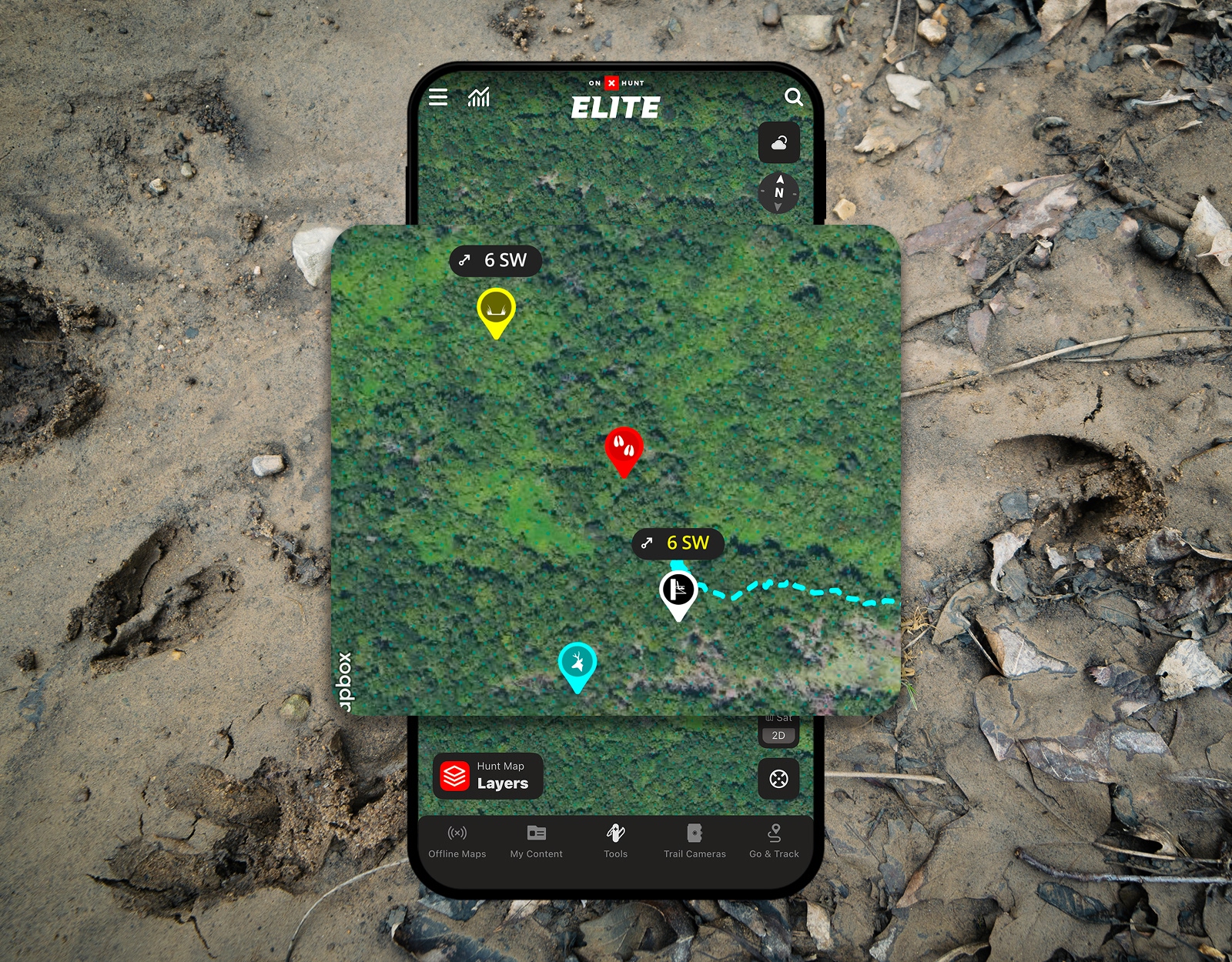
Treat the decision as a checklist, not a gut call. Move when these boxes line up:
- Sign quality: Three or more fresh indicators in the same 100-yard corridor.
- Wind: Optimal Wind confirms your entry and tree for today’s forecast. If not, wait or switch candidates.
- Pressure: No sign another hunter has been in that zone in the last 48 hours (boot prints, fresh trimming, truck traffic). If there is, go deeper.
- Camera intel: A daylight photo in the last two or three days is a green light to move in now. “I just want to get on top of his current movement immediately,” says Wired to Hunt’s Tony Peterson.
If two or more boxes fail, don’t burn the spot. Scout a backup instead.
Match it to the phase of the rut. Pre-rut (mid-October): Hunt scrape lines on the downwind edge of doe bedding, focusing on mornings. Rut: Mobile bucks are covering ground between home range segments, so sit terrain funnels that connect big blocks, not field edges, and sit all day. Post-rut: Survivors feed hard, so swing back to food (Crop Data Layers for standing grain) with daytime cover close by.
Daily timing still leans crepuscular, the first and last 90 minutes of light, when movement peaks. But GPS-collars on deer have shown bucks moving about 20% more per day during the rut and spreading that movement across all 24 hours, which is exactly when all-day sits pay. Stack a weather trigger on top: a falling barometer and a temperature drop lift movement, so hunt the day before a front as hard as the day of.
This is where Deer Movement Forecast earns its place. Cross-reference boots-on-ground sign against the day’s forecast before you commit. High predicted movement plus fresh sign is your strongest trigger. Low movement plus marginal sign is your cue to spend the day scouting the next spot rather than burning a good one.
Public Land vs. Private Land Hang and Hunts
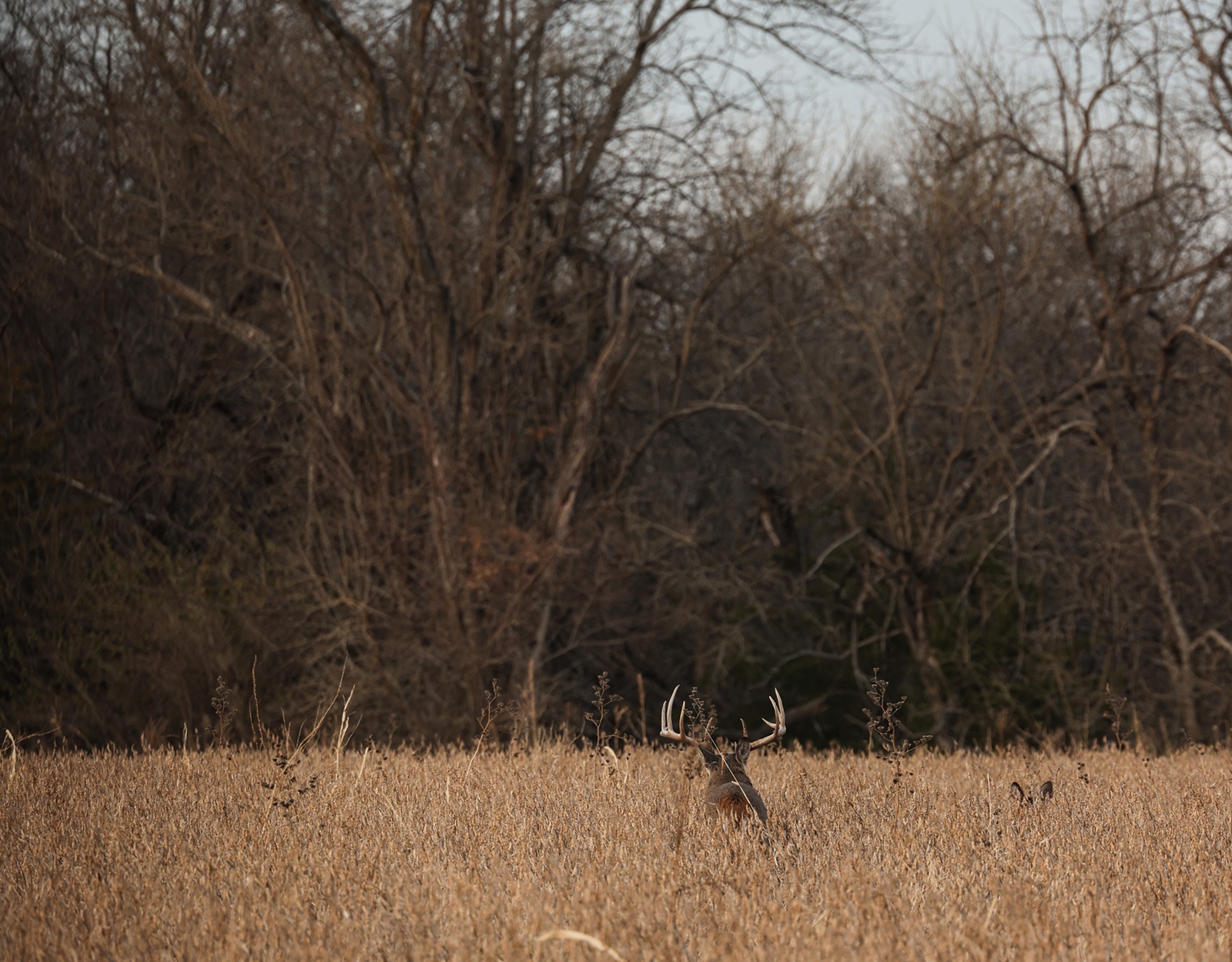
Same tactic, two different games.
Public land is a pressure management problem before it’s a deer problem. The heaviest pressure clusters near parking, roads, and trailheads; use the Hunt App to find those entries and walk the other way.
“I first evaluate pressure, then I will focus on where other hunters are not,” says Heartland Bowhunter’s Shawn Luchtel.
Let terrain filter the crowd, because steep ground, water crossings, and long hike-ins thin out competition fast, and effort buys you solitude. Hunt the overlooked interior, the small public parcel hemmed in by private, where deer have already learned the public corner is the safe one. Read the human sign too: fresh boot prints or flagging mean someone beat you there, so add distance or change direction.
Private land hang-and-hunts are all about choosing when to be aggressive. On familiar land, you’re more likely to have an idea of where a mature buck wants to be, so it’s about understanding your highest-odds windows and capitalizing on those moments to move into the buck’s bedroom. It’s a game of observation followed by an all-in, high-stakes bet.
The System Is the Edge
The mobile advantage is not the gear; it’s the loop: e-scout with the Hunt App, read sign, model the wind, and move only when the data says the odds are real. Build that loop, and you stop hoping a buck shows and start putting yourself where one will be. Before your next sit, pull up the Deer Movement Forecast, line your read up against the day’s odds, then go hang and hunt.
FAQs
A lightweight lock-on or saddle paired with climbing sticks; Lone Wolf Custom Gear is a proven option, with an onX Hunt Elite Member benefit. The metric that matters is not comfort; it’s whether you can hike in, hang, and be hunting in 15-20 minutes, quietly. Practice in the yard until you hit that mark. To learn the system from people who live it, The Hunting Public Deer School is another Elite benefit.
Read it against substrate and weather. Sharp track edges, white and sticky rub sap, wet pawed soil under a worked licking branch, and soft droppings all point to activity within hours. Crumbling edges, dark crusted sap, and dry, hard droppings mean days old. Look for three or more fresh indicators inside a 100-yard zone before you commit.
During peak breeding, hunt terrain funnels that connect large blocks of cover, not field edges, and sit all day. Bucks distribute movement across all 24 hours during the rut, and a falling barometer or temperature drop is your cue to go aggressive.
Yes, and it’s where mobile tactics shine, as long as you manage hunter pressure first. Use onX Hunt’s Property Boundaries to find where others enter, then hunt the opposite direction, the steeper terrain, or the overlooked interior parcels other hunters skip.