Deer movement is multifactorial, meaning that any one or combination of these things can cause deer to move: weather changes, natural behavioral cycles, or human-caused external pressures.
To predict deer movement, a hunter must understand the factors at play and use a combination of instinct and technology to find more success in the field. Here’s where you can start learning.
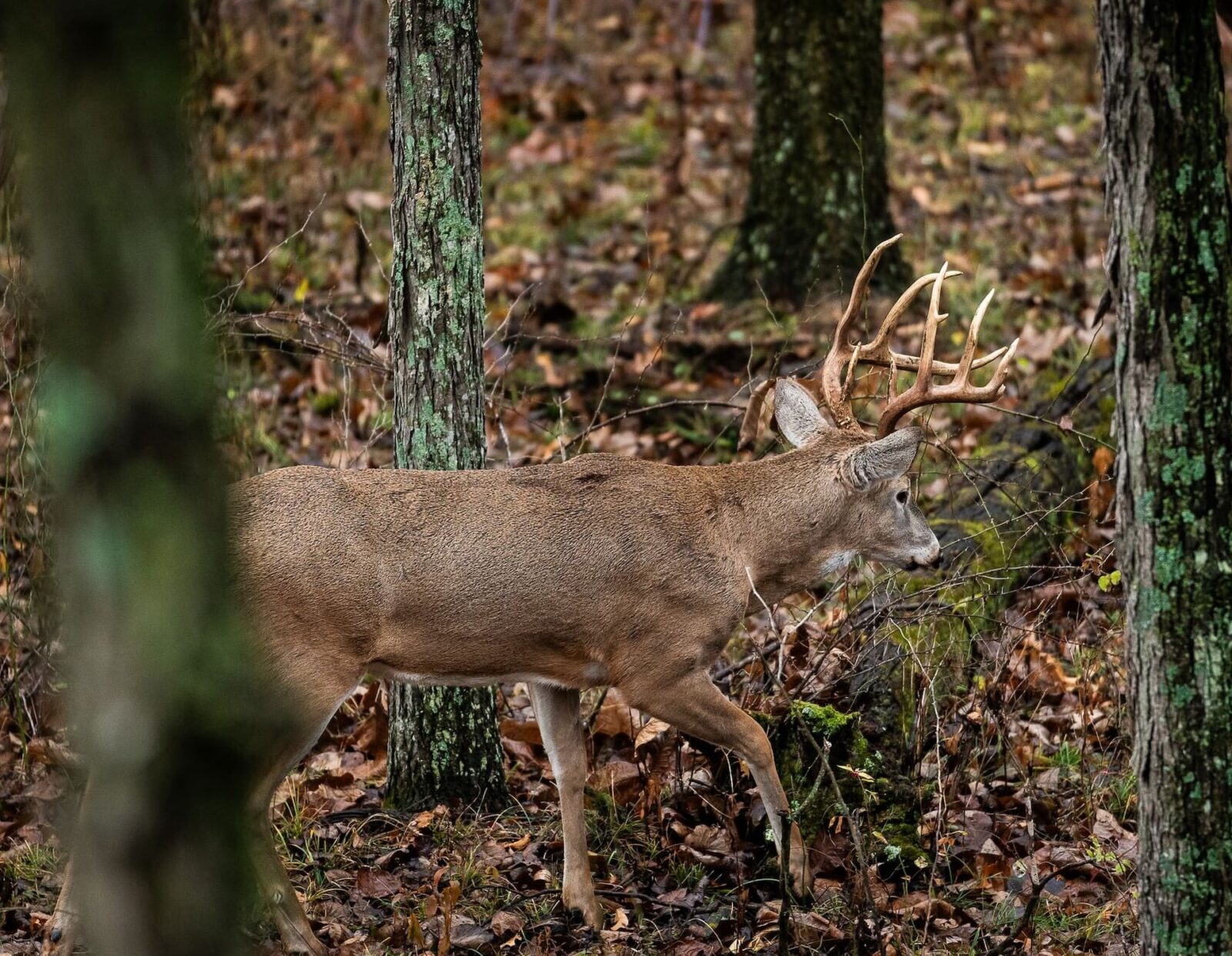
Factors That Drive Deer Movement Patterns
Whitetail deer are crepuscular, meaning they are most active in the twilight hours. However, this doesn’t mean they’re only active at dawn or dusk. Crepuscular animals are also known to be active on moonlit nights and overcast days, or when meeting biological needs (food, water, sleep, the rut). They also move based on competition and hunting pressures.
The main factors that drive deer movement are food, water, cover, and people. Deer feed about five times a day, have at least one bed near water, use cover for bedding, and respond to human/hunter pressure. When we dig into why deer move, we can better understand where and when they’ll be.
 Learn more about deer movement patterns and the best times to hunt.
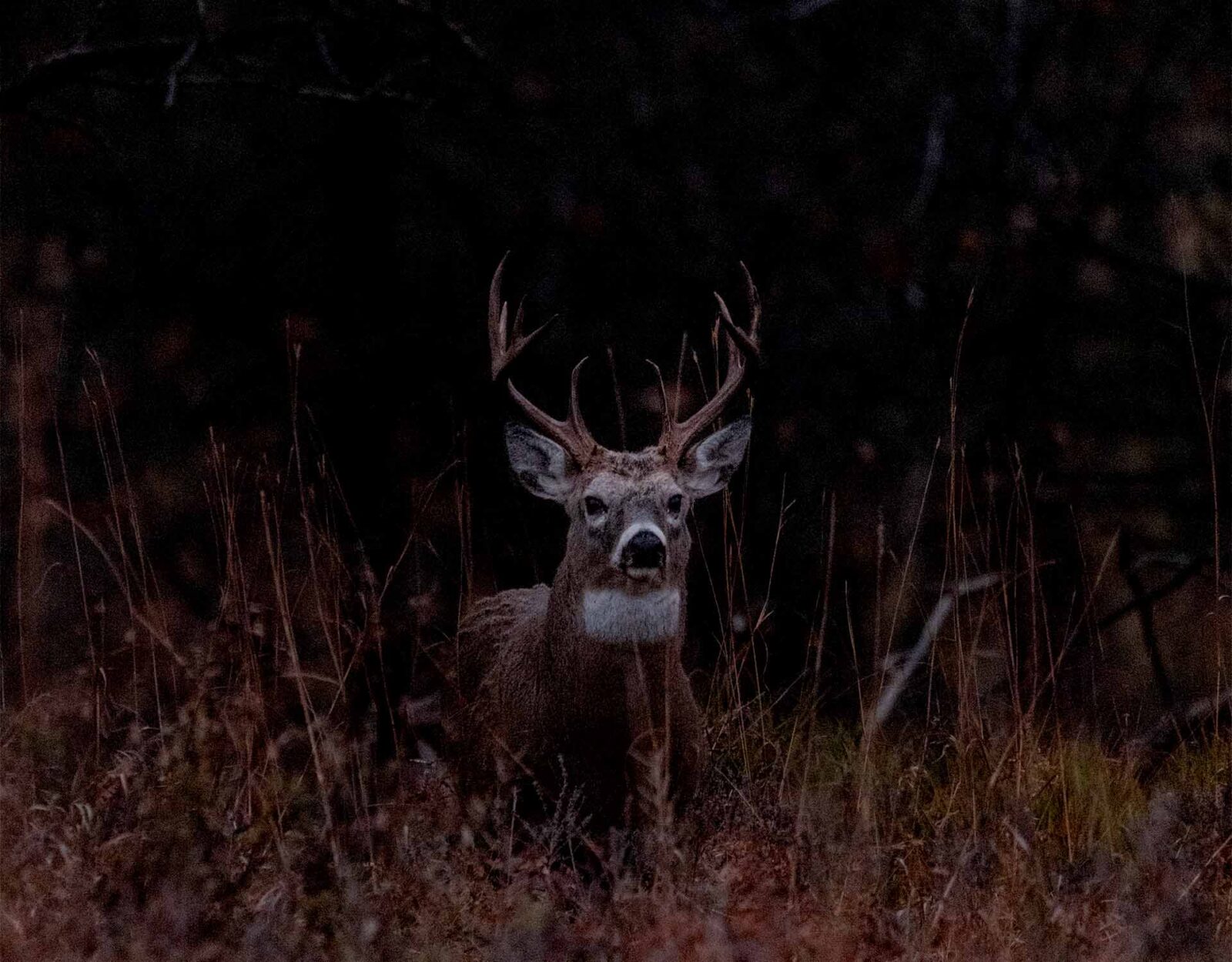
Increasing Daytime Deer Movement
Even mature bucks will move in daylight hours, and they tend to prefer some areas more than others during the day. Creating those desired areas and safe travel corridors to those areas will put more bucks on your property.
Understanding what habitat is required to make mature bucks feel comfortable enough to move during daylight is the key to cracking the code to increasing daytime deer movement. And it has a lot to do with bedding areas, food plots, and travel corridors.
Brush up on the science behind daytime deer movement and how to encourage deer activity during hunting hours.
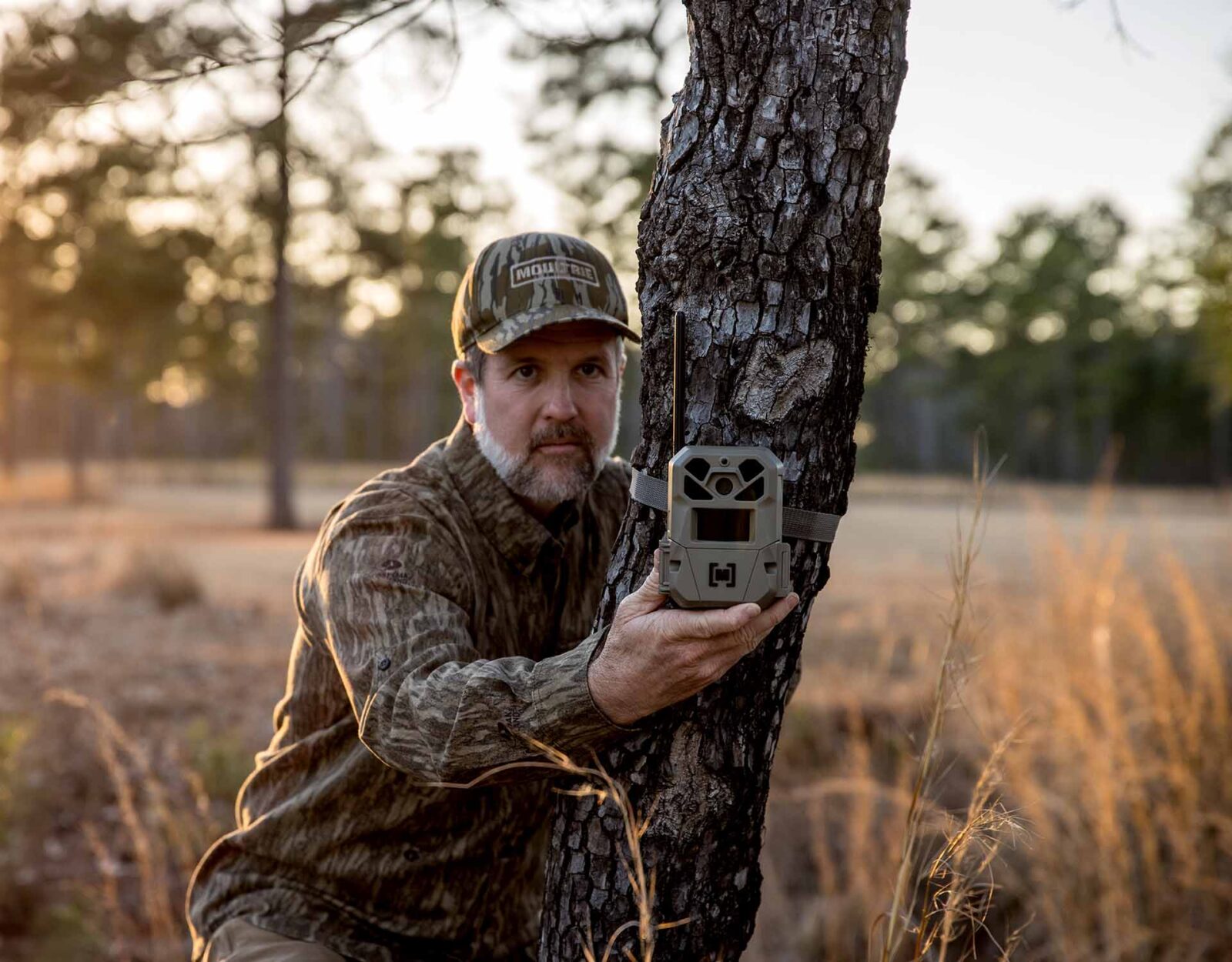
Track Deer Movement With Trail Cameras
An improperly set-up trail camera can make you miss crucial deer movement patterns. Know the right height (three to four feet off the ground), orientation (never due east or west), settings, and how and when to check your cameras.
Trail cameras are high-tech devices that can be customized to capture still pics and video, day or night, and even deliver those images right to your phone (and now right into your Hunt App). Don’t be afraid to experiment with all your trail cam has to offer.
We cover the need-to-know elements of setting up trail cameras.
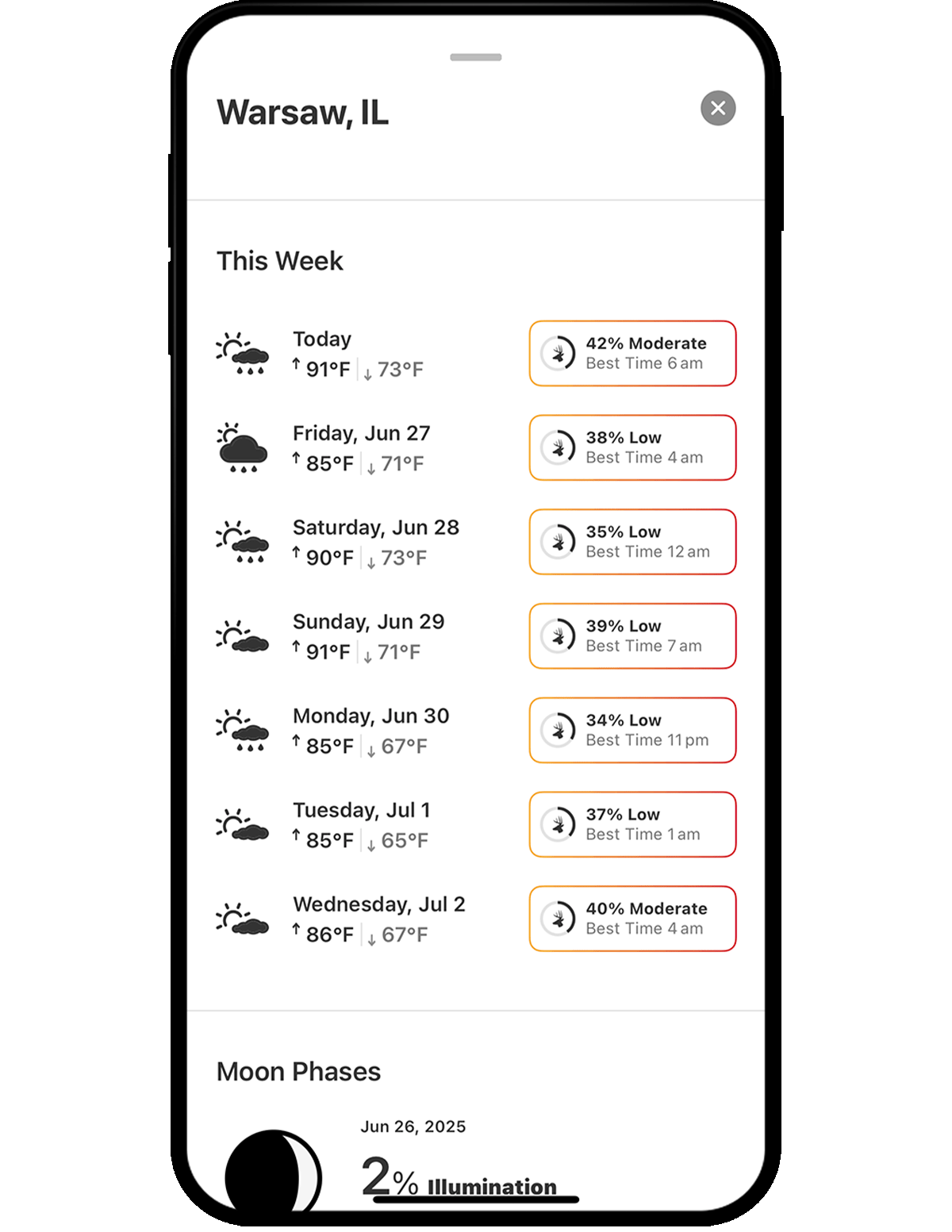
Predict Whitetail Patterns With Deer Movement Forecasts
Elite Members can automatically sync compatible trail cameras with the Hunt App (or manually upload SD card images) and access numerous visual charts that show where, when, and how deer are moving across a property (Trail Camera Analysis), and can monitor the chance of increased deer activity in their area day-by-day (Deer Movement Forecast).
Go Elite today and integrate your trail cameras with onX Hunt for better deer movement insights.
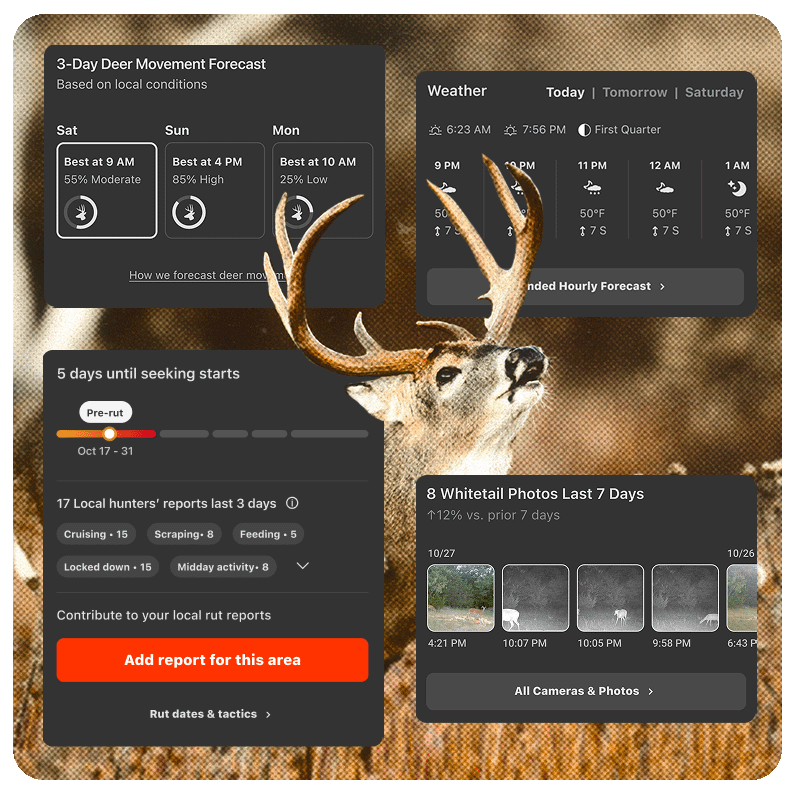

Whitetail Insights
See your Trail Cameras, Deer Movement Forecast, Rut Calendar, and Wind & Weather in one place for the land you hunt. Make a faster, better-informed call on when to hunt.
- Rut Calendar: Know how and when the rut is unfolding.
- Deer Movement Forecast: Predict the odds of increased deer activity on your hunt.
- Trail Cameras: Pattern deer with Trail Camera Analysis.
- Wind & Weather: Get hyper-local conditions and forecasts.
Deer Movement FAQs
onX Hunt’s Deer Movement Forecast is a real-time predictive analytics tool powered by 50+ parameters associated with deer behavior that shows you the chance of seeing increased deer activity in a given area for a given day.
With onX Hunt’s Trail Camera Integration, you can connect and sync your trail camera photos to the Hunt App and access deer movement analytics tied to wind speed and direction, weather, time of day, and time of year.
Sudden drops in temperature, light to moderate rain, and moderate winds of 5-15 mph can all increase deer movement.
The onX Hunt App features a suite of capabilities that help whitetail hunters understand and predict deer movement. Core features, such as Topo Maps, allow you to visualize terrain features that naturally move deer (e.g. funnels). Advanced tools, like Trail Camera Integrations with Moultrie, Browning (Strike Force Wireless), Bushnell, Covert, and Spartan cellular cameras, pair photo data with weather, wind, and timing insights to pinpoint where and when the best bucks are moving.