The topic of deer bedding areas—especially as it relates to mature bucks—can be downright daunting to decipher at times. In this article, we break down the finer details of deer beds, including where to find them and how to hunt them.
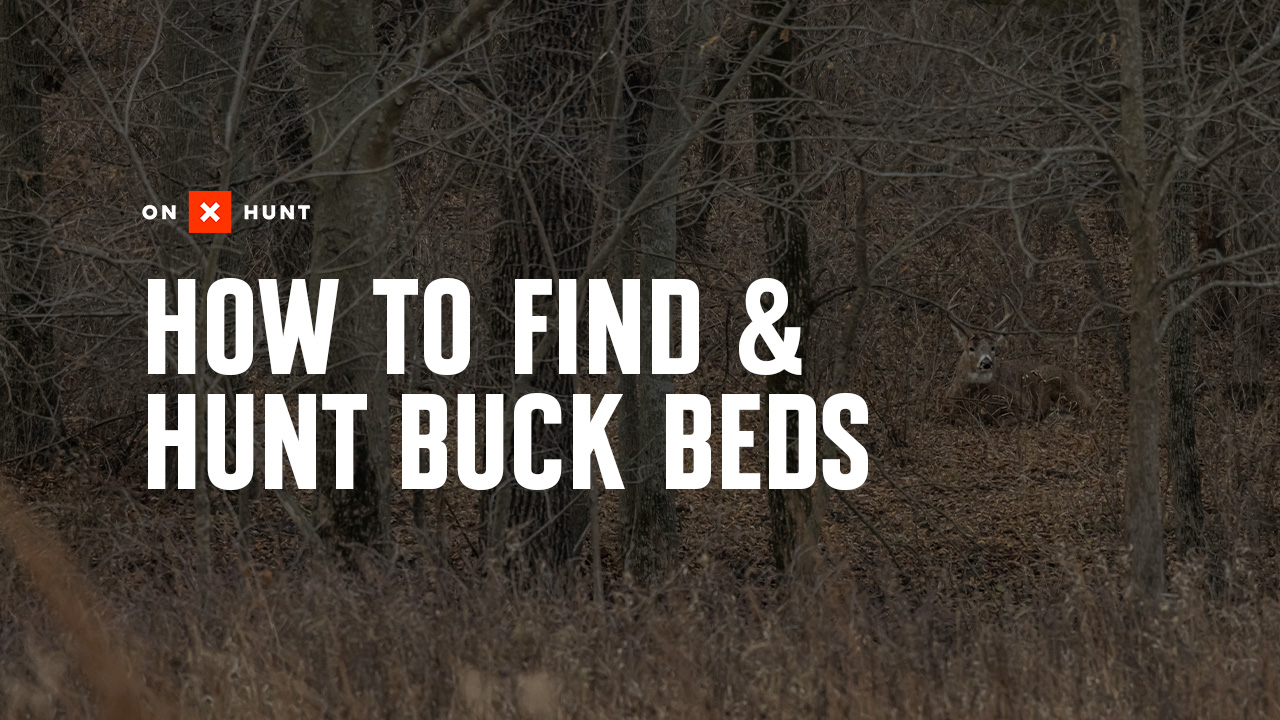
How To Find Buck Bedding Areas
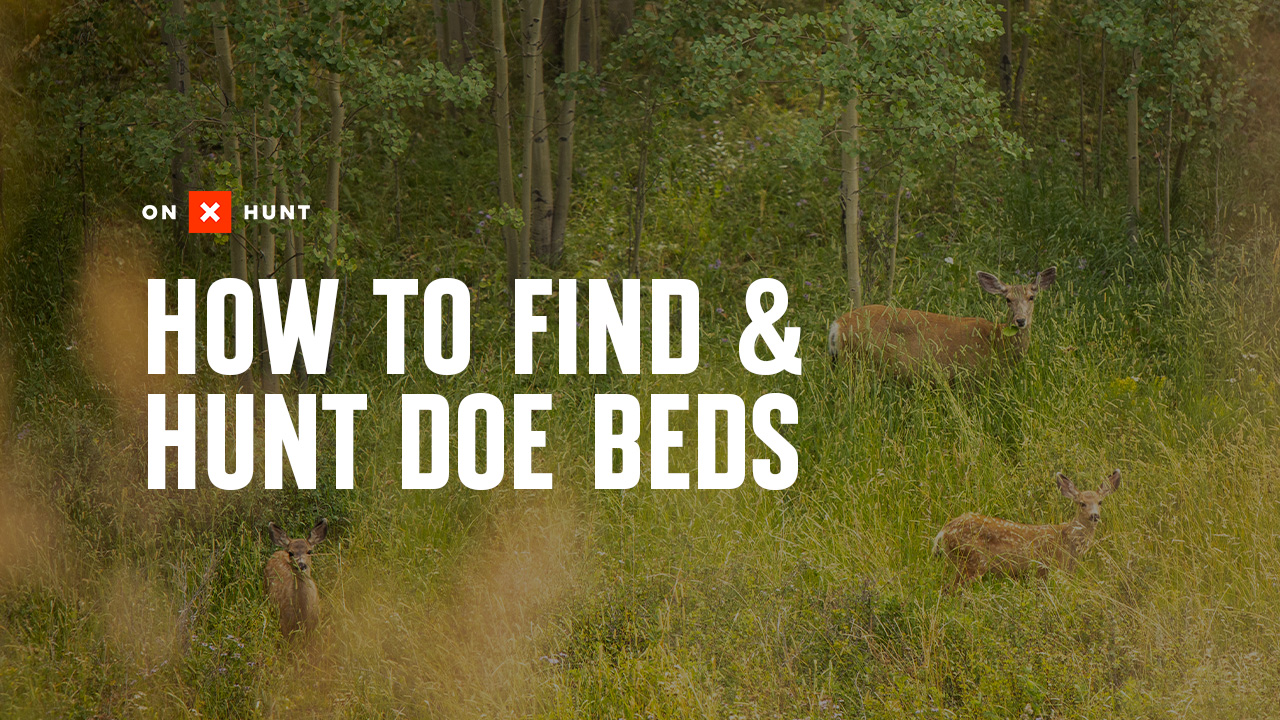
How To Find Doe Bedding Areas
What Makes Good Deer Bedding Areas?
For a whitetail, every second of every day is about survival. A deer bedding area, where these animals spend most of their time during the day, and a good portion at night, is critical to their safety and survival. A good bedding area must provide security and safety, close proximity to food and water, and multiple escape routes to avoid danger once detected. A bedding area will have all of these features—a deer’s survival depends on it.
The Anatomy of a Deer Bed
- Elevated position: Most deer beds will have an elevated position, like a ridge knob, or spur ridge with a big drop off below. These spots provide deer with a panoramic view.
- Good “backing”: Another characteristic I see is good “backing” in the bed—an area with fallen trees, logs, a highway, pond, or other structure that makes it difficult for a predator to ambush them from behind. Deer love this safety factor.
- Access to food and water: A deer does not want to travel miles and burn precious calories for food and water. Instead, they’ll find bedding areas that are close to good feed and water with good cover and concealment for them to bed down in. Imagine a briar thicket on a ridgeline that’s adjacent to a standing bean field. Cover from above, and food close by. Perfect spot.
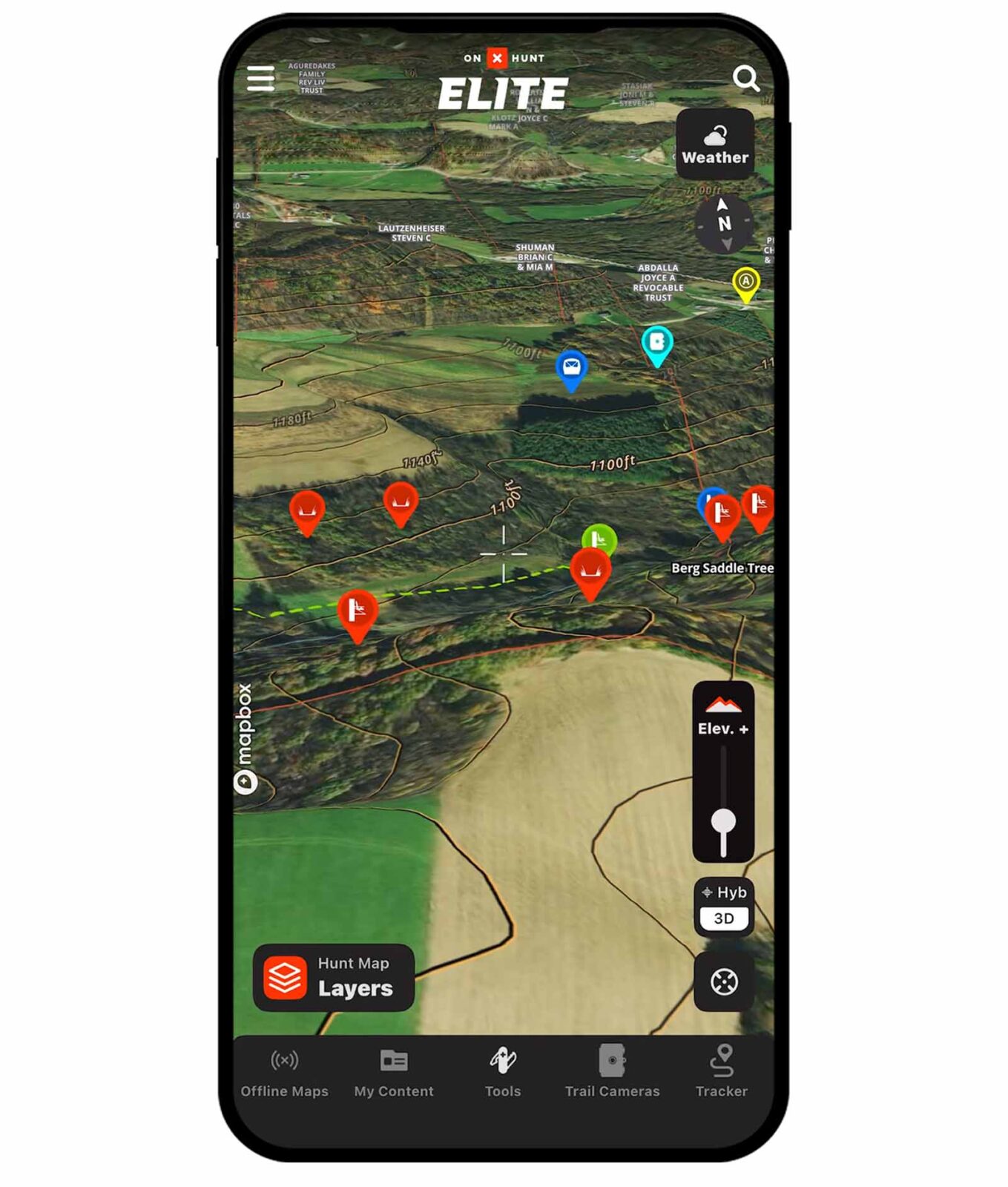
Buck Bedding vs. Doe Beds
There are major differences between buck beds and doe beds, and you’ll want to know the differences so you can inform your hunting strategies.
Buck Bed Characteristics
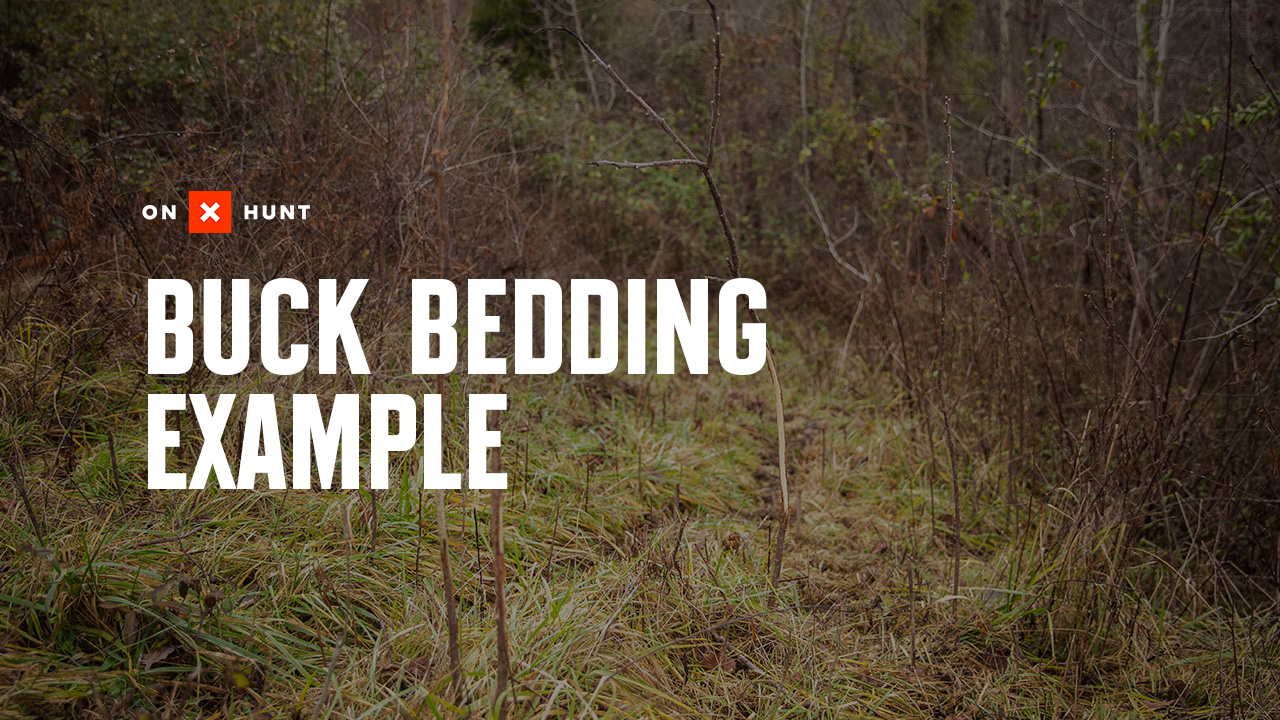
A buck bed will be large: a few feet long by about two feet wide. You’ll see large buck tracks in the bed and nearby. Look for other buck sign around, like rubs and scrapes. Also, look for buck scat—large clumps should be on the edges of the bed. There may be a few beds close by, as a buck may change his viewing direction throughout the day as the wind switches. These will be close together and in the same spot.
Doe Bed Characteristics
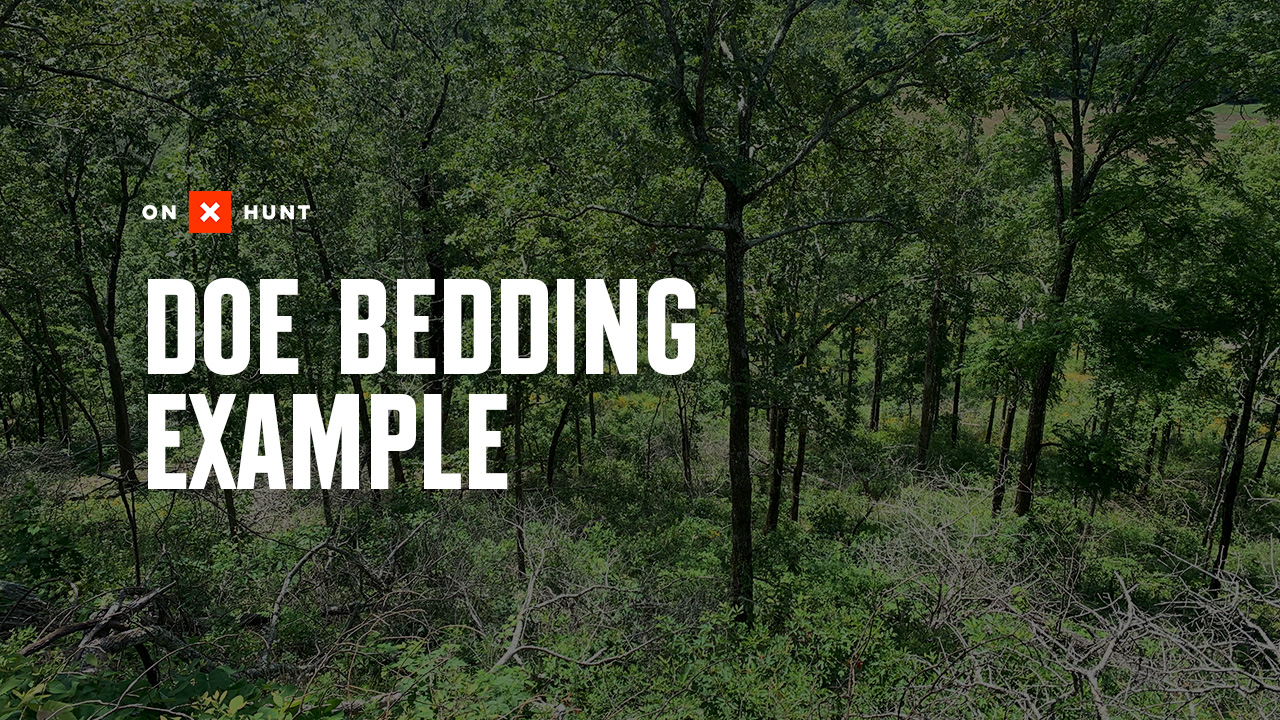
Doe beds have a ton of deer sign in and around them—doe bedding areas typically hold a lot of deer. Does can run in large groups, and will bed in large groups as well. When you find a doe bedding area, you’ll find a ton of beds and a ton of tracks, trails, and scat. Large doe groups beat down trails leading to and from bedding areas, making it easy to tell that a group is staying there frequently.
Does typically bed closer to food sources than bucks, often right off the edges of them. Unlike a buck, does are more concerned with ease of use than security because doe groups benefit from having a bunch of eyes, ears, and noses—versus a buck, who relies on himself.
Timing and Tactics for Deer Bedding Areas
When it comes to buck beds and does beds, there are certain times of the year when it’s worth paying particular attention to one over the other. Let’s dissect both.
When Buck Beds Matter
In my opinion, buck beds are important year-round. I like to know where bucks bed on and around the properties I hunt, so I have a better understanding of how deer use the area. Bucks will bed in certain places in the summer to escape heat and bugs, and in other places in the winter to escape the snow and cold (and to get as close to food as they can to conserve calories).
Tips for Hunting Buck Beds
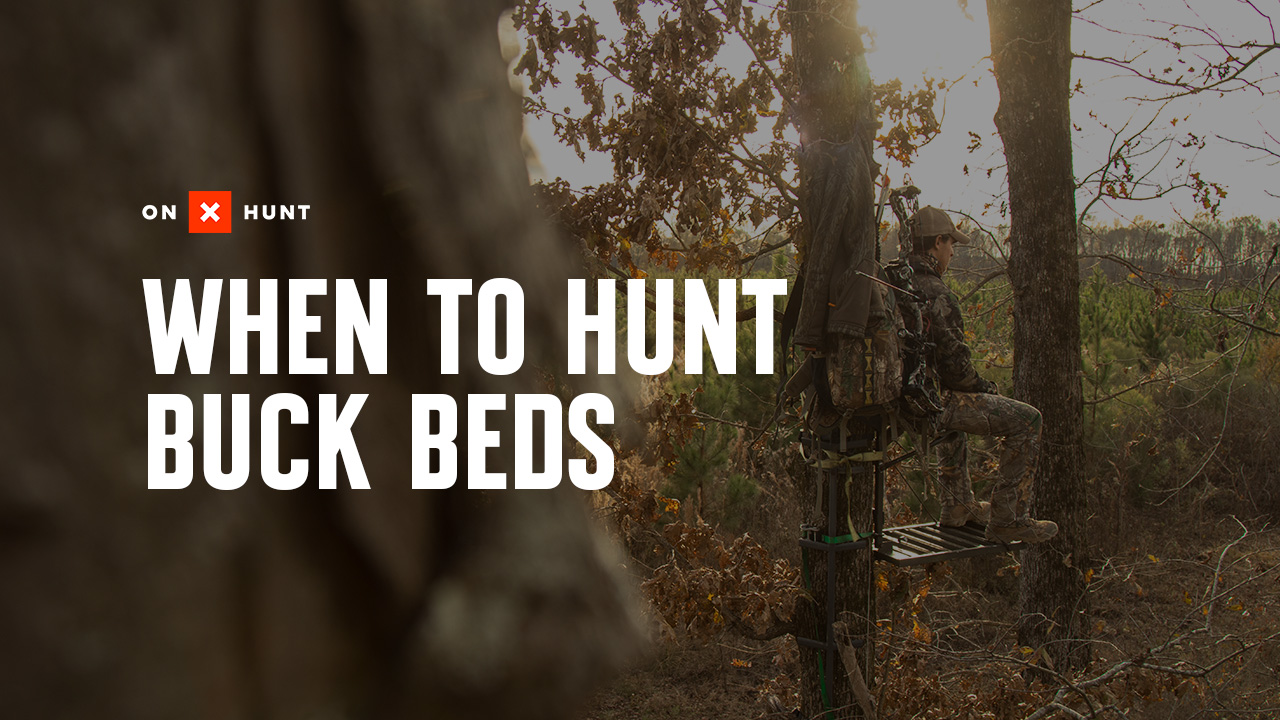
Early and late season are the most important times to know where a buck is bedding. During these times, a buck is on a strict bed-to-feed, feed-to-bed pattern. I locate the bedding area, and then I find the primary food source. From there, I get close to the bedding area, but not right inside it, and set up my ambush. I want to catch this deer as he leaves his bed and heads to his evening feeding area. This is his staging area and where he will be most relaxed.
In October, for example, I get in tight to a buck’s bedroom during the evenings and catch him lounging around before he heads to his evening food source. Another great time to hunt close to beds is the late season when pressure has forced a buck to barely move before dark. By knowing where he beds, we can focus our efforts close to that area in hopes of catching him in daylight, well before he hits his food source after dark. In November, bucks will be where the does are, so I focus my efforts on doe bedding areas only. This is a great tactic during the earlier parts of the season.
When Doe Beds Matter
Doe beds are equally important as buck beds, but for different reasons. For one, does typically bed in a different area than bucks, and it’s important to know where the local does bed when setting up a game plan for a buck. I try to steer clear of doe bedding areas when entering and exiting my buck setups because I don’t want to tip off the local doe herds. This could be catastrophic to my success when hunting a specific buck.
Knowing where does bed helps during the rut, too, since rutting bucks will be where the ladies are. I’ll want to hunt right next to their bedding areas and close to their proximity to catch bucks seeking estrous does.
Tips for Hunting Doe Beds
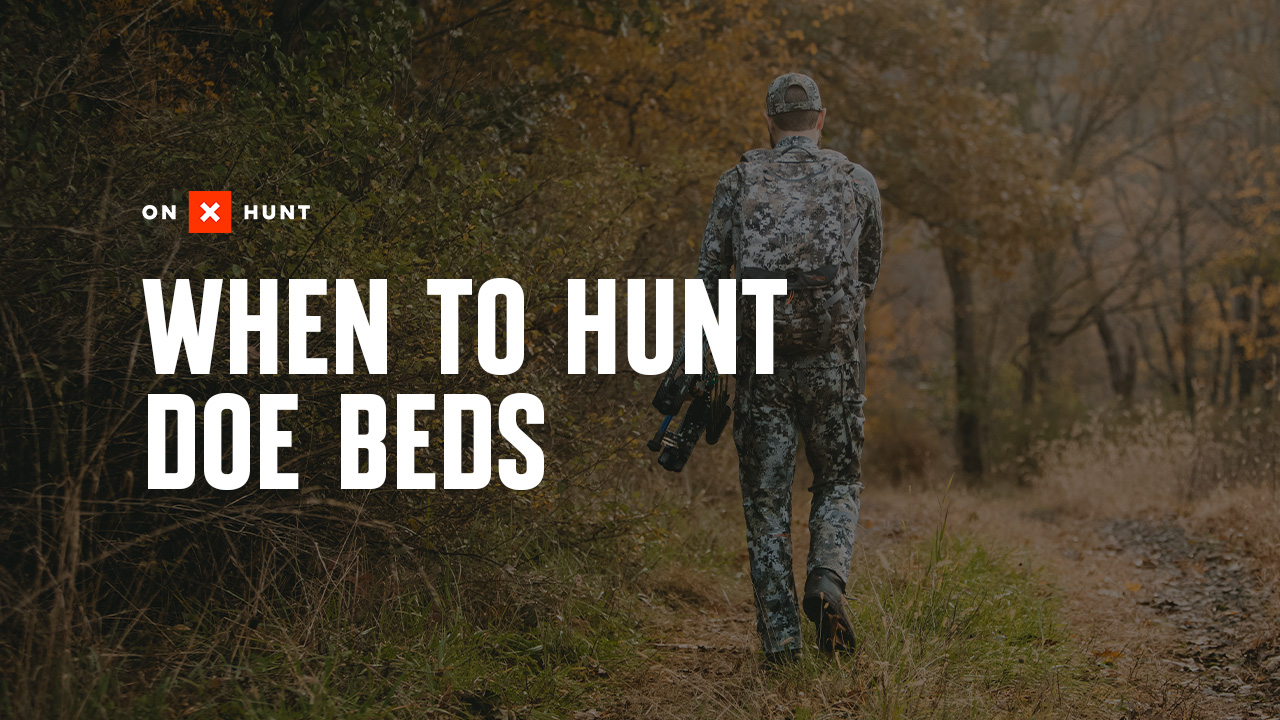
Does can be hunted in and around their beds any time of the year. Doe bedding areas are easier to find and are typically in spots that require less work. Think closer to ag fields and right off food and water sources. I’ll slip in close, using the wind to my advantage, and set up waiting on the doe group to head to feed, or back to bed from feed, depending on if it’s a morning or evening hunt.
Rut Beds
When looking for rut beds, I often immediately jump to the does. An estrous doe will want to bed in a secluded, out-of-the-ordinary spot to get away from all of the other deer and especially bucks. A buck that is with a hot doe is trying his best to find a spot to take the doe and himself to get away from other bucks. Think small patches of woods, secluded fields that are overgrown, and even fencerows that are brushy and thick.
Day vs. Night Beds
When it comes to day vs night beds, I do believe there is a difference. I think bucks and does will bed down during the night in places that they may not feel safe bedding in during the daylight. For example, how many times have you been driving your vehicle and seen deer bedded in a field right off the road? Or in someone’s yard late at night? Due to the cover of darkness, these spots made a deer feel safe to bed down in. But, in daylight, we would never see them bed here. In general, I’ve seen the more secure beds used as daylight beds, whereas night beds might be more likely to be selected for comfort and ease of use.
How Pressure Affects Bedding
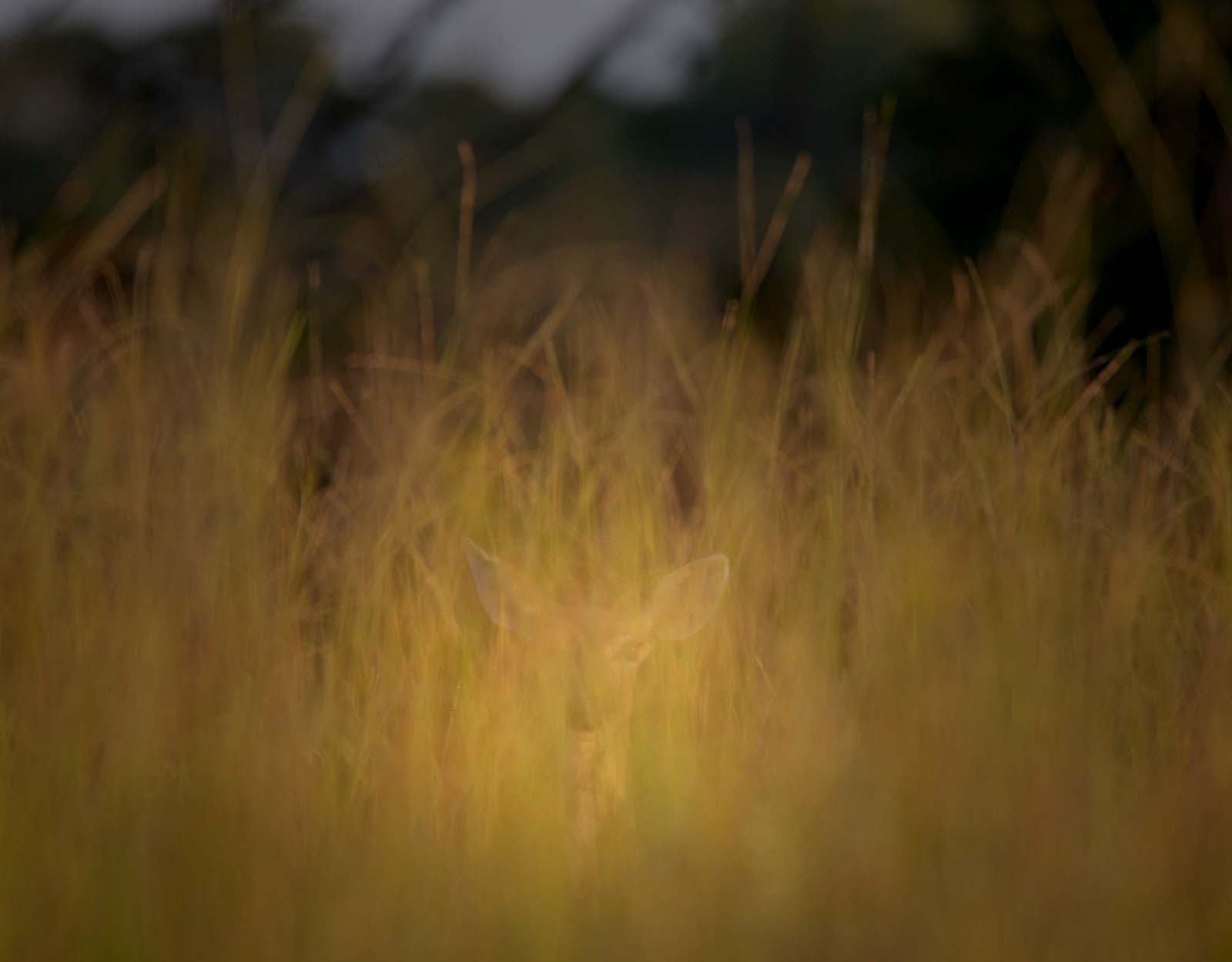
External influences, whether it be people, new developments being built, dogs, or predators, all pose pressure and can affect deer movements and habits, including where they choose to bed. For example, a long-time bedding area can be altered, or vacated altogether, if a house is built right near it, as it creates an environment where deer are constantly around and smelling, seeing, and hearing people.
Other kinds of pressure, like pressure from predators, can also affect whitetail bedding areas. Coyotes, bobcats, and bears all have their place in our environments, and deer have to learn how to stay away from these animals as much as possible. Simply put, a deer must bed in areas where they can detect predators long before they actually get close enough to them to strike. So, over time, deer must realize where most predator pressure comes from, and then bed away from those areas accordingly. An example would be a creek bottom with coyote dens in it. Typically, this will not be an area that a lot of deer want to bed in because of the constant pressure and coyote presence.
Habitat Management: Influencing Deer Bedding Preferences
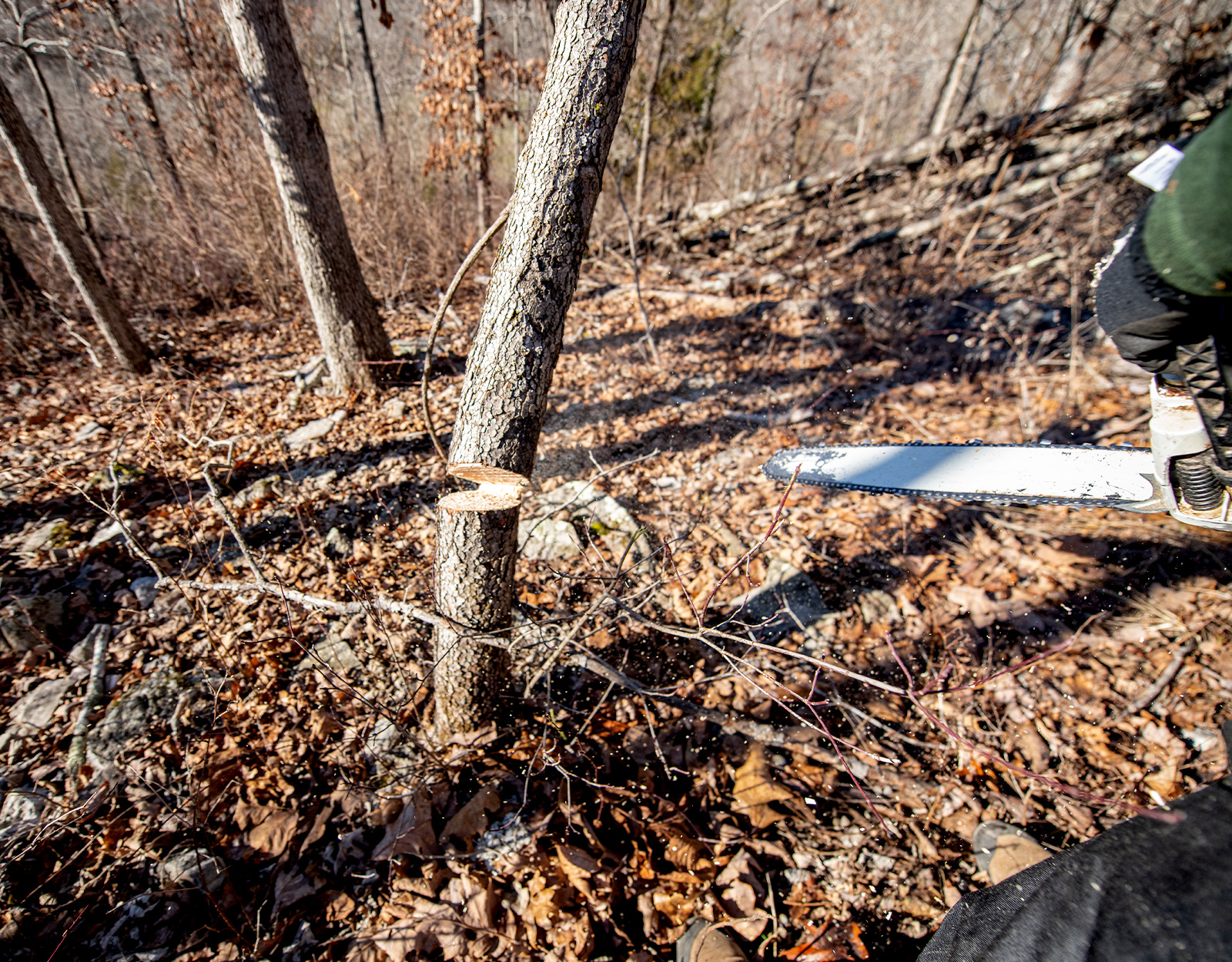
We can create better bedding for deer in a lot of ways. For starters, we can identify where deer like to bed on our properties and stay out of those areas. Aside from shed hunting or tracking a wounded deer, I leave known bedding areas alone. I want my deer to feel safe and secure in these bedding areas. I also like to hinge cut trees and select cut certain trees to make areas of my woods thicker. Timber stand improvement (TSI) opens up the canopy, letting sunlight in, which then creates more briars and ground growth. The growth will provide great bedding habitat in a few years. A few simple habitat tweaks are a great tactic to add more bedding to your properties. And, it doesn’t cost much—you need a chainsaw and some sweat equity.

Whitetail Insights
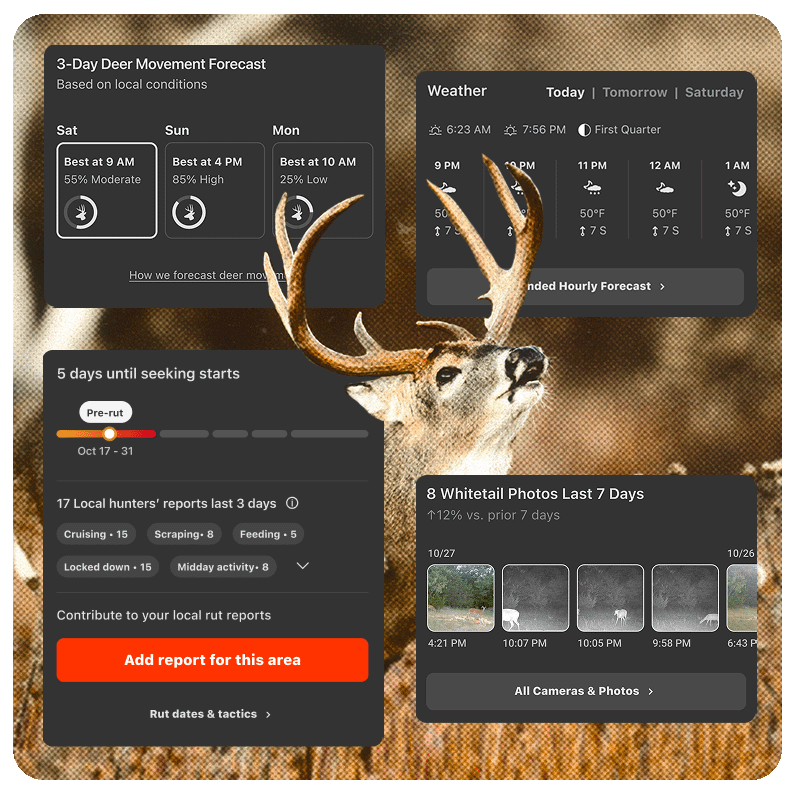
See your Trail Cameras, Deer Movement Forecast, Rut Calendar, and Wind & Weather in one place for the land you hunt. Make a faster, better-informed call on when to hunt.
- Rut Calendar: Know how and when the rut is unfolding.
- Deer Movement Forecast: Predict the odds of increased deer activity on your hunt.
- Trail Cameras: Pattern deer with Trail Camera Analysis.
- Wind & Weather: Get hyper-local conditions and forecasts.