
The question on every hunter’s mind about this time of year is “When will big bucks be on the move for the rut?” Well, it’s time to tackle that question and tee up what might influence this year’s rut predictions and best days to hunt whitetail deer in 2025.
What Might Make the 2025 Deer Season Different
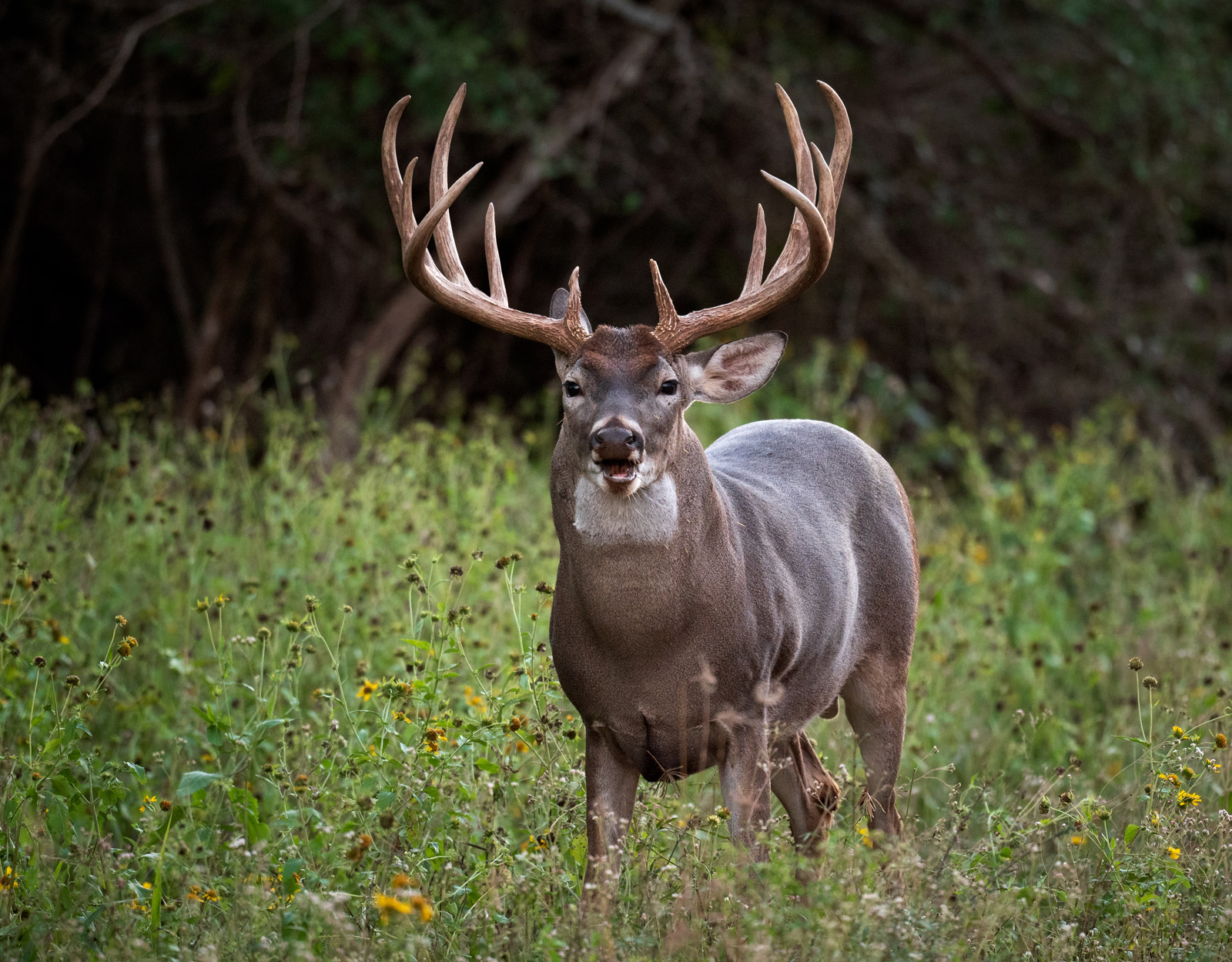
The 2024-25 winter was warmer than average, especially in the southern tier of the US, the eastern Great Lakes, the eastern seaboard, and New England (Exceptions? Pockets of the Midwest were hit by cold air bursts). This follows the 2023-24 winter, which was the warmest on record in the contiguous United States.
Milder winters generally mean better survival rates and healthier pregnancies. More deer means better odds, and this isn’t just wishful thinking. According to the National Deer Association’s 2025 Deer Report, the antlered buck harvest just eclipsed three million in a season—only the second time that’s happened in the 21st century.
Better yet, yearling buck harvests were down, and 43% of all bucks harvested were 3 ½ years old or older, the highest ever recorded (stats based on the 2023-24 season). A couple of southern states stood out with good news: Louisiana had a 31% increase in antlered buck harvests over its five-year average, and South Carolina boasted a whopping 73 antlered buck harvests per 100 hunters.
According to the same report, more positive news was reinforced in the 2024-25 season, with Maryland hunters harvesting 24% more deer than the prior year in the early archery and muzzleloader seasons and Ohio hunters checking in the most deer since 2011.
The antlered buck harvest eclipsed three million in a season—only the second time that’s happened in the 21st century.
Lunar News
In 2025, we will see a full moon on November 5. If you’re in the camp that swears by lunar phases, a full moon could mean more deer moving at night since it’s brighter. However, hunters aren’t hunting at night, so what it really means is that deer could shift their daylight activity and feeding patterns a bit for a day or two following the full moon.
Deer movement and feeding patterns might shift to later in the day if they had been more active and feeding under the bright night sky. Translation: If you can, stay out longer on November 6 and 7.
2025 onX Ambassador Field Reports
For 2025, we’ve charged a handful of our most trusted Ambassadors to provide real-time updates from the field. They’ll be sharing observations about pre-rut, peak-rut, and post-rut activity wherever they’re hunting. Once the season gets rolling, find those deer rut updates here.
Trail Cameras for Timing the Rut
Peak rut is when the greatest number of does are in estrus and receptive to breeding during the season. To empirically deduce when peak rut happened the previous season, consider when the most fawns dropped during the following spring. Why? Because the gestation period for whitetail deer is 201 days. When fawns drop, count backwards, and voila, peak rut.
What better reason to keep your game cameras up at least through early summer (if not all year, where allowed) than to record when you start seeing fawns on camera. Start charting these drop dates, and you’ll be able to figure out your own rut predictions for your area every year.
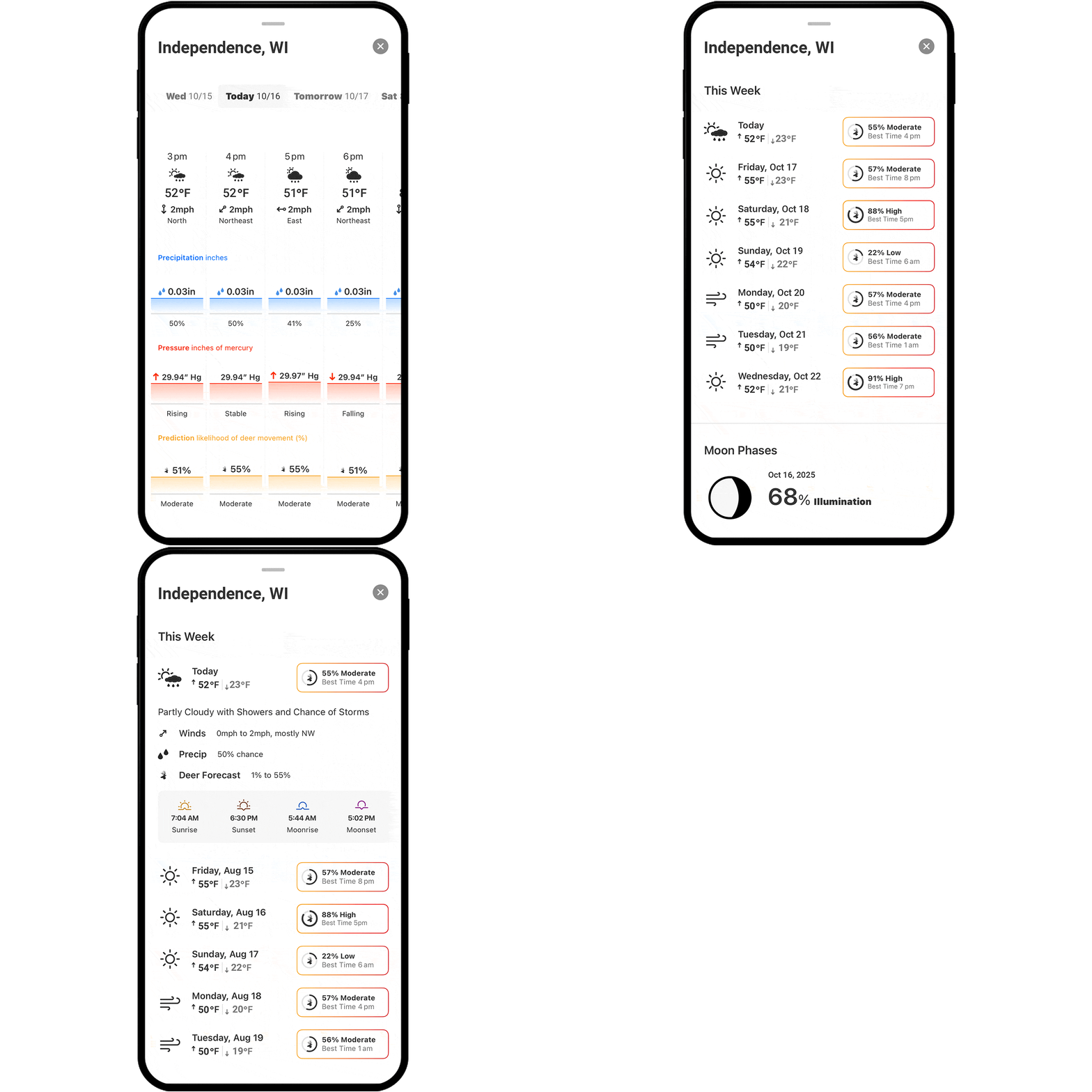

Deer Movement Forecast

Powered by real-time data leveraging 50+ parameters related to deer behavior, Deer Movement Forecast predicts the odds of increased deer activity on your hunt.
Best Days To Hunt the Rut 2025
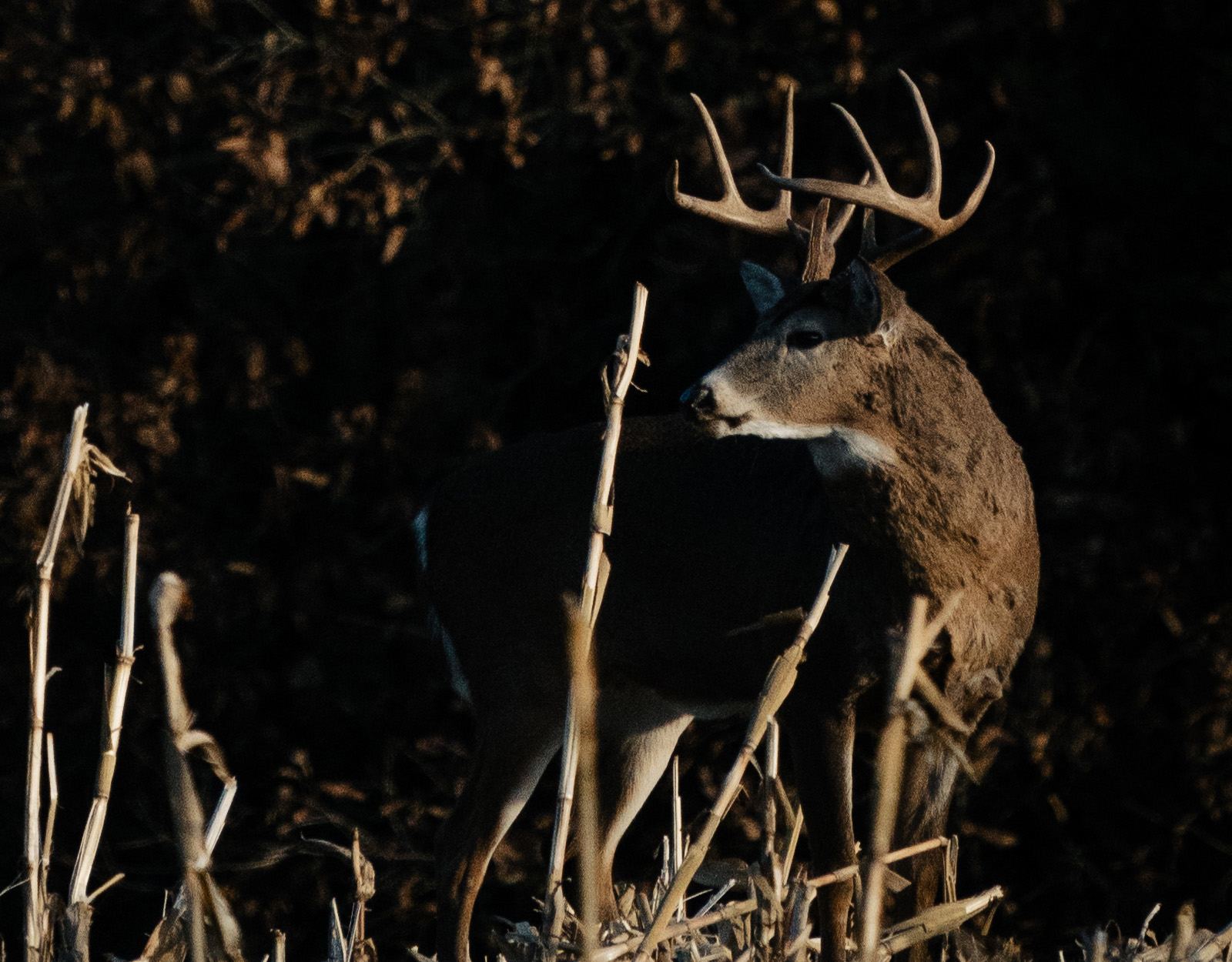
There are always factors that will have some impact on peak rut days, such as temperature, barometric pressure changes, hunting pressure, and general nutrition of the herd, but since the shortening of days (i.e. photoperiod) is the primary influencer for the peak of the deer rut you won’t find a wide variance year-over-year for when things get going.
That said, let’s review some of the most consistent days we’ve found over the years, thanks to our onX Ambassadors, to be in the field come heck or high water.
- November 4 (± 1 day) – Not only is this within a day of this year’s November full moon, it’s favored by many Ambassadors who like the late October to early November rut window. Heartland Bowhunter’s Michael Hunsucker told us back in 2021 that November 7 “has been one of the best days of the year for me, having harvested several mature bucks over the years on that date. During the time, bucks are typically cruising hard, seeking those first few does that have come into heat and throwing caution to the wind as their rut-crazed minds wander the woods.”
- November 13 – This has been frequently cited as the scientific median breeding day for most of the country. This is empirical data from monitoring fawn drop dates.
- November 16 (± 2 days) – Many of our Ambassadors like this mid-November period because it often falls after the peak “rut frenzy.” Raised Hunting’s David Holder says, “As the frenzy starts to wind down, the bigger bucks will get back to some consistency. This is also a great time to see a buck you’ve never seen show up as he starts traveling further distances, hoping to find one of the last few does still in heat.”
When fawns drop, count backwards, and voila, peak rut.
Final Thoughts
It’s never too late to start tracking patterns you see when you’re in the field and what you capture on your trail cameras. Follow along this season on our Rut Predictions page to see what onX Ambassadors are seeing in the areas they hunt. You might get inspired by something new, something you’ve seen before but never understood, or simply by the bucks they’re watching cruise for does in estrus.
May your 2025 deer season be the best yet.