How To Cook Deer Backstrap
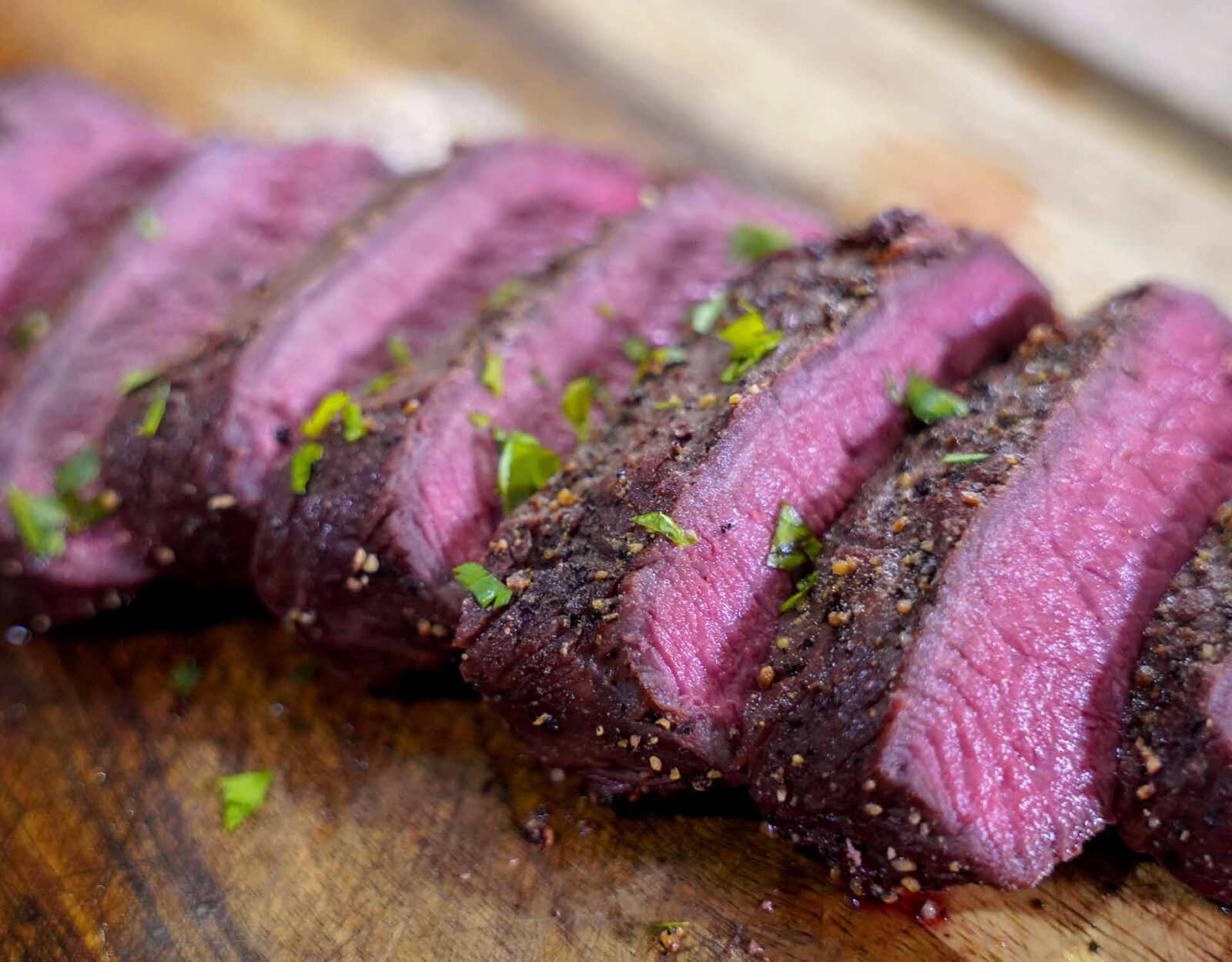
This grilled venison backstrap, marinated in a tangy balsamic-garlic blend, comes out juicy and smoky, making it a great choice for a laid-back cookout or a hearty hunting camp meal.
Sliced thin after a perfect sear, it’s a crowd-pleasing wild game dish that’s packed with flavor and foolproof to make.
-
For the marinade:
– ¼ cup Olive Oil
– ¼ cup Balsamic Vinegar
– 2 tbsp Soy Sauce (low-sodium preferred)
– 1 tbsp Dijon Mustard
– 2 teaspoon Worcestershire Sauce
– 2 cloves Garlic, minced -
For the venison:
– 1–1.5 lbs Venison Backstrap, trimmed of silver skin
– 1 tsp Kosher Salt
– ½ tsp Black Pepper, freshly ground
- Charcoal grill
- Meat thermometer
- Charcoal (lump or briquettes)
- Ziplock bag or shallow dish for marinating
- Tongs
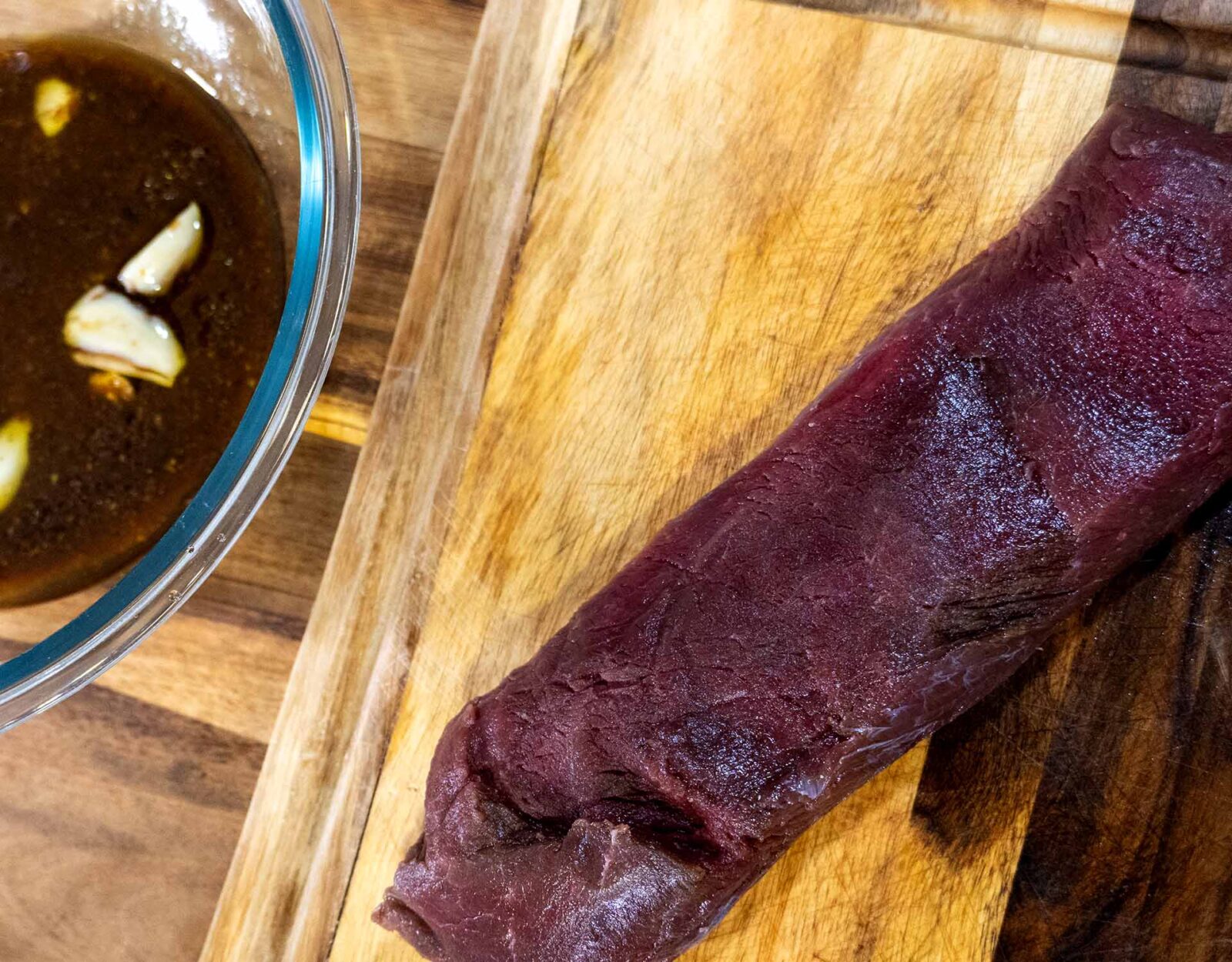
- Prepare the Marinade: In a bowl, whisk together olive oil, balsamic vinegar, soy sauce, Dijon mustard, and minced garlic until fully combined. The marinade should be slightly thick and emulsified.
- Marinate the Backstrap: Place the venison backstrap in a Ziplock bag or shallow dish. Pour the marinade over the meat, ensuring it’s fully coated. Seal the bag or cover the dish, and refrigerate for 4–8 hours (avoid exceeding 8 hours to prevent excessive tanginess). Turn the backstrap halfway through for even flavor absorption.
- Remove the backstrap from the refrigerator 30 minutes before grilling. Place it on a plate, covered loosely, at room temperature to ensure even cooking. This step reduces the risk of the exterior overcooking while the interior reaches the target temperature.
- Preheat your grill to direct high heat, ~450°F.
- Remove the backstrap from the marinade, letting excess drip off. Pat dry with paper towels for a good sear. Season generously with kosher salt and black pepper on all sides.
- Grill the Backstrap: Place the backstrap over the direct heat zone. Sear for approximately 3-6 minutes per side, turning once, to develop a crust. Thicker cuts will take longer; smaller backstraps will take on the shorter end. Only flip once and cook until the internal temperature reaches 130°F for medium-rare, or other preferred temperature. Note: the temperature will continue to rise as it rests. Use a meat thermometer to check doneness, as venison cooks quickly and can dry out if overcooked beyond this range.
- Remove the backstrap from the grill and transfer to a cutting board. Tent loosely with foil and let rest for 5-10 minutes to redistribute juices. The temperature will rise slightly (up to ~5 degrees) during resting, so if you may have overcooked the venison, do not tent with foil, just allow to rest.
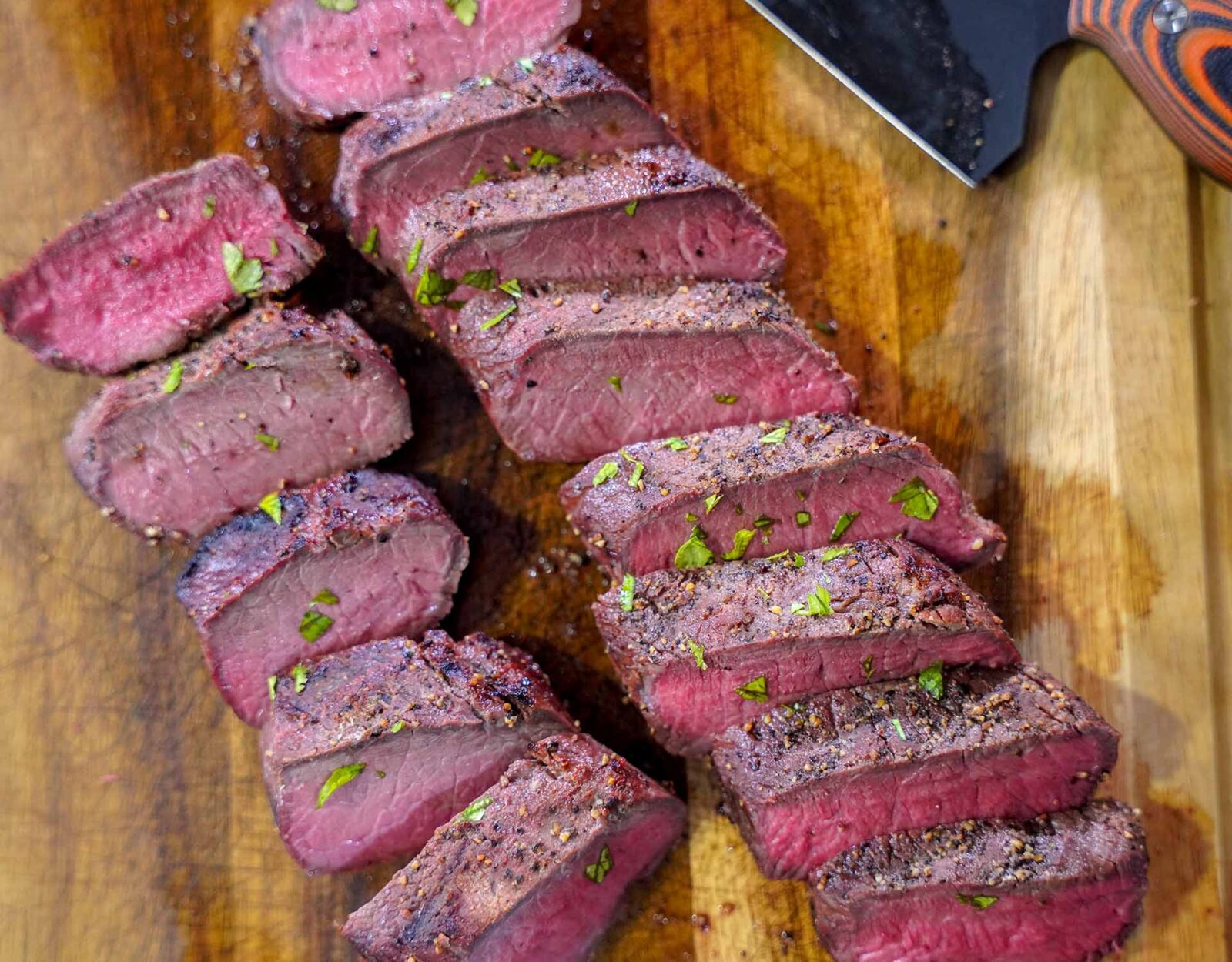
- Slice the backstrap and serve.
Behind the Bite: The Hunts That Made It Happen
A season told in five recipes.
Savoring the Season: Early Season Prep
Before deer backstraps land on your plate, there’s early season scouting. It’s where the puzzle pieces start coming together. Before the season starts, I’m always looking for new areas to hunt. And before ever getting boots on the ground, I’m using the map to identify areas with food, water, thick cover deer can use for bedding, and locations to sit and glass for bucks.
Then it’s time to use that information and gain intel from the ground: fresh tracks, droppings, scrapes, and heavily used trails. I’ll also hang trail cameras in spots that look the most promising.
Freezer-Filling Features: What Helped the Most
Early season, I’m using Topo Maps religiously. I’ll also use Waypoints to pinpoint promising areas.
Follow the Whole Season, Bite by Bite
– YOU ARE HERE >> Early Season Prep + Backstraps
– First Hunt of the Year + Mozzarella Venison Meatballs
– Ohio Success + Venison Smashburgers
– Ups and Downs + Venison Mississippi Pot Roast
– Late Season Doe Hunting + Venison Chili