Big game seasons are winding down, but there’s still plenty of hunting opportunities to be had. Coyote hunting is an excellent way to extend time in the field. It’s full of fast-paced action, especially when using a call as we’ll discuss in detail below, and it provides relief to vulnerable wildlife.
TL;DR: Coyote hunting extends your season while supporting wildlife management. With year-round opportunity in many states, hunters can target coyotes using effective calling strategies, smart wind management, and season-specific sounds. Winter and spring offer peak action, while tools like onX Hunt help identify access, terrain, and stand locations. Whether day or night, calling coyotes delivers fast-paced hunts and benefits for deer, turkey, and other game populations.
Why Hunt Coyotes?
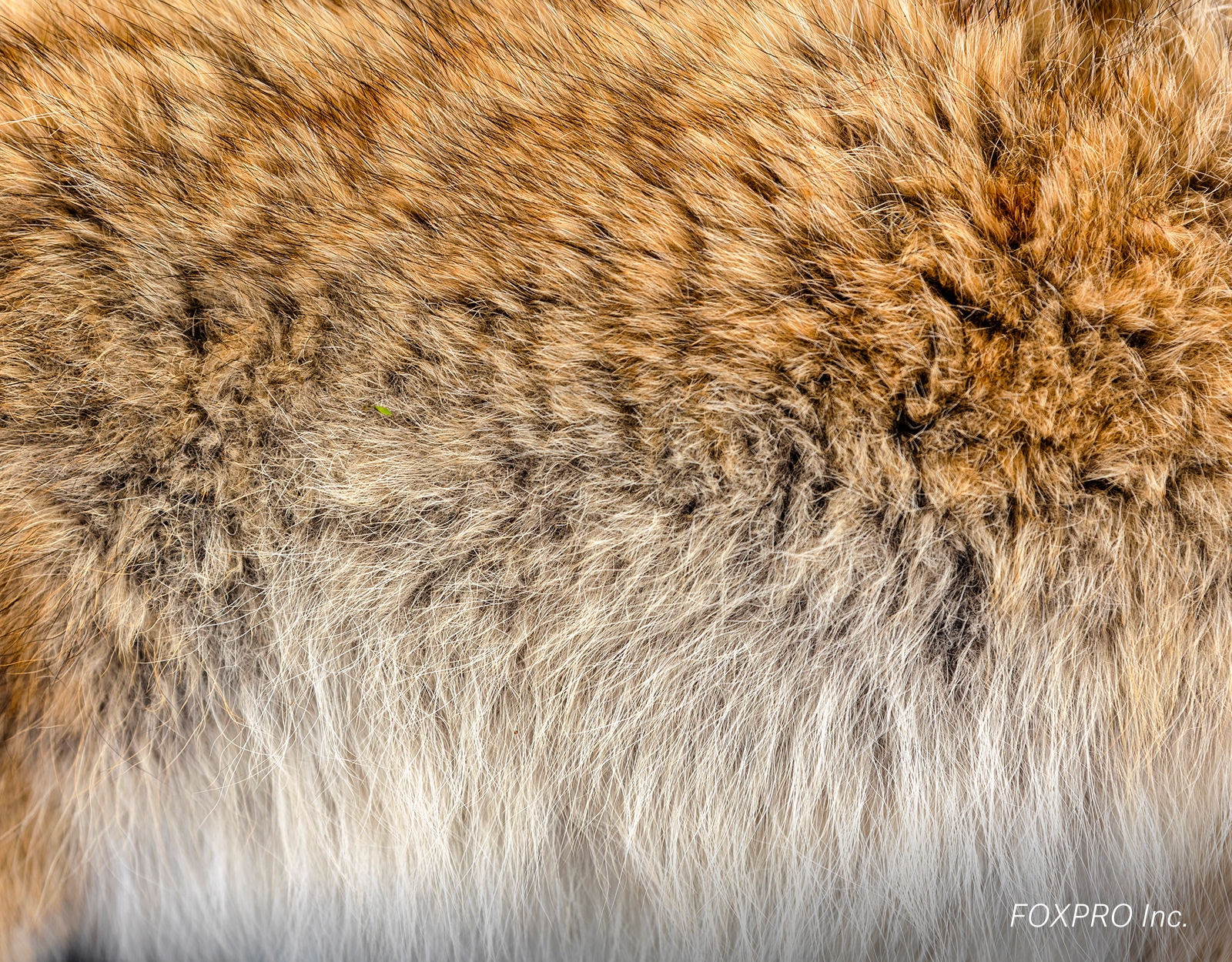
Coyote management is wildlife management. If you consider yourself a land manager and you want to increase the population of deer, turkeys, and other game animals, then it’s imperative that you include a predator management plan. Coyote population control is something that you must stay on top of. You can’t just hunt them once a year and expect long-term results. The winter months are extremely productive, but also consider hunting during the late spring and early summer timeframe. This is when deer fawns are being born, and turkey poults are hatching, and are most vulnerable. If you’re removing coyotes from the landscape at that time, you’ll increase game animals’ odds of survival.
One of the best things about coyote hunting is that most states have year-round coyote seasons (check your local regulations), and many states allow day and night hunting, which results in plenty of hunting opportunity. That means more time outdoors. You don’t have to sit around waiting for hunting season to get here. Grab a FOXPRO call and get to hunting.
Coyote hunting has a way of getting into your blood. It’s challenging, interactive, and fast-paced. It takes woodsmanship, strategy, and skill to be consistently successful. For myself, calling coyotes is much more than just a seasonal activity. My passion for coyote hunting keeps me in the field year-round.
How To Hunt Coyotes
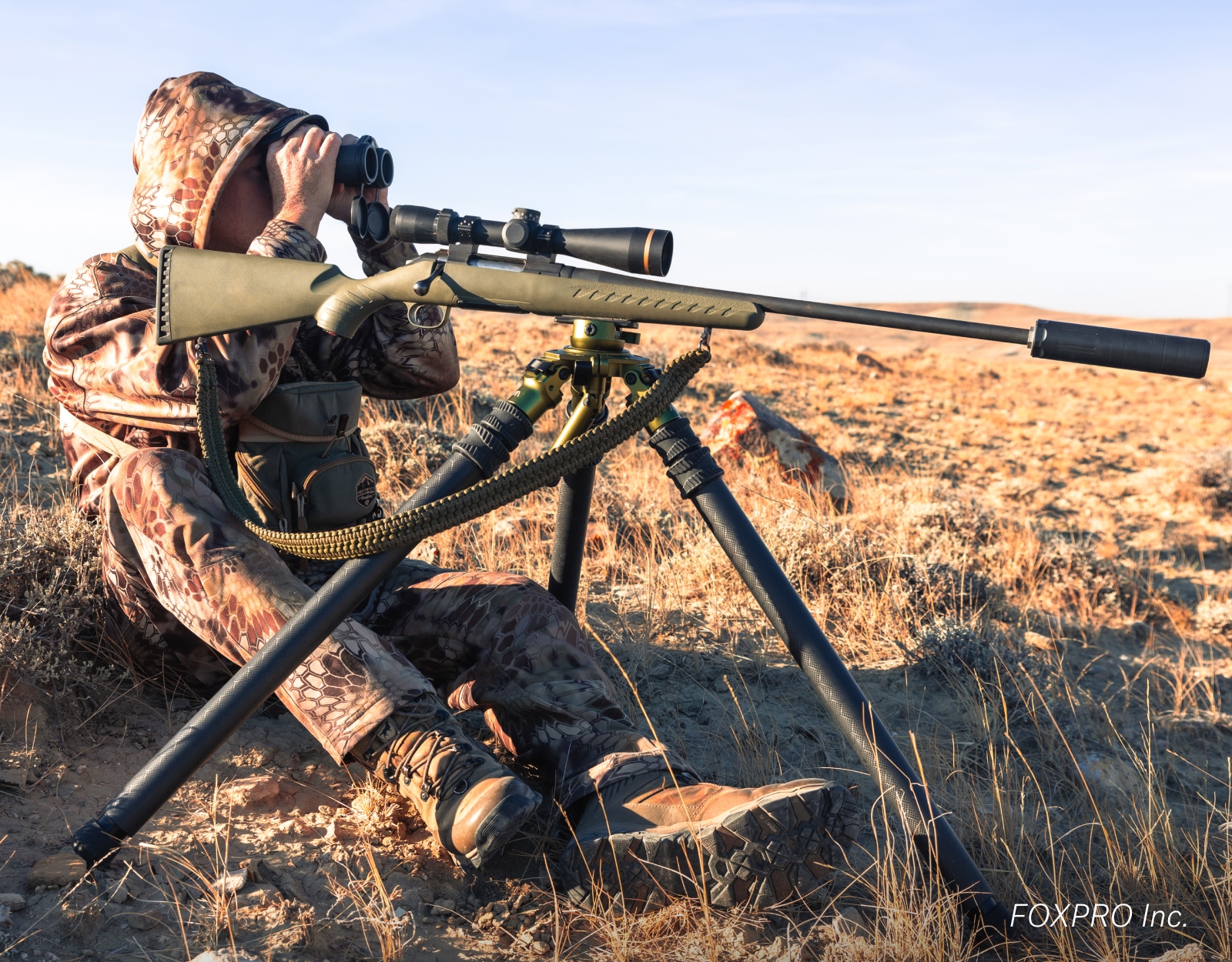
While some hunters have success hunting coyotes by driving around to find them, other hunters use a calling setup to lure them into rifle range. For these latter hunters, the call is the foundation around which they build their stand setup.
To make a successful coyote stand, focus on four key elements: stand selection, wind direction, e-call placement, and sound selection. Each of these factors plays a critical role in increasing your odds of calling in a coyote.
Stand Selection
First, study onX Hunt maps for possible stand locations. I look for spots with good visibility that are close to areas that may be holding coyotes, especially those with brush, rock piles, or waterways. Using onX Hunt’s Lidar Maps is useful here. If hunting private property, I like talking with the landowners and farmers. They give vital feedback on where and when they see or hear coyotes. I gather all the information I can to set myself up for success.
Wind Direction
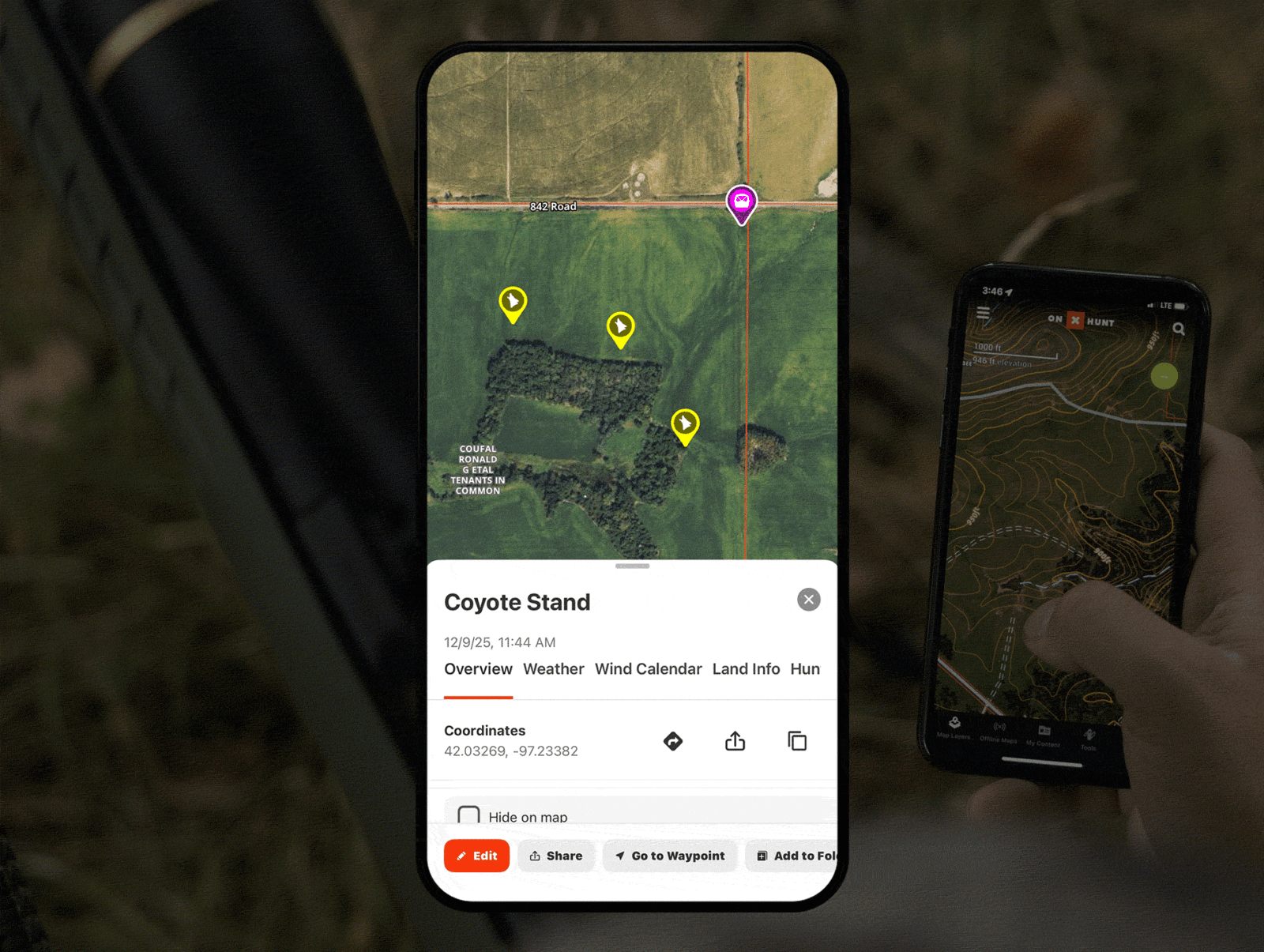
Use Wind on Waypoint to monitor prevailing winds wherever you’ve set up your stand. If your scent will be carried downwind to where you expect coyotes, choose a backup stand or location.
Wind direction can make or break a coyote stand. If a coyote smells just a molecule of human scent, it will not come to your calling, and you’ll likely end up with call-shy coyotes. The main thing to remember is to avoid having the wind blowing from you to where the coyotes are. Use Wind on Waypoint to monitor prevailing winds wherever you’ve set up your stand. If your scent will be carried downwind to where you expect coyotes, choose a backup stand or location.
E-call Placement
Next up is figuring out where to place the e-call. Several factors influence where you’ll place the FOXPRO unit on the stand, including the lay of the land, where you’ll be sitting or standing, wind direction, where you think the coyotes are, and where you’d like to steer the coyotes to. All these factors need to be considered to determine what distance and which direction you’ll be placing the e-call unit.
Sound Selection
When coyote calling, a handful of triggers will make a coyote advance to your calling:
- Their territorial instincts.
- Parental instincts.
- Their need for food.
- Curiosity.
A wide variety of sounds and sound sequences will trigger a coyote to come running to your stand. Prey distresses, coyote pup distresses, coyote fights, and coyote howls are the most often used.
The sound you choose should consider seasonality, and the calling season can basically be divided into four sections: breeding season, denning and pup-rearing season, family bust-up, and yearling dispersal. Below, we outline calls and tactics suited to each.
Breeding Season
Breeding season generally peaks in mid-February. You can be productive calling coyotes from January through early March by taking advantage of this yearly event. Coyotes will come to calls through this stretch for food, to defend territory, and for breeding opportunities.
Denning and Pup-Rearing Season
Denning and pup-rearing season is an excellent time to call for coyotes. On average, most coyotes are born in mid-April. This is a huge transition period for the coyotes. With having a litter of pups to raise, coyotes’ territorial and parental instincts are heightened from April through August. A hunter can capitalize on this with a variety of coyote vocalizations. Howls, crying puppies, pup distresses, pup fights, and adult coyote fights will produce hard-charging coyotes to your stand.
Family Bust-up
Coyote family bust-up usually takes place when September rolls around. The coyote family groups are starting to string out. The yearling coyotes have started to shed their baby teeth and are now hunting on their own. All the family members will stay in the same general area, and they will keep in contact with each other until they ultimately disperse. The action can be fast during this timeframe. Lone pup howls, social interaction sounds, prey distresses, and older age class pup fights are dynamite from September through October.
Yearling Dispersal
Yearling dispersal is ramping up going into November. A lot of the yearling coyotes are now functioning on their own. This is the time of year when I’m the most prey distress heavy. Probably half or more of my calling sequence is going to involve prey distress sounds. Howls, social interaction sounds, and fights are still great producers as well.
The calling season can be divided into four sections: breeding season, denning and pup-rearing season, family bust-up, and yearling dispersal.
Coyote Hunting Gear
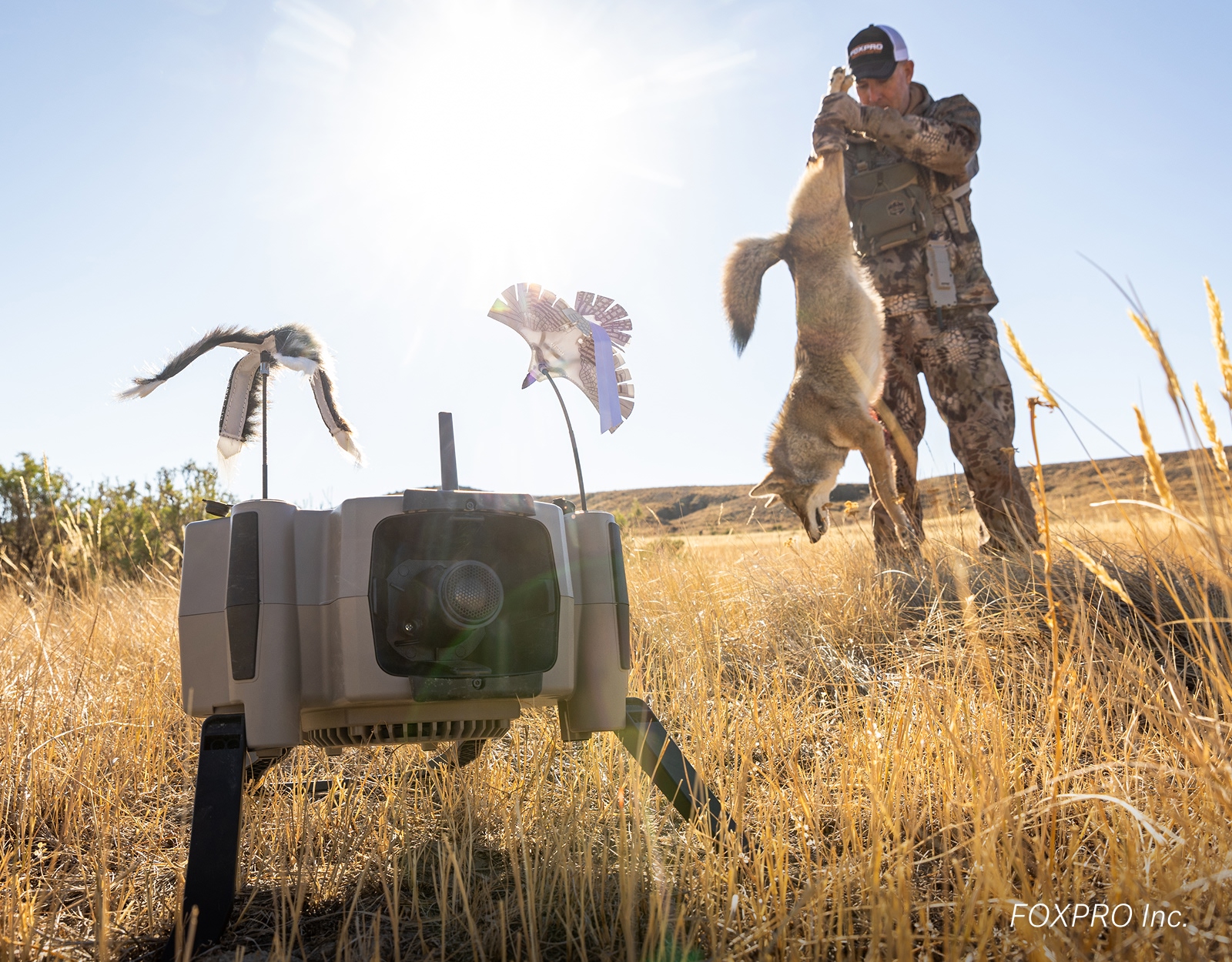
Today’s coyote hunters have more tools available to them than ever before. Having the right equipment can lead to success in the field.
Coyote Calls
Hunters have several options for coyote calls, including electronic calls, hand calls, and mouth diaphragms.
Hand calls and mouth diaphragms can be used to mimic many different prey distress sounds and coyote vocals. These types of calls are portable and are easily carried on a lanyard or in a jacket pocket. Hand calls and mouth diaphragms are affordable and can give extra satisfaction when you successfully call in a coyote. My personal favorite hand calls are from the FOXPRO Further Combo Pack. This pack comes with a closed reed call, an open reed, and a bite call. With those three hand calls, I can produce a variety of coyote vocals and prey distress sounds. For diaphragms, I reach for the FOXPRO Loaded Gun Combo pack. These mouth calls have great volume capabilities and produce realistic howls, barks, distress, and yips.
The biggest game-changer for a coyote hunter is undoubtedly the electronic call. The possibilities are almost endless with hundreds of real animal recordings at your fingertips. A wide range of rabbit, bird, rodent, raccoon, fox, deer, and domestic distress sounds will call in any predator on the landscape. Another highly effective sound category is coyote vocals. Coyote howls, coyote social interaction sounds, coyote pup distresses, and coyote fights are always top producers. FOXPRO makes e-call units for every hunter’s budget, needs, and hunting style. My personal favorites are the FOXPRO Hellcat Pro, X24, and X360 paired with the FOXPRO and MFK Game Calls sound libraries.
Firearm/Caliber
AR and bolt rifles are both fine choices for coyote hunting. It mainly comes down to preference and which option you’re most accurate with. I highly suggest sticking with centerfire cartridges, with the .223, .22-250, .243, and 6mm Creedmoor being some of the most popular. These offerings are light recoil, have flat trajectories, and are effective on coyotes.
Scopes, Lights, and Thermal Optics
For day hunting, a quality optic with a magnification range that will handle any coyote hunting situation—from coyotes called in close to coyotes that hang up at extended ranges—is ideal.
Many hunters say that nighttime is the right time. Coyotes are more comfortable on their feet in the dark hours. Two popular options for night hunting are lights and thermal optics. Lights are the more affordable option. Many hunters question which color of light is the best, with the two most popular colors being red and white. A versatile light, such as the FOXPRO Quadfire, gives both of those options and more.
Thermal optics are another game-changer in coyote hunting. They’re typically more expensive than lights, but thermal gives hunters an unparalleled advantage in the dark. Coyotes simply cannot hide from thermal.
Shooting Rest
A good shooting rifle is next to useless if you can’t hold it steady. Coyotes aren’t big targets, and they rarely stand still for more than a few seconds. Having a versatile and stable platform is a must. One of the most popular options today that provides stability and versatility is a tripod shooting system. A tripod gives a rock-solid shooting platform from a sitting position to a standing position.
Coyote howls, coyote social interaction sounds, coyote pup distresses, and coyote fights are always top producers.
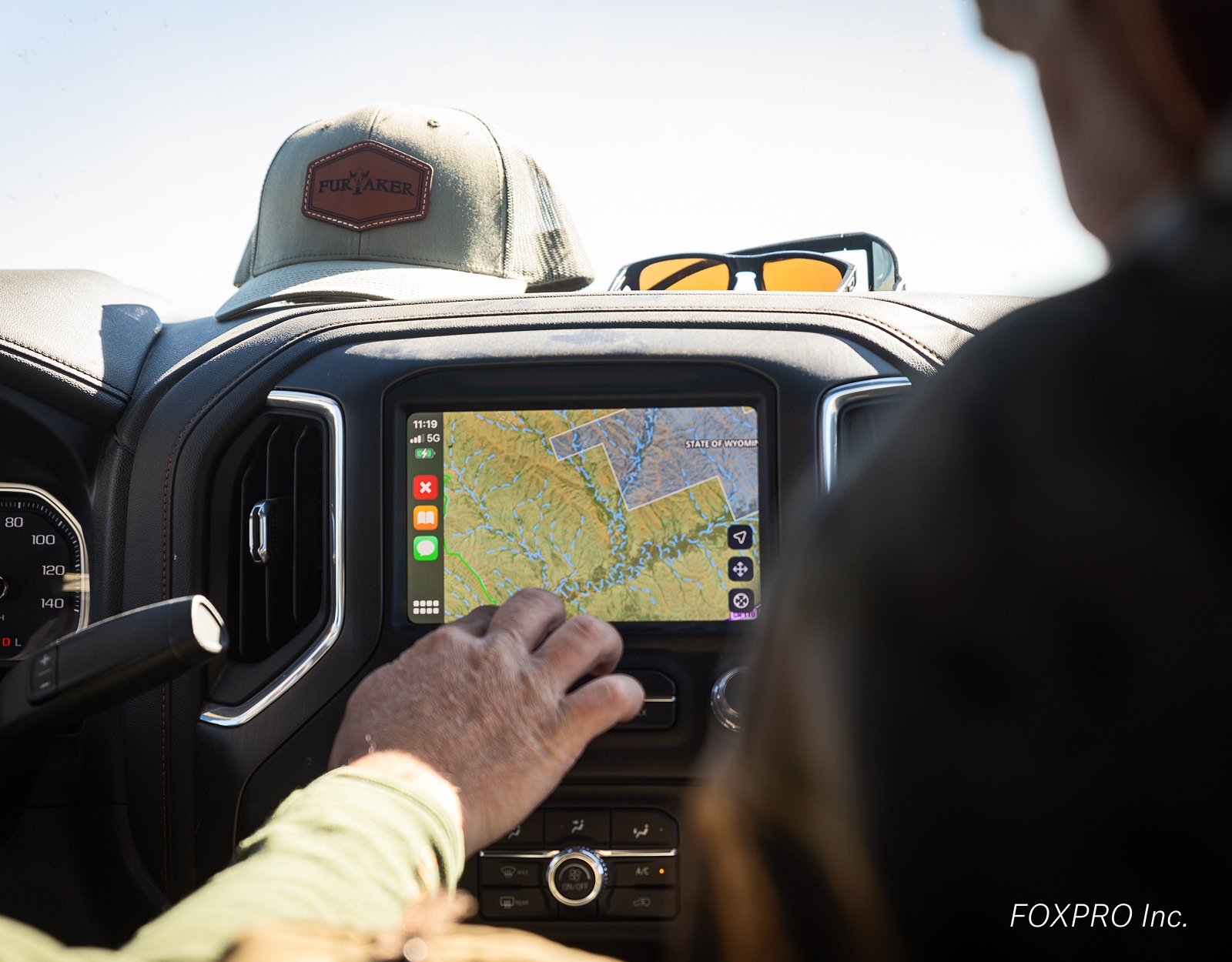
Whether you coyote hunt for wildlife management purposes, extended time in the field, or the pure fun of it, hopefully these tips and guidelines will lead to your success. Shoot straight and shoot often!
FAQs
Coyotes can be hunted year-round in many states, but winter is the most productive due to increased movement, breeding behavior, and better visibility. Late spring and early summer are also effective for predator management when fawns and poults are most vulnerable.
Prey distress sounds (rabbit, rodent, bird), coyote howls, pup distress, and coyote fight sounds are effective. Sound choice should match the season: vocals during breeding and denning, prey distress during fall and dispersal.
Most states allow coyote hunting year-round on public and private land, but regulations vary by state, season, weapon, and time of day. Always check local regulations and use tools like onX Hunt to confirm land access.
Successful setups focus on four things: smart stand selection with visibility near cover, strict wind management, strategic e-call placement away from the shooter, and seasonally appropriate sound selection.
Night hunting can be effective since coyotes are more active and less cautious after dark. Where legal, lights or thermal optics can increase success, but daytime calling can be just as productive with the right setup.