TL;DR: In early 2026, we attended four of North America’s largest wildlife conservation conventions: NWTF’s 50th Annual Convention, SEWE, Pheasants Forever and Quail Forever’s Pheasant Fest and Quail Classic, and the Western Hunting Expo. A unified theme emerged: today’s hunting community has shifted from passive appreciation to aggressive, landscape-scale habitat restoration, scientific research, and legislative advocacy. Major priorities include NWTF’s regionalized turkey programs backed by more than $22 million in research funding, Pheasants Forever’s goal to open 1.4 million new acres of recreational access, Quail Forever’s biologist-driven bobwhite habitat push in the Southeast, and the Mule Deer Foundation’s record $2.5 million investment in Utah wildlife projects.
Wild turkeys, mule deer, pheasant, and quail have one thing in common: they all have stalwarts in their corners who defend and advocate on their behalf. And every year, these defenders, volunteers, and advocates come together to celebrate achievements and set the tone for the next year of conservation.
This is the scene for tradeshow and convention season, a time when North America’s top wildlife conservation organizations host tens of thousands of people, from hunters and conservation heroes to enthusiastic turkey callers and beloved bird dogs. For several days, everyone shares stories about the wild animals they love.
This year, onX traveled to the National Wild Turkey Federation’s (NWTF’s) historic milestone convention, Quail Forever’s cultural celebration, Pheasants Forever’s massive upland gathering, and the Mule Deer Foundation’s booths at the Western Hunting Expo to meet with hunters and wildlife supporters who, just like us, care greatly about future flocks, coveys, and herds.
Observations from these four major conventions reveal a community transitioning from the simple appreciation of wildlife to aggressive, landscape-scale habitat restoration, and hard-hitting legislative advocacy. Here’s what we learned from leaders in each organization and why it matters for hunters.
The National Wild Turkey Federation: 50 Years of Putting the Wild Turkey First
NWTF has helped fund 35 research projects in the last four years, contributing over $2.3M to support $22M for turkey research.
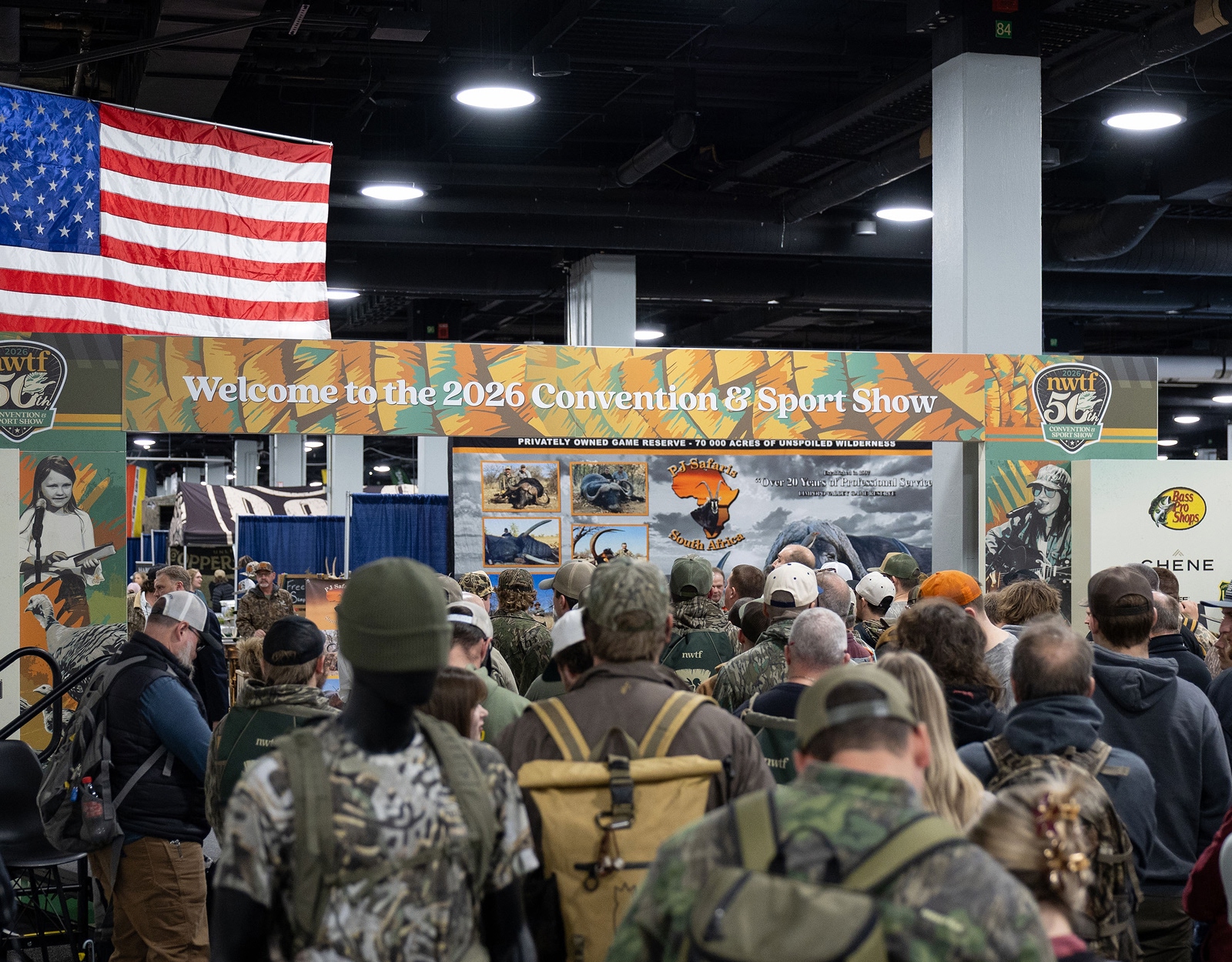
In mid-February, the Gaylord Opryland Resort & Convention Center in Nashville, Tennessee, hosted the NWTF’s 50th Annual Convention and Sport Show. The atmosphere felt less like a traditional tradeshow and more like a massive family reunion for the record-breaking 94,426 conservationists and hunters in attendance.
The week kicked off with a celebratory tone that honored the NWTF’s rich past while showcasing how NWTF is charging headlong into its future.
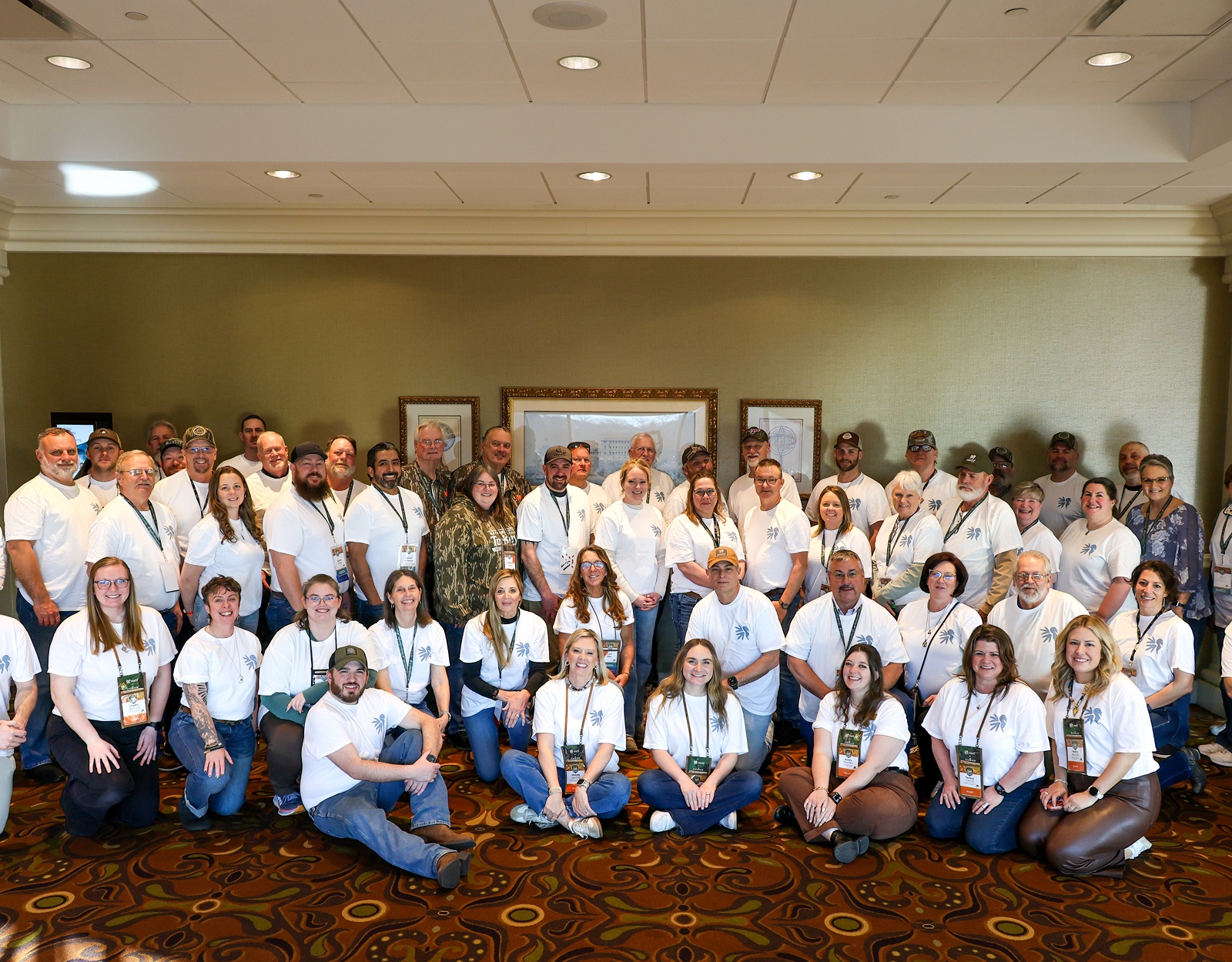
Reflecting on this monumental milestone, Barry Woods, NWTF National Director of Event Fundraising, emphasized that the organization’s partners and volunteers are the best they have ever had, “which is precisely how the NWTF has successfully lasted for 50 years,” he says.
Beyond the spectacle of the nearly 500-vendor sport show and the $25,000 in cash and prizes awarded at the Grand National Calling Championships, the NWTF is laser-focused on a scientific and conservation agenda.
The NWTF is focusing its resources on regional challenges through specific programs like Waterways for Wildlife, Habitat for the Hatch, Forests and Flocks, and Roots to Roost, as well as a new western initiative to be included soon. This regionalized organization of resources and projects helps tackle issues that might be occurring in one area of the country and not another. In short, it’s drilling into why some turkey populations are dwindling, and others are not.
Pete Muller, NWTF Director of Communications, explains that hunters should look at what matters most in their specific regions and find ways to pool their resources for greater effect. A regional approach helps hunters think bigger than their immediate backyards while not getting distracted by a perception that important projects are only taking place in other states.
Muller also highlighted that the NWTF is in a better position with its partners than ever before to make impacts, reminding hunters that for every dollar donated to NWTF, $0.89 goes directly to the conservation mission, and many funds can be matched at a rate of up to 10:1. That’s really stretching one’s dollar for conservation.
On the scientific front, NWTF recently hired Patrick Wightman as its National Director of Wild Turkey Research and Science. Wightman is helping the organization once again lean hard into science and research. According to Wightman, the NWTF has helped fund 35 research projects in the last four years alone, contributing over $2.3 million to support a staggering $22 million for turkey research around the country.
One impactful way that money is being put to good use is through a new endowment at Mississippi State University. It joins the highly successful University of Georgia endowed chair led by Dr. Mike Chamberlain, which recently surpassed the $1 million mark to ensure wild turkey science remains permanently funded. Increasing opportunities for wild turkey researchers means more answers for what’s happening to populations.
Quail Forever: Celebrating Southern Sporting Culture at the Southeastern Wildlife Exposition and Quail Classic
The organization is focused on connecting private landowners with trained wildlife biologists to generate real results.
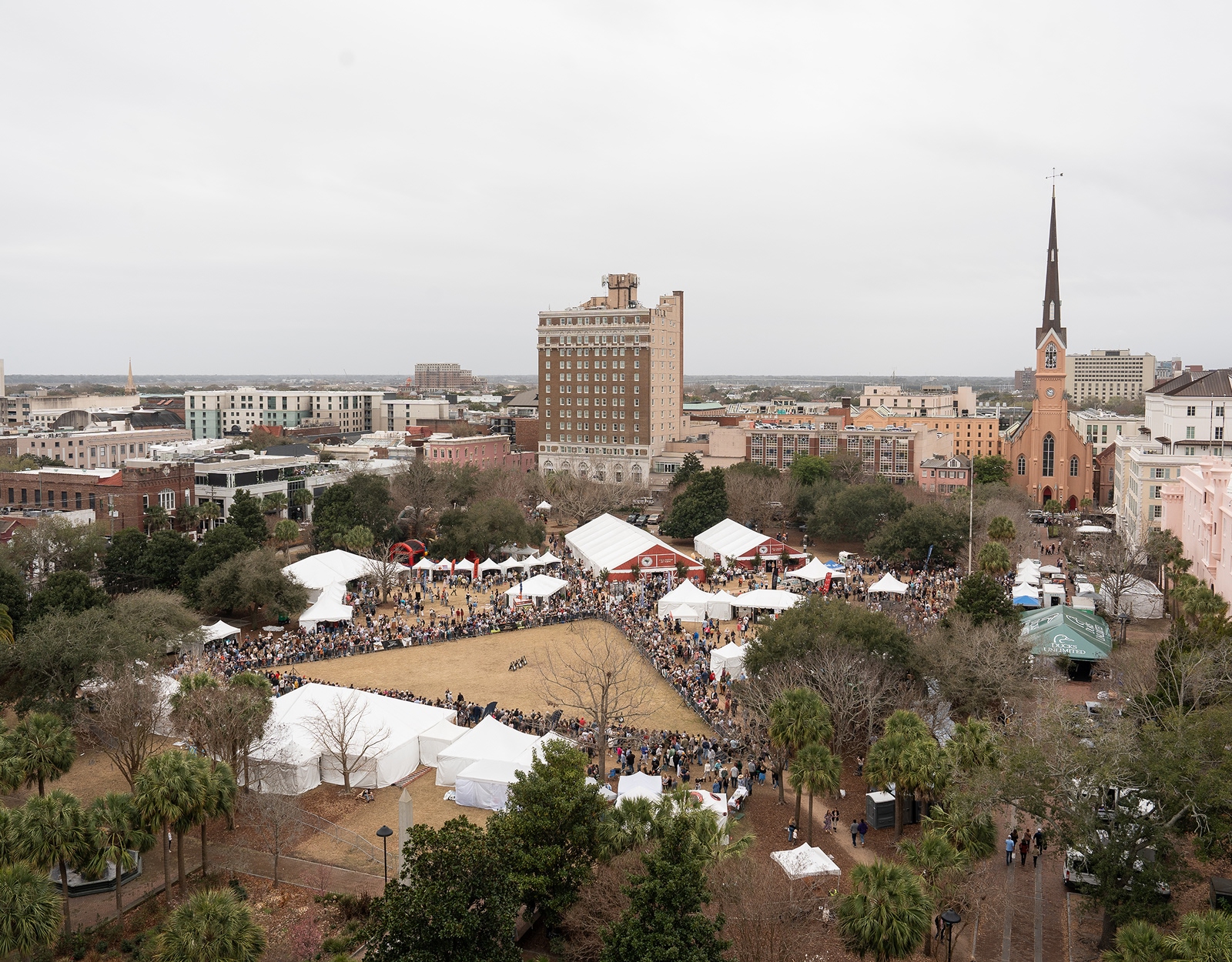
At the same time as the annual turkey gathering, the historic cobblestone streets of Charleston, South Carolina, hosted the Southeastern Wildlife Exposition (SEWE).
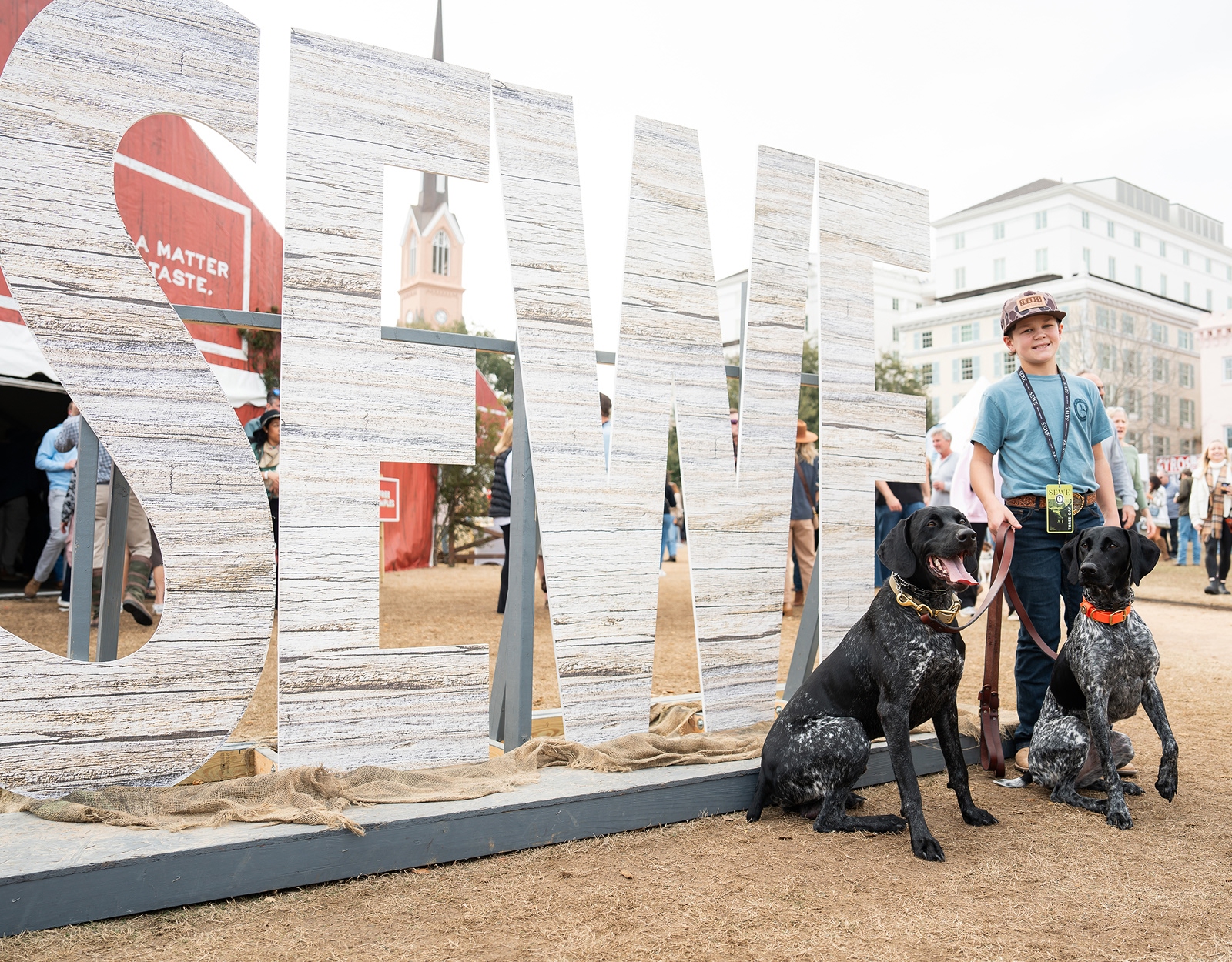
SEWE serves as a masterclass in Southern sporting culture, characterized by Barbour jackets, fine sporting art, and an army of Boykin Spaniels, South Carolina’s official state dog. The culinary experience alone is a major draw for attendees, featuring local delicacies like Lowcountry boils, fresh oysters, shrimp and grits, she-crab soup, and whole-hog barbecues.
At the Quail Classic, the sheer dedication to grassroots conservation was palpable. Quail Forever staff and volunteers were constantly engaged in conversations about habitat management, dog training, and the future of the uplands.
The primary message for hunters from Quail Forever at SEWE this year is an urgent, localized push to reverse the decline of the northern bobwhite quail through aggressive, on-the-ground habitat implementation. The organization is focused on connecting private landowners directly with trained wildlife biologists to generate real results on Southern properties.
By partnering with organizations like the South Carolina Prescribed Fire Council, the Longleaf Alliance, and the South Carolina Bobwhite Initiative, Quail Forever is taking a collaborative approach to restoring critical ecosystems.
Pheasants Forever: Ambitious Agendas at the National Pheasant Fest & Quail Classic
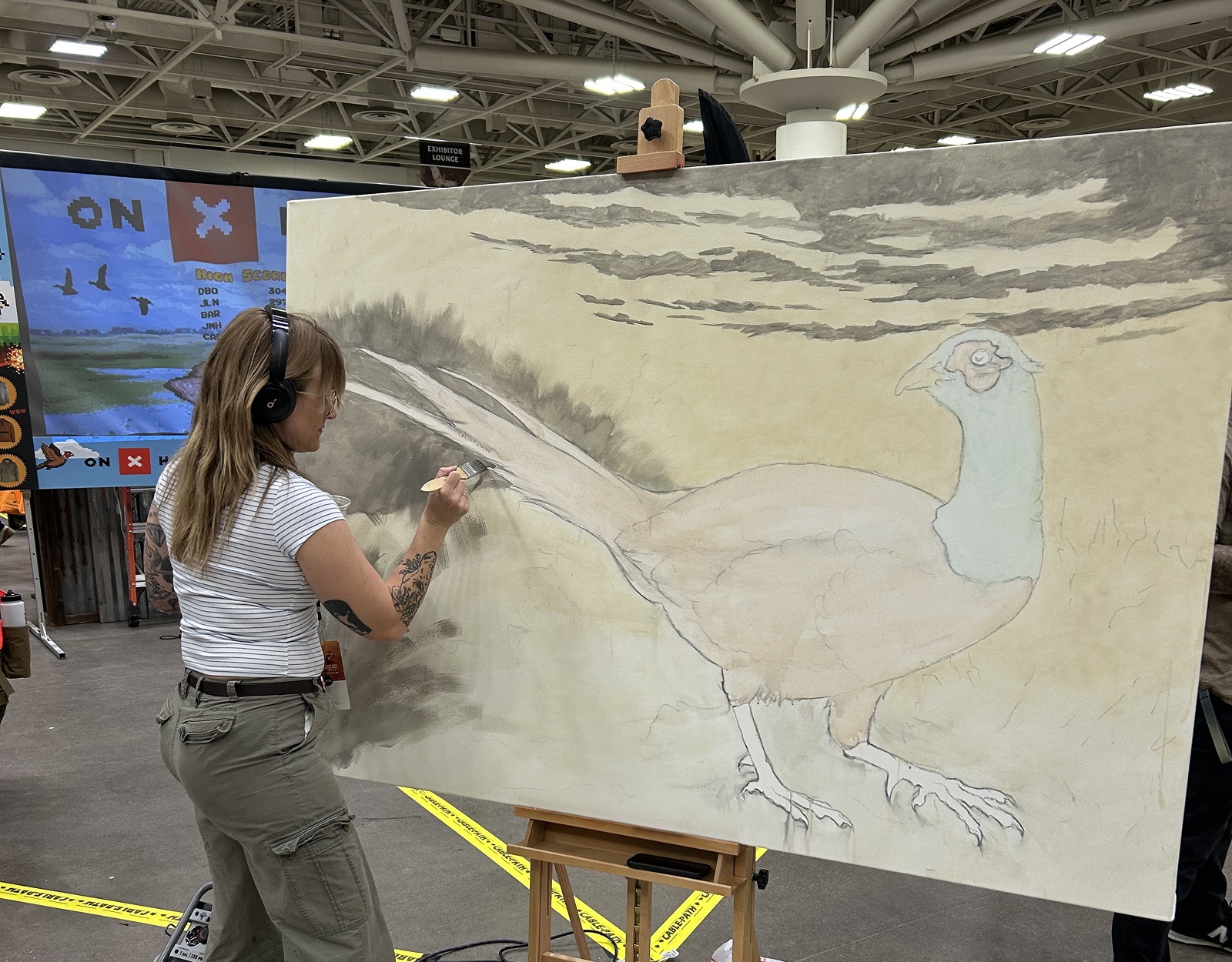
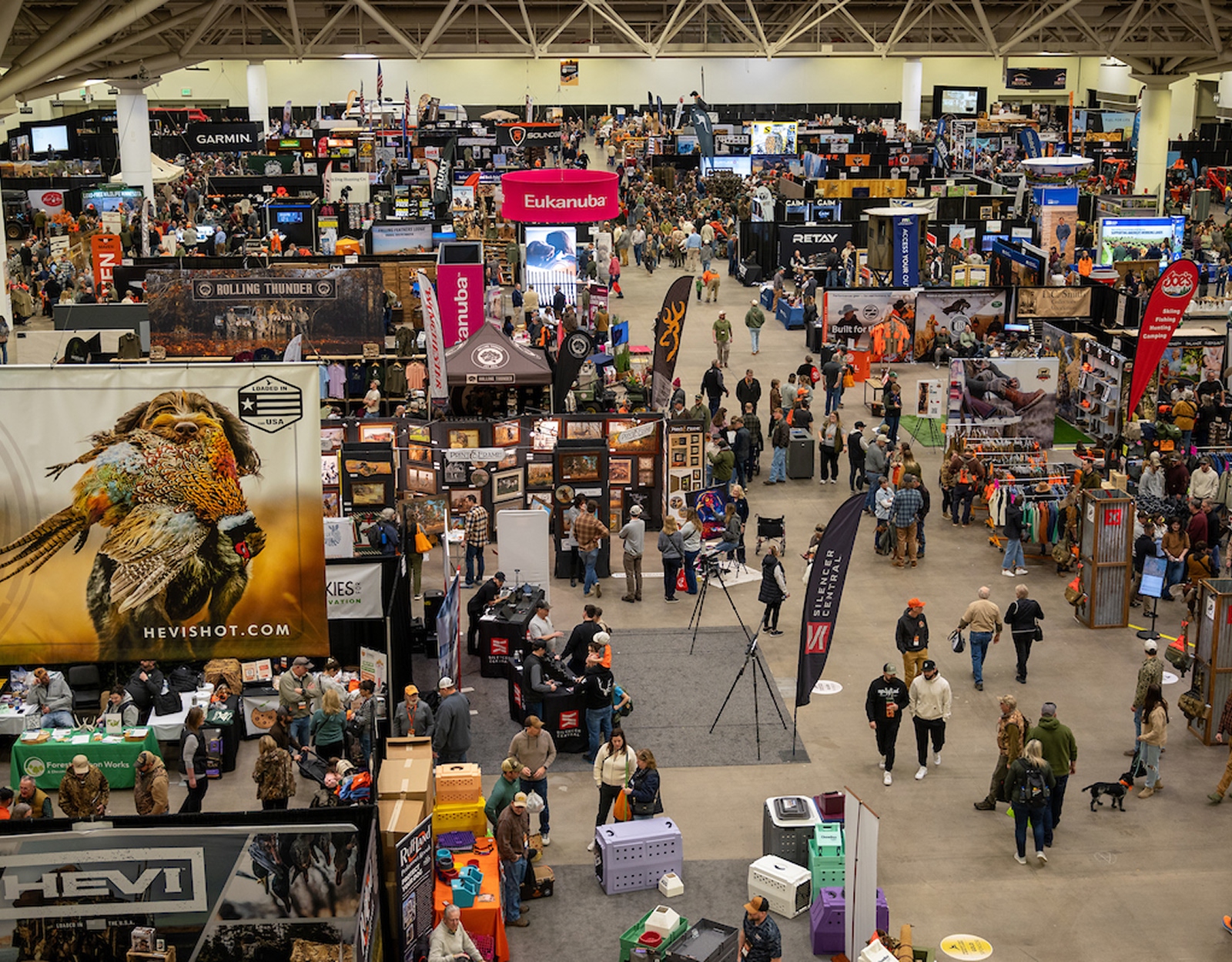
2026 goals seek to open 1.4M new acres of recreational access on private land and unlock another 75k acres of landlocked public lands.
In the upper Midwest, the Minneapolis Convention Center hosted Pheasants Forever and Quail Forever’s joint National Pheasant Fest & Quail Classic from February 20-22, 2026. Recognized as the world’s largest show for upland hunters, bird dog enthusiasts, and wildlife conservationists, the event welcomed 28,852 attendees.
Jared Wiklund, Director of Communications for Pheasants Forever and Quail Forever, believes that upland hunters are the friendliest and most welcoming group of hunters on the planet, a sentiment that was evident throughout the weekend. In addition to the vibrant show floor, evening fundraisers and the Concert for Conservation set a celebratory tone for the entire event.
According to Wiklund, the organization’s “State of the State” vision emphasizes that upland conservation and hunting traditions thrive when people come together with a shared purpose: protecting and restoring habitats, sustaining wildlife, and ensuring future generations can experience the outdoors.
To guide this work, Pheasants Forever has laid out several strategic priorities. First, the organization is focused on increasing and improving wildlife habitat, setting goals to permanently protect 22,800 new acres, restore 2.9 million acres, and improve 12.5 million acres through technical assistance, which is primarily habitat work focused on nesting and brood-rearing habitat on private lands with the support of over 400 professional biologists.
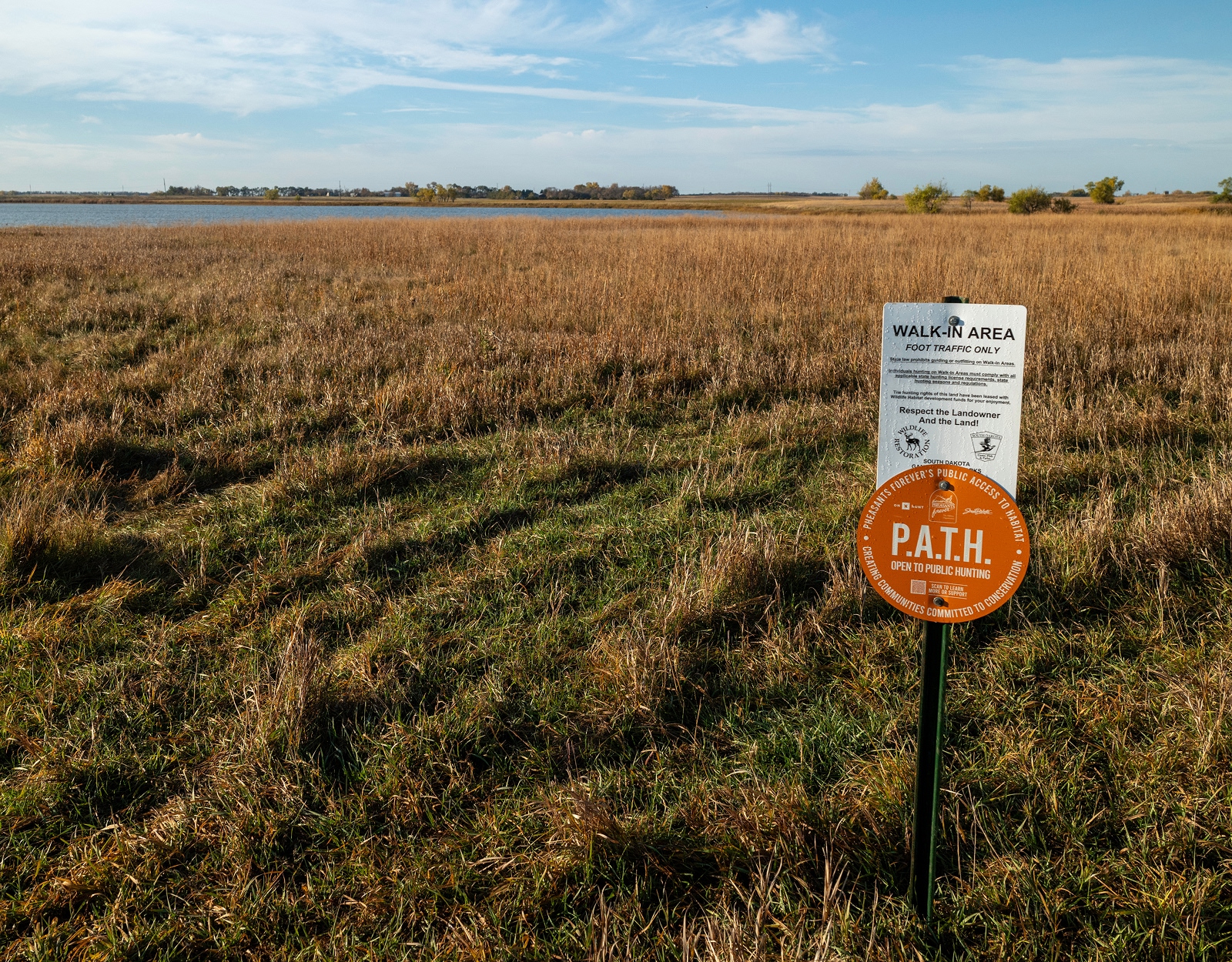
Another priority involves expanding public access, the vital bridge that links habitat to opportunity. Pheasants Forever is heavily promoting its P.A.T.H. (Public Access to Habitat) and Build a Wildlife Area (BAWA) programs to open doors for hunters, hikers, bird watchers, and other recreationists.
Through the growing P.A.T.H. program, a project to which onX Hunt is deeply dedicated, the organization now delivers approximately 160,000 acres of walk-in hunting across South Dakota, North Dakota, Nebraska, Oklahoma, and Michigan, with plans to expand into new states in 2026. Overall, the 2026 goals seek to open 1.4 million new acres of recreational access on private land and unlock an additional 75,000 acres of landlocked public lands.
Permanent protection is another cornerstone of this habitat mission, through the BAWA program, with the organization’s total protected acreage surpassing 243,000 acres this year. These critical properties serve as permanent habitat “hubs” on the landscape from which other public and private land projects can spoke out to increase gamebird populations. Connecting hunters to this habitat is essential.
In fact, connection is the main theme and thread that binds hunters to conservation, and back at Pheasant Fest, that is what the younger generation got to experience firsthand. Each year, the Youth Village helps connect kids to nature and the uplands through a variety of hands-on activities and learning stations, which include an indoor BB gun range, archery, fishing simulators, and wildlife education.
All in all, Pheasants Forever and Quail Forever’s grit and grind were evident in Minneapolis. Between landowners, adult-onset hunters, and youth participants, the organization hosted 2,077 events over the past year to influence more than 89,000 participants, and they have no plans to slow down.
The Mule Deer Foundation: Western Stewardship at the Hunting Expo
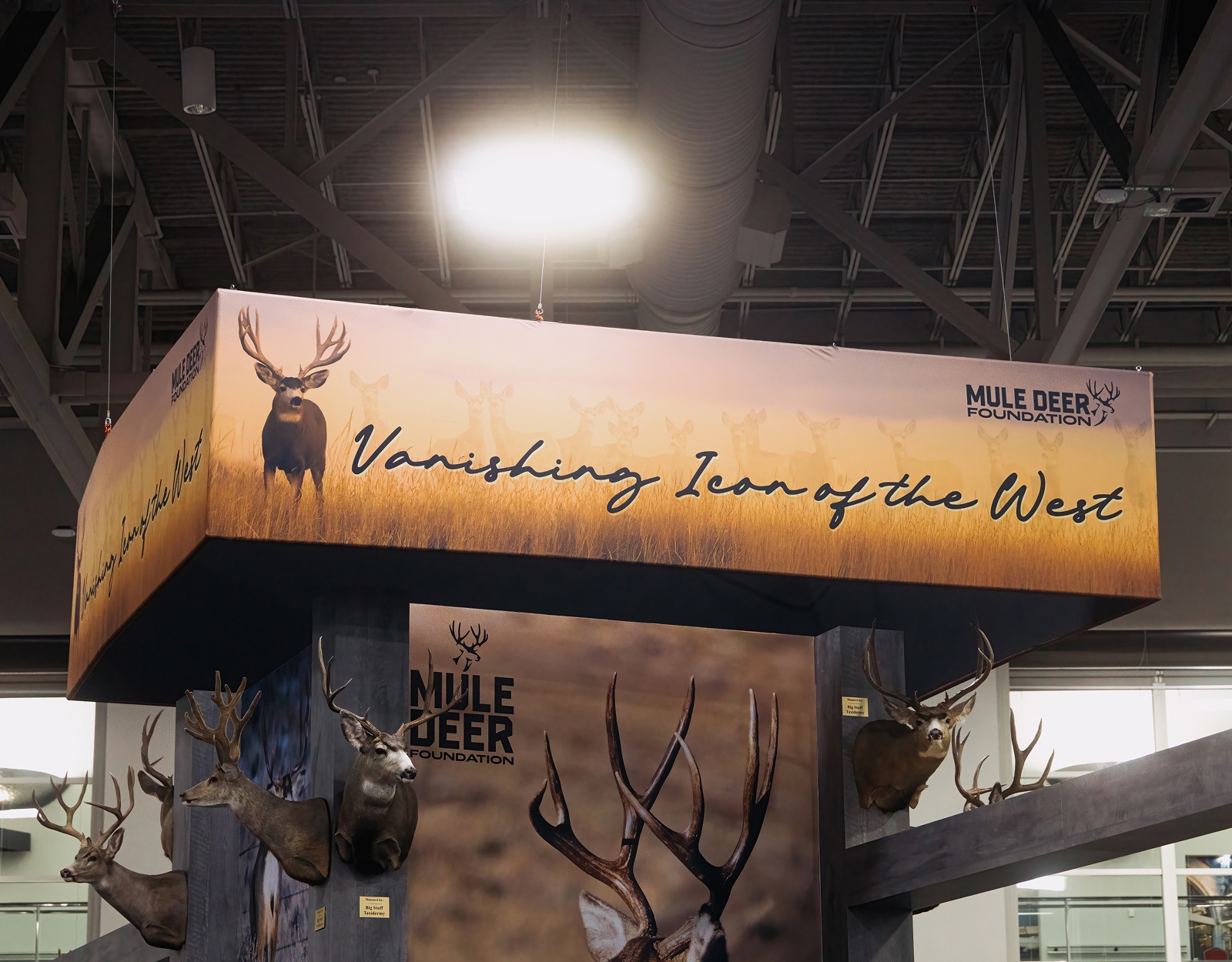
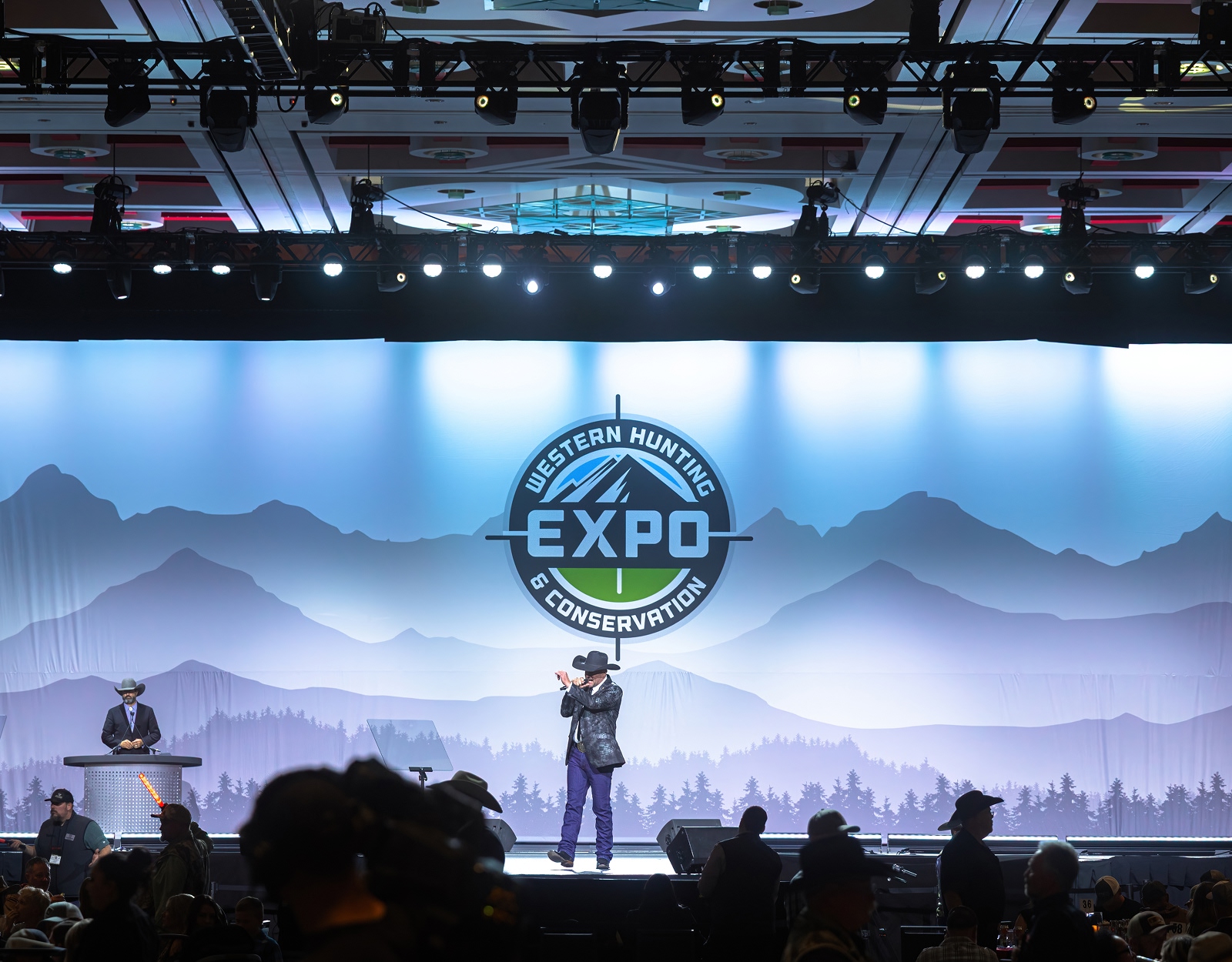
For every acre of habitat improved, the landscape can sustain 10% more deer.
Unlike the bird-focused events of the Midwest and South, the atmosphere at the Western Hunting and Conservation Expo, held in Salt Lake City, was steeped in the rugged realities of the American West, focusing on big game migration, high-desert ecology, and recent natural disasters’ devastating impacts.
The passion at the Mule Deer Foundation (MDF) booths reflected the organization’s 35-year history of steadfast dedication to mule deer and black-tailed deer conservation. The urgency of this mission was underscored by the stark reality that mule deer populations remain below historic levels in many areas, suffering long-term declines of 50–60%.
Ongoing challenges driving this decline include habitat loss and fragmentation, drought, wildfire, invasive species, predation, and disease. MDF staff member India Barker provided insights into these challenges, such as the struggles facing Colorado’s conifers and the critical importance of hands-on stewardship in western forests.
To combat population declines, MDF is building on a remarkably successful previous year. In 2025, MDF completed 184 conservation projects, improving more than 736,000 acres of habitat across the West.
The organization mobilized over $53 million in conservation value, including a $17.1 million direct investment, which helped efforts focused on habitat restoration, migration corridor improvements, wildfire recovery, and large-scale sagebrush planting, including nearly 300,000 seedlings. The impact of this work is highly quantifiable: for every acre of habitat improved, the landscape can sustain 10% more deer. In the past six years alone, MDF has created the ecological capacity for 180,000 additional mule deer on western landscapes. In short, MDF putting boots on the ground leads to more hooves on the ground.
Looking ahead, MDF’s core message for 2026 revolves around scaling conservation in key landscapes, expanding migration corridors and winter range work, active forest management, post-wildfire recovery, and strengthening federal and state partnerships, alongside growing membership to increase funding and advocacy impact.
This year, MDF announced it is funding a record $2.5 million toward Utah wildlife conservation projects out of a $6.6 million total allocation. These funds are specifically targeted at enhancing big game habitats, restoring delicate ecosystems, and mitigating the ever-present risk of catastrophic wildfires through strategic landscape restoration.
Underpinning all these 2026 initiatives is MDF’s nearly four-decade-long partnership with the USDA Forest Service, a collaboration that continues to drive innovative approaches to active forest management across the 200 million acres of public land managed by the agency.
Looking Ahead: A United Front for 2026
The themes from these four gatherings make it clear that 2026 is a defining year for North American wildlife conservation. Whether it’s NWTF reorganizing its landscape-scale turkey initiatives and pooling scientific data, Quail Forever combating bobwhite decline in the Southeast, Pheasants Forever driving historic Farm Bill policies and public access goals, or MDF fighting for western forest resiliency, the message is uniform.
Modern hunters are not passive participants; they are educated, active stewards of the land, heavily armed with the science, funding, and grassroots community support necessary to conserve the outdoor heritage for generations to come.
FAQs
Today’s hunting community is deeply connected with wildlife conservation. Gone are the days of simple appreciation of an activity. Now, being a hunter means supporting active, landscape-scale stewardship. Hunters are the primary driving force behind major conservation organizations like the National Wild Turkey Federation (NWTF), Quail Forever, Pheasants Forever, and the Mule Deer Foundation.
Through these groups, hunters help fund massive habitat restoration projects, legislative advocacy, and critical scientific research.
The National Pheasant Fest & Quail Classic is the world’s largest annual show for upland hunters, bird dog enthusiasts, and wildlife conservationists. Hosted by Pheasants Forever and Quail Forever, the event directly supports the organization’s four-part mission to conserve wildlife through habitat improvements, public access, education, and conservation advocacy.
Specifically, it rallies support for crucial initiatives like the Legislative Action Fund and habitat programs such as Build a Wildlife Area (BAWA) and Public Access to Habitat (P.A.T.H.). These programs are highly effective, having permanently protected over 243,000 acres and opened more than 141,000 acres of walk-in hunting access.
Hunters play a direct role in funding wildlife conservation through two primary channels. Federal excise taxes on firearms, ammunition, and archery equipment—established under the Pittman–Robertson Act—generate billions of dollars for habitat restoration, wildlife research, and hunter education.
At the same time, state hunting licenses and tags provide dedicated funding for wildlife agencies and are often used to match and unlock those federal dollars. Together, this user-funded model has become one of the most effective conservation systems in the world.