TL;DR: Quail hunting in the U.S. means learning six distinct birds and the habitats that sustain them. From Bobwhite thickets to desert chaparral and mountain shrub corridors, each quail species demands a different approach, but all share a reliance on shrubby cover, seasonal water, and bug-rich nesting grounds. Hunt with intention, trust good dogs, read the landscape, and you’ll start finding quail where others only see empty ground.
“Shrub Obligate.”
But it didn’t sound like how you just read it. The man who first said it to me pulled each syllable across his teeth like it was saltwater taffy.
“Shhhhrrubbb Oooobliiiigaaate.”
The man talking was Dr. Dwanye Elmore, native Oklahoman and leading quail biologist. The setting, a quail round table at the 2023 Pheasant Fest and Quail Classic. As I sat, listening to Dr. Elmore discuss the different preferred shrubs for each of the quail species, I played back in my mind the images of the cover I worked on the previous January.
Hunting All Six Quail Species
Starting with a hunt on the 3rd and encompassing the next 27 days until the 30th, I chased all six species of quail found in the United States, and brought each to hand.
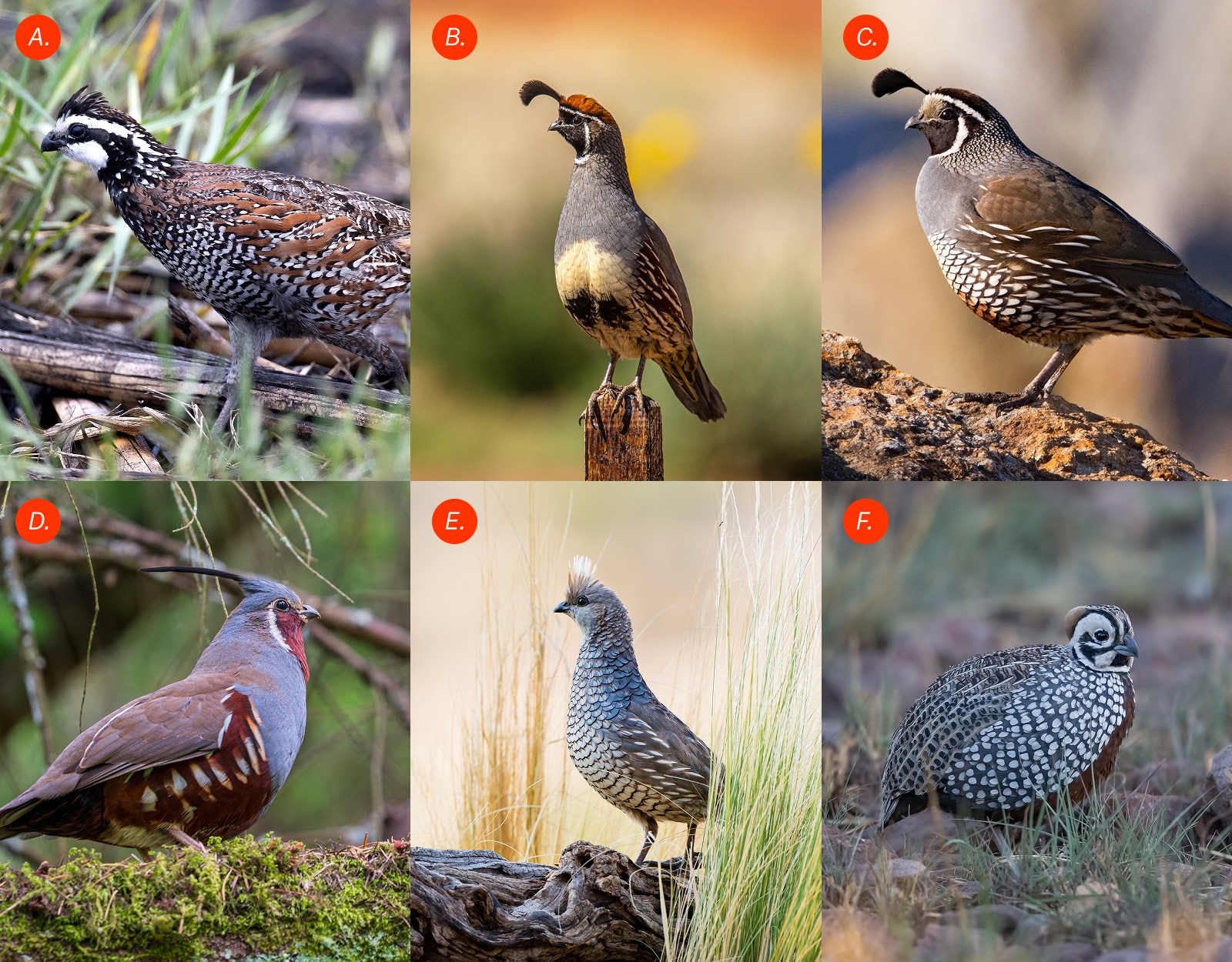
My first mountain quail started the clock, and the following day, I picked up a matched pair of Valleys (also called the California quail) over my thirteen-year-old German wirehair, neither of our first time with that glorious bird. Soon after, I was in Nebraska and Kansas for Bobwhite, then on to New Mexico for the trio of desert quail, Gambel first, then Montezuma (also called Mearn’s quail), closing with a scalie over the sugar white face of my old birddog.
Types of Quail
Quail Habitat: Why Shrubs Matter
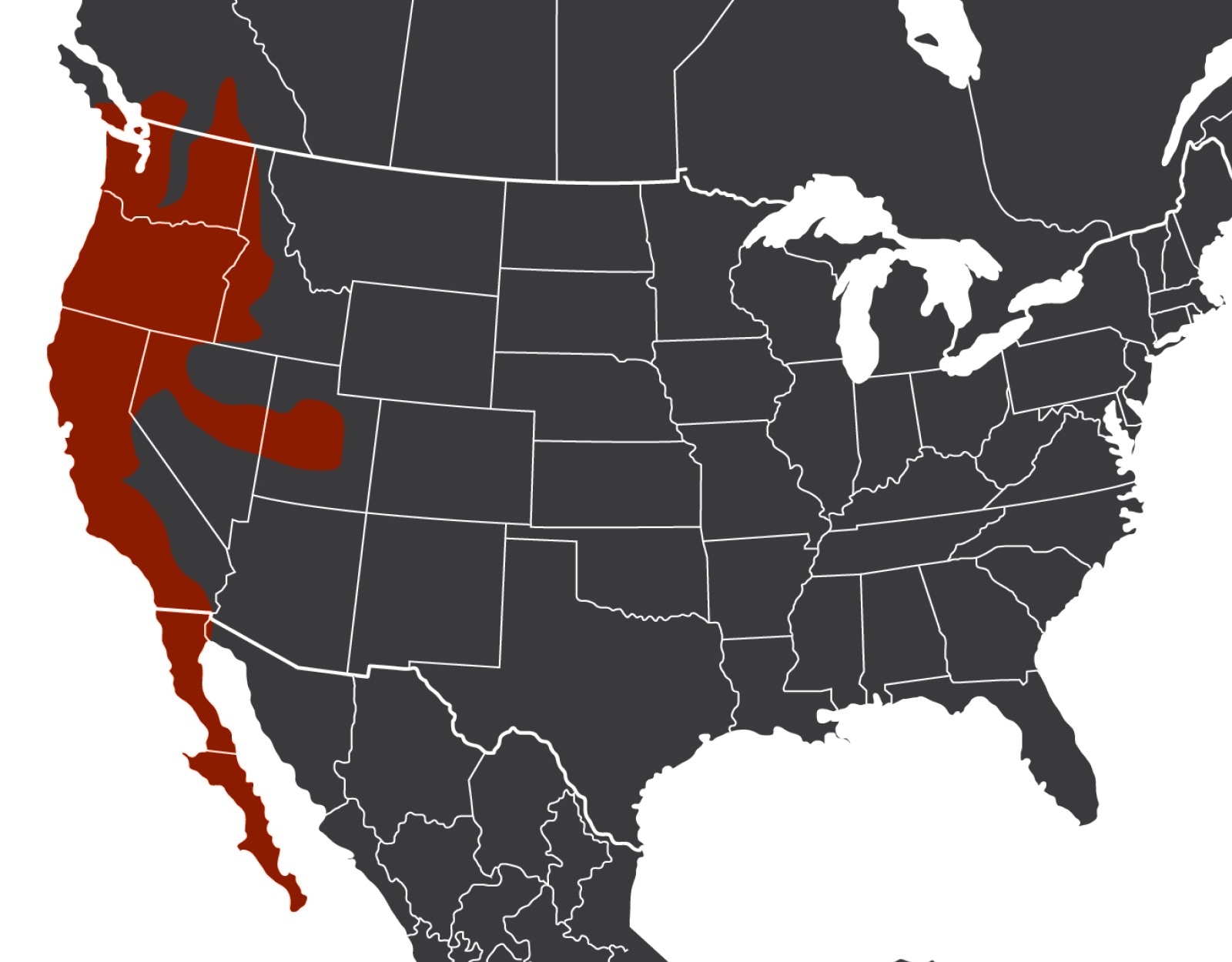
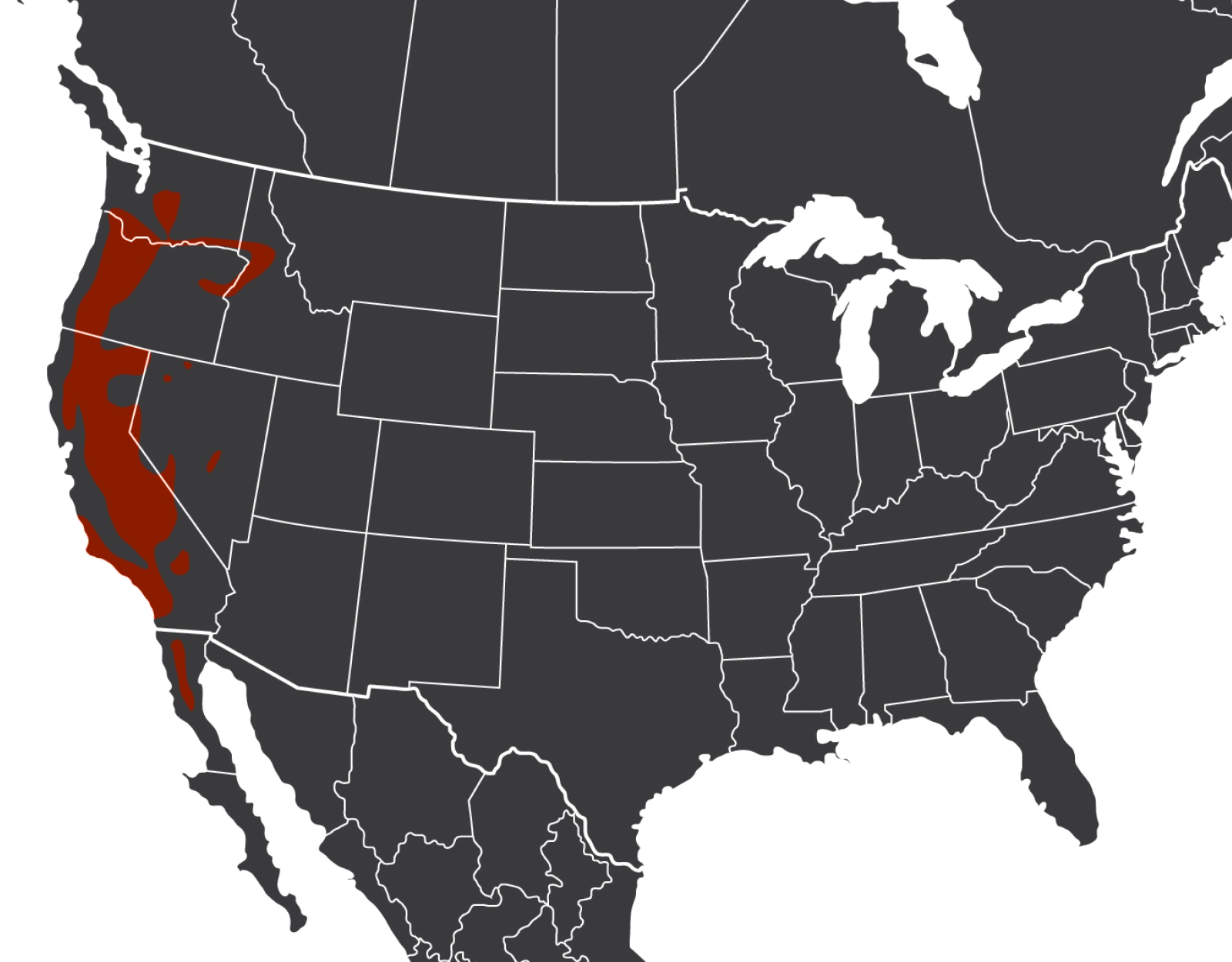
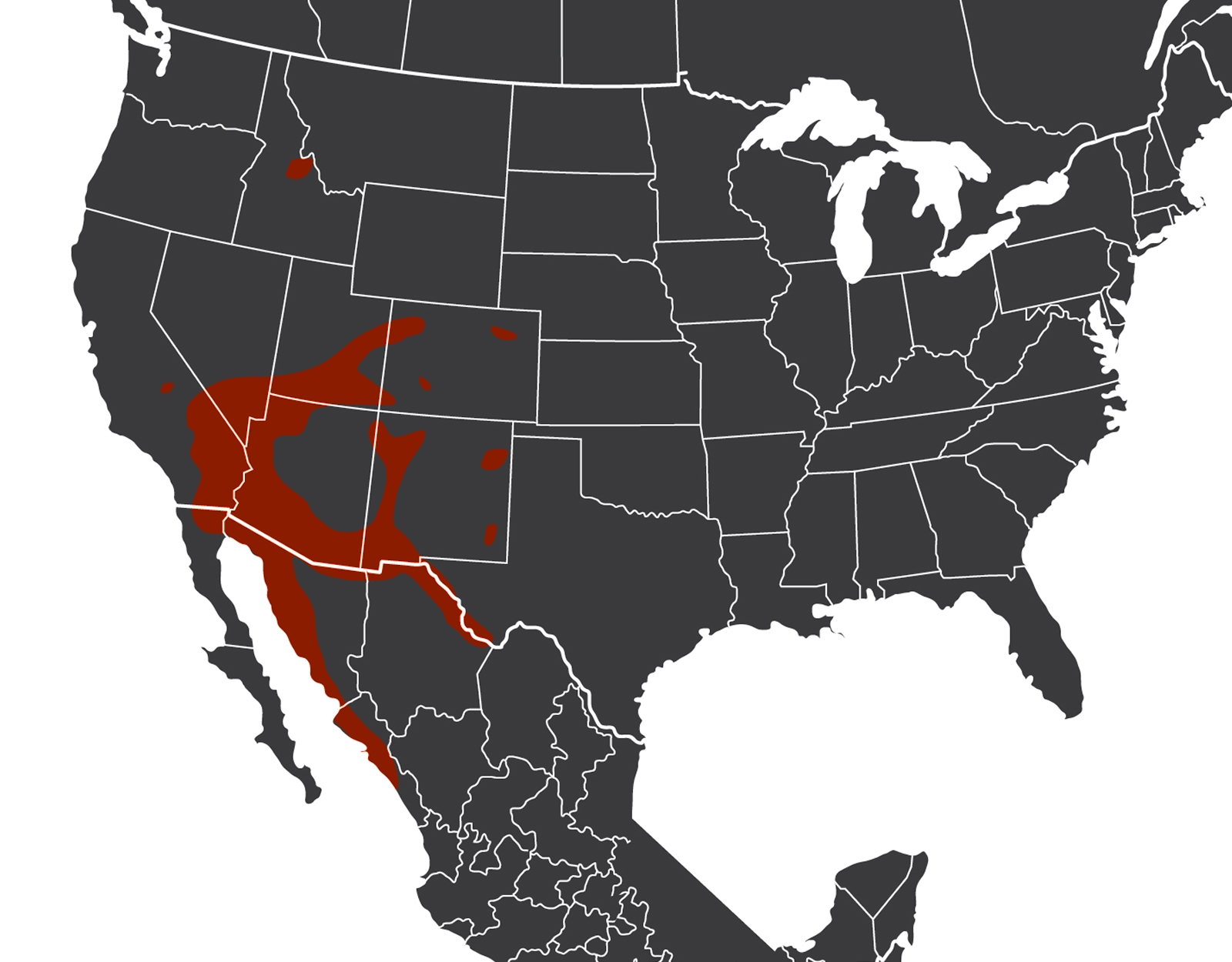
And Dr. Elmore was right, all of those birds had shrubs they loved. The mountain quail love willow-choked streams, with serviceberry bushes and juniper. Valleys are thickest in shoulder-high big sage, while the Bobwhite love their osage orange and sand plum thickets. Gambel’s and scaled quail skirt in and out of chaparral and mesquite, and deep in scrub oak and alligator juniper hills of New Mexico and Arizona, the harlequin Montezumas sing their songs.
California Quail Range
Mountain Quail Range
Gambel’s Quail Range
Montezuma Quail Range
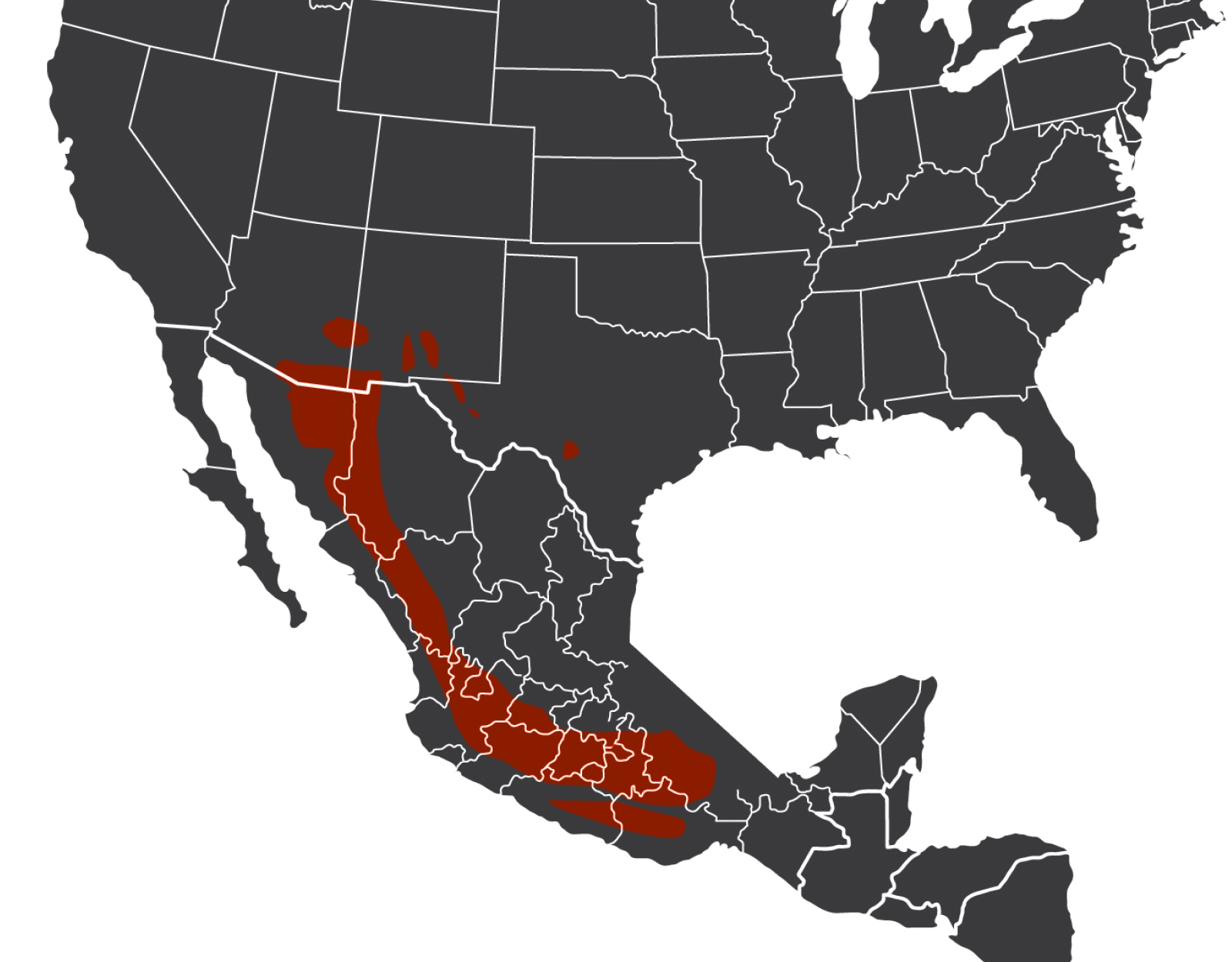
Scaled Quail Range
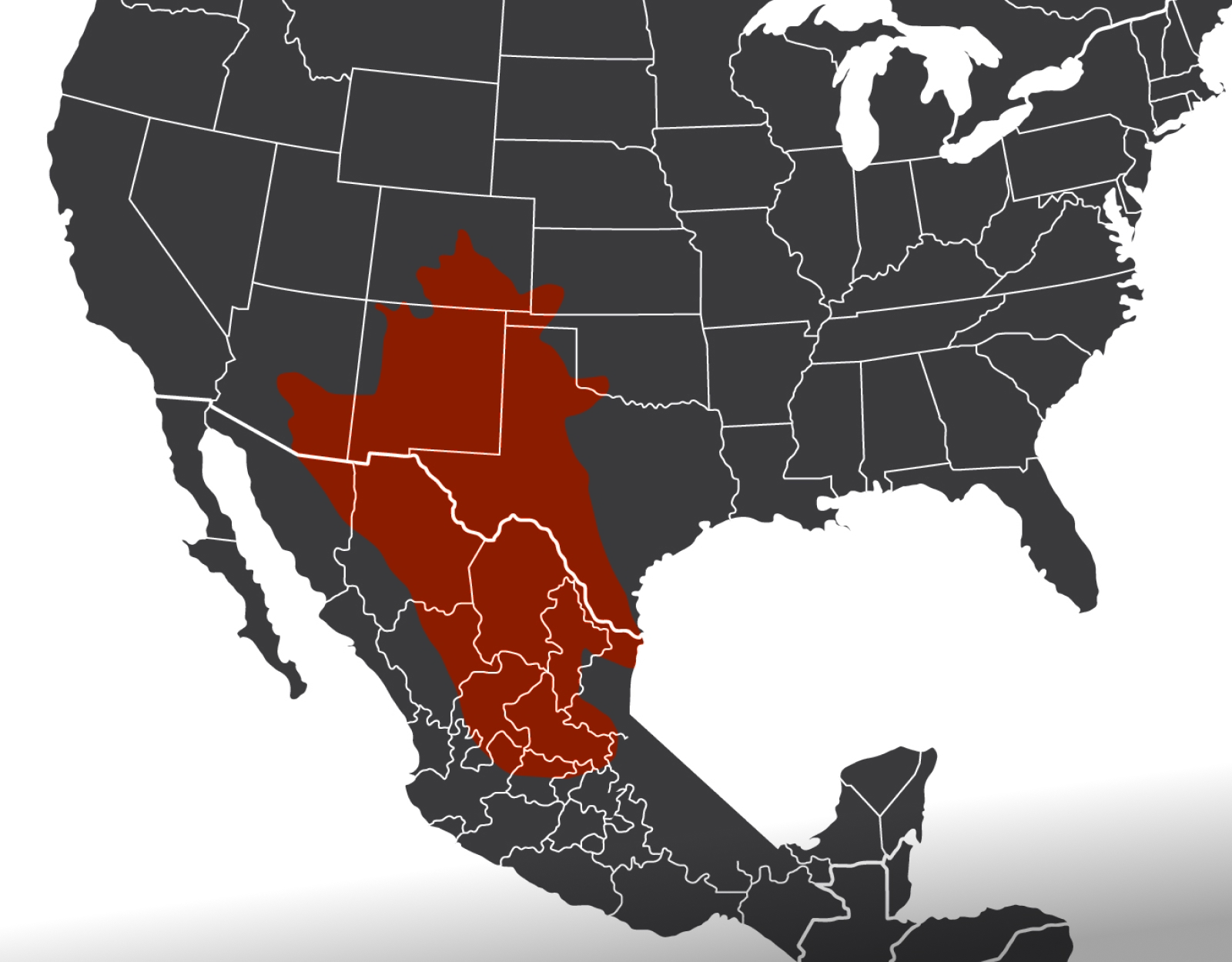
Bobwhite Quail Range
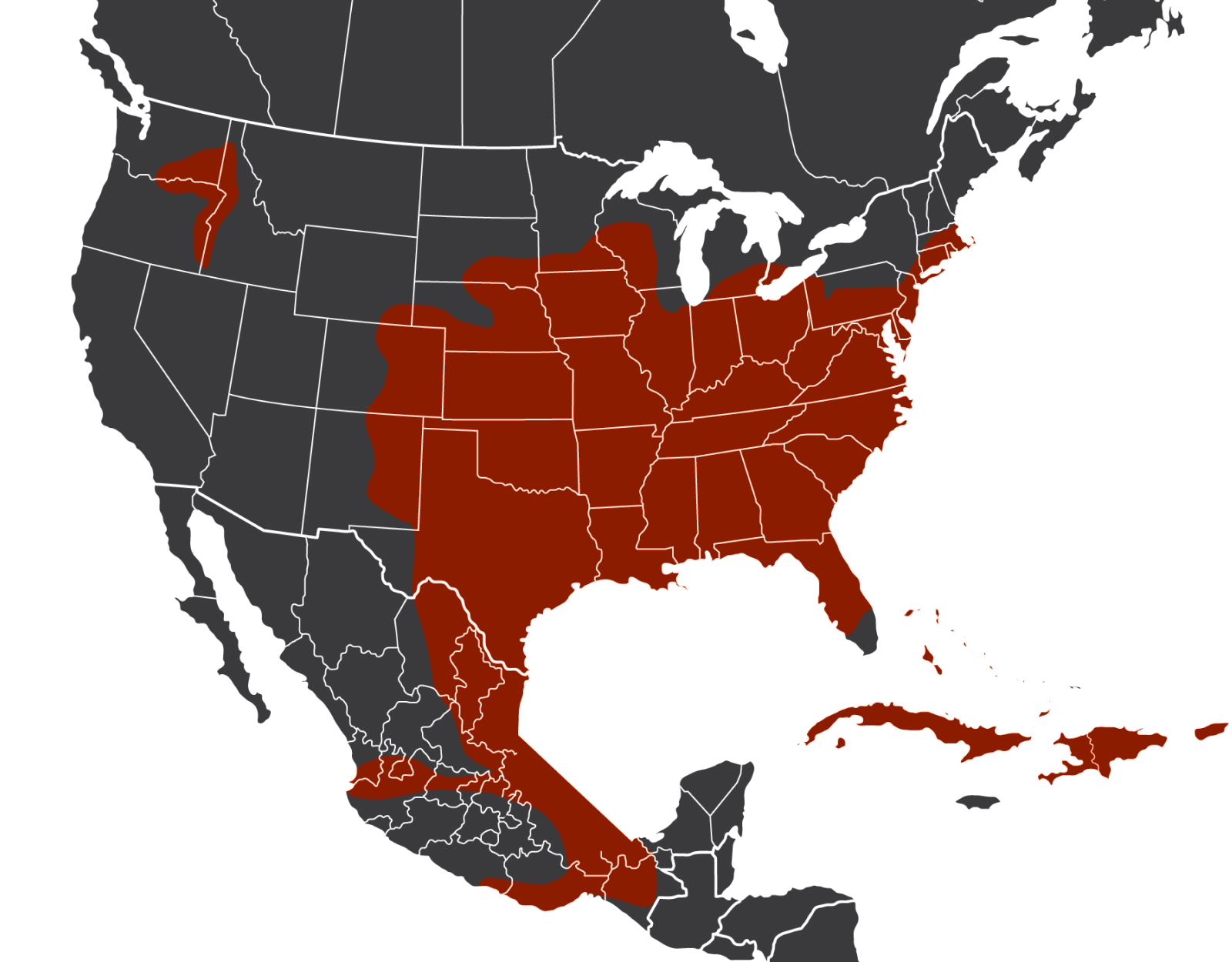
What Quail Need To Survive
Hunting all six species in such a compressed period of time was a luxury and an education the likes of which I will probably never see again. My curious mind was constantly comparing each species, how they were similar, and how they were different. What I found was a constellation of factors all quail seem to prefer, and this way of looking at country has impacted how I hunt all upland birds in every state I get to walk.
It was a journey in thinking about what birds need, specifically the mamas. Yes, birds move, and there are seasonal changes they seek, but if they are happy and healthy, they don’t want to move far. So, I start with nesting habitat, followed by snacks.
This is when the obligation to shrubs comes in: Who eats quail? And what do quail eat?
For all six, predators are primarily hawks and falcons. Quail need protection from above. But with little legs and little bodies, they can’t push through heavy grass like a pheasant can. They need those bushy shrubs with open space around the stems and roots.
Adult quail have a large and varied diet, but the babies don’t. Babies need bugs. Nice, soft-bodied bugs for the first few weeks of their lives. Soft-bodied bugs need water. So I start there. Water can be seasonal, so it becomes important to know not just where it is now, but where it was. Where was the water in May, June, and July? And, yes, as those babies get bigger, they will want seeds, roots, and berries for snacks, so look for the shrubs that offer those as well.
Quail Hunting Dogs, Discipline, and Reading Running Birds
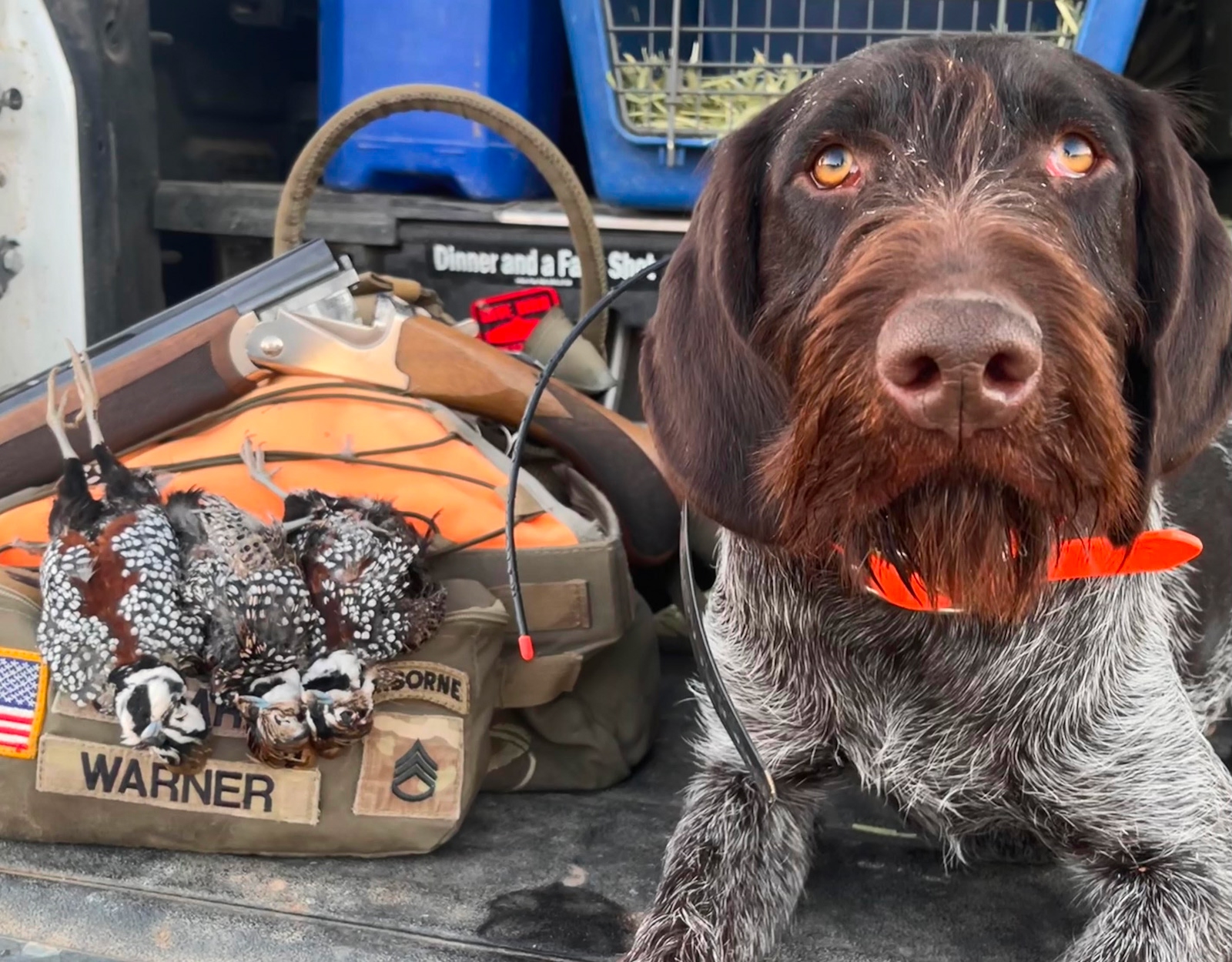
To really find quail, I recommend you have a good dog. And by good, I mean a pointer* with a fine nose and the ability to watch birds run without breaking. Or, in contrast, a fleet-footed flusher who knows how to stay in range and “hup” on the flight. (*I use the term “pointer” to mean any of the fine pointing breeds; you by no means need an English Pointer, although they are quite lovely, and you should definitely get one if you want one.)
Quail are hard on dogs; they are track stars who will seek any opportunity to run versus fly. After all, they are more or less safe from hawks until they become airborne.
The Montezumas are the exception to the following rule, but the other five can be “border collie-ed” to a certain degree. If you find birds out in the open and they start running, hold back a little—let them seek thicker cover. Once they tuck into cover, they are less likely to run out the other side, and you have a better chance for a flush and shooting opportunities. This is a little easier out West, only because the West has more patches of cover, while the desert is sparse on vegetation. Along the same lines, for these five, once the covey has been broken up, they’ll sit a little tighter and allow for some nice dog work.
Speaking of cover, when you find your mountain quail, you may think, look at all these shooting lanes, but don’t think like that. I have never met a creature so adept at using topography and vegetation to its advantage like a mountain quail. They will run to the only place you can’t shoot and disappear with only the sound of wing beats to mark their escape. Approach them with this in mind and try to cut off the escape route.
The Montezumas are different; they hold in little patches of cover with an evasion technique of confusing predators by popping up like popcorn, randomly and in all directions. In my experience, they are less apt to run as the rest of their brethren.
Chasing quail makes me miss my old dog more than anything else. He was a methodical, catty campaigner with a keen nose and the patience of Job. There’s nothing I wouldn’t trade to see him peering, low-bellied and still, from behind a patch of sage. I think of this whenever I hear someone talk of “retiring” their hunting dog. Don’t do that. Start chasing quail. The walking is usually flattish, and the hunts are short. It is ideal work for the dog who never judged you all those times you missed.
If you have a young dog, quail can be a helluva teacher—provided you possess the strength to watch birds fly. It’s a tall order, trust me, I know. But if you can let poorly handed birds fly, and drop birds over good work, chasing quail with a young dog is an education hard to replicate elsewhere.
Safety in Quail Country
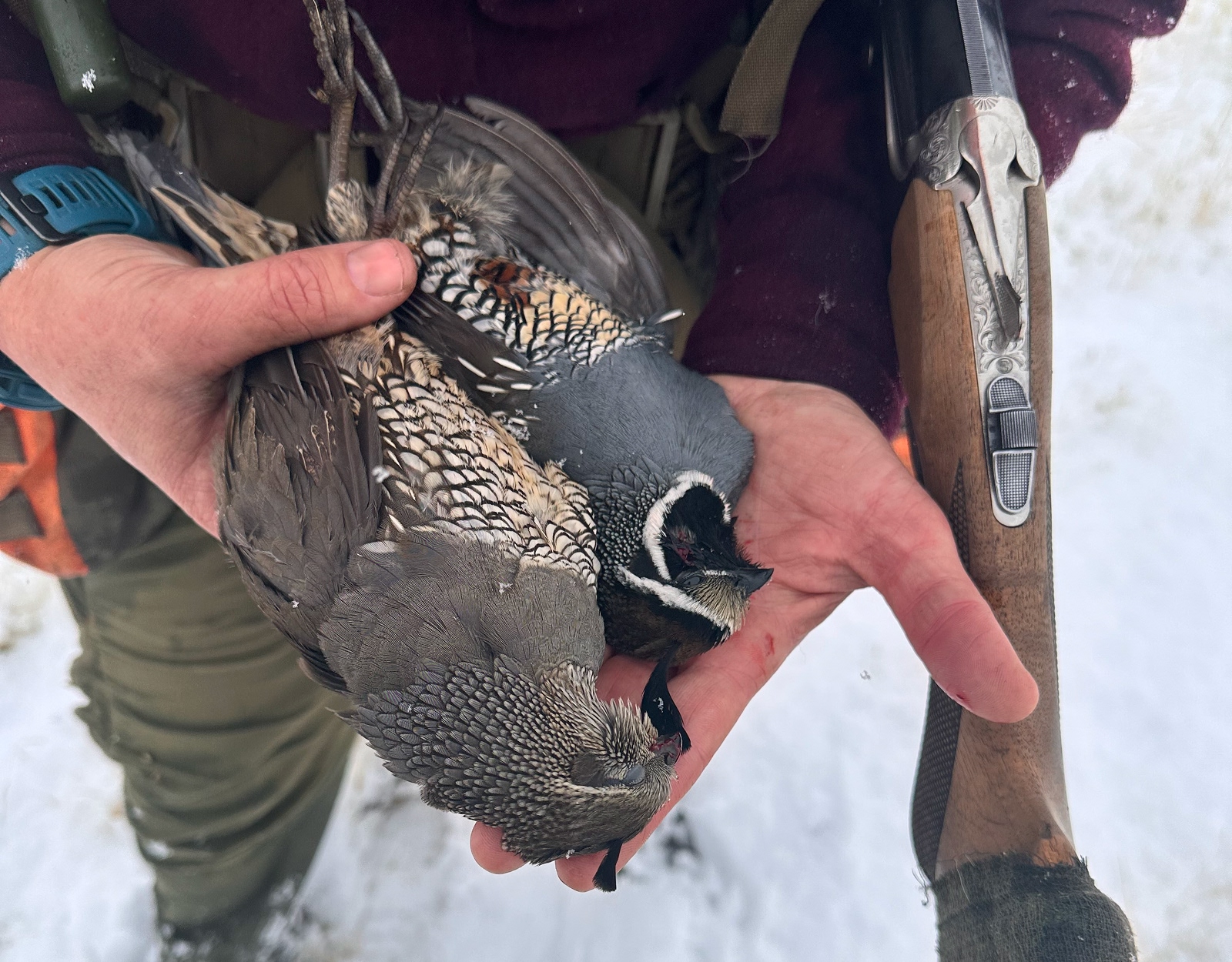
For all quail, I prefer to hunt them alone or with just one other person. They are not afraid to fly right at you or break in three different directions at once. This makes for a hard time with gun safety, and there are plenty of tragedies and heartbreaks in quail country. Know your shooting lanes and resist the temptation to swing behind you as they break past your left ear.
I will loop back to what I said before, the pup you run should be a pointer steady to shot or a flusher who will sit on the rise. The shrubby cover the quail adore will hide not only the birds but also a dog hell-bent on pursuit.
Last year, my dog Gravy got sick, and when the emergency vet X-rayed him, she asked me if I knew that Gravy had been shot. I did not. And when I looked at the X-rays, it was obvious to me that Gravy had not only been shot, but had been shot on a few different occasions, as the pattern of the pellets was too varied to come from a single incident. I am as certain as anything, he picked up these pellets in the tall sage as I was drawing on breaking Valleys. It was a stark reminder to not let the excitement of the hunt blind me to the risk of a shot.
A good nose is required as you need a dog who can find a bird twice, once before you shoot and once after. Quail are as tough as roosters and run as hard when winged. On more than one occasion, I have been confident I folded a bird only to have a dog run a 100-yard track to find it. Quail get wind-washed easily, especially if you have moved the covey a time or two. Be patient with the dogs as they look for downed birds and get a good mark.
Why Quail Are Worth the Effort
Quail are the most delicately feathered and color-variegated bird you will hold. In the rush of a bang-up quail hunt, take the time to roll them in your hand and soak in the romance of our native game bird. They also possess a fine and subtle meat deserving of a meal prep that lets them shine. Breasted, I like to pair them with a salad or, if possible, roast them whole as the meat is fork-tender. No need for heavy sauces or seasoning—salt, pepper, and a little butter in a skillet will do.
Of all the advice I could offer, the secret to quail is this:
Keep your eyes open and your mind curious, be ready to burn boot leather, and go.
Always go.
Interested in more quail stories? Don’t miss Dogmen, a film featuring dog handlers on quail plantations in the Deep South.
FAQs
There are six huntable quail species in the U.S.: Bobwhite quail, California quail (also called Valley quail), Gambel’s quail, scaled quail, mountain quail, and Mearn’s quail (also called Montezuma quail). Each occupies a distinct range and habitat.
According to Quail Forever, quality quail habitat provides a mix of nesting cover, brood-rearing habitat, and escape cover, all located close together. Quail thrive in landscapes with shrubby cover for protection, open ground beneath vegetation for movement, and diverse native plants that support insects for chicks. Seasonal water, bare soil between plants, and habitat diversity—rather than dense grass—are key factors in sustaining healthy quail populations.
Quail seasons vary by state; most occur late fall through winter, often with seasons beginning in October or November and closing in January or February. Always check directly with your state to confirm exact quail hunting season dates.
Pointing dogs are a top contender for the best dogs for quail hunting because of their ability to locate coveys at distance and hold birds until the hunter is in position. Breeds like the English pointer and German shorthaired pointer excel in quail country thanks to their strong noses, heat tolerance, and efficient ground coverage.
Flushing breeds like cocker spaniels are also effective, especially when hunting thick cover or working behind a pointer. Their compact size, close handling, and reliable retrieving make them valuable partners for putting birds in the air and recovering downed quail.
Adult Bobwhites rely heavily on native seeds, grains, forbs, and berries. During spring and summer, insects become critical, particularly for chicks, who depend on protein-rich beetles, ants, grasshoppers, and other small invertebrates for early growth and survival.
The California quail’s diet consists of seeds, leaves, acorns, berries, flowers and bulbs, and insects. Per the California Department of Fish and Wildlife, California quail are especially partial to brittlebush, deerweed, redberry, and Pacific blackberry.