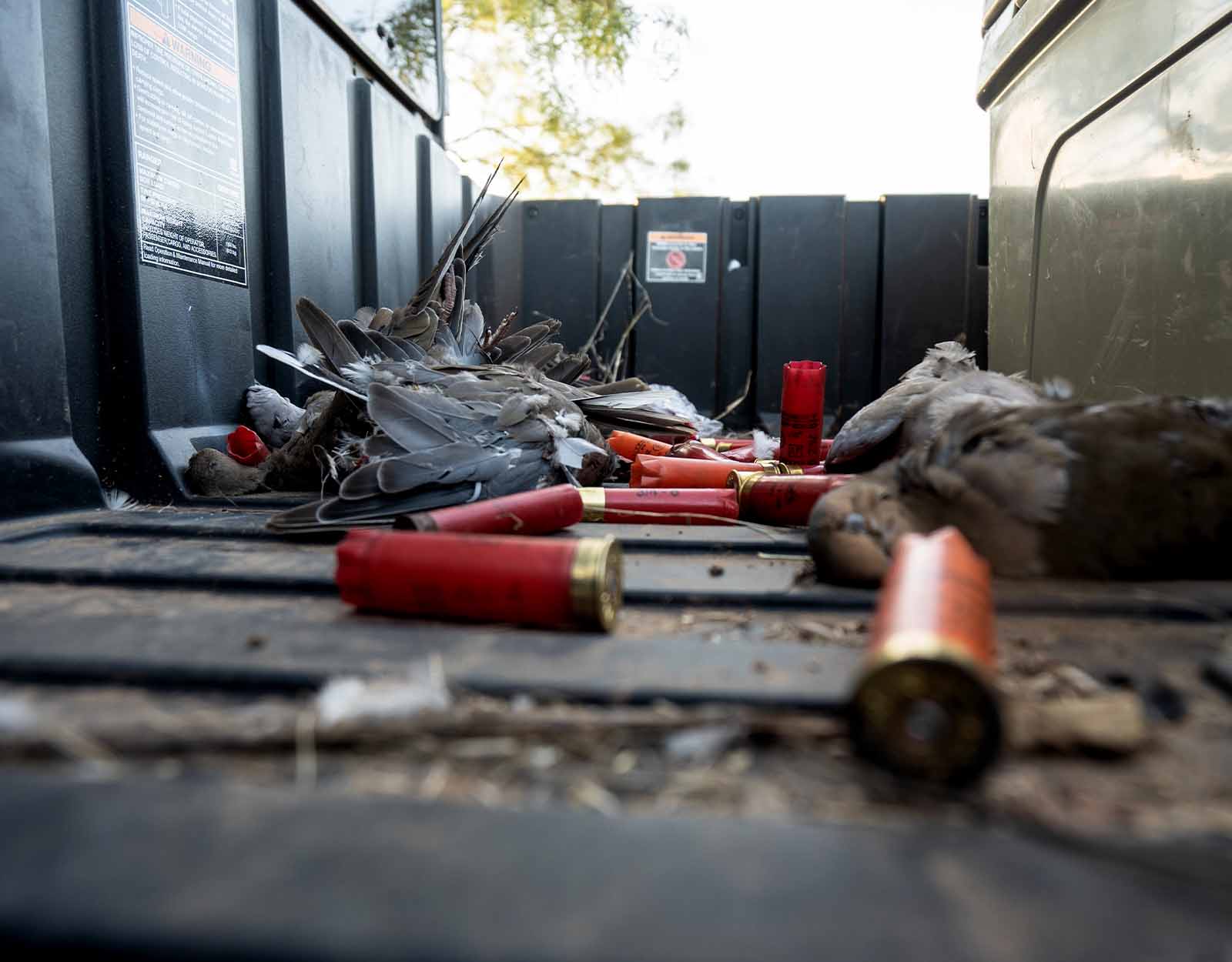
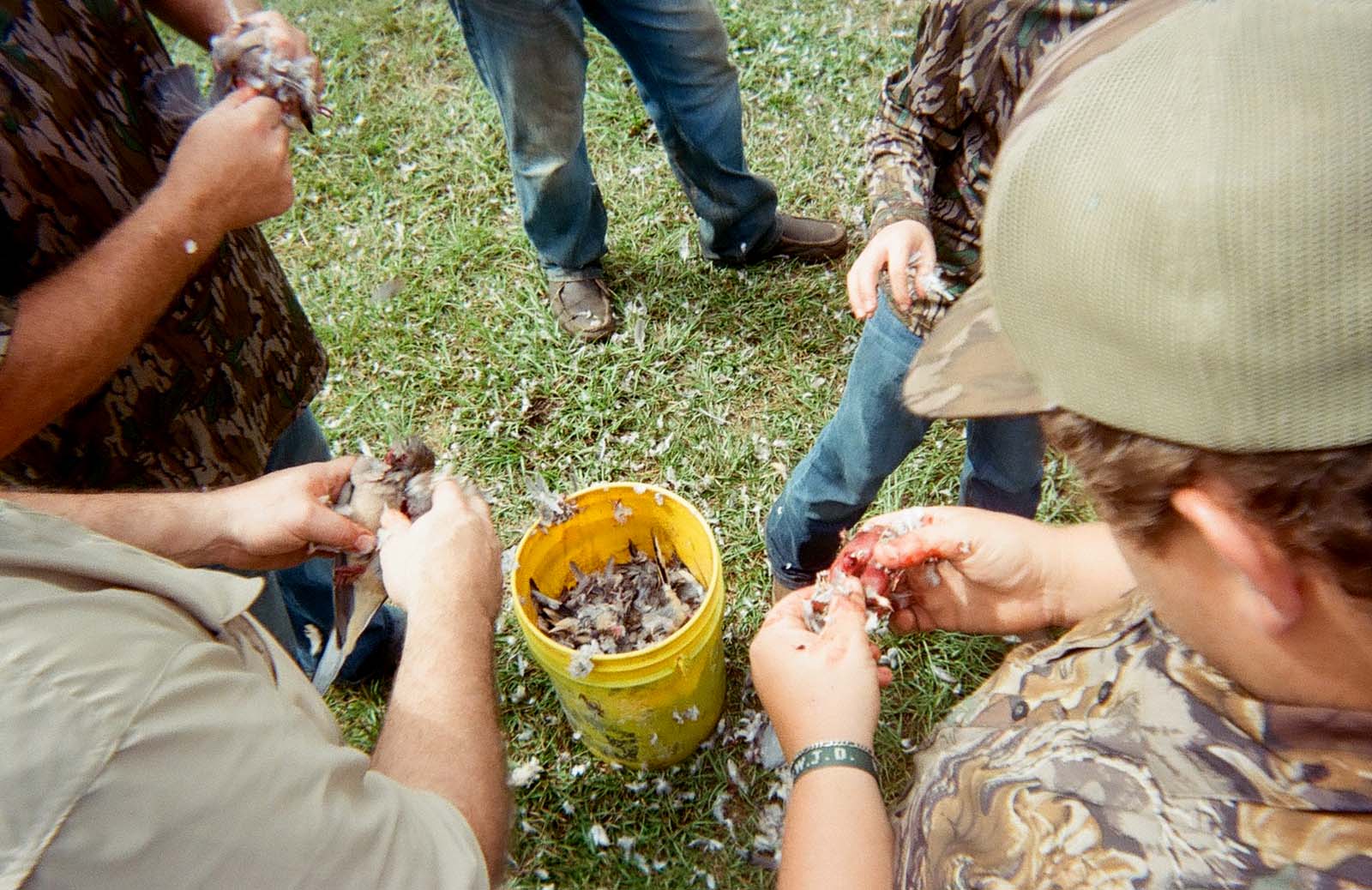
The first shotgun blast on a September morning is much more than just a shot at a fast-flying bird. It’s the unofficial kickoff to hunting season across much of the United States. For many, if not most, hunters, dove hunting isn’t about filling the freezer. It’s about gathering with friends, sitting on buckets in a good field, and trading shots and stories as the pink sky comes alive.
As onX’s own Lake Pickle tells us, “There’s folks I know who treat opening day of dove season like a holiday—kids, neighbors, even the camp cooks all come out. It’s less about strategy, more about tradition and togetherness.”
This article is your 101 guide to dove hunting. From gear and chokes to scouting fields and understanding seasons, we bring you expert resources and field-tested tips to give you everything you need to start your dove hunting journey.
Why We Love Dove Hunting
It’s the unofficial kickoff to hunting season across much of the United States.
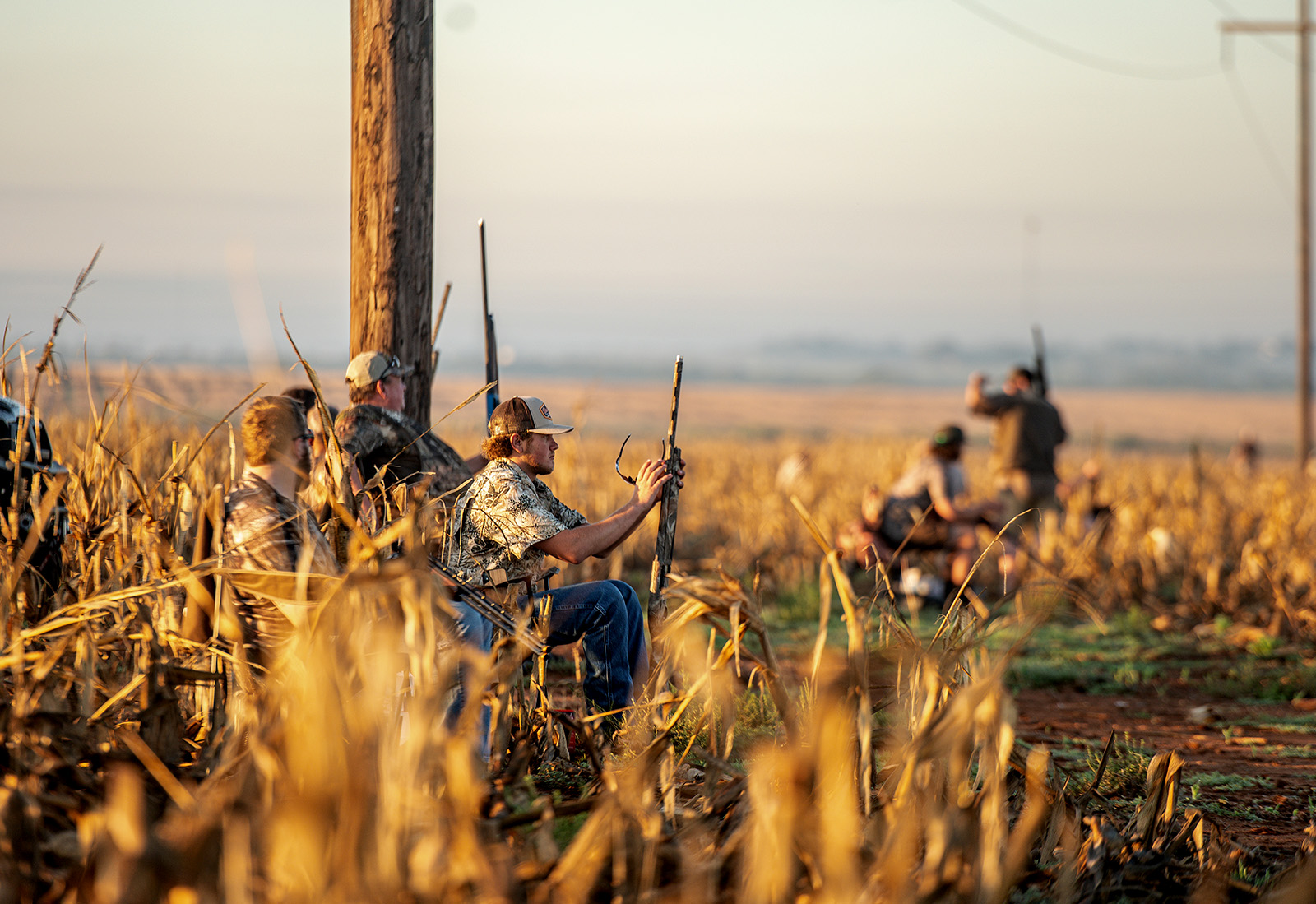
Dove hunting is approachable, fast-paced, sustainable, and social. Up to one million hunters spend three million days pursuing 15–20 million mourning doves each season. In Texas alone, where 250,000 hunters chase doves, opening day is essentially a state holiday.
Doves are the most-hunted migratory bird in the U.S. and one of the most abundant birds in North America by distribution and population. This makes it a sustainable game to hunt. Given that all that’s needed is a shotgun, a box of shells, a license, and a bucket, it’s about the most approachable hunt for nearly anyone to enjoy.
“I started dove hunting when I was 10 or 11,” says onX’s Forrest Marlowe. “It’s usually a bunch of family and friends who get together and have a really good time. It’s also who can shoot the best. You’ll hear guys brag, ‘I got 15 birds with 17 shots.’ You just get to pump out your chest a little bit.”
“I was dove hunting before I could dove hunt,” says Pickle. “And what I mean is some of my earliest hunting memories was just sitting out on the edge of a field with my dad sitting on a five-gallon bucket while he was the one doing the hunting. Me and my older brother were just out there, and we thought it was a really big deal when he shot one and we got to go pick the dove up.”
Dove Hunting Gear
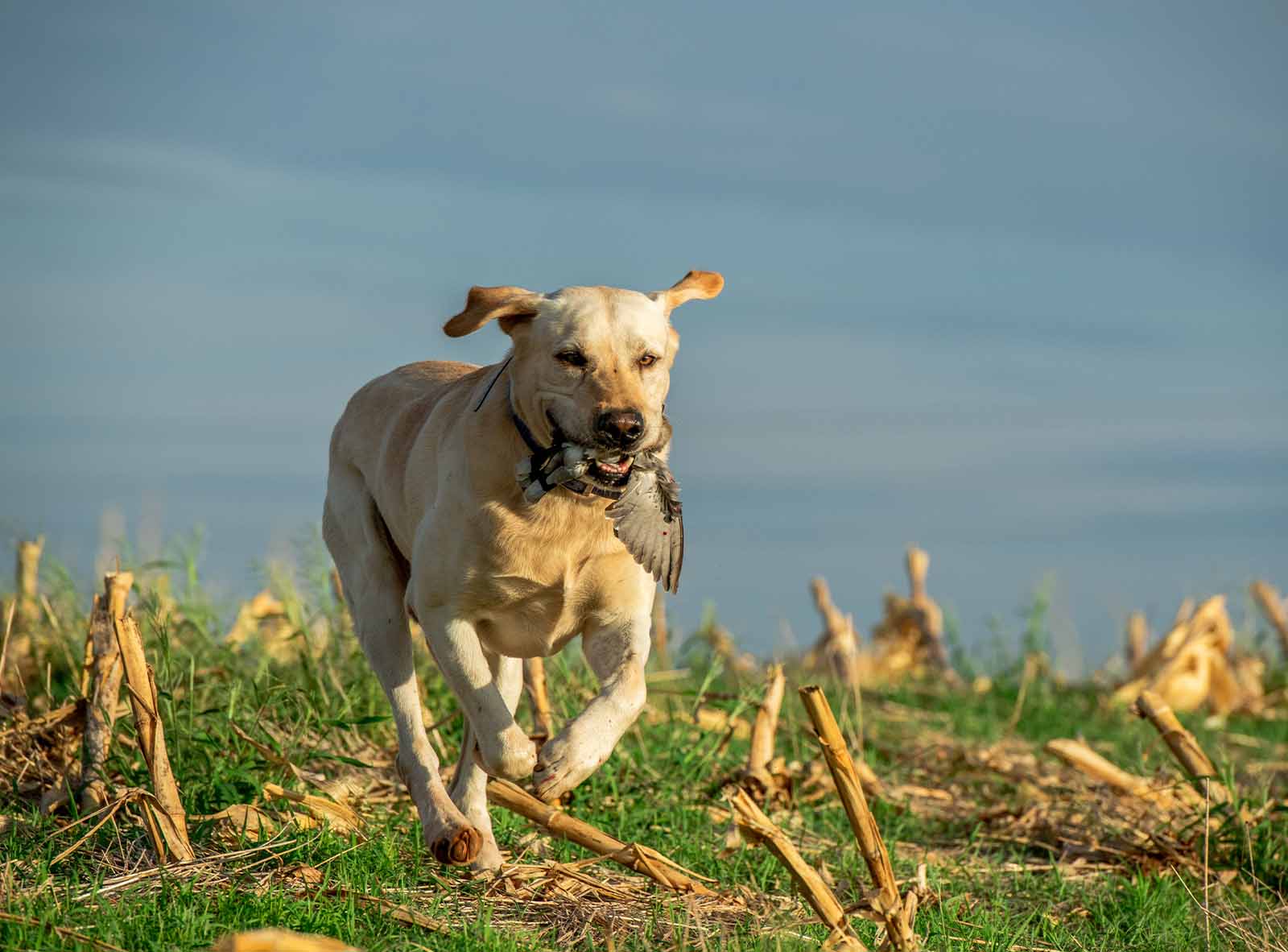
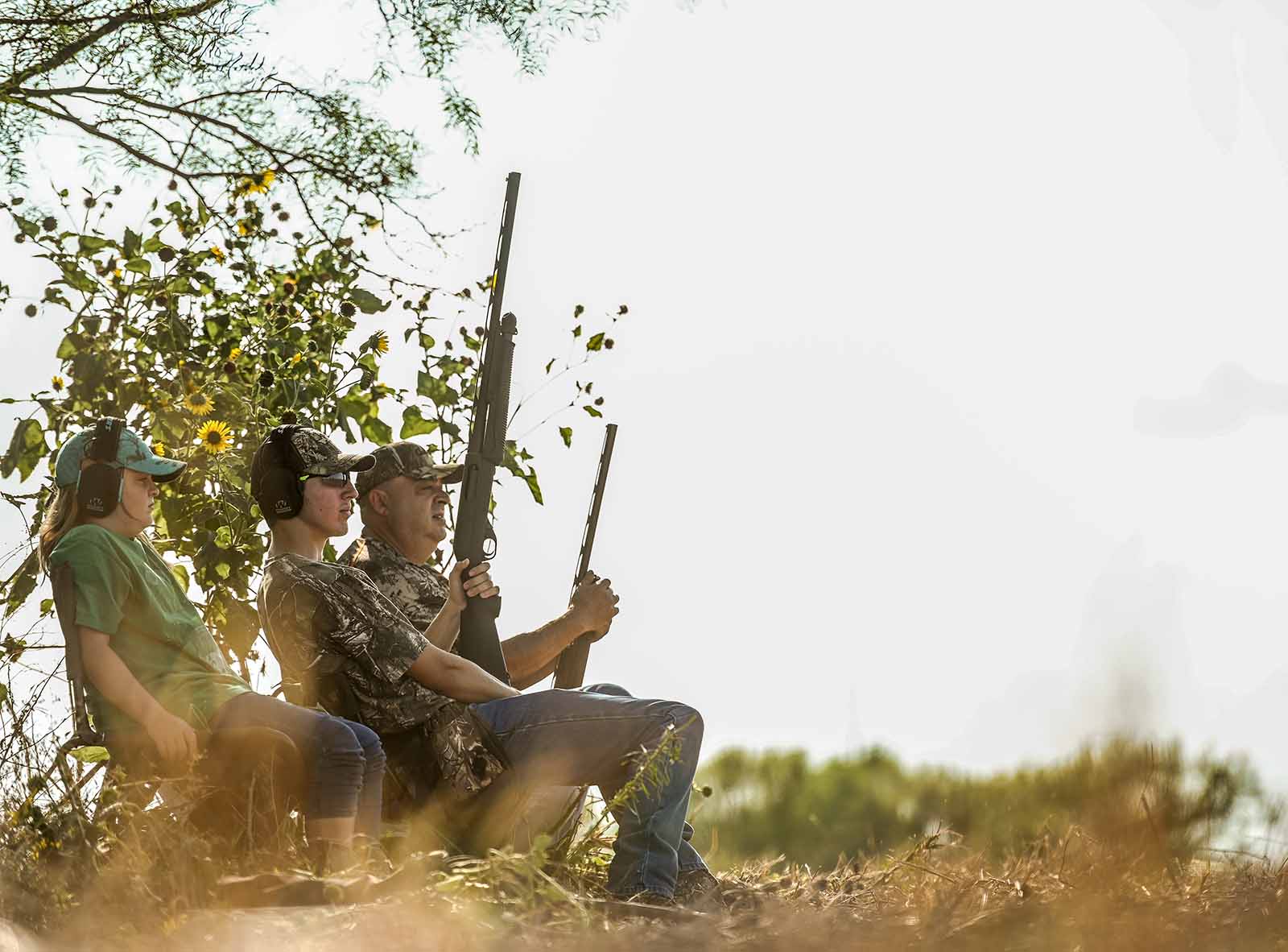
The gear essentials are simple: a shotgun (generally a 12- or 20-gauge), shells (sizes 7½–9), stool or bucket, camo clothing (optional), cooler, and perhaps some decoys.
Some hunters run dogs for retrieving birds. Just remember to keep them well hydrated.
Decoys can really bring in the doves. “You can set four of them with little flicker wings on them and those doves will literally dive bomb them,” says Marlowe.
Best Chokes for Dove Hunting
Improved cylinder and modified chokes are the most reliable choices for doves. Opening day and early season doves aren’t going to be very scared, so they tend to fly low. Marlowe shoots an improved cylinder and #8 copper-plated lead.
“Always use high brass if you want to kill doves,” he says. “You got a little more speed, and you can reach out there a little bit more.”
As the season progresses, birds get shyer and fly higher. You’ll need bigger shot and tighter chokes then.
Dove Hunting Season
Most states open dove season in early September, either on the 1st or on the first Saturday in September.
As Pickle notes, “That first weekend in September—that’s when everyone circles the date. It’s the kickoff to fall.”
The season wasn’t picked just to coincide with college football. There are several reasons why early September works for dove hunts. As migratory birds, doves begin to flock in preparation for their trip south for the winter. Most breeding has been done, and nests are empty. Young birds born that year are old enough to join the migration. Most fields have been harvested by then, opening favored food sources for doves, and the weather is generally favorable.
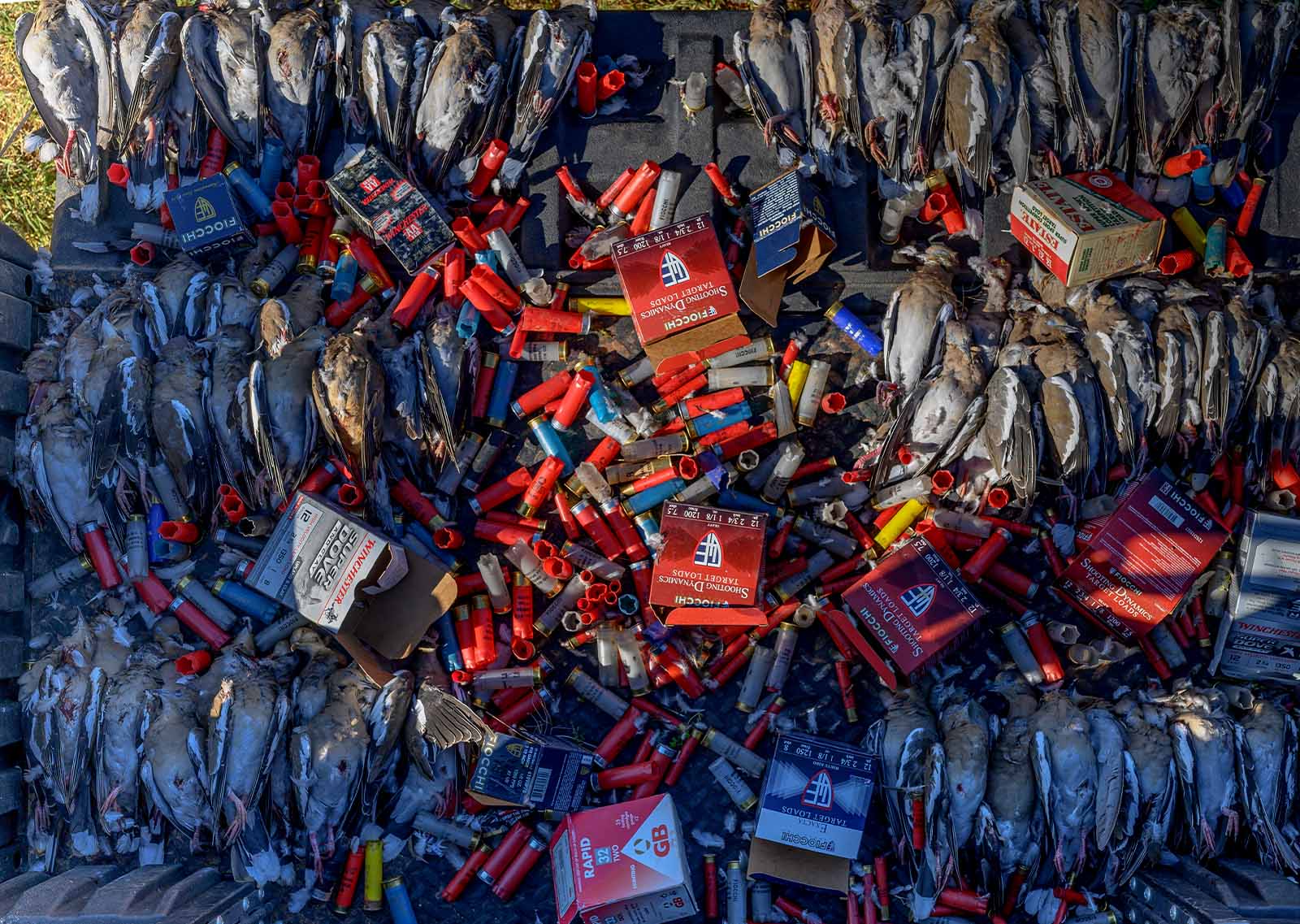
In terms of limits, pretty much every state has set a 15-bird limit per hunter per day, though some states do have total season limits. Always double-check your state’s dove hunting regulations.
Finding a Dove Field
onX’s Ben Brettingen says, “You can show up with only the basics, but that’s where knowledge and location make the difference. Also, there’s a night and day difference between dove hunts in the South and the Midwest. [In the Midwest], we didn’t get our dove season back until 2004, after it had been closed for 50 years.”
This difference might mean that in the Midwest, there aren’t as many family gatherings or unofficial opening day “holidays” like in the South, so you might have to scout for the best field or two to walk.

Pro Tip: Crop Distribution Map Layer
Food sources like sunflowers, millet, and grain fields draw doves.
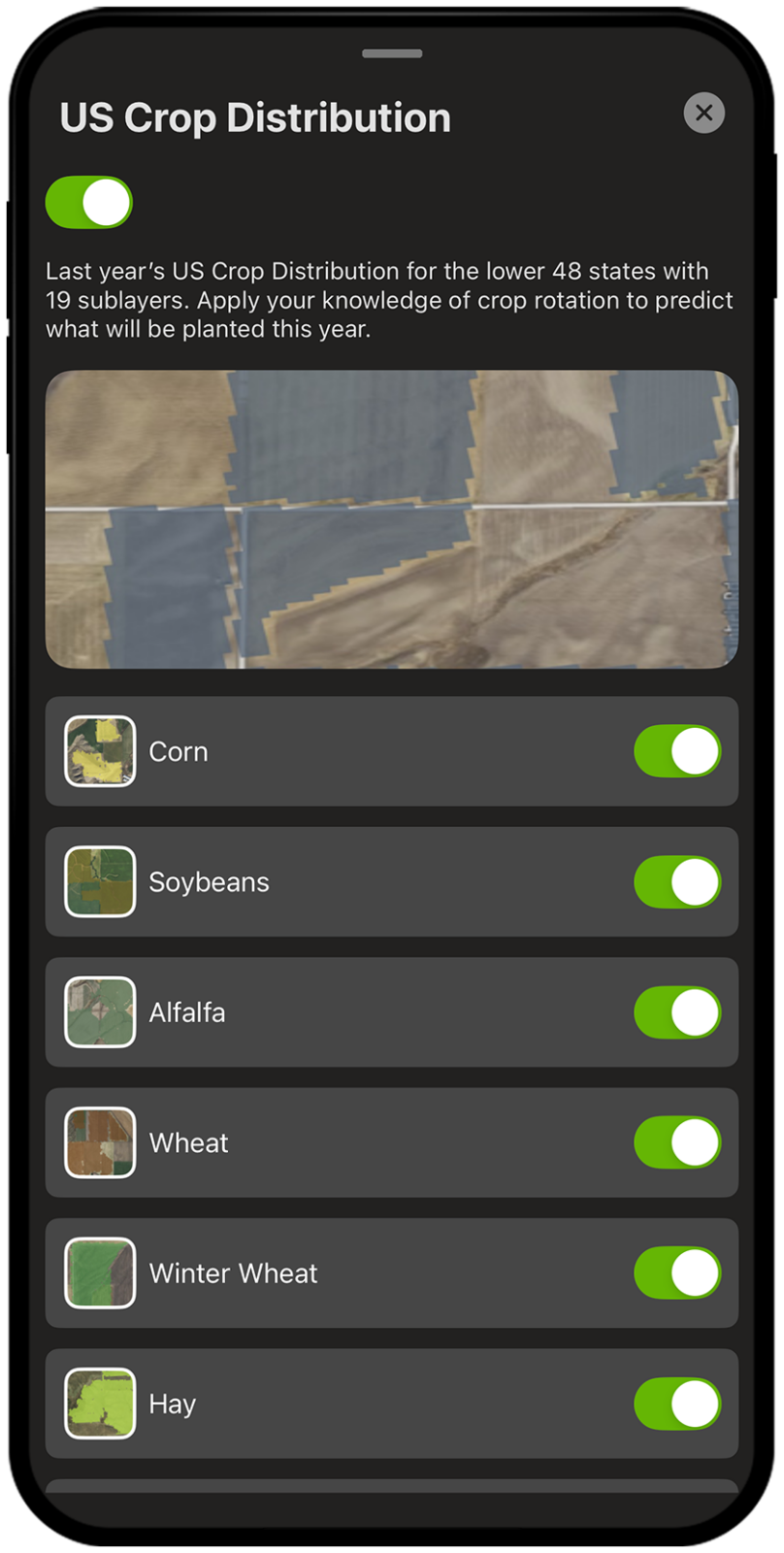
Using onX’s US Crop Distribution Layer to understand typical crop rotations might just help you find a field that held those crops in the past growing season.
Doves also like to roost on power lines, dead trees, and shelterbelts (closely spaced rows of trees serving as a wind break). “When you see 50 doves on a power line, stop and watch—there’s food or water within a few hundred yards,” says Brettingen.
Public dove fields, often managed by state wildlife agencies, can be productive, and the onX Hunt App helps hunters scout fields and access points in advance.
Dove Hunting Tips
Opening day is often the best chance for unpressured birds. Decoys, particularly spinning-wing types, can pull doves into range.
“Don’t shoot low birds below 10:00 is what we always say,” Marlowe explains. “Some people won’t shoot them off power lines. It’s kind of like water-swatting ducks.”
Opening day is often the best chance for unpressured birds. Decoys, particularly spinning-wing types, can pull doves into range.
Best Time To Dove Hunt
Sunrise and sunset bring the heaviest flights. Hunt early mornings and evenings when flights are heaviest. As Marlowe put it: “Flights peak at sunrise and sunset. That’s when you set up for the best shots.”
Final Thoughts
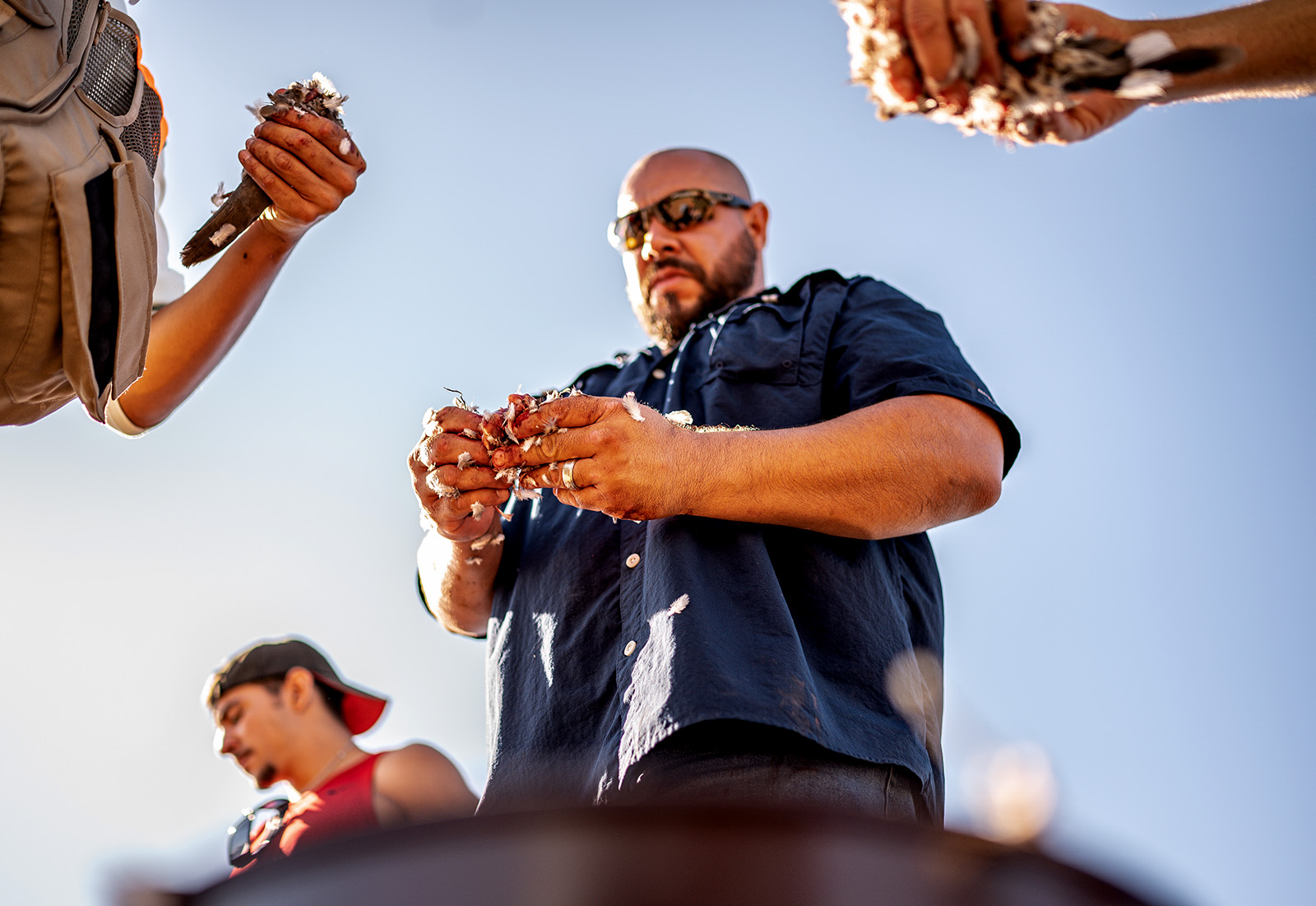
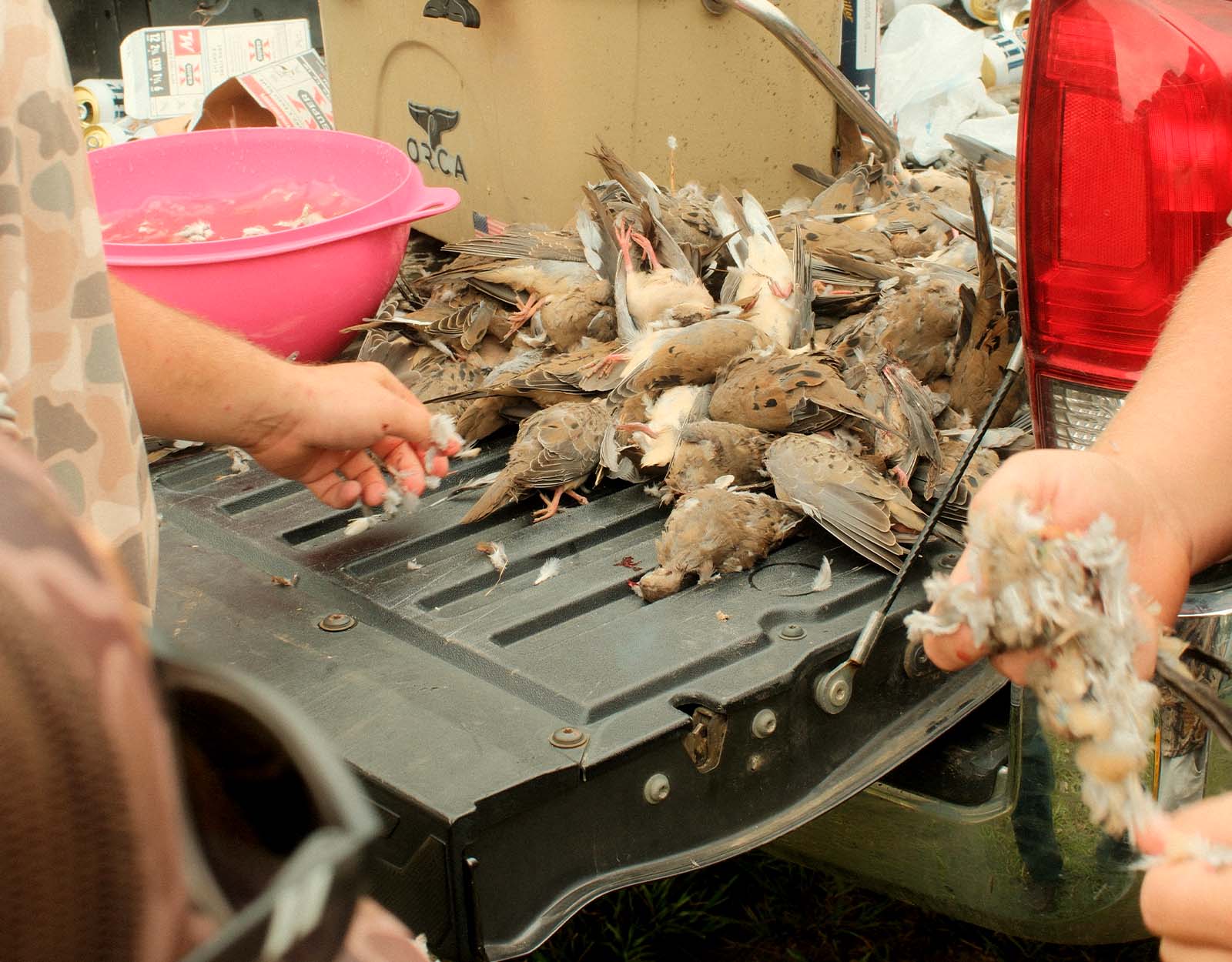
Dove hunting offers the right blend of accessibility, tradition, and challenge. Pickle sums it up: “It’s about being outside, sharing the moment. One shot on a perfect pass—that’s everything.” Whether you’re new to wingshooting or a seasoned hunter, dove hunting really is the best way to start your fall season.