Spring turkey season for 2026 is just around the corner, and if you’re starting to hear gobbles echoing in your head as you drift off to sleep, you might be one of the 2.5 million turkey hunters who pursue these wild game birds in the United States each year. Welcome, you’re in the right place to find out what’s in store for the 2026 turkey season with our annual Strut Report.
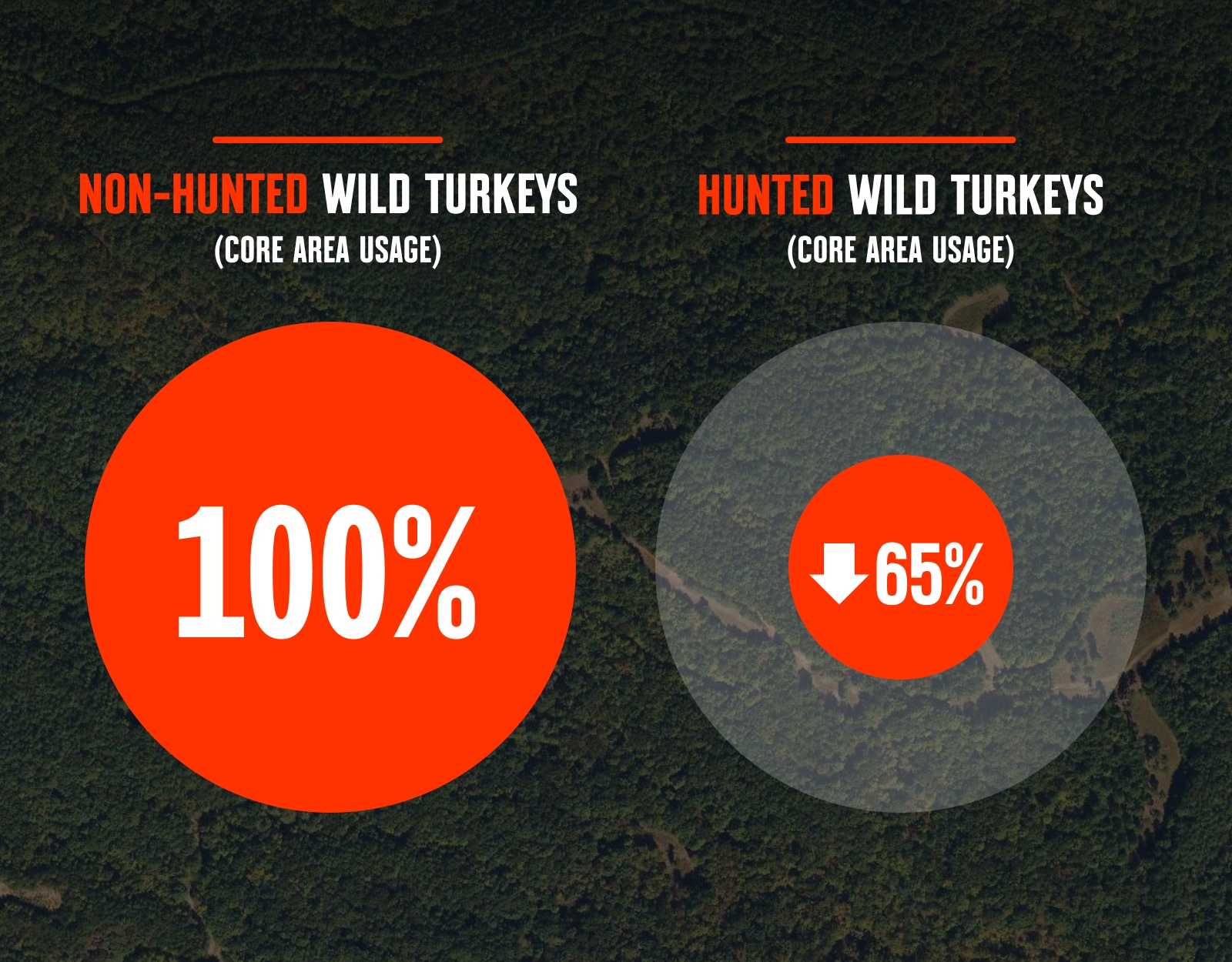
TL;DR: Per Dr. Mike Chamberlain, turkey hunters in many areas have reason for cautious optimism in 2026. A strong 2024 production year (boosted by cicadas diverting predator pressure from nests) means more two-year-old gobblers on the landscape, who are known to take more risks than old war-hardened toms. Still, long-term population declines haven’t reversed, and regional conditions vary. The biggest intel from recent research: as soon as hunting pressure hits, gobblers shrink their home range by up to 65% and lock near roosts. Scout early and find those roost trees.
The 2026 Turkey Season
What we will reveal below is that turkey populations are not universally good or bad this year. Yes, there’s nuance, and the forecast for the upcoming turkey hunting season will vary by region. However, there’s a lot of ongoing research being conducted to track and better understand what’s really going on with wild turkeys.
Leading the charge in turkey research is Dr. Mike Chamberlain. Also called the “Wild Turkey Doc,” Chamberlain has been studying this beloved bird for 30-plus years. He took time to share his thoughts and outlook for the spring wild turkey season.
State of the State: Overall 2026 Turkey Forecast
“As a turkey hunter, I’m optimistic that 2026 will be a good spring season,” says Dr. Chamberlain. In part, his optimism stems from 2024’s overall positive turkey production, which means there are more two-year-old turkeys in the field this year.
“Two-year-olds are going to be the bulk of the harvest,” says Dr. Chamberlain. “We know they are riskier, gobble more, and they take chances. We see with our telemetry data that 50% of the harvest, if not more, is two-year-olds, then three- and four-year-olds. So if you have more two-year-olds in any given year, then you would logically expect a little uptick in harvest.”
What was so great about 2024 to help with production? Cicadas, for one. The periodical cicada emergence was not only a food source for poults, it also redirected predator pressure away from nests and broods. With predators like raccoons and foxes able to enjoy a plethora of cicadas, they backed off wild turkey eggs and poults.
“This reinforces how short-term ecological events can create real, but temporary, wins for turkey populations,” says Dr. Chamberlain.
This good news must be balanced with reality. The 20-year decline in wild turkey populations still needs addressing, and on the heels of the 13th National Wild Turkey Symposium held in December 2025, it was clearly noted that many states need to track populations consistently, whether they go up or down.
Two states that have tracked wild turkeys reliably and repeatedly, and can show clear signs of turkey population recovery, are Louisiana and Arkansas. Hats off to them.
Another exciting development in the world of wild turkeys? The work Dr. Chamberlain and others are doing with wildturkeyDNA fits the bill.
“Genetics methodology has advanced so rapidly over the past few years that the level of resolution we can work with now compared to a decade ago is just leaps and bounds better,” says Dr. Chamberlain. “We have incredibly accurate genetics tools that give us the opportunity to do this project that we could not have done 10 years ago.”
wildturkeyDNA is a project focused on birds with unique plumage. Hunters who harvest unique birds can request a DNA sampling kit from Wild Turkey Lab and have the bird’s DNA tested. This data helps researchers better understand turkey hybridization, cross-breeding, and subspecies range expansion.
The project has already started to reveal signals of low genetic diversity in some populations, which could limit resilience to habitat loss and environmental changes. Stay tuned on that front.
“As a turkey hunter, I’m optimistic that 2026 will be a good spring season,” says Dr. Chamberlain. In part, his optimism stems from 2024’s overall positive turkey production, which means there are more two-year-old turkeys in the field this year.
Wild Turkey Populations by Region
Southeast
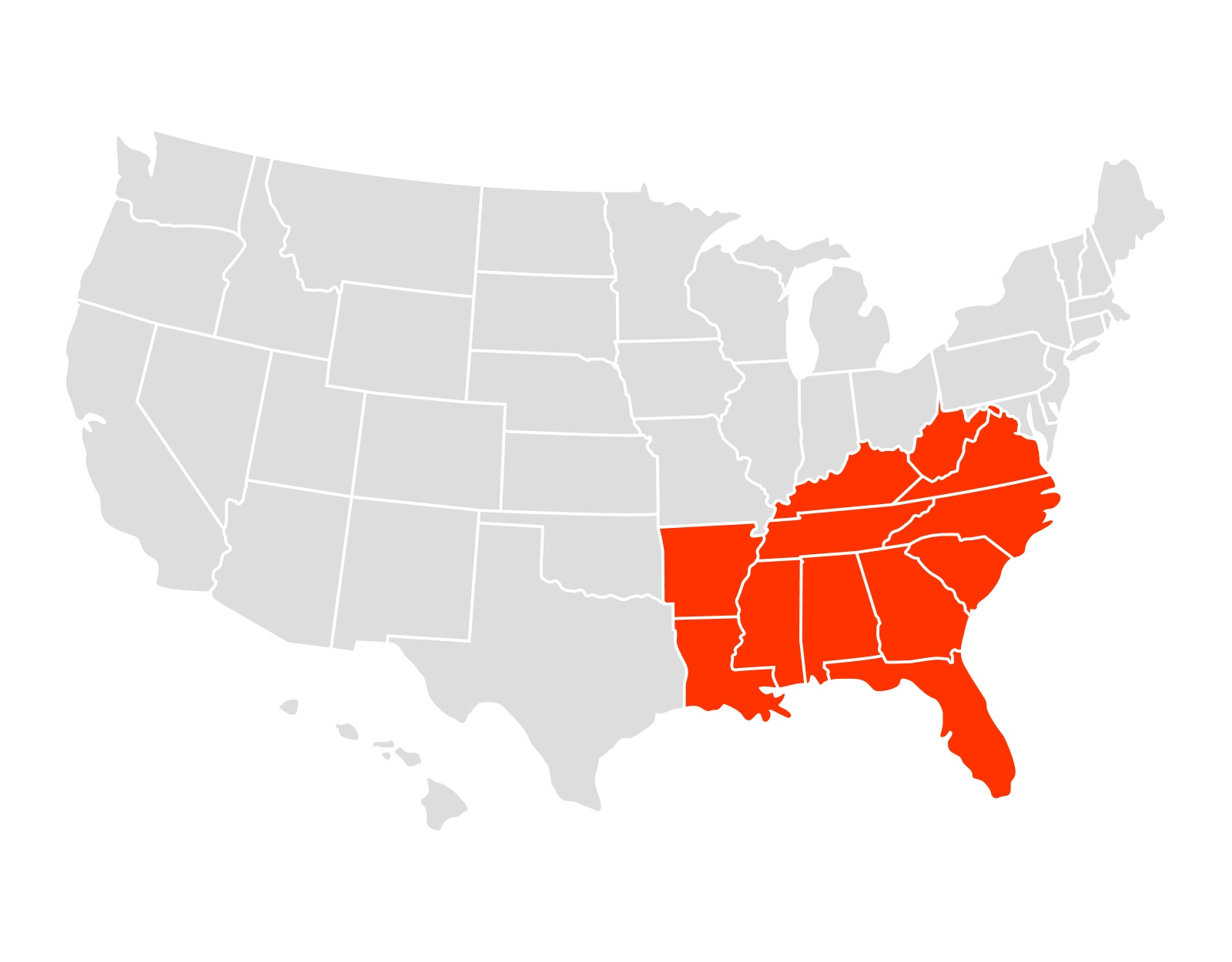
Broadly, the Southeast is a mix of “still struggling” but with pockets of improvement. Hunters, conservationists, and researchers have documented a long-term decline in wild turkey abundance and productivity in this region, but have also documented zones and states where a spring harvest can bounce back even when challenged. As noted earlier, Louisiana is seeing improvements in terms of population increases, even when nearby states are not.
Midwest
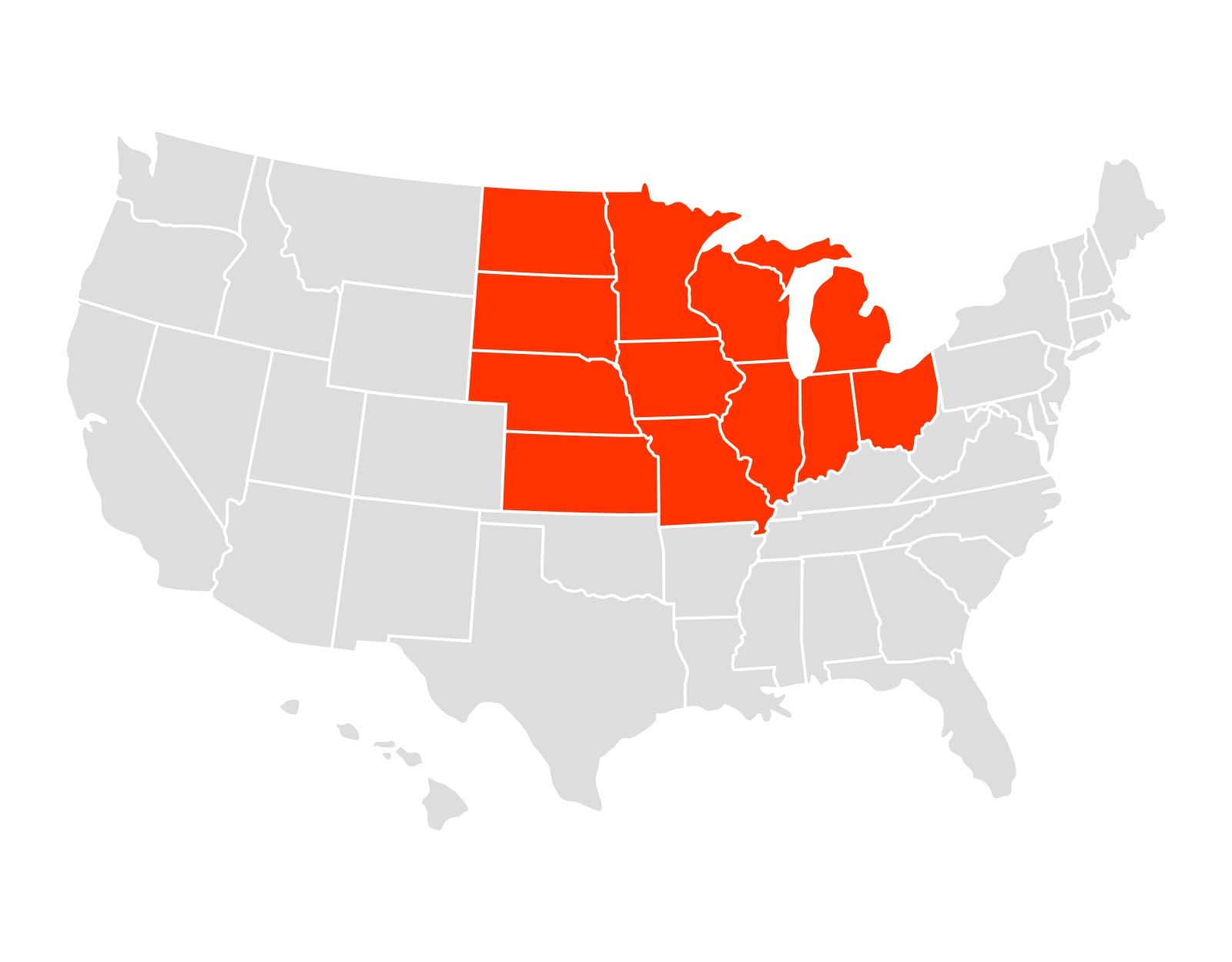
The Midwest, as a whole, has seen a drastic decline in wild turkey populations. Though, select pockets—mostly areas with good 2024 production—may bear witness to modest improvement. As Chamberlain noted earlier, those areas are more likely to put more two-year-old turkeys on the table, literally and figuratively.
Weather in the region has also swung wildly, with droughts, cold snaps, and late nesting season rains that are bound to impact turkey habitat. In response to all of the above, the Midwest has seen some of its seasons adjusted (especially fall opportunities) to reduce pressure while research catches up.
Northeast
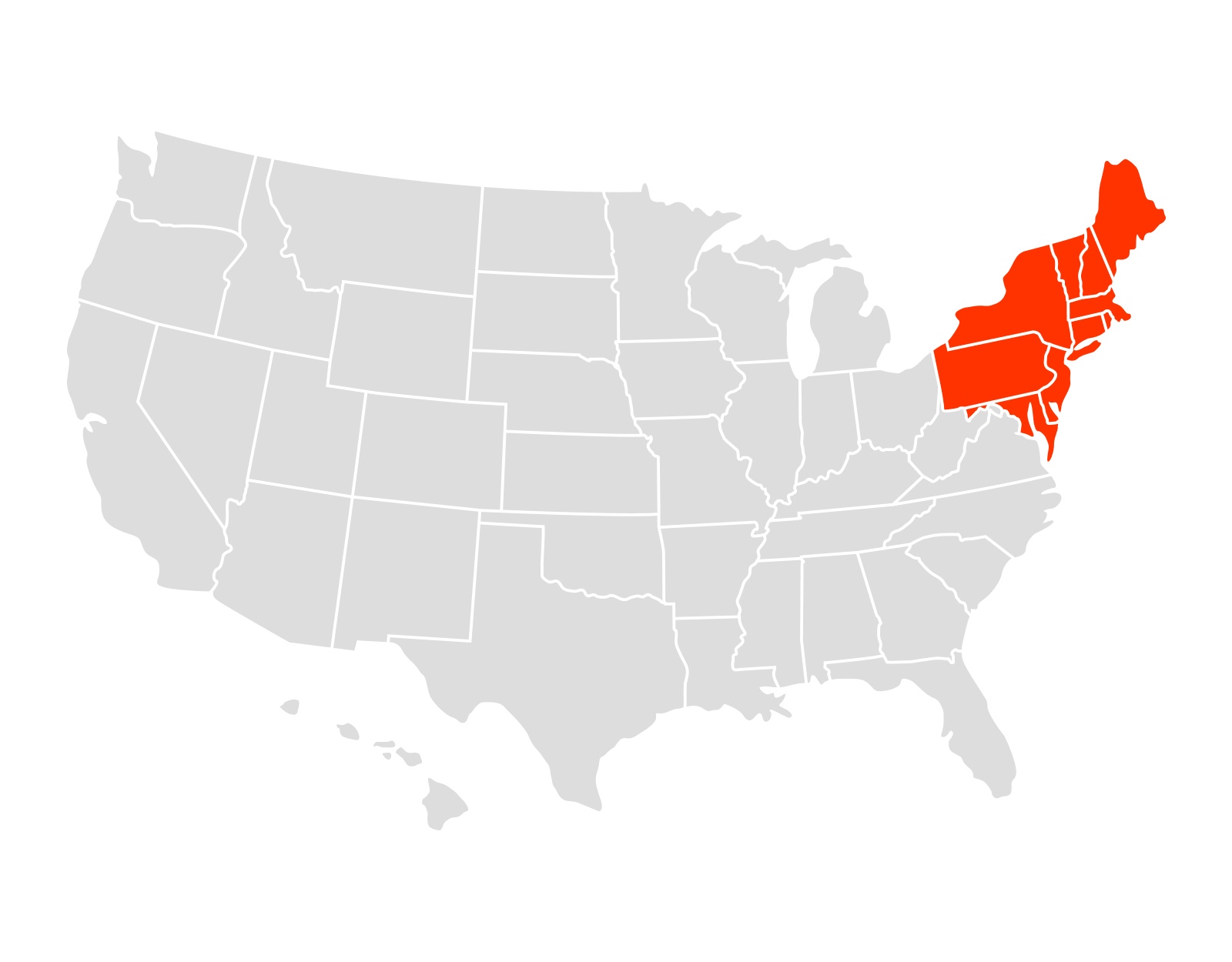
If pressed to categorize the Northeast’s wild turkey forecast in a few words, it would be: variable and heavily state-dependent. From severe winters to habitat loss and localized predation, wild turkeys have had odds stacked against them.
It’s not all bad, however. There are some stable populations reported, and states like Pennsylvania are doing good work in consistent population monitoring. If you plan to hunt turkeys in the Northeast this season, turn to state agency brood surveys to help inform your strategy.
West
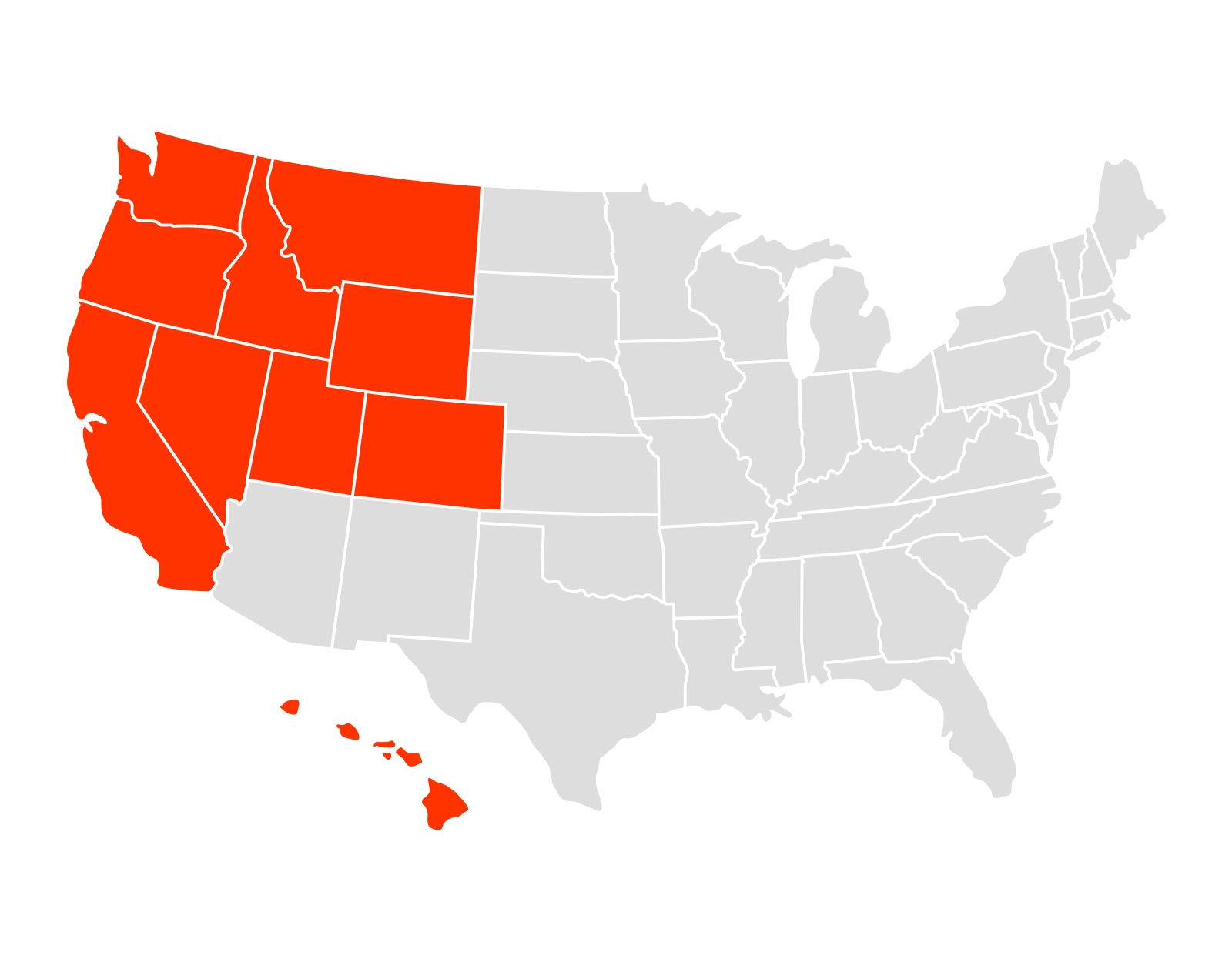
The West: where weather and water rule. If you find areas getting proper rainfall and coming out of a drought, you should find more turkeys. On the flip side, when states keep dry this puts strain on reproduction. To really get a handle on the West this spring season, be prepared to watch winter precipitation and the spring green-up as the best indicators to track. Then compare that data with state agency brood observations and trend summaries.
Recent Turkey Research Learnings
While there are many ongoing and important research projects tackling wild turkey improvements and declines, two recently published studies are quite interesting.
Save the Queen: The Importance of Hen Survival
One study found that the local Eastern wild turkey population in southeastern Oklahoma is not replacing itself because too many adult hens are dying, too few nests hatch, and almost no poults survive long enough to join the fall population.
The study highlights how important hens are for any given turkey population. If and when hens survive and can raise poults successfully, wild turkeys can rebound. Conversely, if hens die off because of predation, habitat loss, disease, or other factors, there’s a rapid waterfall effect on the entire local population. In short, protect the hens.
If and when hens survive and can raise poults successfully, wild turkeys can rebound.
Male Turkeys Are Learning—Are You?
Another notable study published in late 2025 documents how male turkey behavior is drastically affected by hunting pressure. Comparing hunted to non-hunted wild turkeys, researchers found that gobblers will reduce how much ground they use by as much as 55%, and their core use areas can be reduced by as much as 65%.
This effect was strongest during the opening week of the spring hunting season. For hunters, this means birds often lock into tight, familiar areas right after the opener. Interestingly, the study found that gobblers didn’t move less distance in a day or season; they just moved within smaller, safer zones. This explains why birds may still be present but feel harder to pin down once pressure ramps up.
Other documented findings show that when the season starts, gobblers will more readily avoid secondary roads and openings where hunter encounters are more likely. Additionally, male turkeys will become more loyal to their roosts instead of shifting around. Hunters who can locate roosts earlier can benefit from this predictability.
What the Turkey Outlook Means for Your 2026 Season
For spring turkey hunters, 2026 looks better than the last few seasons, but it’s not a full return to the glory days. Turkey numbers are still down in many parts of the country. However, production was noticeably better in 2024 across much of turkey country, which means more two-year-old gobblers should be on the landscape in 2026. Those birds tend to gobble more, take more risks, and make up a big share of the harvest, so many hunters should see improved opportunities compared to recent years.
That said, pressure and local conditions will matter more than ever. Studies show gobblers react quickly once the season opens by tightening their movements, avoiding obvious danger areas, and sticking close to familiar spots—especially during opening week. These changes are temporary, but they reward hunters who scout well and adapt. For 2026, success will come from focusing on local intel, hunting smarter as pressure builds, and adjusting expectations to how turkeys behave today—not how they behaved years ago.
FAQs
Over the last two decades, yes, turkey populations have been in steady decline, especially in the South and Midwest. Some states, however, are showing signs of stabilization or modest increases.
Texas is widely reported as having the largest turkey population in the U.S., with estimates of over 500,000 birds. Other states with large wild turkey numbers include California, Kentucky, Mississippi, and North Carolina.
Generally, spring turkey season in most states runs from late March through May, with the peak usually in April. Some states may also offer limited fall turkey seasons on private land or in specific zones.
The best sources for accurate and up-to-date season information are your state wildlife agency websites or printed hunting regulations guides.
Pay close attention to late-winter weather patterns and this year’s spring green-up. Generally, more moisture is better for poult production, and milder winters are better for turkey survival. Practice versatile calling and scout as many areas as you can before the season starts.