Tournament anglers don’t start a day by hunting for the best water. They start by crossing off the water that most likely won’t produce. They then go deep on what’s left. It’s a strategic framework worth stealing for upland bird hunting.
Every fall, hunters burn thousands of dollars in fuel, lodging, and non-resident licenses chasing birds in regions that had a bad hatch or poor brood rearing conditions. Unfortunately for them, the birds were gone before the season opened and the data was sitting there all summer.
Instead of asking “where are the birds,” ask “where aren’t they, and why?” That’s the filter that will guide you through a better bird season.
The National Water Prediction Service + Drought Data
The tool to know is the National Water Prediction Service, or NWPS. NWPS recently replaced NOAA’s older Advanced Hydrologic Prediction Service, but the workflow hunters actually use, pulling localized rainfall totals by county or watershed for a specific date range, works the same as it always has.
Open the tool, select your target county or watershed, and set the date range to the critical window for the species you’re after (more on those windows below). Compare the total to the historical normal, which the tool provides right alongside your numbers.
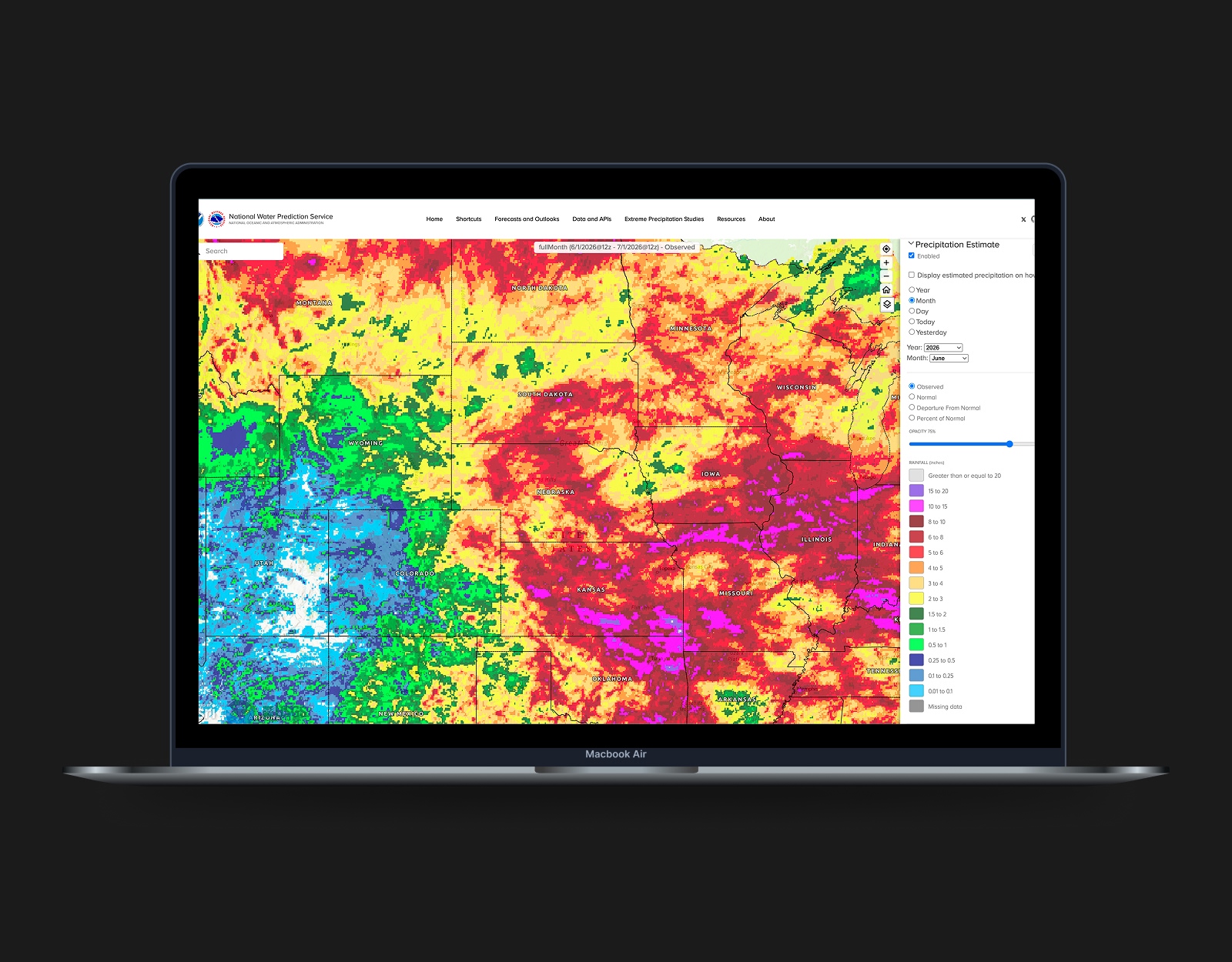
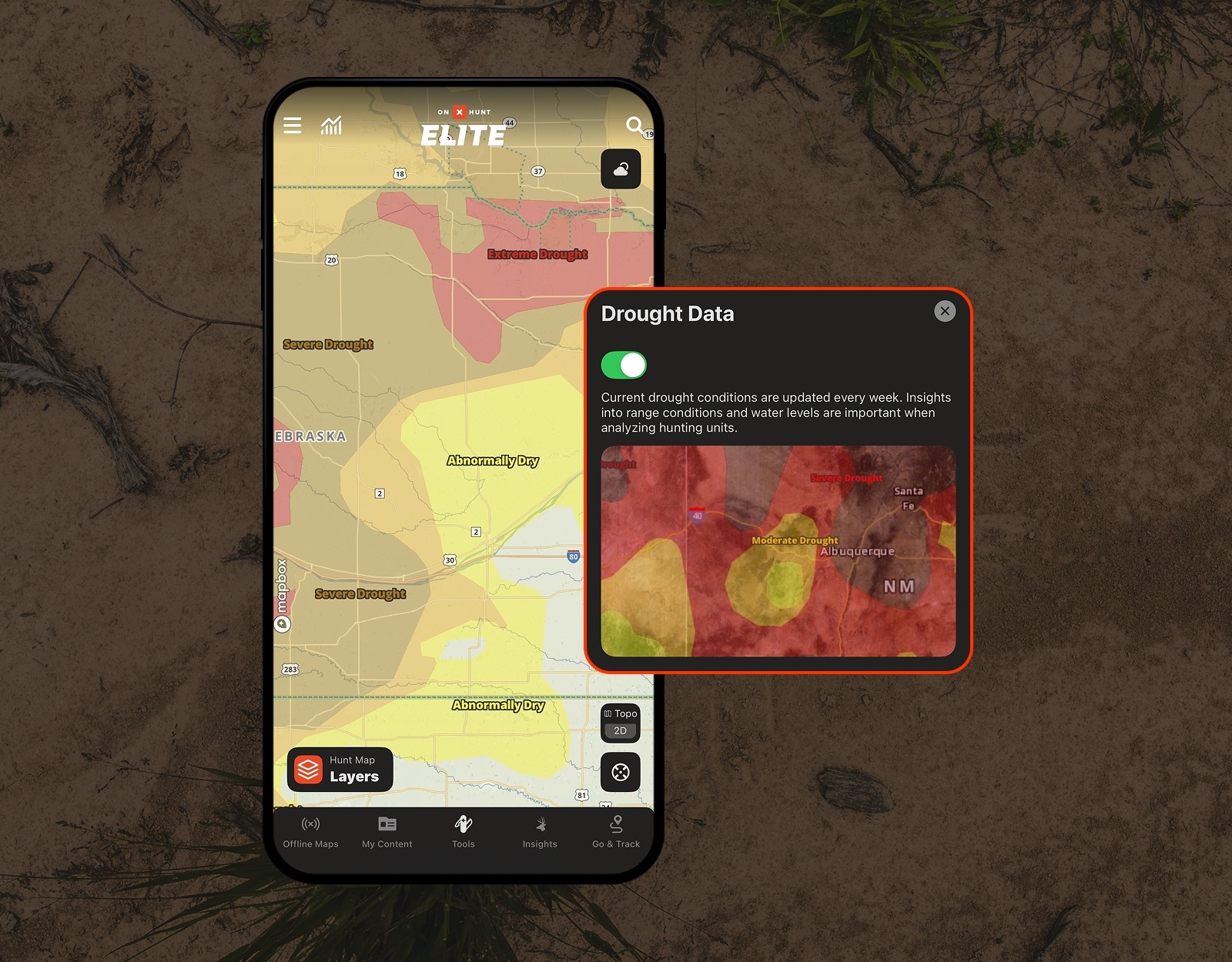
Pair that with the U.S. Drought Monitor, updated every Thursday. This data is available right in the Hunt App.
Its five classifications run from D0 (abnormally dry) to D4 (exceptional drought). For boom or bust species like scaled quail, D2 or worse in your target region during the critical window is a clear red flag. The site’s historical tab also shows whether you’re looking at one bad season or a multi-year hole, and that distinction matters more than people think.
How To Find the Drought Layer
- Open the onX Hunt App on your device.
- Tap the Map Layers button in the bottom left corner.
- Open the Current Conditions folder.
- Toggle on the Drought Data layer.
One caution: rainfall data is a leading indicator, not a guarantee. For species with published brood surveys (e.g. pheasants in South Dakota, Kansas, and Nebraska, ruffed grouse in Minnesota), those official counts (usually published in August) beat precipitation analysis alone. Use NOAA data as your early read, then confirm against the survey once it drops.
Once you’ve run the filter, onX Hunt is where the surviving regions become an actual plan.
American Woodcock
Insights from Bailey Petersen, Minnesota DNR
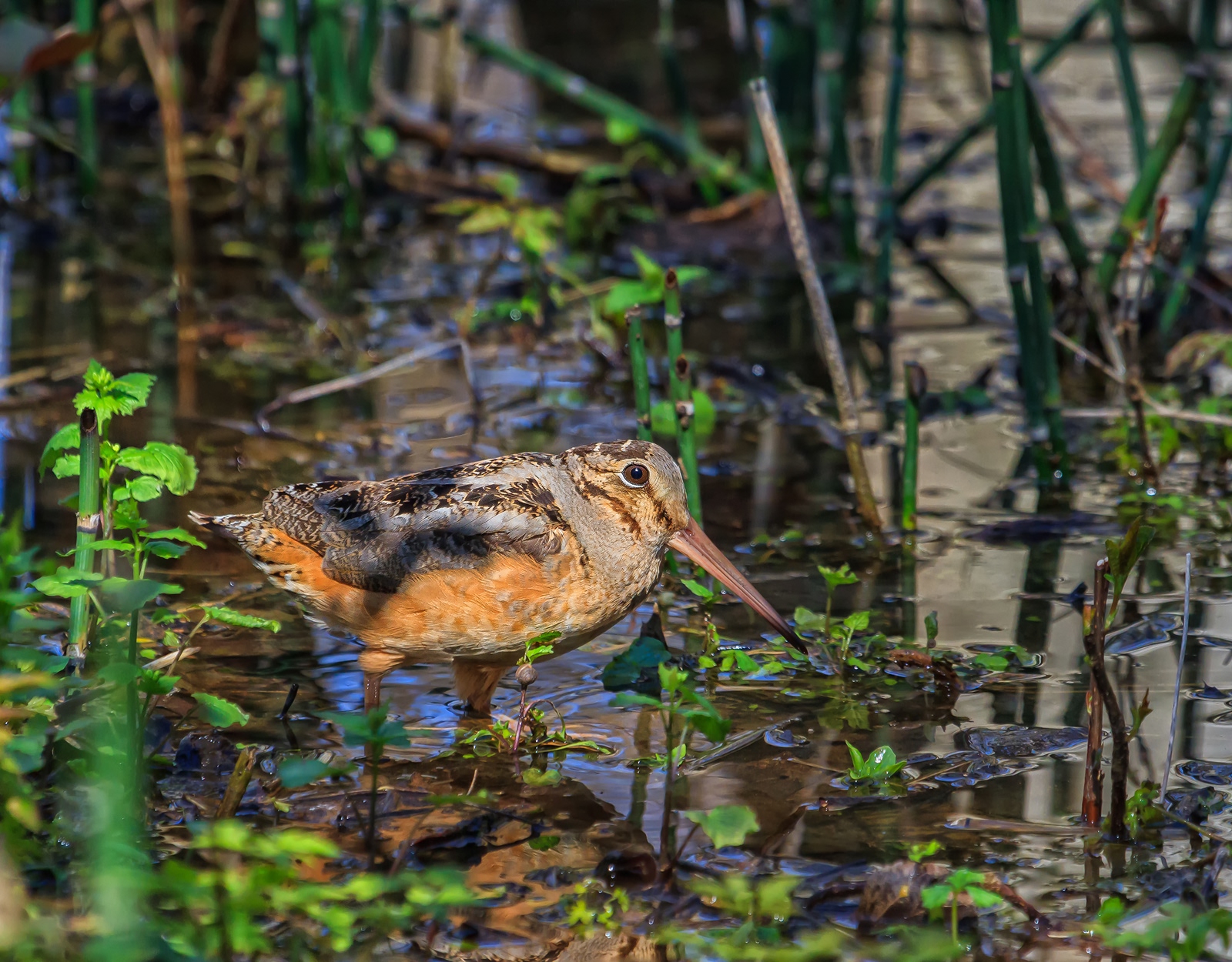
Woodcock are federally managed as a migratory bird, so Minnesota DNR feeds data into flyway-wide surveys rather than running its own. Even so, Petersen offers plenty of boots on the ground insight. Moisture in the soil means bugs, and bugs mean healthy chicks, but heavy rain during a chick’s first week to 10 days is dangerous, since woodcock can’t regulate body temperature well right after hatching.
Drought pushes birds out of the high stem density upland cover hunters usually search and into alder swamps or even spruce and cedar stands, and how fast that shift happens depends on soil type: clay holds moisture longer but compacts hard once dry, while lighter soils dry out and recover faster. Her advice: let current moisture, not a preseason guess, tell you whether to search typical young aspen cover or the edges of swamps and bogs instead.
Country to eliminate: In a dry year, ignore your typical young aspen cover.
Prairie Grouse
Insights from Tyler Webster, Western Wingshooter, and Marissa Jensen, Pheasants Forever and Quail Forever
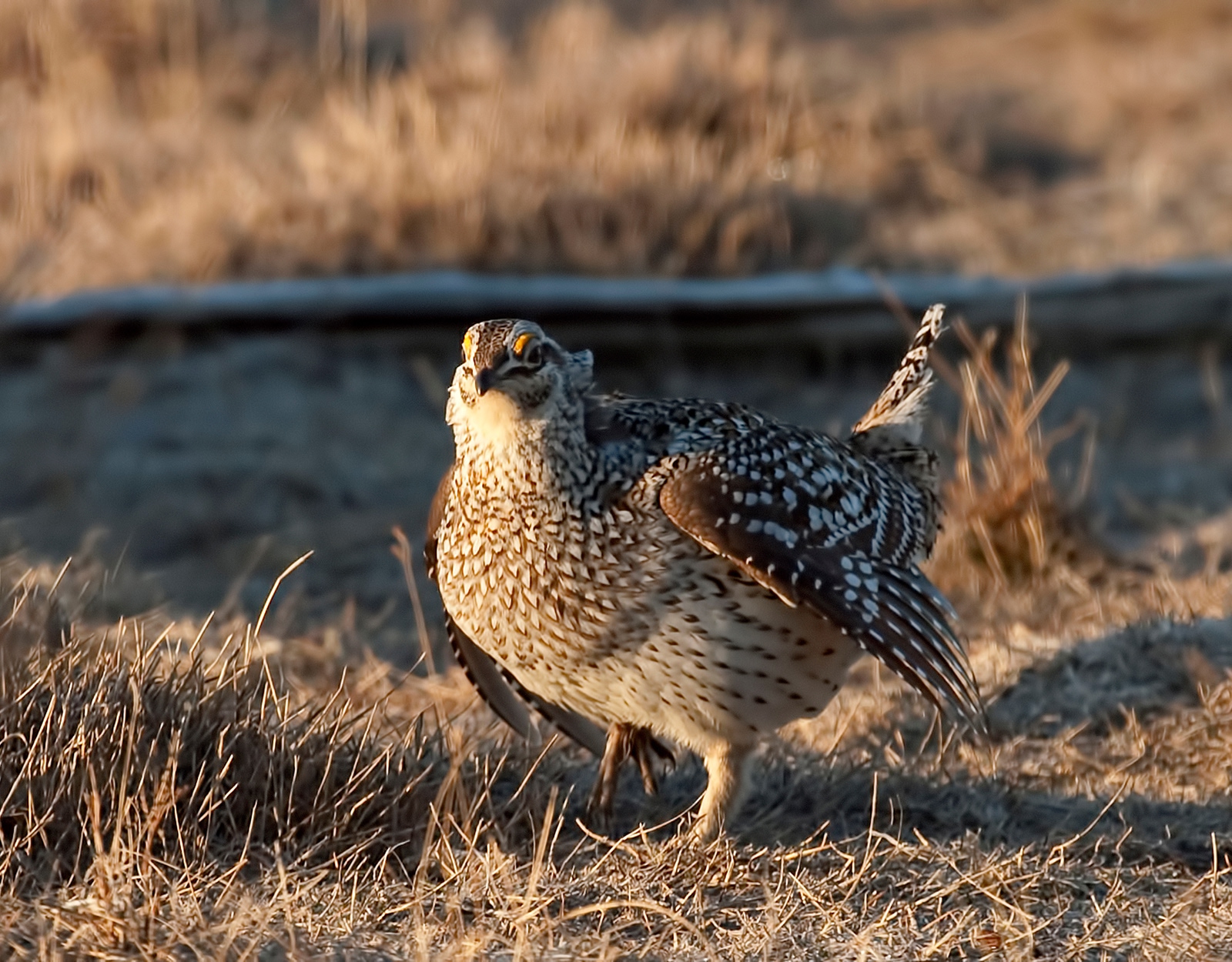
Prairie grouse (greater and lesser prairie chickens, sharp-tailed grouse) face two separate windows with opposite risk profiles: April through May for nesting, and June through July for chick survival. Research published in The Journal of Wildlife Management found nest success dropped in wetter-than-average springs, while chick survival suffered most from heat combined with drought. A wet spring followed by a hot, dry June is a mixed signal, so check both spring rainfall and early summer temperature before writing off a region.
Country to eliminate: Counties where a wet spring ran into a June drought.
Ruffed Grouse
Insights from Ben Jones, Ruffed Grouse Society, and Jerry Havel, Pineridge Grouse Camp
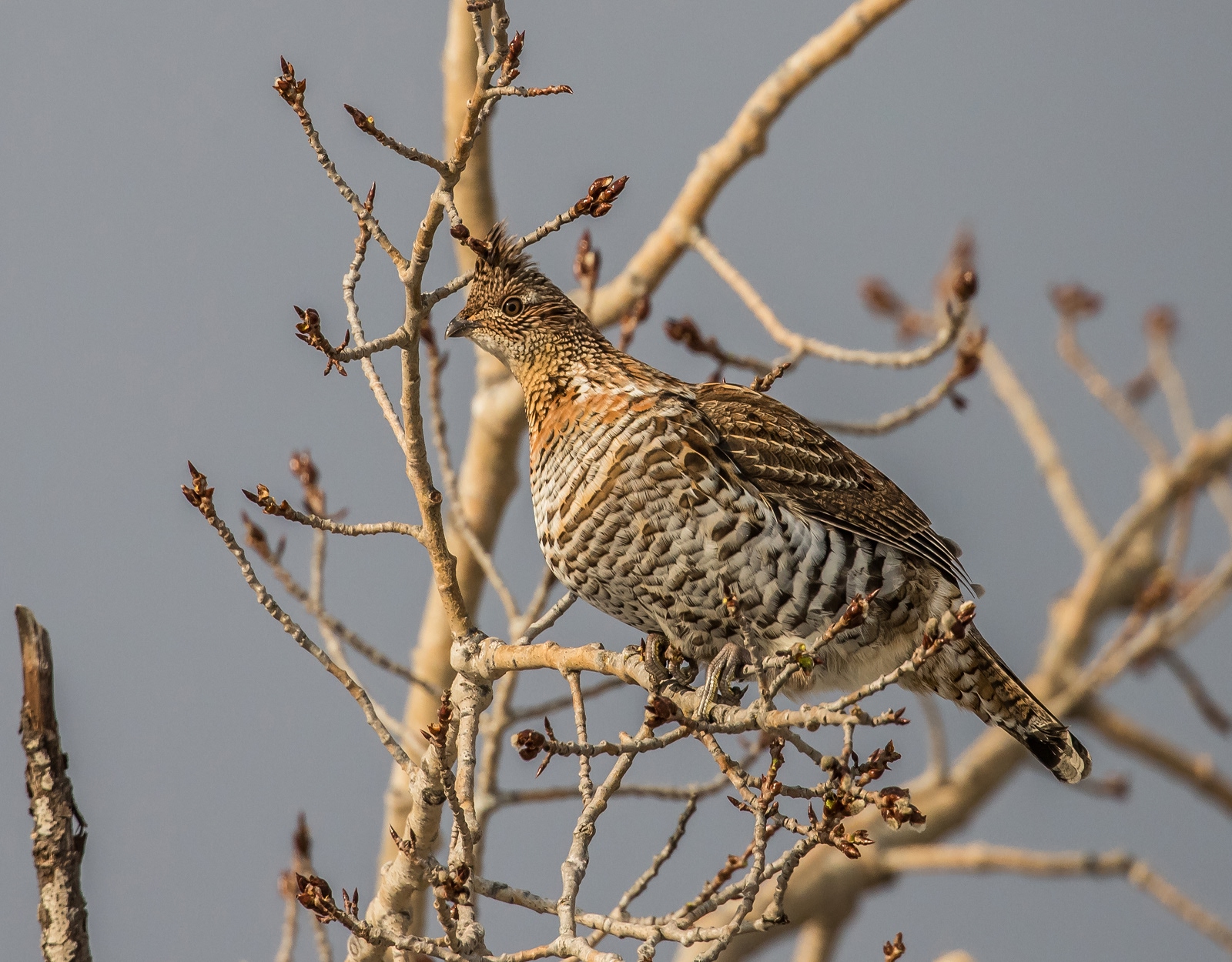
The window to watch is late May through late June, when most of the range hatches and chicks are highly sensitive to dampness in their first week. A West Virginia University study tracking 76 Michigan chicks found survival to fall dispersal of only 28-32% in an average year, with most losses in that first week. Cold, wet stretches lasting one to two weeks, not single storms, are the clearest negative signal. Pull June precipitation for your target counties and compare it to the 30-year normal.
Country to eliminate: Counties where June ran cold and wet for two straight weeks.
Mountain Grouse
Insights from Josh Tatman
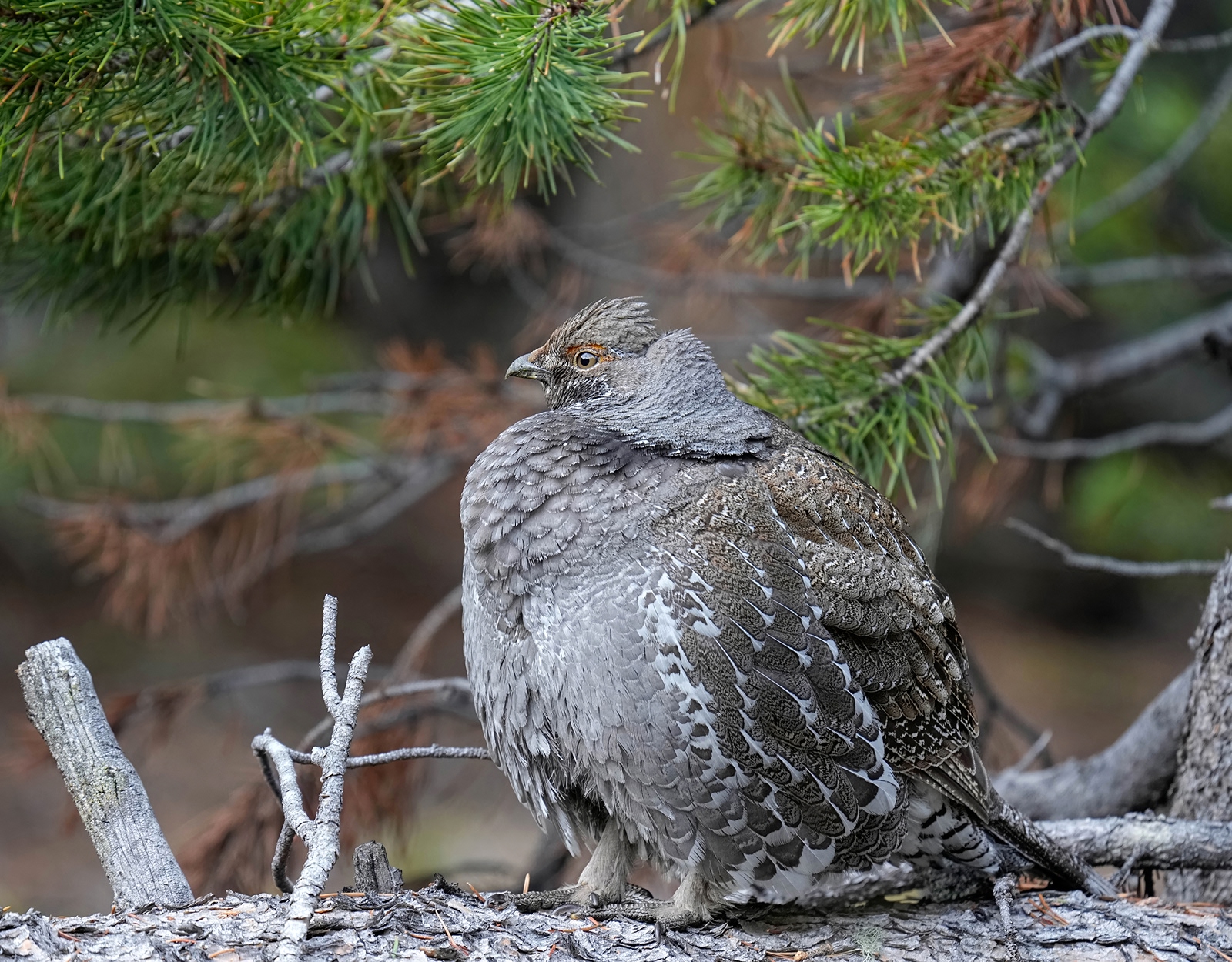
Josh Tatman’s shorthand for mountain grouse (dusky, sooty, and spruce): June is the month that matters most. Cold snaps and thunderstorms in that window threaten chicks, but the same June moisture also grows the food and cover these birds need, so a few spring storms rarely spell disaster. What does hurt is a prolonged drought like the one gripping the central Rockies this year.
His read for the season: expect declining numbers across the central and southern Rockies, with better odds in western Montana, Oregon, western Canada, and Alaska. He points hunters to the Drought Monitor as the fastest gut check, looking for anything under “moderate drought,” and to individual SNOTEL sites for a deeper look at a specific range.
Country to eliminate: Avoid counties experiencing moderate drought or worse.
Bobwhite Quail
Insights from Dr. Ryan O’Shaughnessy, Rolling Plains Quail Research Foundation, and Jess McGuire, Quail Forever
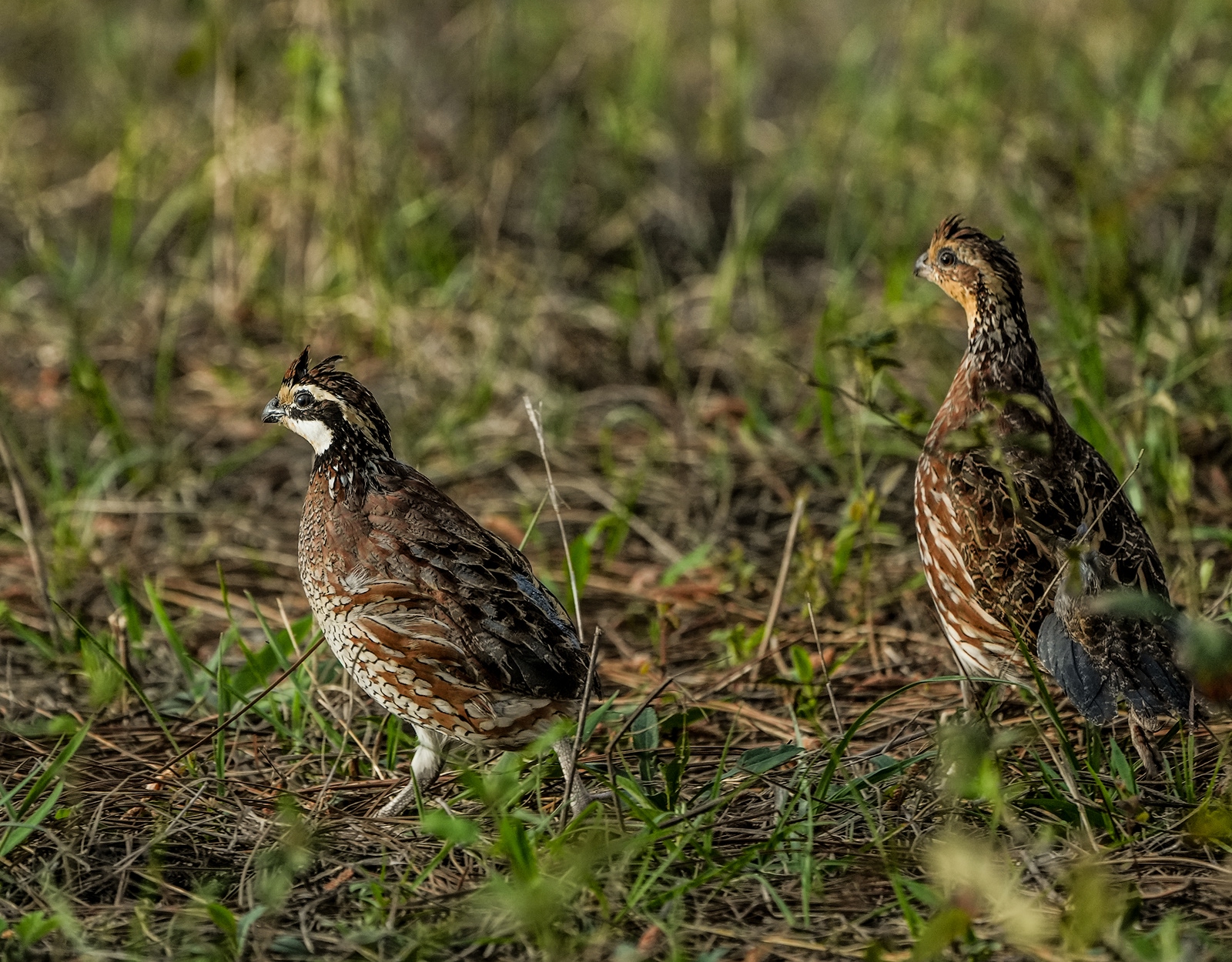
Dr. O’Shaughnessy calls the well-known “21-day window” a vulnerability window, not a hard biological switch. Jess McGuire, a quail biologist with Quail Forever, explains the mechanism behind it: bobwhite chicks can’t thermoregulate effectively until around 21 days, when insulating plumage finally replaces the downy feathers they hatch with. Chicks are small, poorly insulated, and almost entirely dependent on insects during that stretch, and consecutive rain days can hurt survival even when cover looks perfect.
These two experts read a D2 or D3 drought monitor score a little differently: O’Shaughnessy calls it a warning flag rather than proof birds have stopped breeding outright, while McGuire ties it more directly to an earlier cessation of nesting activity, especially in drier climates, though she notes the score reflects longer-term precipitation deficits rather than recent rain, and matters more for western quail species than for bobwhite.
What a genuinely bad June and July looks like depends on where you’re hunting: too much rain is the bigger threat in climates already on the wet end, since it chills chicks and cuts their mobility, while drought is the bigger threat in already-dry climates, where it strips out food and cover.
Once your state’s roadside quail survey comes out, weigh it above rainfall, since habitat quality mediates how much rain actually helps or hurts, and surveys capture the realized outcome instead of predicting it. O’Shaughnessy’s read on the most common outsider mistake is reading total rainfall instead of timing, and McGuire adds the multi-year piece: whether a region is in its first dry year or several years deep into one, since populations run noticeably lower the longer a drought drags on.
Country to eliminate: Counties with D2 or worse during the 21-day hatch window, but check the quail survey before you eliminate anything entirely.
Desert Quail
Insights from Tyler Sladen
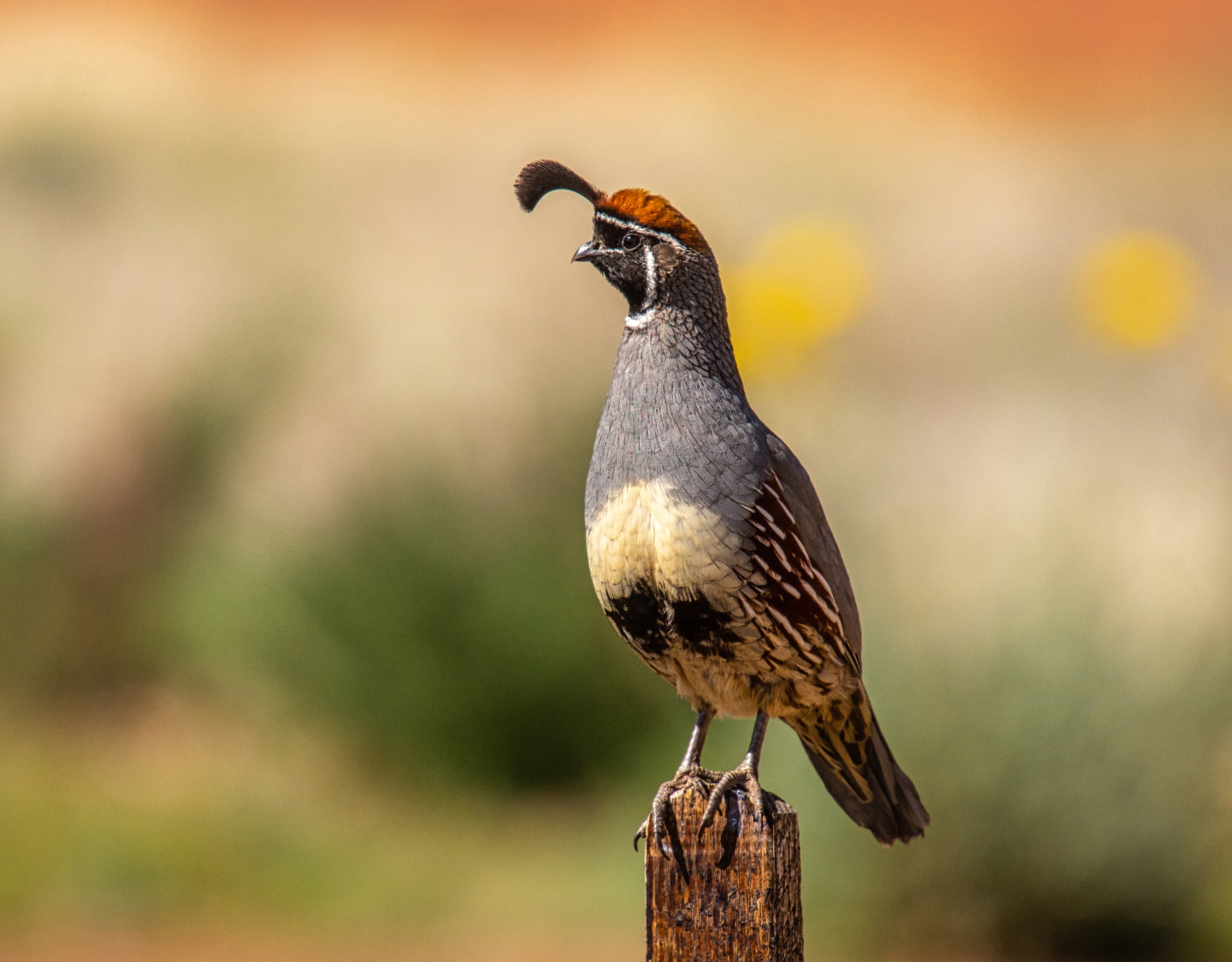
Scaled, Gambel’s, and Mearns’ quail each key off a different rainfall window (summer, winter to spring, and monsoon, respectively), and Tyler Sladen’s biggest note is that a single season rarely tells the whole story. Two bad Mearns’ years before a good one barely moves the needle, but two good years back-to-back can produce a real boom. He’s calling for a banner season for scaled quail in certain parts of the desert southwest thanks to last year’s boom paired with a strong follow-up spring. That kind of multi-year read, not just this month’s totals, is what separates a wasted road trip from a great one.
Country to eliminate: Ignore counties without two consecutive good years.
Western Quail
Insights from Katie Willis
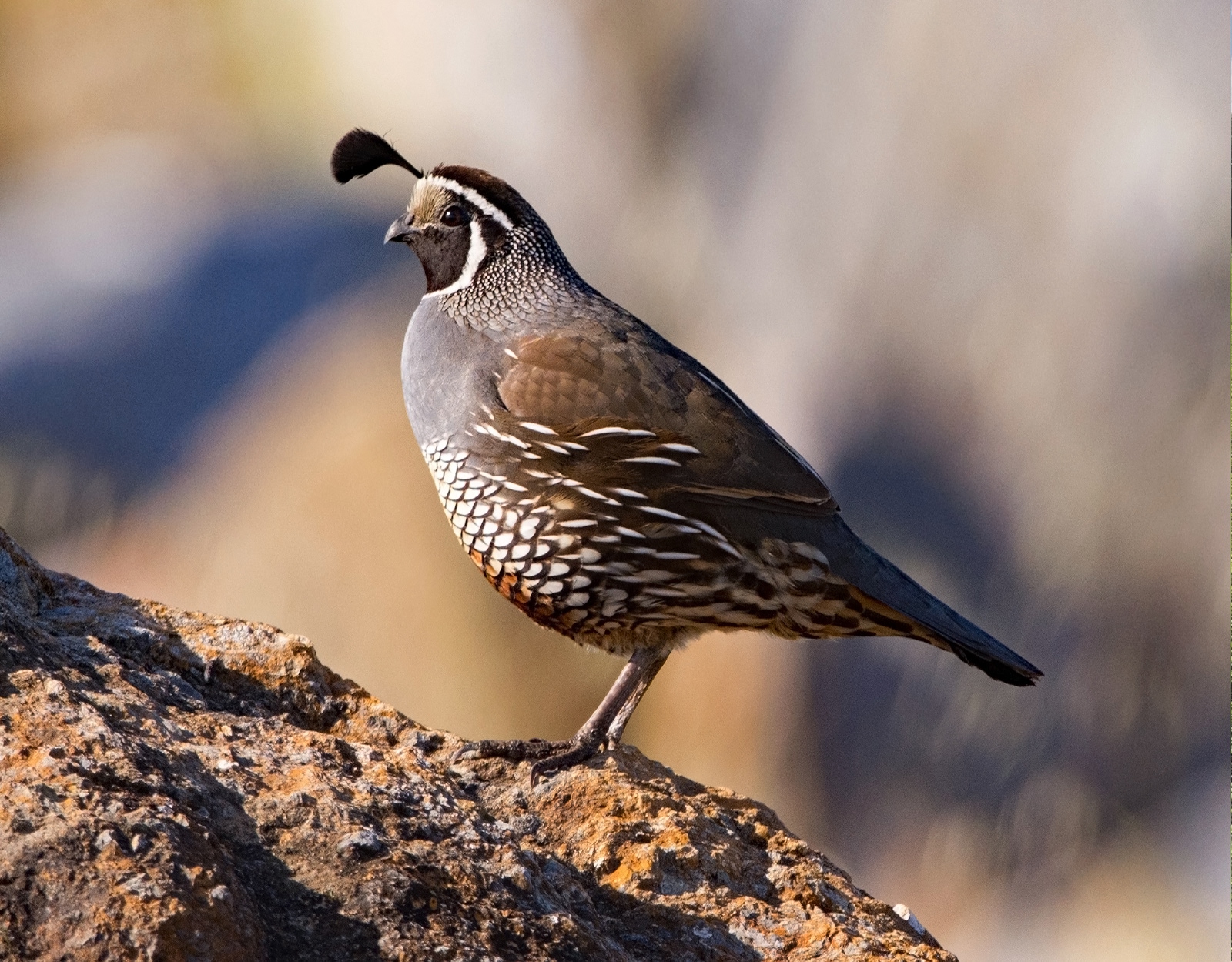
California quail run on a Mediterranean rainfall pattern: wet winters and springs, dry summers. Winter-spring precipitation drives the wildflower blooms that serve as a rough, visible proxy for a strong quail year, since good bloom years mean more insects and cover heading into the May through July breeding season. Check January through April totals for your target region, and cross-reference with Drought Monitor status heading into spring.
Country to eliminate: Counties where it was too dry in early spring for a bloom. No bloom means fewer bugs means fewer birds.
Pheasant
Insights from Emily Spolyar, Pheasants Forever, and Sabin Adams, Pheasants Forever
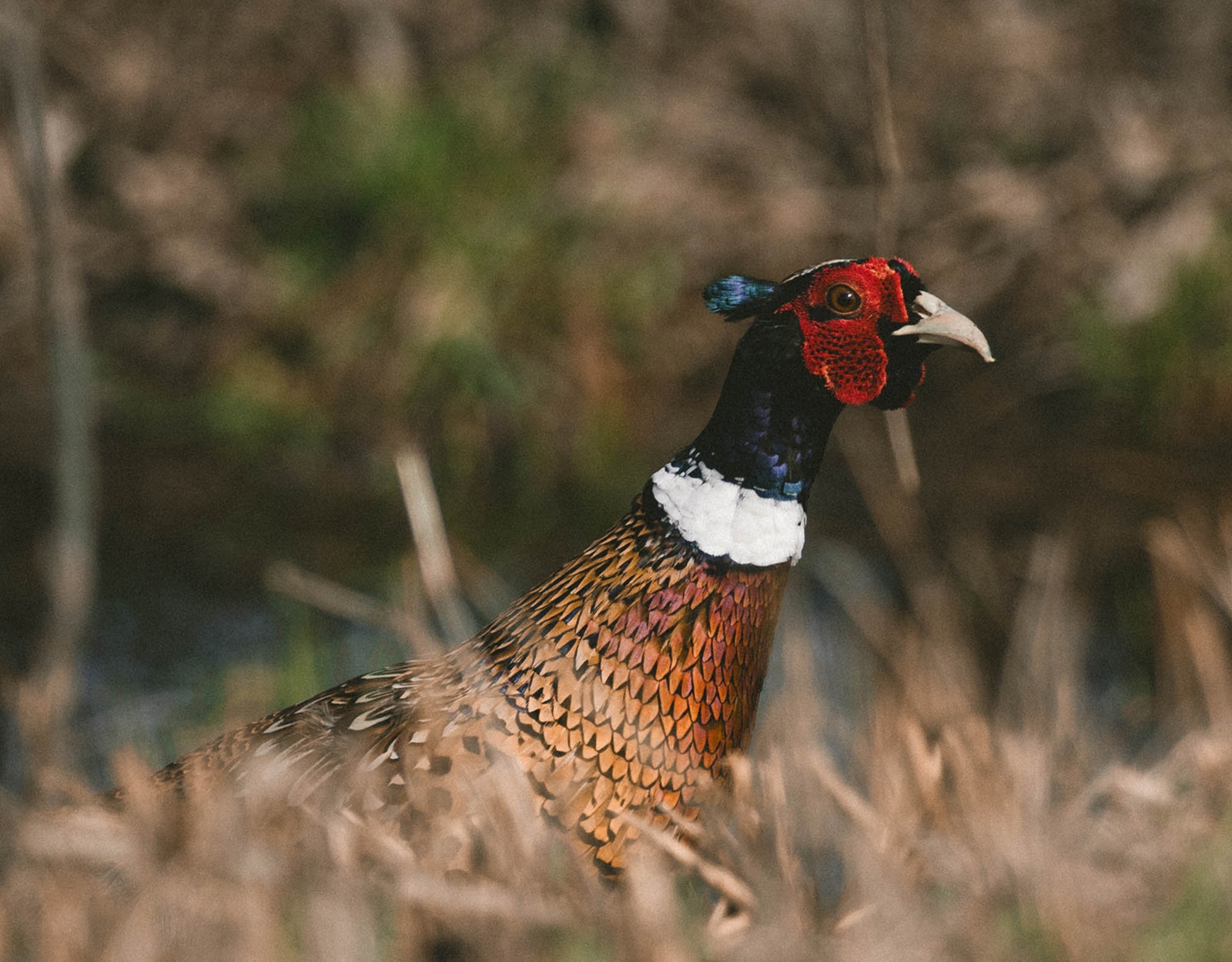
Emily Spolyar sums up the ideal pheasant setup as “Goldilocks” conditions: moisture, but not too much, warmth, but not too hot, plus a mild winter so hens carry good body condition into a taxing season. Spolyar is not too worried about June weather moving a hunter’s plans, since a hen will re-nest up to four times if her eggs get destroyed.
The rainfall link shows up clearest in drought years, according to Spolyar, when losses stack across grass, cropland, and birds alike, and recovery takes a while.
Sabin Adams agrees there’s no universal ideal, since a drought in Minnesota can be an average year in western Kansas. He compares this year’s June and July rainfall against the historical normal for his specific region, and watches for severe events too: a hailstorm flattened crops near his home last year, and grasslands nearby that normally produce well were nearly empty of young roosters that fall. He also uses local crop production on non-irrigated acres as a rough proxy for bird production.
Both experts point to nesting season, not just the first weeks after hatch, as the single biggest driver of fall numbers: a pheasant chick can’t regulate its own body temperature for two weeks and can’t fly well until around three. Their shared advice for June: don’t plan around it. Wait for July at least, since perfect weather means nothing without quality pheasant habitat underneath it.
Country to eliminate: Areas where July data proves persistent drought.
Build Your Upland Bird Hunt in onX Hunt
Once you’ve run your target species through NWPS and the Drought Monitor, you’re left with a real shortlist instead of a guess. That’s where planning with onX Hunt takes over. Drop Waypoints at access points and trailheads in the regions that passed your filter. Flip on the satellite layer to size up cover quality before you commit fuel to it. Check public land boundaries so you know what’s legal to hunt, then download your Offline Maps before you leave cell service behind.
Good years don’t wait around for you to show up. Your trip planning shouldn’t wait around either. The data is there, the method is repeatable, and the only real choice left is whether you check it before you book a trip, or find out the hard way once you’re standing in cover that never had a chance this season.