With September just around the corner and plans for another season of rambling around in search of birds, long walks, and new scenery, I am going through my lists. This will be season number five for me hunting as many days as possible between September and February. We—a grip of German wirehair pointers and I—live full time in a camper so we can follow the season from the mountains of Montana to the prairies of North and South Dakota up into the North woods, before heading to the rimrock of chukar country and the cactus-dotted expanses of the desert Southwest.
Since 2022, I’ve averaged 10 states a year and have checked the boxes on the Upland Slam. At the end of each season, I settle into the memories of the walk and start working on the improvements for next year. Throughout the summer, I pull the list out and work through it.
Upland Hunting Tips: Preparing for the Season
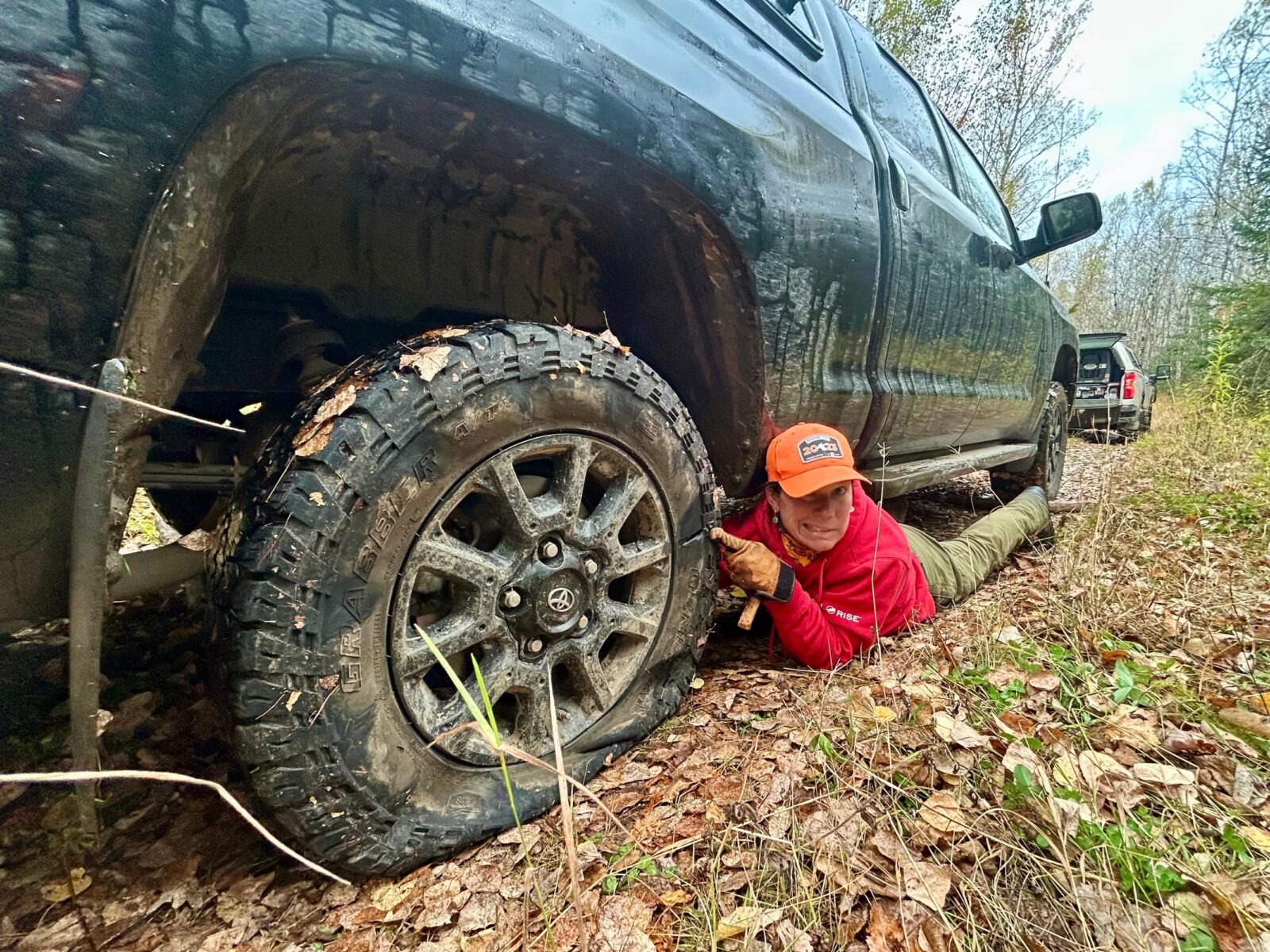
A narrow mountain road or rainy North Woods afternoon is not the time to find out you need a special key to get to your spare and you don’t know where it is.
The first place I start is the rigs. The one-ton Duramax, Mavis, gets new fluids and tires. This year we upgraded the transmission and air intake to keep her cool on the long hauls. I check my spare, make sure I have all the tools handy to change a flat, as well as fresh batteries in the headlamp and a pair or two of work gloves.
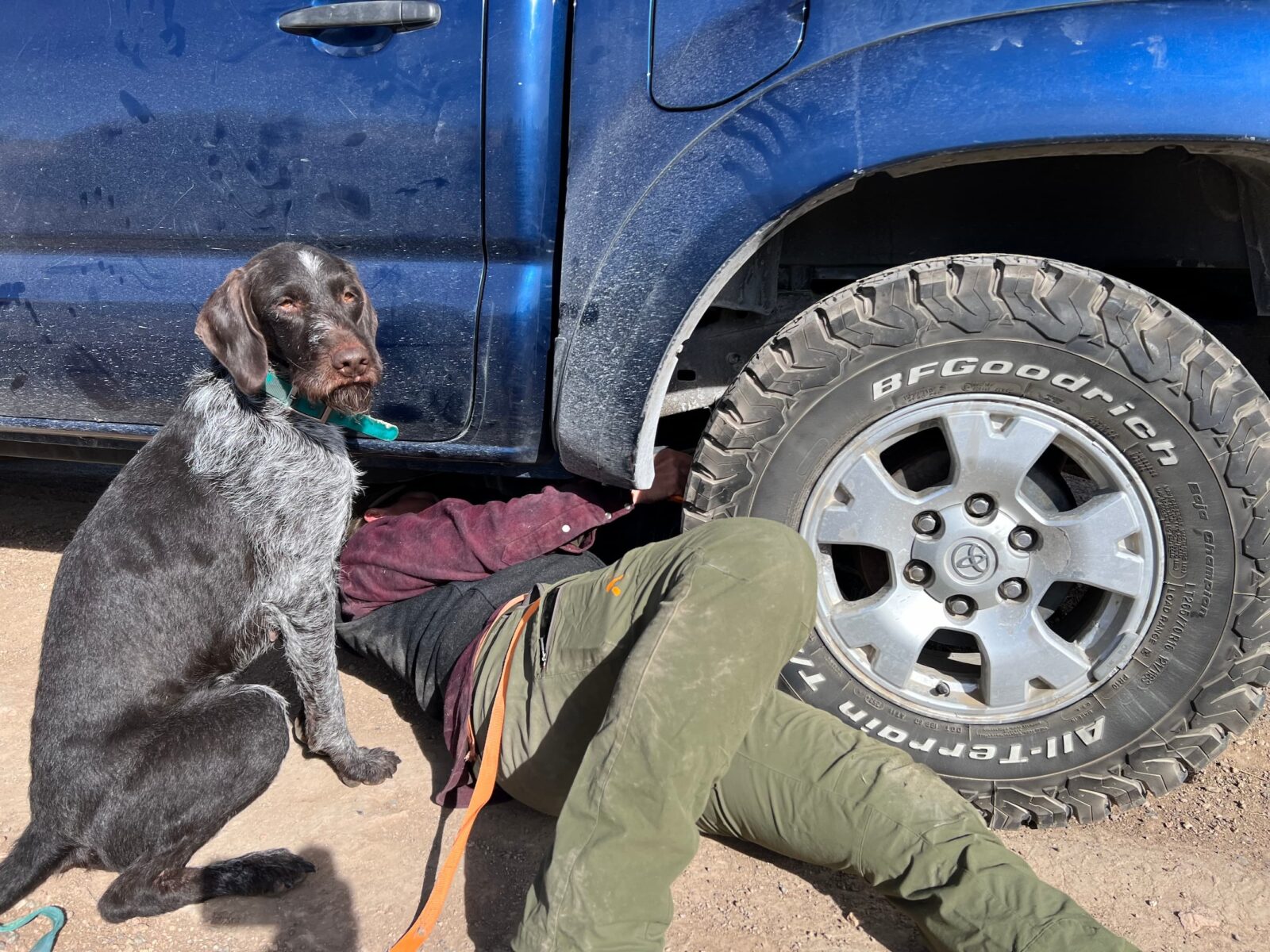
If you have never changed a flat on your rig, pick a cool evening, get that jack out and work through taking a tire off, dropping the spare, and making the swap. A narrow mountain road or rainy North Woods afternoon is not the time to find out you need a special key to get to your spare and you don’t know where it is. If you live in an area where winter roads are salted, and your rig knew a time before COVID, you better crawl under that thing and make sure the rust hasn’t weakened any critical attachments. Alternatively, you can not do this, and if we happen to come across you in distress, you will be burned by the disappointing gaze of a wirehair who knows you are the reason we won’t be hunting today.
The camper gets the same treatment. I can’t remember the exact mileage recommendation for repacking the bearings on the trailer, so I just make this a must-do the first week of September. Similarly, I pull the first aid kits from my vest, the truck, and camper and go through them. Meds expire, tubes of antibiotic ointment leak. I look at what I used last season and replace and upgrade as needed.
Whether it’s the rig or the first aid kit, it’s not just what you have, it’s what you know how to use and when to use it. I highly recommend attending one of the many classes offered by veterinarians within the upland community on bird dog first aid, but if you can’t find one of those close, go to a Wilderness First Aid class for people. There’s plenty of crossover where those skills can be applied to situations with our bird dogs as well as being helpful when you hunt with your accident-prone buddy.
The dogs and I just wrapped up a rattlesnake avoidance clinic, as with these prolonged hot autumns, we are seeing more snakes. Most of us are well aware of the hazards in our home regions, but if you are going to travel, you have to expand on this. Will you need tick or heartworm preventatives? Bear spray and bells? Booties and a metal comb for those damn sand burs and cactus? Tools to cut snare traps, open coni-bear traps or foot holds? If you don’t have issues with leptospirosis in your area, is this a vaccination you’d want to add to the list when you update the rabies shot?
This summer I don’t have the water available I have had in years past, and my pups are going into the season with less pre-season conditioning than last summer. I am going to have to moderate my early season hunting accordingly and be more mindful of the lengths of my hunts and the rotations of the dogs. But man, I am doing a helluva job keeping their nails short.
How To Scout New Upland Hunting Ground
I haven’t started scouting yet; I have ideas of which states I want to travel to this season and am paying attention to the hatch reports and listening to the podcasts featuring game bird biologists as I make my plans. It’s twofold. I want success, I want to see the dogs lock up and have shot opportunities, but I also don’t want to feel guilty about taking birds if the numbers are low. So I am listening to what folks are saying.
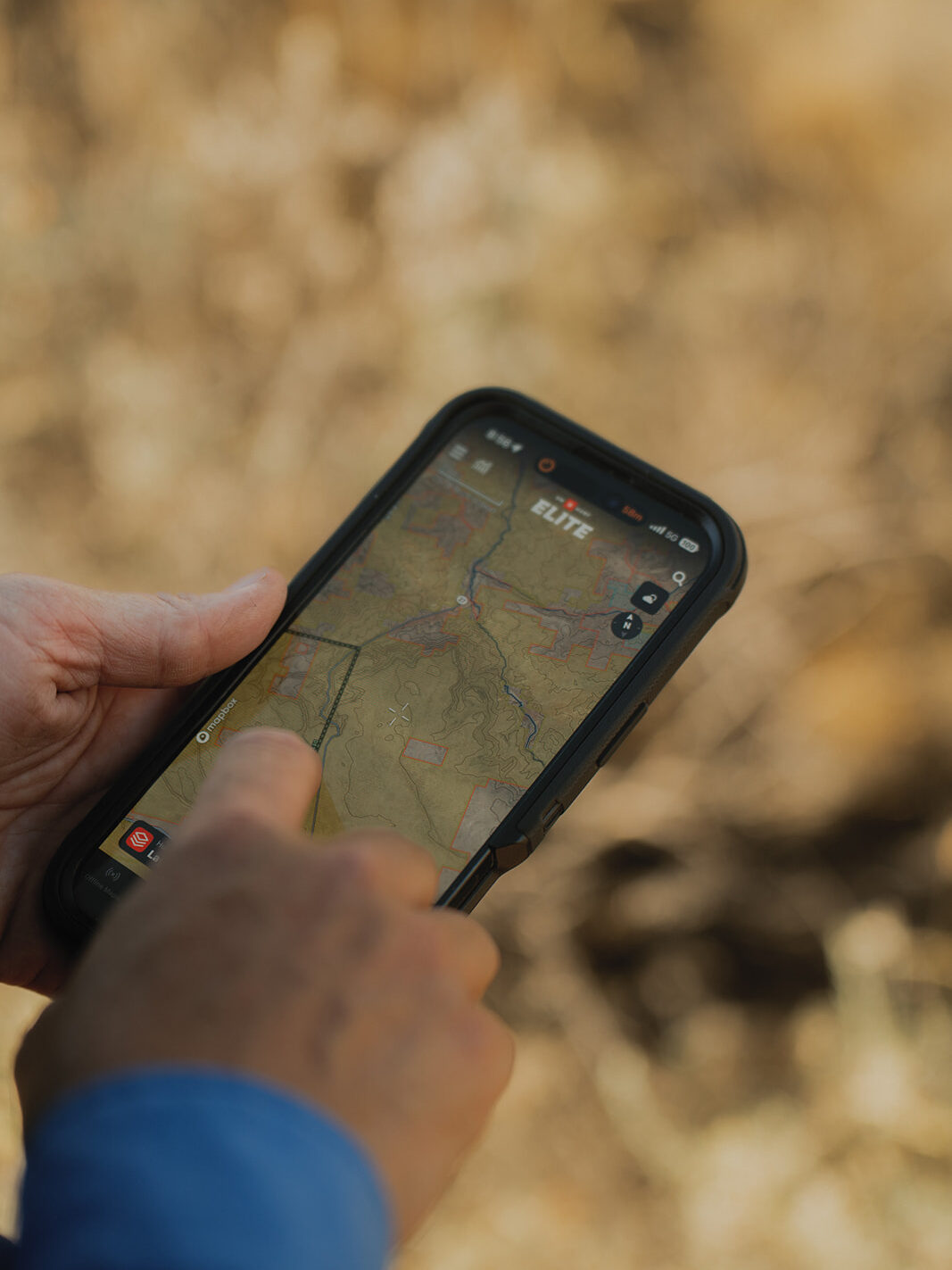
Over the past five seasons, I have cultivated friends all over the country, most of whom I initially met on social media. There’s a lot of info you can get without asking for pins. I ask about plants, landscape, and what Map Layers they have turned on onX Hunt. Ask them what their water has been like all spring and summer and if it’s been wet or dry.
I always start my scouting with water, find where it is and where it has been, and start throwing loops out around it. A lot of adult birds are not water-dependent, but chicks sure are, and mamas don’t like to walk far if they don’t have to.
I also scout places I will never hunt. Traveling with dogs is a dance of trying to keep them healthy and ready to roll, and dog parks at truck stops and rest areas are an invitation to kennel cough and gastric ailments. So I drop pins off highways and interstates where there is a parcel of public land that will let me air the dogs out on a long haul.
Planning for long trips has become second nature to me at this point, and maybe this list of things feels obvious. It’s just basic prep work, in some ways no different than planning a family trip or backyard BBQ. But it’s more than just having a list to check the boxes on, it’s the platform my confidence stands on. I know what I have with me and know how to use all the tools, because I have practiced with them. I also travel with an understanding that I will fail, that things won’t go as planned, and in failure, I am the most confident.
I want success, I want to see the dogs lock up and have shot opportunities, but I also don’t want to feel guilty about taking birds if the numbers are low. So I am listening to what folks are saying.
What Failure Has Taught Me
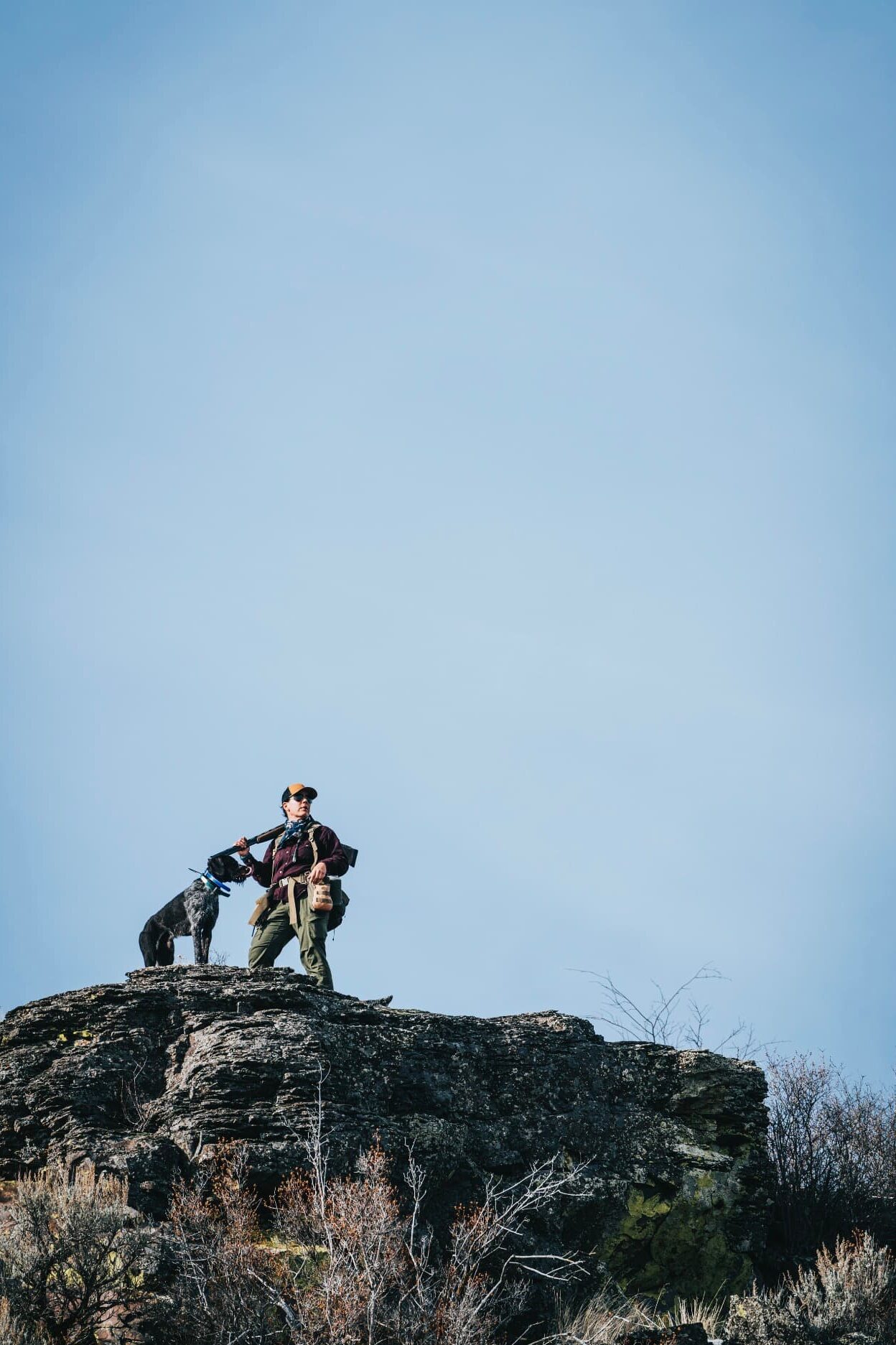
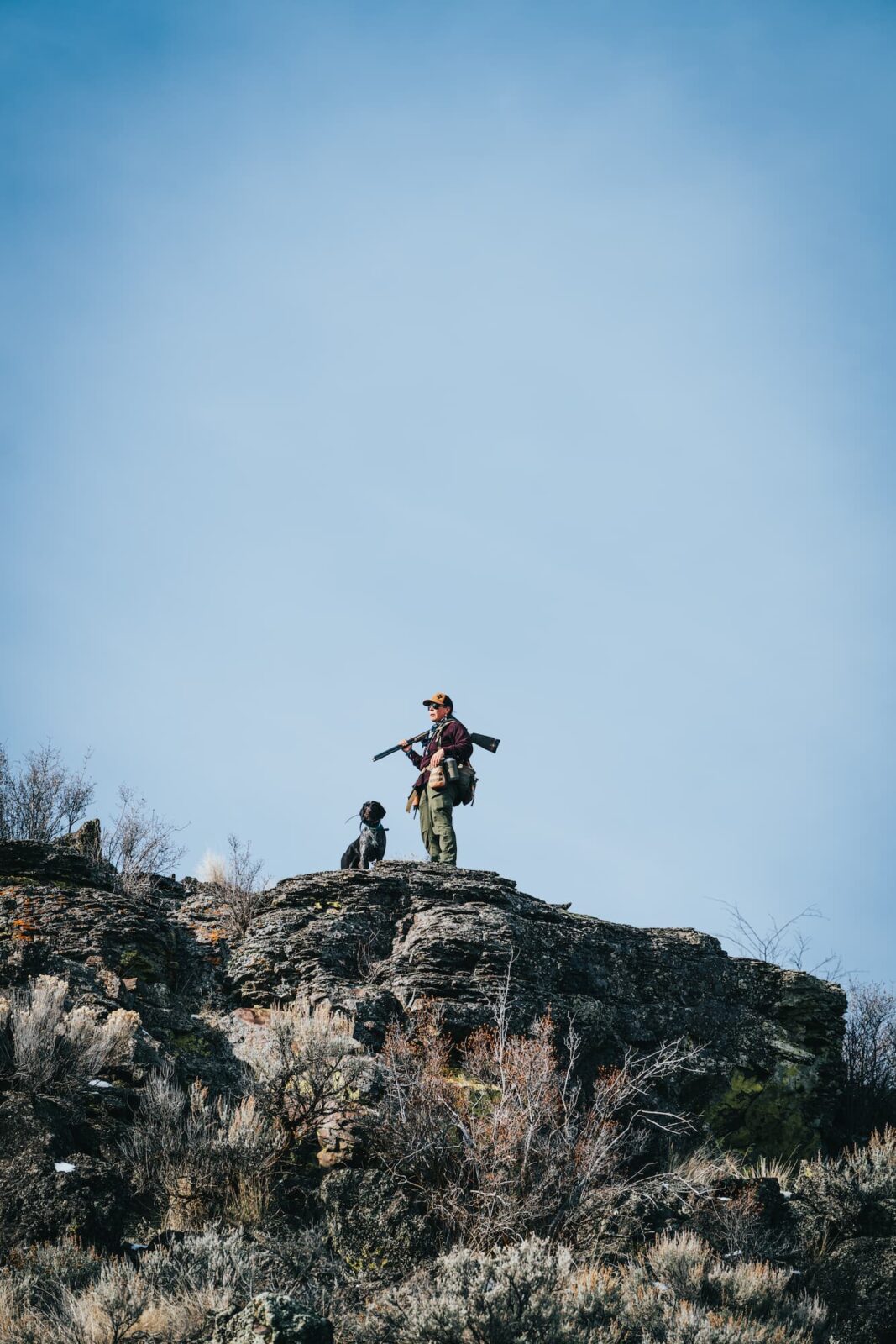
I am stronger and more capable than my 12-year-old self would ever believe. I think she’d be proud of me, that little girl my dad dropped off in the woods with a backpack and a .257 and said walk down this draw and shoot a buck.
I know I will strike out on birds at some point, but also know that I learn from birdless covers as much as I do from walks where coveys rise. I know I will choose a terrible road to drive down, get a flat, or stick my truck in the mud. I also know I can change a tire in the pouring rain as fast as a NASCAR pit crew. That with shovels and traction devices, I can get out of most places, and if not, I can send a pin to someone with a winch. Try as I might to keep the dogs safe, someone is going to need to be stapled back together, and I have a vest that will let me pack a dog out of the backcountry.
Every time things have not worked out the way I planned has given me an opportunity to learn how to not make the same mistake again. Failure teaches me what I don’t know. Getting to the other side of failure has taught me I am stronger and more capable than my 12-year-old self would ever believe.
I think she’d be proud of me, that little girl my dad dropped off in the woods with a backpack and a .257 and said walk down this draw and shoot a buck. She didn’t find her deer that day, and in the moment of that failure, was not able to realize the real lesson was not getting lost.
But I can see it now. My dad had made a list of what needed to go in my pack; he’d spent hours teaching me how to read terrain and start a fire. I had tools and the knowledge of how to use them. He had confidence in me. I did not, but I went anyway, because after all, if you get the chance to go, you should always go.