The wild turkey nesting phase of reproduction comes with several misconceptions, thoughts, and theories. This article reviews the current research available for turkey enthusiasts to understand the real-life situation the wild turkey faces each spring across its current range. When we step back, we find that nesting success is narrow and heavily influenced by habitat constraints. Without a common understanding of this critical life cycle of the wild turkey, our efforts as hunters and landowners may fall short of their intended purpose.
First Leg of the Race: Why Turkey Nests Matter
The wild turkey hen’s nesting phase occurs directly following a successful breeding encounter with a gobbler. Nesting is the first phase of many to come that will determine the future of the flock.
We must, however, lay the groundwork of what success looks like and balance our expectations for a large ground-nesting bird. The very fact that a hen spends 40 nights laying on a nest on the ground, as opposed to 60 feet high on a limb, is inherently dangerous.
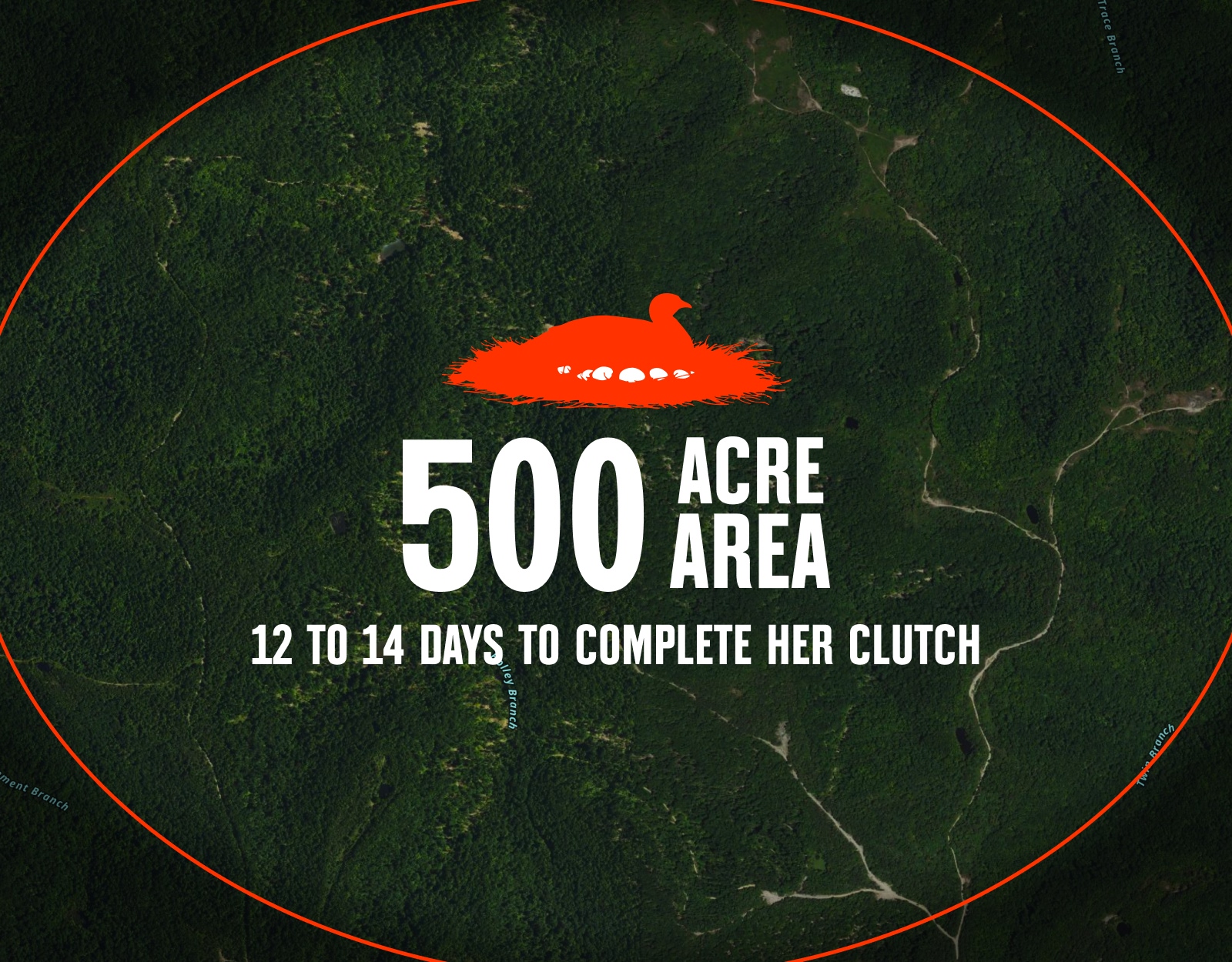
The hen lays, on average, one egg per day for 12 to 14 days to complete her clutch. During this egg-laying period, she doesn’t sit on the nest. She’s on her feet, moving within a general 500-acre area, foraging and evaluating resources. The eggs lay there unattended and vulnerable.
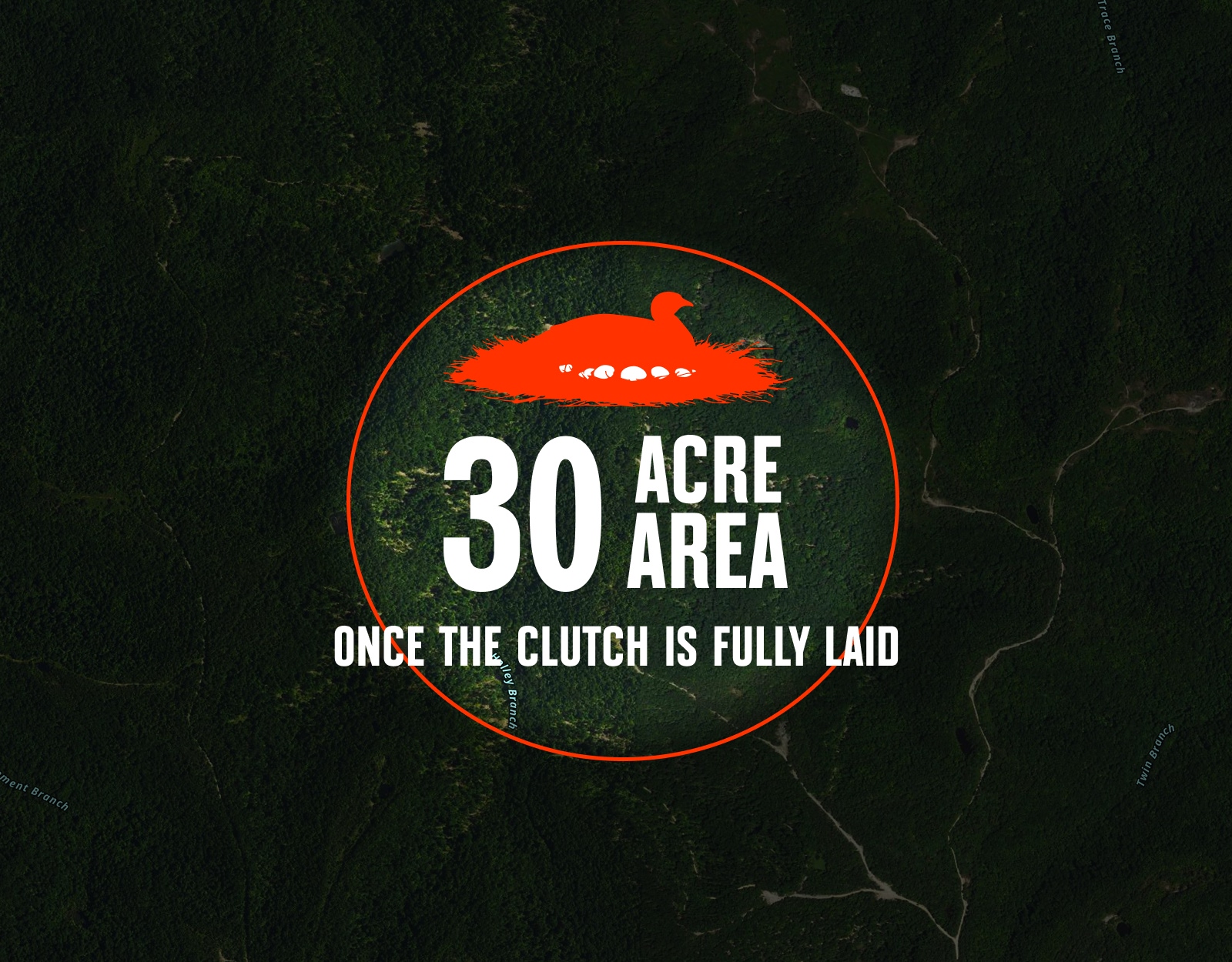
Once the clutch is fully laid, she incubates the eggs for 26 to 28 days. She rarely leaves the nest during this time. When she does, her movements shrink to roughly a 30-acre area. Her body heat is essential for the incubation period as the development of the poult within the egg takes place…all right there at ground level.
Forty days on the ground is an endurance race. The habitat within a hen’s range, the quality of cover around her nest, and the on-the-ground risk work in tandem to decide success.
What Does Nesting Success Look Like?
Research consistently demonstrates that annual nest success needs to exceed 20% for stable or growing populations of adult turkeys.
“Based on the 100s of hens we have monitored, about 20-25% of nests are successful in any given year, but it can be as low as 5% and as high as 50% on specific study sites.”
https://www.nwtf.org/content-hub/40-days-40-nights
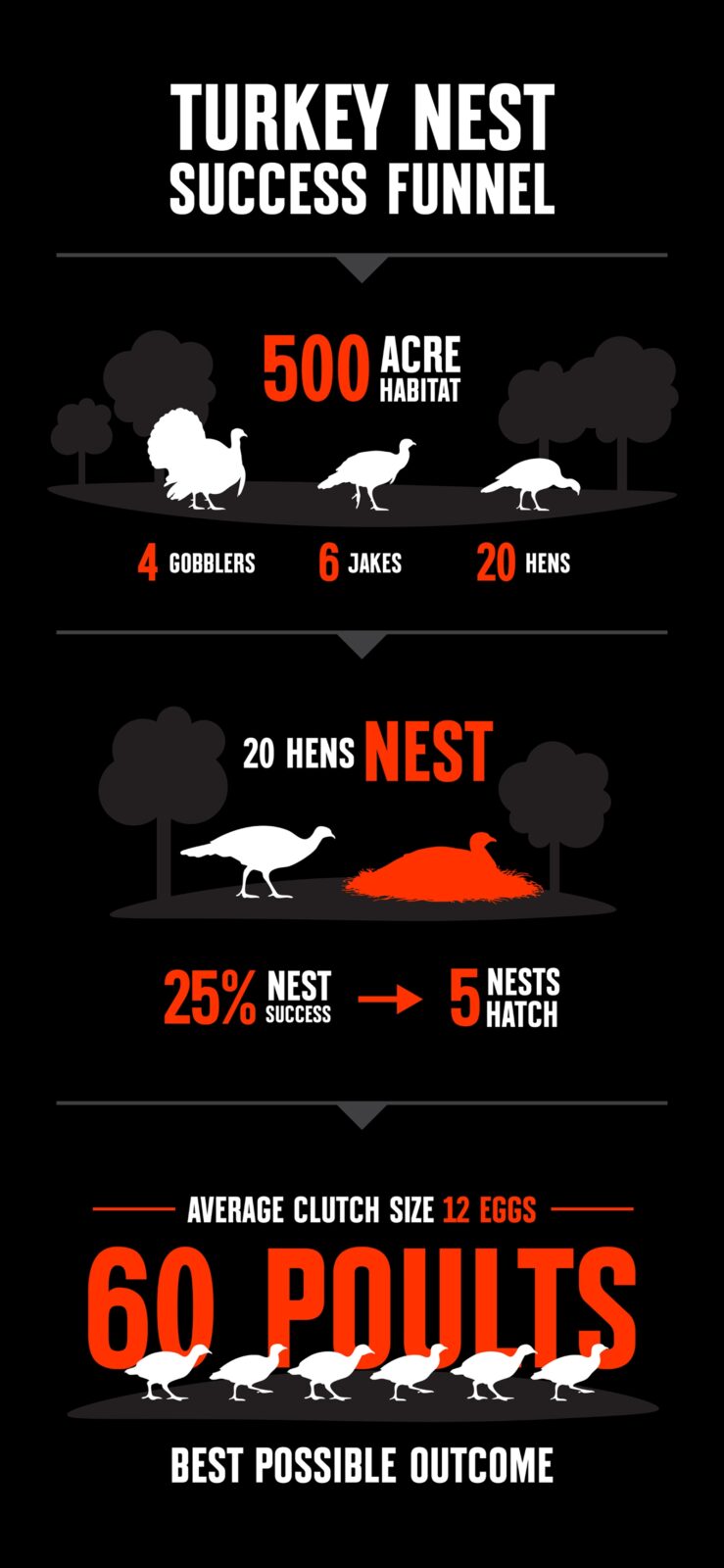
A nesting success rate of 20-25% sounds reasonable, but let’s map it out.
Imagine a 500-acre block of land, with four gobblers, six jakes, and 20 hens. In the best case scenario, all 20 hens initiate a nest. If 25% of the nests succeed, then five nests hatch at least some of their clutch. With an average clutch size of 12 eggs, the best possible outcome is 60 poults.
And remember, nesting is just the first leg of the journey. The next phase after eggs have hatched is referred to as brooding, and it comes with its own challenges from habitat arrangements, weather, forage availability, and predation.
Based on average brooding percentages, 25% of the 60 poults survive the first two critical weeks of life. That means our 500-acre scenario saw 20 hens produce 15 poults per year.
When mapped out, the numbers are sobering. It’s not easy to increase a population of turkeys without improved habitat conditions where adequate nesting cover is present in close proximity to quality brooding cover. This reality can help sharpen how we think about nesting cover.
When Do Hens Nest? Timing of Nesting by Seasons
Across most of the wild turkey’s range—from southern Florida to Canada and from Maine to the Pacific Northwest—photoperiod determines the nesting period. Increasing amounts of daylight from March to June triggers ovulation and breeding, and nesting activity naturally follows. This also coincides with the spring green-up.
An ample food supply combined with increased ground cover offers the conditions necessary for nesting. The biological timing of nesting is fairly predictable, but whether the habitat during that window supports nesting success is another matter.
Where Do Wild Turkeys Nest? Nesting Site “Selection”
Naturally, a hunter or land manager is going to ask, “How do I improve nesting cover on my property to increase the odds of nesting success?”
It’s important to explain that it’s still not definitively understood how much site selection is premeditated before the first egg is laid.
“Rather, we speculate that females may be selecting vegetation characteristics that satisfy some general threshold for cover that provides a location where they can hide during incubation, as selection along the laying paths seems to show no difference between females (Argabright et al. 2024). If so, female wild turkeys may indeed be selecting nest sites with a threshold of cover the day the first egg is laid, with no apparent consideration of the fitness consequences of the vegetation selected (Collier et al. 2019, Keever et al. 2022).”
https://wildlife.onlinelibrary.wiley.com/doi/full/10.1002/wsb.1626
Essentially, this research suggests that hens are simply spending time in areas that generally satisfy basic nesting cover parameters: 1.5-2.5 ft tall herbaceous, bramble, grassy, understory. Then, when the “urge” to lay an egg hits, a hen lays an egg within the vicinity because she is already spending time within cover deemed adequate for nesting.
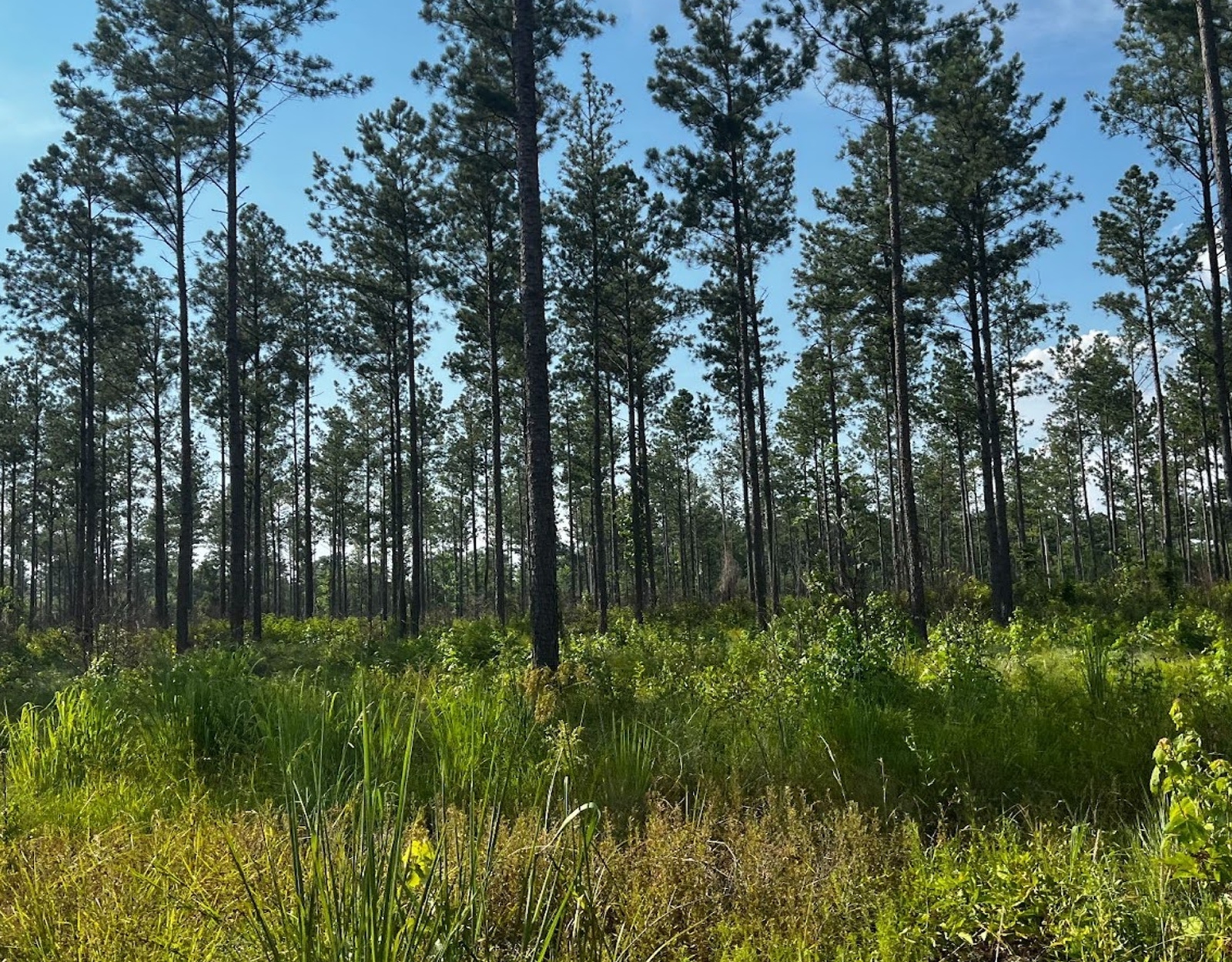
However, landscape-level research adds another layer. A University of Tennessee study illustrated how areas with a limited vegetation type attract hens. Approximately 50% of the hens in a study area used only 7% of the landscape to nest within. The area hens chose featured both early successional plant communities and regenerating young forest.
“Land-use patterns likely are contributing to the population decline. For example, only 7% of the study area was represented by early successional and young regenerating forest plant communities, but 46% of the nests occurred in these plant communities. Nest success in early successional plant communities (36%) was greater than in any other plant community, demonstrating that nest-site selection can lead to greater fecundity. Nest success would have been even greater, but mowing destroyed 12% of all nests in any vegetation type that could be mowed.”
https://utia.tennessee.edu/publications/wp-content/uploads/sites/269/2024/07/W1250.pdf
This nesting behavior suggests that hens specifically seek out these cover types, as they represented only 7% of the total study area. As a result of nesting in quality cover, the nesting success rate was the highest within these cover types, with over 36% nesting success. That’s a huge success and finding. Most years, nest success ranges from 15-30%, with the average being 20-25%. If wild turkeys had 36% nest success annually, we would not have a wild turkey reproduction issue. We would not be concerned in the least.
But it’s important to recall, in the study area, this cover type was only used by 46% of the hens, likely because it only represented 7% of the landscape. I think it’s fair to deduce that if this vegetation cover type were more present on the landscape, a higher percentage of hens would use this cover, and therefore, more hens would have a higher nest success annually. It’s not understood how the 7% early successional cover is distributed across the study area. However, since the study area covered five counties in southern Tennessee, totaling over 90,000+ acres, it’s clear that this cover type was not even available to some hens on the landscape. This lack of available cover type, therefore, limited nest success compared to hens that had it available within their range.
What a Wild Turkey Nest Looks Like
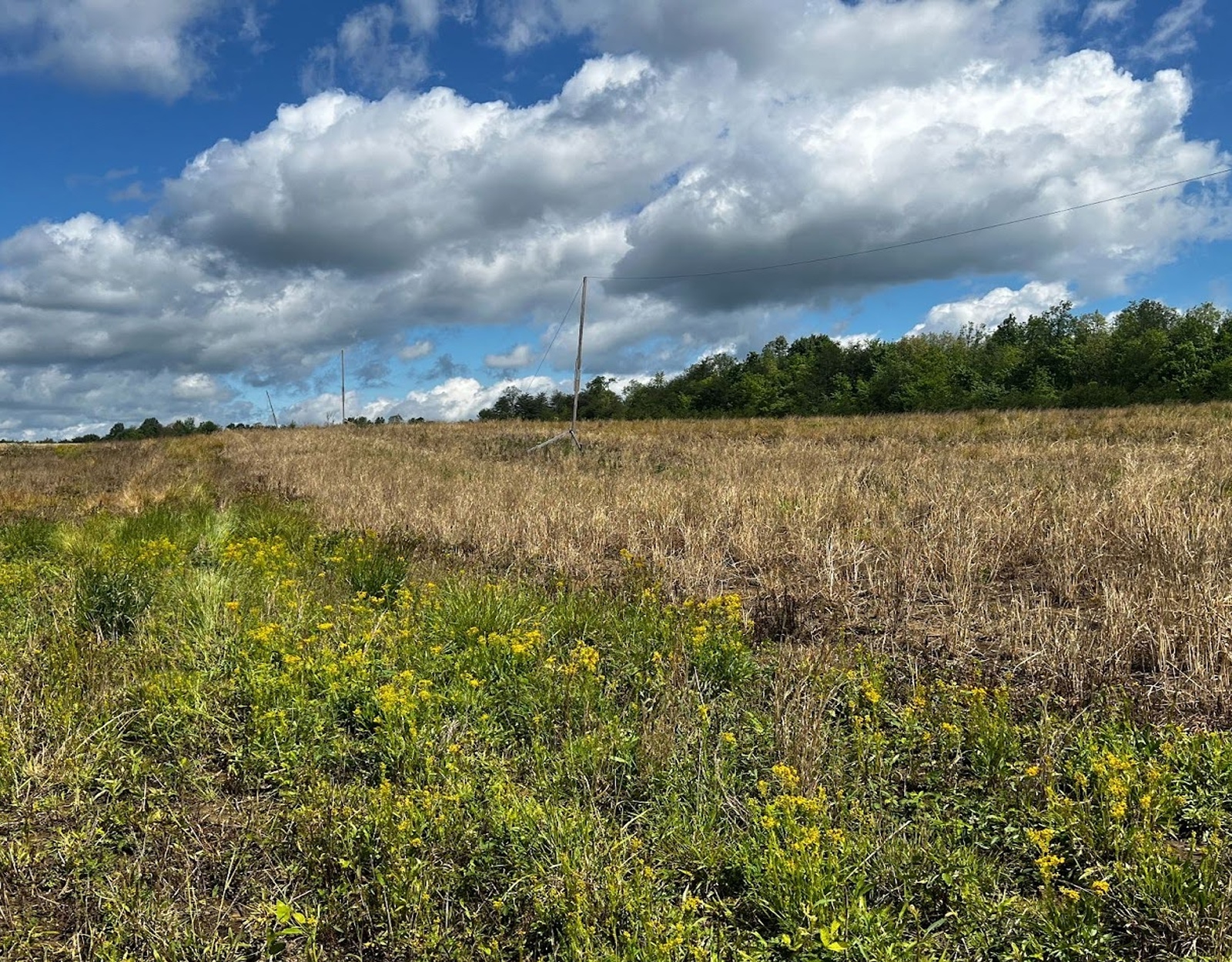
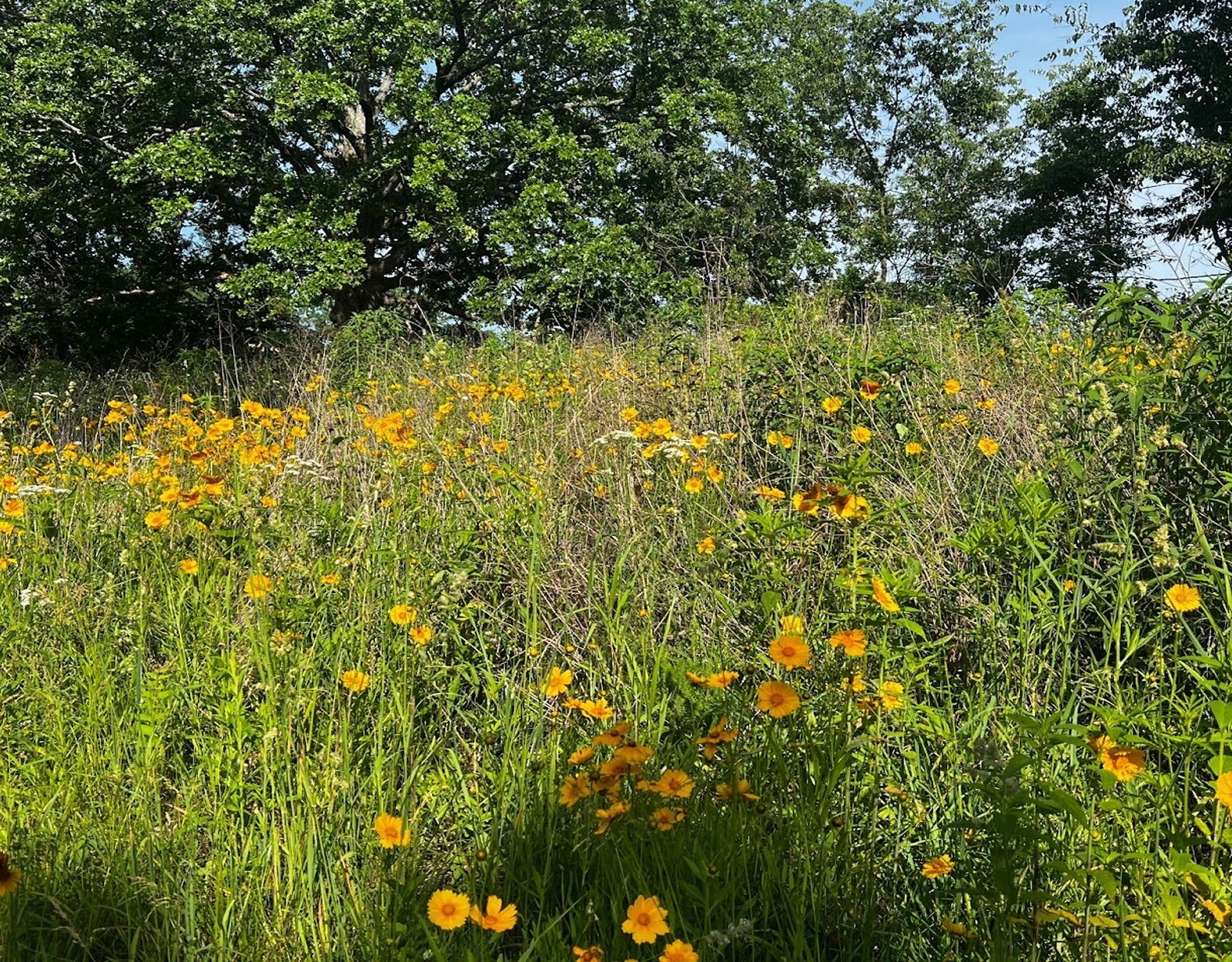
Zooming into the nest itself, nesting cover is made up of a combination of vegetation types that generally offers at least 1.5-2.5 ft of cover off the ground. It’s not uncommon to also find nests underneath overhead cover from growing vegetation or downed structure, such as a tree top that has fallen or that was cut during a timber harvest or timber stand improvement project.
Common vegetation types and plants we find nests in and around include:
- Brambles like greenbrier, black raspberry, blackberry, and gooseberry.
- Grasses such as wild rye, bottle brush grass, Indian grass, little blue stem, and brome sedge.
- Woodland shrubs such as coralberry, gray dogwood, wild plum, and viburnum species.
- Forbs such as golden rod, partridge pea, poke weed, giant ragweed, and wing stem.
Of course, it’s not a single species or type of vegetation that creates the best nesting opportunities, but an array of these mentioned above, plus many others. And even with ideal vegetation, survival is never guaranteed.
What Affects Turkey Nesting Survival: Dangers of Ground Nesting
A hen faces many dangers while ground nesting for 26-28 straight days, even when adequate nesting cover is present. There will be hen mortality each nesting season. She faces danger from mammal predators like bobcats, bears, and coyotes, as well as from avian predators. Owls account for a large percentage of adult male and female turkey deaths, even when they are not during the nest phase, but perched on a limb to roost.
And then there are the eggs. Eggs don’t have wings, beaks, or sharp toes to defend themselves with—and, they’re on the ground for the full 40-day nesting period—so they’re easy meals once a hen has been spooked off the nest. Common nest raiders include snakes, crows, foxes, opossums, skunks, and raccoons. Nest raiding attempts occur night and day, but rarely result in hen mortality. Instead, a nest raider’s objective is to make a hen abandon the nest long enough to steal eggs.
So, even under ideal cover, risk is constant, and we already know that the margin for success is narrow…which brings us back to management.
Putting It Together
Nesting success is, indeed, the first leg of the race, and it happens at ground level. The biology is relatively steady—habitat is the variable. Where clients and landowners are practicing these habitat improvements, turkeys are thriving annually. It’s refreshing to see hard work pay off in the realm of improved reproduction rates of wild turkeys for those who turn knowledge from research into action on the landscape.
FAQs
Wild turkey females nest on the ground in areas that provide thick, protective cover. Hens typically choose sites with 1.5–2.5 feet of herbaceous vegetation, native grasses, brambles like blackberry or greenbrier, or young regenerating forest. Research shows hens often select early successional habitats.
Wild turkey hens lay their eggs in a shallow depression scratched into the ground. The nest is usually tucked beneath grasses, shrubs, forbs, or woody debris that provide concealment. A hen lays one egg per day until her clutch is complete, averaging 12–14 eggs. During this laying period, the eggs often sit unattended until incubation begins.
No, wild turkeys do not nest in trees. Although turkeys roost in trees at night for safety, nesting happens on the ground. A hen spends about 26-28 days on the ground level during the nesting phase of wild turkey reproduction to incubate her eggs, relying on vegetation cover and camouflage rather than elevation for protection.
During the egg-laying phase of nesting, the hen continues to roost at night, but once incubation begins, she will not roost at night. During incubation, the hen remains on the nest day and night to maintain consistent warmth for the developing eggs. She may leave briefly to feed, but during the 26–28 day incubation period, she stays committed to the nest around the clock.
The wild turkey’s nesting phase is largely determined by photoperiod. As such, hens usually begin nesting around April (depending on latitude). The increasing daylight from March through June triggers breeding and nesting activity. In southern regions, nesting may begin earlier than seen in northern populations. Nesting timing closely follows the spring green-up.
Yes, during incubation, hens stay on the nest at night. Once the full clutch of eggs is laid and incubation begins, the hen remains on the nest almost continuously for 26 to 28 days, including overnight. The eggs need the hen’s consistent body heat to develop, so nighttime nest attendance is essential for maintaining the right temperatures within the egg.