Blistering sun, lack of water, and a sea of cacti. These are some of the first things that come to mind when one thinks of Arizona. Hunting is usually not one of them, aside from maybe hunting rattlesnakes. To the contrary, Arizona is home to some of the best hunting in the country. Its diverse landscape offers epic hunting opportunities for mule deer, Coues deer, elk, sheep, antelope, and black bear, to name a few.
Arizona Hunting Season Dates by Species
Legal Methods of Take Per Season
- General: Any firearm, pre-charged pneumatic weapon, crossbow, or bow and arrow.
- Muzzleloader: Muzzleloader weapons, bow and arrow, or crossbow.
- Archery: Bow and arrow or crossbow with special permit.
- HAM: Handguns, muzzleloading rifles, muzzleloading handguns, crossbow, or bow and arrow.
- Limited weapon shotgun shooting shot: Any shotgun shooting shot, crossbow, or bow and arrow.
Deer Hunting Seasons
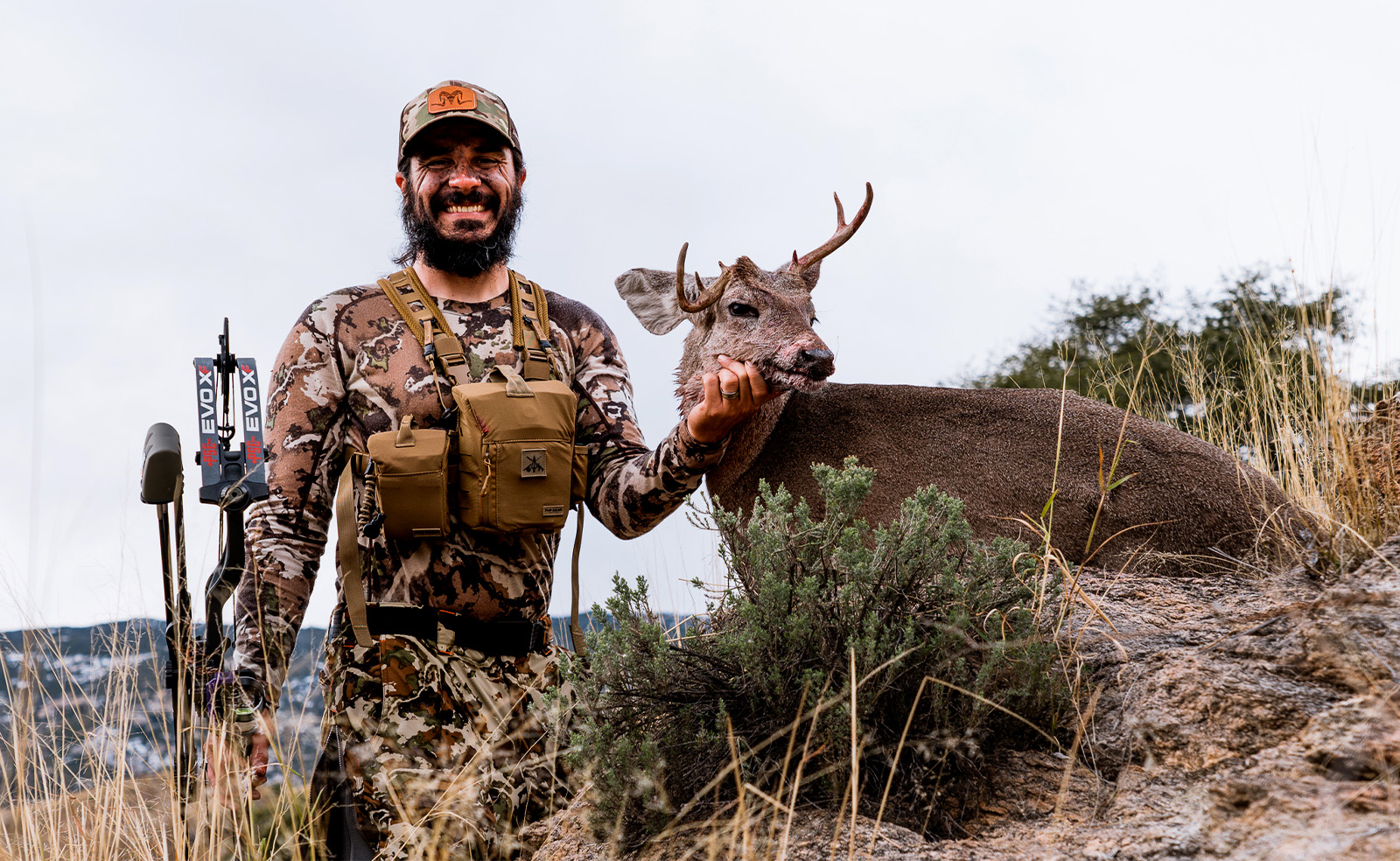
Arizona is home to two species of deer: mule deer and Coues deer. Both species have non-permit archery-only (over-the-counter [OTC]) tags, general tags, muzzleloader tags, and youth tags. Hunters need to apply through a draw system for everything except the OTC archery tags. Some draw permits are species-specific, and some are not. All are tied to certain units in the state. Online applications are accepted toward the front end of June, and tags are mailed by the end of July. Season dates for draw permits range from the beginning of October through December. Hunters are allowed one deer per calendar year.
Plan your arizona hunt with confidence
Create hunt strategies with custom Waypoints, wind forecasts for specific locations, and so much more.
Season Dates
- Youth General: Early/mid-October into mid/late November.
- Youth Muzzleloader: Early/mid-October into late November/early December.
- General: Late October/early November, late November/early December, late December.
- Muzzleloader: Late October/early-mid November, mid/late December.
- CHAMP (Challenged Hunter Access Mobility Permit): Late September, late October, mid/late November.
- OTC Archery-Only: All of January, late August/mid-September, mid/late December.
Elk Hunting Seasons
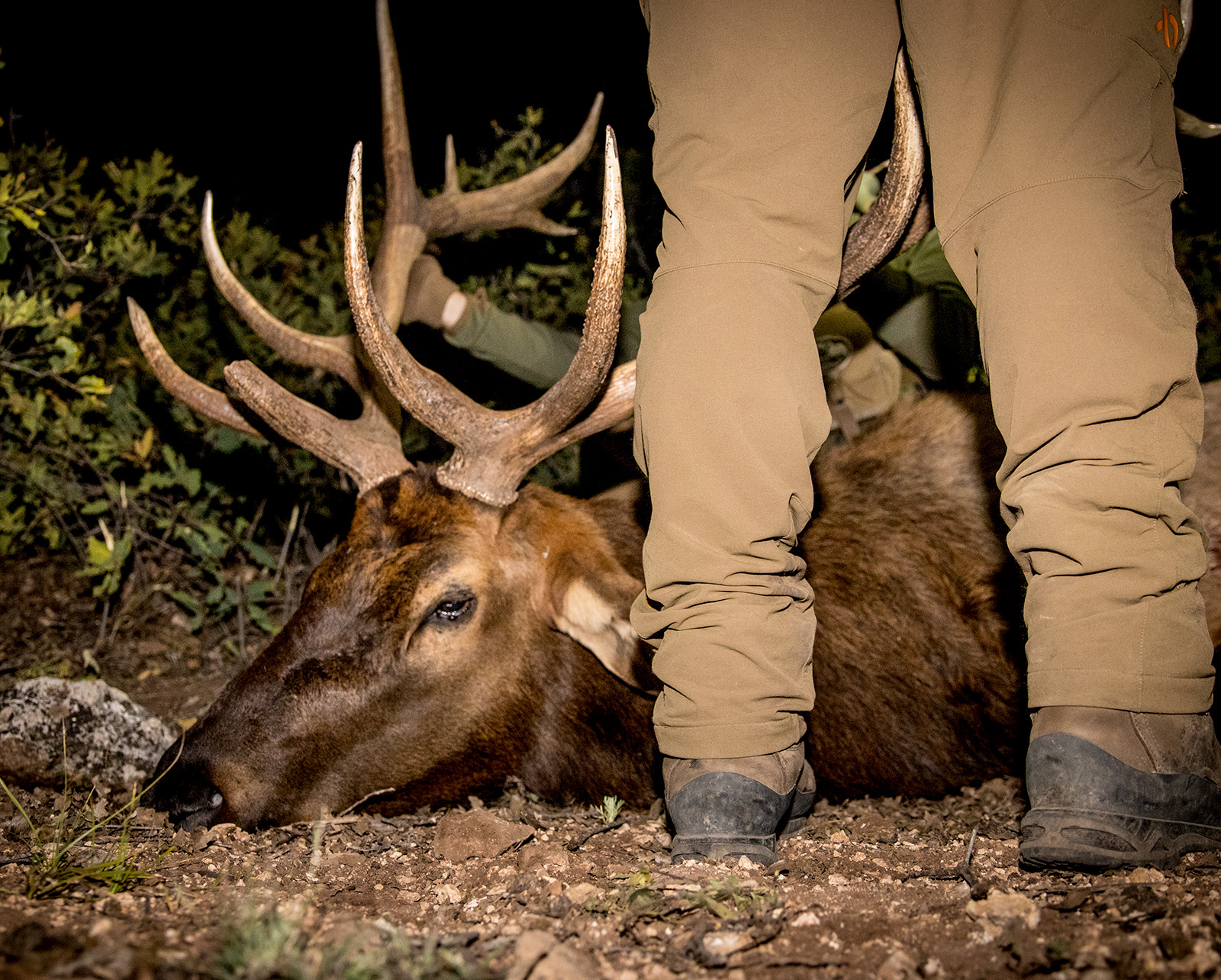
Elk are one of Arizona’s most sought-after species for hunting and for good reason. Bulls grow big here, and they are by no means quiet during the rut. There are multiple opportunities to hunt elk. Tags are available for archery only, general, youth, muzzleloader, HAM, and limited opportunity. There are also some over-the-counter tags. All draw permits are species-specific as well as bull/cow-specific. And they are all tied to a certain unit. Hunters need to apply online through a draw system in early February, and tags will be mailed by the beginning of April. Arizona allows a hunter with a tag to harvest one elk per calendar year.
Season Dates
- General: Late/early October, mid/late Oct (cow), late Nov/early December, early/mid-December.
- Youth General: Early/mid-October.
- Muzzleloader: Late September/mid-October, mid-November/early December.
- Archery-Only: Mid/late September, mid/late November.
- Limited Opportunity (General, Archery, and HAM): Mid-September/end of December (multiple hunts ranging in this time).
- HAM: Early August/end of December (multiple hunts ranging in this time).
- CHAMP: Early/mid-October, mid-November.
- General Non-Permit: Hunts scattered from March through December.
- HAM Non-Permit: Hunts scattered from March through December.
Pronghorn Antelope Hunting Seasons
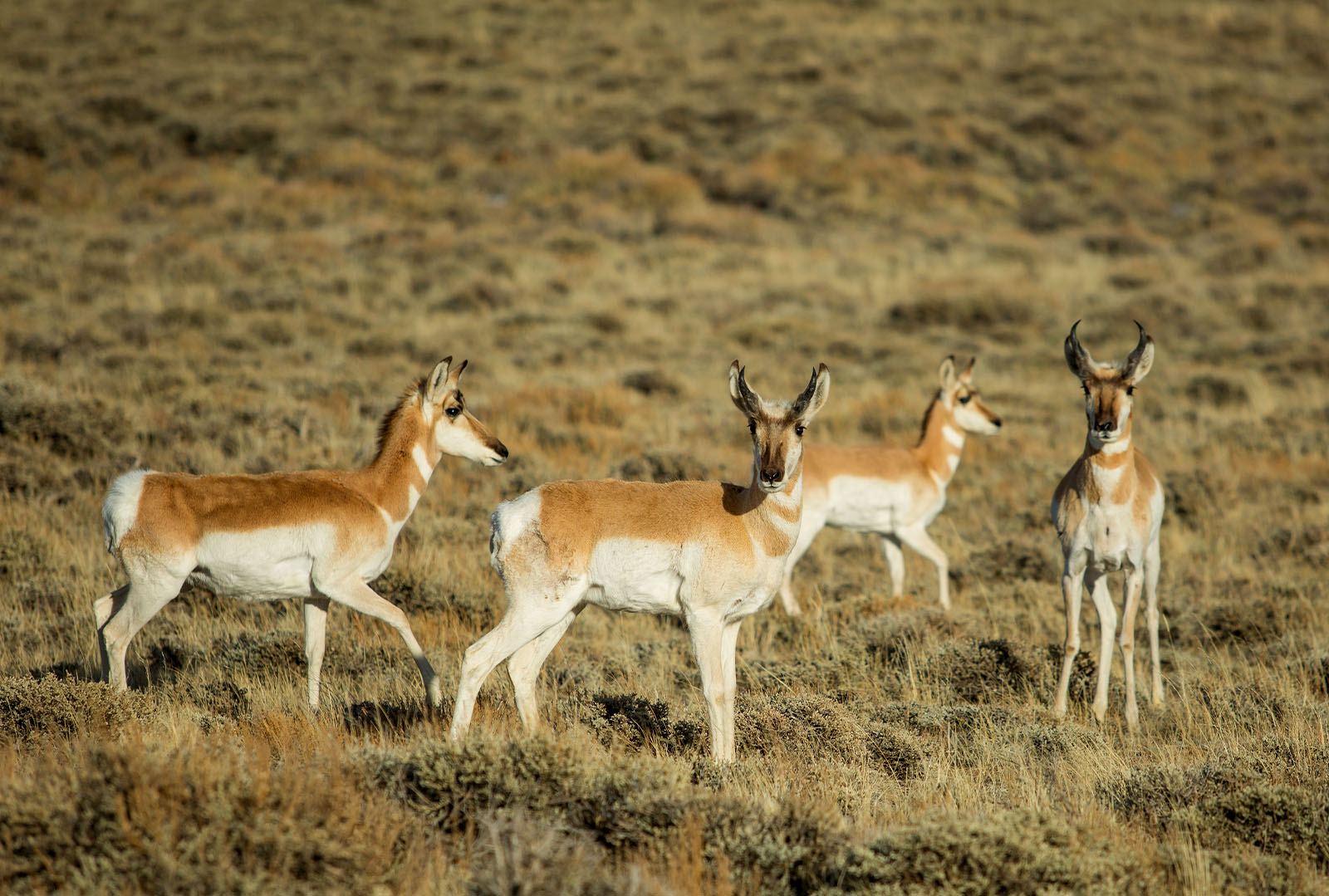
Another crown jewel of Arizona is its pronghorn antelope hunting. Arizona is home to some of the best pronghorn hunting in the West, and bucks grow big. General, muzzleloader, and archery-only opportunities exist in Arizona for pronghorn antelope. All tags are applied for through an online draw system in early February, are unit-specific, and are only good for buck pronghorn. Tags will be mailed by the beginning of April. Hunters with a tag are allowed one pronghorn antelope per year.
Season Dates
- General: Early/mid-September, early/mid-October.
- Muzzleloader: Early/mid-September, early/mid-October.
- Archery Only: Late August/early September.
Black Bear Hunting Seasons
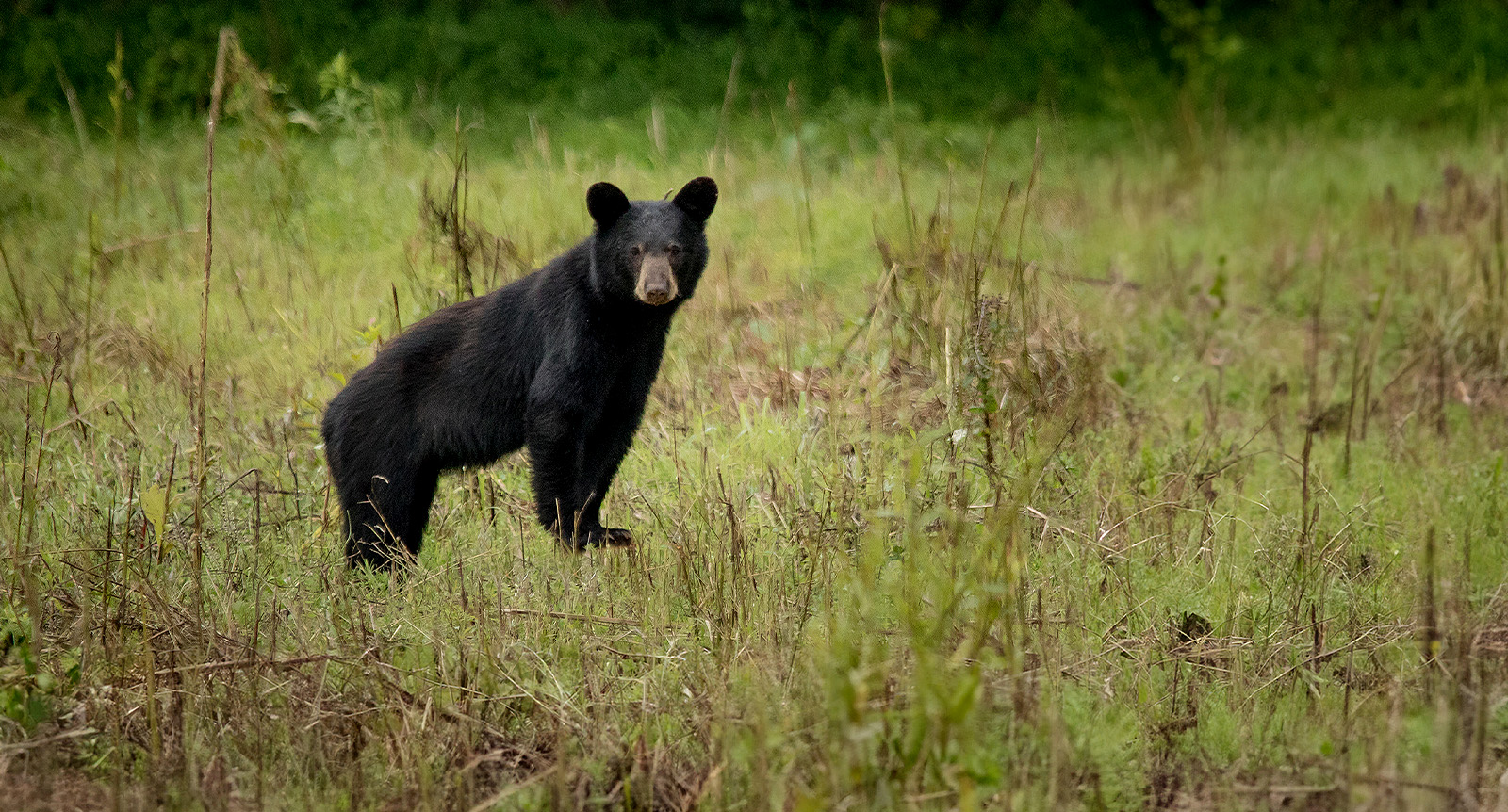
A hidden gem of Arizona is its black bear hunting, and the record books will prove that. General non-permit tags are available for spring and fall. Fall also has archery-only opportunities. Each hunt unit open for bear hunting has a sow quota limit. Once the limit is reached, that unit’s bear hunting season shuts down to the following Wednesday at sundown. It’s the hunter’s responsibility to keep track of which units are open throughout the seasons. Your one bear tag a year is not spring- or fall-specific.
Season Dates
- General Spring: End of March/end of April.
- General Fall: Early August/end of August, end of August/mid-September, early Oct/end of December.
- Archery Only: End of August/mid-September.
Javelina Hunting Seasons
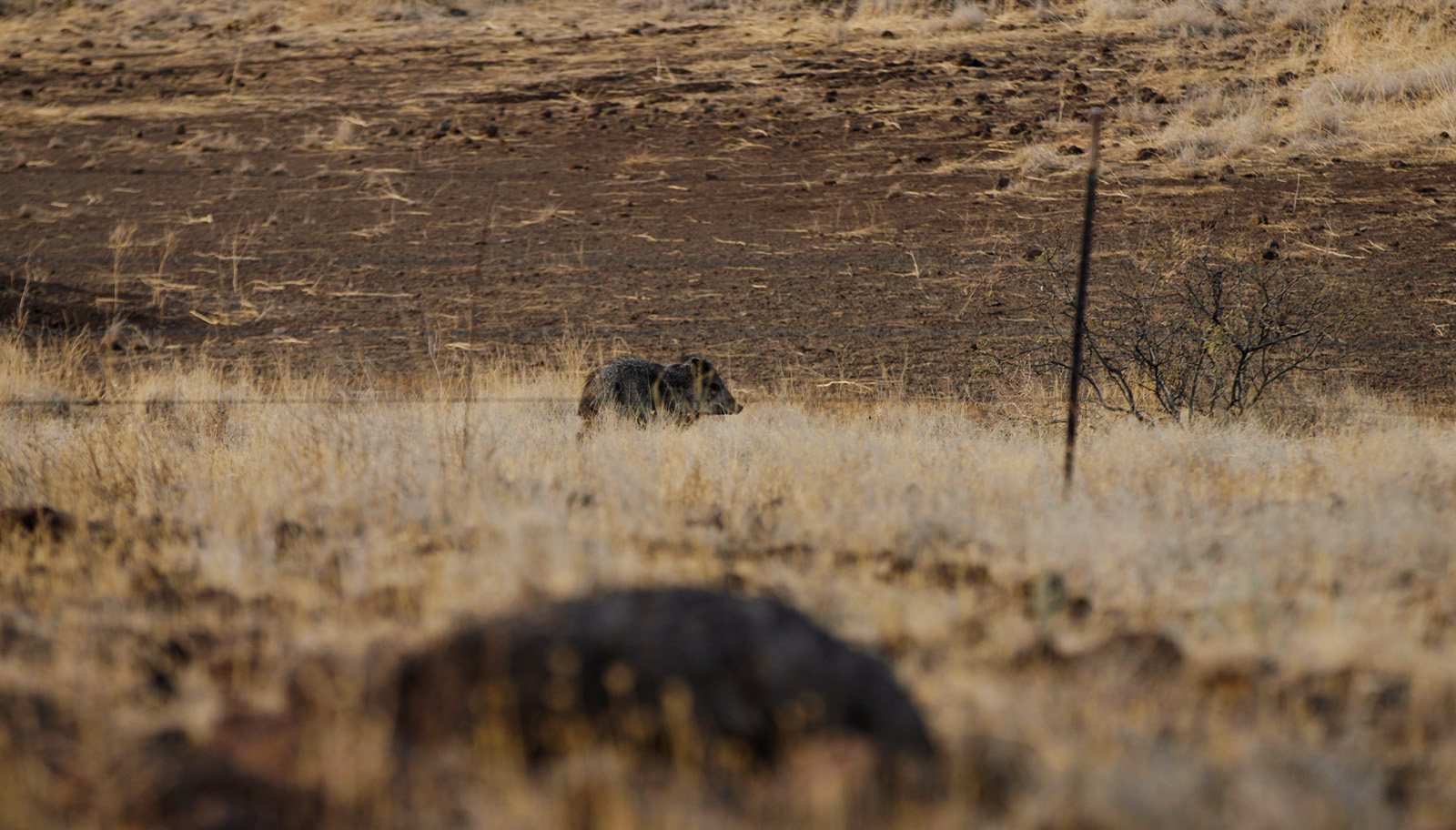
One of the coolest little critters of the Southwest is the javelina. A fun species to hunt, and when taken care of right, can provide some great table fare. Javelina hunts are available in the spring and fall (youth). There are general, youth, CHAMP, archery-only, archery non-permit, and HAM seasons. You are allowed two javelina per calendar year, and they cannot be from the same hunt. Spring hunters (January/February), apply for a draw permit at the end of September, and tags will be mailed by the end of November. Fall hunters apply at the beginning of June, and tags are mailed by the end of July.
Season Dates
- General Spring: End of February.
- General Youth Spring: End of January/beginning of February.
- CHAMP Spring: Middle of February.
- Archery-Only Spring: Beginning of January/end of January.
- Archery-Only Spring Non-Permit: January and February (some units are open all year long).
- General Youth Fall: October/November.
Turkey Hunting Seasons
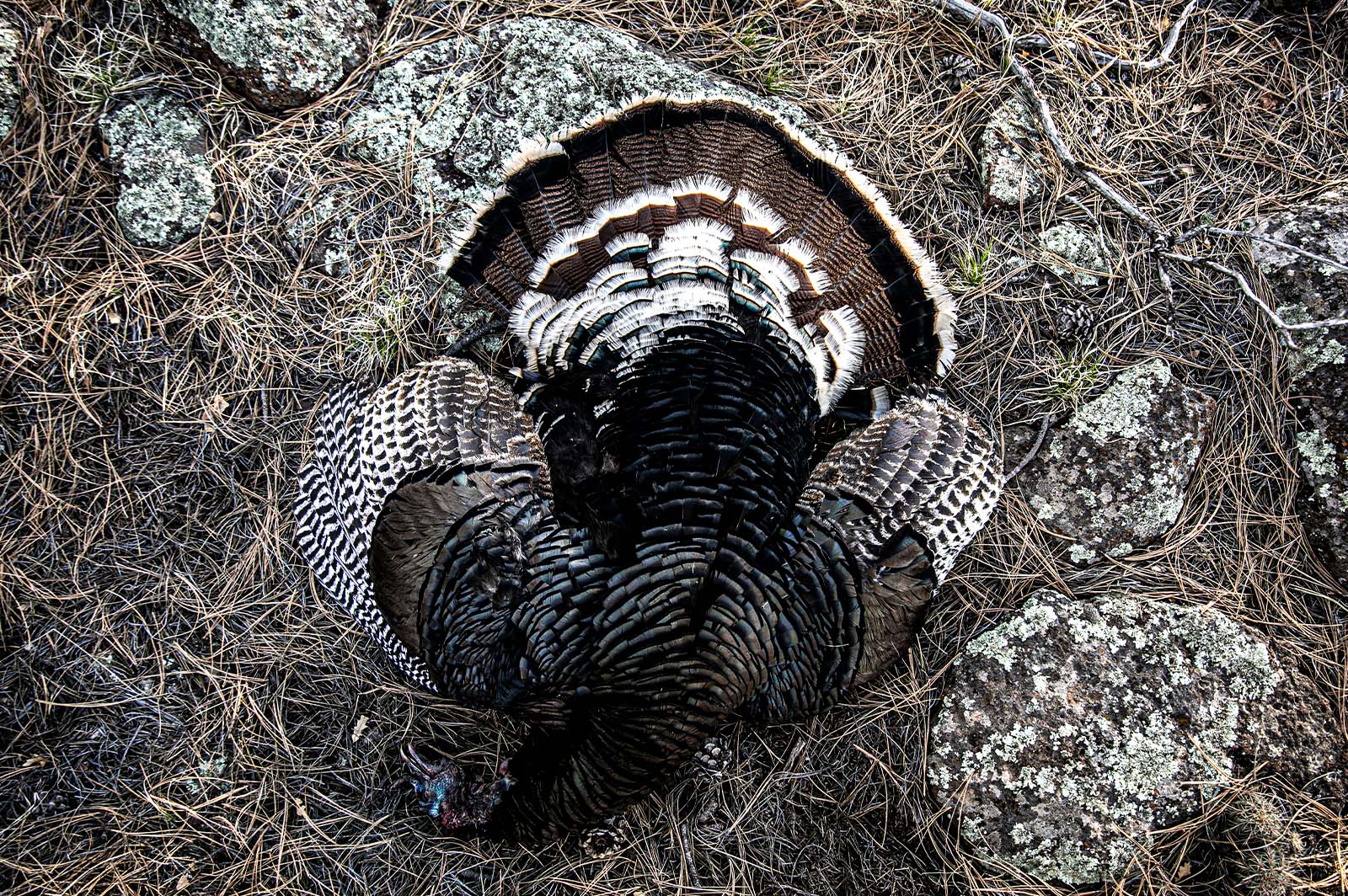
Arizona has three subspecies of turkeys: Merriam’s, Gould’s, and Rio Grande. Seasons occur in spring and fall. Tags are available for limited weapon shotgun shooting shot, youth limited weapon shotgun shooting shot, youth non-permit (shotgun), archery-only (Gould’s), and archery non-permit. Hunters are allowed one turkey harvest per calendar year. Online applications for spring are accepted at the end of September, and tags are mailed at the end of November. Fall hunters apply at the beginning of June, and tags are mailed by the end of July.
Season Dates
- Limited Weapon Shotgun Shooting Shot Spring: End of April/end of May.
- Youth Limited Weapon Shotgun Shooting Shot Spring: Mid-April/end of April.
- Archery-Only (Gould’s) Spring: Mid-April/end of May.
- Youth Non-Permit Limited Weapon Shotgun Shooting Shot Spring: Mid-April/end of May.
- Archery-Only Non-Permit Spring: Beginning of May/end of May.
- Limited Weapon Shotgun Shooting Shot Fall: Early October.
- Archery-Only Non-Permit Fall: Mid-August/mid-September.
- Youth Non-Permit Limited Weapon Shotgun Shooting Shot: Early/mid-October.
Arizona Hunting Units and Land Access
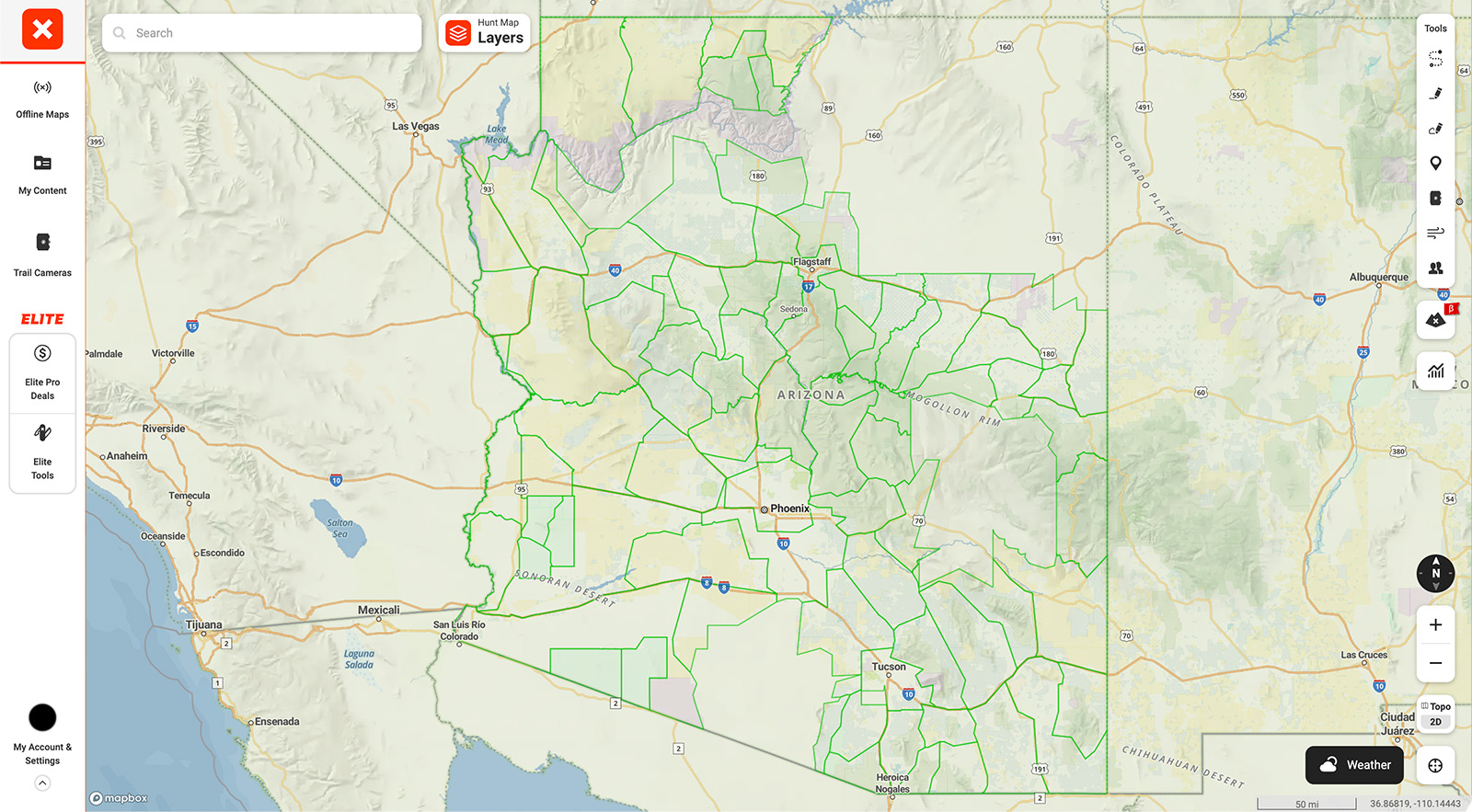
Arizona is broken up into Game Management Units (GMUs). This is how the state identifies and sections off areas for hunting, and ultimately manages game populations within them. Arizona’s GMUs also help disperse hunters across more of the state, creating better experiences overall. Familiarizing yourself with these GMUs is critical for hunting purposes and applying for draws.
With over 70 different GMUs in Arizona, it can be hard to sift through them all to find where exactly you want to hunt. Use the onX Hunt App’s AZ GMUs Layer (pictured above) to visualize the boundaries of every hunting unit in Arizona. And, with the AZ Game Distribution Layer, you can select a certain species to see its distribution throughout the state. Then you can start e-scouting: mark Waypoints on potential areas to camp, identify road access, trails, and trailheads using your Roads, Trails, and Rec Layers, and assess where it’s legal and illegal to hunt using the AZ Private Lands Layer.
Arizona Hunting Regulations and Licensing
To hunt in Arizona, you need an Arizona Hunting License. Three licenses pertain to big game hunting in Arizona: a General Hunting Licence ($37 resident, not available for non-resident), a Combination Hunt and Fish ($57 resident, $160 Non-resident), and a Youth Combination Hunt and Fish ($5 resident and non-resident, ages 10-17). Licenses are valid 365 days from the date of purchase and are required not only for hunting, but also to submit applications for the draw.
After you acquire your hunting license, you need a tag. Arizona has hunt permit tags and non-permit tags. The hunt permit tags are awarded through the draw, and the non-permit tags are OTC. Prices for each of these vary between residents, youth residents, non-residents, and non-resident youth.
We can’t talk about hunting tags in Arizona without mentioning the famed over-the-counter archery deer permits. These used to be truly over-the-counter for everyone, including non-residents. Now, non-resident over-the-counter archery tags are sold online on a first-come, first-served basis, and they are limited. Another change is that mule deer and Coues deer have harvest limits in each unit. It is the hunter’s responsibility to pay attention to what units are open for what species of deer. Once a limit is reached, that unit will shut down to hunt that species of deer the following Wednesday at sundown.
If you’re deer hunting in Arizona, you also need to know what constitutes a legal antlered buck. This is how deer hunts are labeled: “Antlered Whitetail,” “Antlered Mule Deer,” or “Any Antlered.” From the Arizona Game & Fish website: “Antlered means having an antler fully erupted through the skin and capable of being shed.”

Hunting Regs Without the Hassle
Compliance shouldn’t be the hard part. FieldRegs is a free app from the team behind onX Hunt that helps you quickly find hunting regulations, seasons, and legal requirements without digging through agency websites and PDFs. No credit card required.


Arizona Hunting Tips
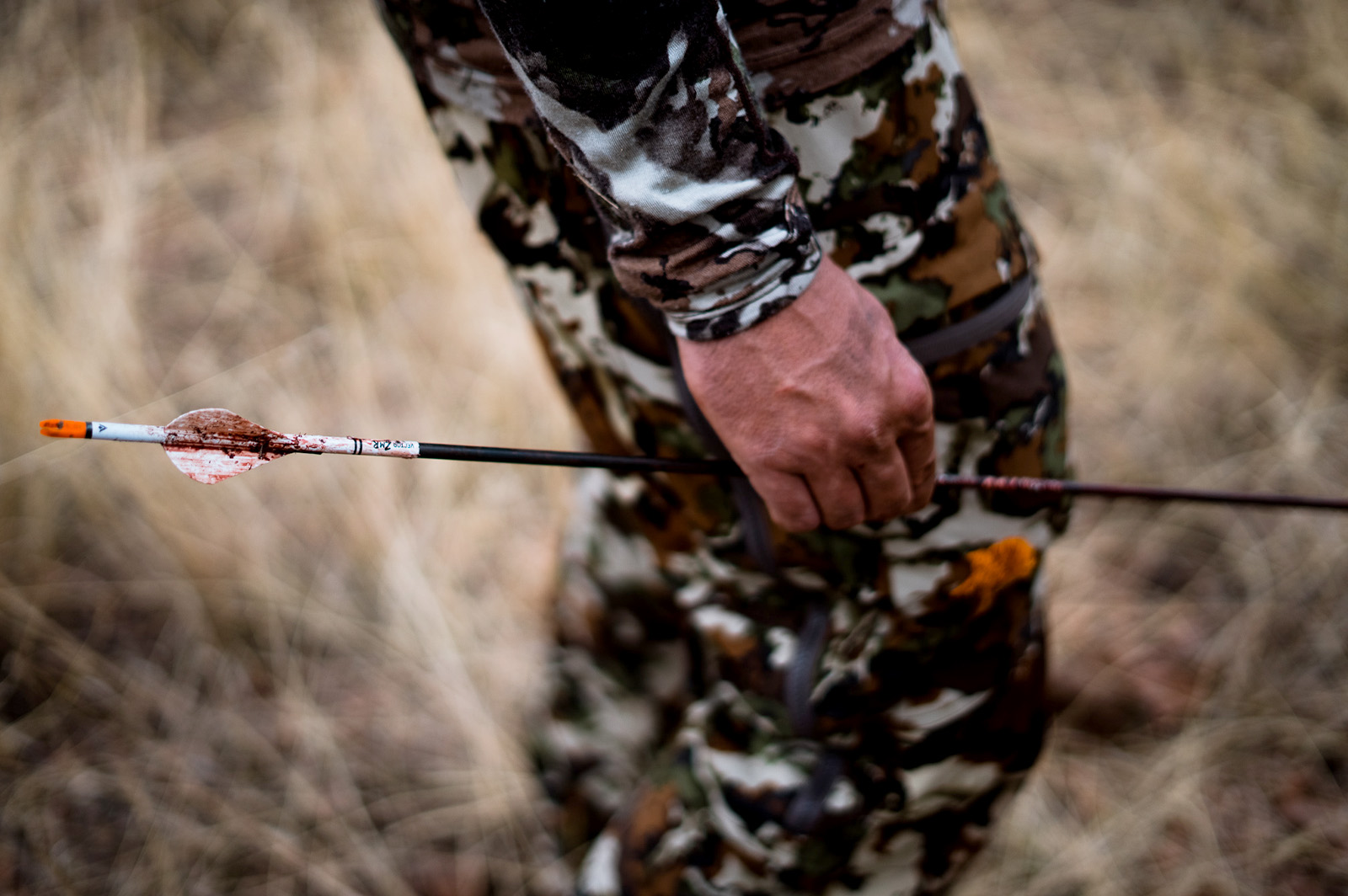
Arizona is wildly diverse in terms of terrain and habitat. A hunter could be doing anything from dodging cacti in the desert flats to slithering their way through high-elevation pine forests. This translates to a wide range of effective hunting strategies.
For the most part, Arizona is a fairly wide-open place with big views. Being proficient with high-powered optics is in your best interest when hunting the Copper State. Hunters find success by sitting high on vantage points and mounting their optics on tripods to scan the surrounding landscape. A quick starting point here would be to put the sun at your back in the morning and in your face in the evening when glassing. Doing this will provide sunlit hillsides at the start of the day when animals are feeding and shaded ones toward the end when they’re getting up from beds.
Another tried-and-true method of hunting here is ambush hunting over water. It’s no secret that Arizona is an arid place, and water is gold here. In the early season, I spend an immense amount of time in the Hunt App marking potential water sources like springs, tanks, etc. Not just for animals either. If you’re a backpack hunter, you’ll need water for yourself. And on that note, while I’m finding potential water sources, I’m also noting benches or secondary ridgelines that I can camp on. I like to stay centrally located between camp, water, and glassing spots.
For Non-Resident Hunters in Arizona
If you’re coming from out of state, it’s best to try to figure out the logistics of your hunt beforehand. Things like where you’re going to camp, road conditions, etc. These can be researched with onX Hunt using the Roads and Trails Layer. Click on a road, and it’ll tell you if it’s a high-clearance 4×4 road or not. It also doesn’t hurt to call the Forest Service or Arizona Game & Fish Department to learn more about specific areas. Learn where you can travel and where you can’t to save more time for hunting.
Lastly, for non-residents, check the weather before your trip and pack appropriate clothing and gear. Arizona can be mercilessly hot, but it can also get quite cold. Having a diverse layering kit that can handle both ends of the spectrum is key. And with that, know that everything in Arizona wants to poke and scratch you, so the terrain is hard on gear.
Plan Your Arizona Hunting Season With onX Hunt
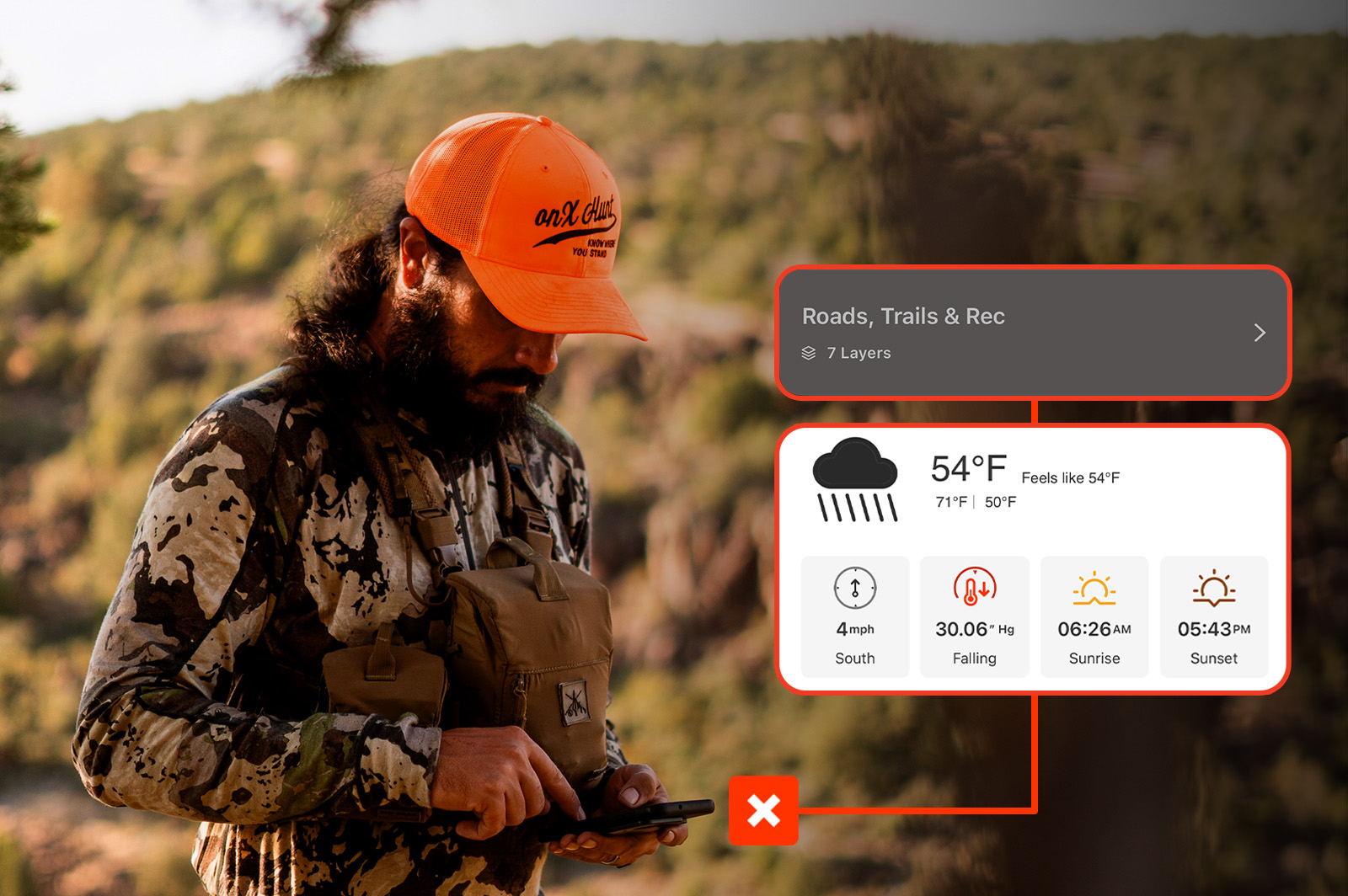
Setting off on a new adventure in uncharted territory is a big deal. Spend time on azgfd.gov learning the rules and regulations of hunting in Arizona. Things like season dates and legal shooting light regulations are paramount before a hunt. And don’t forget about your onX Hunt App, including downloading Offline Maps for any areas you’re planning to hunt. You can really have a great idea of what you’re walking/driving into before you get there, not to mention having a solid plan of attack for your hunt.