The Gould’s wild turkey is a big bird, having the largest frame of any of the subspecies. However, there are not many of them (some estimate under 2,000 birds total in the U.S.), and they are not part of the traditional Turkey Grand Slam. They appear in parts of Arizona and New Mexico, but most of their home range is in Mexico. They have long legs and wide tail feathers with white tips. Since they are not hunted often, they are not studied often. In fact, we’ve yet to talk to an Ambassador who has successfully hunted them.
Gould’s Wild Turkey (Meleagris gallopavo mexicana)
The Gould’s wild turkey is the largest-bodied of the North American subspecies and occupies mountainous regions of northern Mexico and limited areas of Arizona and New Mexico. Recognizable by its long legs and large white-tipped tail feathers, the Gould’s often appears lighter and more elongated than other subspecies. Gobblers can exceed 20 pounds. They inhabit rugged oak-pine mountain ranges and remote canyon systems. In the U.S., opportunities are limited and typically controlled through draw permits, reflecting their smaller but stable population.
Quick Facts
- Range: Northern Mexico; limited Arizona and New Mexico.
- Habitat: Oak-pine mountains, rugged canyons.
- Weight: 18–25+ lbs.
- Key Traits: Long legs, large white tail tips.
- Opportunity: Limited-entry hunts in the U.S.
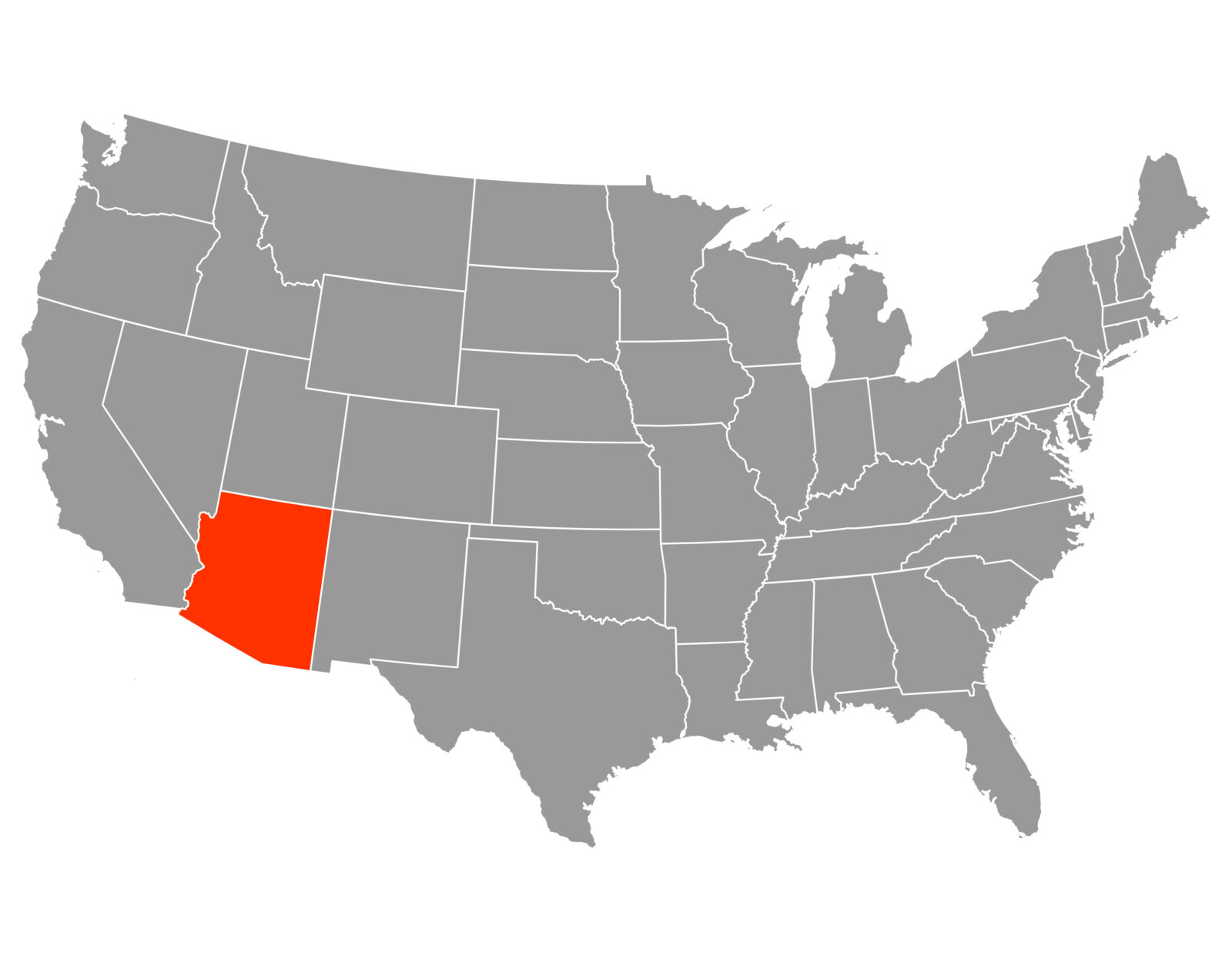
Arizona
Limited Licenses but Ample Opportunities
The Gould’s turkey population in Arizona is a true hallmark of reintroduction success. Through good management, the population of this subspecies now numbers 1,500, which is a 50% increase from just a few years ago. Moreover, the reintroduction of Rio Grande turkeys in southern Arizona is another triumph. This turkey subspecies now numbers around 500 birds, up from only 200 birds a few years back.
Arizona is a limited-license state, however, so getting in the drawing for one is a must. On average, over 13,000 hunters apply for turkey tags each year, and only half are successful in getting one. After that fact, the actual hunter success rate ranges from 18-30%. So apply often and hunt hard when you head to Arizona.
Local Intel
To put it lightly, information on Gould’s in Arizona is slim. We canvassed many well-connected folks in the turkey world and largely came up short. If you end up on this page and have hunted Gould’s in Arizona, please reach out to Ryan Newhouse, the author, and we’d love to hear about your experience.
Gould’s also exist in New Mexico, and we will look to cover that opportunity next year.
Take a closer look at Arizona:
AZ Regs
Be a Better Gould’s Turkey Hunter
onX Hunt and Mossy Oak teamed up to deliver the Turkey Academy, a series of videos that will help you become a more well-rounded turkey hunter. Check out the Turkey Academy today.
FAQs
Gould’s wild turkey is the largest of the North American subspecies, known for its long legs, large white-tipped tail feathers, and striking iridescent body plumage that sets it apart visually from birds like Merriam’s or easterns. They inhabit rugged mountain ranges with mixed pine and oak forests, primarily in northern Mexico and limited areas of Arizona in the U.S. Their relative rarity and distinctive physical traits make them a standout target for hunters pursuing a World Slam.
Gould’s turkey hunts are often described as adventurous and physically demanding due to steep, rugged terrain and the birds’ mountainous habitat. Success usually requires solid preseason scouting, understanding roosting terrain, and stamina to cover elevation changes. Because they are less studied and less hunted than other subspecies, birds can be quieter and more unpredictable—adding to the allure for hunters seeking a unique challenge and a prized addition to their turkey hunting achievements.
Yes, but it’s a rare tag to draw. From 1974 to 2022, New Mexico listed the Gould’s wild turkey on its threatened and endangered species list. Historically, the state offered two tags total for Gould’s turkeys, and they were either auctioned off (for about $5,000) or drawn for. Since 2023, the state wildlife department has offered four tags through the public draw, and the deadline to apply was February 15.