The Osceola wild turkey is one-of-a-kind. Its only home is in Florida. They have the longest spurs of all wild turkeys, and they are the most aggressive. Although they look similar to eastern turkeys (and likely interbreed with them), they are smaller and have darker colors. They’re tough to hunt, but The Hunting Public’s Zach Ferenbaugh has some tips below to help.
Osceola Wild Turkey (Meleagris gallopavo osceola)
The Osceola wild turkey is geographically isolated to the Florida peninsula, making it one of the most sought-after subspecies among hunters pursuing a Grand Slam. Slightly smaller and darker than easterns, Osceolas have dark wing barring and subtle white feather edging. They inhabit palmetto prairies, pine flatwoods, oak hammocks, and cypress swamps. Gobblers often weigh 16–20 pounds. Due to their limited range and strong hunting demand, access can be competitive, with many public hunts requiring quota permits.
Quick Facts
- Range: Florida peninsula only.
- Habitat: Pine flatwoods, palmetto prairies, swamp edges.
- Weight: 16–20 lbs.
- Key Traits: Dark plumage, limited geographic distribution.
- Demand: High due to Grand Slam status.
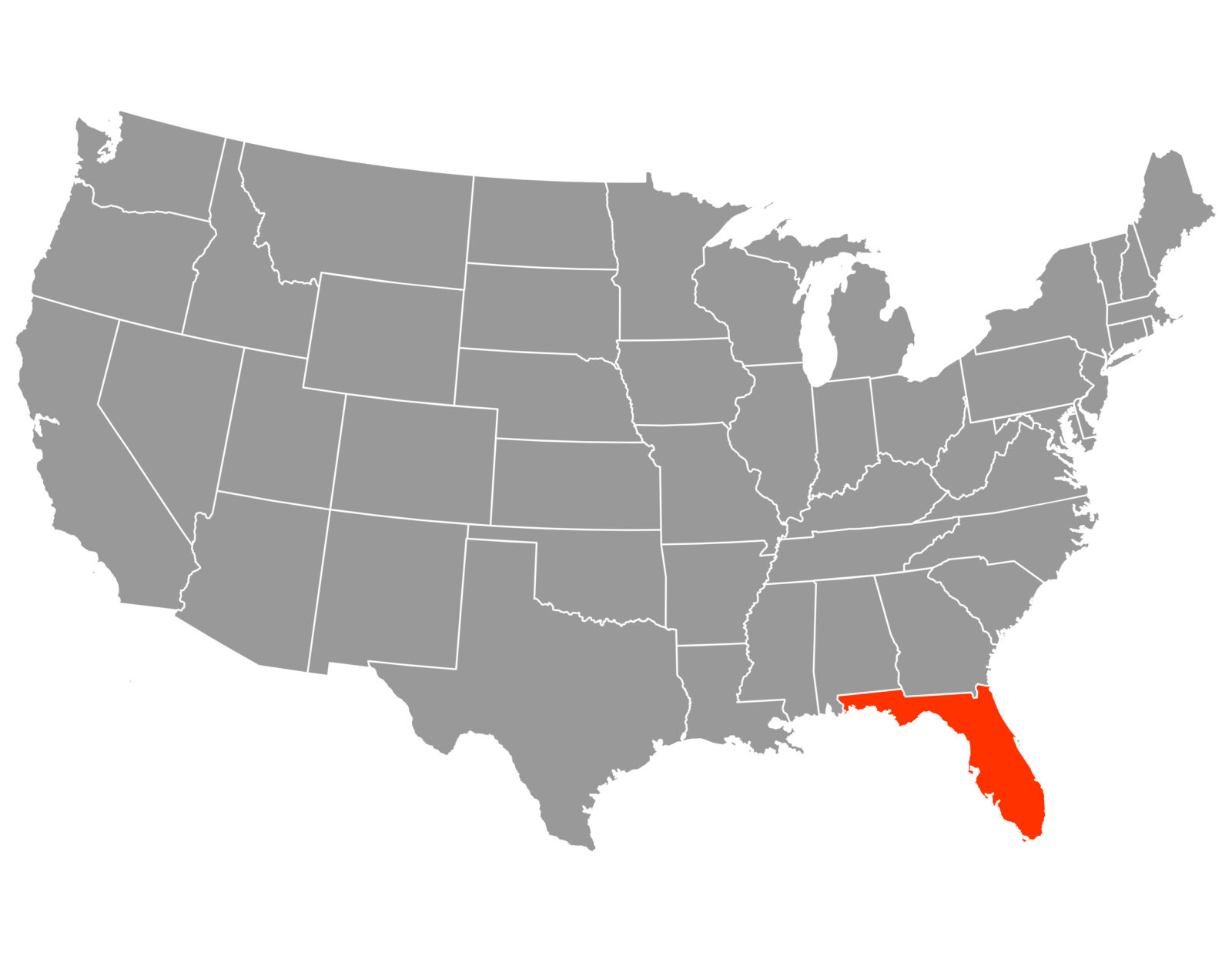
Florida
You May Need to Pay-to-Play, or Start Applying
Florida is a hot spot turkey state for the most obvious of reasons. First, it is the only place in the world to kill an Osceola subspecies gobbler. Second, its season opens up earlier than any other place in the nation. These two factors create a list of challenges to overcome to hunt turkey in this state. The public land gets pounded with hunters. Killing a turkey there is not entirely impossible, but it’s close. Your best bet for a gobbler in the public woods is applying for the limited draw areas.
However, Florida Fish and Wildlife Conservation Commission estimates there to be between 80,000 and 100,000 Osceola turkeys in the state’s panhandle, with 25,000 to 40,000 of those birds being gobblers. That’s a lot of toms.
Private land turkey hunting is a different story entirely. Because of the high value put on these gobblers, by hunters and landowners alike, getting access to these birds is a tall order. Unless you have a long-lost relative who owns ground down there, you better be prepared to pay an outfitter a couple of grand and to sit on a waiting list for at least a year. In this regard, hunting an Osceola can be similar to hunting a Gould’s, where there are not many birds, and they are found in specific areas. In short, turkey hunting here is no walk in the park.

Turkey Gear: 25% Off
If you need it in the turkey woods, Primos has it. onX Hunt Elite Members save 25% on gear.
Local Intel: The Hunting Public’s Zach Ferenbaugh
“We traveled to the southern zone, which is the only part of the country that holds the subspecies of Osceola. Although there is a lot of public land in the state there are a lot of public land pieces that are limited to hunters who draw a special “limited quota” tag.
“If a hunter is planning to travel to Florida to get an early start on the season or to target Osceolas, they should research beforehand to make sure they know where they can legally hunt without drawing a limited quota permit.
“We hunted public land that was not part of a limited quota hunt. Because areas that are open to everyone are so limited, it forces a lot of people into the same areas. There was a ton of pressure early, especially during the first week of the season. But as the season went on, the pressure decreased, and the action picked up. I believe we hunted there for two full weeks and only shot one turkey on the ninth day. This may be something to keep in mind if you plan to hunt Florida. Like other southern states with early openers, we tend to see an extreme amount of pressure on public land early in the season, but as other seasons open across the country, pressure drops back off to a normal level.
“In southern Florida, the climate is unlike anything we have ever experienced. High humidity and temperatures that consistently made it into the mid-80s to 90s every day made for some uncomfortable hikes and camping conditions. Also, hunters planning to take on Florida should plan to spend a lot of time in standing water, and along with the water, expect snakes, alligators, and other critters you don’t see in many parts of the country.
“We have also spent time in northern Florida. We chased easterns in a mix of planted pine forests and riparian corridors between the vast pine stands. We also hunted from a canoe along several big stretches of public land river bottoms. Florida can be an exciting place to get a unique hunting experience, but with it being one of the few states that is open to hunting in March, if you plan to hunt there during that time, expect a lot of other traveling turkey hunters to be doing the same thing. However, for hunters willing to do their homework and think outside the box, Florida can be a fun challenge.”
Take a closer look at Florida:
FL Regs

Be a Better Osceola Turkey Hunter
onX Hunt and Mossy Oak teamed up to deliver the Turkey Academy, a series of videos that will help you become a more well-rounded turkey hunter. Check out the Turkey Academy today.
FAQs
Osceola wild turkeys are a distinct subspecies found only on the Florida peninsula, making them a prized and unique pursuit for turkey hunters. Unlike easterns or Rio Grandes, Osceolas have darker, richer plumage with subtle feather edging and are adapted to Florida’s coastal plains, flatwoods, and palmetto-prairie habitats. Their restricted range and strong site fidelity contribute to both high local densities in quality habitat and intense hunting pressure where they occur. Because they are geographically isolated, harvesting an Osceola is a sought-after achievement for turkey hunters pursuing state or subspecies goals, including the Grand Slam.
The heart of Osceola turkey range is central and south Florida, from the Ocala National Forest and surrounding public lands down to the Big Cypress Swamp and Everglades fringe. These birds favor mixed hardwood-pine flatwoods, palmetto thickets, agricultural edges, and scrub-oak ridges where roosting trees, feeding areas, and brush cover converge. Successful Osceola hunting often hinges on locating key habitat transitions—such as hardwood drains near open feeding flats or shaded edges near water sources—because these areas concentrate movement at dawn and dusk.
Florida manages Osceola turkey hunting with a mix of quota permits, limited entries, and public land opportunities, so planning ahead is essential. Many wildlife management areas (WMAs) require drawing a permit, and demand often exceeds supply due to the subspecies’ popularity and limited acreage. Public land turkey permits in Florida are typically applied for early in the year, and success in the draw can give you access to some of the state’s best Osceola habitat. Additionally, private land access—through leases, guides, or permission—remains a major access pathway given the patchwork of agricultural and rural land in the peninsula. Understanding turkey behavior in Florida’s warm, early-season climate (including roosting patterns and midday movement) and combining that with careful scouting and calling strategies will boost your odds of success.