Best 4×4 Trails Near Ski Towns in Colorado, Utah and (Tahoe) California
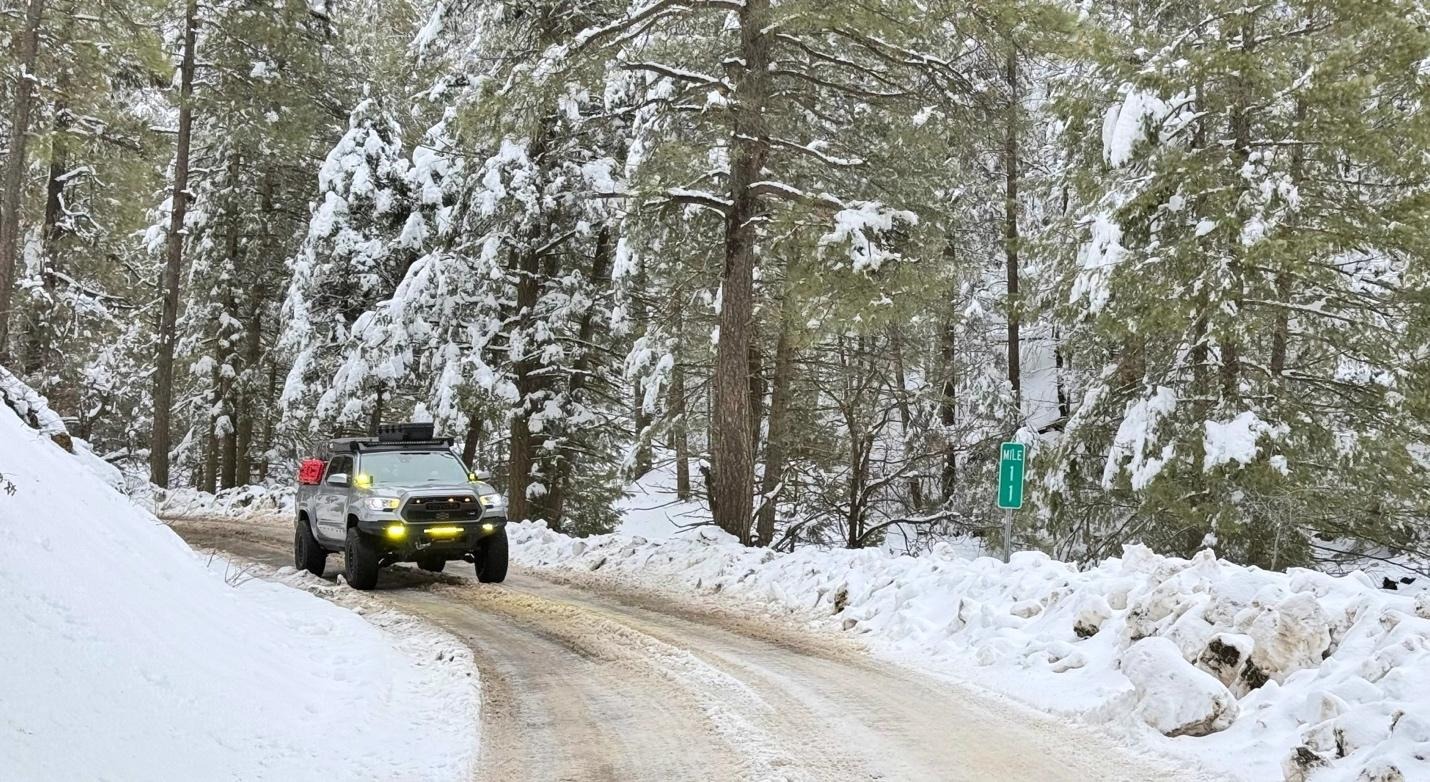
For off-road enthusiasts who also enjoy snow skiing during the winter, a trip to one of the legendary ski resort destinations in the mountain west can mean opportunities to experience 4×4 winter driving in addition to downhill skiing. Many of the major alpine resorts in Colorado, Utah, and Northern California’s Lake Tahoe region are in proximity to world-class 4×4 trails, presenting off-roaders with an opportunity to experience alpine trails in a winter-wonderland-like setting. With winter 4×4-ing in mind, we’ve compiled a short list of suggested drives to consider for an adventurous side excursion on your next skiing vacation.
The suggested routes we’ve compiled should only be attempted in a 4×4 or AWD vehicle with robust winter tires. In the same way one approaches winter skiing, drivers should never underestimate Mother Nature and how quickly the weather can change in high-elevation settings. Prepare for the unexpected when off-roading in winter climates. Check to be sure these trails are open before you go, the make sure to bring a GPS or other satellite communication device, as well as warm clothing, blankets and food in case of emergencies. Then prepare to experience off-roading like never before in gorgeous alpine winter settings. Winter driving can be fun, too, and the following are a few of the winter drives one can experience.
Colorado Ski Towns and Off-Road Trails
Breckenridge:
Boreas Pass

Trail Overview: Boreas Pass is a scenic, full-width mountain road in Colorado that is about 21 miles long. The pass is mostly smooth driving with occasional bumpy or washboard sections, more of a sightseeing route than a technical 4×4 trail. The drive follows a historic corridor that once served as an 1860s stage route and later a railroad crossing, so you’ll find a few worthwhile history-themed pull-offs along the way. It’s a great option for newer off-roaders, families, and anyone chasing big views without big obstacles.
Trail Type: Full-width road.
Length: 21 miles.
Difficulty: Easy.
High Point: 11,497 ft.
Georgia Pass

Trail Overview: Georgia Pass is a short but impressive Colorado mountain pass that climbs to a high-alpine viewpoint and offers plenty of nearby camping options. The upper sections of the pass can get steep and chewed-up, so 4WD, low range, and solid ground clearance are strongly recommended, especially for less experienced drivers. You can keep the adventure going by looping back over Glacier Peak for a longer, more challenging day.
Trail Type: Full-width road.
Length: 6 miles.
Difficulty: Moderate.
High Point: 11,596 ft.
Vail:
Shrine Pass

Trail Overview: Shrine Pass is an easy, full-width forest road that runs from the Vail Pass area down toward Red Cliff, making it a mellow scenic drive rather than a technical challenge. As you descend, the road can narrow and get rougher, and if it’s wet, it may turn muddy enough that 4WD becomes the smarter choice. Even in warm months, conditions can change fast at elevation, with potential snow-related closures at any time of year.
Trail Type: Full-width road.
Length: 11 miles.
Difficulty: Easy.
High Point: 11,173 ft.
Aspen:
Taylor Pass

Trail Overview: Taylor Pass is a 14.9-mile high-clearance 4×4 route on the backside of Aspen, delivering its best scenery as you crest the pass. It’s rated difficult (tech rating 7) thanks to a long, slow rock section with “bowling ball”-size rocks plus a creek crossing that can change in difficulty depending on conditions. This trail is one you would want to have winter off-roading experience before you go.
Trail Type: High-Clearance 4×4 Trail.
Length: 15 miles.
Difficulty: Difficult.
High Point: 11,931 ft.
Pearl Pass

Trail Overview: Pearl Pass is a high-alpine 4×4 route that combines rolling tundra stretches with rocky ledges and rugged climbs, all capped by big, above-treeline views. Rated difficult (tech rating 6), it includes boulder fields, narrow shelf sections, and water crossings, conditions that can stay snowy or icy well into summer in heavy snow years. The trail skirts the edge of the Maroon Bells–Snowmass Wilderness and feels notably remote, so it’s a better fit for built rigs than stock SUVs. This pass typically closes March 1–May 27 depending on snow, with unlicensed vehicles allowed only on the lower portion before turning around at the pass.
Trail Type: High-Clearance 4×4 Trail.
Length: 22 miles.
Difficulty: Moderate.
High Point: 12,724 ft.
Telluride:
Imogene Pass

Trail Overview: Imogene Pass is a difficult (tech rating 6) mountain route that climbs into Colorado’s San Juan high country between Ouray and Telluride. It tops out around 13,114 feet, often cited as one of the highest drivable passes in the state, so the payoff is huge views but the trail demands focus. Expect steep, rocky stretches and narrow sections where meeting oncoming traffic can get tricky, making it best for experienced drivers in high-clearance 4WD with low range, and many drivers prefer starting from Telluride so the steeper, rockier side is tackled downhill.
Trail Type: Full-width road.
Length: 12 miles.
Difficulty: Moderate.
High Point: 13,193 ft.
Crested Butte:
Schofield Pass

Trail Overview: Schofield Pass is a high-clearance 4×4 route that earns its reputation less from big obstacles and more from exposure, especially beyond Crystal, where the road narrows into a steep, cliff-hugging shelf above Crystal Canyon. While the approach toward the Crystal Mill is rocky and slow, the “serious” stretch is the tight, steep section where meeting oncoming traffic can mean careful backing, and rockfall or lingering snow can shut things down without much warning. It’s not a great pick for novices or stock SUVs, low range and skid plates are strongly recommended. The area also carries real history (and hard lessons), including past fatal accidents near the Devil’s Punchbowl, so it’s a trail where caution and patience matter as much as capability.
Trail Type: High-Clearance 4×4 Trail.
Length: 11 miles.
Difficulty: Moderate.
High Point: 10,722 ft.
Utah Ski Towns and Off-Road Trails
Park City:
Jeremy Ranch Road

Trail Overview: Jeremy Ranch Road is a mellow dirt route near Park City that works well as a scenic “back way” into the Jeremy Ranch area, with easy access toward Mormon Flats State Park and the Mormon Flats Campground. It’s deemed “easy” and is mostly a wide, graded road, with only a short stretch of small rock ledges to keep things mildly interesting. The drive winds through open meadows and a river valley with a few old structures, plus big mountain views looking east toward the Big Stony Pass area. Note that much of the surrounding land is privately held, and the road can be closed due to weather.
Trail Type: Full-width road.
Length: 7 miles.
Difficulty: Easy.
High Point: 6,235 ft.
Salt Lake City:
Mineral Basin

Trail Overview: Mineral Basin Trail is a short-but-serious route that climbs into the Mineral Basin above Snowbird Resort. Despite being a full-width road, it’s rated difficult thanks to steep, rocky climbs, slabby sections, and chunky rock gardens, with some tough stretches that don’t offer an easy bypass. Much of the trail stays wet from springs and runoff (including the well-known Iron Bog area), which can make traction tricky if you’re not on the right tires. It’s a good fit for built rigs, think 33″+ tires, sliders, and skids.
Trail Type: Full-width road.
Length: 3 miles.
Difficulty: Difficult.
High Point: 9,343 ft.
Timpooneke Road

Trail Overview: Timpooneke Road is a full-width National Forest route that starts near the Timpooneke Campground and wraps around the face of the Timpanogos Wilderness area. It’s a moderately difficult trail and feels like a rocky, high-altitude fire road, rough enough to keep speeds down, but approachable for most high-clearance vehicles with careful tire placement through occasional washouts and small boulders. The payoff comes as the trail opens into high meadows and west-facing slopes with standout views over Orem and Provo.
Trail Type: Full-width road.
Length: 8 miles.
Difficulty: Moderate.
High Point: 8,619 ft.
California Ski Towns and Off-Road Trails
Lake Tahoe:
Rubicon Trail

Trail Overview: The Rubicon Trail is a 13.7-mile, technical rating 7 (difficult) rock-crawling route in Northern California’s Sierra Nevada that’s widely considered a rite of passage for serious 4×4 drivers. Expect slow progress (often 1–2 mph) over granite slabs, boulder gardens, and iconic obstacles like Walker Hill, Little Sluice, and Cadillac Hill, with many groups taking 2–3 days and camping en route. The trail mixes punishing terrain with standout alpine scenery, think Loon Lake, Buck Island Lake, and Rubicon Springs. Access varies by direction, though the Loon Lake to Tahoma run is the most common modern approach.
Trail Type: High-Clearance 4×4 Trail.
Length: 14 miles.
Difficulty: Difficult.
High Point: 7,144 ft.
Barker Pass
Trail Overview: Barker Pass is a scenic, mostly mellow forest road on the west side of Lake Tahoe that climbs into higher elevation pines and granite country, with a “backcountry day-trip” feel rather than a technical 4×4 challenge. Expect graded dirt with occasional washboard and potholes, plus a few rougher patches where higher clearance helps, especially after storms or heavy traffic. Because it sits high, the season is short and weather changes fast, so it’s worth checking current road conditions and any seasonal closures before heading out.
Trail Type: Full-width road.
Length: 3.8 miles.
Difficulty: No rating.
High Point: 7,646 ft.
Tips for Planning a Winter Off-Road Trip
With a bit of planning, winter off-roading can be an enjoyable excursion during your next skiing vacation. Be sure to check each trail’s difficulty rating and accessibility in case of closure, and follow these suggested tips to make your off-road adventure safe, comfortable, and enjoyable:
- Use the onX Offroad App for planning your route (maps, waypoints, offline use)
- Know before you go: check trail conditions and open or closed status ahead of time
- Check each trail’s difficulty level (beginner to expert)
- Safety first: Be sure to bring a GPS device, warm clothing, blankets, food and water
- Ensure the vehicle is prepared for cold conditions (snow tires, full tank of fuel)
- Don’t go alone: Bring travel companions for added help on the trail
- Keep electronics like GPS units and smartphones charged and close to the body for added warmth
More tips: Winter Snow Wheeling: A Guide To Off-Roading in Snow
Not an onX Offroad App user? See what you’re missing.
FAQs About Off-Road Parks Open Year-Round
Summer is the least challenging time of year to off-road near major ski resorts. But that doesn’t mean wintertime is off limits. There are many less challenging summer routes that, in the winter, are plenty challenging. Whether it’s winter or summer, proper planning is the key.
Although most of the 4×4 trails near ski towns usually don’t require a permit, they may require an OHV sticker when navigating non-paved trails, even when the rig is plated. If a route is designated an OHV trail, then you’ll likely need an OHV sticker. Whereas, if you stay on roads designated for street-legal vehicles, chances are you won’t need an OHV sticker. Each resort community plays by its own set of rules, so check local regulations before you go.
There is always an inherent risk when off-roading. Preparation is even more critical during winter months, when temperatures can plummet, and weather patterns can change quickly—especially in high elevations. Double-check each trail on your route is accessible, dress accordingly and bring a GPS, food, water, and emergency supplies.