Rubicon Trail
Total Miles
13.7
Technical Rating
Best Time
Summer
Trail Type
High-Clearance 4x4 Trail
Accessible By
Trail Overview
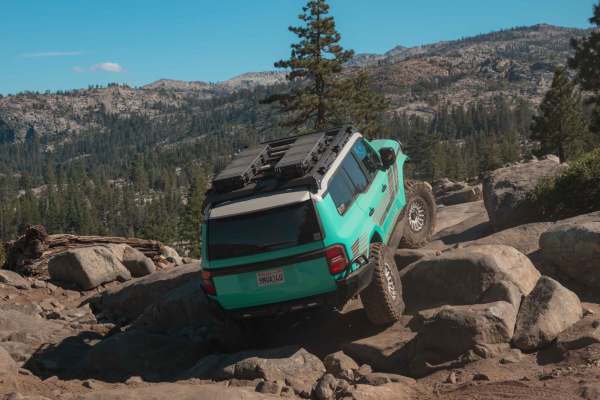
Tucked deep in the Sierra Nevada mountains of Northern California lies one of the most iconic off-road trails in the world -- the Rubicon Trail. This rugged route is a rite of passage for 4x4 enthusiasts. With its technical rock crawling, breathtaking alpine scenery, and rich history, the Rubicon offers an unforgettable off-road experience -- but it's not for the unprepared. The Rubicon blends the raw beauty of the high Sierras with the thrill of some of the most challenging off-road terrain in the country. You'll pass through dense pine forests, vast granite slabs, and crystal-clear alpine lakes. Key sights include Loon Lake, Buck Island Lake, and the serene Rubicon Springs -- a popular camping area deep in the backcountry. Along the way, you'll encounter sweeping mountain vistas, historic landmarks, and the raw, untamed beauty of the Eldorado National Forest and Lake Tahoe Basin. Most groups take 2 to 3 days to complete the full trail. Some experienced drivers in highly capable rigs may attempt it in a single long day, but it's far more common (and highly recommended) to camp overnight at scenic locations like Buck Island Lake or Rubicon Springs. Expect slow progress, technical driving, and the occasional winch session. This isn't just a drive -- it's an expedition. Expect there to be traffic on the trail, especially on summer weekends. Plan for extra time on the trail and be patient, polite, and helpful. The trail is closed for all but late-night hours during Jeepers Jamboree events; the last full weekend in July and the weekend following. There are other busy event weekends as well, but none of them close the trail.
Photos of Rubicon Trail
Difficulty
This trail is famous -- and infamous -- for its technical demands. The trail requires patience, skill, and well-equipped vehicles. Think lockers, winches, skid plates, and high-clearance tires. Most rigs average only 1-2 miles per hour on the more difficult sections. This is a rock-crawling gauntlet filled with major obstacles such as: Walker Hill: A steep, rutted climb that challenges traction and articulation. Little Sluice: Once known as the most brutal section, still demanding tight maneuvering and skill. Old Sluice: A rocky cut with large boulders and steep sides, also optional. The downhill direction is doable in most rigs. Uphill is not for the faint of heart and is very likely to cause body damage in full-bodied rigs. Cadillac Hill: A narrow, winding climb with steep drops and switchbacks -- your final challenge before reaching Lake Tahoe. It should be noted that this trail includes optional paths that could bump difficulty up even further.
History
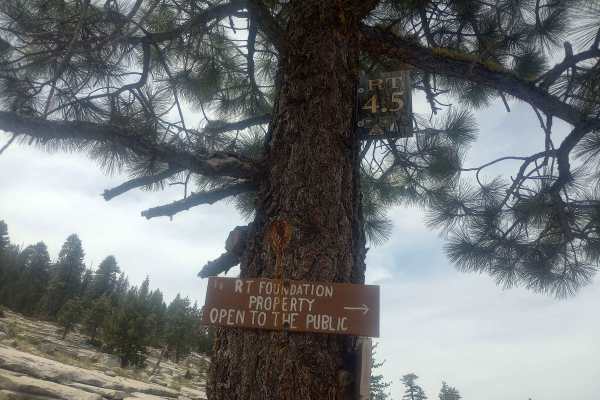
The earliest known use of the Rubicon area was by the Washoe people, a Native American tribe who inhabited the Lake Tahoe Basin. They used the region's natural passes -- including parts of what would become the Rubicon Trail -- as hunting and trade routes, traversing the rugged Sierra terrain on foot to connect with neighboring tribes. With the discovery of gold in the mid-1800s, the Sierra Nevada experienced a flood of settlers, miners, and fortune-seekers. The trail gained prominence during this time as a wagon route used to travel between Georgetown and Lake Tahoe, eventually becoming a path for stagecoaches and freight haulers. The name "Rubicon" was inspired by the Rubicon River in the area, which in turn was named after Julius Caesar's famous crossing of the Rubicon in Italy -- symbolizing a point of no return. By the late 1800s, Rubicon Springs became a popular resort destination, offering hot springs, a hotel, and access to the beautiful backcountry. Wealthy tourists from San Francisco would make the journey by horse-drawn wagon for a summer retreat. A toll road was built to support travel, and the area thrived for several decades. However, by the early 20th century, as automobiles took over and new roads bypassed the trail, the resort faded, and the route began to fall into disrepair. In the 1950s, local 4x4 clubs began exploring the old wagon route for recreation. This led to the first official Jeepers Jamboree in 1953, a multi-day off-road event that brought dozens of Jeeps across the trail from Georgetown to Lake Tahoe. That event continues to this day and helped cement the Rubicon Trail's reputation as the premier off-road challenge in the U.S. Over the decades, the Rubicon has drawn off-roaders from around the world and inspired the name of Jeep's Rubicon model -- a testament to the trail's difficulty and prestige. As its popularity grew, so did concerns about environmental impact. In recent decades, organizations like the Rubicon Trail Foundation, local counties, individuals, and off-road clubs have worked to maintain, repair, and regulate the trail to ensure it stays open and sustainable. Initiatives include erosion control, trail hardening, cleanups, and education around Tread Lightly principles. Today, the Rubicon Trail stands as both a historic route and a modern proving ground -- a blend of California's pioneering past and off-roading's adventurous spirit.
Status Reports
Rubicon Trail can be accessed by the following ride types:
- High-Clearance 4x4
- SxS (60")
- ATV (50")
- Dirt Bike
Rubicon Trail Map
Popular Trails
Ferguson Gulch - FS 3S023
Milpitas Wash
Sandstone Canyon Trail
The onX Offroad Difference
onX Offroad combines trail photos, descriptions, difficulty ratings, width restrictions, seasonality, and more in a user-friendly interface. Available on all devices, with offline access and full compatibility with CarPlay and Android Auto. Discover what you’re missing today!