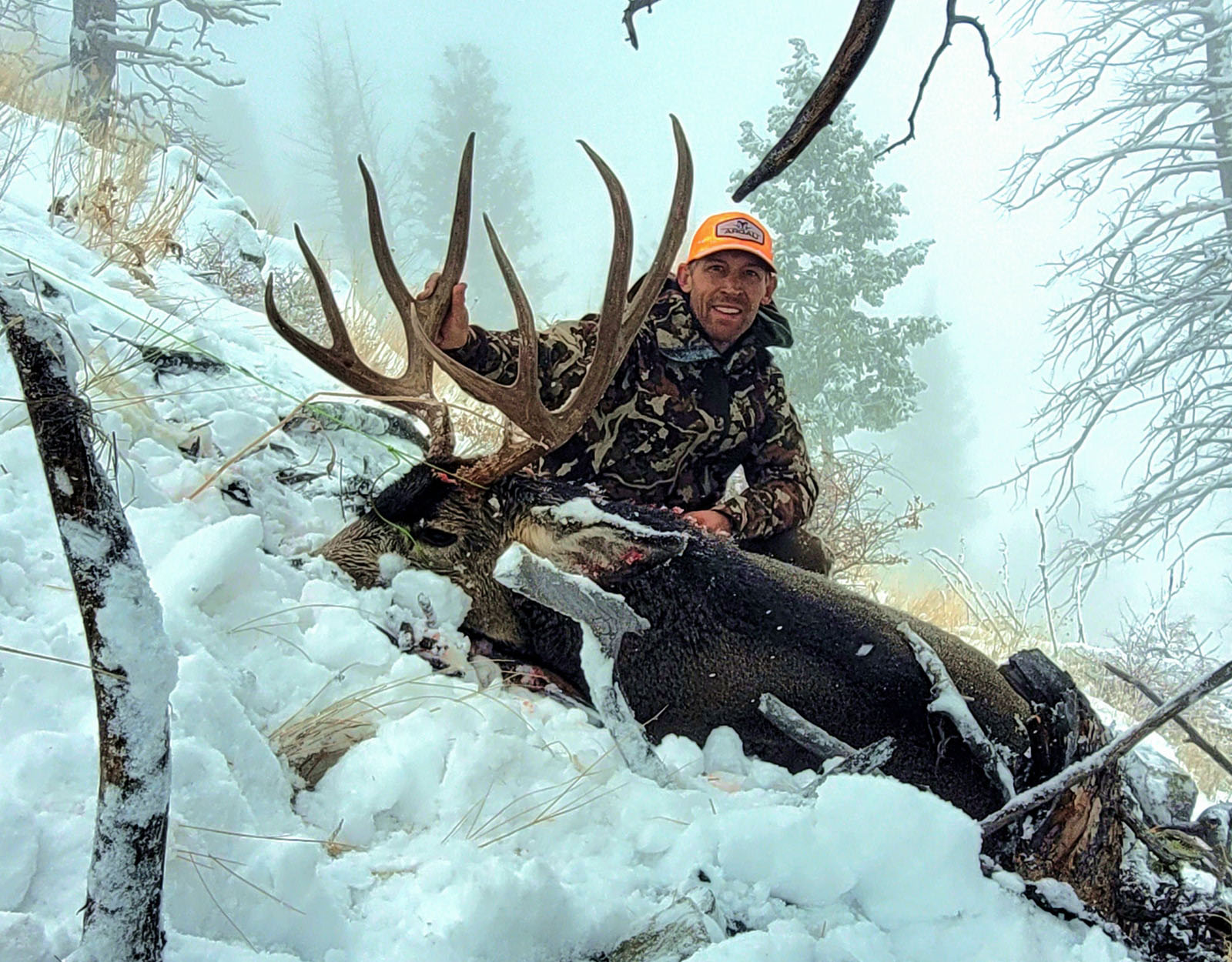
“He has to be close,” I muttered in my head. I was tracking a big buck through the snow, closely following fresh tracks, knowing he could pop up at any minute. Suddenly, a doe head popped up from feeding, staring me down at 35 yards. It was snowing sideways, and the last time I saw the big buck I was looking for was about two hours earlier, as he trailed six does over a bald knob out of sight. I had been trailing him for about 45 minutes. I froze, and the doe stared in my direction, struggling to tell if I was a weird-looking rock or something dangerous. Then, out from behind a large Douglas-fir, the buck stepped into the open at 50 yards, finally showing himself and presenting a perfect broadside shot. I was prepared for a close encounter. I raised my rifle and took the shot.
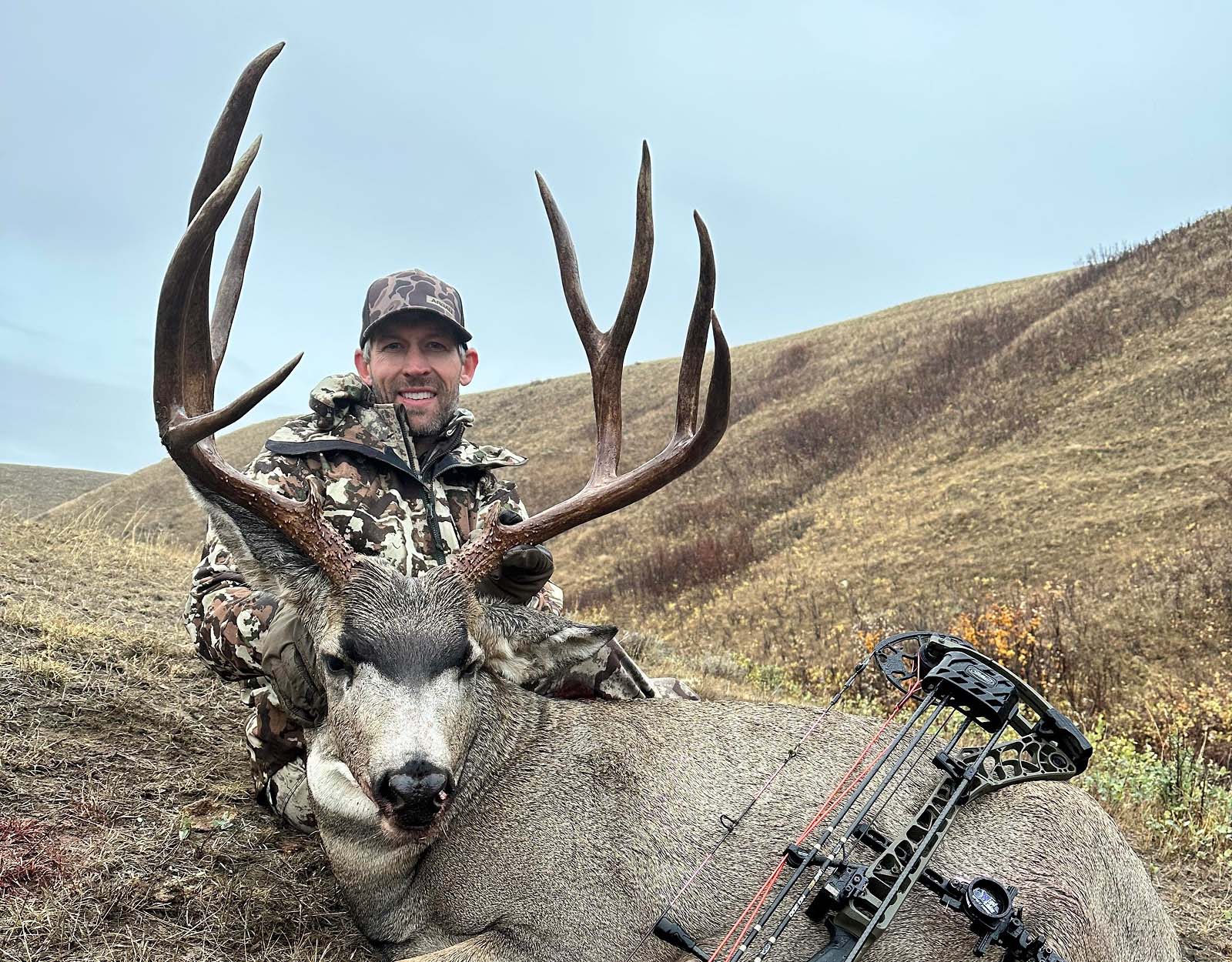
The buck I shot that day was one of the best bucks I had killed at that point in time. A straight typical 4×4 with incredible mass and forks. And in true big buck fashion, I had to pull all the tricks out of my bag to kill him and take some huge risks that could have easily ended in failure.
Perhaps the most important thing to know about hunting mature mule deer is that it is hard, humbling, and not for the faint of heart.
Perhaps the most important thing to know about hunting mature mule deer is that it is hard, humbling, and not for the faint of heart. Most of the time you will feel like you don’t know anything, and you’re doing everything wrong. Big mule deer are smart, canny, and know how to evade you. Trying to find, hunt, and kill mature mule deer has been a lifelong journey for me. Entire books have been written on this topic, but I want to share some of the big-picture tactics and strategies that can help you find and hunt big mule deer.
Finding Big Deer Is the Crux
Finding big deer is the single hardest part of hunting big deer. If they were easy to find, I wouldn’t be writing this article. Mule deer are simple animals with basic needs: They need food, water, and to feel secure. Big mule deer can live miles into the backcountry or relatively close to a road. The key is that they need to feel secure and safe. If they have a place where they aren’t being bothered by people, elk, predators, etc., along with having food and water close by, they will be content.
But just because they exist doesn’t mean they will show themselves to you, which is why you have to give yourself every opportunity you can to find one by leaving no stone unturned and looking in unlikely places that have all of the ingredients for mature buck habitat.
Trying to explain how to identify spots where mule deer might be is difficult, especially across the range of environments they live in, from the deserts to the plains to the high mountains. Big deer can be down low in mountainous country, they can be up high, or anywhere in between.
Last year, I had an early season archery tag in a unit that had great-looking high alpine basins with water and green food sources up high, as well as low-land desert sagebrush habitat down low. I spent most of my hunt looking up high in the mountains in classic mule deer country, and did not find anything I would call a large buck. After five days I re-located to the low-land sagebrush country, which was miserably hot, and found the biggest buck I’d seen all trip. He was living in a small but secure spot where he had tall brush to bed in, a good water source close by, and good feed, no more than a mile from a road in any direction. It was the perfect, inconspicuous spot. Why was he there? I have no idea, but it had everything a big buck needs to be happy and not be bothered.
When a mature buck finds a place he has everything he wants, he’s likely to stay there until weather pushes him out, it’s time to migrate, or the rut starts to kick in, and he goes looking for females. If you find a deer you want to hunt but can’t turn him up every day, be patient. One time I bumped a big deer out of his bed in October and watched him run a long ways off. The next day he was back in that same bed, and I was able to kill him. It isn’t uncommon, even in early October, for deer to come back to a place they feel safe.
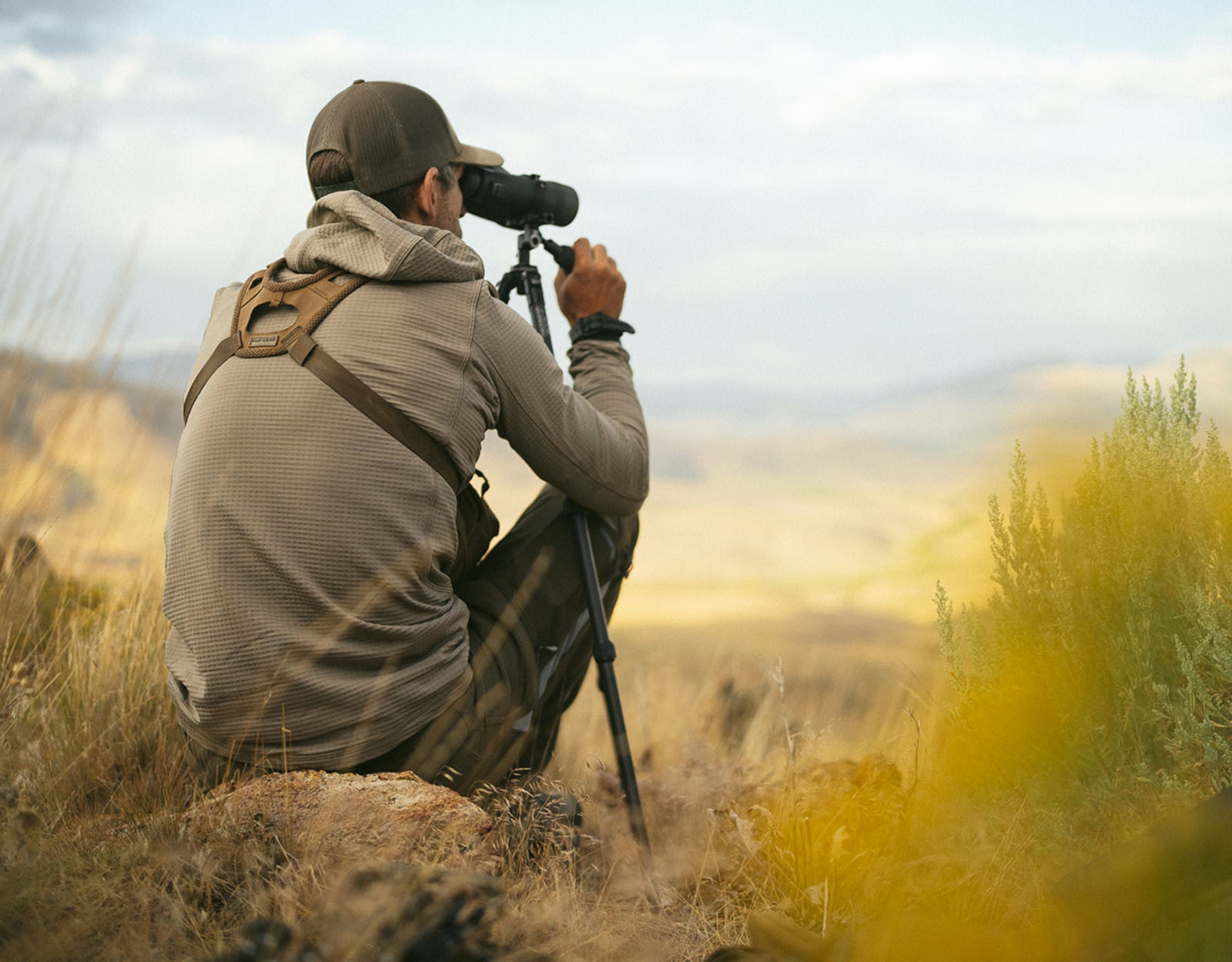
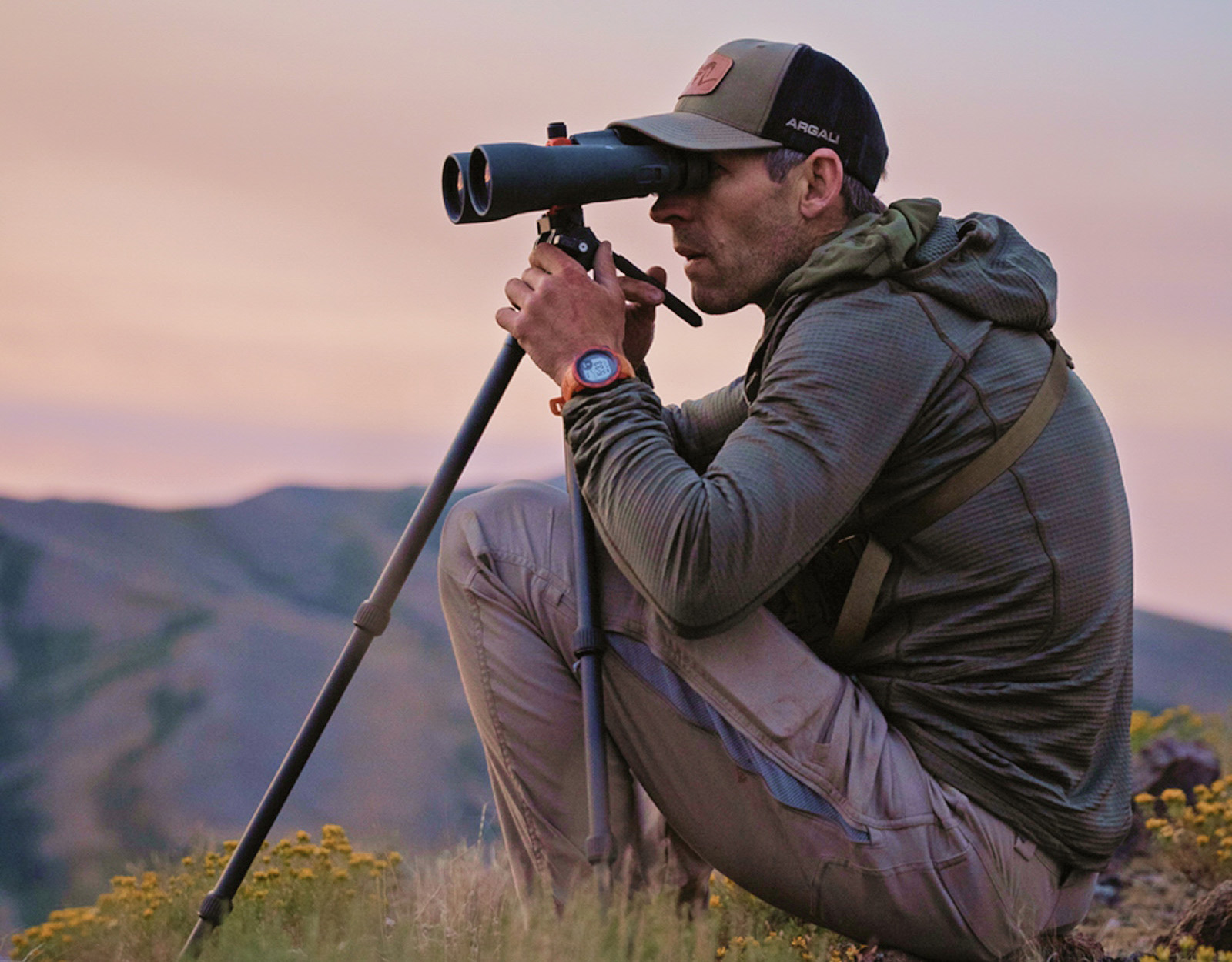
The key is that you have to look over a lot of country and be patient and plan to spend a lot of time behind your glass. If you aren’t putting your binoculars on a tripod for stabilized glassing, you will miss a lot of deer, so I spend 90% of my glassing time looking through my binos on a tripod. I typically use a set of 10×42 binoculars, but when glassing long distance, I will use 18x binoculars on a tripod as well. Good glass, stabilized, is the key to seeing what is around.
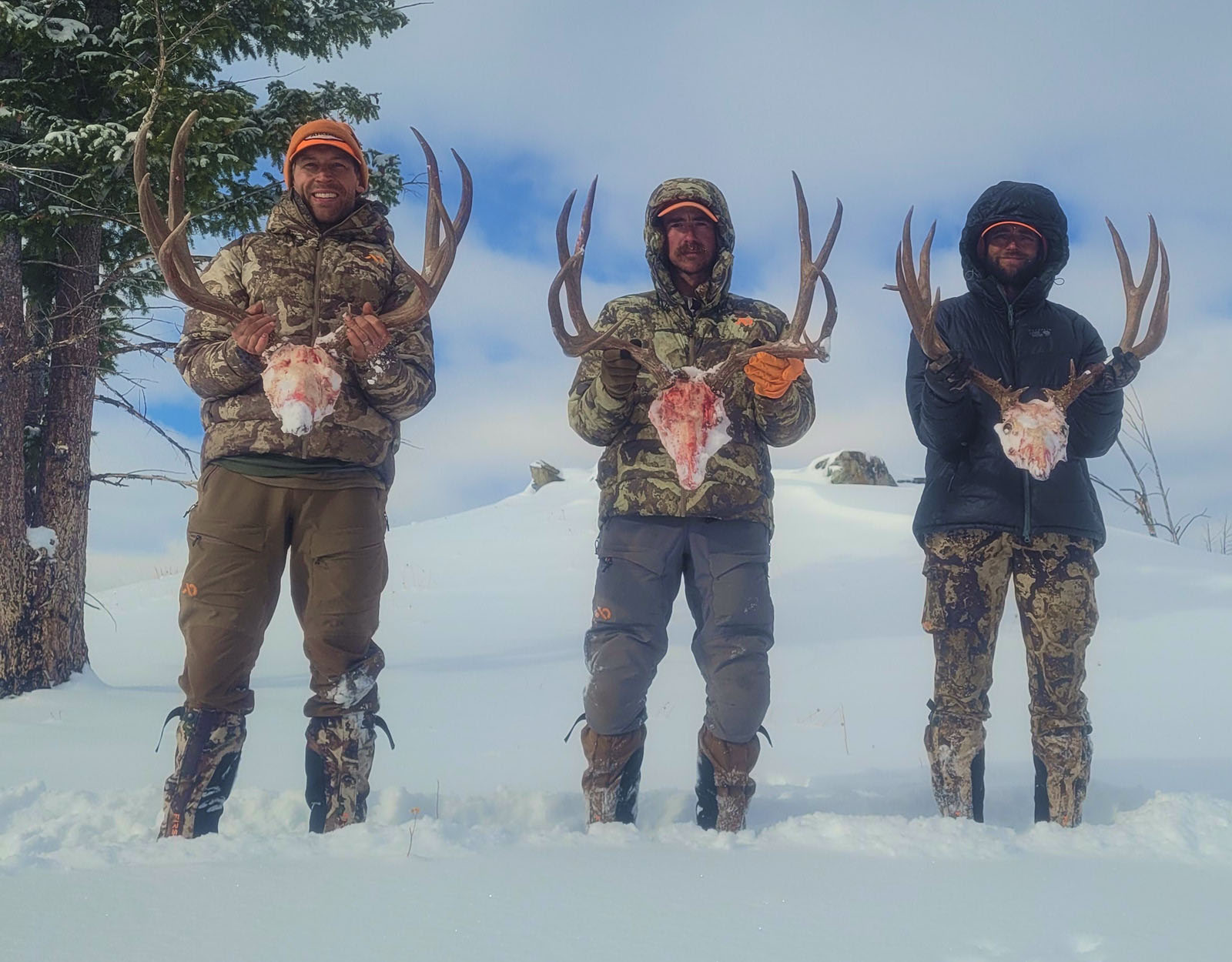
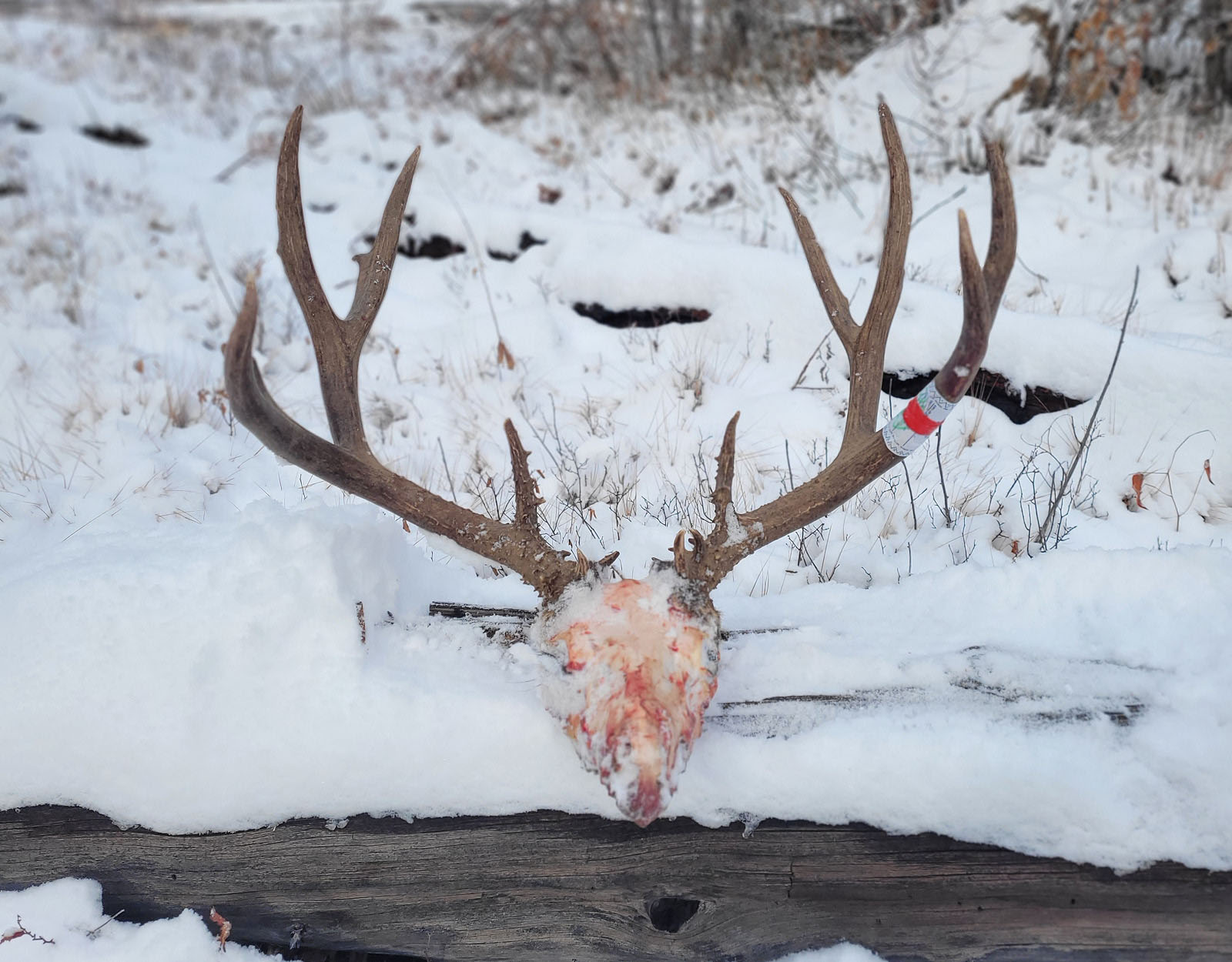
Find Where the Deer Want To Be, Not Where You Want Them To Be
The common theme with finding big deer is to not assume you know where they should be, and find them where they want to be. If you aren’t seeing what you’re looking for, this is going to sound obvious, but move on and look elsewhere.
Once you do your homework, the more time you can spend scouting, the greater your odds of finding a big buck and not wasting time during the hunting season trying to figure out where to go.
You have to be willing to look over a lot of country, and you need to be where you want to be at first light and last light. This might seem abundantly obvious, but so many people are unwilling to walk back to camp in the dark that they stop glassing well before last light, cutting out one of the best times to get a glimpse at a mature deer. Big bucks often won’t show themselves until the last 30 minutes of visible light, so if you aren’t glassing until dark, you’re doing yourself a disservice. I wouldn’t be mentioning this if it wasn’t something I have seen many times, especially with backcountry hunts that involve a longer hike back to camp in the dark. Commit to glassing until you cannot see any more and walk back in the dark.
Be Invisible When Hunting
I am incredibly cautious when moving around in the mountains, and I act like every movement I make could spook a big buck, because in all reality it could. I have a theory based on what I’ve seen from most hunters that a lot more people spook big bucks unknowingly than they realize.
I often see hunters exposing themselves unnecessarily, sky-lining themselves on ridgelines, and generally acting careless walking through the mountains. When you are hunting, you have to act like you are being watched. Just because you looked over a basin and didn’t see anything doesn’t mean there isn’t a bedded buck with a great view that can see you. One time I watched two hunters walk an exposed ridgeline, glassing occasionally, not seeing anything. After they moved on, a buck popped up from a small group of trees and ran out of the basin. The hunters never saw the deer. Big deer are smart enough that if they see you at a distance, they will wait until you are gone to escape.
Plan your movements through the mountains carefully, and never skyline yourself if you can avoid. Plan your hike into where you want to hunt to keep yourself out of sight as much as you can from the places you want to glass or anticipate seeing deer, and act as though there is a big buck in every great-looking spot you see that you just can’t see. I use the onX Route Builder in my e-scouting to plan my approaches into country from my laptop so I at least have a plan for how best to hike into where I want to be before I ever head into the field.
Take Calculated Risks
When you find a deer you want to shoot, evaluate the situation objectively and make sure you aren’t making any fatal mistakes in planning your stalk. The wind is the thing that you cannot fool. This is where onX’s tools can be a massive advantage to figure out shot distances and use terrain features to plan your stalk. I like to use 3D mode to help me plan my stalk, and I will even build a route in onX to make sure I can find the route I want to take once I leave my glassing perch. onX’s range-finding tool is another invaluable tool for marking your buck if he is bedded down.
If the wind isn’t right, or you don’t think you can get to within an ethical shooting distance, be patient even if it means waiting for tomorrow. If the conditions aren’t right, they aren’t right. Don’t force it.
Be Willing To Eat Your Tag
It took me a long time to actually be comfortable with this one. If you want to kill a big deer, you can’t shoot the first decent buck you see. Easy in theory, hard to practice when you have a nice deer in your sights. Don’t let the fear of not finding a better buck lead to a rash decision. Have confidence in yourself and be willing to stick it out until the end.
The buck I shot in the beginning of this story was shot on day nine of a 10-day hunt. I had passed up a great mid-170s buck on day five of the hunt.
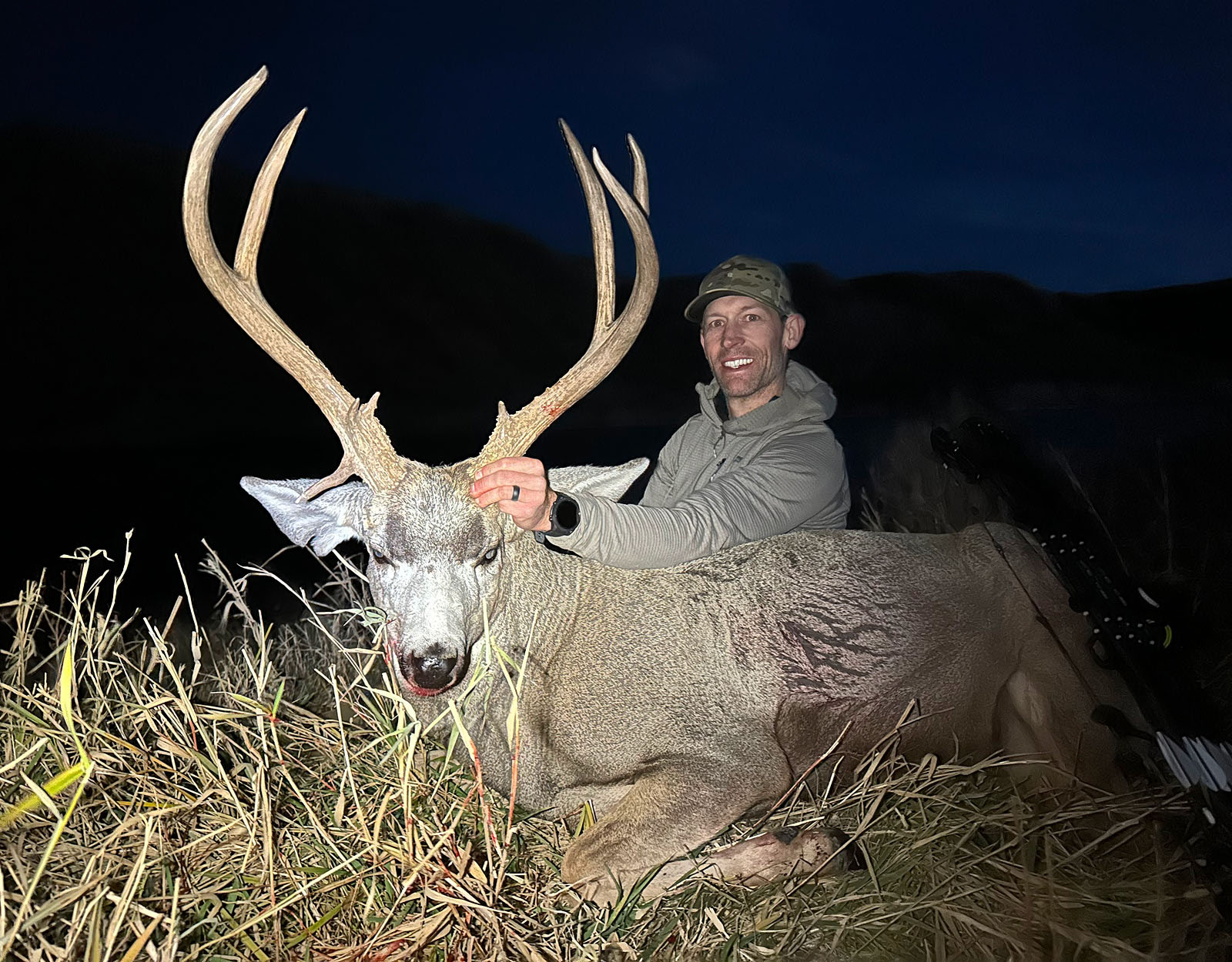
It took me a long time to actually be comfortable with this one: If you want to kill a big deer, you can’t shoot the first decent buck you see.