Late fall and winter hold more opportunities than many hunters realize. Some of them take extra research or travel, but all of them give you more time afield, a chance to learn new country you might hunt again, and a reason to keep the truck packed after Thanksgiving.
Here we cover five ways to stay in the field once the main season winds down: late-season Coues deer hunting in Arizona and New Mexico, aoudad hunting in New Mexico and Texas, predator hunting, muzzleloader deer seasons that run into December and January, and cow elk shoulder seasons. The catch to plan around, however, is any western draws that might close months before the season opens, so each section separates what you can still buy from what belongs on next year’s calendar.
Seasons, quotas, and rules are subject to change; always confirm the details with the state agency before you plan or buy.
TL;DR: onX Hunt curates five late-season hunting options to help you extend your season: Coues deer hunting in Arizona and New Mexico, aoudad hunting in New Mexico and Texas, predator hunting, December and January muzzleloader deer seasons, and cow elk shoulder seasons. Most draws close months ahead, so this article separates what you can buy on short notice from what to plan on for next year.
Late-Season Coues Deer Hunting in Arizona and New Mexico
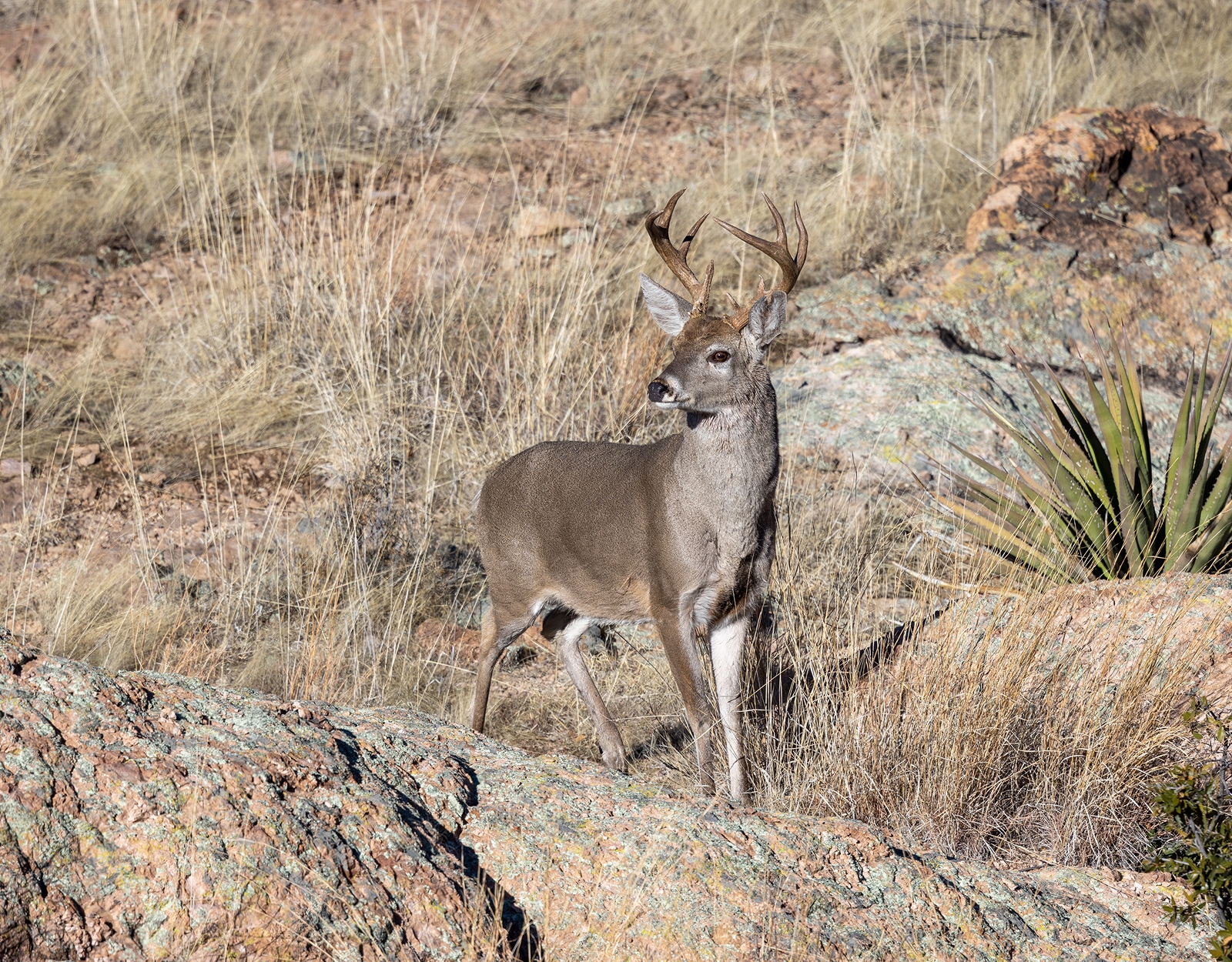
In the United States, Coues deer predominantly live in southeastern Arizona and southwestern New Mexico, though herds do extend into central and north Arizona and south across the border into Mexico and Central America. Some have also been reported in Texas.
Our Coues deer hunting guide covers the basics, so what follows sticks to how the late season works.
Arizona is where most hunters begin their Coues deer pursuit because it’s the U.S. state where most Coues deer live and where the largest Boone and Crockett Club records come from for this deer.
In its southeastern Coues units, the state schedules rifle hunts that run from late November into December. Coues rifle hunts are draw hunts, which means you’ll need to apply in the spring or early summer for a hunt months later. Think of them as a plan for next year.
Archery is a walk-up option. Arizona sells an over-the-counter (OTC) archery deer tag, and many units open for a stretch in December and another in January. Each unit has a harvest limit and closes once hunters reach it, so check the state’s archery deer report before every trip. Non-resident tags are capped, typically go on sale the first Monday in November, and tend to go fast. Archery hunters must report a harvest within 48 hours.
New Mexico core units for Coues hunts are its southwestern units. They’re public-land draw hunts, run as a straight lottery with no preference points, and the schedule includes late-fall and December rifle hunts and a January archery hunt. New Mexico does not offer OTC public-land deer tags anywhere in the state.
When you start planning, our guide to e-scouting January archery Coues hunts and our Arizona hunting season breakdown can give you a head start. The onX Hunt App helps, too. You can e-scout units from home, mark potential glassing spots, and save notes for the next application cycle.
Aoudad Hunting in New Mexico
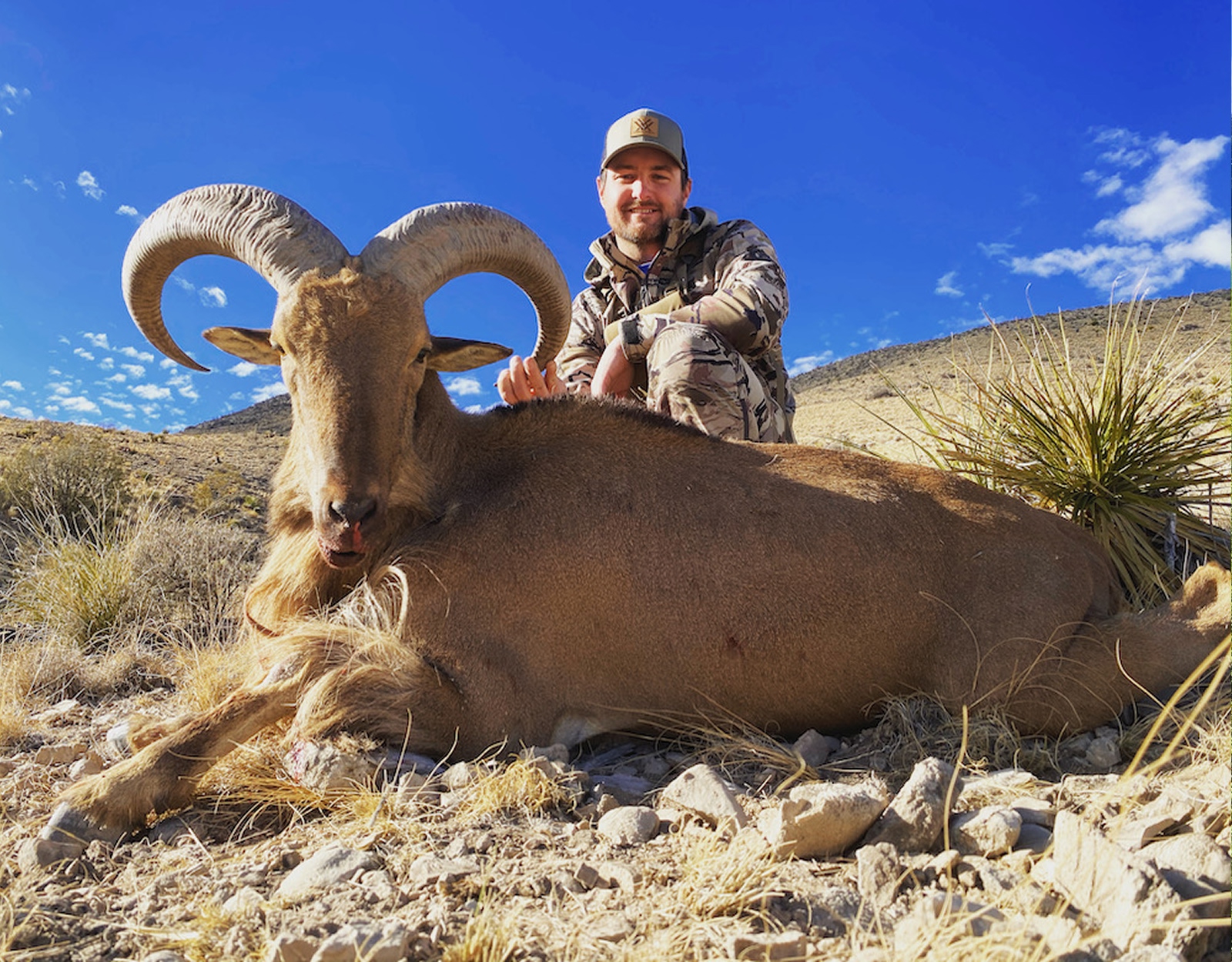
Aoudad hunting is rugged, physical, and though any good hunting opportunities in New Mexico are based on a draw and very difficult to obtain, there are some OTC tags available that don’t depend on a draw. The catch, however, is that these OTC tags rarely produce a ram, but for anyone who wants to try their luck, work up a sweat, and extend their season, the opportunity to get after them is there.
New Mexico calls them Barbary sheep and its OTC license is good for the full license year in most of the state. It covers either sex (though, again, rams will be tough to find), and because it sells over the counter, you can plan a hunt without waiting on a draw. However, a rare draw tag is an option too.
If you’re weighing whether to put in for a draw or buy an OTC tag, consider this: Southeastern New Mexico holds most of the sheep, but that country is closed to OTC licenses. The state says Game Management Units (GMUs) 29 and 30 have some of the highest success rates, but public land in those units is draw-only, and the draw hunts run into late winter. Private land works differently. A private land license sells OTC, but it’s valid only on deeded land with written permission and only on the dates of the matching draw hunt.
GMU 34 is the unit hunters ask about a lot. The state says it opened to OTC license holders in the 2023-24 license year, so check the current rules. Protected bighorn sheep live there, too, so learn to tell the two species apart before you shoot.
Expect hard country when getting after aoudad. Aoudad habitat is steep, rough, rocky ground with plenty of spiny cactus, and glassing is essential for success.
Texas is another popular state for aoudad hunting, and its rules are simpler. On private property, Texas sets no closed season and no bag limit for aoudad. Non-residents can buy a short-term special license that covers exotics, but access is the hurdle since most of the land is private, so better to plan on buying an outfitted hunt and pay to play. The state also runs drawn hunts for aoudad at Palo Duro Canyon State Park, which it calls extremely physically demanding.
Predator Hunting
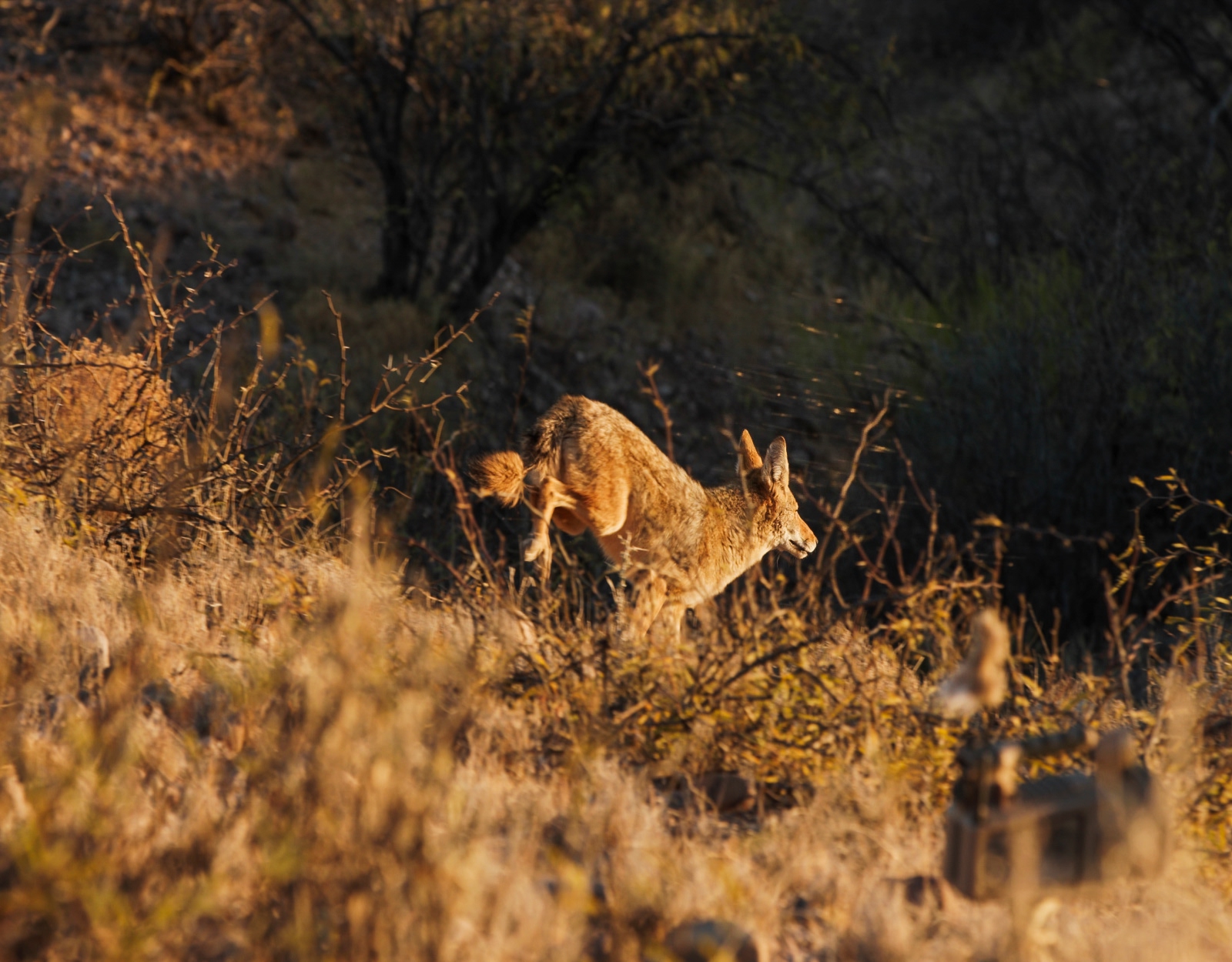
Predator hunting suits the late-season hunter. Seasons run long, and several states sell licenses OTC or don’t require one at all. Every state manages predators differently, so use the links below to find each agency’s current rules, and confirm the details before you go.
Coyotes
Coyotes are the easiest place to start in the world of predator hunting. The seasons are long, the licensing is simple, they live in every state except Hawaii, hunting seasons for them occur in 44 states year-round, and you can build calling and scouting skills before you try a lion or a wolf.
Wyoming shows how simple it can get. The Wyoming Game and Fish Department requires no license or stamp, sets no bag limit, and forbids only shooting from a public road. Kansas, Oklahoma, and Texas have no closed season for coyotes and ask only for a hunting license. Texas sets no bag limit on private land.
Mountain Lions
Many western states hold mountain lion seasons, and each manages its seasons and tags differently. Utah, Idaho, and Colorado are good places to start.
In Utah, the Division of Wildlife Resources lets residents and non-residents hunt cougar year-round with a hunting or combination license, with no separate permit and no annual limit. You must take the hide and the skull to a division office within 48 hours.
Idaho Fish and Game runs a general lion season year-round, with restrictions on using dogs in some windows. Colorado Parks and Wildlife sells its lion license OTC, with a season that runs from late November into March. Colorado hunters must pass an exam first and check the state’s harvest limit report the evening before each hunt.
A license doesn’t tree a lion, however, so many hunters run hounds or hire a houndsman, which adds planning. Check-in rules might apply too, since most states require you to report or present a lion quickly after the kill.
Wolves
Wolf hunting seasons exist in only a few states: Alaska, Idaho, Montana, and Wyoming. Wolf rules change often, so confirm current regulations with the agency before you go.
Montana Fish, Wildlife & Parks runs a general wolf season from September into March, and non-residents can buy a wolf license OTC. Regional quotas can close the season on short notice, so check the state’s quota line before each trip, and expect to call in a harvest within 24 hours.
In most parts of Wyoming, the Wyoming Game and Fish Department classifies wolves as predatory animals, so you can take them without a license, with no closed season, but you must report the harvest within 10 days. In select areas, the Wyoming Game and Fish Department classifies wolves as trophy game animals; tags for these areas are tightly limited, so hunting wolves in areas of Wyoming where they’re designated as a predatory animal is the realistic option for most non-residents.
Idaho Fish and Game and the Alaska Department of Fish and Game also publish wolf seasons.
December and January Muzzleloader Deer Seasons
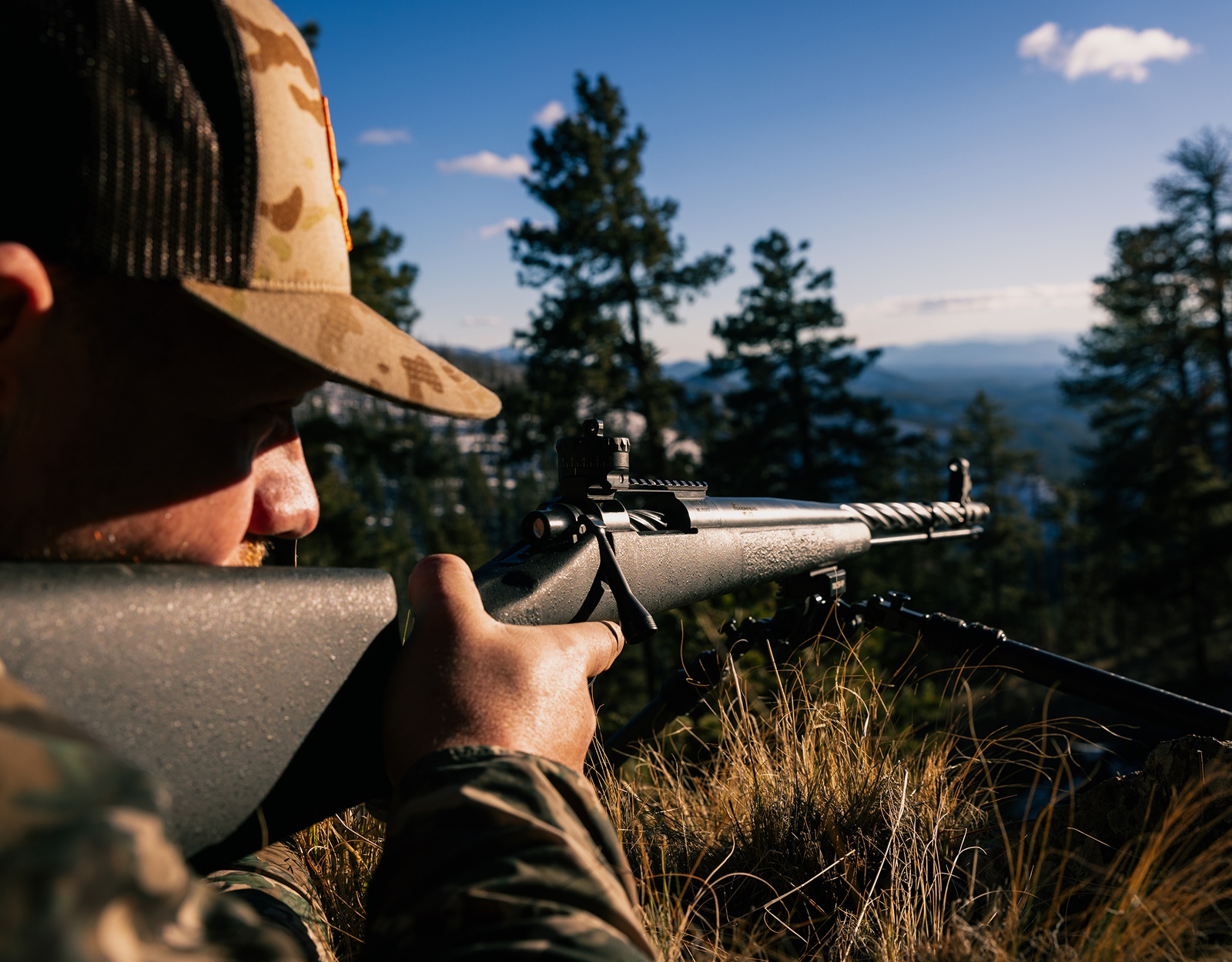
A muzzleloader stretches your calendar in almost every region east of the Rockies. Many of these seasons open after rifle seasons close, which can mean quieter woods and a reason to travel for a second look at a state. Here’s where muzzleloader deer season opens in December and January. This isn’t every state. It’s a sample of states where a visiting hunter can generally buy a license without entering a draw.
Mid-Atlantic
Pennsylvania’s flintlock season runs statewide from the day after Christmas into late January. It’s open for antlered or antlerless deer, and it’s the only Pennsylvania season where an unused antlered tag can fill an antlerless deer. Hunters need a muzzleloader license on top of a general license.
West Virginia offers two chances. The muzzleloader season first runs in mid-December, and the Mountaineer Heritage Season returns in mid-January for deer, bear, and turkey. The January hunt is primitive weapons only, and the state says modern muzzleloaders with a scope aren’t allowed.
Maryland’s late muzzleloader season runs from just before Christmas into early January, and a few Primitive Deer Hunt Days follow in early February. Hunters need a muzzleloader stamp in addition to a license.
Midwest
Ohio’s muzzleloader season is a short one in early January. Missouri’s firearms Alternative Methods Portion runs between Christmas and early January, and it allows muzzleloaders alongside bows, crossbows, handguns, and air-powered guns.
South
Mississippi runs a primitive weapon season in early December, then reopens in late January for archery and primitive weapons, either-sex on private land. Texas holds a muzzleloader-only season in mid-January in about a third of its counties, so check the county list first.
Rules for what counts as a legal muzzleloader differ by state and season, and scopes, powder, and ignition systems are the usual sticking points. Some states also sell licenses by calendar year, so confirm which year’s license a January hunt requires. Our muzzleloader hunting guide is a good companion before you pick a state.
Cow Elk Shoulder Seasons
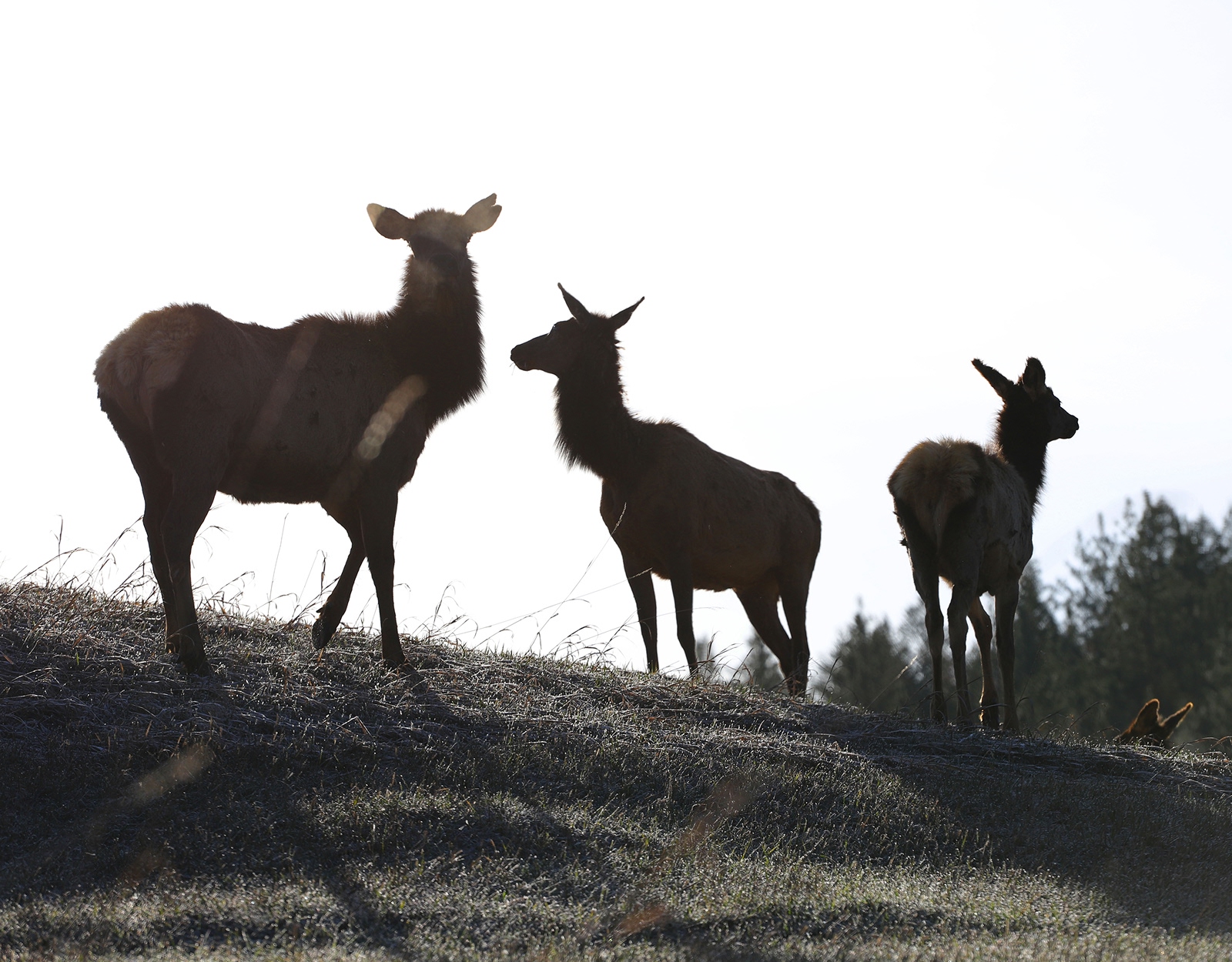
A shoulder season is typically an elk hunt outside the general archery and rifle windows. Most are antlerless, and wildlife agencies use them to manage herd sizes. For you, that means a cow tag and a hunt that starts well after most elk seasons end.
Montana says the primary purpose of its shoulder seasons is to reduce elk numbers in areas where elk numbers exceed population objectives, so a cow tag fills the freezer and helps the agency, too.
And, Montana is a great place to start. The state runs shoulder seasons that stretch from late summer into mid-February, with dates that vary by hunting district. Non-residents can’t buy a general elk license OTC, but in some districts they can buy an antlerless license called an Elk B.
Many of those licenses carry a late antlerless season that opens around the start of December and runs into mid-February. Read each district’s listing before you buy, because the details decide where you can hunt. Hunters can typically use their general season elk license, antlerless elk permit, or an elk B license, depending on the hunting district. Hunters need to check the regulations for each district.
In many districts, the late hunt isn’t valid on National Forest lands, and early hunts are often private land only. A few Elk B licenses are limited drawings, not OTC, so check which kind you’re buying.
The district listings label these seasons early and late rather than shoulder, so search the regulations for those words. Confirm with a regional office that the license you want is still on sale before you plan around it.
Colorado handles late cow hunts through limited licenses, with hunt codes that mark them as late seasons. Because those licenses are limited, leftover and reissued sales are the route. Colorado also sells an OTC either-sex elk license for the eastern plains that runs into winter, but most of that land is private. Don’t confuse these with Colorado’s fourth rifle season, which ends in November.
Before you buy, ask three questions. Is the license OTC or a draw? Does it cover public land? When does the late season open and close in your district?
For more on finding elk tags that are still available, see our guides to the best states for elk hunting and what to do when you don’t draw a tag.
Plan Your Own Off-Season Hunt
Start with what you can likely buy on short notice: a Utah lion hunt, a Wyoming coyote hunt that needs no license, a New Mexico aoudad hunt, or a Montana Elk B if the state still has them available for sale. Then mark the spring and summer draws you’ll want. Pick one species, one state, and one weekend, then add a second tag if the trip allows.
FAQs
Arizona’s late Coues rifle hunts typically run from late November through December in the southeastern units. They’re draw hunts, so you apply months ahead. OTC archery tags cover stretches in December and January, but non-resident tags are capped and sell out quickly.
In most units, yes. New Mexico sells an OTC Barbary sheep license that’s good for the full license year outside the draw areas in the southeast. In those areas, public land is draw-only, and private land licenses follow the draw hunt dates.
A shoulder season is an elk hunt outside the general archery and rifle windows, usually antlerless only. States such as Montana use them to manage herd size in specific hunting districts, and the dates vary by district.
Several states have muzzleloader seasons, including Pennsylvania, West Virginia, Maryland, Mississippi, and Missouri. Many muzzleloader deer seasons start in December and continue into January. Ohio’s season is in early January, and Texas runs a muzzleloader-only season in mid-January in select counties.
New Mexico’s aoudad license, Montana’s Elk B in some districts, Idaho and Colorado lion licenses, and Montana wolf licenses sell over the counter. Utah’s cougar hunting needs only a hunting license, and Wyoming coyotes need no license. Arizona’s archery deer tag is over the counter, but non-resident tags are capped.
For most of them, yes. Non-residents can buy OTC licenses for New Mexico aoudad, Montana Elk B, and the predator hunts in this guide. The Coues rifle hunts are draws, and Arizona’s non-resident archery tags are capped.
Yes. The over-the-counter license can be used on public land in units outside the draw areas. Private land licenses are valid only on deeded land with written permission.