Some tags are special. Others are once-in-a-lifetime.
In Colorado, a mountain goat tag falls squarely into the latter category. Many hunters will never draw one. Some may draw it once, if they’re lucky. After nine years of building points—a relatively short wait for a hunt of this caliber—I found myself holding one of the rarest tags in the state. From that moment on, I knew this hunt would demand more preparation than anything I’d ever done before.
When the opportunity only comes once, you don’t leave anything to chance.
It Starts With Research
Long before boots hit dirt, this hunt began behind a screen.
Using onX Hunt’s Hunt Research Tools, I started narrowing down potential units months in advance, looking for a balance of realistic draw odds, strong harvest success, and something just as important: proximity to home. If I ever drew this tag, I wanted to be able to scout it thoroughly.
Hunt Research Tools made that process possible. Unit profiles gave me insight into historical success rates, public land percentages, tag quotas, applicant numbers, and draw odds year over year. Instead of guessing, I could make informed decisions based on real data. When I finally saw the successful draw notification, I already knew exactly what I was getting into, and that preparation paid off immediately.
From there, the research intensified. I called Colorado Parks and Wildlife biologists, read herd health reports, attended a state-hosted sheep and goat tag holder meetup, and, thanks to Huntin’ Fool’s past tag holder list, I was able to speak directly with hunters who had held my exact tag in recent years. That insight alone was invaluable. Knowing where to even start in goat country can shave weeks off a learning curve that most hunters never get the chance to climb.
Knowing the Animal Before Hunting the Animal
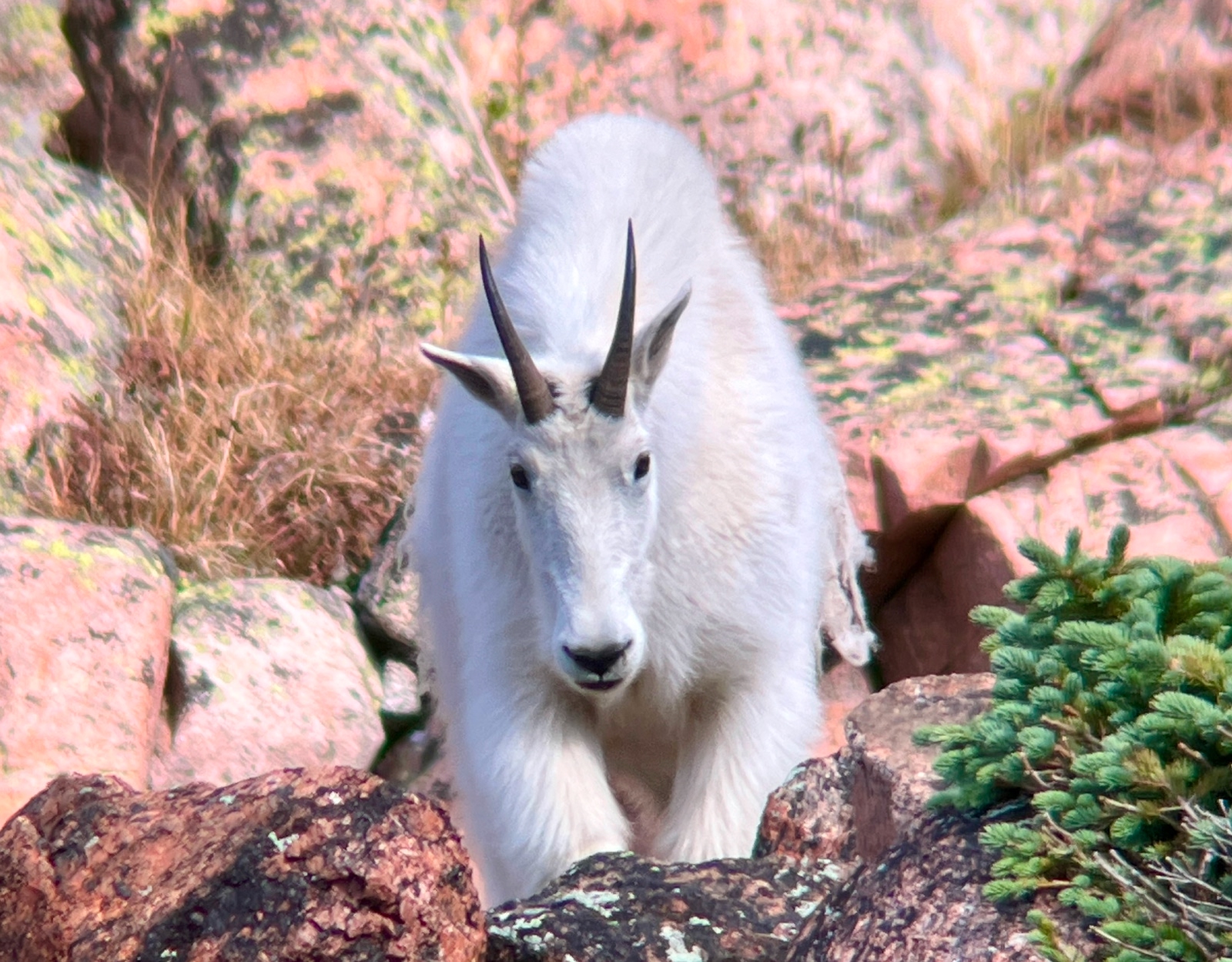
Goat hunting isn’t just about finding white dots on gray rock. It’s about understanding how these animals live.
Where they feed.
Where they bed.
How they move through drainages.
The difference between nannies and billies.
What’s legal, and what absolutely isn’t.
With a tag this rare, preparation isn’t optional. It’s the hunt.
I spent months shooting, including a three-day weekend stretching my rifle out to 1,800 yards just to build confidence behind the glass. I wanted zero questions when the moment came. By late summer, it was time to scout, something I rarely do for deer or elk, but this tag demanded it.
With a tag this rare, preparation isn’t optional. It’s the hunt.
Scouting the High Country With onX Hunt
August meant snow melt, long days, and access to the steepest, most unforgiving terrain in the unit.
Using onX Hunt, I planned three weekend scouting trips deep into the high country. The App made it easy to locate trailheads, navigate wilderness boundaries, and mark access points. On web, the 3D mapping and terrain tools were game-changers, allowing me to visually identify steep scree fields, cliff bands, and dangerous or impassable terrain before I ever set foot on it.
That ability to e-scout efficiently is what makes onX so powerful. Whether you’re chasing elk in timber or goats on vertical rock, finding habitat becomes intuitive.
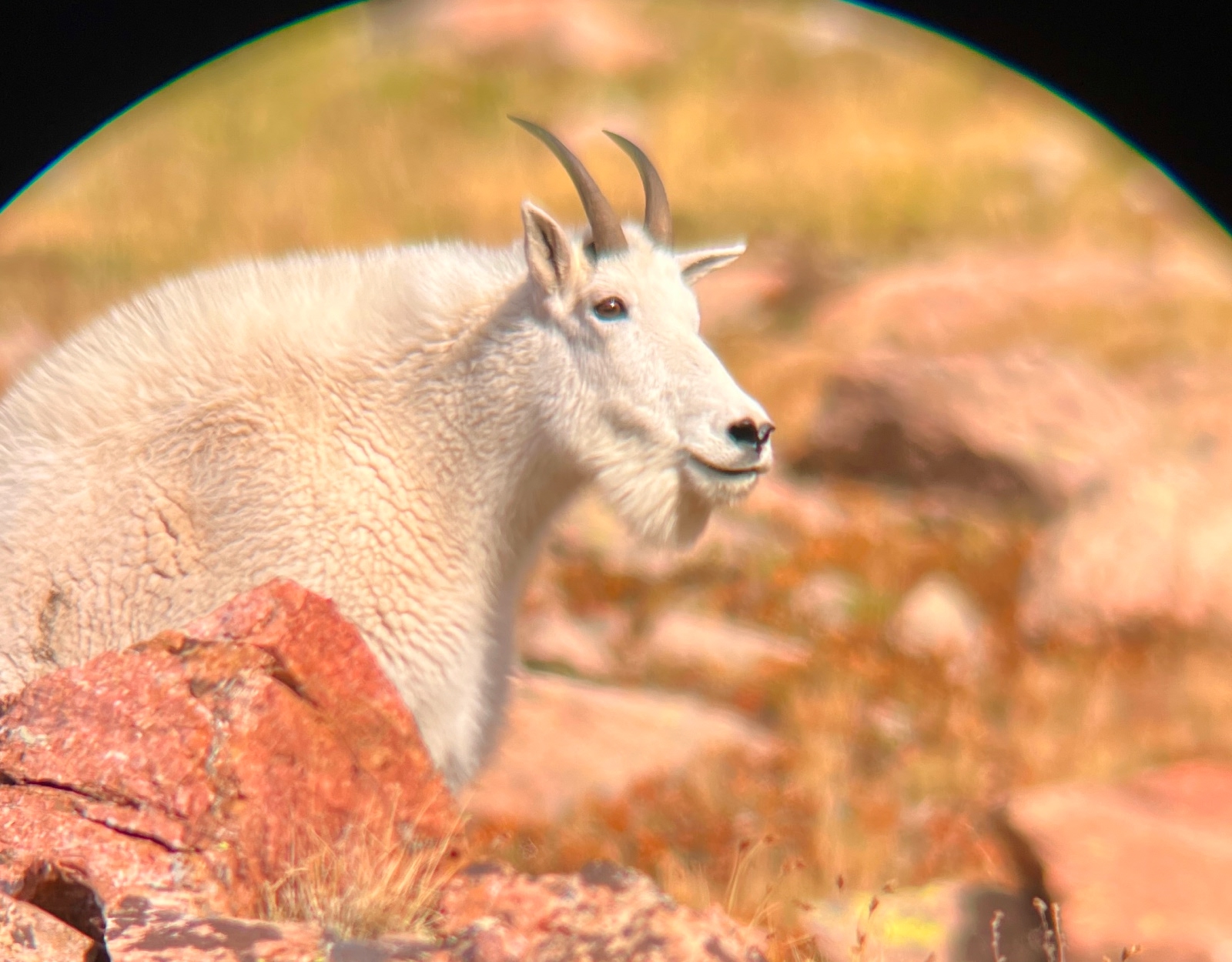
Over three trips, I explored four to five drainages, spotted numerous goats, and learned how quickly your eyes adapt once you start focusing on a new species. On one trip, a mature billy closed the distance from 400 yards to less than six feet, standing there as I froze, letting curiosity run its course. Moments like that don’t happen without time spent in the mountains.
By the end of August, I’d narrowed my hunt to a single drainage, accessed by a trailhead that prohibited horses. In a wilderness unit already limited to foot or horseback travel, that extra restriction gave me confidence I’d see less pressure and fewer hunters.
On one scouting trip, a mature billy closed the distance from 400 yards to less than six feet, standing there as I froze.
Going All In
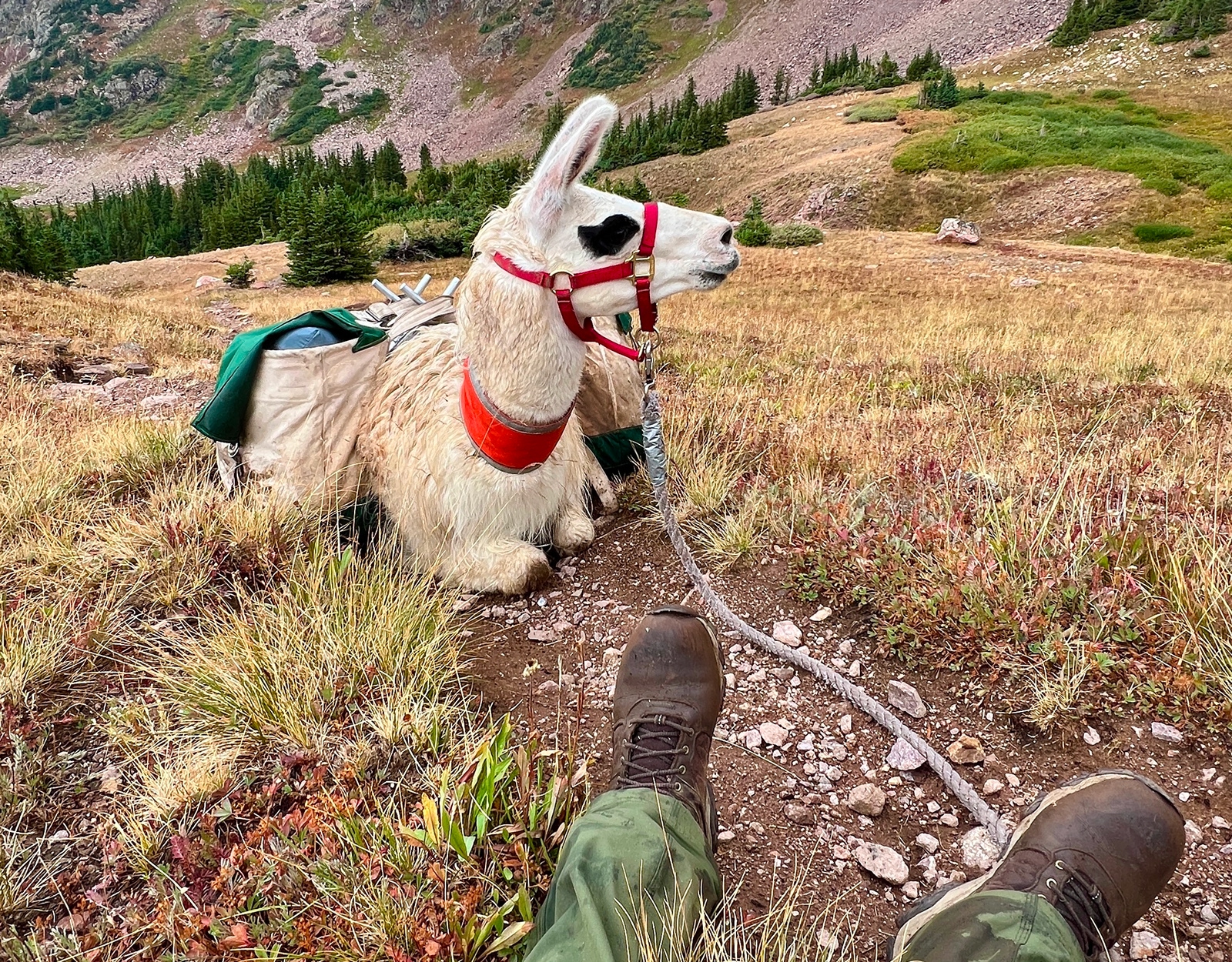
Although horses weren’t allowed, llamas were.
So four days before the opener, Ithaca the llama and I headed into the wilderness under pouring rain. A llama is a cheat code in the mountains, capable of carrying 60–80 pounds, needing little feed, and navigating terrain horses simply can’t.
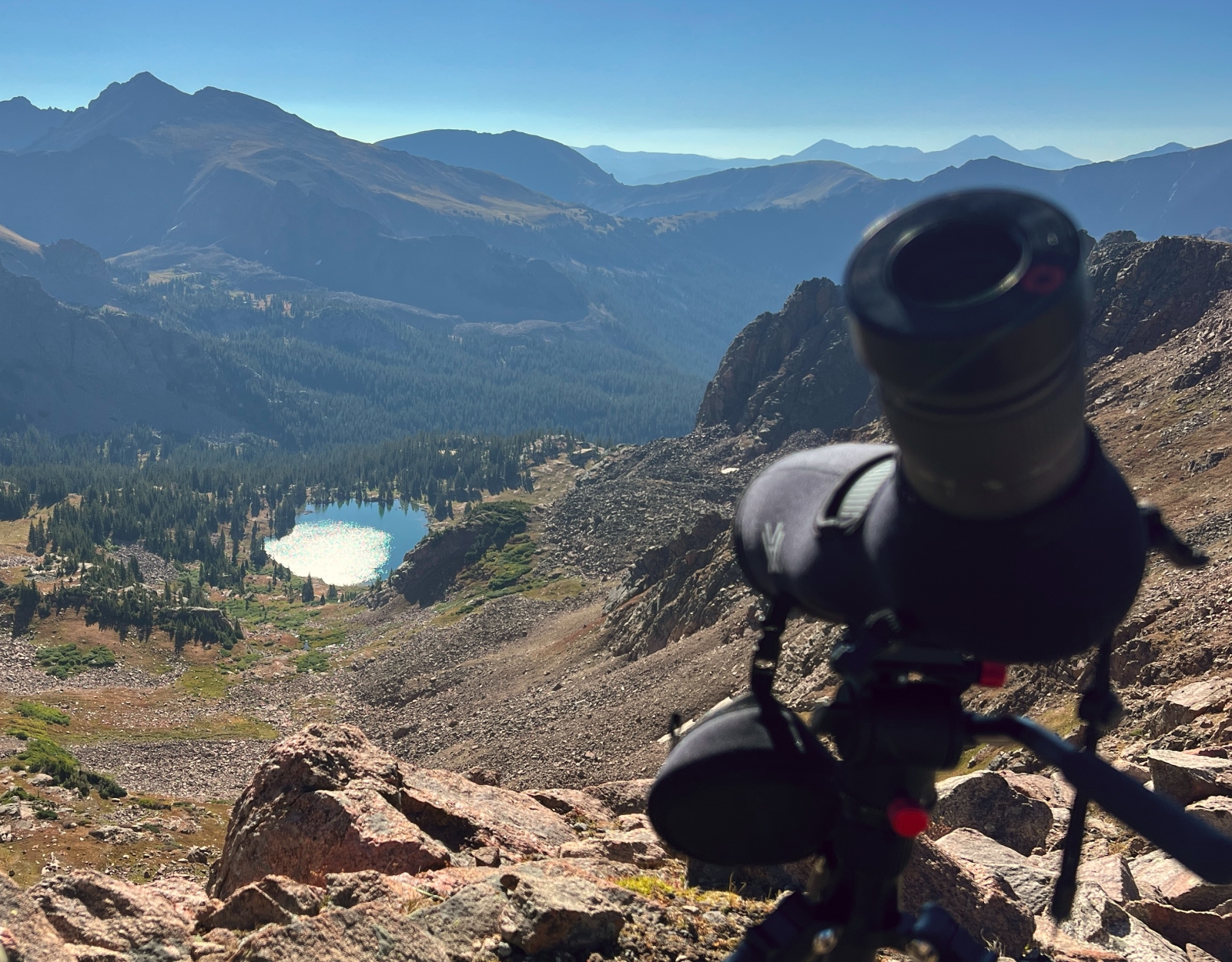
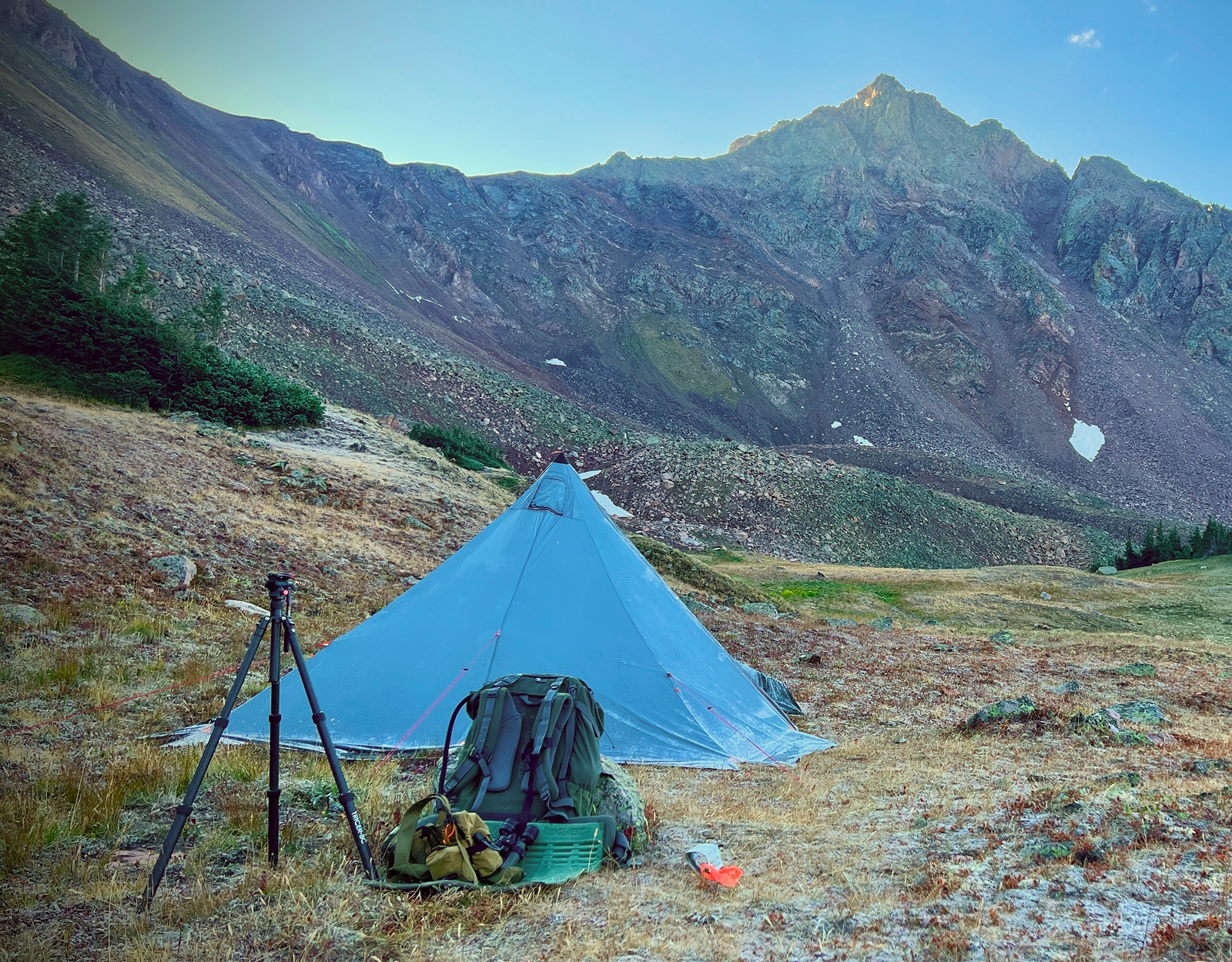
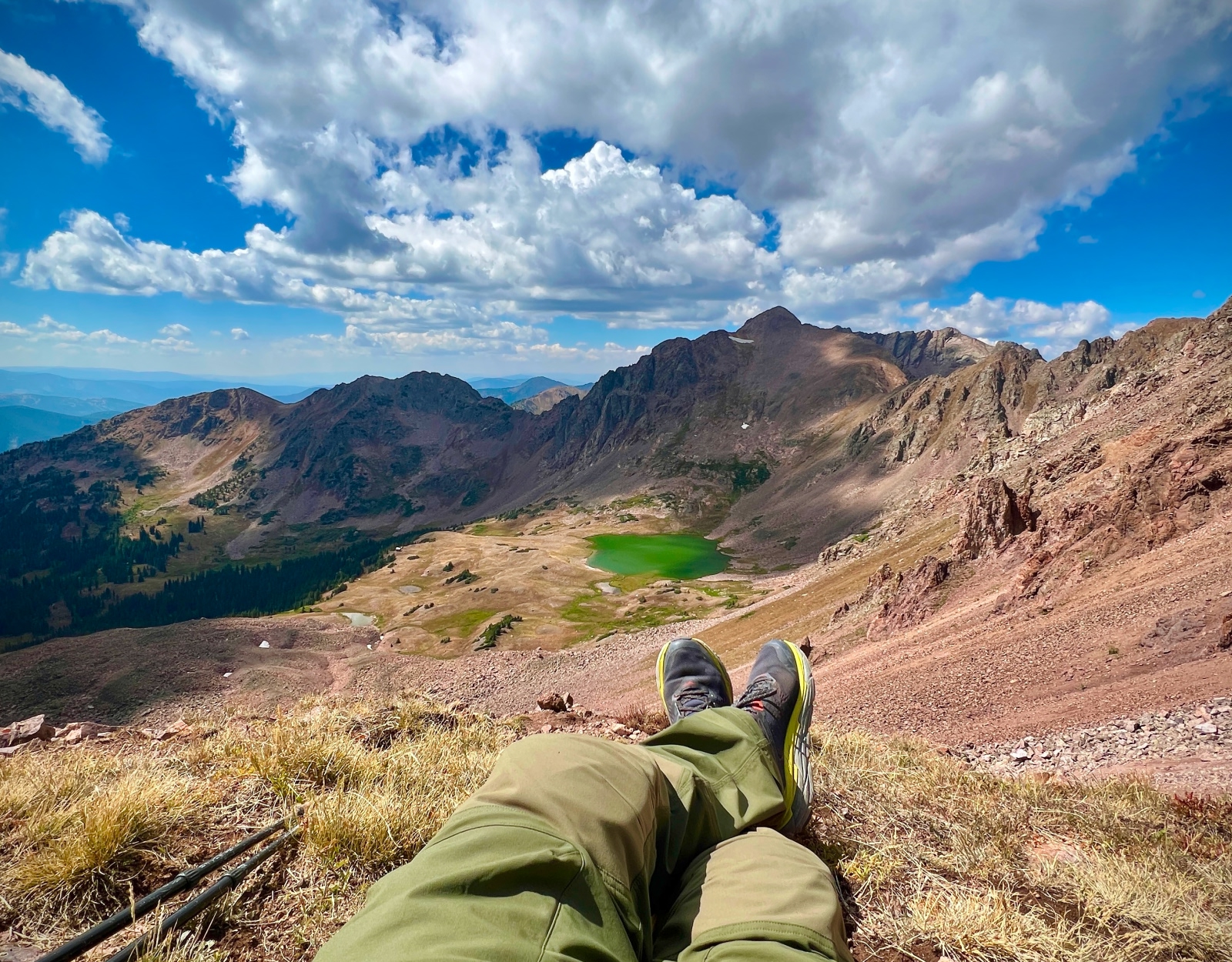
We set camp above 12,000 feet near a high alpine lake. That first night, August reminded me it’s always winter at elevation. Snow, lightning, and thunder battered the tent while I waited it out above treeline.
The next morning brought fresh snow and blue skies. Over the following days, I covered 10–12 miles daily, hopping across scree fields and ridgelines, glassing basin after basin. By the time the season approached, I’d spotted 16 goats, but not a single billy. Stress crept in.
The afternoon before opening day, another hunter appeared in my drainage. My heart sank. I’d hoped to be the only hunter in this area, so if there was a single billy, it would be mine for the taking. This changed my approach immediately.
This was an either-sex tag. While I hoped for a billy, I was okay with taking an older nanny without kids if that’s how it played out. Time was the real constraint. I’d already spent over a week in the mountains across four different trips, my wife was wondering when this hunt would end, and real life—well, really my job—was calling.
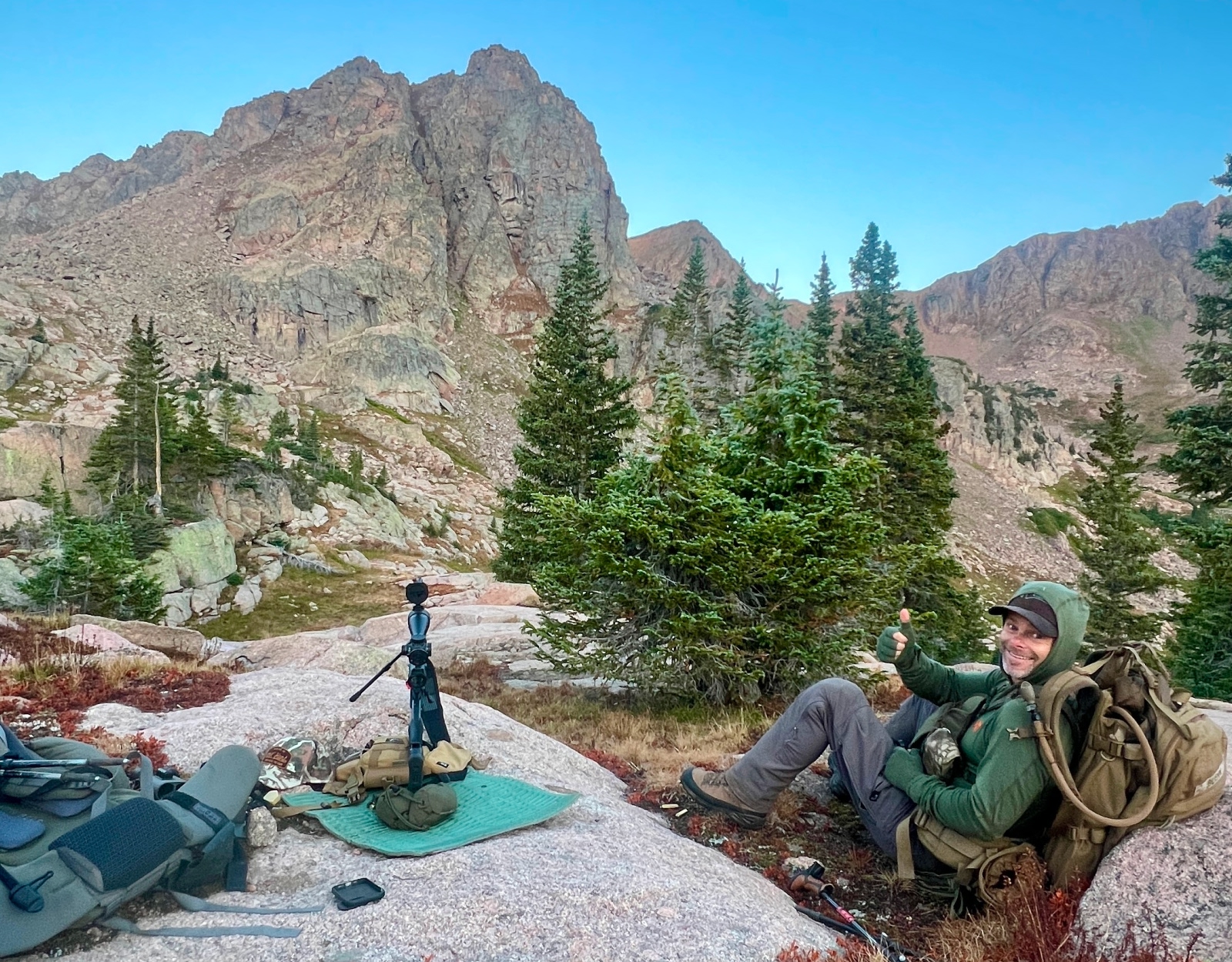
That evening, to my surprise, my buddy Sean arrived over the distant horizon. I was miles deep in a fairly unknown location and wasn’t sure if he’d actually make it. All he had was a vague Waypoint sent days ago marking where I originally planned on camping. I could have moved and been three drainages away, but as any true hunting partner would, he found me. At 12,000 feet, over a freeze-dried lasagna, we made a new plan—one Sean encouraged that ignored the pressure of another hunter and took my aggressive hunting style into account.
At 12,000 feet, over a freeze-dried lasagna, we made a new plan.
Opening Morning
A 3:30 a.m. alarm came quickly.
We climbed for hours in the dark, over a 13,000-foot ridge and down into a basin where I’d left goats the day before. At first light, Sean spotted a lone goat high on a cliff band. It was isolated, in classic billy terrain. It felt right. It felt like the billy I was wanting, all alone, in a remote area most others wouldn’t dare.
As we approached, we ran into another hunter. Again my heart sank. I knew there were over 20 tags in this unit, but I hadn’t run into another hunter during any of my scouting trips, so seeing two other parties now had its effect. We approached them to feel out their plan; they were quick to tell us that the goat up on the cliffs was “unkillable.”
We disagreed.
With their blessing, we closed the distance. At 385 yards, I settled in, ran my dope, and sent a 7 PRC round through the goat’s high shoulders. When the goat didn’t immediately fall, I anchored it with a second shot to ensure it wouldn’t tumble off the cliff.
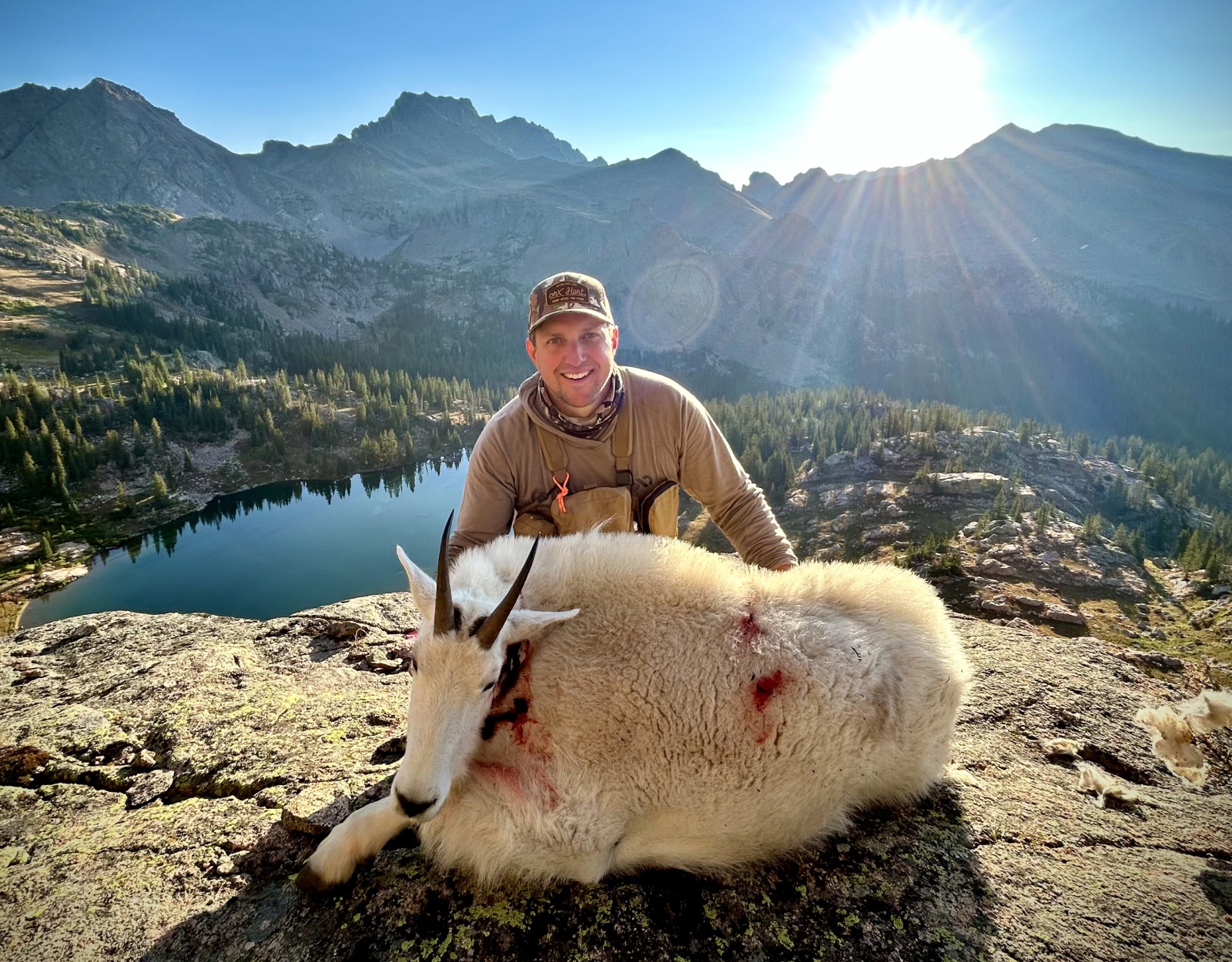
The climb to the ledge was slow and deliberate, hands and feet on rock the entire way, a nagging desire for the ropes I had left in the truck back at the trailhead. When we reached the goat, it wasn’t a billy. It was an old, heavy, eight-plus-inch nanny with no kids in sight. Her four hooves dangled precariously off the edge of the bench.
At 6:30 a.m. on opening morning, the hunt was over.
A Hunt Earned Long Before the Shot
Standing there on that narrow ledge, deep in the wilderness, I realized something important:
This hunt wasn’t won that morning.
It was won over nine years of planning.
Through multiple days of scouting.
Through tired legs and beat-up boots.
Through endless research.
Through uncomfortable phone calls to people I didn’t know.
Through tireless preparation.
And, ultimately, through camaraderie with a long-time friend.
Tools like onX Hunt, Hunt Research Tools, and resources like Huntin’ Fool don’t replace effort, but they make the most of it. They help turn dreams into plans, and plans into success.
For most of us, a mountain goat tag will only come once.
When it does, preparation is everything.
Ready to start building toward your own dream hunt? Get onX Hunt Elite for full access to all the application tools you need to put yourself where you want to go on the map. You’ll get draw odds with Hunt Research Tools, expert insights from Huntin’ Fool, and deadline alerts from HuntReminder.