A lot of hunters have a fall food plot; fewer have a strategy behind it. If you know when you want to hunt, you can work backward from that window to plant the right forage at the right time. Here, we break down which forages suit each hunting window, when to plant them by region, and why splitting your planting into two phases can stretch your attraction window and reduce your risk.
First, Nail the Food Plot Basics
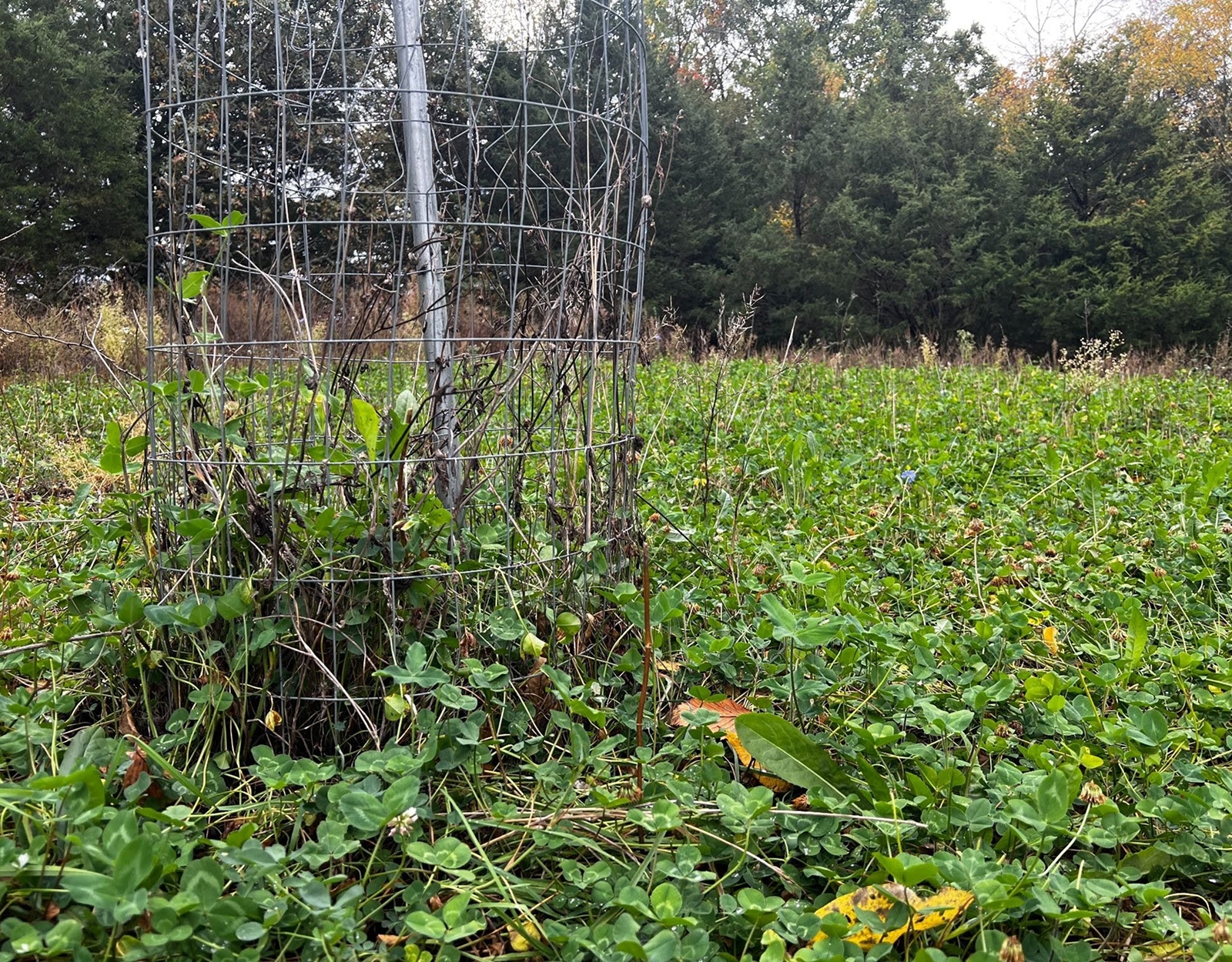
This article covers fall food plot strategy and assumes you’ve got the basics covered: quality growing conditions from proper germination, adequate rainfall, no over-browsed forages, and proper soil amendments. Missing these foundational aspects is where most fall food plots fail. So, before you go deep into strategy, make sure you:
- Take a soil sample (at least) about one month ahead of planting.
- Apply amendments as directed per the soil sample. Do not skip this step.
- Plant ahead of incoming soil moisture (0.5″+ or more precipitation). If drilling, you can plant after rain as well.
- Place a utilization cage in each plot to determine browse pressure by deer.
- Place trail cameras on the most active scrape in each plot with the food plot in the background.
For more info on the basics, read the Food Plots for Beginners guide.
What To Plant Based on When You Hunt
With the basics covered, let’s assume we have ideal growing conditions to establish a fall food plot. The following sections break down by hunt window, helping you match the right options to when you want to hunt. You should be planting based on when you want to kill a deer.
Early Season Fall Plot Options: September to mid-October
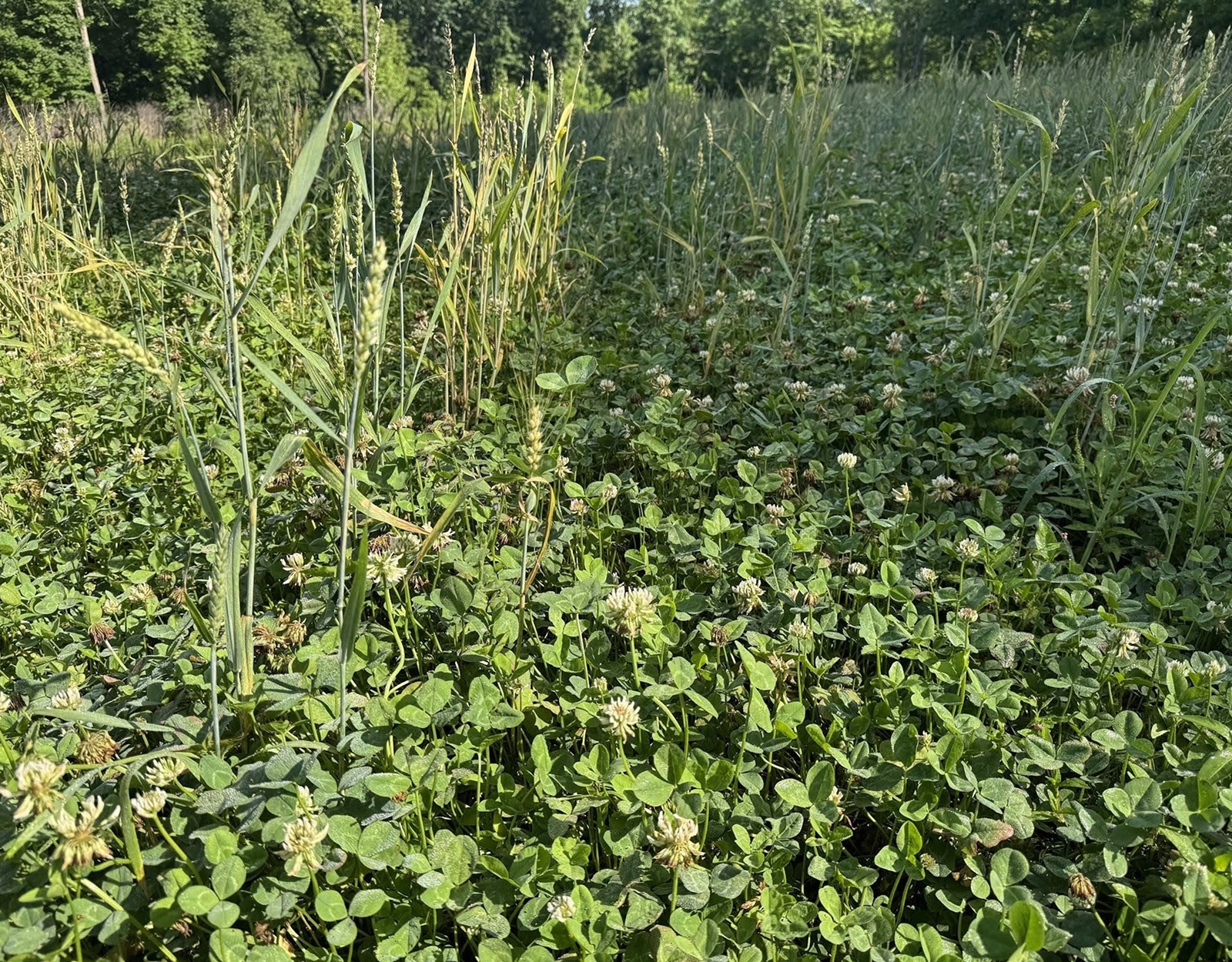
- (1) Perennial clover
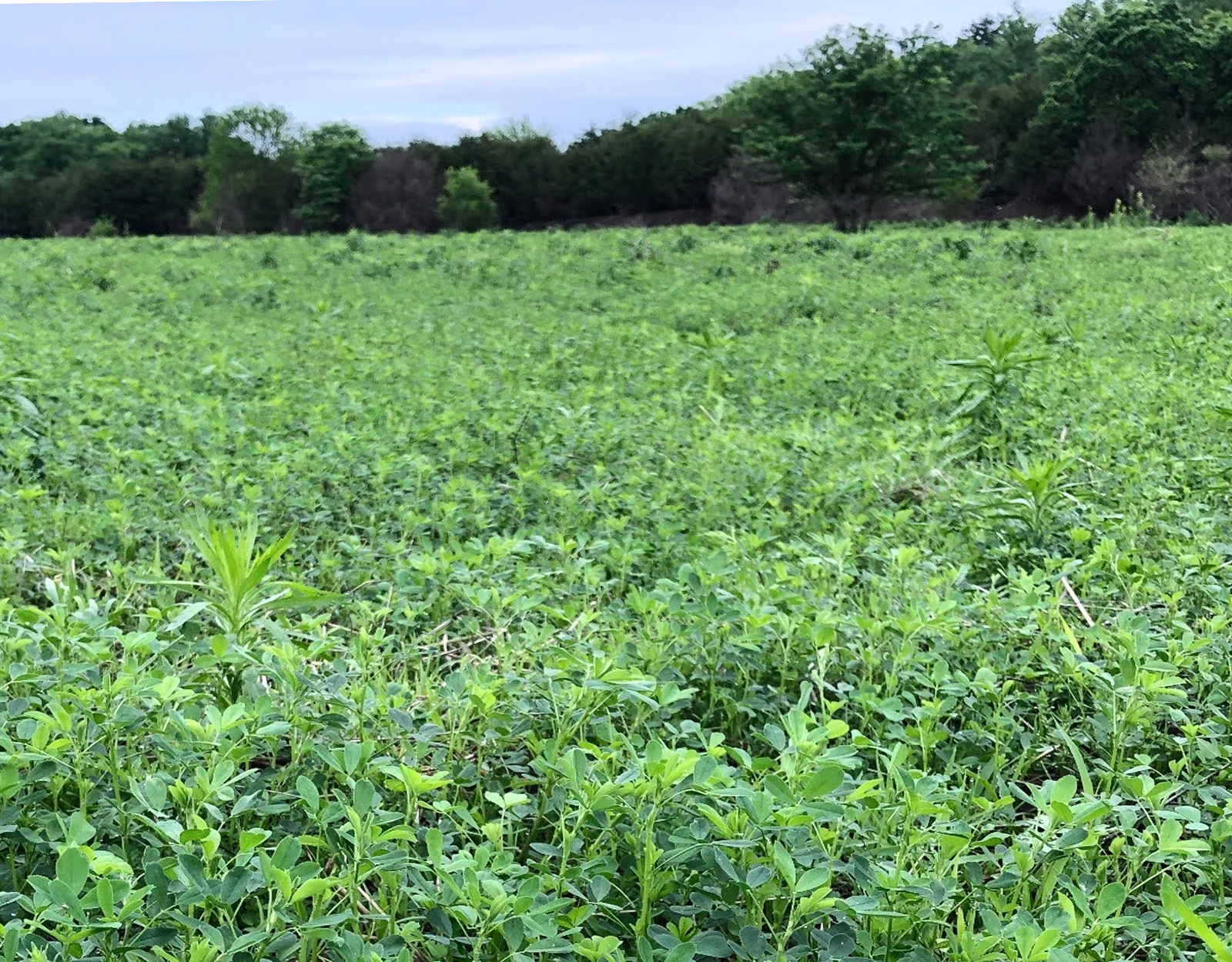
- (2) Alfalfa
- (3) Brassica Blend
These are your consistent, high-quality forage sources when deer are still on a predictable feeding pattern.
Mid-Season Fall Food Plot Options: Late October to Late November
- (4) Fall Annual Blend – Wheat, Radishes, Winter Pea, Annual clovers
- (1) Perennial Clover
- (3) Brassica Blend
- (5) Annual Clover Blend
This is when diversity matters. Deer are shifting patterns, and having multiple attractive options keeps your property relevant.
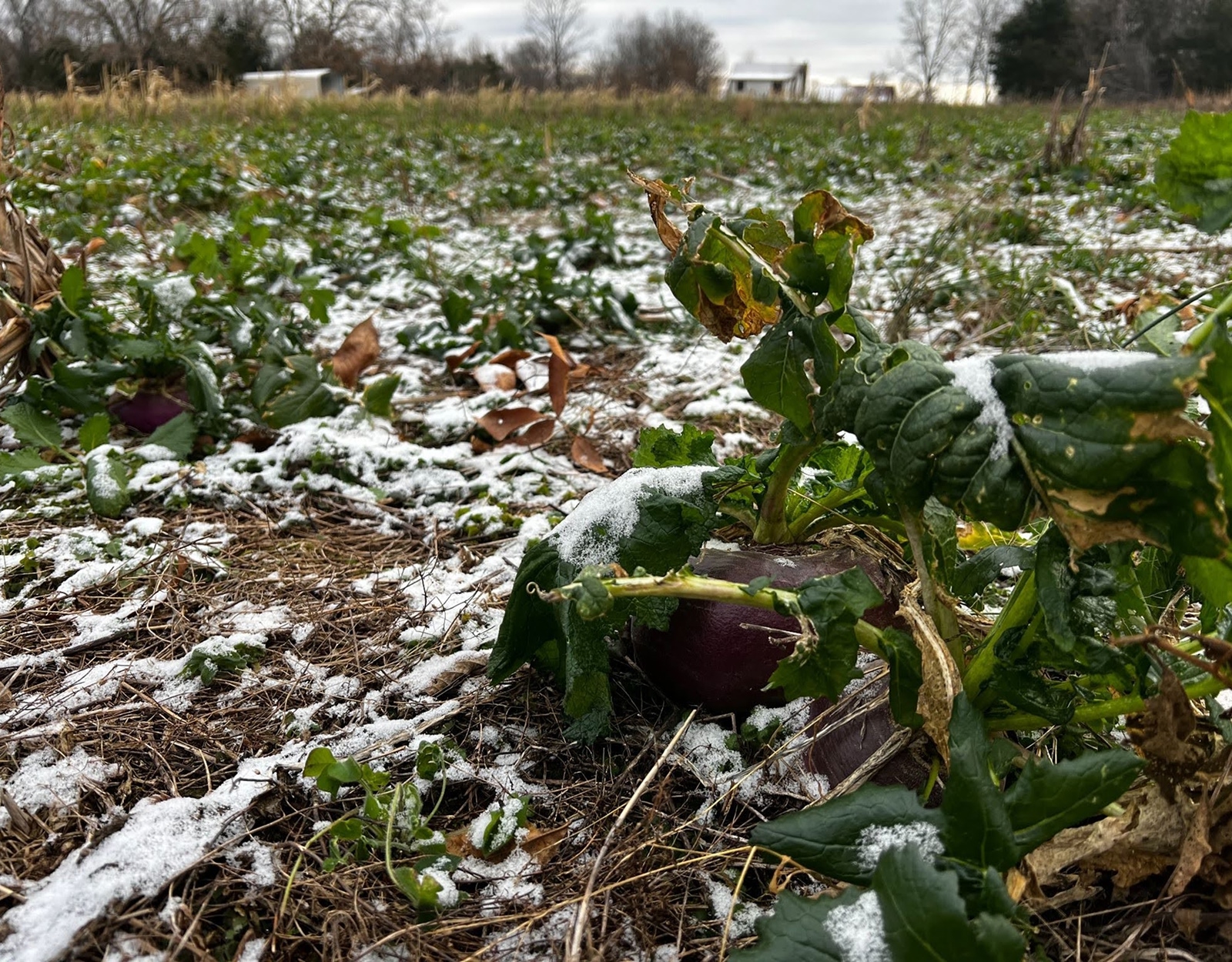
Late Season Fall Food Plot Options: December to January
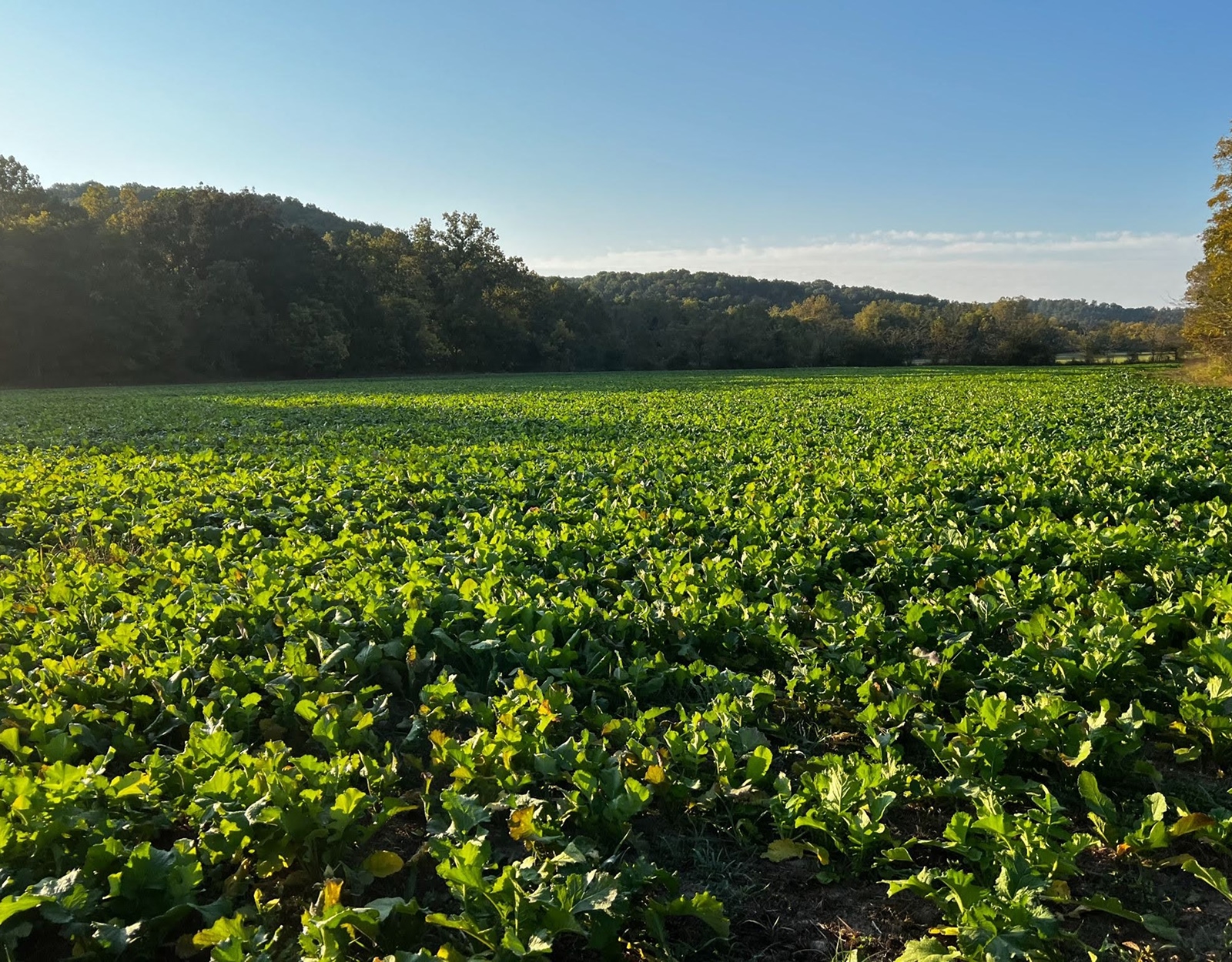
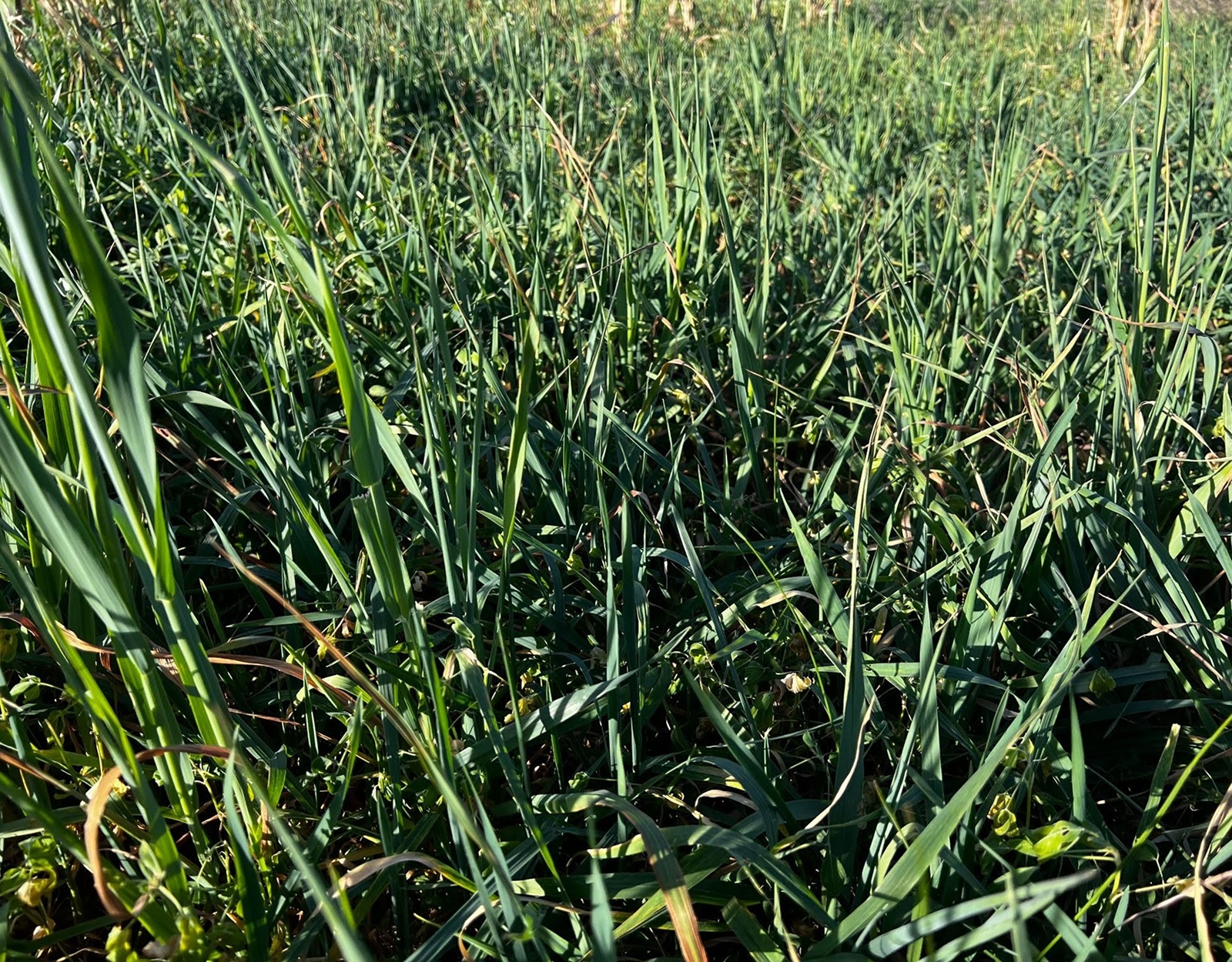
- (6) Wheat/Rye/Triticale
- (3) Brassica Blend (if tubers developed)
Late season is about energy. If you don’t have something still standing and available, deer will leave (or find alternative options in the timber, such as red oak acorns).
Fall Food Plot Planting Calendar
| Forage Variety | Plant Date: North | Plant Date: Central-Latitude | Plant Date: South | Peak Fall Attraction |
|---|---|---|---|---|
| (1) Perennial clover | Aug 1-20 | Aug 15-Sept 15 | Sept 15-Oct 15 | Early – Mid |
| (2) Alfalfa | Aug 1-20 | Aug 15-Sept 15 | Sept 15-Oct 15 | Early |
| (3) Brassica Blend (Phase 1) | July 15-Aug 1 | July 25-Aug 10 | Aug 20-Sept 10 | Early – Mid |
| (4) Fall Annual Blend | Aug 1-15 | Sep 1-15 | Sept 20-Oct 15 | Early – Mid |
| (5) Annual Clover Blend | Aug 1-15 | Sep 1-15 | Sept 20-Oct 15 | Mid |
| (6) Wheat/Rye/Triticale (Phase 2) | Aug 15-Sept 15 | Sept 1-Oct 1 | Sept 25-Nov 1 | Mid – Late |
Planting date is always relative to the crop and system. The chart outlined above points you to a specific window, but the range across varieties is wide enough that you can establish something attractive almost any time.
Planting Dates: The 45-60 Day Rule
Planting dates vary across the board for each region and plant type. As a commonly accepted timeframe, 45-60 days before your region’s average first frost date is a safe planting window. This gives plants enough time to develop and produce quality forage to attract deer. If you plant too late, many cool-season species will not have grown enough before soil temperatures limit their development. This also limits how much tonnage can be produced. However, if you are not planting a blend and decide to split a planting into multiple phases, such as brassicas (phase 1) and wheat/oats (phase 2), you’ll work with different planting dates to match each plant’s root system development capabilities.
The Case for Two Planting Phases vs. One
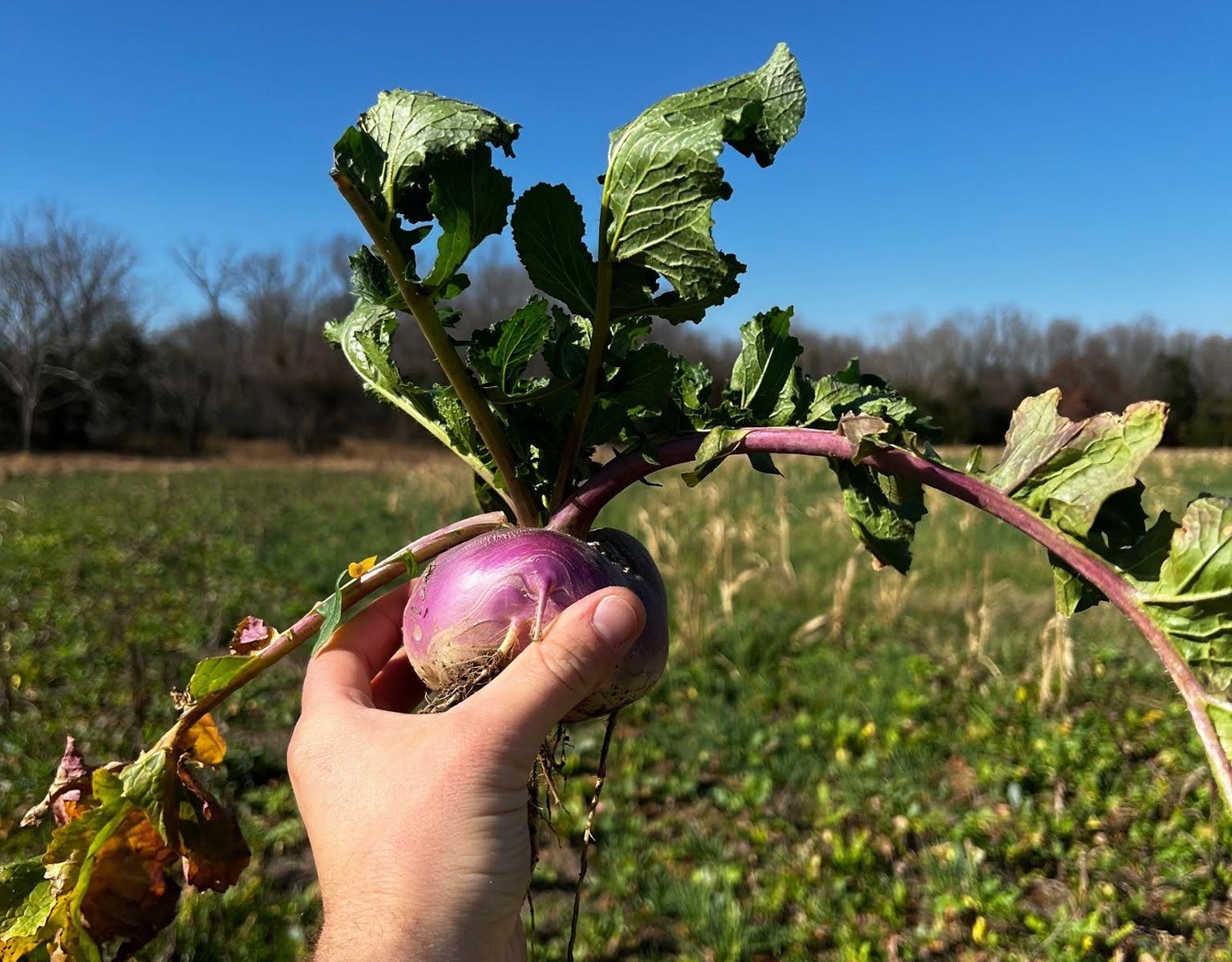
Brassicas (phase 1) develop a deep taproot system right after germination. This root system drills down deep to find water in preparation for potentially developing a root tuber, such as a turnip or radish, later in its maturity. Due to the plant’s lifecycle, brassicas can be planted in mid to late summer, giving them time to develop the large tubers most deer hunters like to see. The deep taproot also helps brassicas handle longer periods of drought or dry temperatures, making them a viable option to plant first and early, well before the suggested 45-60 day pre-frost window.
Small grains, such as wheat, oats, cereal rye, or triticale, don’t share the same root system as the brassicas, and often burn up in drought if they sprout and the rains stop. Therefore, small grains are phase 2 varieties, best planted within the standard 45-60 day window when rain is forecasted. You can plant them into the already seeded brassicas from phase 1 with great success. Small grains also grow in much cooler soil temperatures, as low as 37°F, which means you can plant these crops even after a frost. But, to get the most fall attraction, establish small grains in the standard window so rainfall can maximize forage production.
This staggered approach to planting gives you flexibility—and spreads your risk.
Fall Annual Planting vs. Perennial Plot
The food plot industry shifts back and forth like a pendulum. As of late, annual plantings are all the rage while perennial plots seem to have lost their luster. Inserting my bias, I hope this article helps sway the pendulum back toward the power and insurance of perennial food plots. The best way to establish a perennial plot is to plant it in late summer to fall, or a similar time to when you’d plant a fall annual blend, 45-60 days ahead of the first frost. Perennial plants, unlike annuals, prioritize root development first—making them slower to establish—and planting them late in the season reduces weed competition.
Once a perennial plot is established, assuming it’s been maintained, it’s more reliable during the early fall than establishing a fall annual plot. Late summer can be droughty, and a newly planted annual plot might need ¾ inch of rain to really get going. A healthy perennial? It can stay productive on a couple tenths—or even a heavy dew.
With rainfall being an important yet uncontrollable factor for food plotters, planting perennial plots helps ensure you have forage when rainfall is limited in your region during the early to mid-fall timeframe.
Key Takeaways
- Establish more perennial crops, such as white clover or alfalfa.
- Planting your fall plots in multiple phases vs. all at one time.
- Expand your fall planting windows beyond the commonly suggested 45-60 days before first frost.
FAQs
It depends on what you’re planting and when you want to hunt. The standard rule is 45-60 days before your region’s average first frost, which covers most cool-season blends and cereal grains. Brassicas are the exception: plant them in mid to late summer to give tubers time to develop. Use the planting calendar above to match timing to your target hunt window.
It depends on when you’re hunting. For early season, perennial clover, alfalfa, and brassicas are your most consistent options. Mid-season, a fall annual blend or brassica plot with developed tubers works well as deer shift patterns. Late season, small grains—wheat, rye, triticale—are your best bet. When in doubt, a two-phase approach (brassicas first, small grains second) covers the widest attraction window.
Brassicas need time to develop the root tubers that make them so attractive to deer. Plant them in mid to late summer, well before the standard 45-60 day pre-frost window. Their deep taproot handles drought better than cereal grains, so they can go in first without as much rain dependence. See the planting calendar for specific dates by region.
It depends on your region and what you’re planting. Small grains like wheat, rye, and triticale germinate in soil temperatures as low as 37°F, so September planting is viable in central and southern regions and still workable in the north for late-establishing plots. Brassicas planted in September may not have enough time to develop full tubers before hunting season. If you’re in the north and September has arrived, focus on phase 2 species and get ahead of the rain.