Nevada’s “Horns Shorter Than Ears” pronghorn tag is exactly what it sounds like: a tag valid only for antelope that either lack horns entirely or have both horns shorter than the ears. This typically refers to females, fawns, or young males whose horn length does not exceed the length of the ears when viewed from the side. “Horns shorter than ears” tags are separate from the standard any-legal-buck or trophy hunts and are generally available in areas where herd management is a priority or buck-to-doe ratios need to be adjusted.
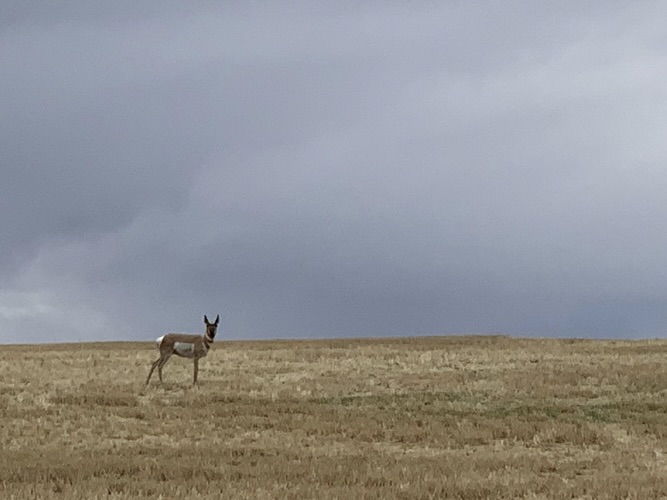
These tags are typically more accessible and easier to draw. They’re not about chasing high-scoring bucks; they’re about opportunity and management.
Why Nevada’s “Horns Shorter Than Ears” Tags Matter
- Easier Draw Odds
Because they come with a restriction, “horns shorter than ears” tags typically have better odds of drawing. This can be a valuable tool for staying engaged in the hunt while still building points for premium hunts down the road. - Bonus Point Friendly
In Nevada’s squared bonus point system, you gain a huge edge by applying consistently. Even if you’re targeting trophy tags, applying for a shorter-horn hunt can keep your name in the system while giving you a legitimate shot at a tag. - Youth and First-Time Hunter Advantage
These tags can be a good introduction for younger or first-time hunters. The antelope hunting experience—spot-and-stalk in open terrain, high visibility, and active glassing—remains exciting, even without trophy horns on the line. - Management and Conservation Role
Choosing to hunt under this tag category contributes to herd health and habitat balance, especially in regions where populations are monitored closely by the Nevada Department of Wildlife (NDOW).
Considerations Before Applying
- Antelope Behavior Is Still Challenging
Don’t underestimate the hunt. Even with the horn restriction, antelope are wily, fast, and sharp-eyed. You’ll still need solid optics, a good plan, and patience. - Field Judging Horn Length Can Be Tricky
Accurately judging horn length relative to ear height can be difficult, especially at a distance. Mistakes can lead to violations, so it’s crucial to be conservative and know what you’re shooting. - Know the Units
Not all game management units (GMUs) offer these tags. Review Nevada’s antelope hunt units and regulations to find eligible zones and understand the terrain, access, and antelope density.
A “Horns Shorter Than Ears” Nevada Antelope Tag Might Be for You…
If your primary goal is:
- Building bonus points, but still want to hunt.
- Looking for more frequent field time.
- Taking a youth or beginner into the field.
- Helping manage antelope populations.


Your Complete System for Securing Tags
Whether you’re chasing a once-in-a-lifetime hunt or just looking to fill the freezer, your season starts with onX Hunt’s application tools—all included with an Elite Membership:
- Hunt Research Tools: Draw odds, tag trends, and harvest stats for 11 western states (Washington is not yet available) to help you decide where to apply.
- Huntin’ Fool: In-depth insights to navigate state-specific systems and build better strategies.
- HuntReminder: Text and email alerts so you never miss a deadline.
One membership, every tool you need to make 2026 the year.