“People will come in out of breath and say, ‘I made it, I made it,’ and just put their head on the counter. They’re so happy to be here. That’s when you know it’s more than just a store.”
That was Johanna Gaines, president of M.L. Lynch Turkey Calls, the oldest turkey call company in the world, and she’s talking about the soul of wild turkey hunting. It lives tucked away in Boston, Georgia, population 1,200, at M.L. Lynch headquarters in a building that’s been standing since 1890.
Once home to the town’s post office and a local pharmacist who would mix his “Blood Life” elixirs there, the building now welcomes a revolving door of turkey hunters on their way to and from a Grand Slam-completing Osceola hunt and plays host to a curated museum of turkey calls, curiosities, and rare artifacts.
“Over the years, I’ve just kept adding more and more,” says Gaines, “prints, antiques, bows, old tools. People come in and donate things all the time, and it all builds on itself. Every piece adds to the story.”
The History of Lynch Turkey Calls
In 1940, a time when wild turkeys were on the heels of their historic low of fewer than 30,000 birds, turkey conservation was just an idea, and an emerging sporting tradition was barreling forward, a homebuilder named Michael Leroy (M.L.) Lynch carved his first wooden box call.
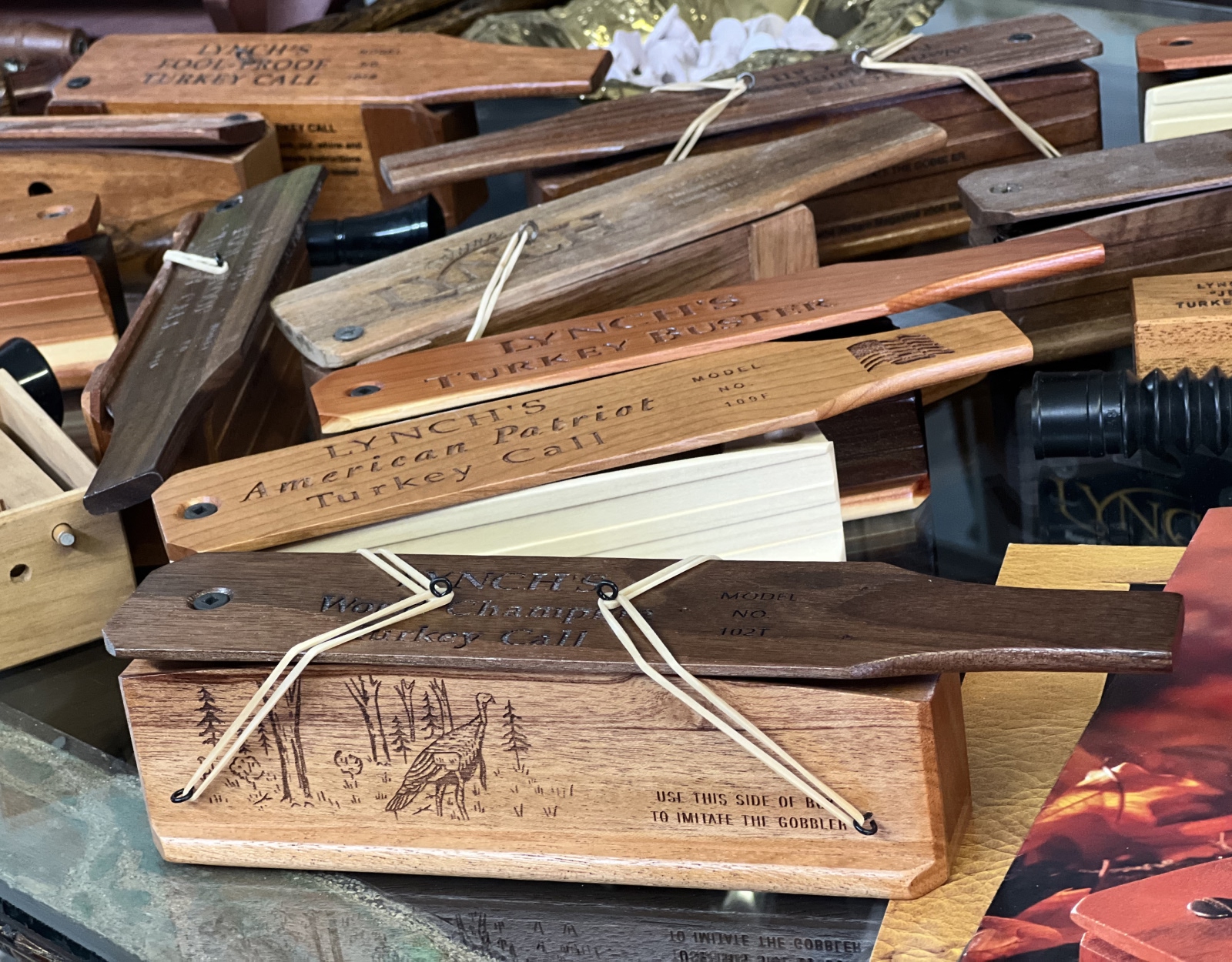
The wooden turkey box call wasn’t a new idea. It was first patented in 1897 by Henry C. Gibson of Arkansas, with the original design—a pivoted lid that creates friction over a hollow wood box—remaining mostly intact today.
Lynch innovated on Gibson’s design by fine-tuning his boxes. He meticulously sanded his early pieces of wood of cedar because they were more weather-resistant and had better acoustics. Lynch relied purely on his ear and ingenuity to imitate the complex sounds of a wild turkey.
In the beginning, he operated as a true grassroots entrepreneur, selling his handcrafted calls directly out of the back of his truck to eager hunters.
His first truckload of calls was driven up to Pennsylvania, where Lynch sold them to a group of hunters he knew who loved turkey hunting. Pretty quickly, hunters were rumored to say, “With these calls, I can make a turkey do anything but lay an egg.”
As the company grew, its production moved across the South, leaving a trail of highly sought-after collectible calls. Early models from the 1940s to the 1960s were manufactured in Alabama, including Birmingham and where Lynch resided in Homewood. Some early calls were even inscribed with Lynch’s home address on Edgewood Boulevard.
By 1970, Lynch sold the company to Allen Jenkins and production shifted to Liberty, Mississippi, where it remained until the 1990s, at which time it was relocated to Thomasville, Georgia. Mr. Lynch passed away in 1974.
In 2021, Johanna Gaines acquired the company and moved it into the old Boston post office, where it’s headquartered today.
The Lynch Turkey Call Museum, Store, and Restoration
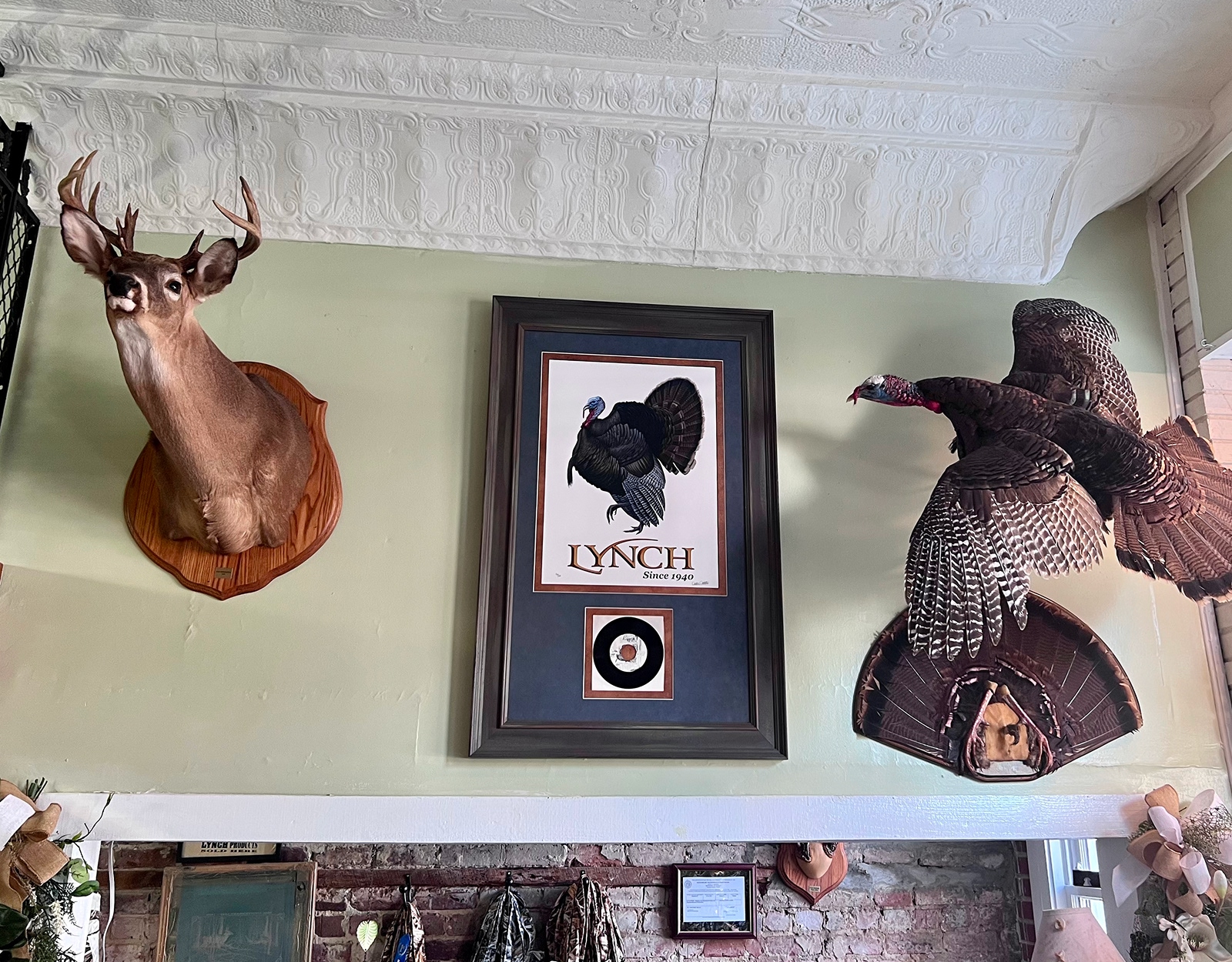
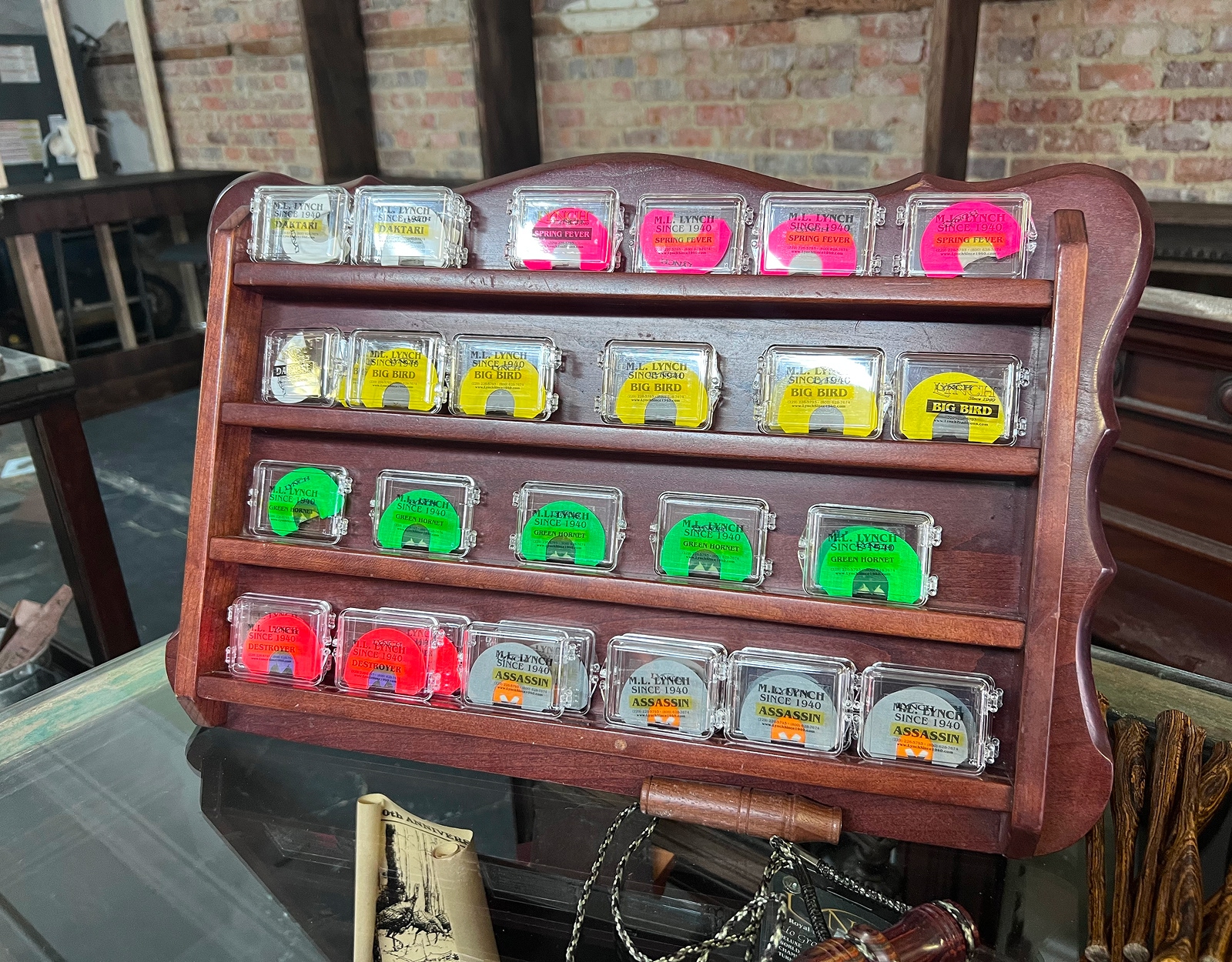
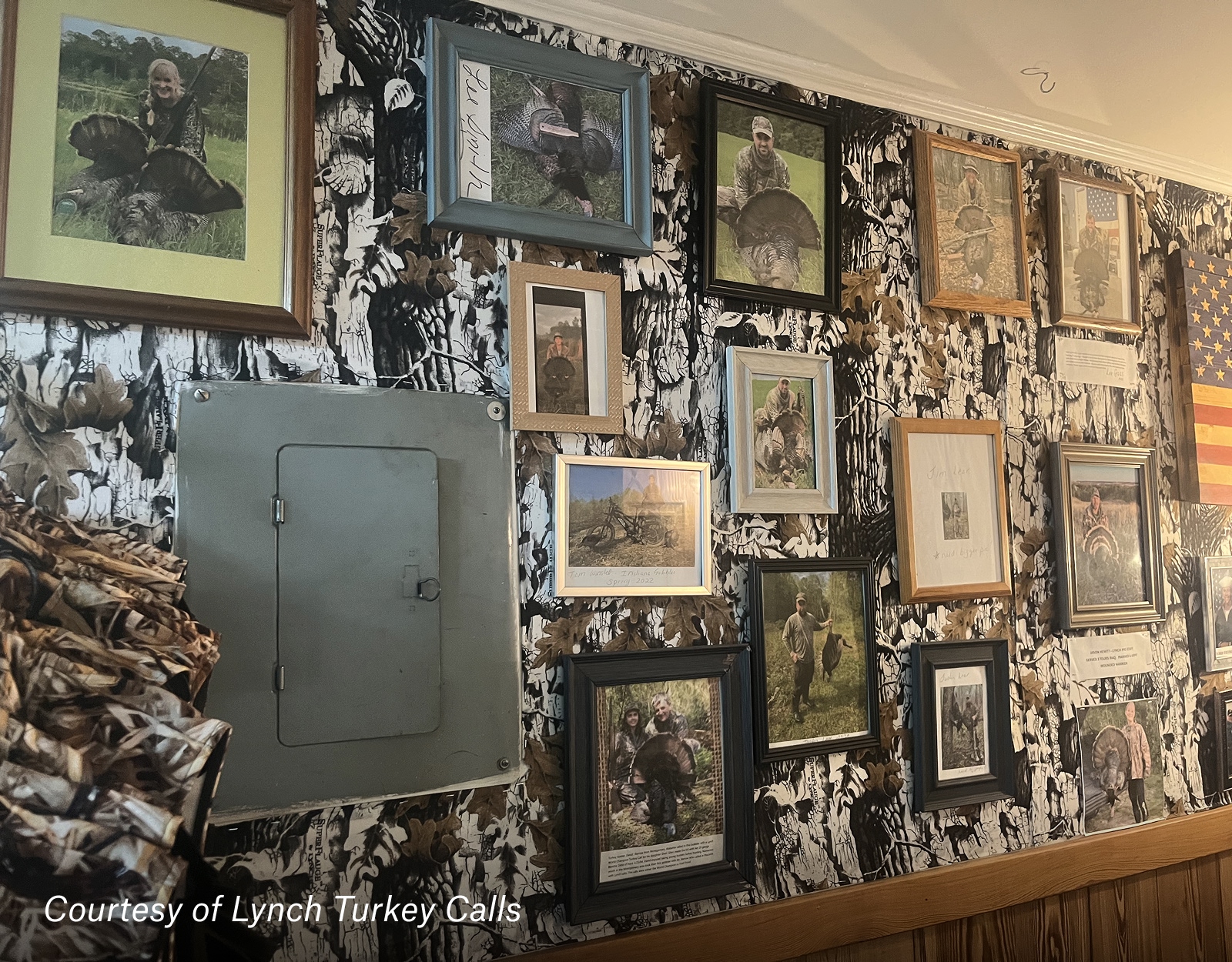
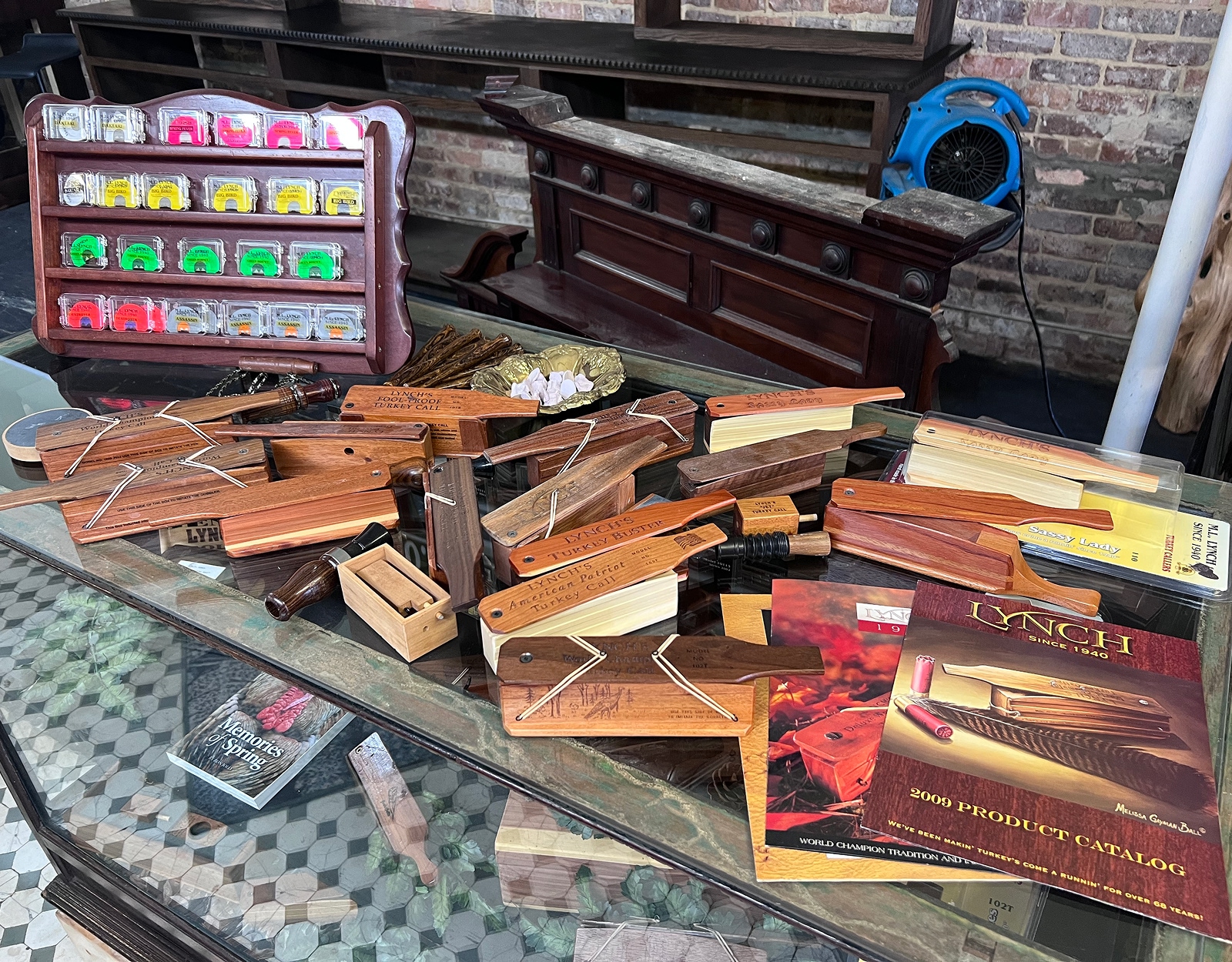
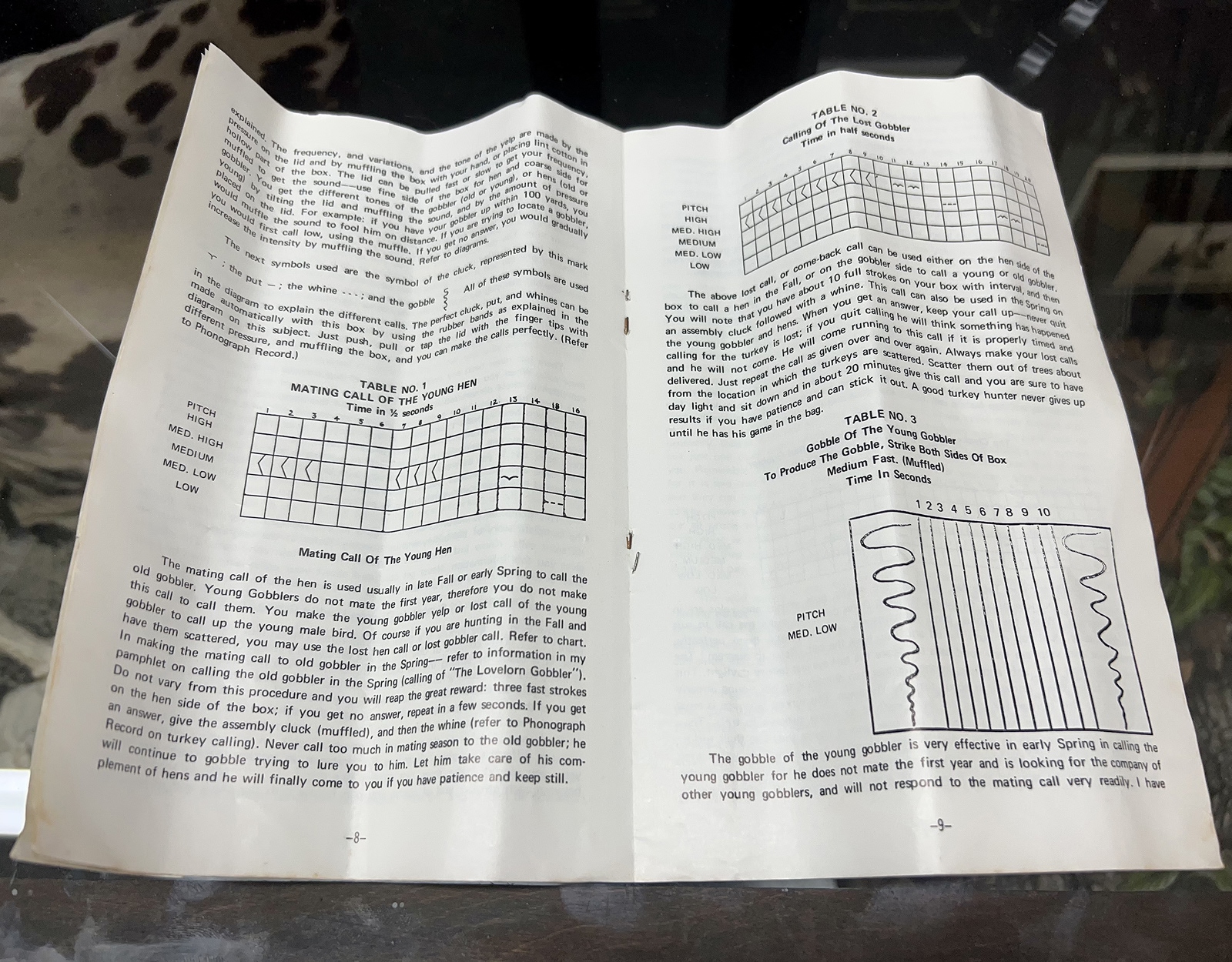
When you enter the doors of the 136-year-old building, you’re met with everything you might find in a turkey hunter’s dreams. From camo clothing and couches to brightly colored mouth calls and weathered wood boxes behind glass, the Lynch headquarters is equal parts retail store, wholesale fulfillment center, museum, and meeting place.
Like any good sporting store, you’ll find an old-fashioned Wall of Fame, complete with photos of turkeys and turkey hunters of all shapes and sizes that came together thanks to a Lynch call.
“People either bring in pictures or send them to me,” says Gaines. “It’s full of families, kids, fathers, and daughters. This wall is about giving them a place where their story matters.”
Today, Lynch turkey calls are made almost the same way Mr. Lynch made them over 80 years ago: by hand. Since 2013, an Amish family in Pennsylvania has produced Lynch calls and sent them down to Boston for fulfillment.
“They’re incredible people,” says Gaines.
To wholesale the calls, Gaines works with major distributors like Bass Pro and Sportsman’s Warehouse, but a lot of business growth is happening through direct retail orders online with new and established hunters ordering one or two calls at a time.
“COVID created a lot of new turkey hunters,” says Gaines. “We were getting over a hundred orders a day at one point. It really showed how much interest there is, and it’s still growing. More places are offering turkey hunts, more people are getting into it, and I feel like I’m right in the middle of that growth.”
“Turkey hunting is harder than people think,” says Gaines. “With turkeys, you have to call them in, read the conditions, understand what they’re doing. It’s a skill.”
Perhaps it’s a fitting analogy, then, that turkey hunting is an art form in the same way that turkey calls are works of art. And works of art easily become cherished, valuable collectibles.
It’s not uncommon for Gaines to field requests from folks asking for special edition box calls. One repeat customer has been the Alabama governor’s office with its annual One-Shot Turkey Hunt, a premier, invitation-only event that pairs state leaders, industry executives, and national media with local landowners for a friendly weeklong competition.
“We do custom calls,” says Gaines, “between 125 and 175 of them. It’s a very exclusive hunt, and every call is individually made and packaged. It’s a lot of work, but it’s meaningful work.”
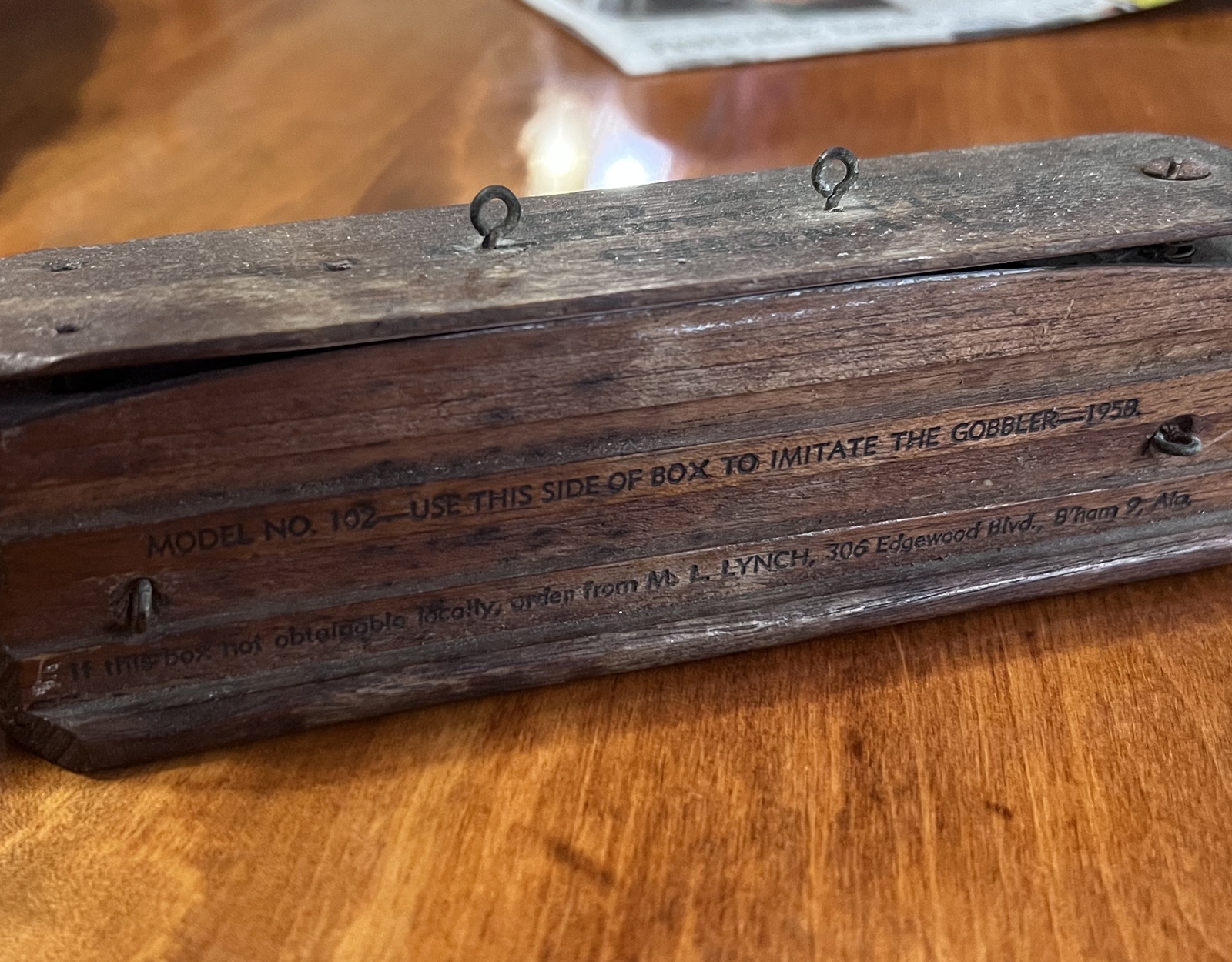
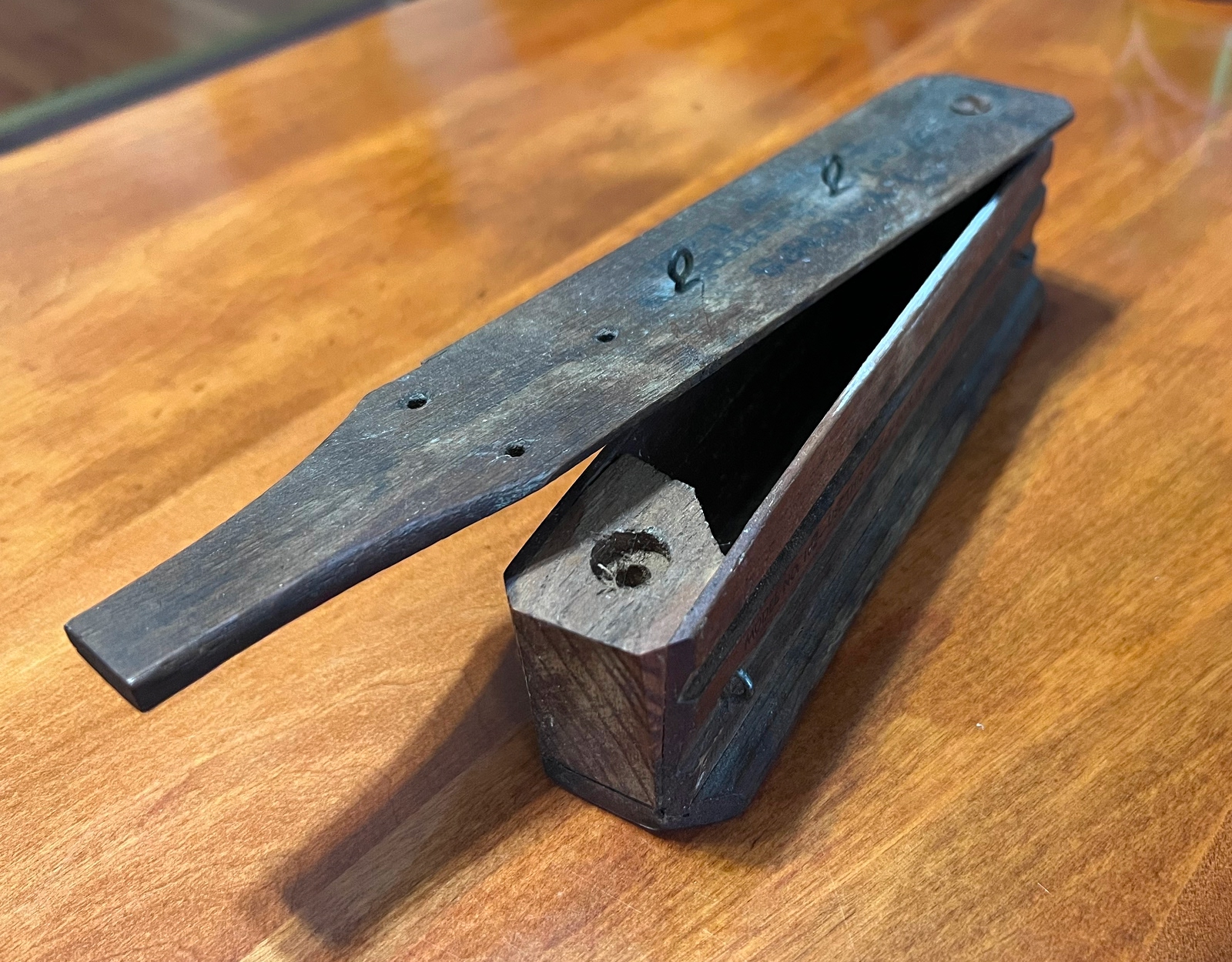
One of the most meaningful projects to come across Gaines’ desk, and which the company is currently working on, is a restoration project from the National Wild Turkey Federation (NWTF).
“The NWTF had hurricane [Helene] damage its headquarters and museum in Edgefield, South Carolina,” says Gaines. “Some of their Lynch calls were damaged. It was going to cost thousands just to assess them, so I offered to take a look. Some had corrosion, which is what I work on all the time.
“I said it would be an honor to restore them. When they brought them in, each one was wrapped in tissue paper. One was even an original model for the Lynch Fool Proof call. You just don’t see things like that anymore. It felt like holding history in your hands.”
Another irreplaceable artifact brought in by NWTF from the collection donated by Lynch’s nephew, Leo M. Lynch, was a World Champion Squirrel Chatter Box. This rare box has 12 holes and is filled with cotton. It acts as a “locator call” to provoke gobblers into revealing their location without spooking them. Very, very few have come up for auction over the years, and most have sold for more than $6,000.
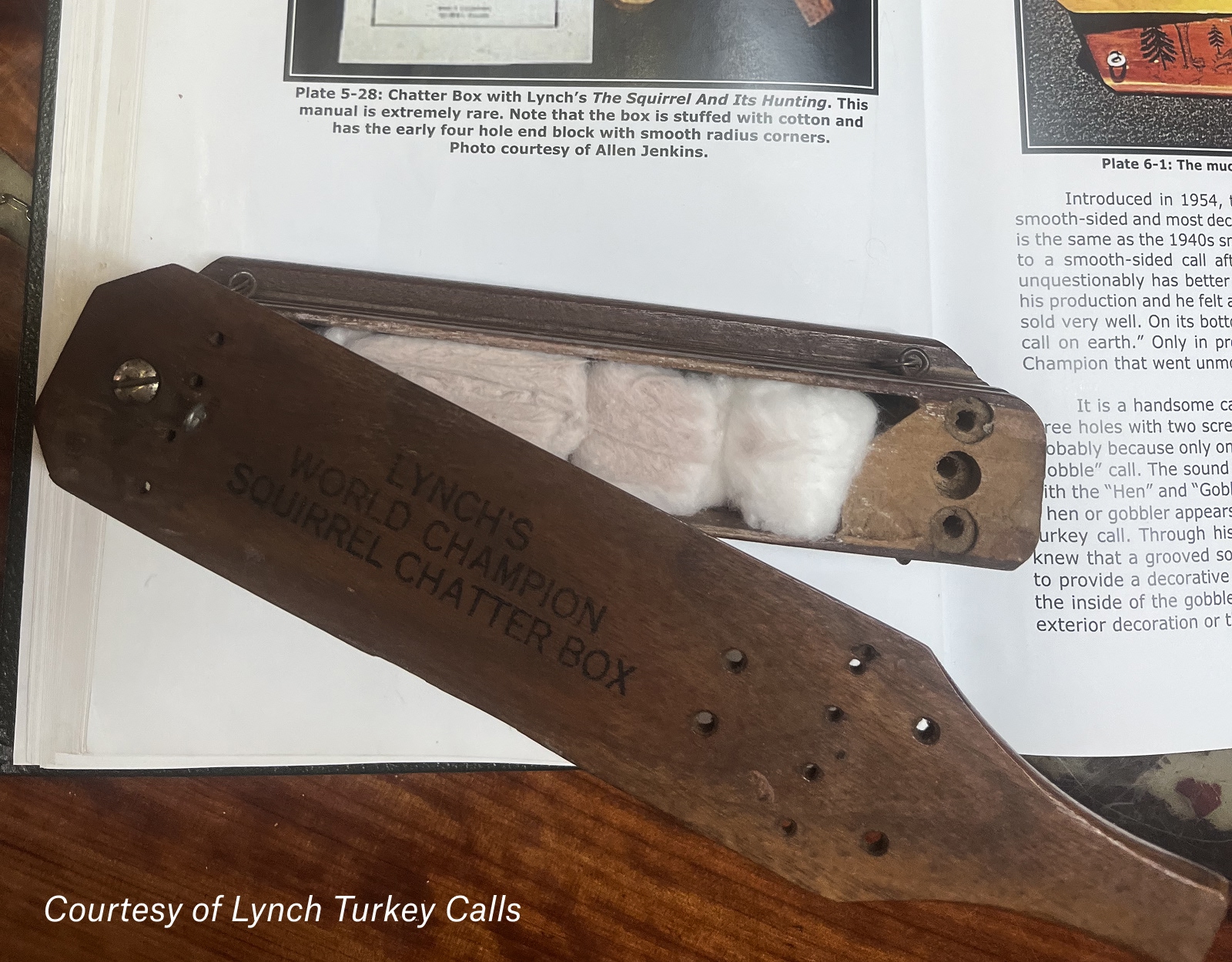
It is fortunate for NWTF and the turkey call community at large that the Lynch company is still in business after all these decades and able to restore pieces Lynch himself made early in his career.
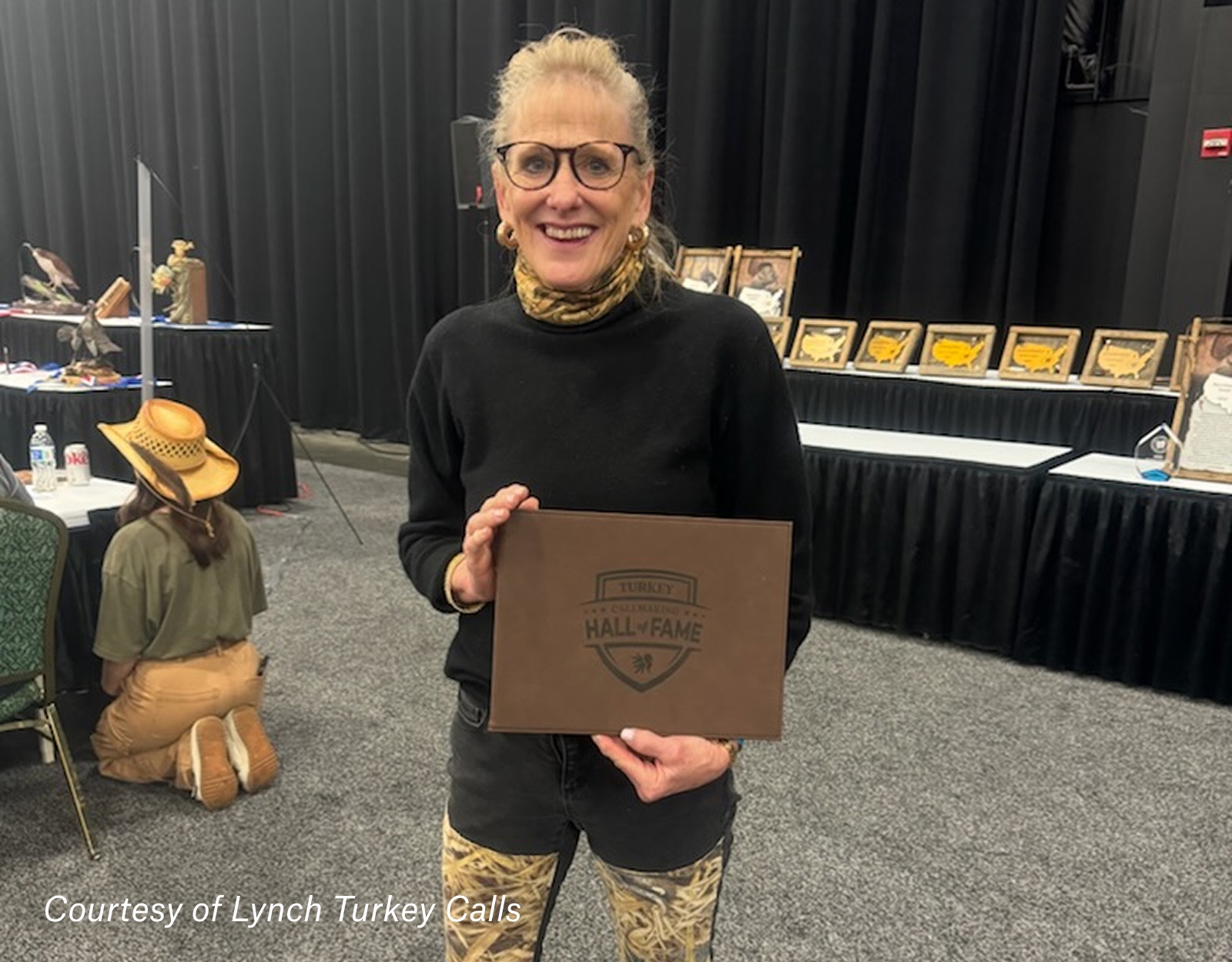
The legacy of Lynch calls received deserved recognition at the 2025 NWTF Convention and Sport Show when M.L. Lynch was inducted into the Turkey Callmaking Hall of Fame. Gaines was there to receive the honor on his behalf.
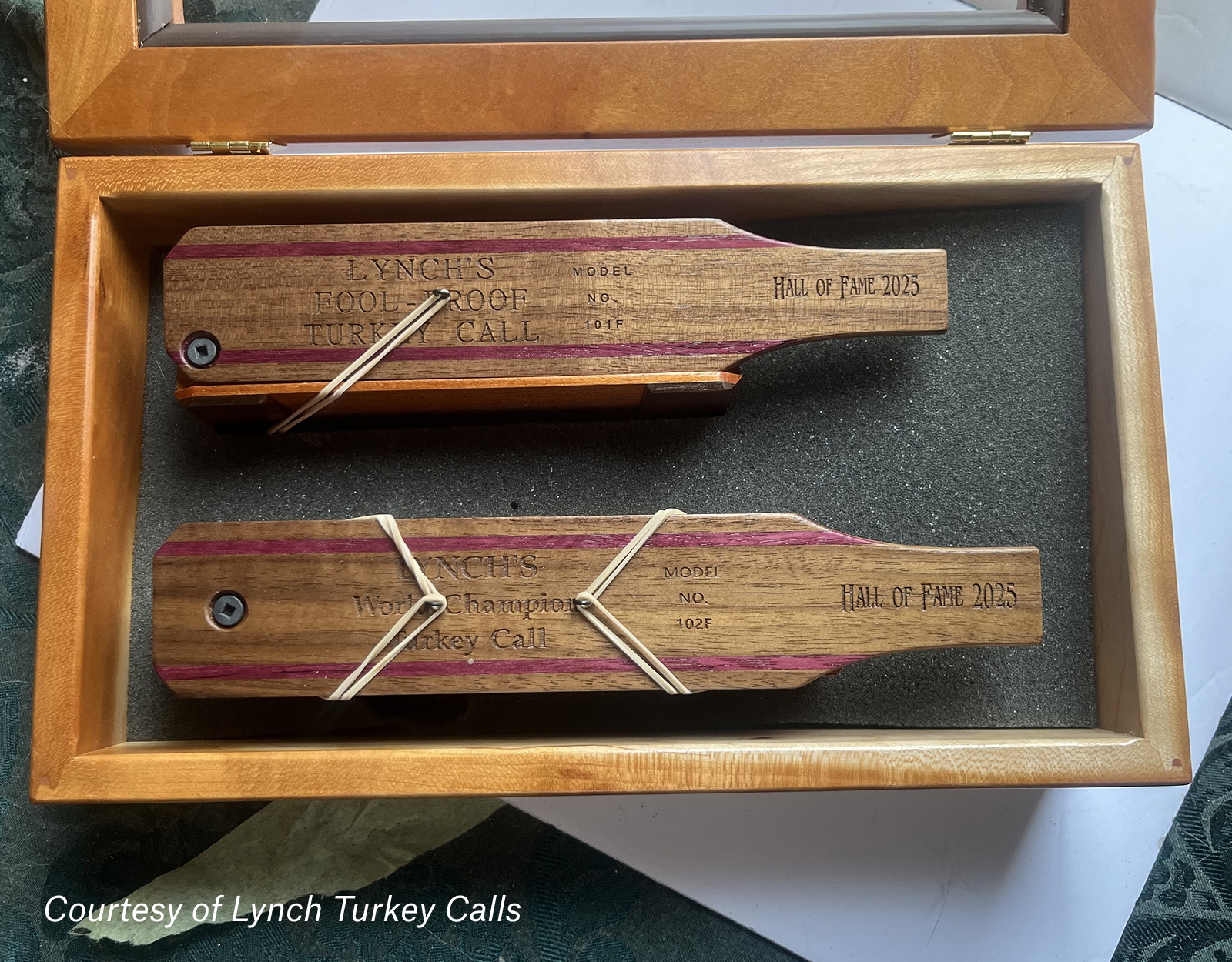
The Future of the “Most Perfect Call on Earth”
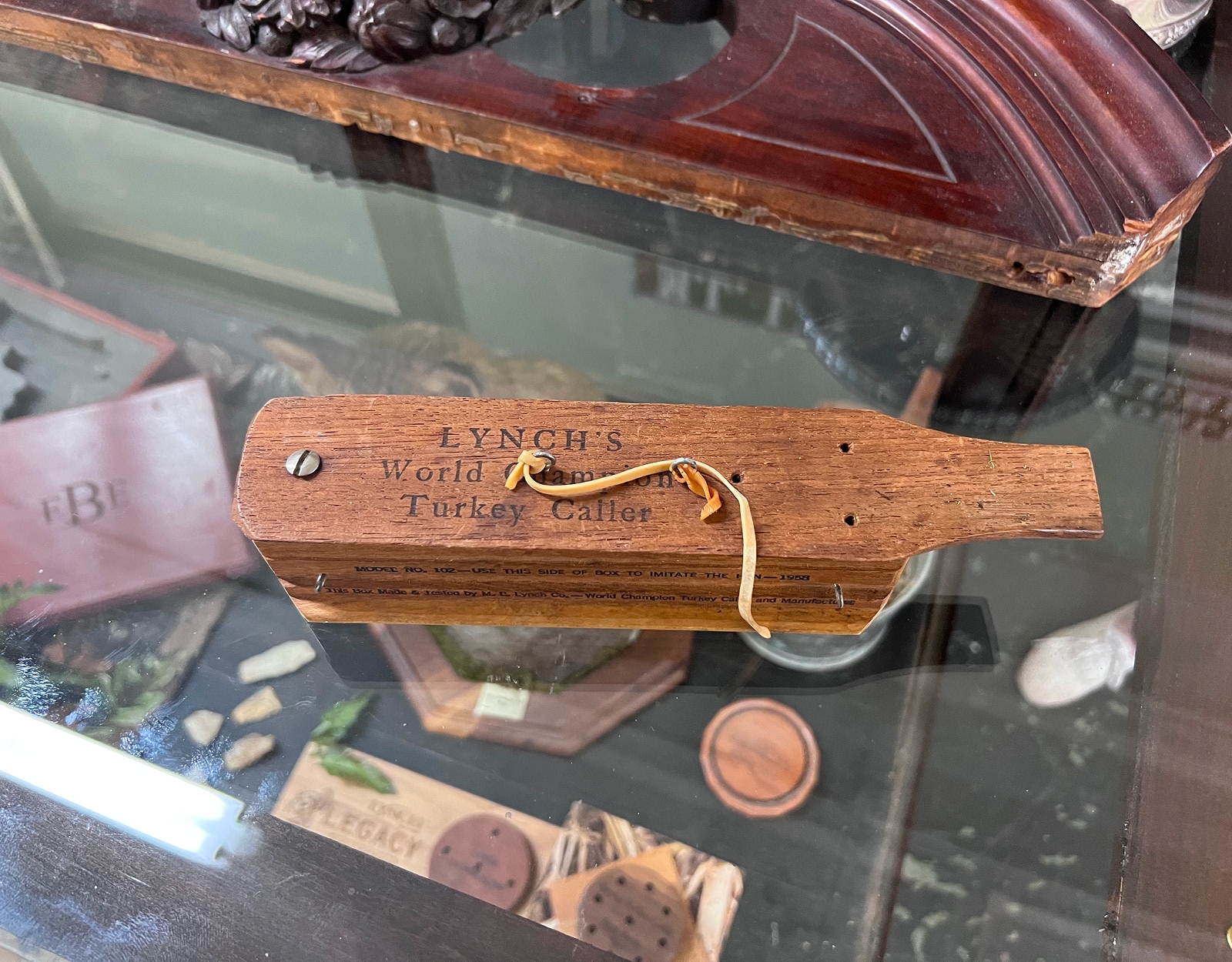
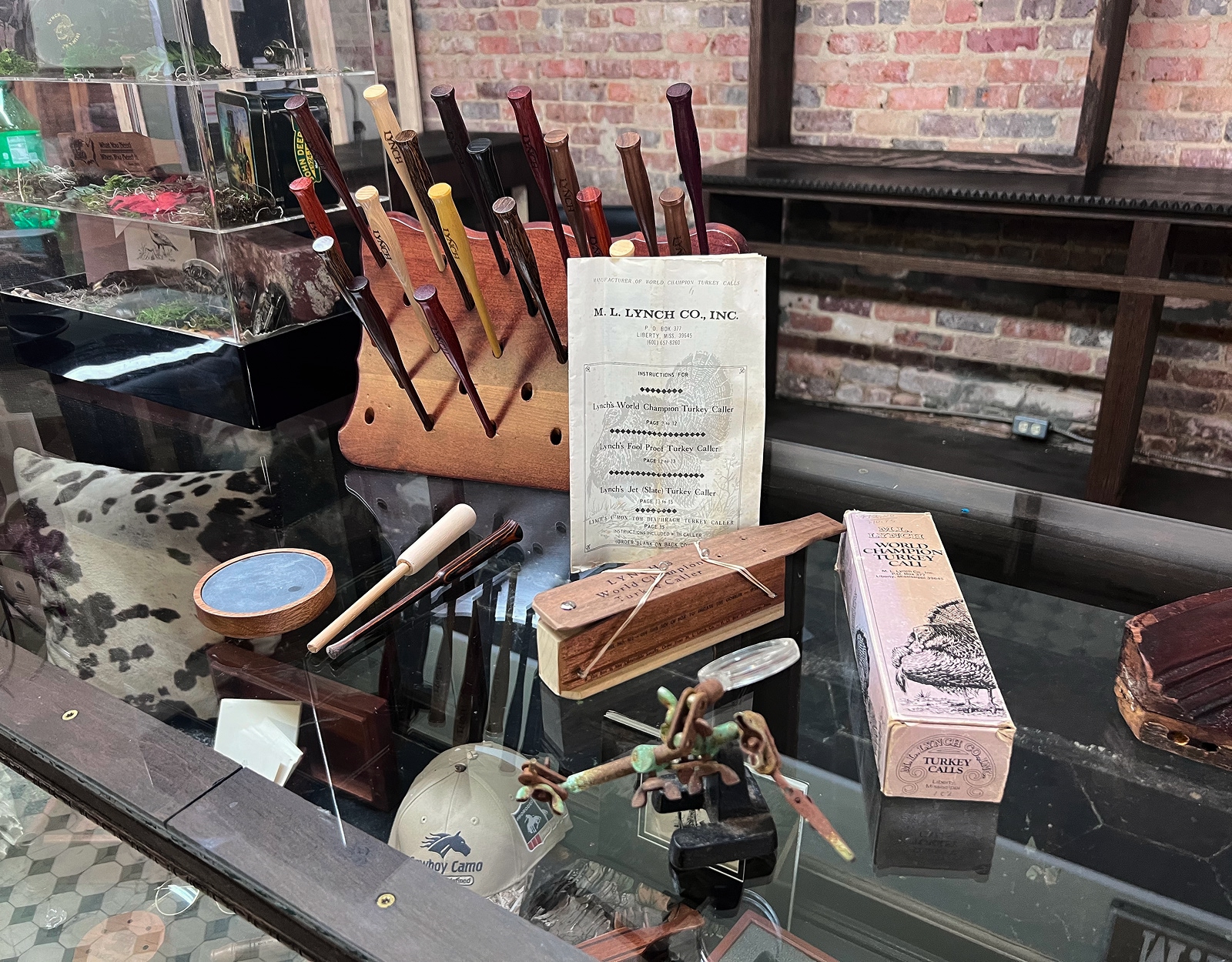
It was common to hear Lynch describe his box call “the most perfect call on earth,” and at least the sentiment of that statement still rings true for those who have charmed a tom with a Fool Proof, World Champion, or Jet Slate call. There’s no shortage of hunters who can point back to parents and grandparents who carried a Lynch in their turkey vest.
It’s Gaines’ dream to build on the Lynch legacy and make the store and museum a reason to visit southern Georgia. In 2022, she hosted the first Lynch Turkey Fest and plans to do it again.
“I’d love to have a kids’ camp where we teach hunting safety,” says Gaines, “but also something that mentors young girls. They get to that age where they can go one direction or another, and I want to help guide them the right way.
“This place means something, not just to me, but to everyone who walks through the door. You can feel it. I feel like it’s a gift. We’re America’s oldest turkey call company. It’s tried and true, and when people use these calls, they understand why they’ve lasted this long.”
Step-by-Step Guide to Using a Lynch Box Call
Whether you’re using the single-sided Model 101 “Fool Proof” or the dual-sided Model 102 “World Champion,” mastering a Lynch box call requires finesse over force. Here’s how to run it effectively:
Step 1: Chalk the Sounding Board. Before heading into the woods, inspect the friction surfaces of your call. If you see shiny spots on the wood, it needs chalk. Take your chalk and rub it back and forth or up and down over the shiny spots to ensure all the little grooves are covered, which restores the call’s grip and vibration.
Step 2: Master the Grip. The most common mistake beginners make is touching the moving parts. Never put your fingers on the vibrating parts of the call, such as the sounding board or the lid. Instead, hold the call lightly by its base. For a more aggressive grip, such as when performing a fly-down call, you can hold the call vertically by the end with the screw.
Step 3: The Basic Yelp. To produce a classic hen yelp, apply very little downward pressure—do not grind or chop the lid into the wood. Simply slide the lid forward across the sounding board. The call is designed to make the yelp sound as the lid moves forward and hits the stop; it should not make noise as you slide it backward to reset.
Step 4: Clucks, Cuts, and Gobbles
- Cluck: Hold the lid down on the board and give it a quick “pop.”
- Fly-down/Cutting: Hold the call vertically, pushing the lid away from you, and use a brief, chopping motion to create aggressive, excited sounds.
- Gobble (World Champion Only): Leave the rubber bands attached to the call for tension. Grip the base tightly right below the pivot screw and shake the call back and forth, ideally moving from high to low to mimic the dropping pitch of a real gobble.
Step-by-Step Guide to Using a Lynch Slate Call
Using a friction slate call, particularly the compact Model 100 “Jet Slate” or one of Lynch’s traditional slates, requires a careful touch and the correct striker angle.
Step 1: Prep the Surface and Create a Soundboard. If you’re using a standard new slate, condition the surface lightly with a Brillo pad or sandpaper to scratch it up and remove any smooth spots. If you are using the famous Lynch Jet Slate, keep in mind that it lacks a built-in sound chamber; you must cup your hand underneath the hollow back of the call to act as a makeshift soundboard.
Step 2: Angle the Striker. Never hold the wooden striker perfectly vertical like you are writing with a pencil. Instead, hold the striker pointed inward at an angle toward your body. For the Jet Slate, tuck the call close to your body and apply slightly more downward pressure than you would on a normal slate.
Step 3: The Yelp. Because a wild turkey’s vocalizations drop from high to low, start your striker near the outer edge of the slate (higher pitch) and work your way toward the center (lower pitch). To make a yelp, keep a relaxed grip and draw small oval circles, or move the striker up and down in the shape of a bird’s wing or the letter “M.”
Step 4: Clucks and Purrs
- Cluck: Keep the striker pressed onto the slate’s surface and give it a sharp, abrupt pop.
- Purr: Loosen your grip on the striker considerably and slowly drag it sideways across the slate. You can finish the motion with a soft pop to create a realistic “purr and cluck” combo.