Hunt long enough, and it’s hard not to appreciate how the hunt mirrors life. The high and lows. How the things you worried about never happened, and the things you never saw coming leveled you.
We love hunting for a lot of reasons. But at its core, we love it because it’s part of life.
Here, Clint Casper takes us on two pivotal hunts, from high-country Colorado mule deer to public land Kentucky whitetails, and reflects on the life lessons forged along the way.
“Conquering Colorado: High Country, High Stakes”
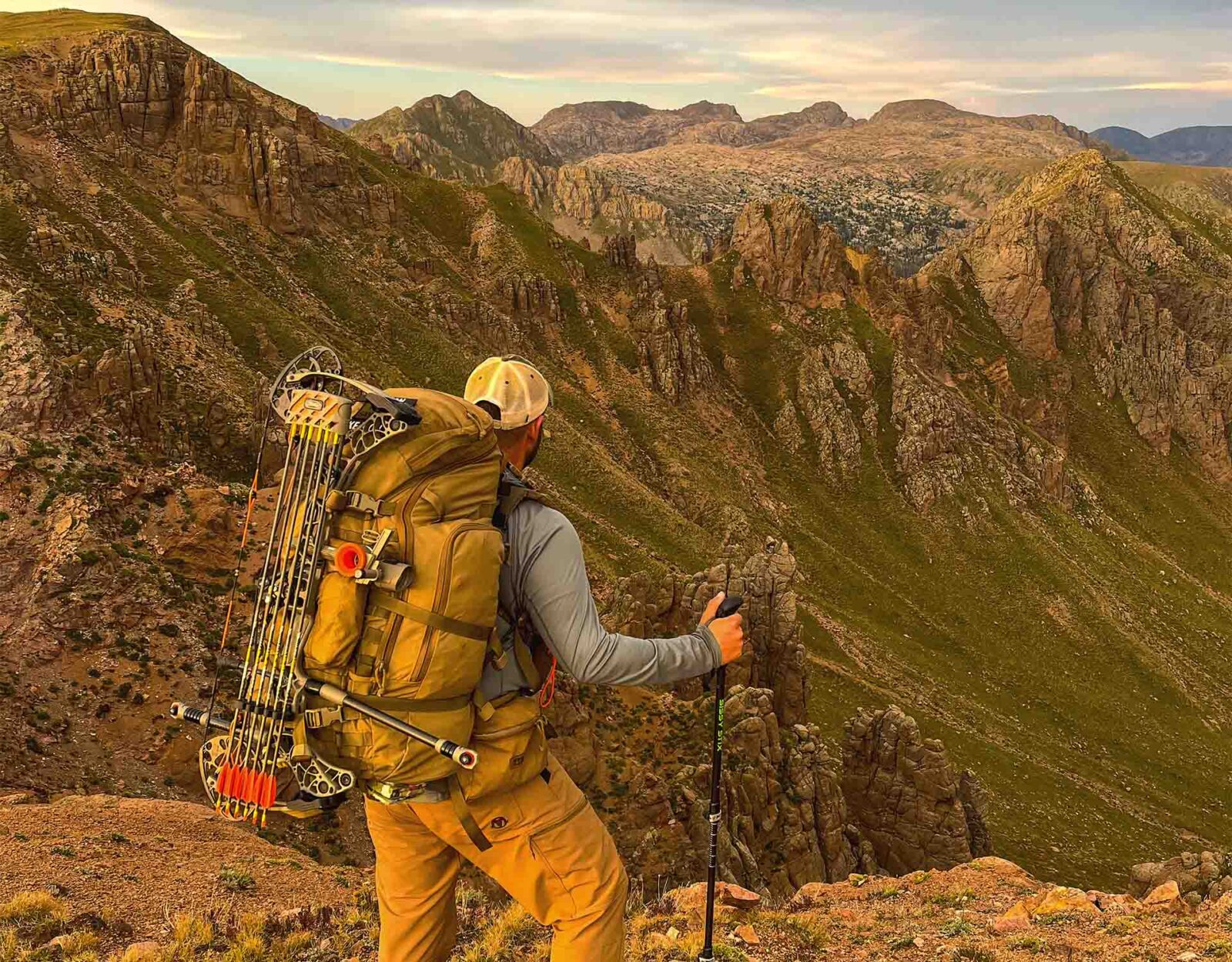
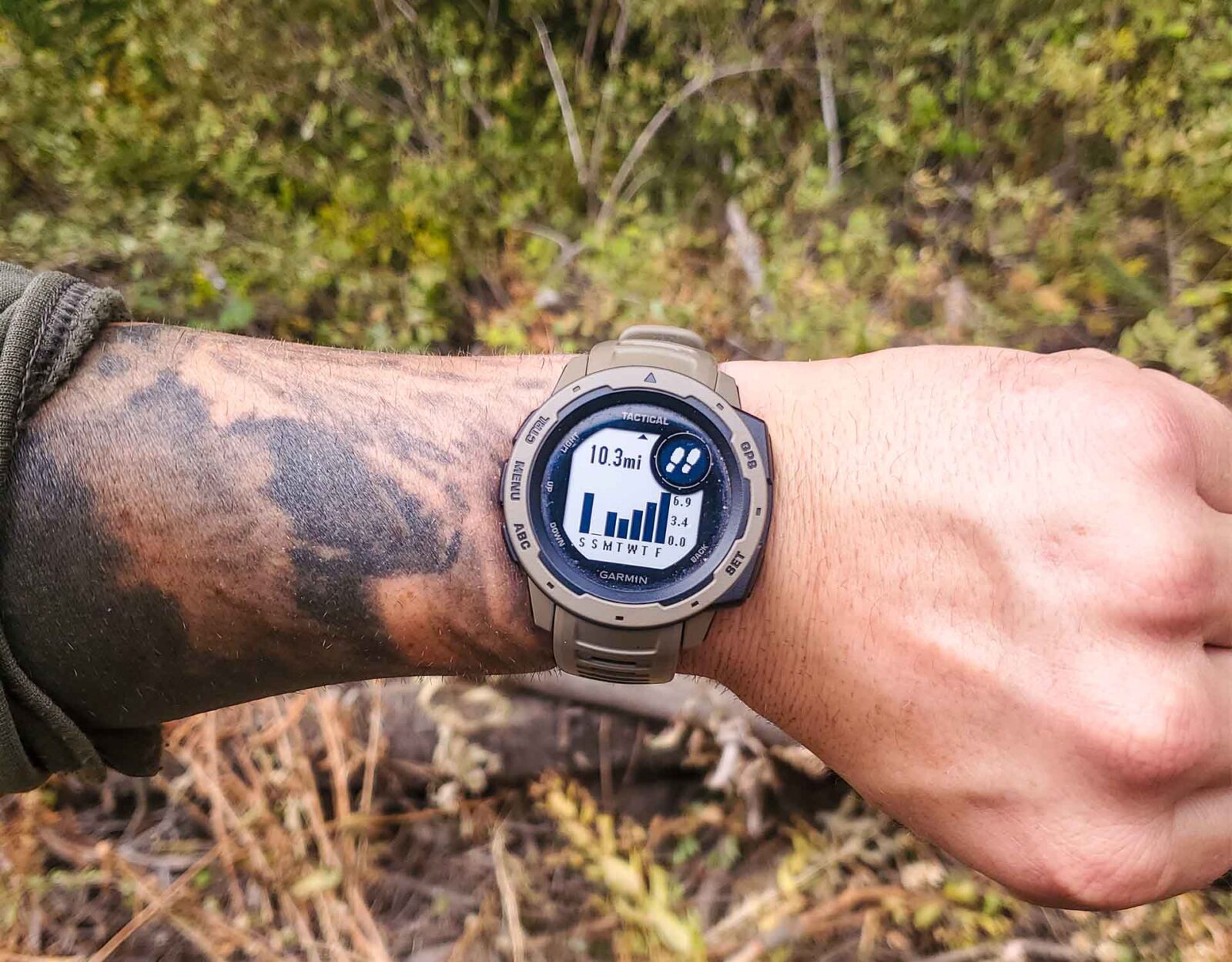
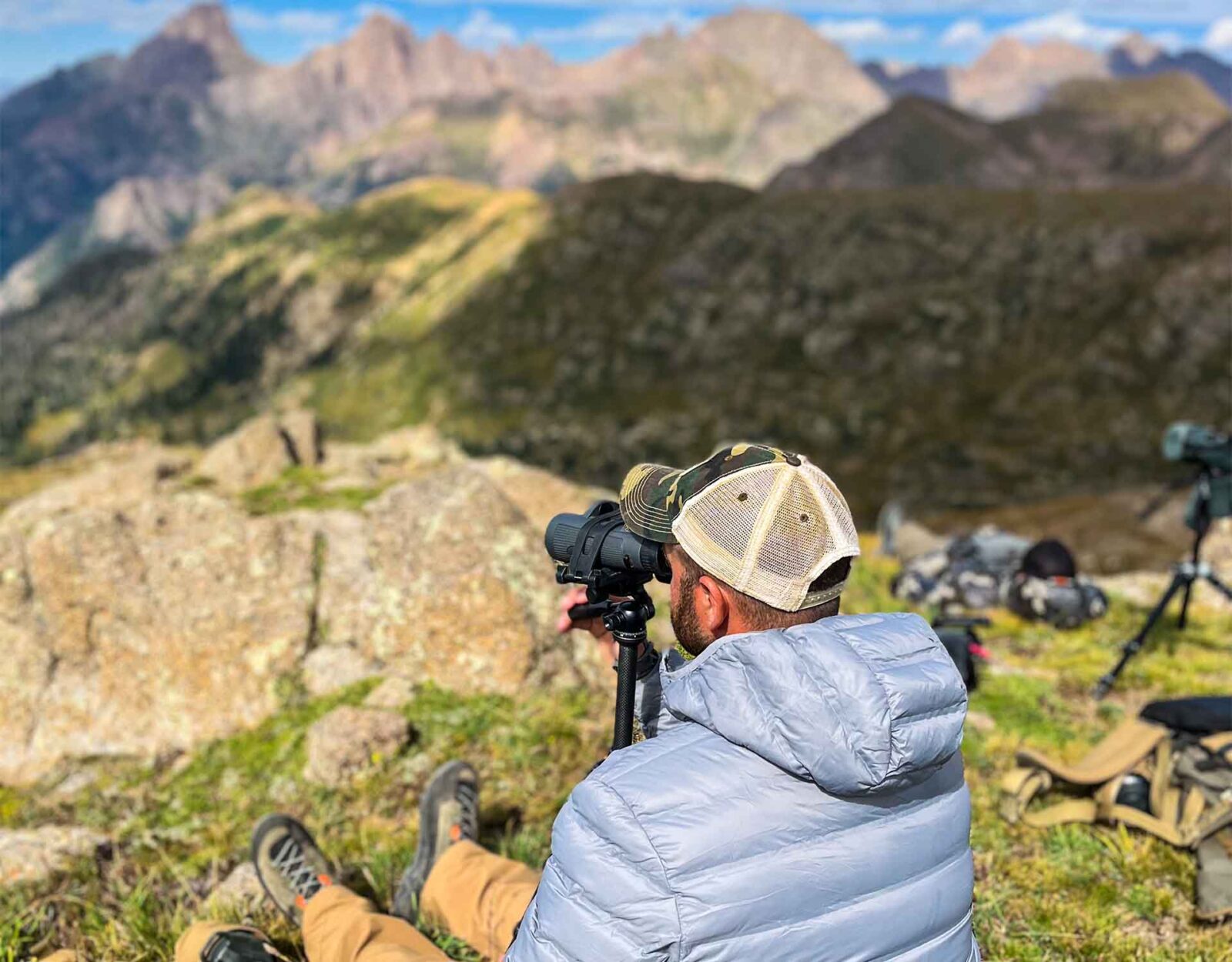
Right then, the hunt had just taken a turn for the worse, and I hadn’t even realized it.
The Story
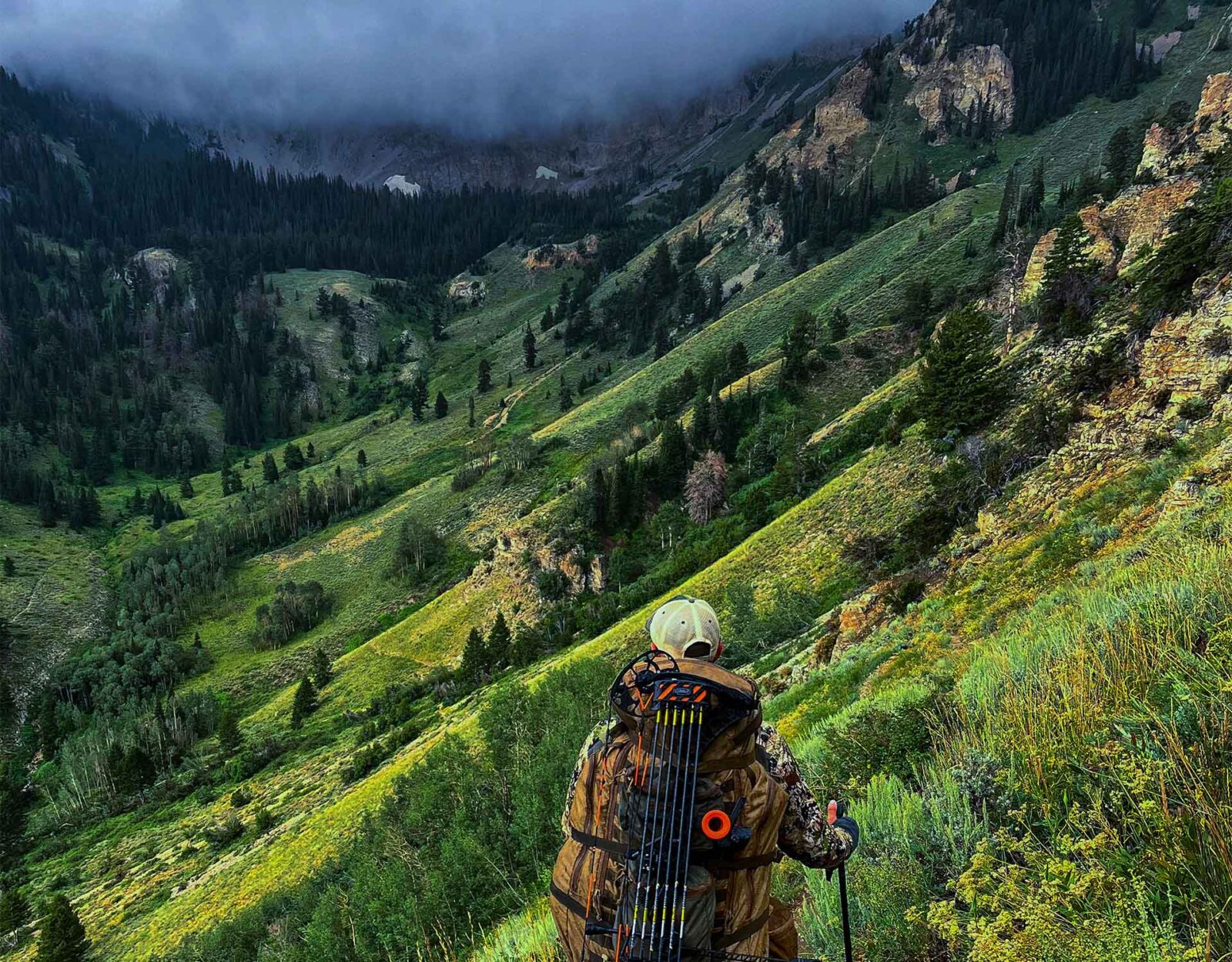
For years, even as a little kid, I had dreamed of bowhunting Colorado in search of giant, velvet-covered mule deer. I read about Chuck Adams and Randy Ulmer hunting the high country and living up in the clouds, and I always wondered how cool that would be. What I didn’t realize was how much work and effort went into a hunt like that. Fast forward to my twenties, and at this point in my life, I decided it was time to embark on western bowhunting.
Colorado was top priority.
My plan was to build points there yearly and hunt second-choice units every year to cut my teeth while I waited to have enough points to draw a certain tag I wanted. For three years, I made the long, lonely drive to Colorado (26+ hours depending on the exact unit) and bowhunted mule deer above 12,000 feet in elevation.
I couldn’t have predicted the trials and tribulations I would face every day up there. Those first three seasons provided me with ample butt kickings, but I was also learning. And every year, while driving home empty-handed and brokenhearted, defeated and deflated, one thing was the common denominator: I was growing hungrier and hungrier for success. Little did I know, but all of these failures were leading up to one hunt and one big moment.
In the spring of 2019, I finally had enough points to draw a specific Colorado high country unit, and with a bit of luck, that’s exactly what happened. From my experiences hunting the high country in Colorado the previous three years, I knew that my mental and physical fitness had to be on point, as well as my shooting capabilities. One thing I love about bowhunting the high country is that it tests your mettle in a multitude of ways. One must possess skills in camping, bowhunting, mountaineering, survival tactics, woodsmanship, and land navigation. Having spent three years honing these skills, I felt ready to take on the mountain and give it my all.
The first three days of my hunt brought a ton of deer sightings from various glassing points, but I just hadn’t found the buck I was looking for quite yet. That all changed on day four, as I glassed up an incredible buck with a bachelor group of other bucks. This buck was not in a great spot for a stalk on this day, but I had acquired a target buck and could now set my sights on this animal.
The next morning, I covered a ton of surrounding country, looking for this buck and his buddies, but could not turn them up. All morning, I covered different basins and willow-filled draws in search of this deer. I could not find him. Come midday, I decided to check some rock cliffs that were covered in shadows; I thought maybe deer would take refuge there from the midday sun. Sure enough, I found my buck with six of his buddies.
I formulated a plan to navigate a stalk that would put me directly above them, and with the afternoon thermals rising, I could keep the wind in my face as I dropped in from above, hoping to get into bow range. I remember starting my stalk around 12:30 p.m. and assumed I’d be there around 2 p.m. At 1:50 p.m., I remember looking at my watch as I was now directly above the bucks, a mere 200 yards away. This spot was much steeper than it had looked, but I was confident I could make it down to them and get within range.
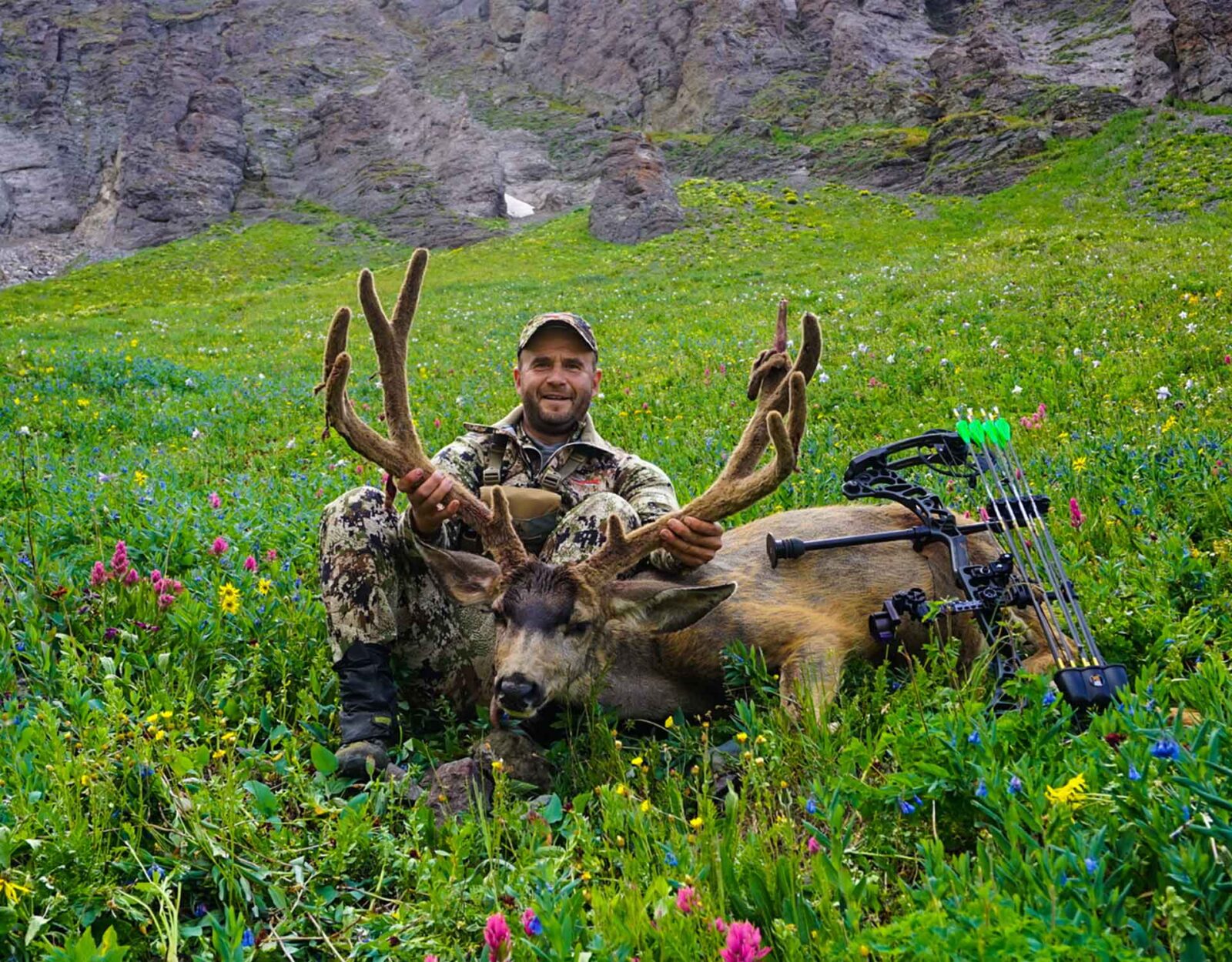
Using rocks and boulders to hide my approach, I slithered down to the group of bucks and got to within 75 yards. At this point, I was out of real estate to hide behind, and it was now a waiting game. I was confident at this distance, and once my buck stood up to stretch from his midday nap, I slowly drew my bow, settled my pin, and executed a perfect shot. I watched as my arrow buried deep behind his shoulder, and the buck tumbled below. I had done it. Finally.
Right then, the hunt had just taken a turn for the worse, and I hadn’t even realized it.
In the excitement of accomplishing such a long-awaited goal, I had forgotten a few key elements after the shot. For one, I didn’t mark my path down to the buck on my Hunt App, and in this steep, rugged terrain at almost 14,000 feet, this was a major mistake. After going down to the buck, taking some pictures, and getting him caped out and quartered, I then had to pick my way back up through the cliffs to the ridgeline and trek back three miles to camp. The mistake? With a heavy pack and a storm approaching, I realized I had picked the wrong route back up through the cliffs. I knew I needed to drop some weight and get out of there before the storm. I left the buck, my bow, and half the meat tucked in the rocks. This made my pack weight half as heavy and easier to navigate my way out of this bad situation.
Little did I know it would get worse.
Halfway up the cliff, and now in the dark, I took a disastrous fall, sliding 60 feet in the sharp shale, shredding the back of my right leg and twisting my ankle. It was now 11 p.m., and I was faced with some major decisions. After examining myself, I didn’t think my ankle was broken, and I was able to tape up and treat the wounds on the back of my leg. Slowly, I made my way up the cliff and to the ridgeline. At 2:45 a.m. I made it back to camp.
The next day, banged up and bruised, I made the 9-mile hike back to my truck. Two days later, I returned to get the buck, the rest of the meat, and my camp.
Lessons Learned
Life Lesson #1: Nothing worth anything comes easy.
This hunt is a prime example of wanting to conquer something and having to put all you have into it. It took four years to harvest the caliber of buck that I wanted in the Colorado high country. I poured sweat, time, effort, money, blood, and tears into those four years, and it finally paid off. The moral of the story is, if it’s a passion for you, don’t give up. Keep going and keep striving to get better. It will pay off eventually.
Life Lesson #2: Know your limits and respect them.
There are limits to everything, and on this hunt, I learned mine. Due to the fall and twisting my ankle, I realized how risky this stalk and eventual packout really was. Truthfully, I pushed myself past any mental and physical spot that I had ever been in before, and it showed me that certain risks aren’t worth the reward. Luckily, the story ends with me getting myself out of a bad situation. But it could have ended differently. Looking back, I needed to judge this stalk better and what a packout would entail. This wasn’t an ideal situation, and if presented with a stalk like this again, I wouldn’t take it. No buck or bull is ever worth not coming home for.
Life Lesson #3: Trust in yourself. Sometimes, it’s all you’ve got.
On this hunt, I hunted solo. That’s how I wanted it to be. I camped, hunted, ate, slept, and conquered each day alone. My training and skills were put to the test, and the biggest test was just how much I trusted in myself, mentally and physically. With my ankle banged up badly and in a sticky situation with a huge storm rolling in, I had nobody to lean on but me. I had to rely on myself to make good decisions and get back to camp safely and quickly to avoid a weather disaster. Trusting in my skills and preparation ultimately kept me safe and got me out of a bad situation. Trust in yourself. Have faith in yourself. Prepare yourself for anything and everything that life may throw at you. You never know when you’ll only have yourself to rely upon in a bad situation.
“Best Laid Plans in Kentucky”
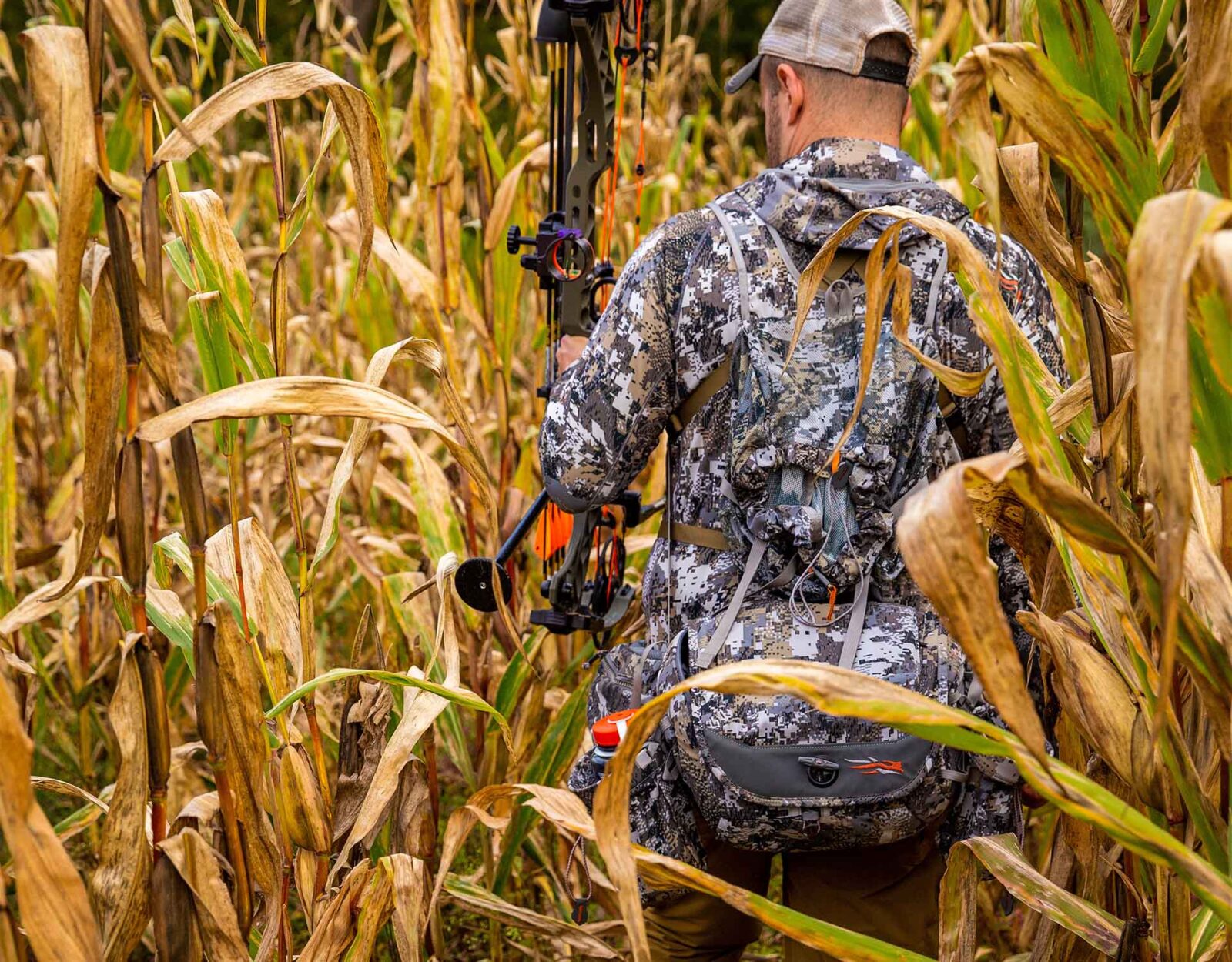
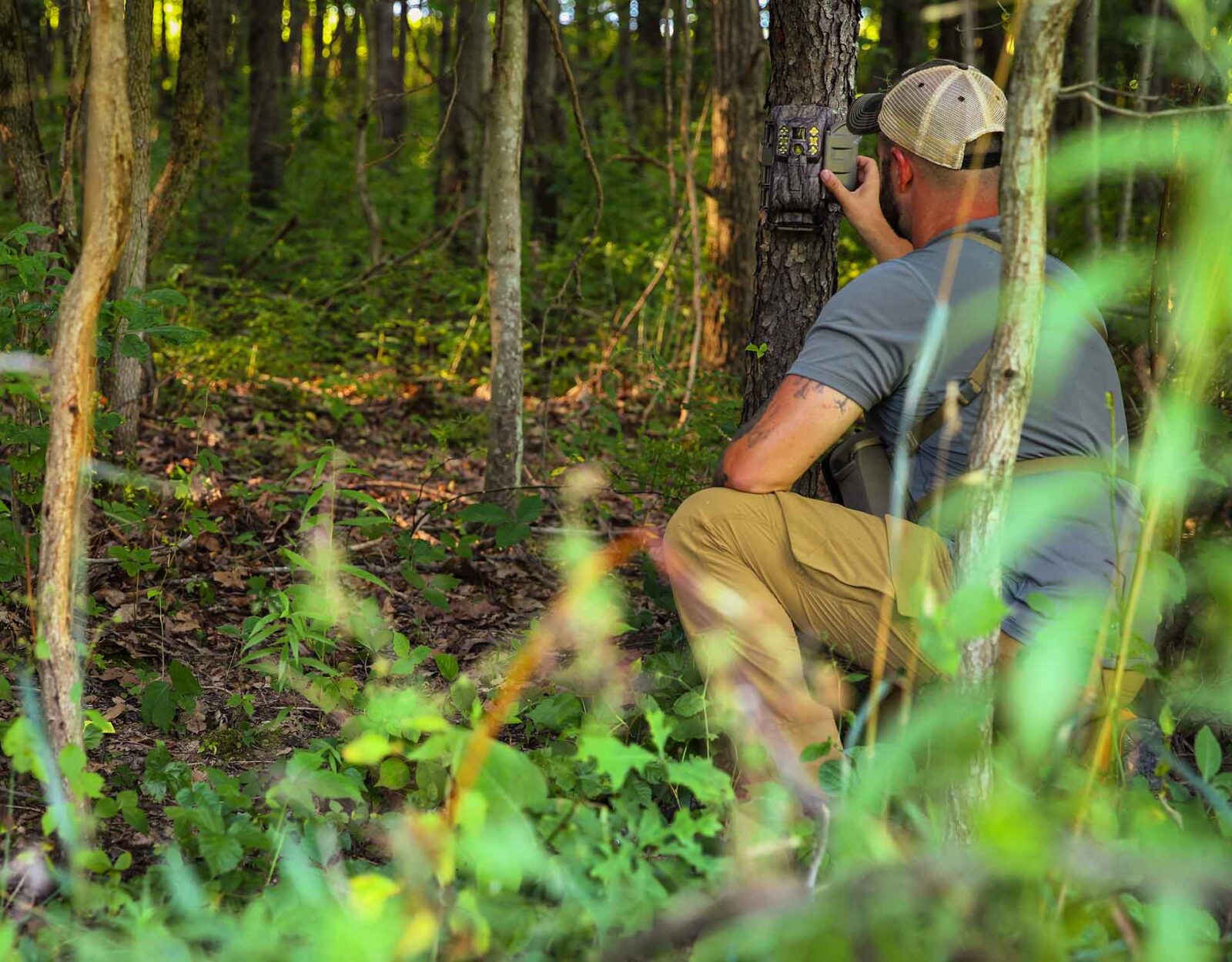
I was going to need to rethink how I hunted here and stop relying on “what worked for me in Ohio,” as the area was a completely different type of deer hunt.
The Story
At 18 years of age and full of adventure-seeking dreams and visions, I embarked on my first solo out-of-state bowhunt. As an Ohio resident, my plan was to bowhunt Kentucky. Due to its early season dates and ample bowhunting opportunities, I figured this was the perfect state to travel next door to and hunt public land whitetails.
After finding a piece of bow-only ground to bowhunt, I made plans to head down there for a scouting trip before the September opener for bow season. This was well before the days of onX, so scouting was a completely different animal. There were maps online and available to use, as well as some printed maps that could be bought, but as an avid deer hunter in Ohio with some good success, I felt like I had all the tools I needed. Boy, was I wrong.
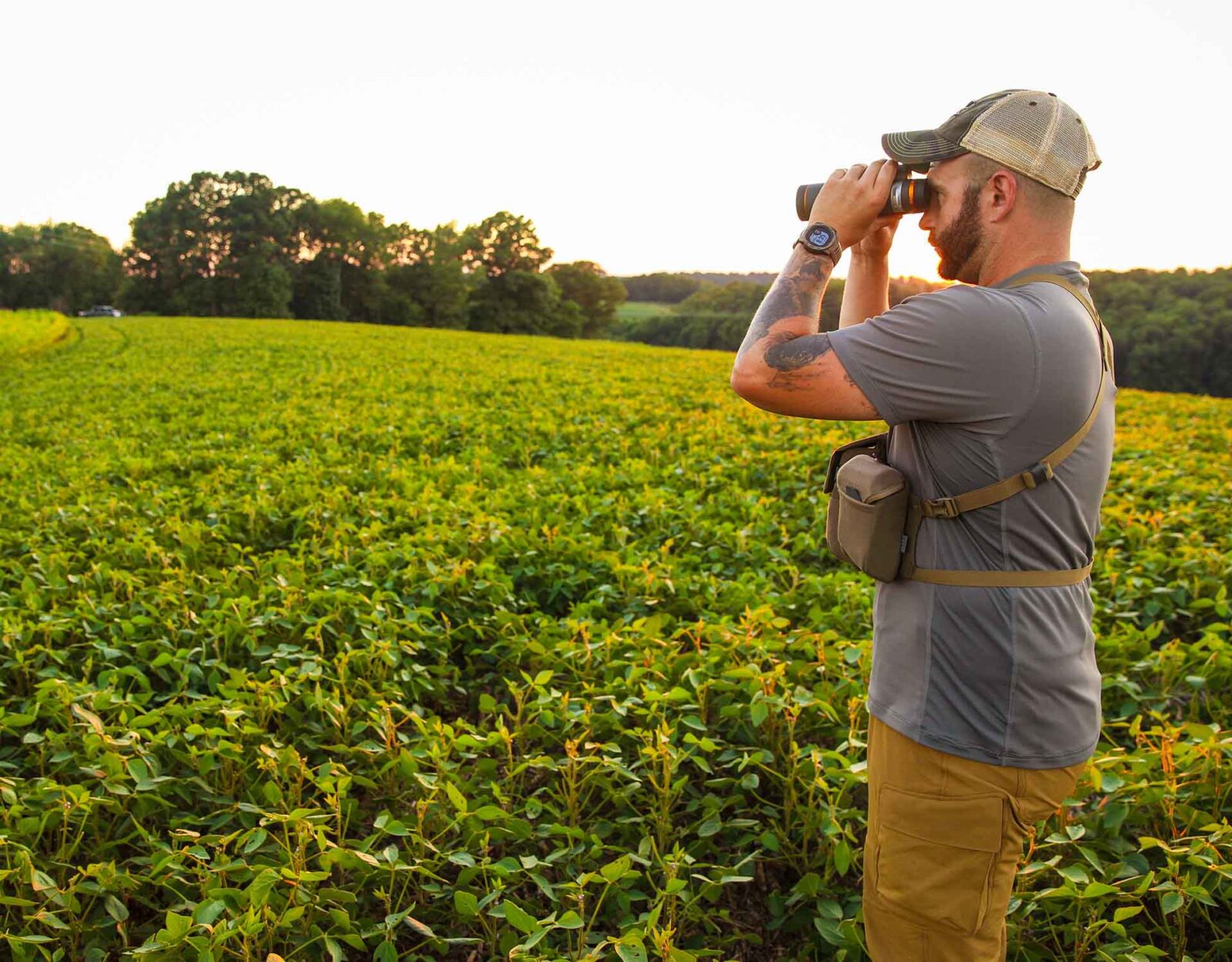
Once I got down to Kentucky on my scouting trip, I realized how big this country was compared to what I was used to hunting. There weren’t a ton of agricultural fields, so the deer sign was much more spread out and not nearly as easy to predict. That first weekend, I covered over 23 miles and didn’t find much sign at all. I was really scratching my head. The following weekend was the opener, and my plan was to start on an oak-covered ridge I had found, with hopes of dropping acorns being my ticket.
Unfortunately, to my surprise, not only was this ridge dropping oaks, but so were all of the other surrounding ridgelines, and the one I had chosen did not have the deer on it. For three days, I sat on this ridge, only seeing two does and a set of fawns. I was discouraged, to say the least.
For the next three weekends, I made the journey down to Kentucky to hunt this area. I jumped around and kept searching and hunting new areas, while camping from my tent. On the second weekend, someone broke into my truck bed cap and stole all of my food and cooking supplies. I was forced to head home because I had not checked out local hotels or other spots to stay if needed.
That same fall, in late October, a cold spell rolled in, and it got down into the twenties at night. An unpleasant deal to camp in a tent with no stove or source of heat. As a young adult, I was realizing how in over my head I was, and how I had not planned this hunt very well, nor did I possess some of the skills needed to make this hunt a reality. I was going to need to rethink how I hunted here and stop relying on “what worked for me in Ohio,” as the area was a completely different type of deer hunt. The year came and went with no buck opportunities.
The next year, I headed back down to Kentucky to settle the score. I had new plans, new ideas, and new hopes and dreams. This would be my year, I truly thought. But, to my disbelief, it was much of the same. I got my butt kicked again for most of the fall. I started getting into deer toward the end of October and almost sealed the deal on a great buck in November. The difference that year? I had a completely different mindset and multiple plans of places to hunt, camp, and stay if need be. My preparation was on point, and that in itself made a world of difference.
Still, on this hunt, and many more weekend trips I made the following two years, I never did punch a buck tag. But these hunts delivered just enough kick to the ego to set the stage for me to grow as a bowhunter. And even though I didn’t realize it then, that’s exactly how these hunts were supposed to go. I needed them to go this way.
Lessons Learned
Life Lesson #1: Plan. Plan. And then plan some more.
As a young man, right out of high school, I thought I had a great plan for this Kentucky hunt. In my mind, I had it all figured out and was prepared for anything. In reality, I was banking on three hunt plans and only my truck as my main place to stay and camp from, no matter what. As the story goes, boy oh boy, was I wrong on both of these ideas. I didn’t have enough contingency plans, and my truck proved not to be the only resource for a “home base” that I would need. Whether it’s a hunt plan or a job interview, be prepared…and then prepare some more.
Life Lesson #2: Failure isn’t the opposite of success—it’s part of it.
Not all stories end with the outcome you want, but that doesn’t mean it wasn’t the outcome that was supposed to happen. I took a lot of hits to the chin and bruised my ego many, many times. None of it was the outcome I had envisioned, but that’s not the moral of the story here. This hunt chewed me up, spit me out, and made me rethink how I e-scout, scout on foot, and hunt on public lands. These hunts taught me more about myself and what I needed to work on to be successful than any other hunts in my life. I’m forever grateful for what I gained from these hunts in Kentucky that didn’t go my way.
Life Lesson #3: Never stop learning.
The biggest key to these Kentucky hunts was that I never gave up, and I kept learning. I couldn’t find deer, so I learned to navigate land better. Something out of my control happened to my gear and camp, so I learned to design better backup plans. These hunts made me think outside the box and leave my old whitetail hunting habits in the rearview mirror. I had to learn new ways to scout and hunt deer in a place that was very much not like what I grew up hunting. I never stopped trying to learn, and that made me grow as a person and a whitetail deer hunter. This hunt didn’t end in a punched tag, but it did lead to punched tags on future hunts because of what I learned here.