Trail Overview
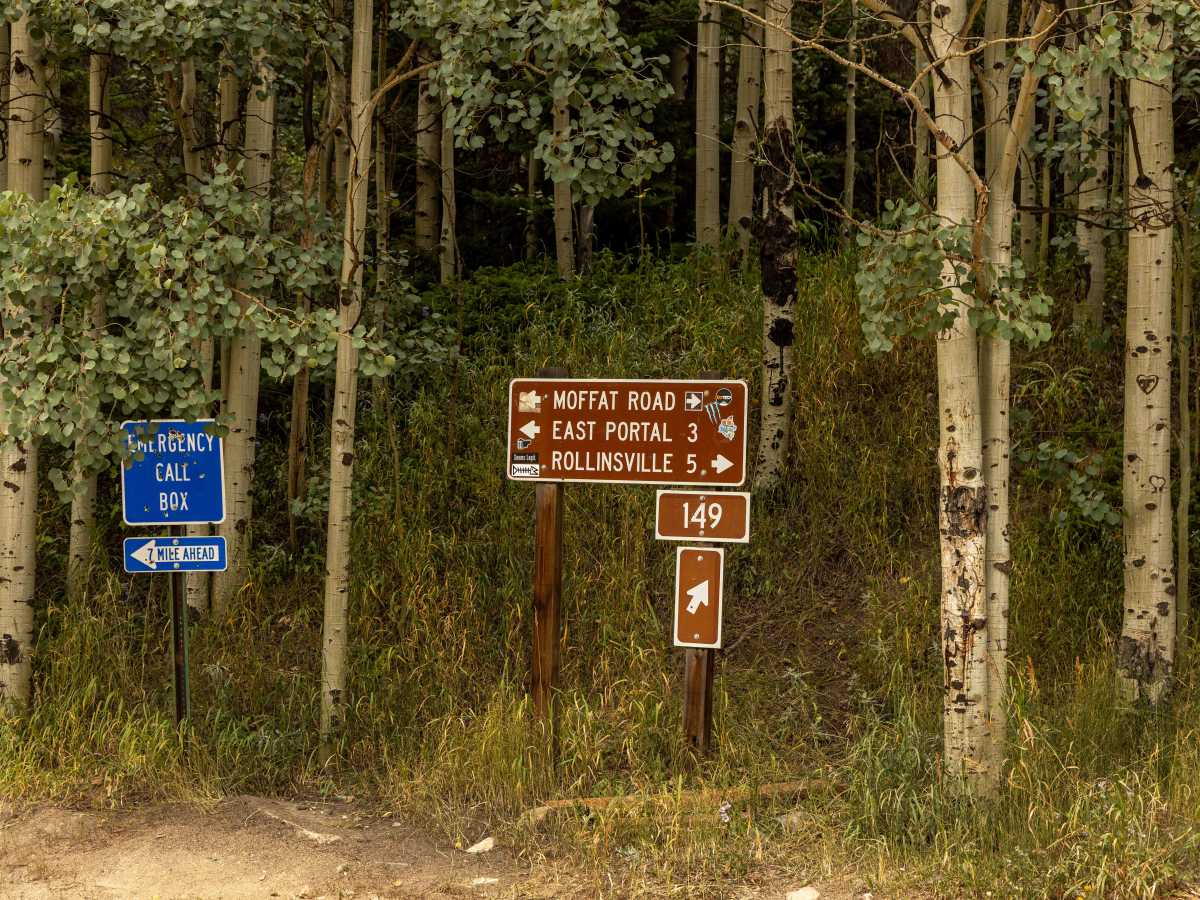
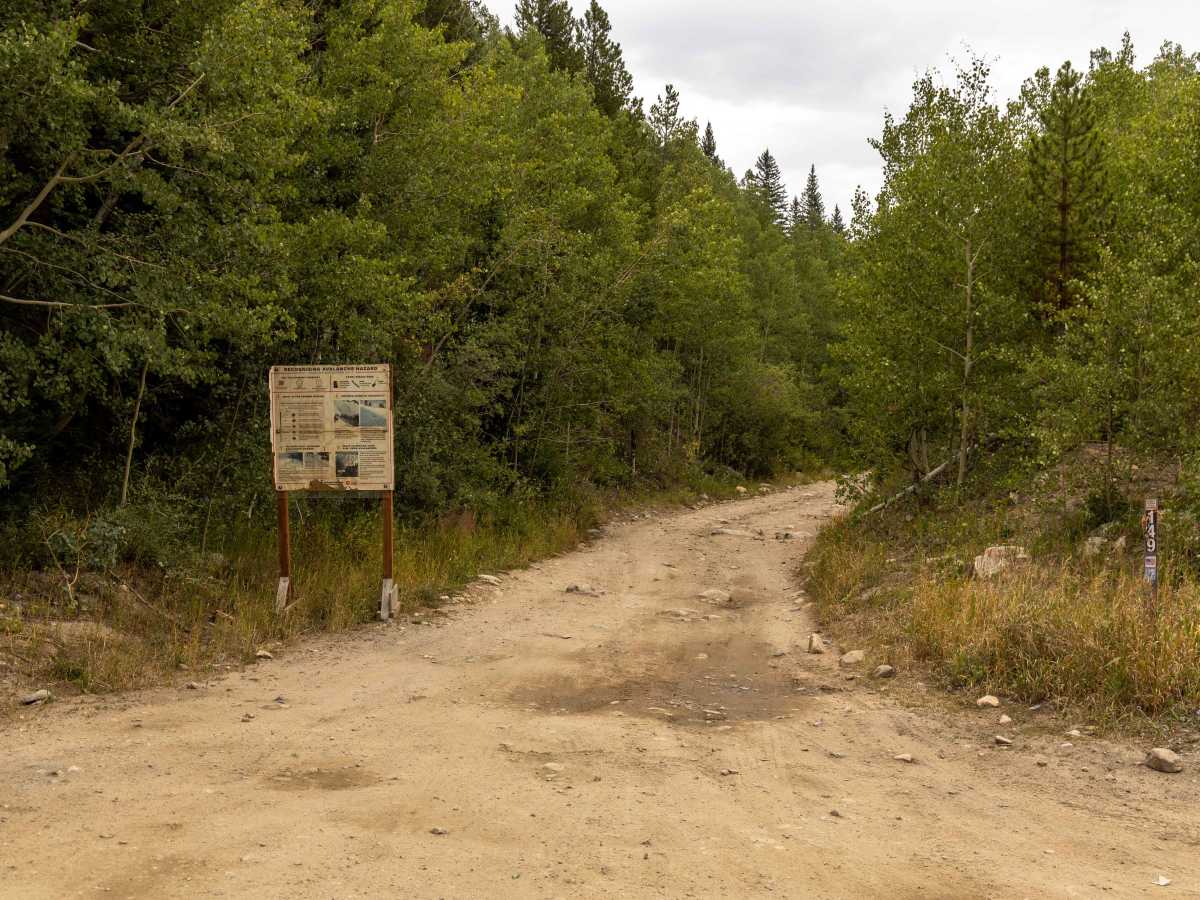
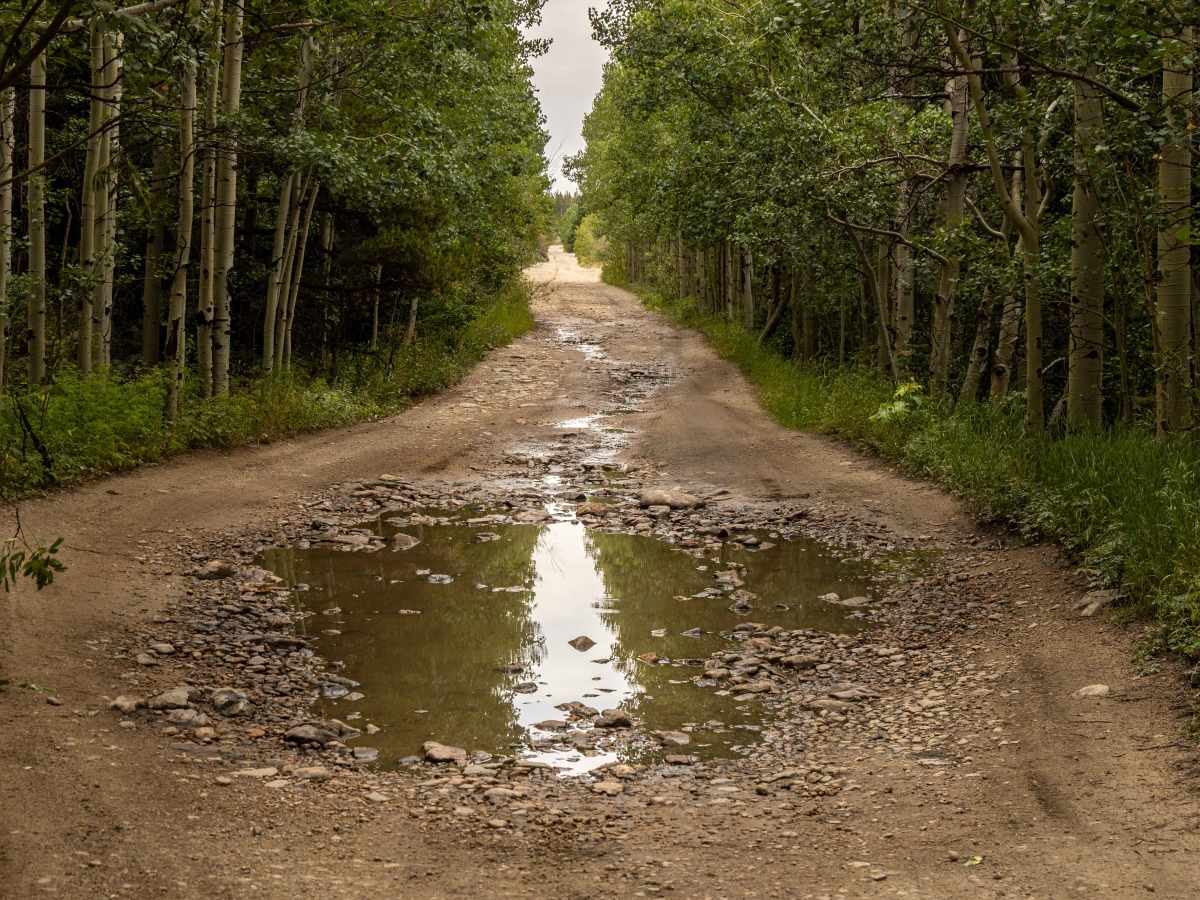
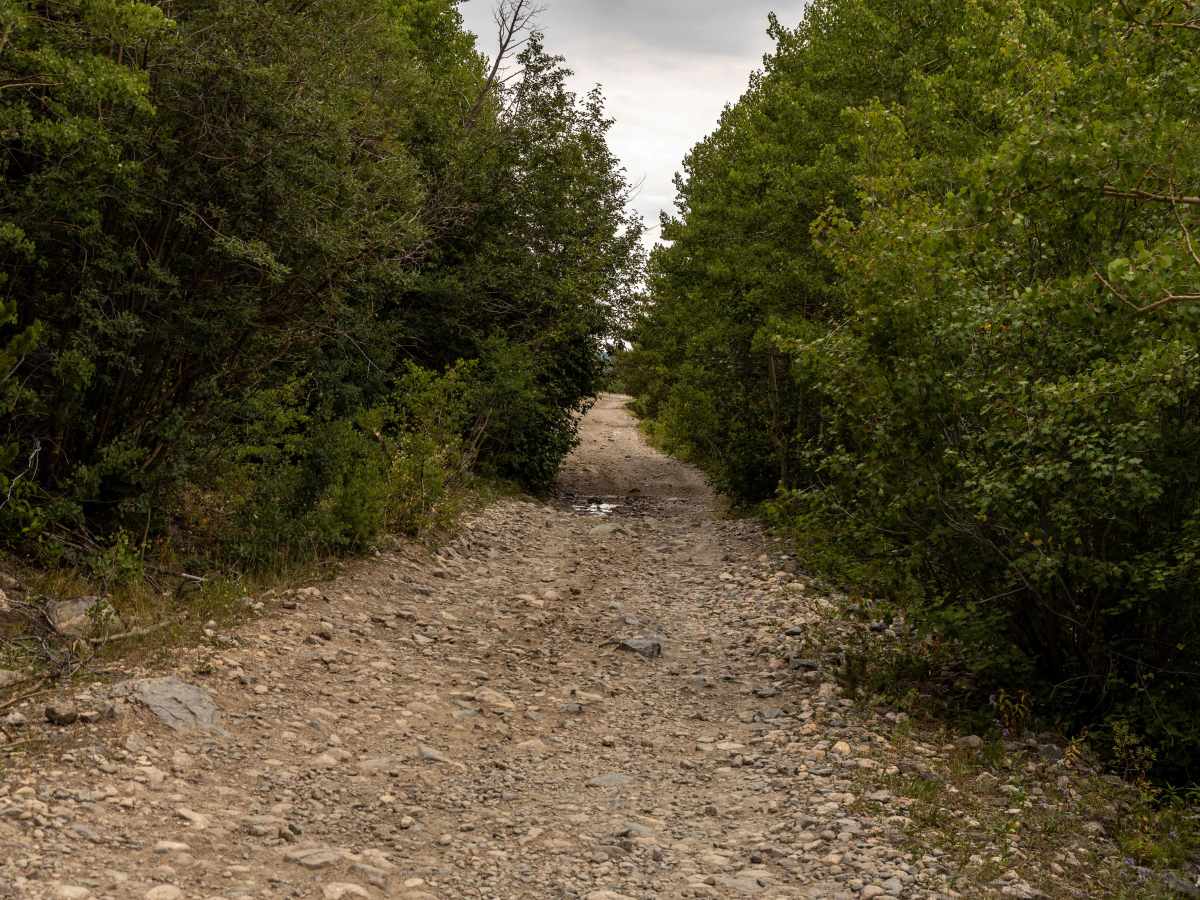
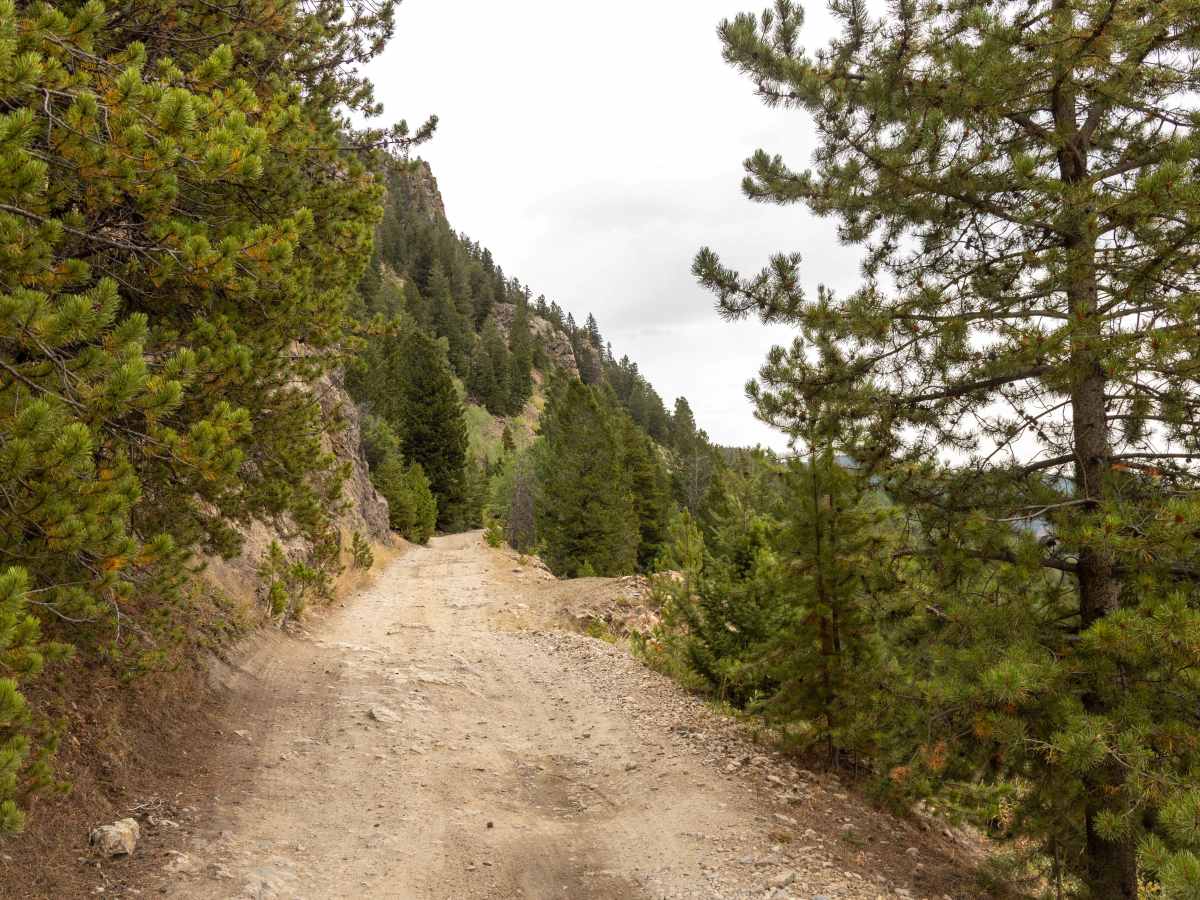
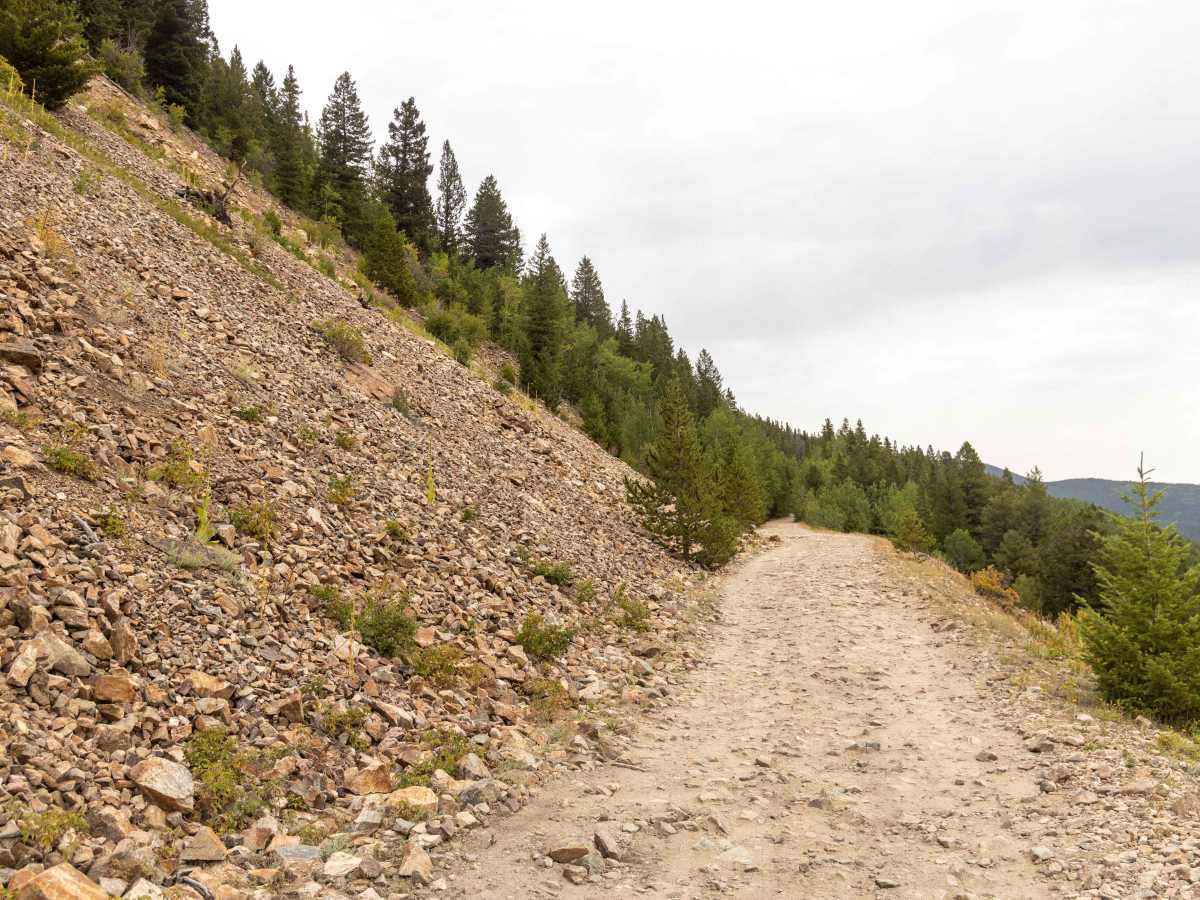
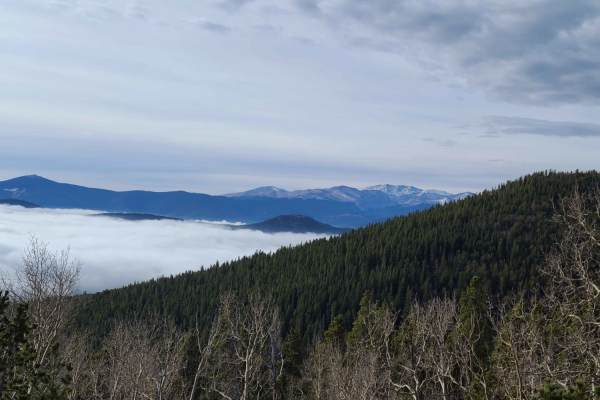
Rollins Pass East is a scenic, historic trek ideal for stock four-wheel-drive vehicles and SxSs looking to explore the rugged beauty of the Continental Divide along an abandoned railway grade. Starting near Tolland at approximately 9,189 feet, this 12.1-mile route climbs steadily to a maximum elevation of 11,229 feet, offering breathtaking alpine vistas and a journey back in time. The trail is characterized by its rocky, uneven surface with embedded stones, potholes, and occasional muddy spots that provide a bumpy, jarring ride. While there are no major obstacles, the trail's technical rating of 3 requires careful wheel placement, particularly around narrow choke points and eroded sections as you approach the upper elevations.
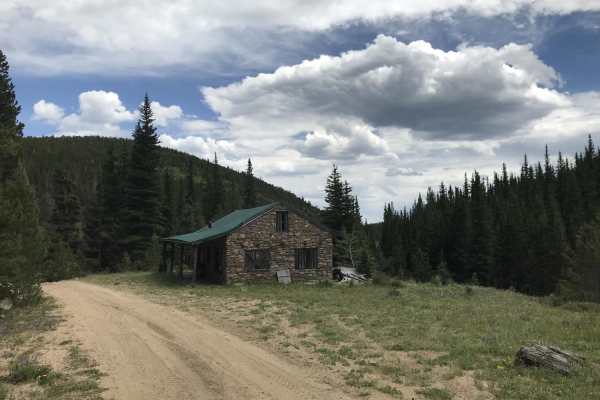
As you ascend the historic Moffat Road grade, you will gain over 2,070 feet of elevation, climbing past remnants of early 20th-century railroad engineering like old trestles and the Needle's Eye Tunnel area. This route is typically open during the summer and fall, but high-altitude weather can change rapidly, making the trail impassable during or after sudden storms. Cell service is non-existent, so travelers must be self-sufficient and prepared for remote conditions. It is crucial to note that this eastern leg does not connect to Rollins Pass West; the historic tunnel remains sealed, and there is no legal motorized bypass, meaning this trail is an out-and-back adventure that ends near the summit before retracing your path.
Difficulty
While there are no major obstacles on this trail, it is uneven, with ruts and loose rocks in places. Erosion and narrow choke points on the trail, especially up near the summit, require your full attention.
History
Rollins Pass East has been used for over 10,000 years by Indigenous peoples for hunting and migration, evidenced by archaeological rock walls and hunting blinds. In the mid-1860s, John Quincy Adams Rollins constructed a toll wagon road here to facilitate access to Middle Park. Between 1903 and 1904, the Denver, Northwestern & Pacific Railway built the "Moffat Road" rail line across the pass, reaching 11,680 feet, making it the highest mainline railroad in North America at the time. The railroad operated until the completion of the Moffat Tunnel in 1928, after which it was converted to an automobile road, though rockfalls eventually closed the Needle's Eye Tunnel in 1979.

 Offroad