Motorized Dispersed Camping Guide: How to Find Free Camping Near You
By Adam Zolyak, Bantha Overland
What Is Motorized Dispersed Camping?
Motorized dispersed camping is the practice of camping outside of designated campgrounds and developed facilities, usually on public lands managed by the U.S. Forest Service (USFS) or the Bureau of Land Management (BLM). It’s what many of us overlanders and road travelers turn to when we want solitude, flexibility, and a deeper connection with the outdoors and the people we’re traveling with.
Also called free camping, off-grid camping, wild camping, or boondocking, dispersed camping typically means no amenities—no bathrooms, no water spigots, no picnic tables, no trash cans. Just you, your rig, and the land. That’s part of the appeal.
Whether you’re staying a night or settling in for a few days, dispersed camping allows you to explore awesome wide-open spaces without reservations—and normally for free.
But dispersed camping doesn’t mean blazing your own trail or setting up wherever looks flat. In fact, most legal and responsible dispersed campsites are existing sites located along legal Forest Service or BLM roads within a few hundred feet of the road.
Find Legal, Free Campsites with Confidence
Whether you’re deep in a National Forest, surrounded by the vast openness of BLM land, or tucked away just off the trail, onX Offroad helps you camp smarter, safer, and more sustainably.
These spots have usually been used before and show signs of previous camping—flattened areas, tire marks, maybe even a rock fire ring or a log used as a bench. Sometimes they’re tucked under trees, sometimes perched above a canyon, sometimes just a simple pullout with enough room to level your rig. And if you’re lucky? You’ll catch an awesome view.
Reusing these existing sites is key to protecting the land. It keeps new areas from getting trampled and helps reduce your impact. With a little scouting (and the help of a good map like onX Offroad’s Dispersed Camping Layer), you’ll know where to look for these sites and start developing an eye for finding amazing locations to explore and camp.
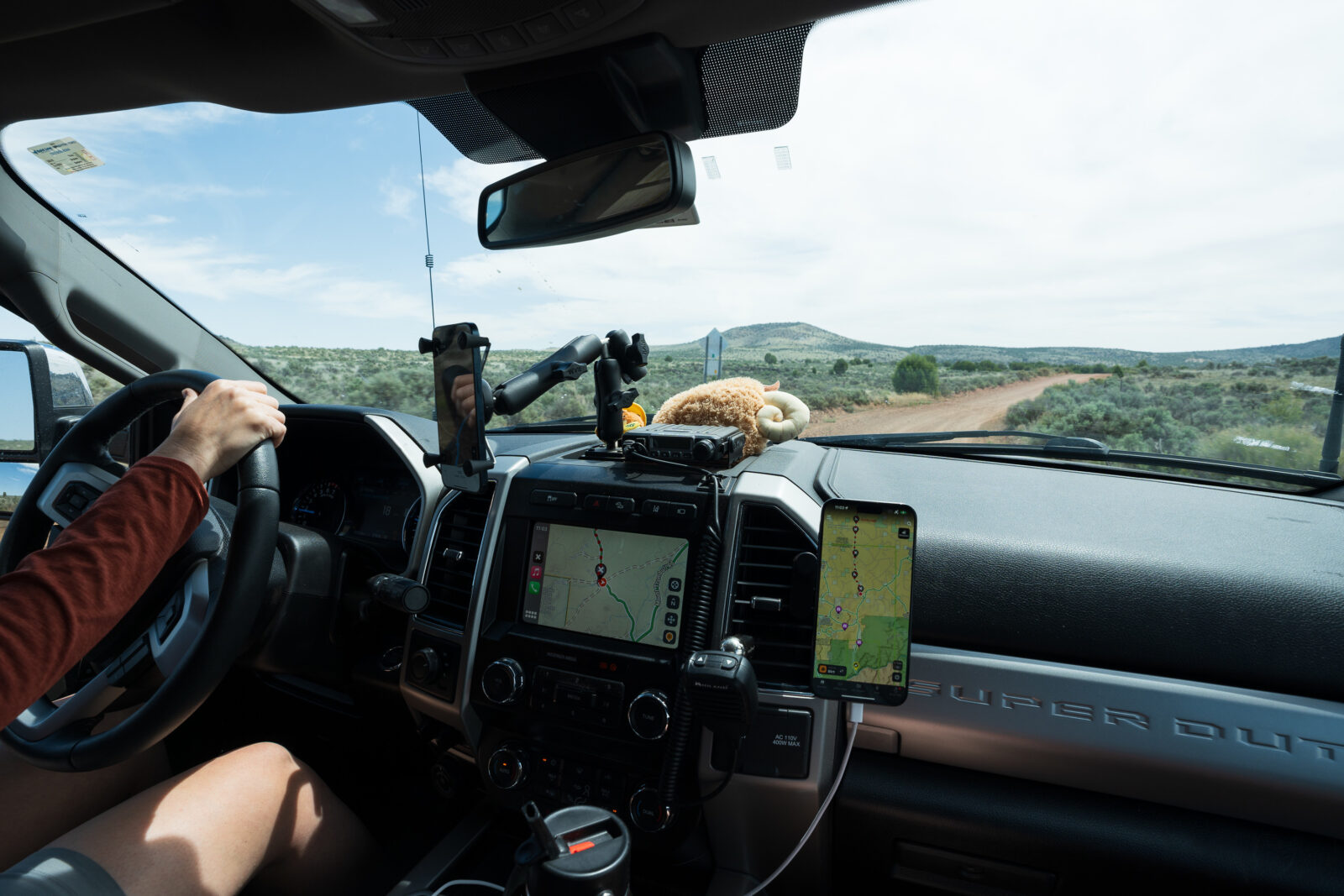
Where You Can Go Motorized Dispersed Camping
Knowing where you’re allowed to motorized disperse camp is essential. Not all public land is open to motorized dispersed camping, and the rules vary depending on the agency and the land’s specific designation. The following are common places with dispersed camping in the U.S.:
BLM Land
BLM-managed lands are some of the most popular spots for dispersed camping. In general, you can camp just about anywhere on BLM land unless signage or specific rules say otherwise. Most stays are limited to 14 days within a 28-day period. Look for already established pullouts or campsites rather than creating a new one.
BLM land tends to be open, wild, and vast—great for remote camping with few neighbors and big views.
National Forests
The USFS allows dispersed camping in most National Forests, but the rules can vary significantly by region or even district. Less commonly, some designate specific “dispersed camping corridors” or “designated numbered dispersed campsite.” onX Offroad’s Dispersed Camping Layer allows you to easily find where dispersed camping is allowed and learn about area-specific regulations.
USFS land tends to be more forested, with more trees, lakes, and sometimes rugged off-road trails. I find onX Offroad’s Guided Trails essential in these areas to understand trail difficulty to find the right balance of challenge and adventure with trail difficulty ratings, descriptions, photos, and recent Trail Reports.
What About National Parks?
Generally speaking, dispersed camping isn’t allowed in national parks. These areas are more heavily managed to protect natural and cultural resources. Some, like Death Valley National Park allow motorized dispersed camping in remote areas of large, sparsely traveled national parks. Check local park regulations for details.
Types of Dispersed Camping
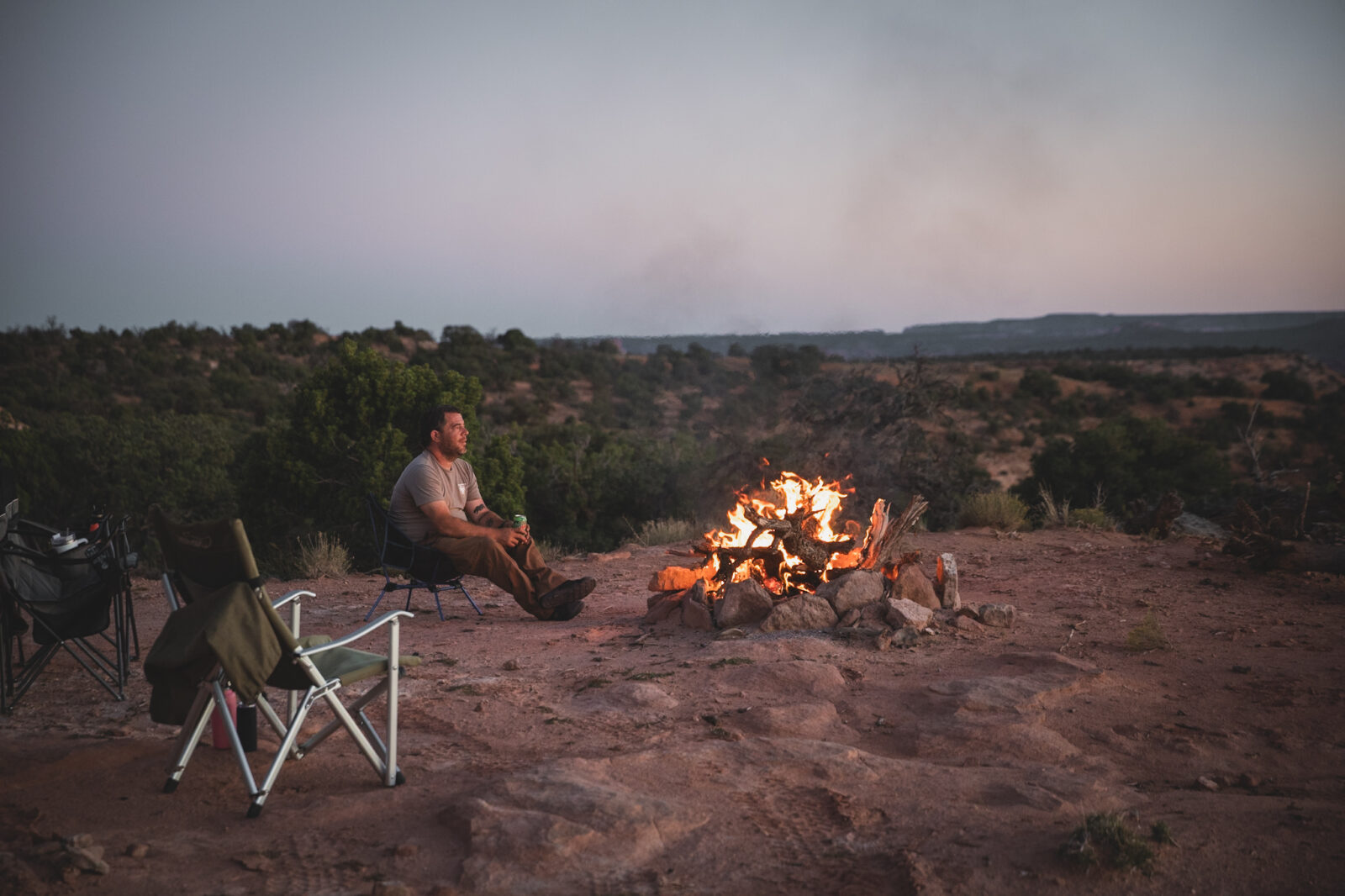
Not all dispersed camping is the same. Over the years, I’ve found that dispersed sites tend to fall into a few categories which can be helpful to consider before selecting a site:
Route-Based Camping
This is the most common type of dispersed camping for overlanders. You follow an off-road route or forest road, keeping an eye out for established sites—flat clearings, pullouts, or previously used spots. These sites often appear near creeks, trailheads, or scenic overlooks and tend to be the most immersive.
This type of camping is often used when traveling a larger route connecting multiple off-road trails, moving campsites every day or two.
Point-of-Interest (POI)-Based Camping
Sometimes you’re headed somewhere specific—a trail, hot spring, or rock formation—and want to camp nearby. POI-based dispersed camping involves scouting nearby legal spots within a short drive or hike from your destination.
These camps are often more functional than scenic but are ideal for early starts or sunset hikes.
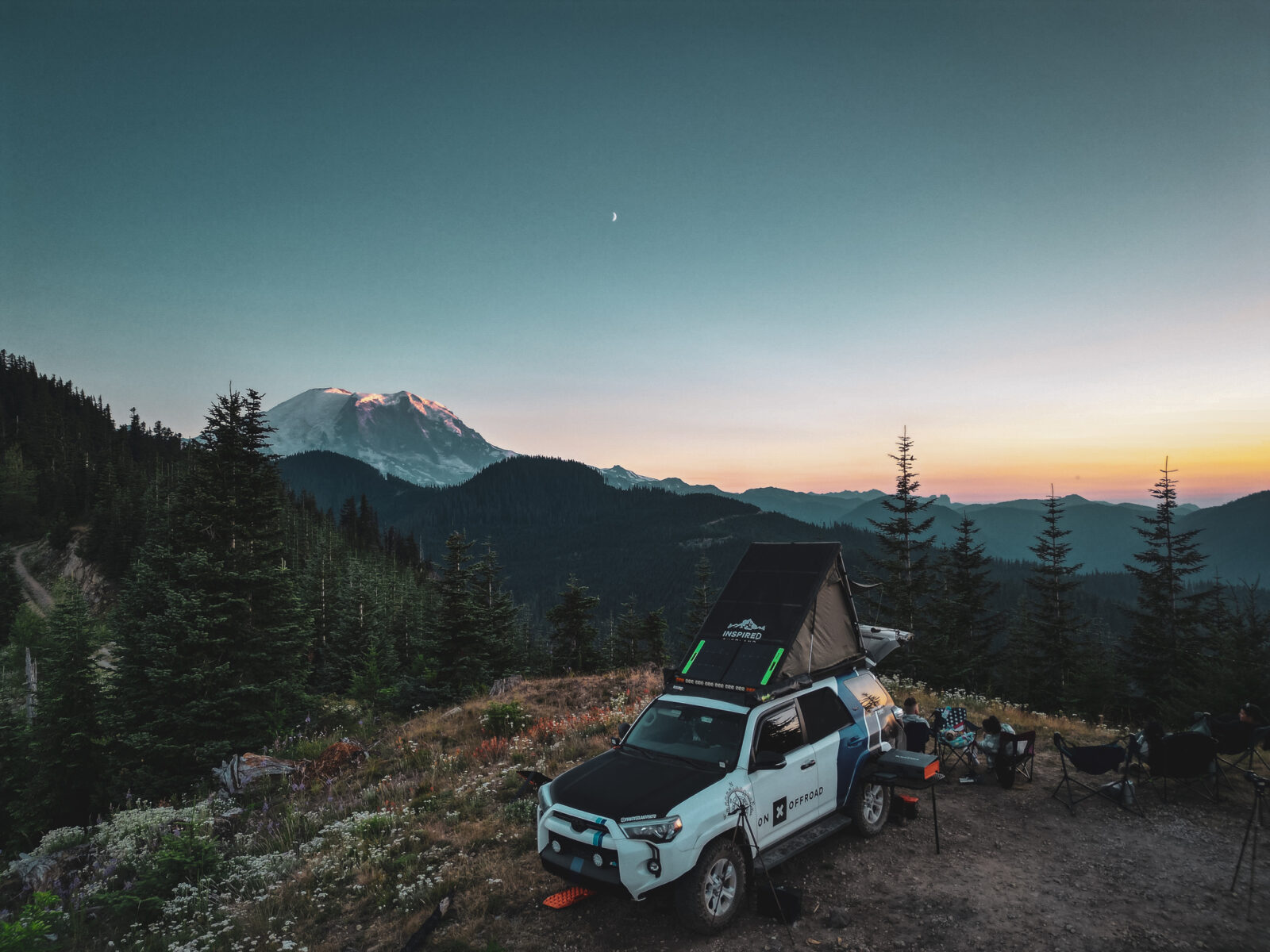
Convenience Camping (Overnight Stops)
Maybe you’re in transit and just need a legal place to sleep. You might find a flat spot on BLM land just off the highway, or a quiet forest road on your way to your next destination.
These sites prioritize accessibility and quick setup, especially when you’re rolling in close to sunset.
Rules, Safety, and Leave No Trace
With the freedom of dispersed camping comes real responsibility. You probably won’t have a ranger driving by to check in on you or answer questions, so it’s up to you to know and follow the rules. Common rules and guidelines include:
- Prefer existing campsites within a few hundred feet of the road.
- Park and camp on durable surfaces like dirt, rock, or sand.
- Camp at least 200 feet from water sources.
- Pack out all trash—there’s no trash service here.
- Use a portable toilets and pack out human and pet waste.
- Know and follow current fire restrictions, using grey water to drown fires—or use a propane fire pit.
- Respect posted signs and regulations.
These regulations and guidelines are vital for vehicle-based campers. Every year, more and more areas are closed due to misuse. Don’t be that person. Please do your part and leave it better than you found it.
To learn more about dispersed camping rules and practices download my complete Field Guide to Motorized Dispersed Camping Regulations & Practices.
How to Find Dispersed Camping Near You
There’s never been a better time to find legal, dispersed campsites with confidence.
Apps like onX Offroad offer dedicated tools to help you identify legal camping areas, navigate off road trails, and plan your route ahead of time. Here’s how it helps:
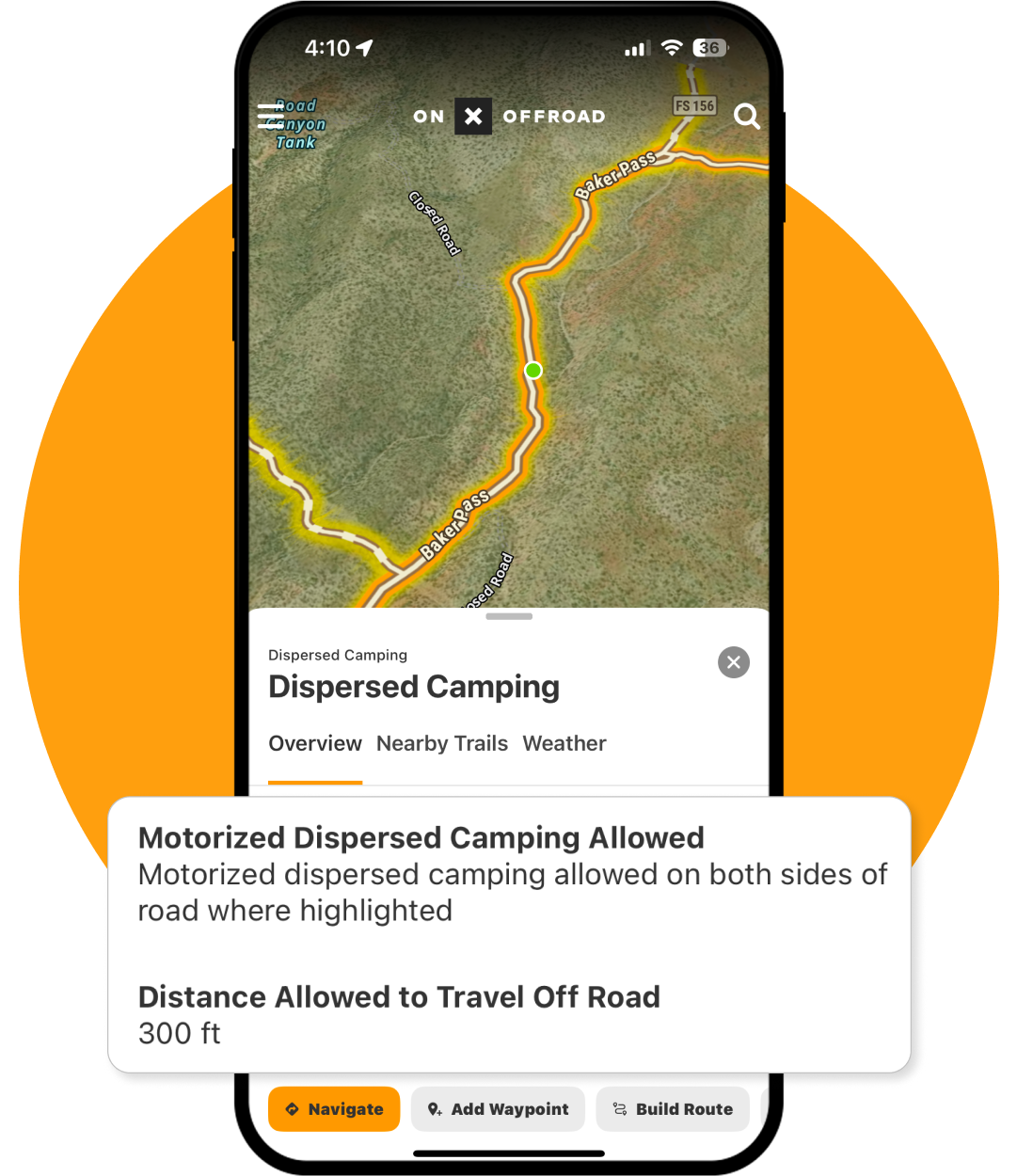
Dispersed Camping Layer: Highlights legal camping areas on public lands.
Guided Trails: Find the perfect off-road trail that has just the right amount of adventure for you and your rig.
Satellite Imagery: Find specific dispersed campsites and mark them with Waypoints (check out my onX Map Key to see what icons and colors I use to easily mark dispersed campsites).
Land Ownership and Private Land Layer: Shows who owns the land and if there are any private land inholdings.
Offline Maps: Plan ahead and navigate along the trail without cell service.
Trail Reports: View recent trail conditions reported by fellow onX Offroad users.
I use onX Offroad on nearly every trip to find legal campsites, preview the terrain, and make sure I have a backup plan. Even if you love winging it, having Offline Maps and clearly marked public land boundaries make a huge difference to camping legally and confidently.
Explore More with Dispersed Camping
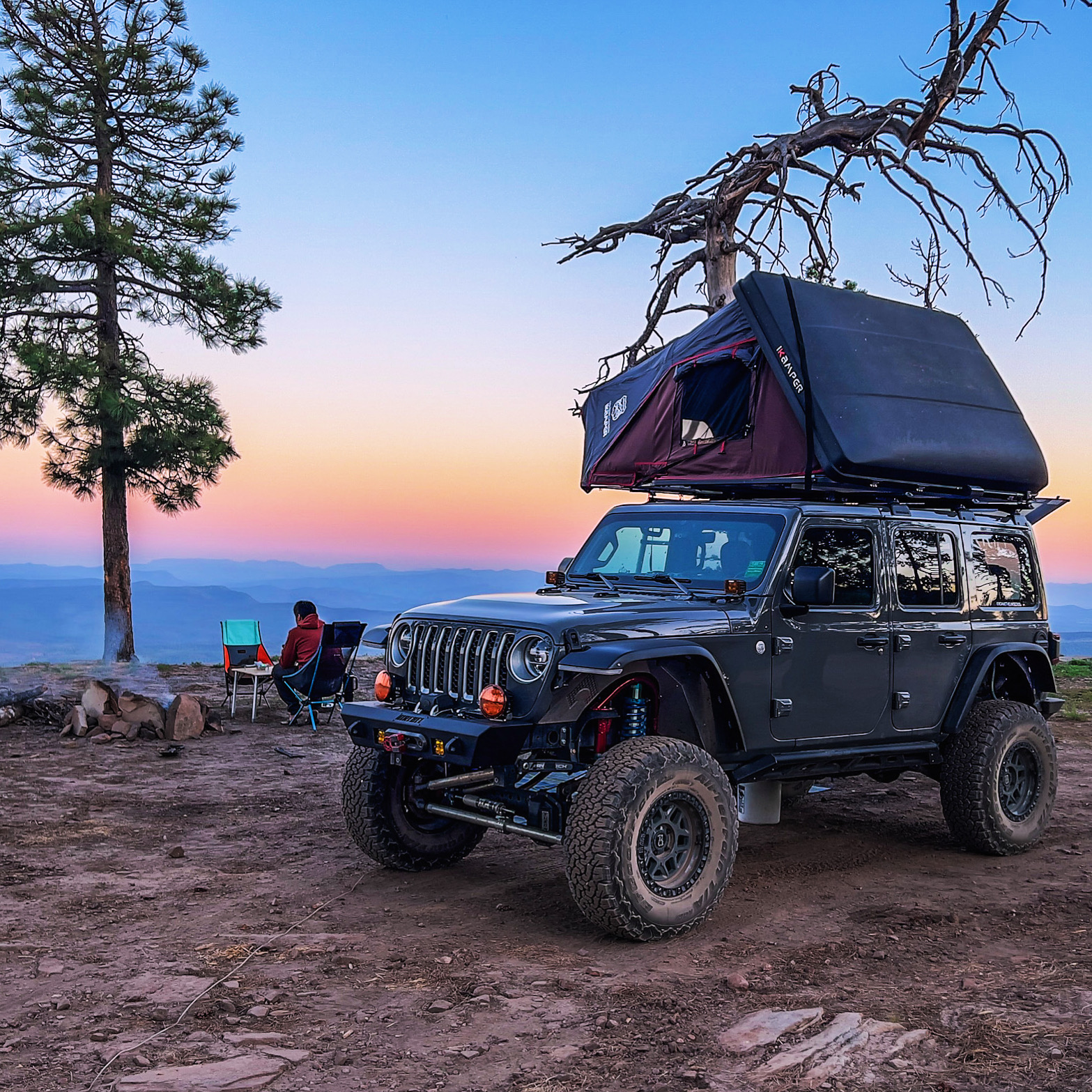
Dispersed camping opens up a different kind of experience—one where you’re not boxed into campsites or reservations. It’s freedom with responsibility, and the more we respect the land, the longer we’ll have access to these special places.
So whether you’re out for a weekend or a months-long adventure, motorized dispersed camping can be a powerful way to explore. Use the right tools, follow the rules, and you’ll find magic just down that dusty forest road.
Ready to Explore?
Download onX Offroad and start discovering free campsites on public land near you. See you out there. And check out upcoming onX Offroad Masterclasses to learn everything you need to know to get the most out of onX Offroad and plan your next adventure.
dispersed camping maps – onX offroad exclusive
Find legal dispersed camping near motorized trails on National Forest land with this exclusive new map layer.