Best Fishing Lakes in Indiana
Indiana may be known for its farmland and basketball legacy, but for anglers it’s also a hidden gem filled with scenic lakes ready to be fished. From peaceful, secluded waters to expansive reservoirs, the Hoosier State offers a wide variety of fishing spots for every type of angler—whether you’re chasing largemouth bass, reeling in crappie, or looking for a relaxing day on the water. In this guide, we’ll explore the best fishing lakes in Indiana, each offering unique experiences, abundant fish species, and unforgettable views. Grab your rod, pack your tackle box, and let’s dive into Indiana’s top fishing destinations.
TL;DR
Indiana is home to some of the Midwest’s best freshwater fishing, from sprawling Lake Wawasee to hidden gems like Summit Lake and Patoka Lake. Whether you’re after bass, walleye, crappie, or panfish, the Hoosier State offers year-round fishing—including great ice fishing in winter. This guide highlights the top Indiana fishing lakes with seasonal tips, regulations, and access info to help you plan your next trip.
The Five Best Lakes to Fish in Indiana
Indiana might not be the first place that comes to mind when you think of fishing havens—but it should be. The Hoosier State boasts an impressively diverse range of fishing environments, from sprawling natural lakes like Lake Wawasee to quiet, forest-lined gems tucked deep in state parks. Add in winding rivers, spring-fed ponds, and miles of Great Lakes coastline along Lake Michigan, and you’ve got a freshwater angler’s dream.
Whether you’re a seasoned pro chasing trophy bass or a weekend warrior looking for a peaceful escape, Indiana offers something for every style and skill level. In this guide, we’ll explore the best fishing lakes across the state—complete with actionable tips, local insights, and need-to-know info to help you make the most of your time on the water. From bait choices to boat access, we’ve got you covered.
Lake Wawasee
Key Species: largemouth bass, bluegill, Northern pike, smallmouth bass, spotted bass, redear sunfish, and catfish
Why It’s Famous: Indiana’s largest natural lake at 3,006 acres, Lake Wawasee offers a spacious and scenic environment for anglers. The lake’s clear waters and various fishing spots, including points and weedlines, contribute to its reputation as a top fishing destination. The lake is known for its healthy fish populations, and the lake hosts bass fishing tournaments throughout the year, further solidifying its reputation as a top fishing destination.
Ice Fishing: Lake Wawasee in Indiana is a popular destination for ice fishing, particularly for largemouth bass, northern pike, and panfish like bluegill. Early ice fishing can be productive, but it’s essential to be cautious. It’s recommended to test the ice with a spud and fish in areas where others have already been. Early ice fishing may also be more limited to panfish, as fish can be skittish on early ice.
Open Water Fishing: Fishing is popular year-round at Lake Wawasee, including ice fishing in the winter. The clear waters make it easier to spot fish and can improve the overall fishing experience. Anglers can use various techniques, such as drop shots, to target specific fish and depths. The lake’s structure includes deep weed edges, points, and coves, offering diverse habitats that attract different species during different seasons. The lake also features deeper offshore areas where schools of fish, including bass, can be found using sonar.
Insider Tip: Start the fishing day early with some serious power fishing. Begin your day with crankbaits and spinnerbaits to quickly cover water and elicit reaction strikes, particularly spinnerbaits with large blades in windy conditions.
Lake Maxinkuckee
Key Species: smallmouth bass, largemouth bass, walleye, yellow perch, bluegill, redear sunfish, black crappie, and channel catfish
Why It’s Famous: Lake Maxinkuckee is famous for its fishing due to its diverse fish population and year-round angling opportunities, especially during the winter ice fishing season. The lake is home to various species including bass, walleye, yellow perch, bluegill, and more. Its size, at 1,864 acres, and depth (up to 88 feet) also contribute to its popularity as a fishing destination. Anglers can enjoy fishing throughout the year, with ice fishing being particularly popular in the winter months.
Ice Fishing: To make the most of your ice fishing trip on Lake Maxinkuckee, focus on finding shallow flats with gradual slopes (4-10 feet deep) using onX Fish. Consider using a small shelter, and try using red, gold, pink, or orange lures, especially those that offer a good presentation and visibility in the clear water. In that clear water, spoons can be very effective for triggering strikes, even when fish aren’t actively feeding.
Open Water Fishing: Fishing on Lake Maxinkuckee can be challenging due to its clear water, but successful anglers utilize various techniques and lures to target different species. Understanding the seasonal patterns and depths where fish are likely to be found is crucial for a successful fishing trip. Using natural-looking lures and fishing during low-light periods (early morning or late evening) can improve your chances. Remember that fish behavior and location change with the seasons. In the spring and early summer, fish may be found in shallower areas, while they may move to deeper ledges and structure later in the season.
Insider Tip: Ice anglers will find panfish eager and willing during early ice periods. Find good weed flats with healthy, bright vegetation that’s still standing to target ranging schools of bluegills and crappies.
Brookville Lake
Key Species: walleye, striped bass, muskie, white bass, crappie, large and smallmouth bass, bluegill, catfish, yellow perch, pumpkinseed sunfish, northern pike, brook trout, flathead catfish, sauger, and redear sunfish
Why It’s Famous: Brookville Lake, 17 miles long and covering 5,260 acres, offers diverse fishing opportunities with an average depth of 30 feet and maximum depth of 110-140 feet. One of the few trout fisheries in the area, the lake is also known for its walleye fishing. The lake is part of the Brookville Reservoir and provides good fishing opportunities within the boundaries of Brookville Lake State Park.
Ice Fishing: Once the ice is thick enough, Brookville Lake offers ice fishing opportunities for various popular fish species.Anglers may employ techniques like using a fixed float to set the depth for jigging, or targeting fish near structure in depths from 10-15 feet. A variety of baits and tackle can be used, including jigs, and live bait. Indiana law limits ice fishing holes to a diameter of twelve inches, and fishing shanties must have reflectors on each side.
Open Water Fishing: Look for bluegill and crappie near structure in depths of 10-15 feet. Walleye can be caught by trolling around 15 feet deep. There are specific regulations for certain fish, including a 6-fish limit for walleye with a 14-inch minimum size, and a 2-fish limit for striped bass with no minimum size. Walleye can be caught by trolling in depths around 15 feet. Crappie are another common target, with a daily bag limit of 25 per person. Bluegill and redear sunfish can often be found near structure in depths of 10-15 feet and are also known to bed in the shallows near vegetation.
Insider Tip: When fishing for walleye, consider trolling with spoons, crankbaits, and spinnerbaits, according to the Indiana Department of Natural Resources. For bass, try spinnerbaits, jerkbaits, and soft plastics.
Summit Lake
Key Species: trout (rainbow, cutthroat, brown), bass (largemouth, smallmouth), perch, and various sunfish (pumpkinseed, bluegill)
Why It’s Famous: Summit Lake, the 800-acre lake within Summit Lake State Park, is known for its fishing. The 2,680-acre state park is also popular for its scenic beauty, camping, wildlife watching, and other recreational activities like hiking and bird watching. Lake Summit is a clear water lake, with the south end generally clearer than the north end which can be a bit muddier. There are three boat launches available, including a northern and southern ramp, and a campsite ramp. Summit Lake State Park also has kayak launches at the north and south ends. Boat rentals (paddleboats, rowboats, kayaks, and canoes) are available.
Ice Fishing: Summit Lake is stocked with a variety of fish that can be targeted through the ice, including bass, crappie, yellow perch, channel catfish, walleye, and sunfish. Ice shanties or portable shelters must display the owner’s name and address or DNR-issued Customer ID number in 3-inch block letters on the outside. Between sunset and sunrise, shelters need a red reflector or 3×3 inch reflector strip on each side. Shelters must be removed from public waters before ice-out and daily if used before January 1st and after February 15th. Indiana ice fishing regulations specify that no more than three lines may be used at a time, each with a maximum of three hooks (single, double, or treble) or three artificial lures.
Open Water Fishing: The main creek channel is a productive fishing spot, especially in warmer water. Try fishing near the islands using Ned rigs and drop shots. For shore anglers, the eastern shoreline is easily accessible and offers good opportunities. Those with boats can target the northern end of the dam, focusing on the area’s rocky features. Throughout the lake, look for crappie and bluegill around sunken logs and brush piles in depths of 10-15 feet. Target largemouth bass in shallow areas near spawning beds, especially when water temperatures are around 65 degrees. Use soft plastic worms or stick baits. Spinnerbaits are effective when bass are actively feeding near the surface. For walleye, try trolling in depths around 15 feet.
Insider Tip: The main creek channel area is a known hotspot, particularly when the water temperature is warm. Fish tend to congregate in the main channel, and you might find other anglers already there, so go early and stay late to avoid the crowds.
Patoka Lake
Key Species: largemouth bass, crappie, bluegill, redear sunfish, catfish, and walleye
Why It’s Famous: Patoka Lake in Indiana is a popular destination for fishing, known for its diverse fish populations. With a surface area of 8,800 acres and maximum depth of 52 feet, the lake is regularly stocked to maintain healthy fish populations. Anglers can find success using various techniques and baits, including jigs for crappie and Carolina rigs for bass.
Ice Fishing: Popular wintertime catches through the ice include crappie, yellow perch, bluegill, and walleye. Look for hard bottoms, underwater springs, and submerged structures like trees or rock piles, as these areas tend to attract fish. Crappie may appear as “clutter” or “clouds” on a fish finder, while perch are often seen as individual fish or in small groups. Anglers should be aware of Indiana’s ice fishing regulations, including size limits on holes and requirements for reflectors on fishing shelters.
Open Water Fishing: Jig and plastic offerings are a popular choice for crappie fishing, and anglers can experiment with different sizes and types, including underspin or safety-pin style jig-spin-plastic combos. The Carolina rig is a good option for fishing bass when they are close to the bottom. Live baits like worms, minnows, and insects can be very effective, as they mimic the fish’s natural food sources. A wide variety of artificial lures are available, and anglers can experiment with different shapes, colors, and sizes to find what works best. Don’t be afraid to try different areas and techniques to find what works best on a given day.
Insider Tip: Patoka Lake is known for its largemouth bass fishing. Look for them around structure and laydowns, especially during the pre-spawn and late-fall periods.
Best Seasons to Fish in Indiana
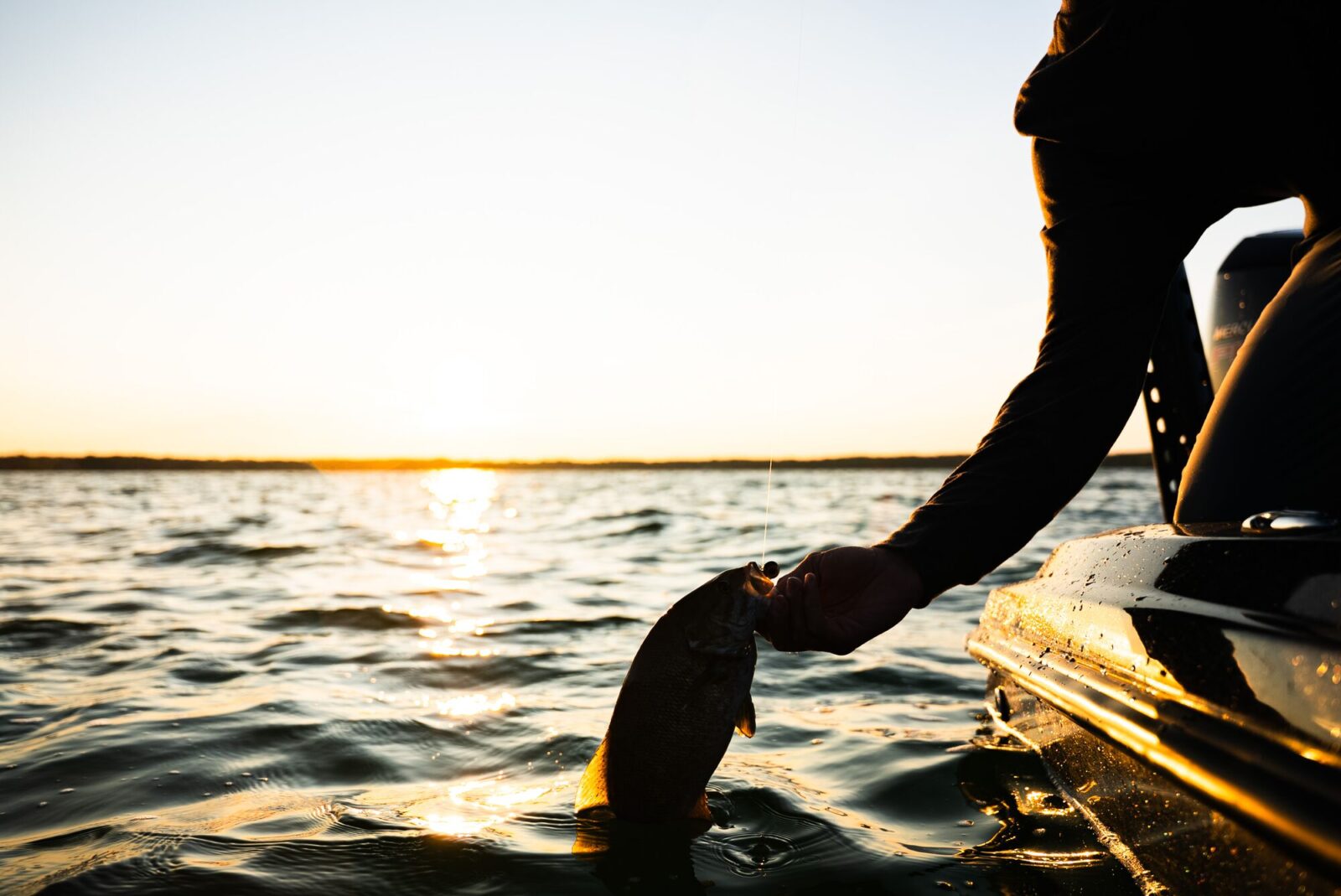
Spring: The best time for spring fishing in Indiana is generally from late March through May, with April often being the peak month for many species. This period sees fish, especially crappie, migrating to shallower, warmer waters to spawn. In early spring (late March into early April) crappie begin moving into shallower areas, particularly near structures like sunken logs, timber, and brush piles. Walleye and sauger can be found in upstream rivers and below dams. During mid-spring (April-May) as water temperatures continue to warm, fishing for bass and other species becomes more productive in shallower flats and nearshore cover. Trout are often stocked in this period as well.
Summer: Summer is a great time for fishing in Indiana, with warm weather and active fish. Key species to target include bass, catfish, sunfish, and crappie, especially during the early morning and late evening. Bluegill and redear sunfish are often found near the shallows, particularly around lily pads. Catfish are also active, and spawning can be productive, particularly for channel catfish. Bass anglers should focus on shallow areas with cover like submerged logs, brush piles, and vegetation, especially during the early morning and late evening. Striped bass are also a local favorite, and as summer temperatures can push stripers into deeper, cooler water or into shaded areas, focusing on sunrise/sunset can improve your chances.
Fall: Mid-October through early December can bring productive fishing as fish become more active as they feed up for the winter months. As days cool off, focus fishing efforts on the afternoon to dusk period when water temperatures are warmer. Fall is an excellent time for crappie fishing, often as good as or better than spring. Focus on areas with sunken logs, standing timber, brush piles, or docks, especially in creeks. Smallmouth bass also become very active in the fall, moving to shallow areas as the water cools. They’re feeding up for winter and can be caught using topwater lures in the late afternoon and early evening. These are also productive months for walleye—as water temperatures drop, walleye become more active and move into deeper areas, making them more susceptible to being caught.
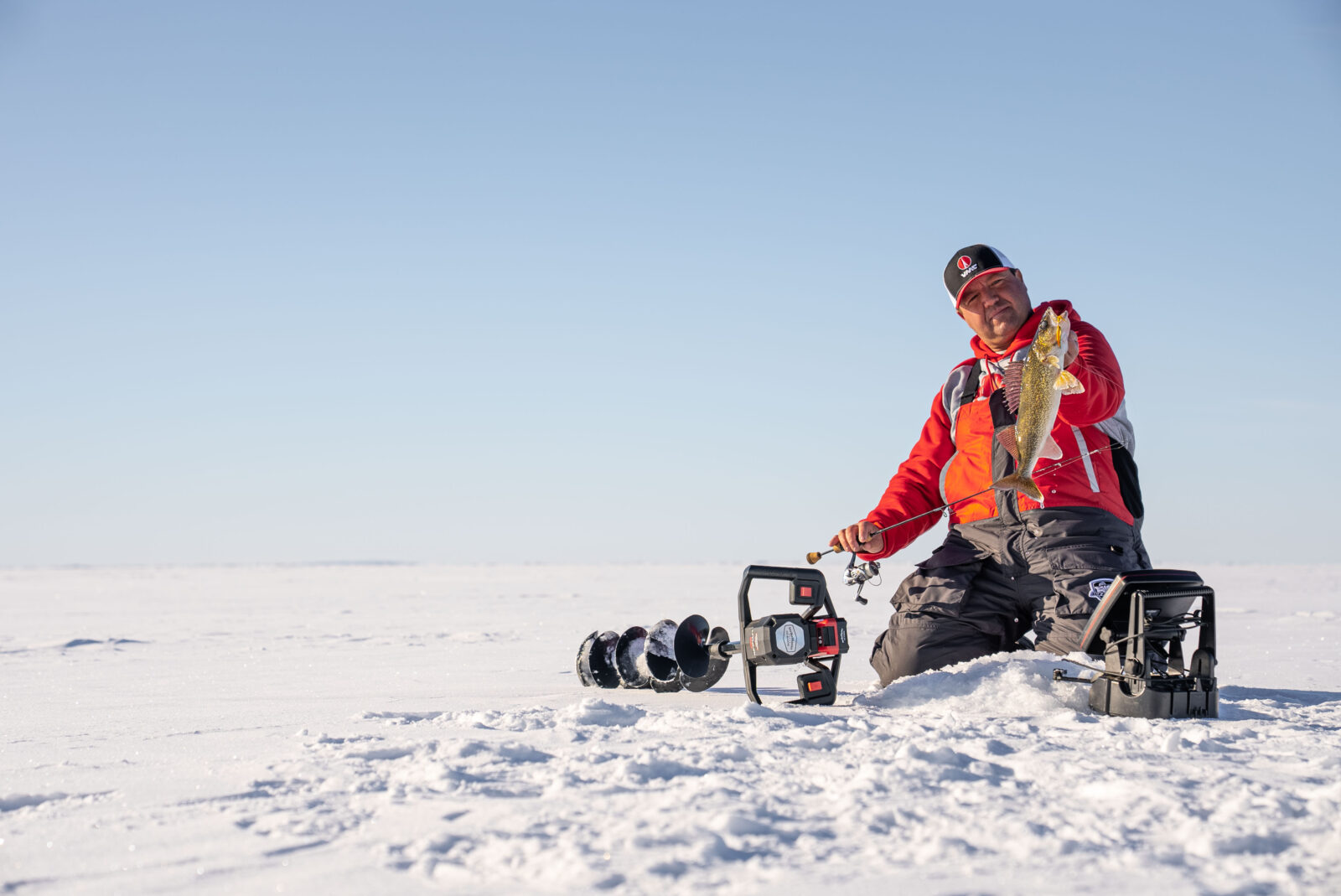
Winter: Open-water anglers should focus on warmer periods within the winter months when the water temperature rises, especially late afternoon or early evening on sunny days. When ice fishing is possible, winter offers a unique angling experience, but the timing of warmer spells can be key to success. Fish are more active in warmer water, so pay attention to temperature fluctuations; fish congregate in deeper holes or along structure during colder months, especially when ice fishing. Experiment with different lures and baits, as fish metabolism slows down in the cold. One of the state’s most popular ice fishing locations is Summit Lake State Park, with good opportunities for catching bass, crappie, yellow perch, channel catfish, walleye, and sunfish. Monroe Coves, part of Lake Monroe, and some northern ponds are also popular ice fishing spots.
Plan for Success
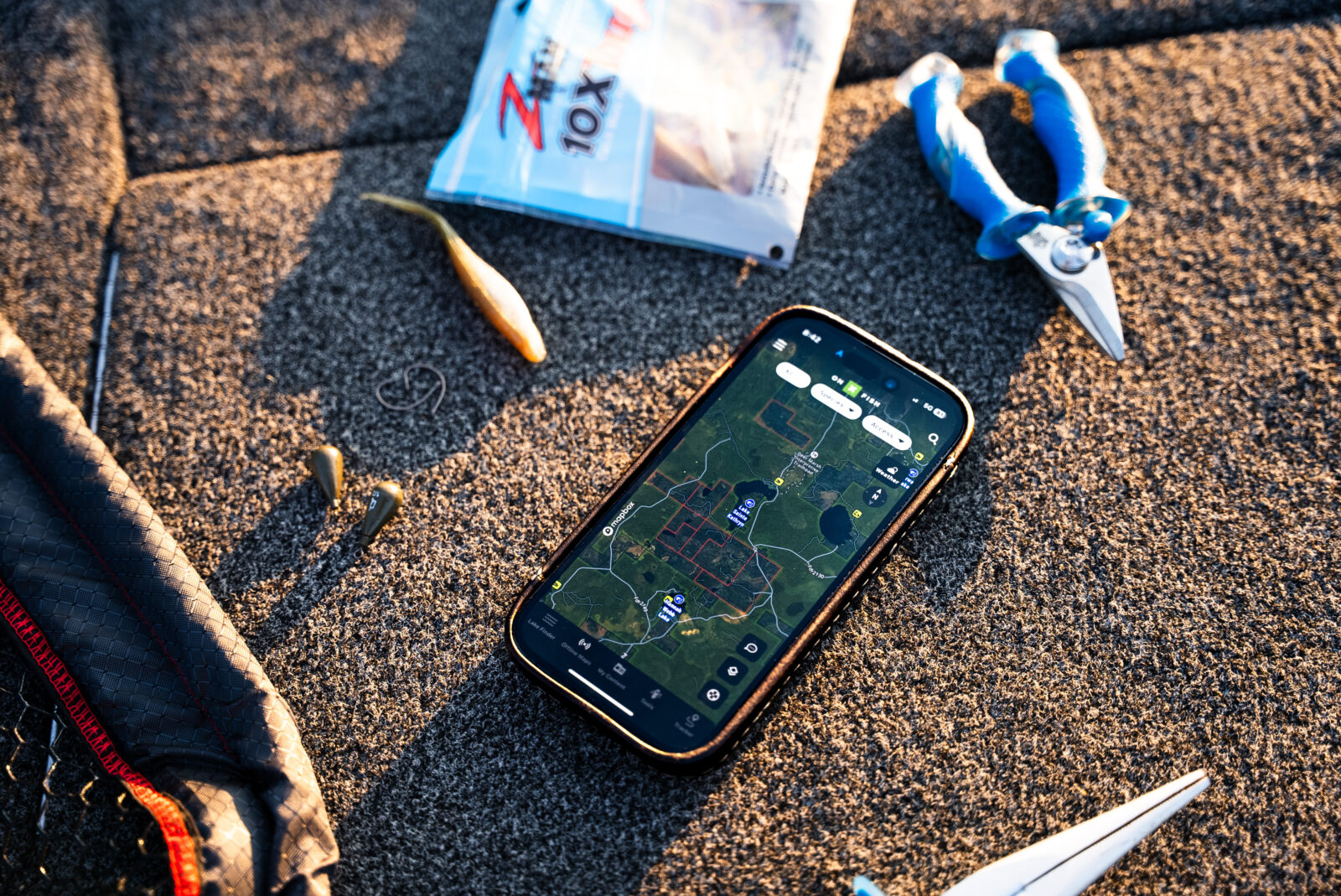
onX Fish Midwest is here to help you find the right boat ramps, public land and shorelines access, and recreation sites with all the amenities you’re after. Before you leave home, download Offline Maps of the areas you plan to hit so that you’ll have the details you need, when you need them. With Offline Maps, losing service doesn’t mean losing access to key fishing insights and map details. Use contour lines to help you visualize and understand lake bottom, so you can determine what structure fish may be holding on, and remember these key tenets as you plan your trip:
- Check Regulations With onX Fish: Each lake can have specific fishing regulations, including slot limits, size restrictions, and season closures. Always verify the rules before heading out.
- Let onX Be Your Guide: If you’re new to a lake or targeting a specific species, let the onX Fish Midwest App get you up to speed on your species of interest through abundance, keeper, and trophy opportunities. Find information about where to launch, forage in the lake, and recent aerial imagery to help winter and summer anglers alike. In 10 minutes, we aim to give you the equivalent of 10 years of experience on the ground.
- Gear Up for the Season: Summer anglers should pack trolling setups, casting rods, and live bait rigs, while ice anglers need sturdy augers, warm gear, and sonar.
- Prioritize Structure: Focus on finding fish around structure; this will help narrow your targets. Scout online using onX Fish Midwest, then drop Waypoints on structure that looks promising for holding fish. Focus on seasonal patterns and go to the lake with a game plan.
- Be Prepared for Weather: Indiana weather can change rapidly, especially in winter, so keep onX Fish Midwest handy to see exact weather forecasts for your exact location. Dress in layers, and always check forecasts before heading onto the ice or water.
Find Lakes to Fish near you and plan with confidence.
Whether you want open water or are looking for first ice opportunities, finding quality fishing lakes is simple with onX Fish.