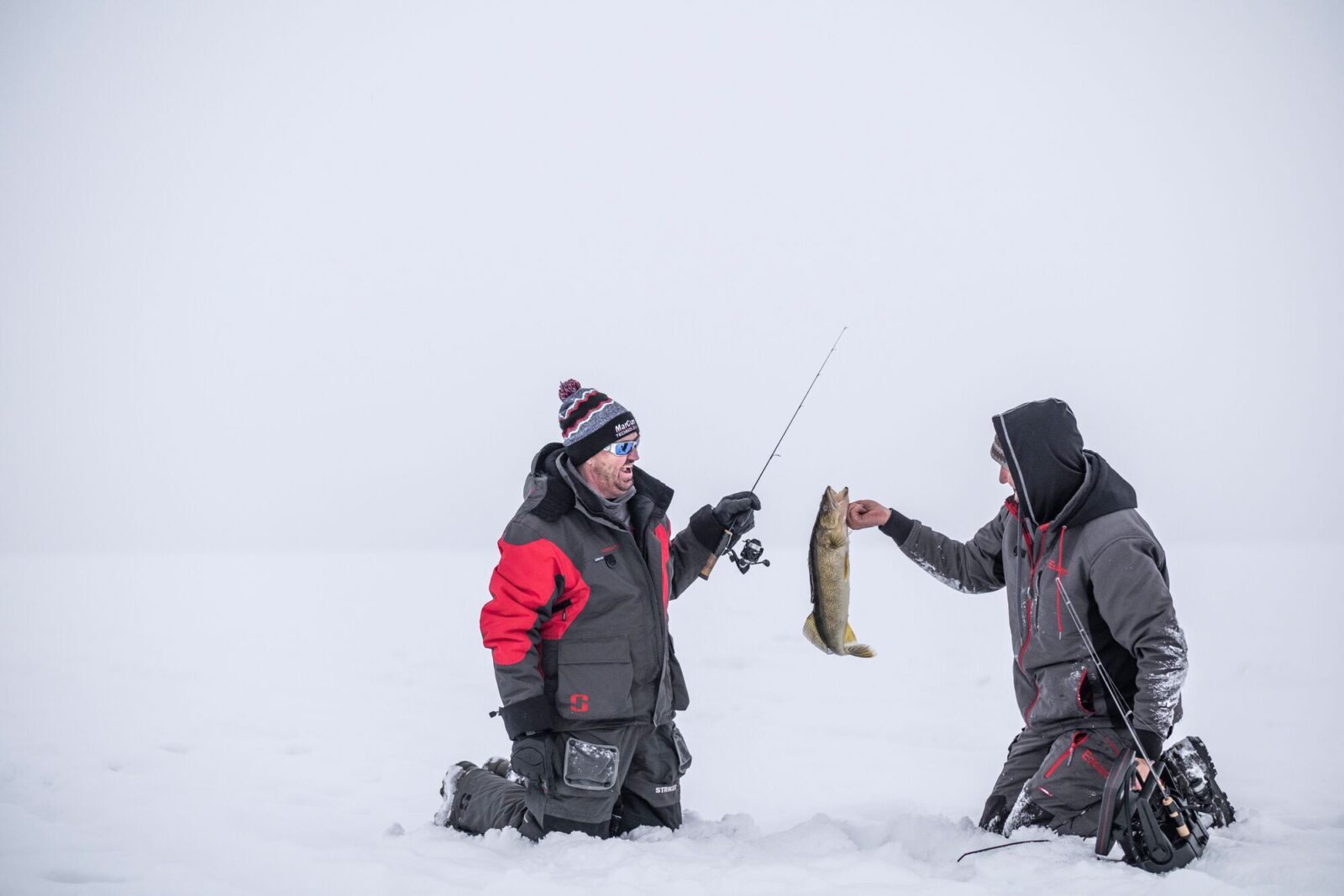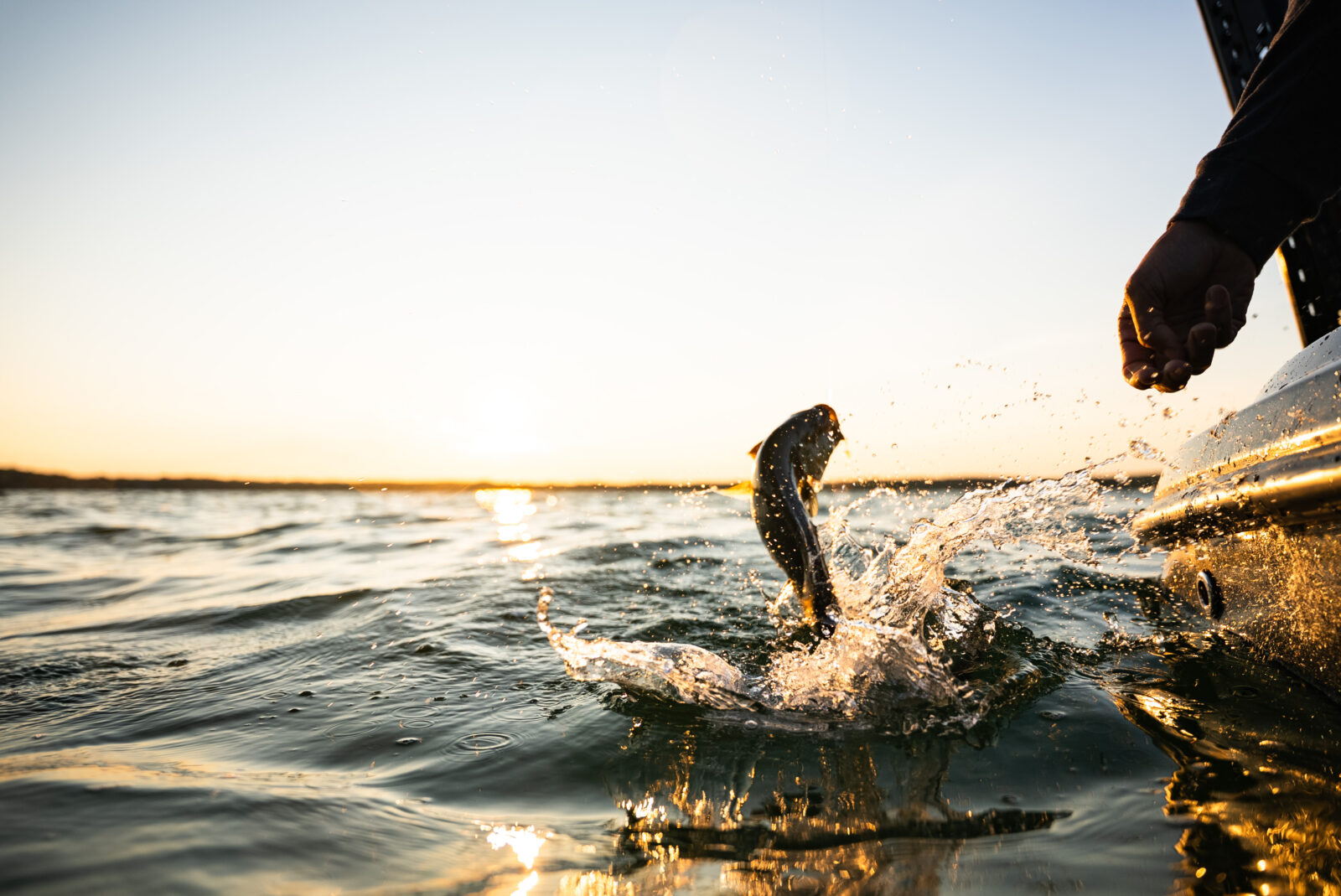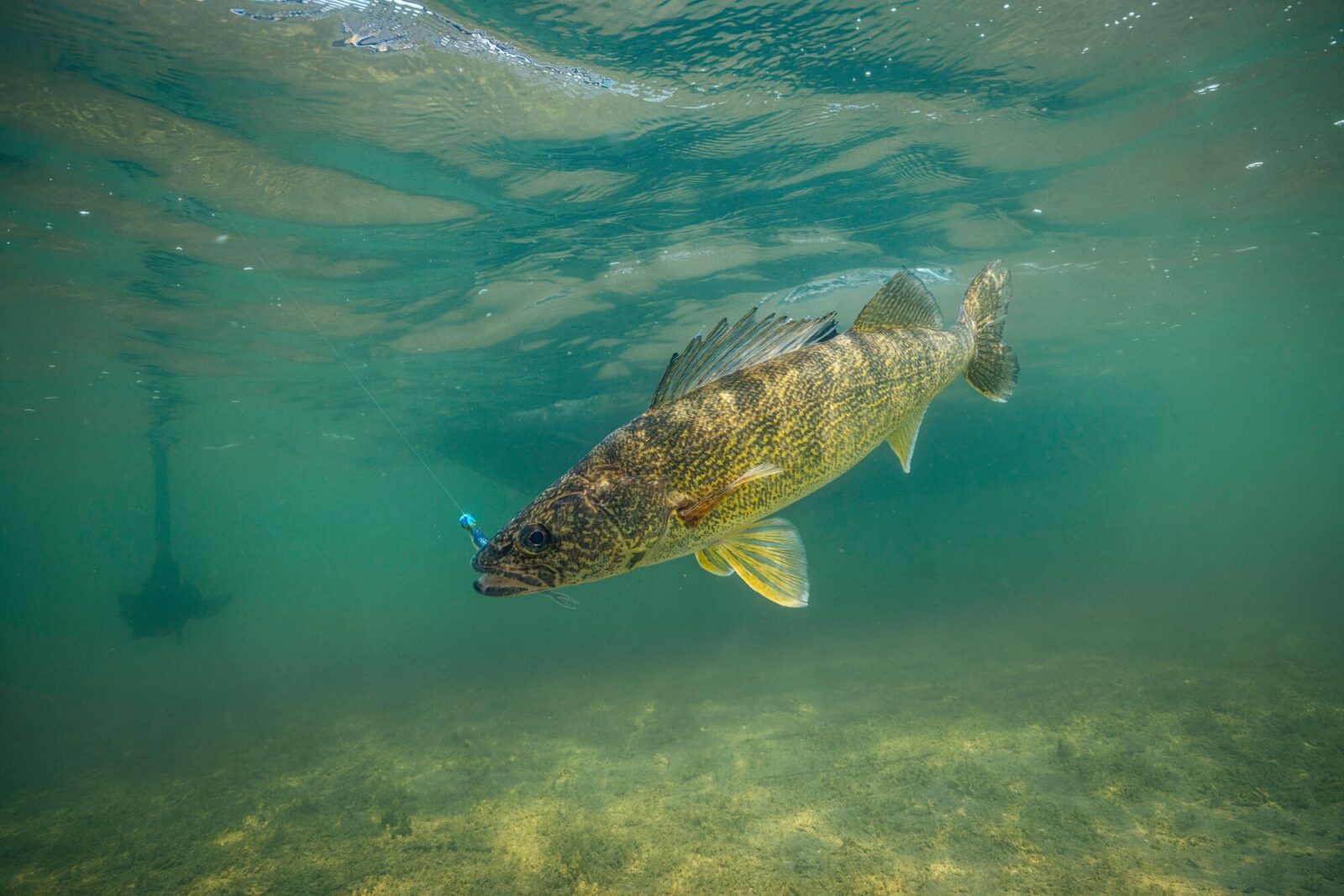

A walleye underwater.


Walleye

Also known as eyes, gravel lizards, walters, and marble eyes.

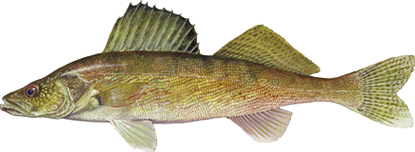
A walleye illustration.

Arguably the most sought-after species in the Northwoods, walleye have built a reputation for being hard to catch. They’re prized as table fare, often considered the best-tasting fish in freshwater. If you haven’t ever had a Midwestern fish fry with walleye as the guest of honor, you’re missing out.

In the United States and Canada, walleye generate immense interest, with anglers traveling from near and far to catch them.

Finding Walleye Fishing Lakes

Walleye (Sander vitreus) can be found across North America. They’re native to the Great Lakes and Mississippi River basins and much of Canada. More prevalent in the northern states, the walleye’s expanded range encompasses areas of the eastern, western, and southern United States.

Walleye are often considered one of the most difficult fish to catch, notorious for their persnickety attitudes. Despite their fussy reputation, walleye are a great target. To help you get after more of them, here is guidance on finding places likely to hold walleye and how to catch them.

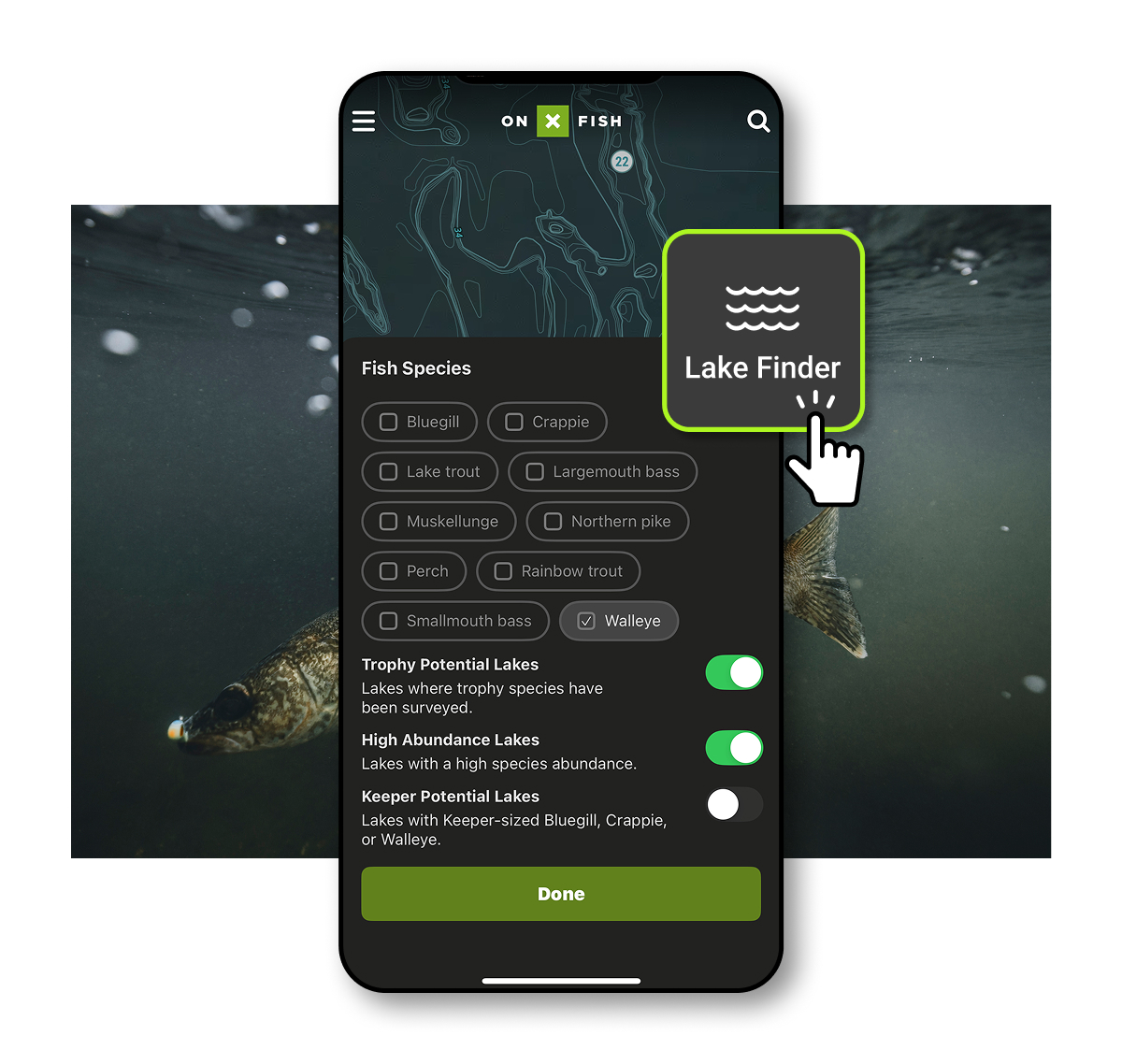
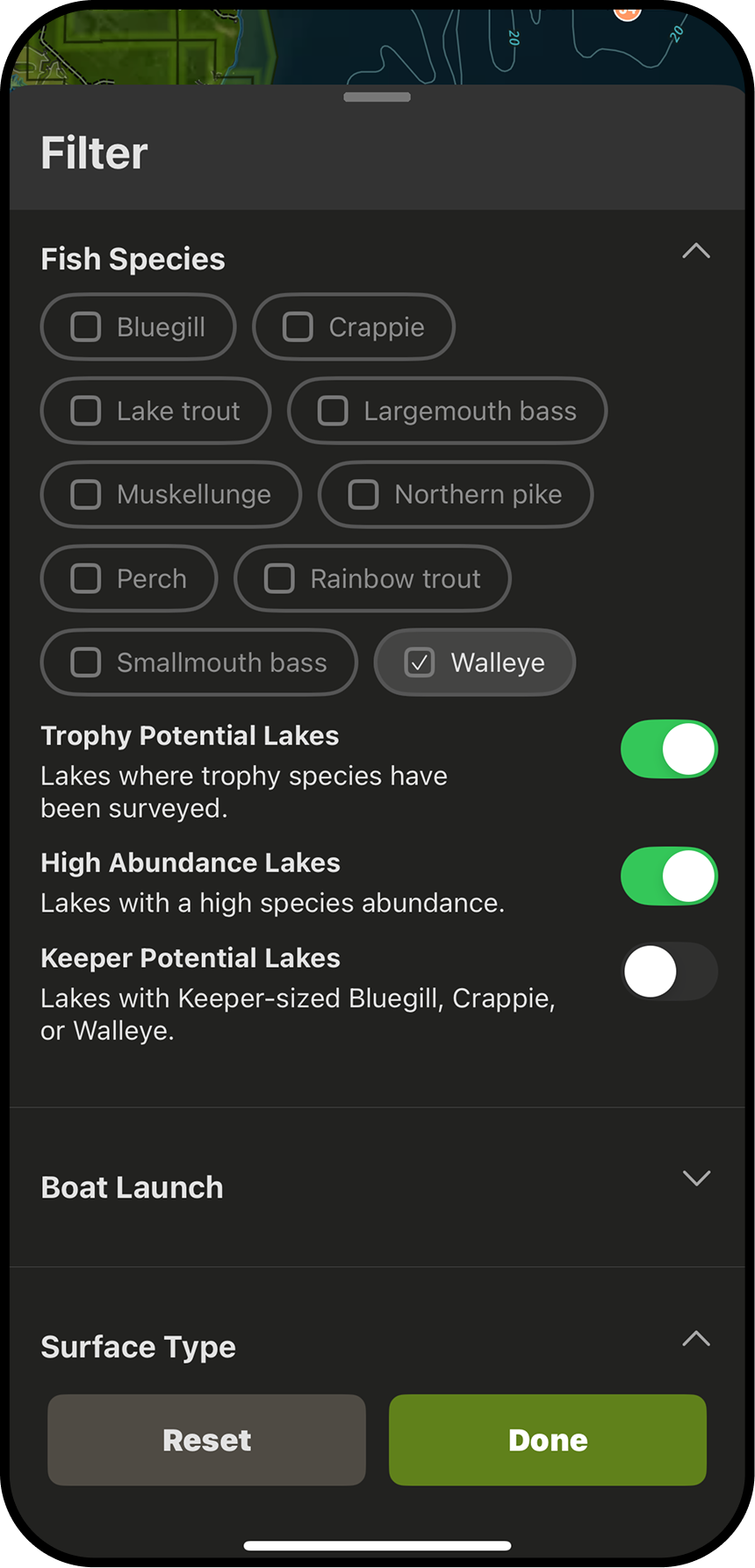
onX Fish Lake Finder feature filtered for walleye.

Walleye Habitat

Walleye are found in a variety of waterbodies, including lakes, rivers, and reservoirs. While they’re often associated with crystal clear waters, they can be found in everything from turbid to clear. They thrive in cooler environments.  

Prime walleye habitat includes:

  • Rock bars, humps, and points.
  • Vegetation, such as cabbage and coontail.
  • Sand flats and mud flats.
  • Transition areas, such as hard-to-soft bottom areas.

Water Temperature

Water temperature has a direct correlation with walleye activity levels and locations. Optimal temperatures for walleye are found in the 55°F to 70°F range. Spawning activity occurs in the 42°F to 50°F range.

How To Catch Walleye

Walleye are a popular target, often at the top of anglers’ most wanted lists in the United States and Canada. They’re perhaps one of the most traveled-for fish species in existence, with anglers willing to trek great distances to put numbers of walleye in the boat or on the ice.

They are often considered difficult to catch, and anglers rely on prime bite windows to capitalize on these finicky fish.

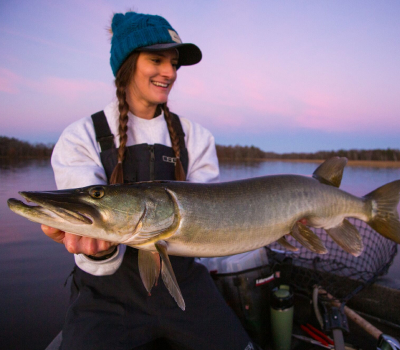
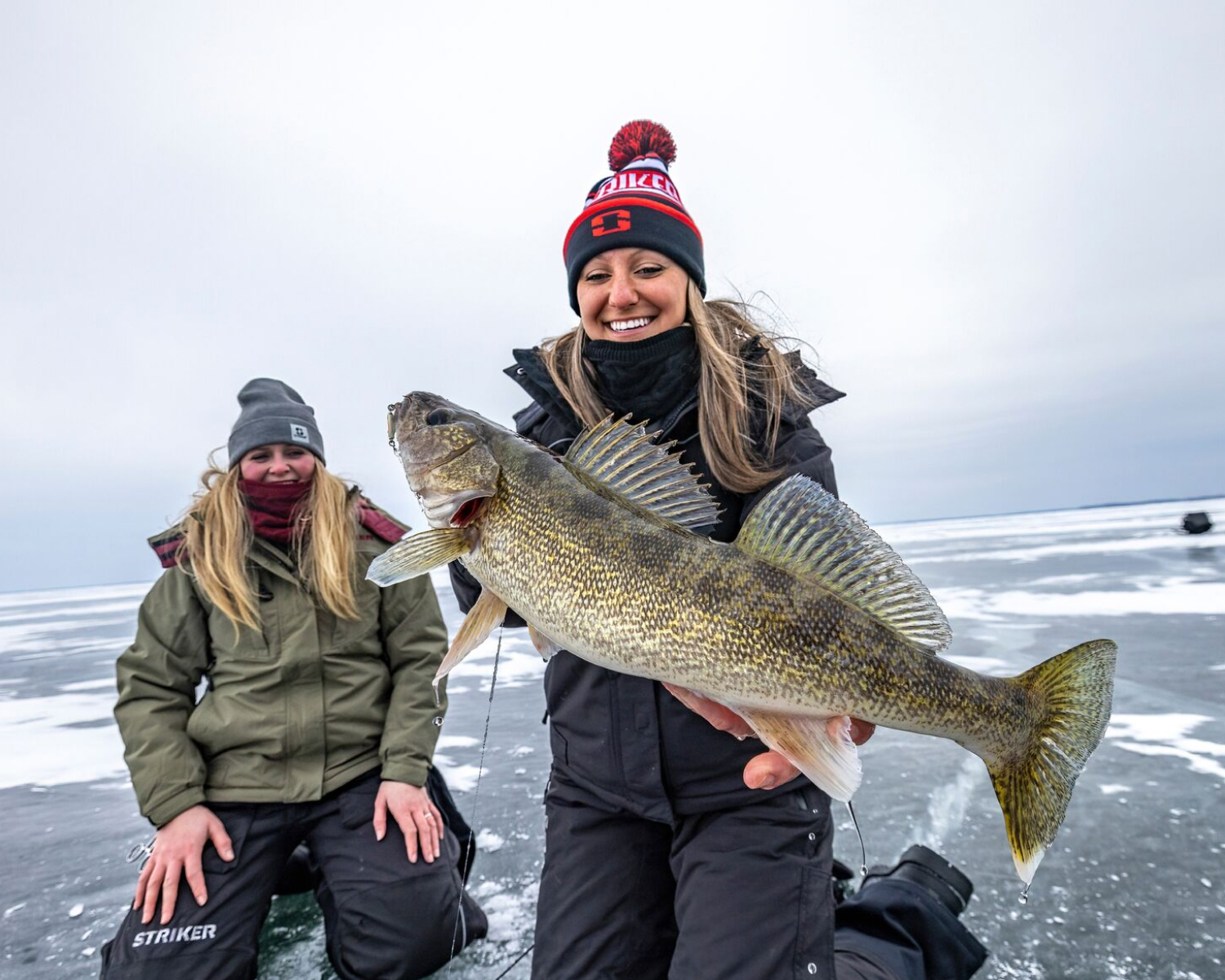
Two female anglers, with one holding a huge walleye.
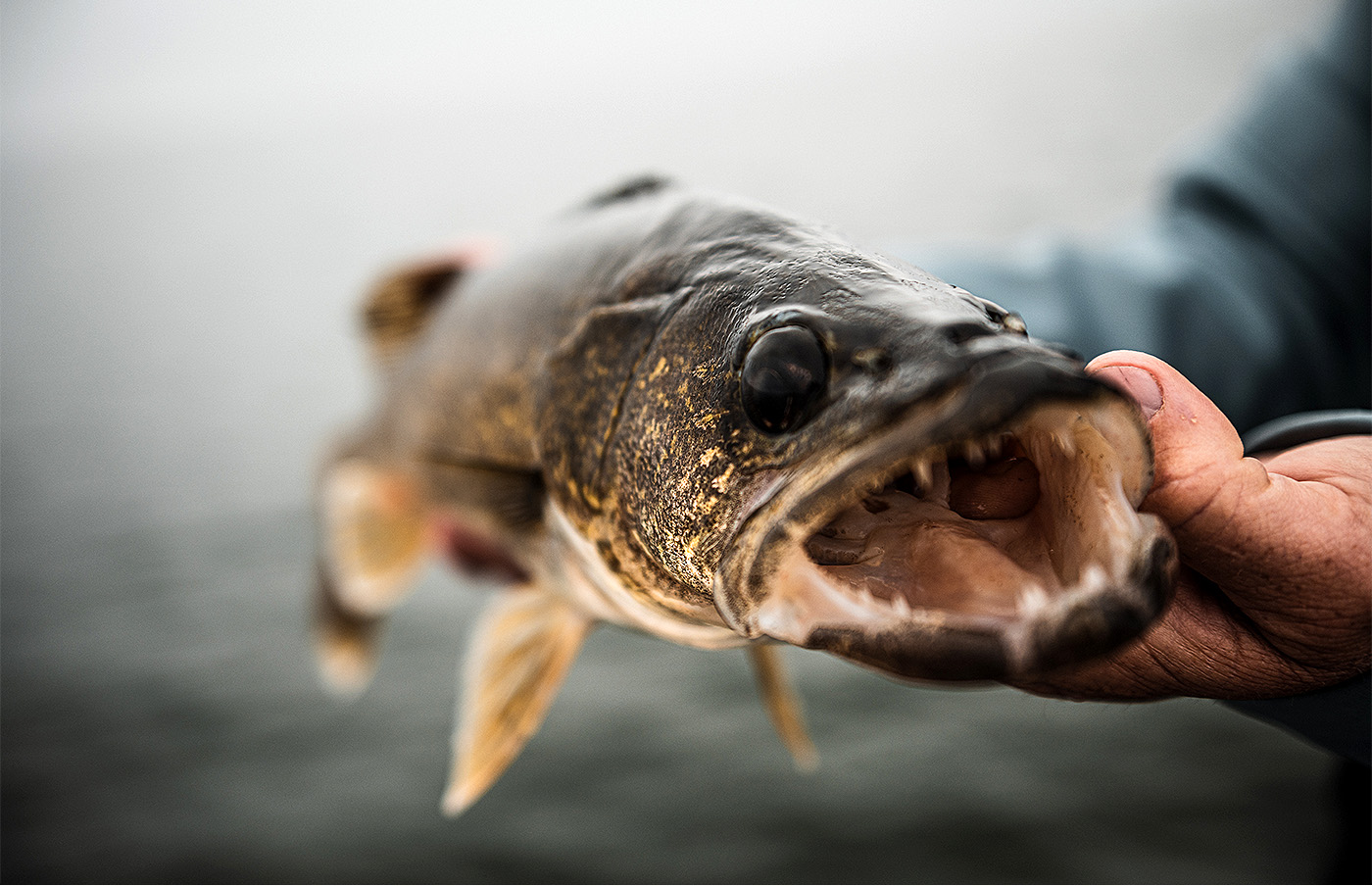
A large walleye straight on with mouth open
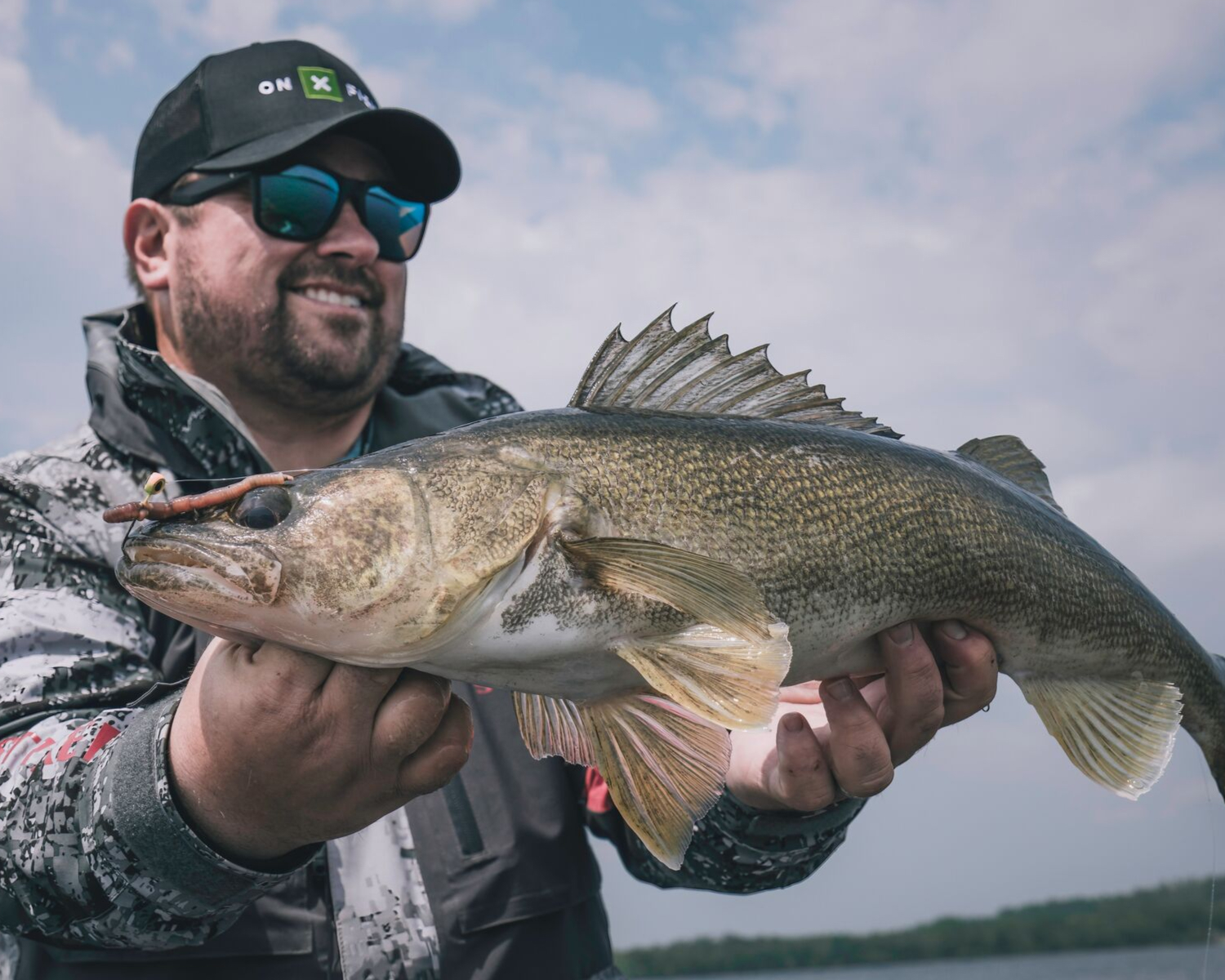
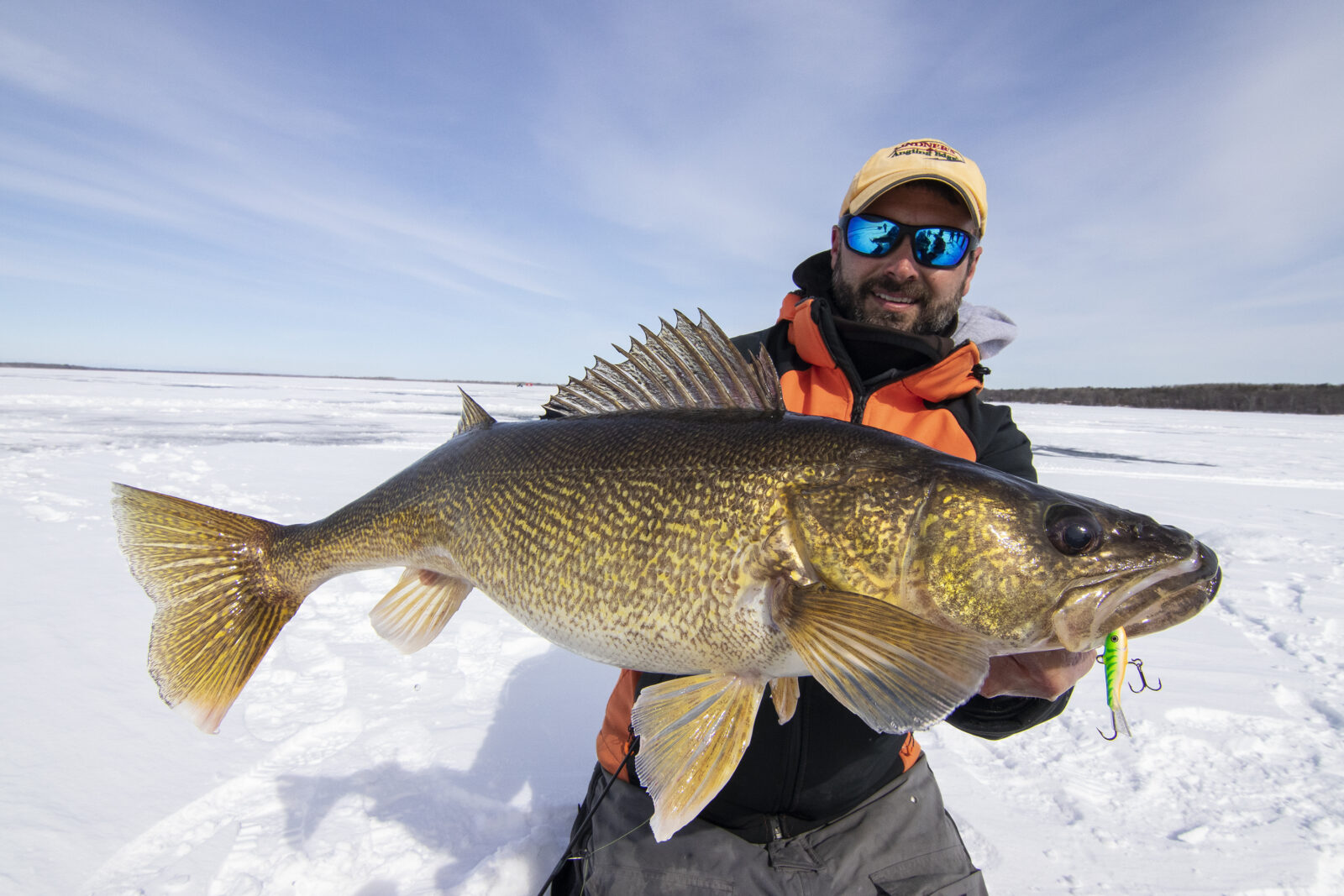
An angler holds a big walleye.

Walleye Behavior

If you were to interview a group of anglers regarding walleye behavior, words like moody, picky, and finicky would likely be common themes. To be fair, they might not be all that wrong: Creel surveys throughout the Midwest suggest that walleyes are second only to musky regarding the amount of time it takes an angler to finally land one.

Walleye are known for their lowlight feeding habits, often waiting until dusk or later to kick things into high gear. They’ve also historically been considered a bottom-oriented fish, known to hold tight to structure. Though, as anglers become more knowledgeable, this behavior might not be as factual as once assumed.

Walleye Diet: What Do Walleye Eat?

Walleye diet is largely dependent on life stage. While juvenile walleyes feed on a range of insects and invertebrates, adult walleyes are primarily piscivorous, meaning they feed on other fish. Common baitfish preferences include yellow perch, ciscoes, and a variety of minnow species. Adult walleyes are also known to feed on crayfish, leeches, and other invertebrates as well.

Understanding feeding preferences can help anglers make educated decisions on where and how to fish.

Walleye Fishing Techniques

Specific water bodies, feeding habits, habitat type, and seasonal dynamics all dictate which techniques work for walleye—and which ones don’t.

Chasing walleyes generally involves live bait, but advanced anglers recognize the importance of using techniques tailored to different scenarios. Take darting baits (like the Jigging Rap, Shiver Minnow, and Puppet Minnow), for example. They’re one of the best options for summertime and fall walleyes, often outproducing live bait. Meanwhile, blade baits and lipless crankbaits are perennial producers when it comes to springtime walleyes.

Walleye Lure Recommendations

1. Jigs, paired with plastics or live bait.

2. Hair jigs, such as marabou, bucktail, or synthetic options.

3. Crankbaits.

4. Slip bobbers.

5. Darting baits, lipless crankbaits, and blade baits.

6. Live bait rigs and spinner rigs.

For live bait, minnows, leeches, and nightcrawlers are the preferred options.

Walleye Knot Recommendations

1. Attachment knots are ideal for securing lures. Options include the improved clinch knot, Palomar knot, and loop knot.

2. Connection knots are designed to connect leader lines to main lines. Options include the FG knot, Alberto knot, blood knot, and uni knot.

Best Time To Catch Walleye

Walleye are a popular target year-round, and every season offers a distinctive combination of opportunity and trial.

Seasonal Tips

  • Spring: Walleye are often considered the king of the spring. This is perhaps the best timeframe to load up on quality and quantity. Generally, walleye are shallow throughout the period. Start your search near key spawning habitat. The top spring presentations include jigs paired with minnows or plastics, blade baits, and lipless crankbaits.
  • Summer: Summertime walleye generally move to deeper water. Focus your efforts on the deep structure and cover, like weed lines, rock points, and humps. Later in the summer, walleye can be found suspended over deep water, often close to key structural elements. Slip bobbers, jig and crawler combinations, darting baits, spinner rigs, and crankbaits round out the prime summertime walleye techniques.
  • Fall: Walleye in the fall typically subscribe to two different patterns often trending from deep to shallow as fall progresses: 
    • Deep water walleye tend to be more predictable, with fish using deep structure, like humps and points. Darting baits and live bait rigging with big minnows are popular tactics. 
    • Shallow water environments also come into play during late fall, with green weeds and windblown points providing the best results. Snap jigging plastics or jig and minnow combinations are perfect for these scenarios.
  • Winter: Early ice walleye often use shallow locations, particularly shoreline breaks and areas adjacent to standing, healthy vegetation. As the season progresses, walleye will move to deeper water, with humps, points, and saddles providing the right habitat. Jigging spoons and setlines are the top walleye tactics throughout winter.

Time of Day and Weather

Walleye feed during lowlight periods. It’s not uncommon for anglers to forgo the daytime period in favor of focusing all efforts on dawn and dusk. Though, with the proper adjustments, walleye can be caught throughout the entire day.

Similar to other species, stable weather patterns generally produce the most consistent bites, while drastic changes in weather, like a rogue cold front, can shut down a bite. 

Catching Walleye With the onX Fish App

onX Fish Lake Filters

Fish Where They Are

Walleyes don’t always reproduce well in systems without good spawning habitat. Even well-stocked lakes can experience predation or poor recruitment. The number one tip for catching more and bigger walleye is to fish where they exist in the size and number you’re looking to catch.

Use onX Fish to filter for Trophy, Keeper, or Abundance to find opportunities. You can’t catch fish that aren’t there, and fresh fisheries information is the best way to stay on top of the bite.  

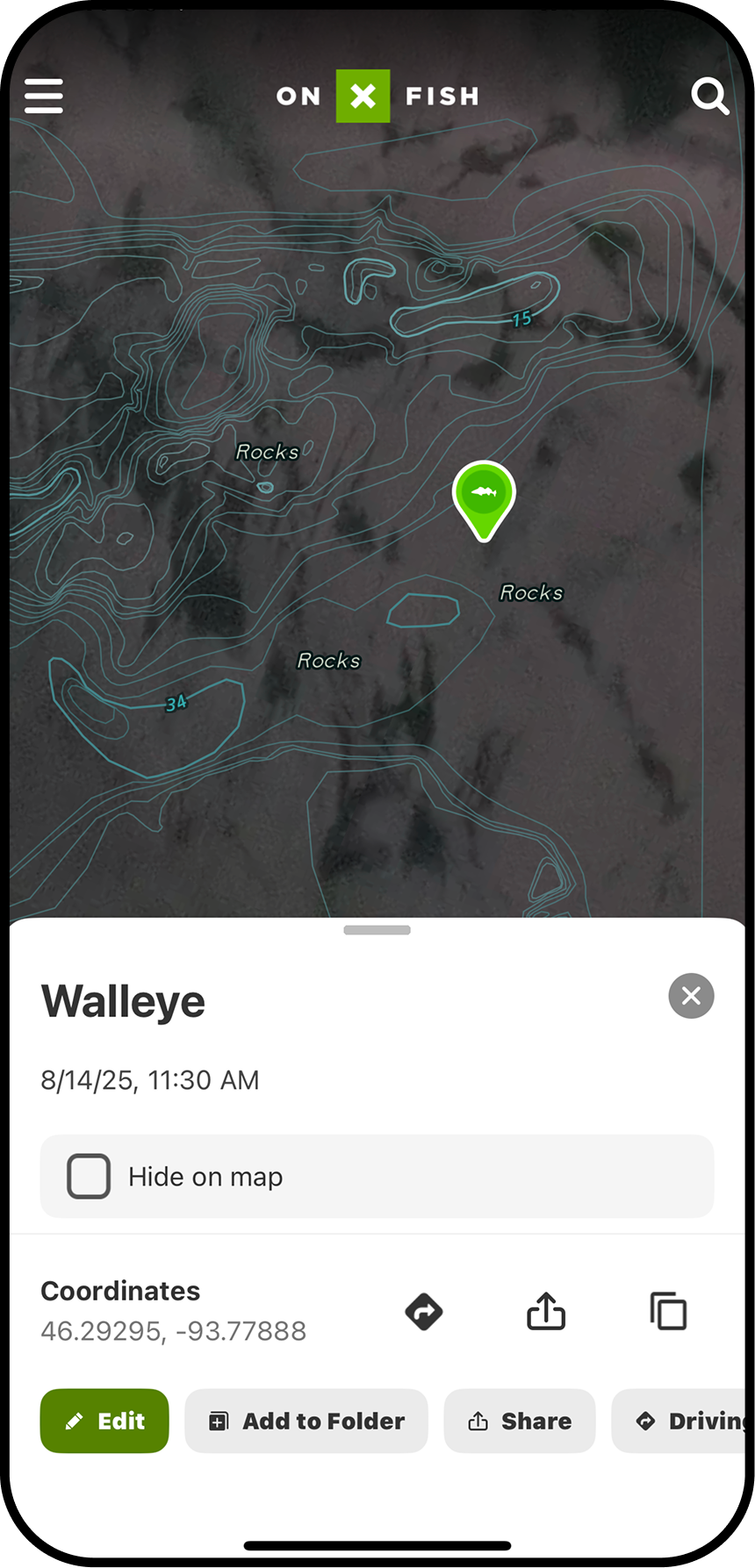
onX Fish Waypoints.

Build a History

Walleyes are creatures of habit. Knowing where you caught them, how you caught them, and why you caught them can lead to more promising future trips. With Waypoints, anglers can log catches and document specific details about conditions and what went right. Over time, you’ll spot patterns so you can repeat what works and refine what doesn’t.

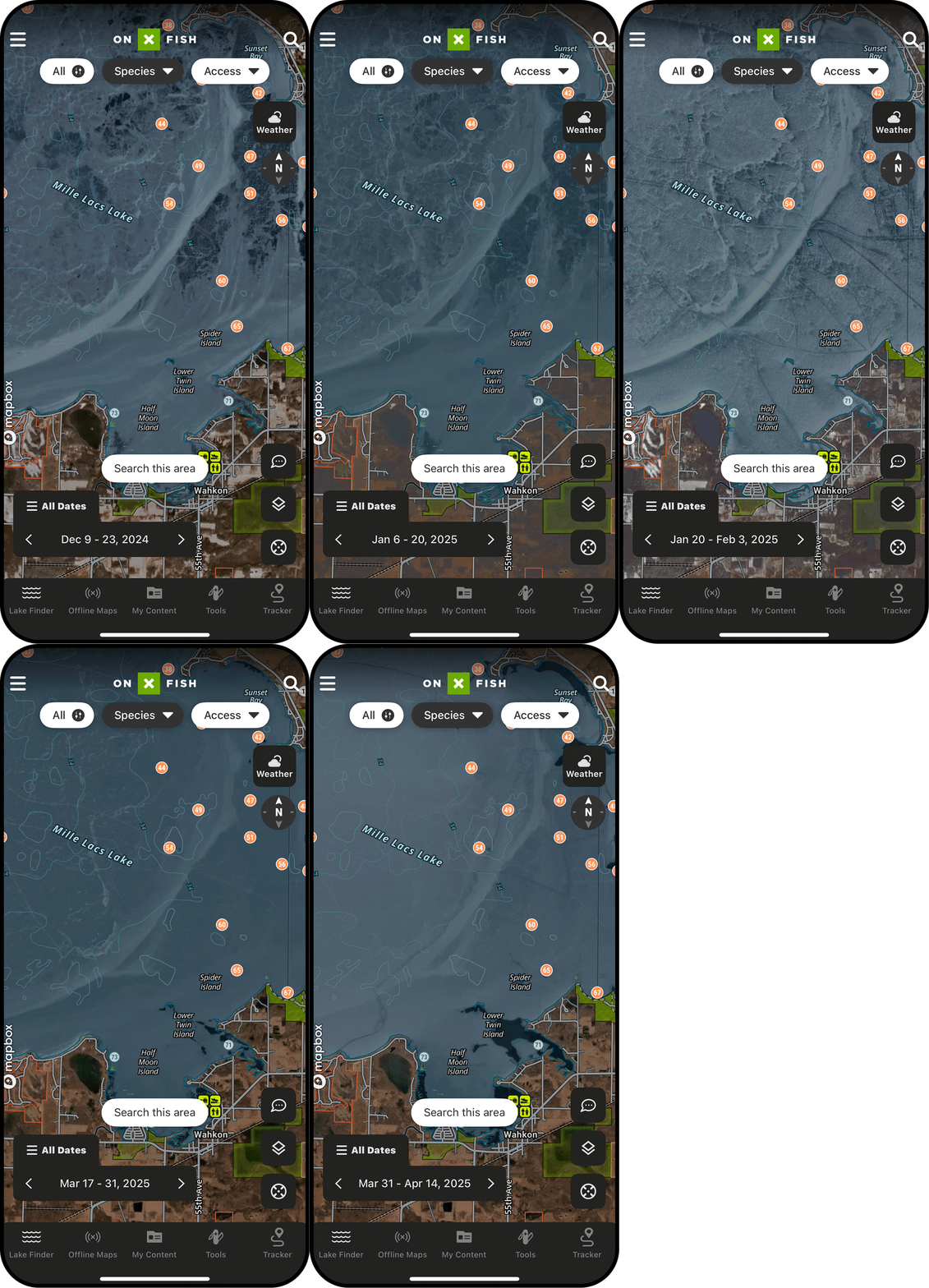
onX Fish Recent Imagery

Scout Ice Fishing Spots

For wintertime walleye fishing, success is often found off the beaten path. With Recent Imagery, get a fresh view of what’s happening on the ice and build a plan of action from the comforts of home. Determine access points and on-ice access routes (like ice roads), view ice conditions, and confirm where the community holes have set up—and where they haven’t.

PInPOINT Big walleye

Open the map. Find a lake. Time it right.

Walleye FAQs

Sauger vs. walleye: What’s the difference? 

While they’re part of the same family, there are key differences between walleye and saugers. Both species inhabit many of the same waters, but walleye grow much larger than saugers. Walleye feature a distinctive white patch at the base of their tailfin, while saugers do not. A walleye’s dorsal fin is solid colored, while a sauger’s is covered in dark spots. Saugers also feature a dark, mottled complexion.

Walleye and saugers can hybridize, leading to a species known as saugeye.  

How big is the world record walleye?

A long-standing point of contention, the world record walleye is 25 pounds. It was caught in 1960 by Mabry Parker in Old Hickory Lake, Tennessee.

When do walleye spawn?

Like most freshwater species, walleye spawn during the spring. Optimal water temperatures for spawning occur in the 42°F to 50°F range.

How to catch walleye from shore:

Walleye aren’t the easiest species to catch from shore. Focus on locations that can concentrate fish, like current seams, neckdowns, dams, or windblown areas. Rely on longer rods to make the lengthiest possible cast. Top presentations include crankbaits, jerkbaits, and jigs paired with plastics or live bait. 

Can walleye teeth cut line?

Technically, walleye teeth can cut line, but it’s much less likely than with other species, like pike or musky. Adequate line weight in the 6-10 pound range is generally sufficient for most walleye applications.