How To Catch More Fish From Shore: Find Optimal Bank Fishing Spots
While fishing may be one of America’s top pastimes, not everyone has access to a boat. Fact is, a vast majority of this country’s anglers are shore-bound, fishing from the bank, piers, docks, jetties, and other locations that don’t require a fancy bass boat—or even a budget fishing kayak.
Not sure if there are shore fishing opportunities near you? Don’t fret. First, most bank fishing opportunities aren’t even close to big water. There are thousands and thousands of ponds across this great nation teeming with fish (many of them stocked) just begging to be explored. And then there are streams, rivers, and canals in everything from remote, rural settings to the inner city.
But there are ways to get at big water, too. You may live close to a large river, lake, or inshore/surf saltwater opportunities. That’s always a plus. For example, the Great Lakes are lined with piers, marinas, and shoreline spots that put regular, everyday anglers on solid catches without ever stepping foot in a boat. Same goes for rivers across the country. There’s a lot to explore.
Yes, some of our most memorable days fishing have been from docks, piers, and the bank. It’s all about timing and finding the right spot, two things made significantly easier with the onX Fish App.
Fish More Effectively with onX Fish
Search for places to fish by filtering from popular species, boat launch details, and access & amenities information.
Choosing the Right Spot To Fish from the Bank
COVID was great for the fishing industry, introducing hundreds of thousands of newbies into the sport. Why? We were taught that social distancing was key to preventing the spread of the virus, and fishing fit the bill. As a result, more people are fishing in the U.S. now than at any point in history; thus, it can be hard to find a good fishing spot with so much competition. Community docks and piers are full of families, and many “textbook” spots fill up early and often. Our advice? Get there even earlier, if you can, before the prime times of sun-up and sun-down, and set up stakes.
onX Fish is the best way to find out-of-the-way yet publicly accessible fishing spots. The Private Land layer is available to paid subscribers and shows where private land and public land surround every body of water. Taking time to explore the shores of lakes near you may open your eyes to new opportunities and access points.
But you might be new to the area or visiting on vacation and have no idea where a good place to fish is. What’s the best way to find high-probability bank fishing spots? Use the onX Fish App to find these key characteristics of a successful location.
Key Features of the Best Bank Fishing Spots
Near-Shore Drop-Offs
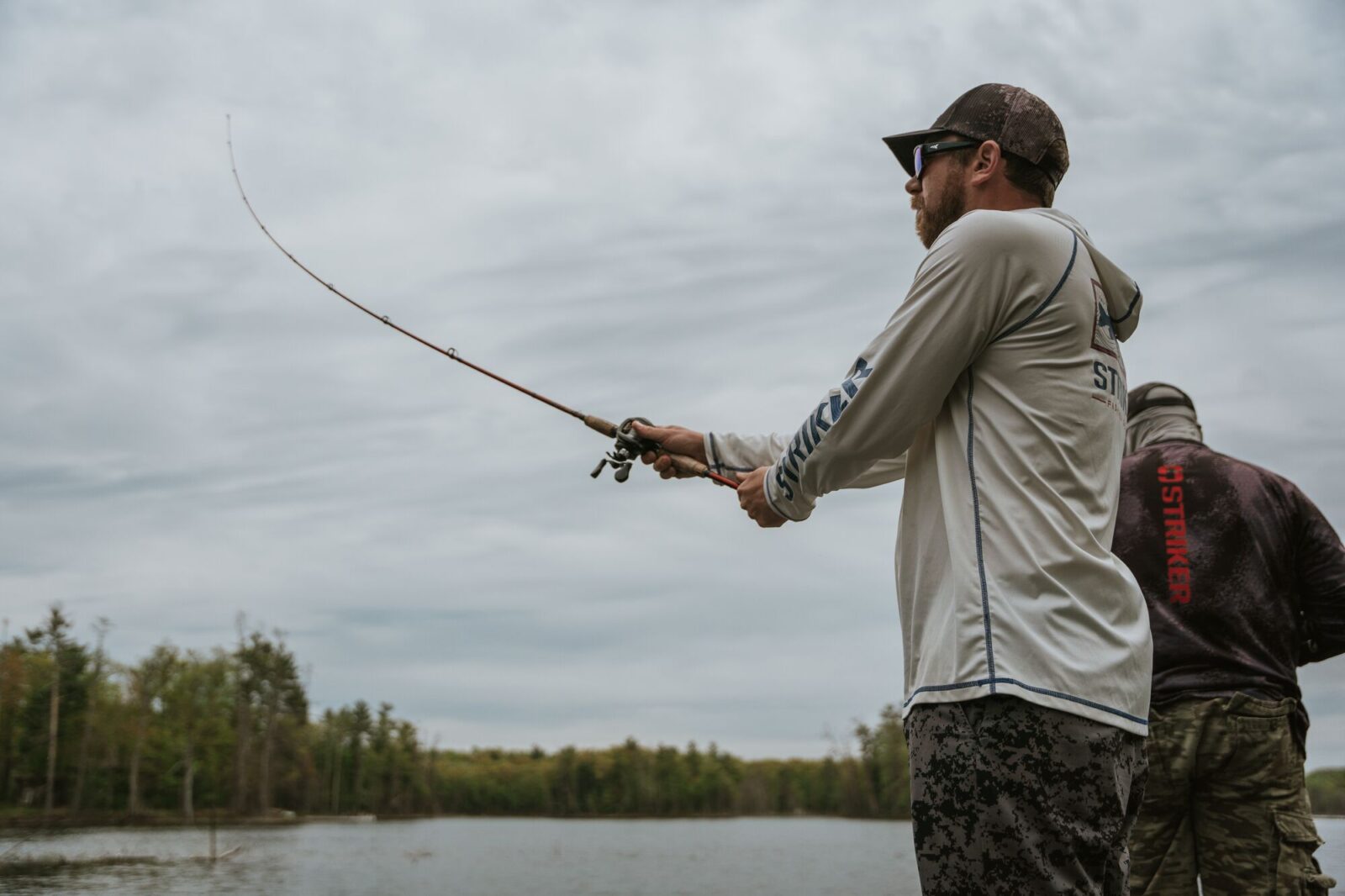
Just because you don’t have a boat doesn’t mean you can’t access deeper water from shore. Examine the maps on onX Fish, paying close attention to depth contour lines that signify drop-offs or breaklines that are close to the bank, dock, or wherever you plan to set up. Drop-offs are frequented by fish looking to position, rest, and ambush prey anywhere from the bottom of the deep water break to the skinny water right near shore.
Overhanging Cover and Vegetation
Especially when fishing bass, panfish, and pike, consider a shore fishing spot near overhanging vegetation (i.e. trees), bridges, or other cover that casts a shadow into the water. Even small degree changes in water temperature will congregate fish in these areas.
Points, Inlets, and Current Areas
Points, inlets, and current areas are all primo bank fishing spots. Points often feature rock, cobble, sand, and other hard bottom that attracts baitfish and gamefish—along with depth transitions. And anywhere that land and water narrows, like inlets, can create areas of current that attract baitfish and larger gamefish. In these current areas, look for back currents, pools, current seams, and eddies where fish will position themselves to ambush prey.
Areas of current aren’t just limited to natural flow in and out from other water bodies, rivers, lakes, bays, covers, fingers, or creek channels. In urban areas, storm drainage sewers and culverts that enter larger rivers can be excellent places to fish since all manner of edibles enter the larger water body, and particulate material attracts baitfish.
Lake Contours and Structure
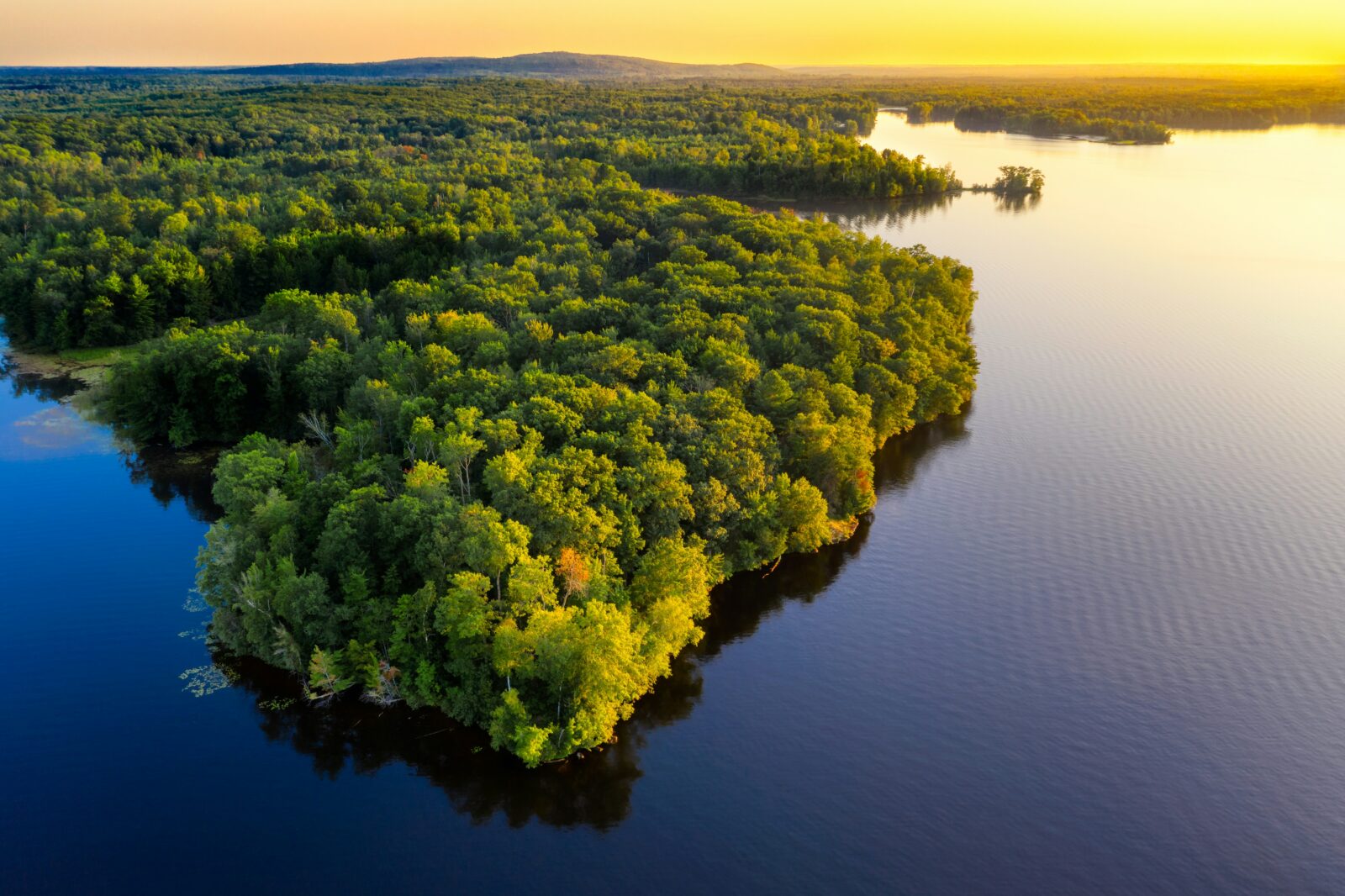
If you can, position yourself close to areas of vegetation (i.e. bulrush beds, lily pads, or weedy flats), especially earlier in the year. These areas often teem with bass, pike, and panfish, and can be easily fished from shore. Same goes for areas of standing dead timber. Of course, if you can, locate yourself close to rocks and boulders—and in rivers, old bridge pilings, etc.—these current break areas all attract fish. One great way to find out where to set up cell photos of structures in an area when the water is low, mark them with a photo Waypoint in the App, then fish these same areas when water obscures the structure’s presence.
Understanding Seasonal Fish Behavior
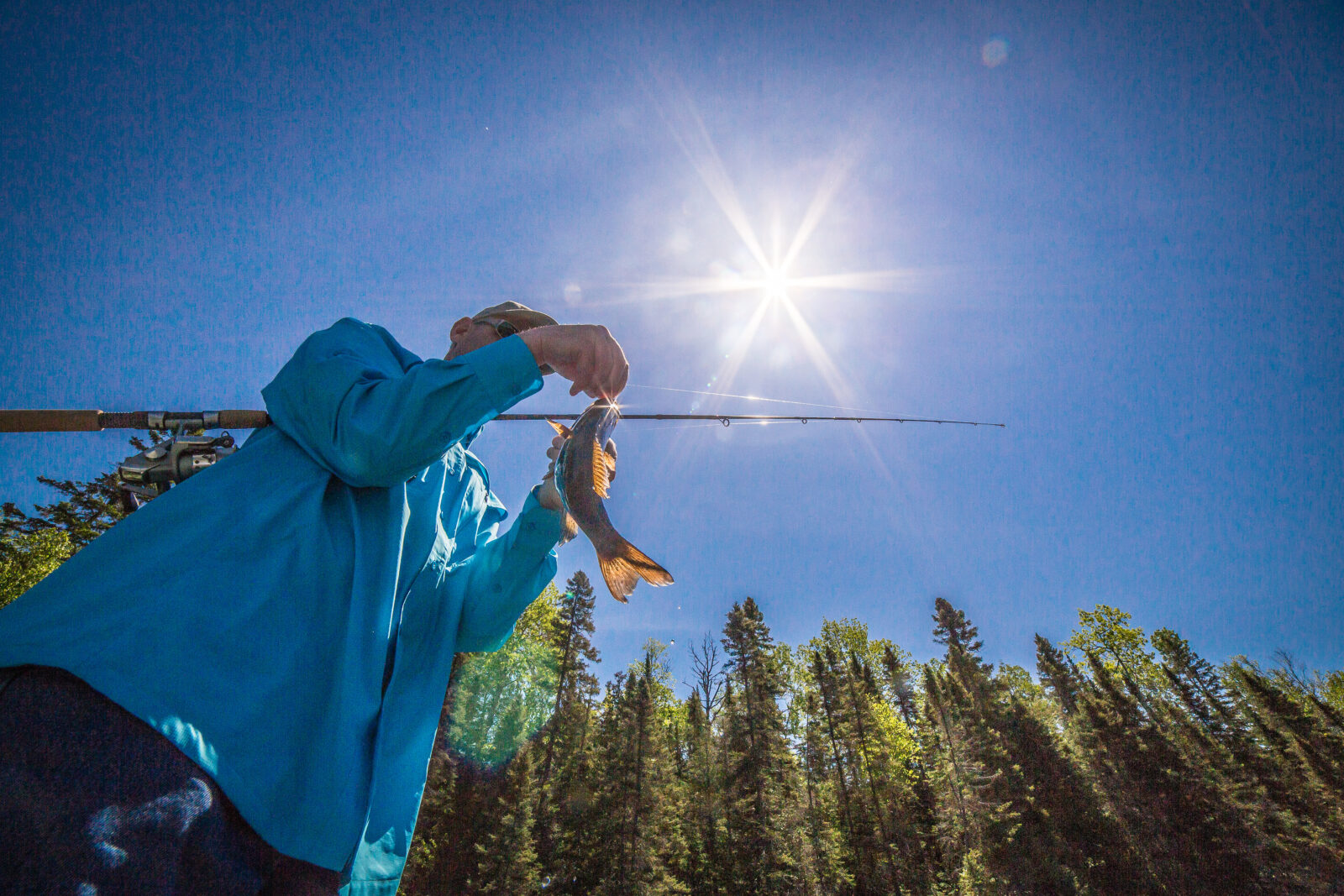
Seasonal and environmental factors impact fish location and activity. Where you find fish during the early spring may not be the same place during the summer, and so forth. Fish migrate to different areas based on a variety of factors, including water temperature, oxygenation, cover, and ultimately, the presence of food.
Spring
Generally speaking, most gamefish move shallow for spawning—targeting warm water near shorelines in areas with bottom content ranging from sand to gravel to cobble is a good strategy for largemouth and smallmouth bass as well as walleyes. But pike will seek out dark, soft bottom bays, and panfish can be found in these same areas, too.
Summer
Look for nearby deep water or shade, such as drop-offs near shore, weed beds, and docks. Whether you’re targeting bass, panfish, or walleyes, summer can be a great time of year for shore fishing. Keep in mind that time of day plays a big part in summer fish movements. You might want to cast off a dock or shore spot into deeper water during the day to reach that break line or drop off, but fish will migrate shallower as the day turns into evening and at night through the early morning.
Fall
Generally speaking, fish will feed in shallows near deeper access points—perfect for shore anglers. But it all depends on the presence of baitfish, like shiners, shad, young-of-the-year baitfish, etc. Nighttime fishing near inlets, outlets, off points, sand bars, and even public beaches are all classic fall bank fishing spots.
Winter
In areas where ice doesn’t form, focus on slow-moving, deep areas close to shore, which hold warmer water and attract fish. Near-shore river holes are good areas to fish, as are areas where current enters or exits a lake or river.
How onX Fish Elevates the Bank Fishing Experience
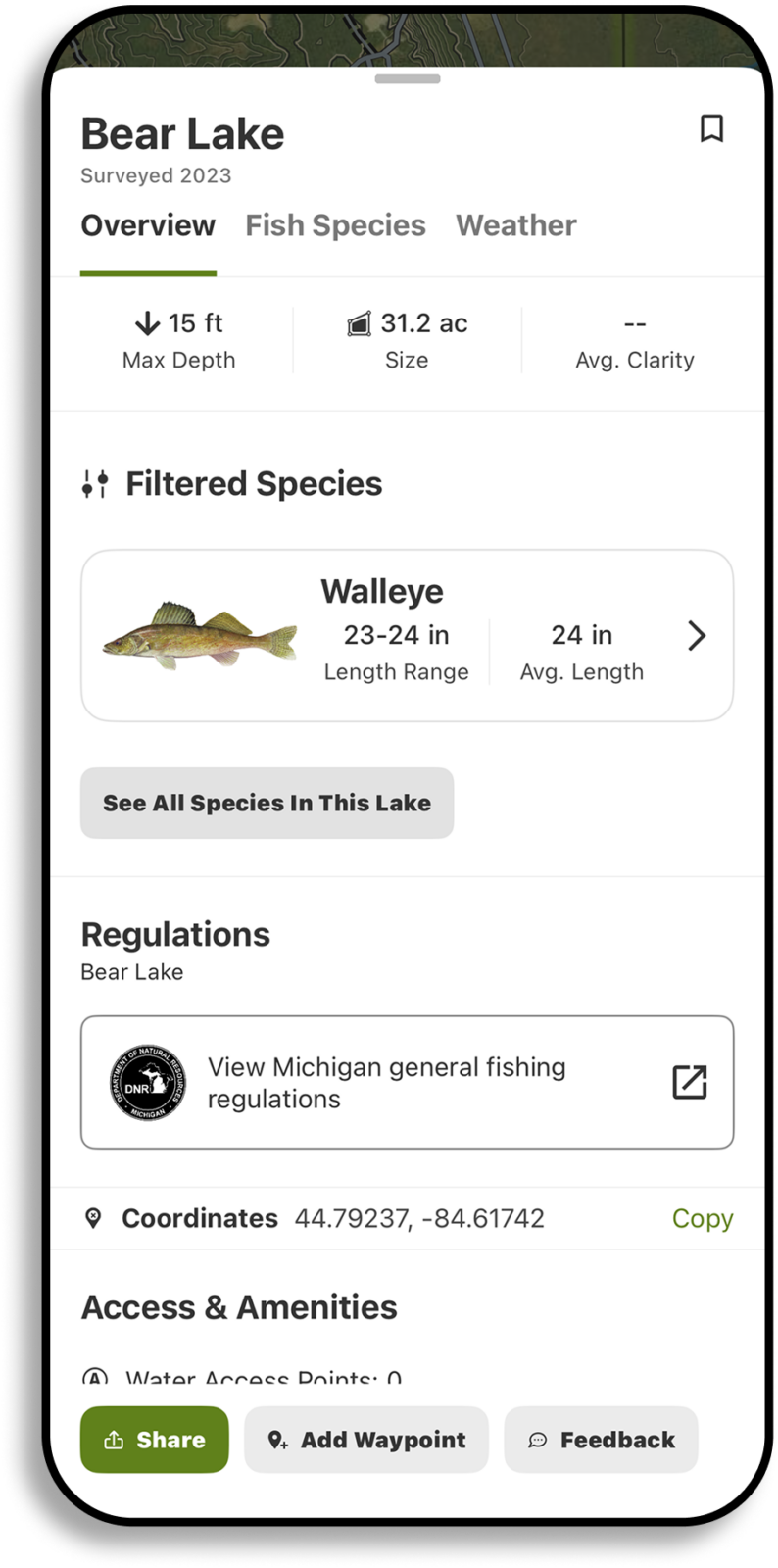
onX Fish removes the guesswork by giving shore anglers access to:
- Trophy and Keeper Potential
- Pro Tip: Anglers targeting eater-sized walleye can use onX Fish to filter lakes by keeper potential, ensuring they’re fishing where a predominant part of the population is in the size range that most anglers target for the table.
- Species Abundance Insights
- Contour Maps To See Shore Drop-Offs
- Public Access Points
- Fishing Regulations at a Glance
Final Tips for a Successful Bank Fishing Trip
- Arrive Early or Stay Late: Fish are most active at dawn/dusk.
- Pack Light but Smart: Bring only essentials, including a small tackle box, pliers, and a compact rod holder.
- Adapt and Move: If one spot isn’t producing, use onX Fish to identify alternative near-shore structures.
- Secondary Locations: Piers and big roadway spots are popular, but use onX Fish to find alternative access points, remote areas, and other off-the-beaten-path locations
- Check Local Regulations: Always review lake-specific fishing rules using onX Fish.
Find the best bank fishing spot with onX Fish Midwest
Never waste a day on the water with filters that give you what you need to find new lakes and fishy spots.