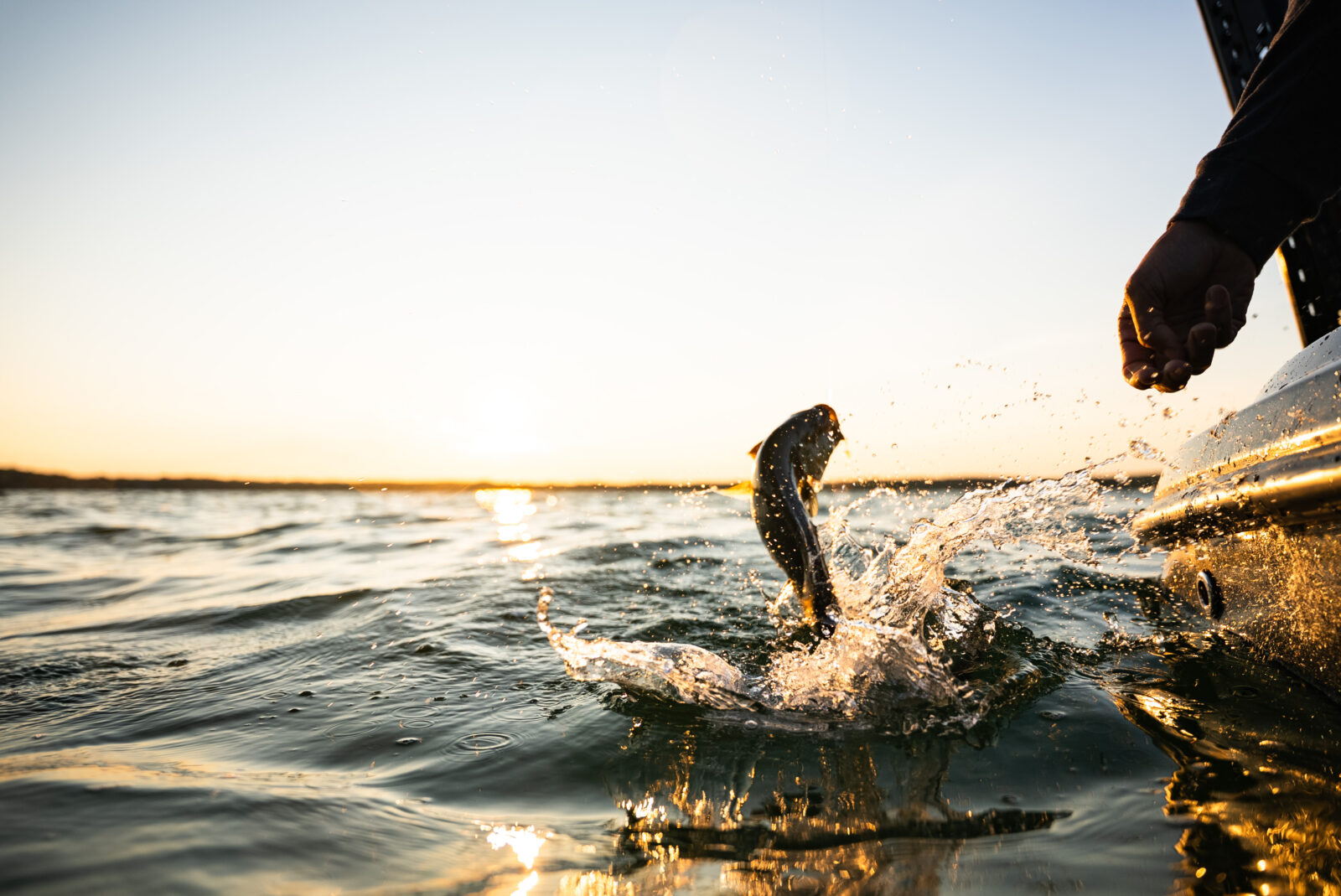
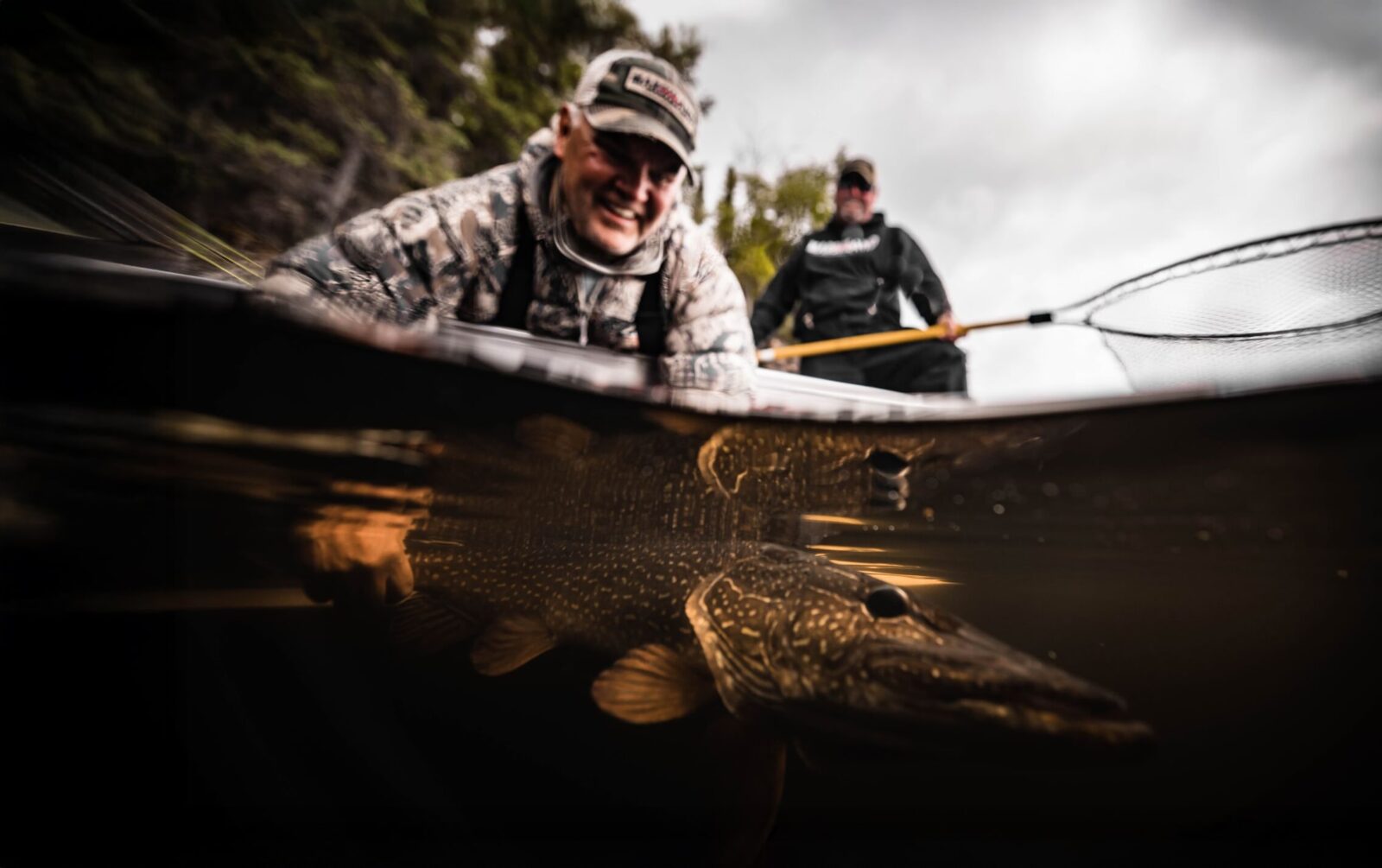
An angler reaches underwater for a giant pike


Northern Pike

Also known as gators, water wolves, jacks, hammer handles, and snakes.

Northern pike icon

The northern pike: stealthy, voracious, and downright aggressive. Anglers either love them or hate them, rarely feeling anything in between.

Pike are an apex predator, often at the top of the food chain in their ecosystems. While they certainly don’t get the same respect as the musky, they are a worthy fishy adversary, growing to great proportions.

Finding Northern Pike Fishing Lakes

Pike (Esox Lucius) are found across the northern hemisphere in a variety of lakes, rivers, reservoirs, ponds, and canals. Their native range extends across the North American, European, and Asian continents. In North America, they are widely distributed across the northern U.S. and Canada.

For many, they’re considered an annoyance, often reviled as a bait-stealing pest. But truth be told, the northern pike is one of the most underappreciated fish in freshwater. Anglers who target them know exactly how rewarding they can be. If you’re looking for high rewards, here is guidance on finding places likely to hold pike and how to catch them.

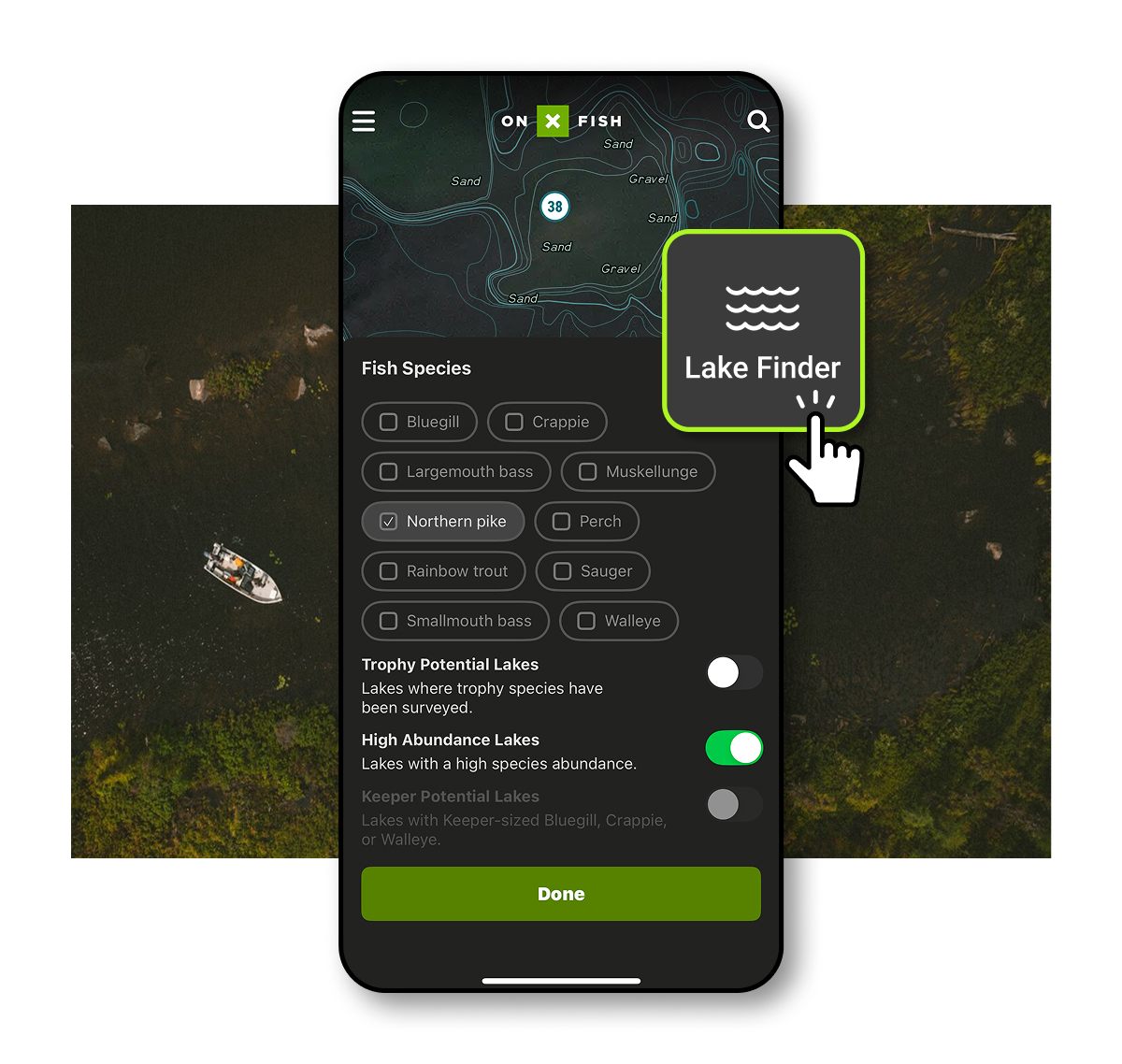
Pike Lake Finder functionality in the Fish App.

Northern Pike Habitat

Pike are found in a wide variety of areas, including lakes, rivers, and reservoirs. They flourish in shallow, cool water environments with extensive vegetation and abundant forage.

Generally, pike relate to vegetation, which they use to their advantage as an ambush predator. During the warmest months of the year, pike can be found in deeper water, often suspended or near deep structure.

Water Temperature

Northern pike are active throughout the entire year. Optimal temperatures for peak pike activity levels are in a cooler range than most, generally between 55°F and 65°F.

The pike spawn occurs when water temperatures reach the 40°F to 45°F range.

How To Catch Pike

If you polled non-pike anglers, they’d tell you the best way to catch pike is to fish for something else, as they’re well known to strike a variety of bass, walleye, and musky lures. More advanced pike anglers recognize that, despite their aggressive nature, certain nuances can ensure more pike hit the net.

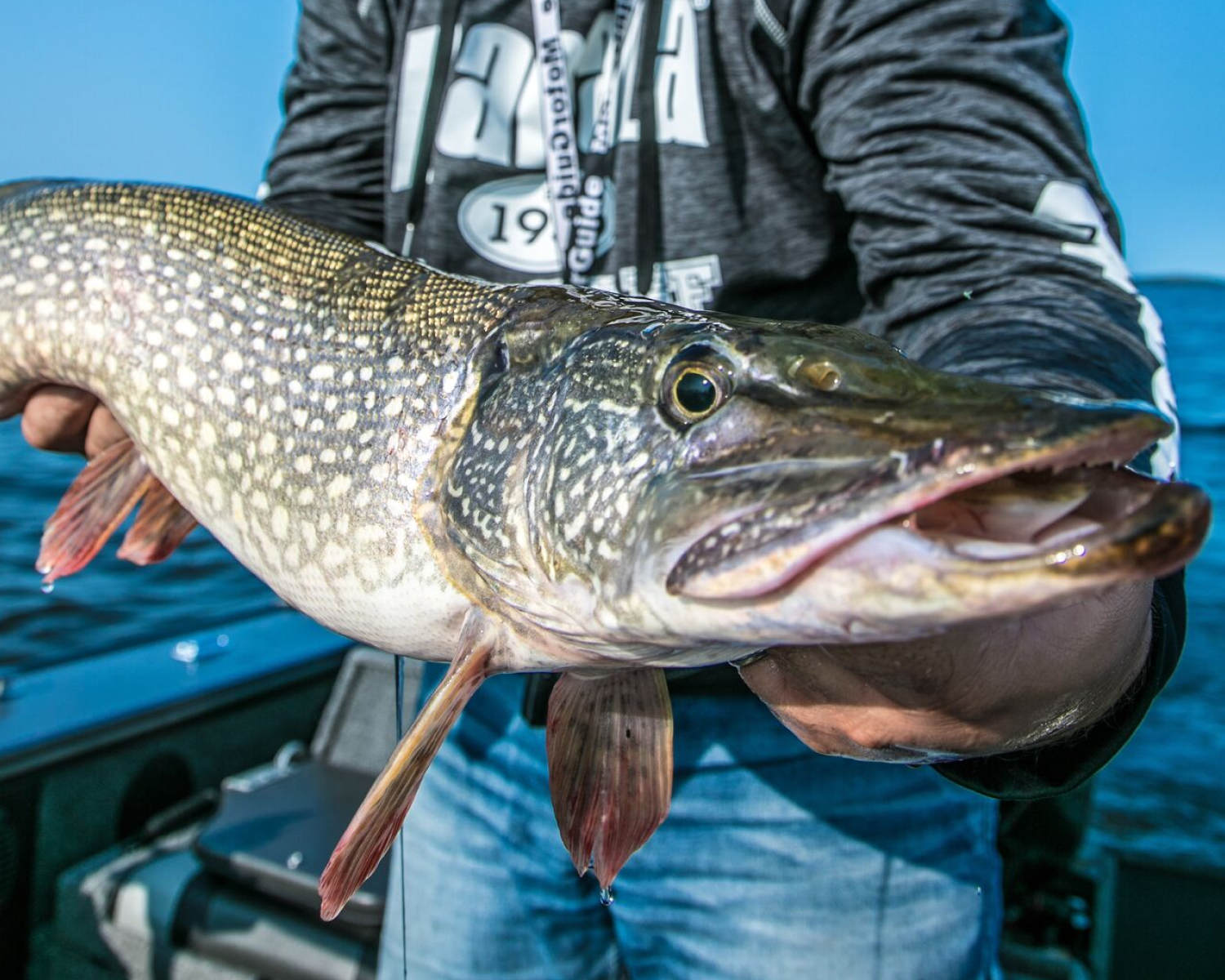
A close-up a northern pike.
A boat speeds along the water with trees in the background.
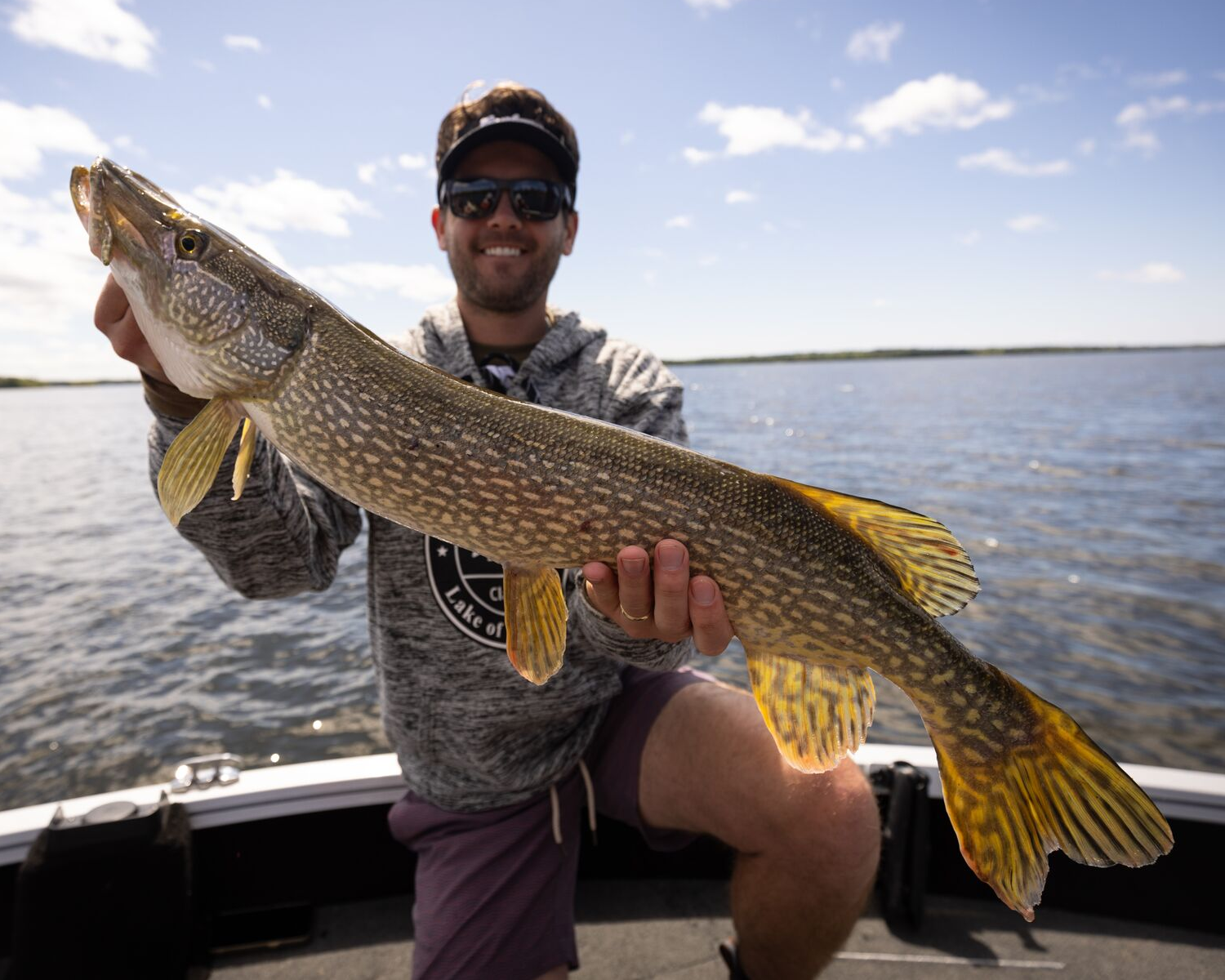
An angler holds a northern pike they caught.

Northern Pike Behavior

Northern pike use speed and stealth to track down their prey. They rely on cover to lie in wait until the right ambush opportunity presents itself.

Pike are the gluttons of the freshwater fish world, more than willing to choke down almost anything. It’s not unheard of for a pike to consume something large enough to lead to its demise. Pike ingest their prey whole—perhaps just another reason why they’ve earned the nicknames “gator” and “snake.”

Unlike many other fish species, pike tend to live a more solitary lifestyle, picking out individual territories.

Feeding Habits: What Do Pike Eat?

A better question may be: “What don’t they eat?” Pike are voracious predators, the quintessential garbage disposal of the fishing world, feeding on a wide range of prey. Specific forage preferences are dependent on the water body, but a pike’s diet is largely comprised of other fish species like bluegills, yellow perch, suckers, ciscos, and even other pike. Other food sources include ducks, small birds, small mammals, frogs, snakes, and crayfish.

Detailed knowledge of pike feeding habits is important to success on the water. Every scenario is different, and having those key details can provide more promising results. 

Pike will target prey up to a third of their size. When you’re talking about fish in the 40-inch-plus category, bait options are truly endless.

Pike Fishing Techniques

Pike fishing techniques are simple, often involving an element of attraction, like flash, vibration, or noise.

Throughout the open water season, the most common presentations are based around casting. Perhaps the lure most synonymous with pike angling is the spoon. These iconic lures are responsible for countless catches. 

For ice fishing, tip-ups are the most common presentation, often tipped with large suckers, shiners, or smelt.

Northern Pike Lure Recommendations

– Spoons.
– Spinners and bucktails.
– Spinnerbaits.
– Jerkbaits.
– Swimbaits and paddletails.

Northern Pike Knot Recommendations

– Attachment knots are ideal for securing lures. Options include the improved clinch knot, Palomar knot, and loop knot.
– Connection knots are designed to connect leader lines to main lines. Options include the FG knot, Alberto knot, blood knot, and uni knot.

Best Time To Catch Northern Pike

Every season offers prime opportunities to target pike. That being said, the cooler months tend to provide the most success, while the highest probability for tracking down a trophy occurs during the early spring, late fall, and late winter. 

Seasonal Tips

  • Spring: As ice melts, pike make the move to shallow areas in preparation for the spawn. The best locations exist in shallow vegetated areas, which tend to warm more rapidly than others. Slower presentations are often necessary, with jerkbaits and soft plastic paddletails being the top options.
  • Summer: The start of summer positions pike in and around expansive weed flats. As summer progresses, some pike retreat to deeper, cooler environments. Faster presentations dominate this warmwater period. Spoons, spinners, spinnerbait, and crankbaits are great choices.
  • Fall: Pike use both shallow and deep water throughout fall. They tend to follow baitfish species that congregate during this timeframe. The best fall habitat is typically found near rocks and vegetation. Top pike lure options in the fall include jerkbaits, crankbaits, and larger plastics.
  • Winter: Healthy, standing vegetation is the place to be. Pike rely on these areas to efficiently track prey. As vegetation dies, baitfish vacate these areas and pike follow suit, making the move to deeper water. Setlines, like tip-ups, tipped with suckers, shiners, or smelt, offer the best results. Setlines are ideal for covering large areas and avoiding spooking fish in shallow water.

Time of Day and Weather

Pike are daytime feeders, doing nearly all their eating during the hours between sunup and sundown. The windows at dawn and dusk are often considered prime time.

Pike prefer cooler temperatures and tend to be much less impacted by cold fronts than most freshwater species. That said, warming trends throughout the cooler months often drive fish shallow. 

In terms of the best weather for pike fishing, windy, overcast days offer the most promising outcomes, while sunny, calm days are less than ideal. Prevailing winds can concentrate baitfish, which, as a result, can concentrate pike.

Fishing Northern Pike With the onX Fish App

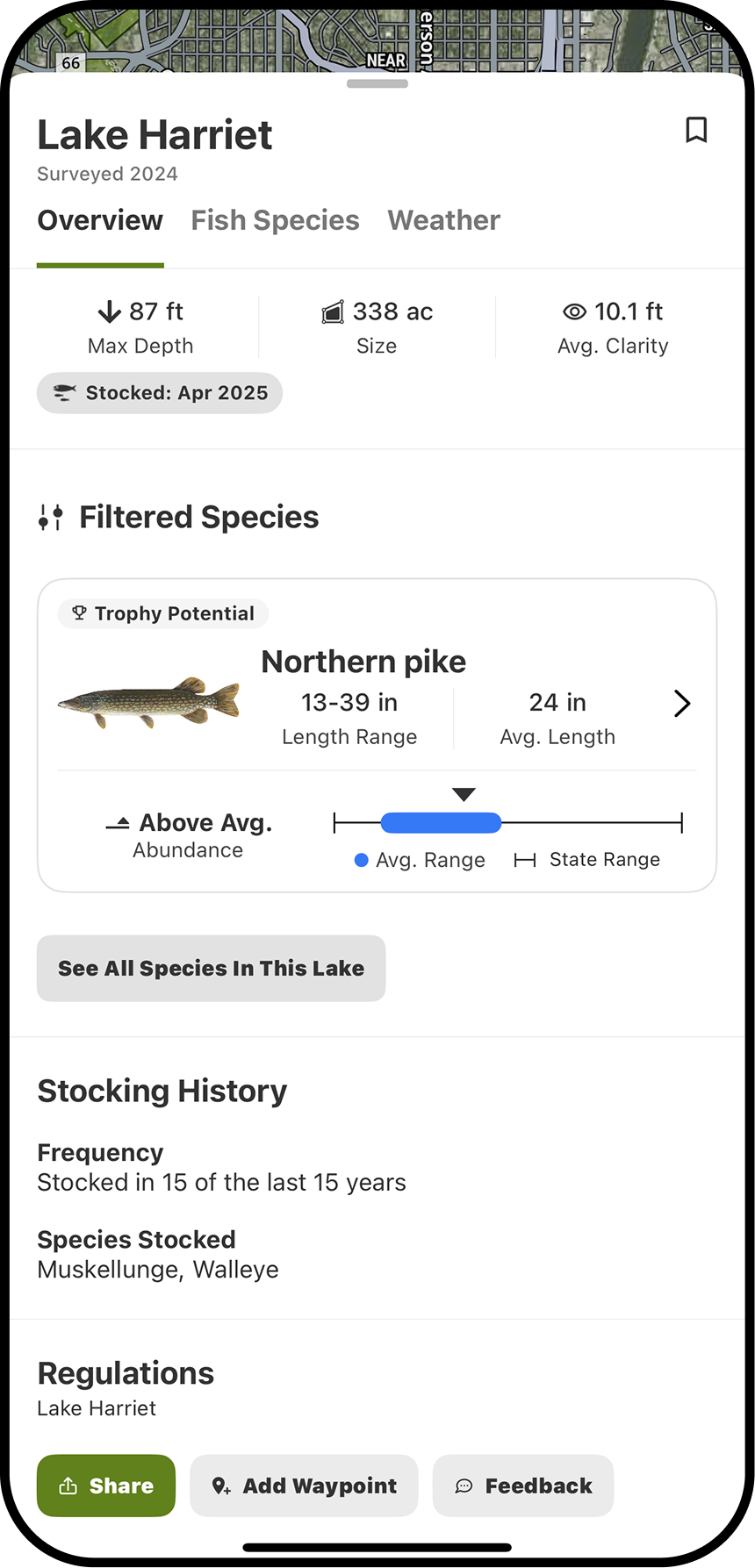
onX Fish App's Trophy Potential functionality.

Find Trophy Northern Pike

Many anglers know which well-known waters have histories of producing trophies, but what about the hidden gems?

With onX Fish, anglers can identify lakes with prime conditions for trophy potential. Abundance estimates, historical survey data, and other lake-specific data are all right at your fingertips.

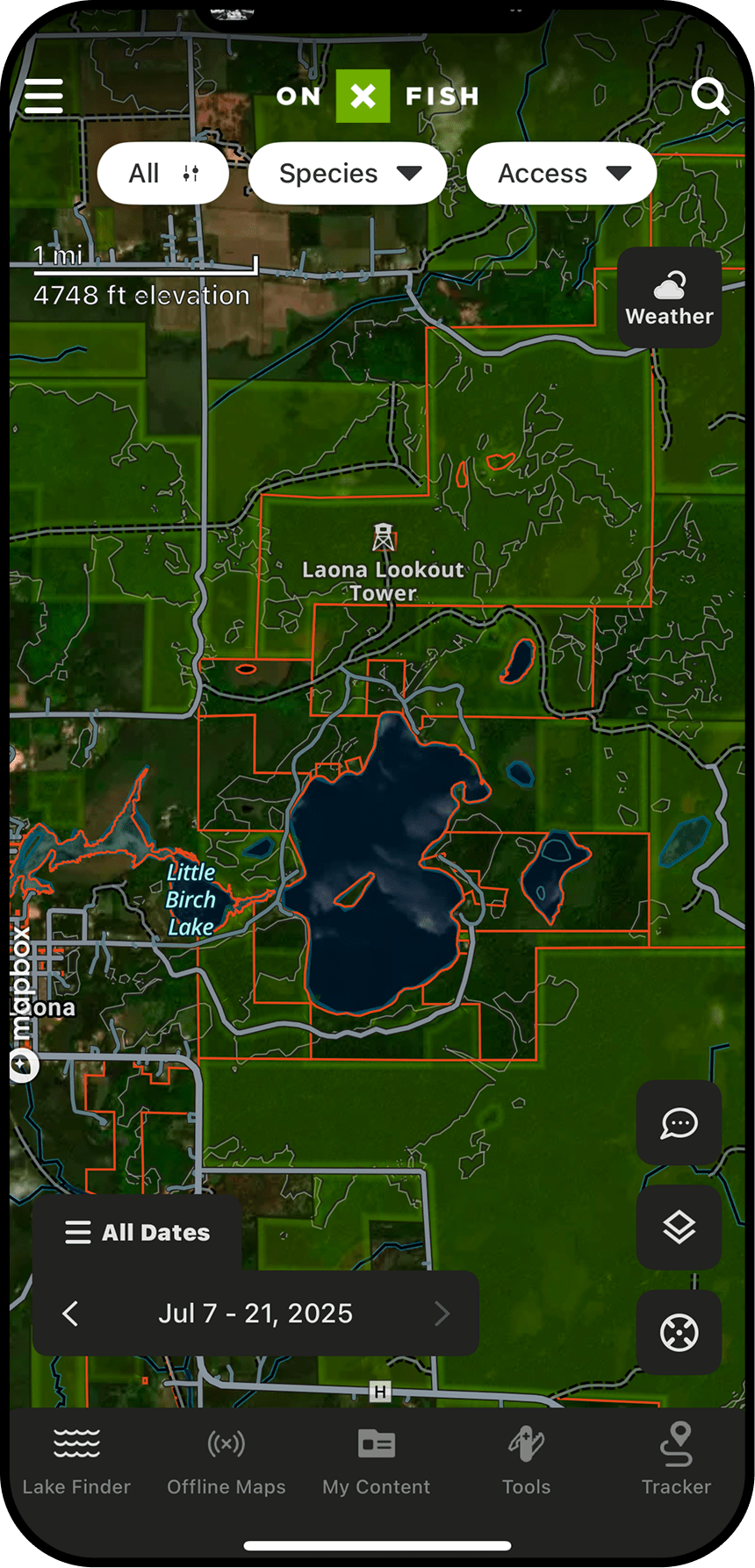
onX Fish App's private vs. public boundaries maps.

Understand Lake Access

Found a lake with a pile of pike, but can’t figure out how to access it? The Fish App includes detailed information on land ownership and public access points. Even on lakes without a designated landing, there may be adjacent public land or a landowner willing to provide access. With onX Fish, get landowner details for parcels surrounding lakes.

PInPOINT GIANT PIKE

Open the map. Find a lake. Time it right.

Northern Pike FAQs

Can northern pike teeth cut line?

Yes. Seasoned pike anglers rely on heavy fluorocarbon and steel leaders when targeting pike.

Northern pike vs. muskie: What’s the difference?

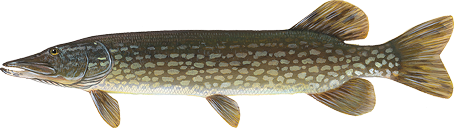
Although they’re a member of the same family, there are key differences between northern pike and muskies. They inhabit many of the same waters, but pike are more widely distributed than muskies. Pike feature lighter, horizontal spots, while muskies tend to have vertical barring or no barring at all.

Both species have a forked caudal fin, with pike having more rounded fins and muskies having more pointed fins. Additionally, pike fins tend to be more yellow, while the musky fins are often more red.

Northern pike and muskies can hybridize, leading to a species known as the tiger musky.

Northern pike vs. pickerel: What’s the difference?

Despite a shared familial connection and somewhat similar appearance, northern pike and pickerel have distinct differences. First, pike can grow much larger than pickerel, with most pickerel being less than 24 inches.

Pike have lighter, horizontal spots, while pickerel have horizontal, chain-like barring. Both species have forked tail fins with rounded edges, but pike fins typically feature dark markings, while pickerel fins generally have no markings.

How big is the world record northern pike?

The world record northern pike was caught in Lake of Grefeern, in Germany, tipping the scales at 55 pounds, 1 ounce.