West Bow - FS 3129
Total Miles
1.0
Technical Rating
Best Time
Spring, Summer, Fall
Trail Type
Full-Width Road
Accessible By
Trail Overview
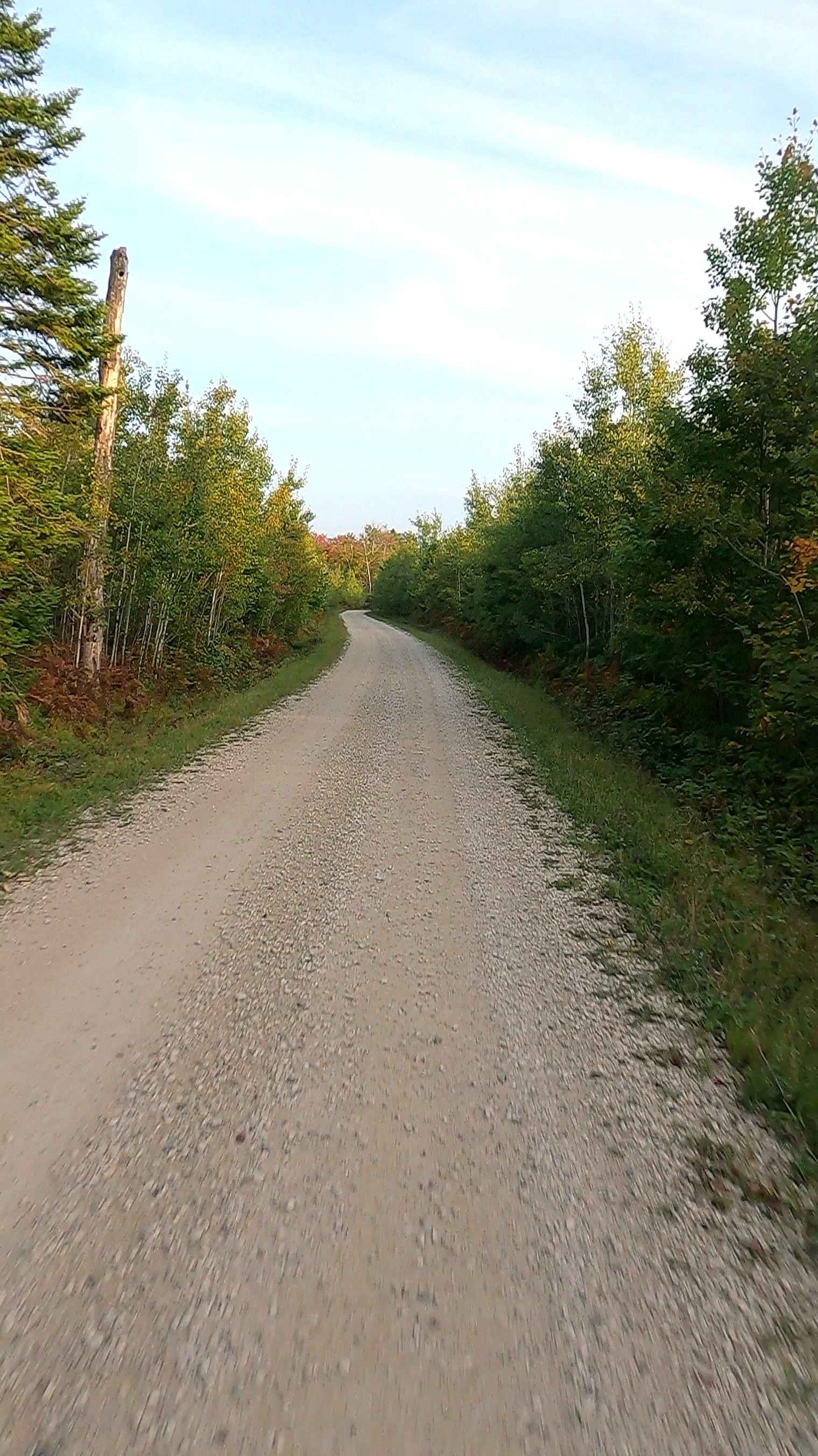
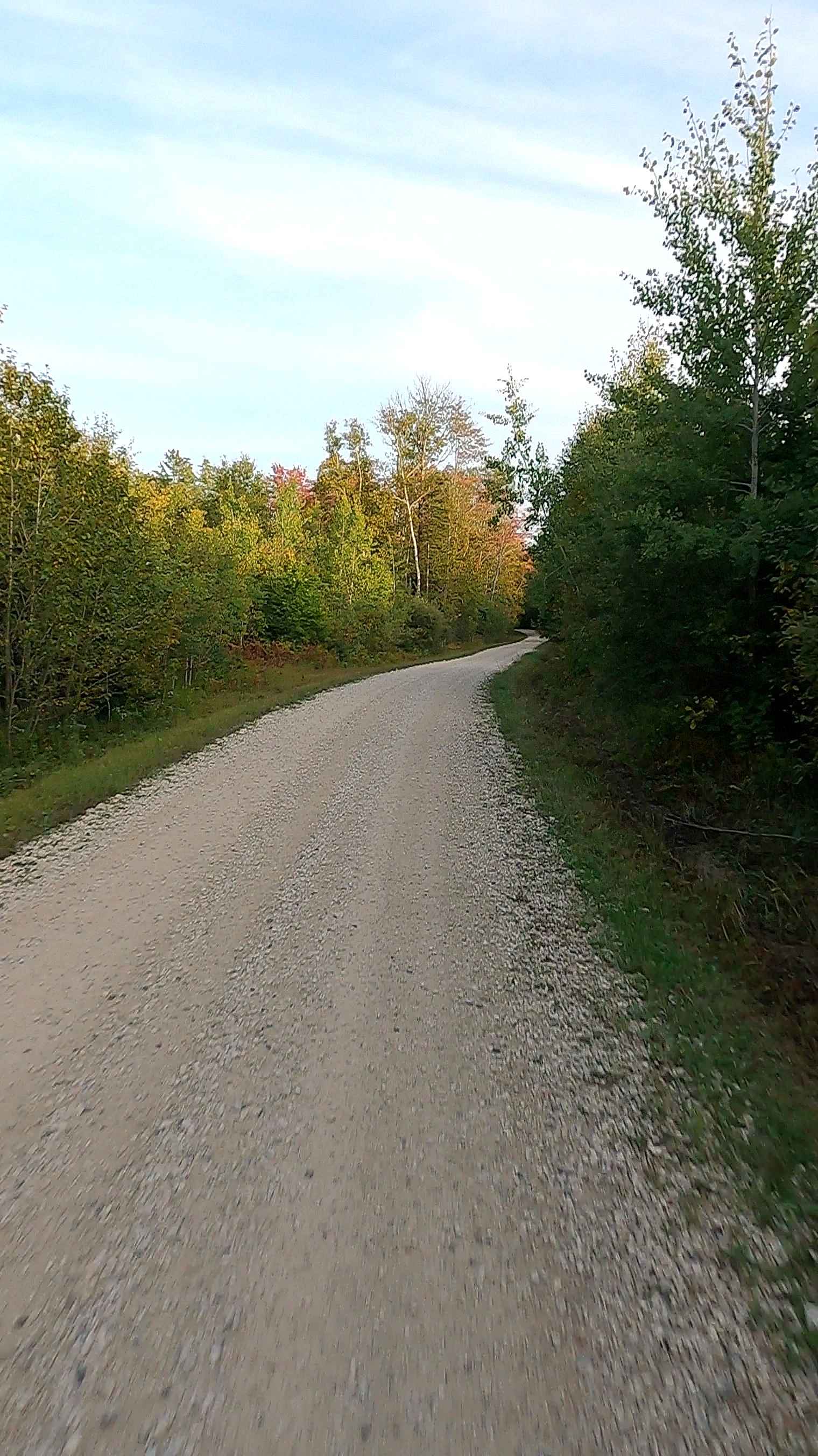
Federal Forest Service Road (FSR) 3129, also known as West Bow, is a federally owned/ locally maintained, Level-2/ Level-3 forest road with a surface composition of dirt, sand, gravel and native material. This route is currently open and in fair condition; it is not a DNR road (ORV use is subject to local government regulations). This route is a Spur of East lake Road. Description created on September 17, 2025.
Photos of West Bow - FS 3129
Difficulty
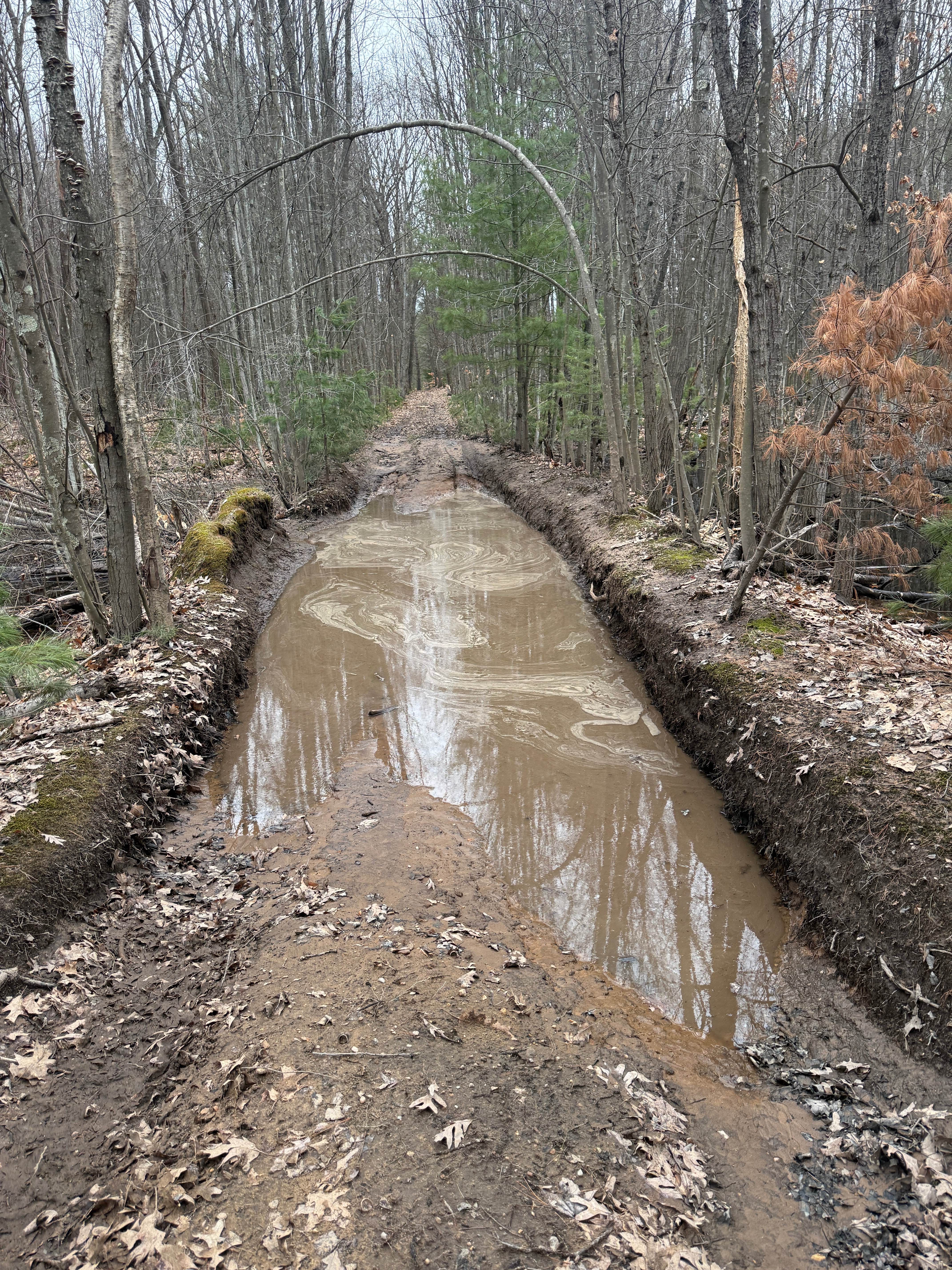
Gravel, dirt, sandy road, unmaintained after rain or snow that may give rise to shallow water crossings and obstacles under 12 inches on the trail, including small ledges. This road is typically one to two vehicles in width, with portions that narrow down to a "Two Track" road.
History
East Lake Road near St. Ignace, Michigan, is situated in a historically rich area first inhabited by indigenous tribes and later established as a 17th-century French missionary and fur trading outpost by Father Jacques Marquette in 1671. The area surrounding St. Ignace developed into a crucial rail-to-ferry hub in the late 19th century. St. Ignace, Michigan's second-oldest city, was founded in 1671 by Father Jacques Marquette as a Jesuit mission and became a major fur-trading center and French military outpost (Fort de Buade). Historically a hub for Native American culture, it later thrived in the late 19th century through logging, commercial fishing, and its role as a crucial railroad ferry terminal connecting the Upper and Lower Peninsulas. Key historical highlights of St. Ignace include: Native American Heritage: The region has long been inhabited by the Anishinaabeg (Ojibway, Odawa, and Potawatomi) tribes, who considered the area central to their culture and history. French Exploration & Mission: Founded in 1671, the mission on Moran Bay was named after St. Ignatius Loyola. It served as a vital French outpost for the fur trade, with figures like Marquette, Joliet, and Cadillac passing through. Military Significance: In 1683, Fort de Buade was built to protect French interests, making it one of the largest settlements in New France at the time. 19th Century Expansion: The 1870s brought the logging industry, with the Mackinaw Lumber Company building a sawmill. In 1881, the railroad arrived, making St. Ignace a bustling transportation hub with ferries operating across the Straits of Mackinac. Modern Era: The town evolved from a shipping and rail hub into a tourist destination, highlighted by the construction of the Mackinac Bridge and events like the annual car show. This route: East Lake Road once offered access to the Hay Lake CCC Camp. The Civilian Conservation Corps (CCC) was a federal work-relief program launched in 1933, one of several programs known collectively as the New Deal, President Franklin D. Roosevelt's farsighted response to the national shame and despair of the Great Depression. Hay Lake Camp was the longest-lasting and best-developed CCC work camp.
Status Reports
West Bow - FS 3129 can be accessed by the following ride types:
- High-Clearance 4x4
- SUV
- SxS (60")
- ATV (50")
- Dirt Bike
West Bow - FS 3129 Map
Popular Trails
Middle Haze Road

NE Little Manistee Route (344)
The onX Offroad Difference
onX Offroad combines trail photos, descriptions, difficulty ratings, width restrictions, seasonality, and more in a user-friendly interface. Available on all devices, with offline access and full compatibility with CarPlay and Android Auto. Discover what you’re missing today!