At some point, you’ll have to deal with a gear malfunction. Best case, it’s a minor inconvenience in your day. Worst case, well—things can go south in a hurry… Investing in the right gear, inventorying it after each season, and maintaining each piece of equipment can save you from headaches or potential danger.
Here are a few things to put on your hunting gear care checklist this season:
Sleeping Bag Storage
A quality sleeping bag is an investment, and on a cold night following a long day, you’ll be glad you spent the money. Whether your bag is down or synthetic, how you store it plays a role in its longevity and function. Flip the bag inside out and let it air out after every trip, then store it uncompressed—the worst thing you can do for your sleeping bag is to keep it compressed for a long period of time. The interior filling will compress, leading to a lack of loft and warmth. Store it loose; hang the bag in a dry location or store it in a large, loose breathable bag (many modern sleeping bags come with a storage sack expressly for this purpose). Loose storage will allow the bag to stay fluffy and warm.
Hunting Boot Care
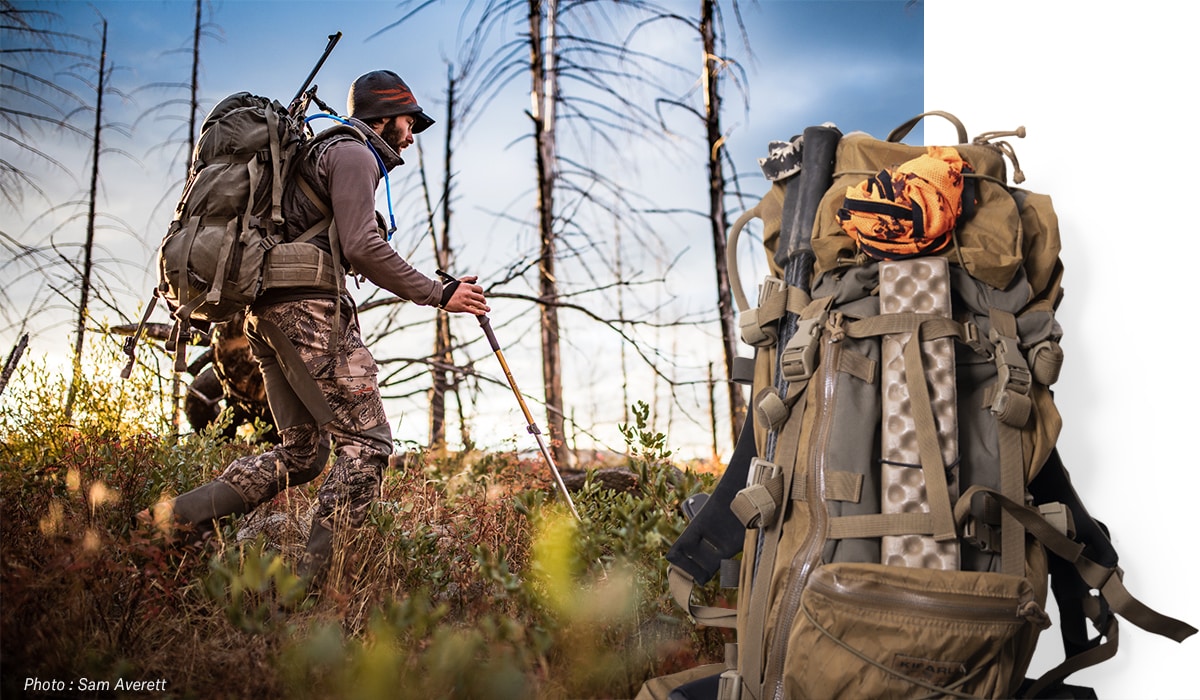
Most hunters have a favorite pair of boots. We have a keen appreciation for the process of finding the right pair of boots and then investing the time to break them in. A quality pair of boots is expensive, but is also a piece of gear you’ll be glad you didn’t skimp on when you’re sidehilling or clambering over wet rocks.
Basic boot care is a straightforward, but often overlooked aspect of seasonal prep. Always let the interior and the exterior of your boots dry out in between trips. Leather boots benefit from periodic treatment with a leather conditioner (be careful not to condition too frequently, as this can weaken the leather fibers). Cordura and synthetic boots can be scrubbed clean with a stiff brush. Boots without a waterproof GORE-TEX lining will benefit from a waterproofing spray before each season. Dealing with a smell situation? Try sprinkling baking soda into the boot, letting it sit overnight, and shaking it out in the morning.
Tent Seam Sealer
Modern waterproofing technology is a wonderful thing, and today’s tent fabrics are weather-resistant. But tent stitching still relies on thread, which isn’t waterproof. Seam sealing your tent will help prevent moisture issues.
For an additional fee, you can purchase most modern tents pre-seam sealed. But, if you like to save cash, DIY seam sealing your tent is a simple process. Choose a marine-grade silicon, as those are engineered to function in freezing temperatures. Follow the instructions: you’ll need your sealant of choice and a brush or rag. Then, with your tent pitched inside-out, you’ll paint over all the seams. You can skip the bottom hem; no sealant is necessary there. Let it dry, and you’re good-to-go.
Need a visual example? Watch Argali’s tutorial on how to seam seal your tent:
Field Repair Kit Restock
Use the off-season to inventory your repair kit and restock all your basics. What you keep in your repair kit will depend on the type of hunting you like to do, but the point is: have one and keep it stocked. Generally, you’ll want at least:
- A knife or multi-tool (this is so important that some people carry a backup).
- Tenacious tape or Duct tape (wind it around your lighter or another object so you don’t have to carry the whole roll).
- Paracord (some people carry zip ties, too).
- Batteries.
- Allen wrenches (fit to your bow or rifle).
- A needle and waxed thread (modern tape will probably do the trick, but these things weigh nothing so some folks like the extra assurance).
A spare tent stake isn’t a bad idea, either.
Hunting First Aid Kit Restock
Always inventory your hunting first aid kit post-season; this first aid kit checklist is a good place to start.
Before your first trip of the year, unpack your medical kit. Take note of what’s missing and should be replaced, and what medications or ointments may have expired. Replace what you need to, and restore the kit to full capacity. When the time comes, and you need something from it for yourself or your hunting buddies, you’ll be glad you invested the effort.
Rifle Care
Here are four quick tips to make sure you’re driving tacks:
- Be careful when transporting your gun, and use a hard case when possible. A little bump to the scope can mean the difference between a bullet hitting the sweet spot, or sailing three feet over your target.
- Clean out the barrel of your gun. Carbon, lead, and debris can find a home in your grooves, eventually degrading rifle performance.
- Check your rings and bases. When setting up your rifle and optics, be sure to use blue Loctite and torque the screws to spec on your rings and bases. Rattling around in a truck or even just the normal jostling while walking to your stand can start backing out screws. This could mean a change in impact of a few inches to feet.
- Many people never think to remove the barrel of their rifle. A lot of gunk can end up on the bottom side of the action, and, by removing a bolt or two, you can easily clean and re-lubricate the area.
Shotgun Care
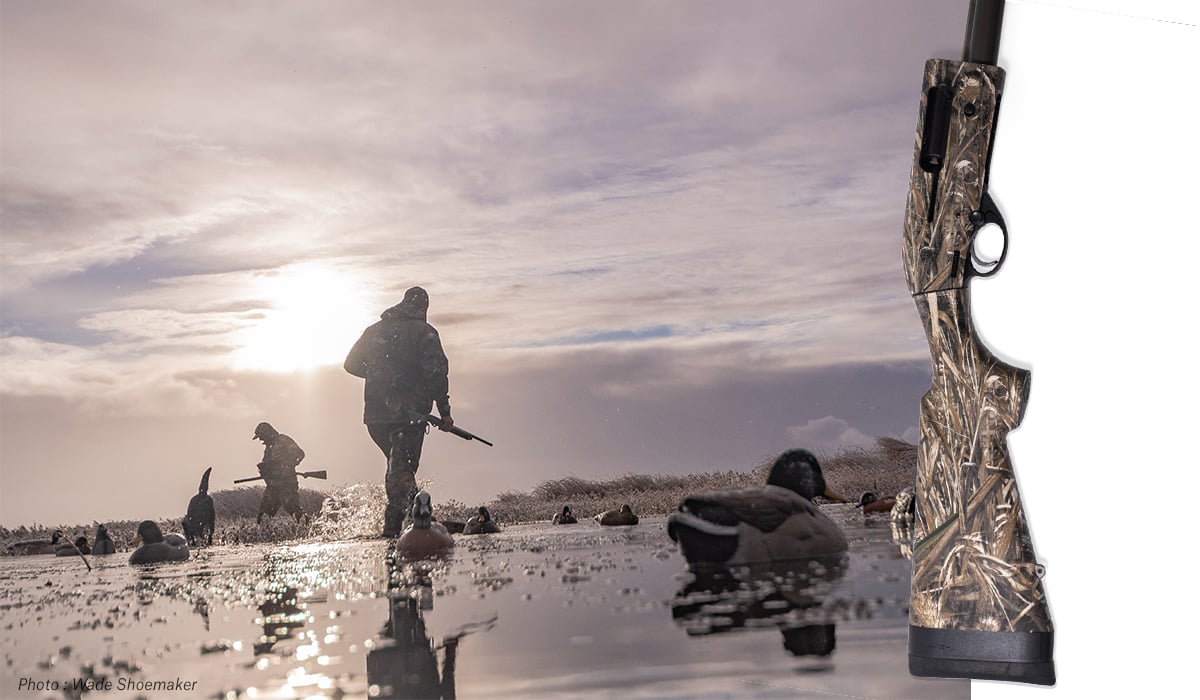
Many people wipe down the outside of their shotgun, clean the barrel, and call it good. Whether you are shooting a gas, inertia, or pump-driven gun, there are a lot of moving parts underneath the surface that also need a little TLC. At least once a year (or if your workhorse gets a bath in the local slough), you will want to take out the trigger assembly, forend parts, and bolt assembly to wipe them down and add lubrication. A word of warning: a little lubrication goes a long way. While hosing down old reliable with a whole can of Hoppes might seem like a good idea, it can create a slurry of carbon, gunpowder, and dirt, making cycling shells more difficult.
Bow Care
Wax your bowstring at least once a month to help prevent the strings from fraying. Additionally, check for issues with delamination of bow limbs. Bows are under pressure all the time, and leaving them in a hot car or in direct sunlight can cause the laminate to divide into layers. Checking for delamination is as simple as running a cotton ball up and down the limbs to see if it catches on very small snags.
In the field, get into the habit of periodically checking your cams, especially if you’ve set your bow on the ground. If your bow string comes off your cams, your hunt is over—so, always check for debris that may have lodged in the cam.
Of course, continue practicing in the off-season, too. Review our pre-season archery practice tips.
Arrow Care
If you’ve ever seen a splintered arrow impale a hunter’s hand, then you know arrow care is important. A small nick on a carbon arrow can mean structural failure and, when put under the force of a bow, can spell disaster. After each shot, grab the arrow at each end and flex it at least four inches away from your body while visibly and audibly checking for splinters, cracks, or nicks. If you’ve missed the target and send an arrow sailing into the dirt, flex it four to five times, turning the shaft in between flexes, to ensure it’s still safe to shoot. It’s easy to get into a routine of flexing your arrows after each practice round while you’re walking back from the target.
Knife Care
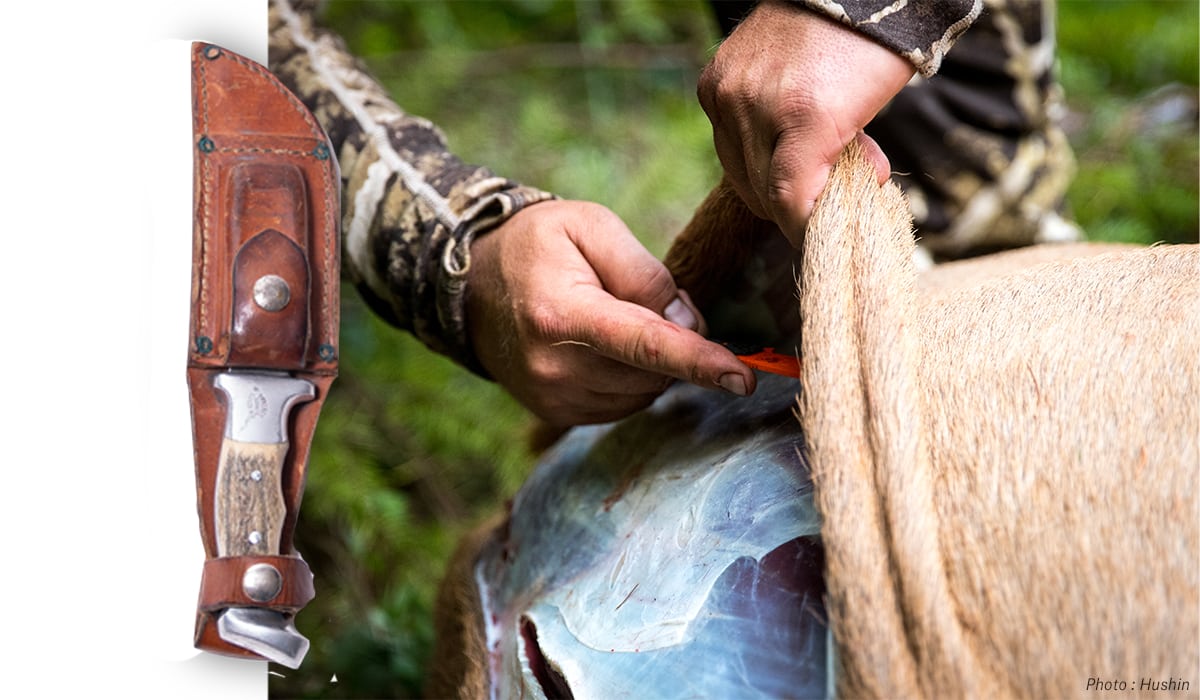
One of the most dangerous (and frustrating) things on a hunt is a dull knife. It’s easy to throw a compact knife sharpener in your pack, and replaceable razor blade knives are becoming more popular for good reason: They’re surgically sharp, and when they start getting dull, you can switch out for another one.
In the field, try to get as much blood, fat, and meat off your knife as possible. After the remnants of your harvest dry on a knife, it makes getting it off much more difficult. A wet wipe works well. When you get home, wash knives in hot soapy water, air dry, and then run them on a good stone to get a sturdy and sharp edge. Learn more about sharpening your hunting knife.
Harness Care
If hunting out of a tree stand, your safety harness is a literal lifesaver. Visually inspect the straps for fraying and discoloration. The area where the buckles meet the webbing is a more common area to spot frays, and if that’s the case, it’s time for a new one.
Many hunters wash their clothes religiously in non-scented soap, spray their boots down with scent killer, and use expensive ozone-generating units to gain even the slightest advantage against deer. What we often overlook is all the scent that’s absorbed into your safety harness. Read the washing instructions on your particular harness to see if it’s washer- and dryer-safe. Otherwise, soaking it in a bucket of warm water with unscented soap and hang drying is an easy way to clean your harness.
Blind Care
Ground blinds take a lot of abuse. Many hunters leave their ground blinds up for the entire season, and months of rain, snow, wind, and UV rays can take a toll. All quality blinds come with stakes for each of the four corners as well as rope to anchor the hubs, so they don’t fold in. After the season, take down your blind and spray it down with a garden hose. Always make sure your ground blind is dry before storing it over the off-season so it doesn’t mold or mildew.
Tree Stand Care
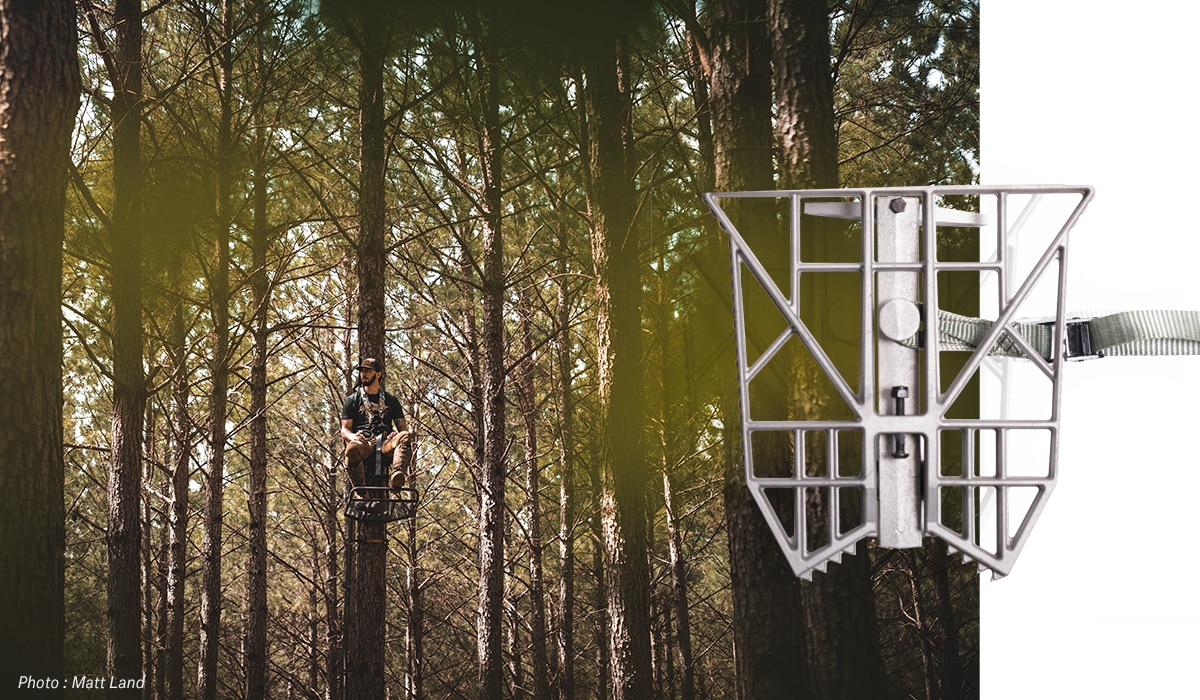
Tree stands are one of the most effective ways to hunt deer. It’s important to ensure the stand is safe before you trust it, considering you can be as high as 20 feet up a tree. When climbing into a stand, visually inspect the straps and the treestand itself, looking for wear, broken welds, or other oddities. After every season, check the straps for signs of wear. Squirrels love chewing on tree stand straps, and routine exposure to the sun can weaken them. Taking stands and climbing sticks down after every season also prevents them from tightening up as the tree grows. It’s crucial to wear a safety harness while in the stand, and a lineman’s rope while climbing into it.
Optics Care
Keeping your optics clean is vital to a successful hunt. Invest in a bino harness and a scope cover to prevent your glass from getting scratched. Attaching a microfiber cloth to your bino harness or pack makes it easy to wipe dust or water off your glass.
One mistake you hear year after year is the person who goes from a warm truck or cabin right into the woods with their rifle. Warm air holds moisture, and when you instantly go from warm to cold, your glass is going to fog up. No matter how much wiping you do, it will continue until the scope and air temperature reach equilibrium. To combat this problem, let your rifle temper to ambient conditions before you go out into the field.