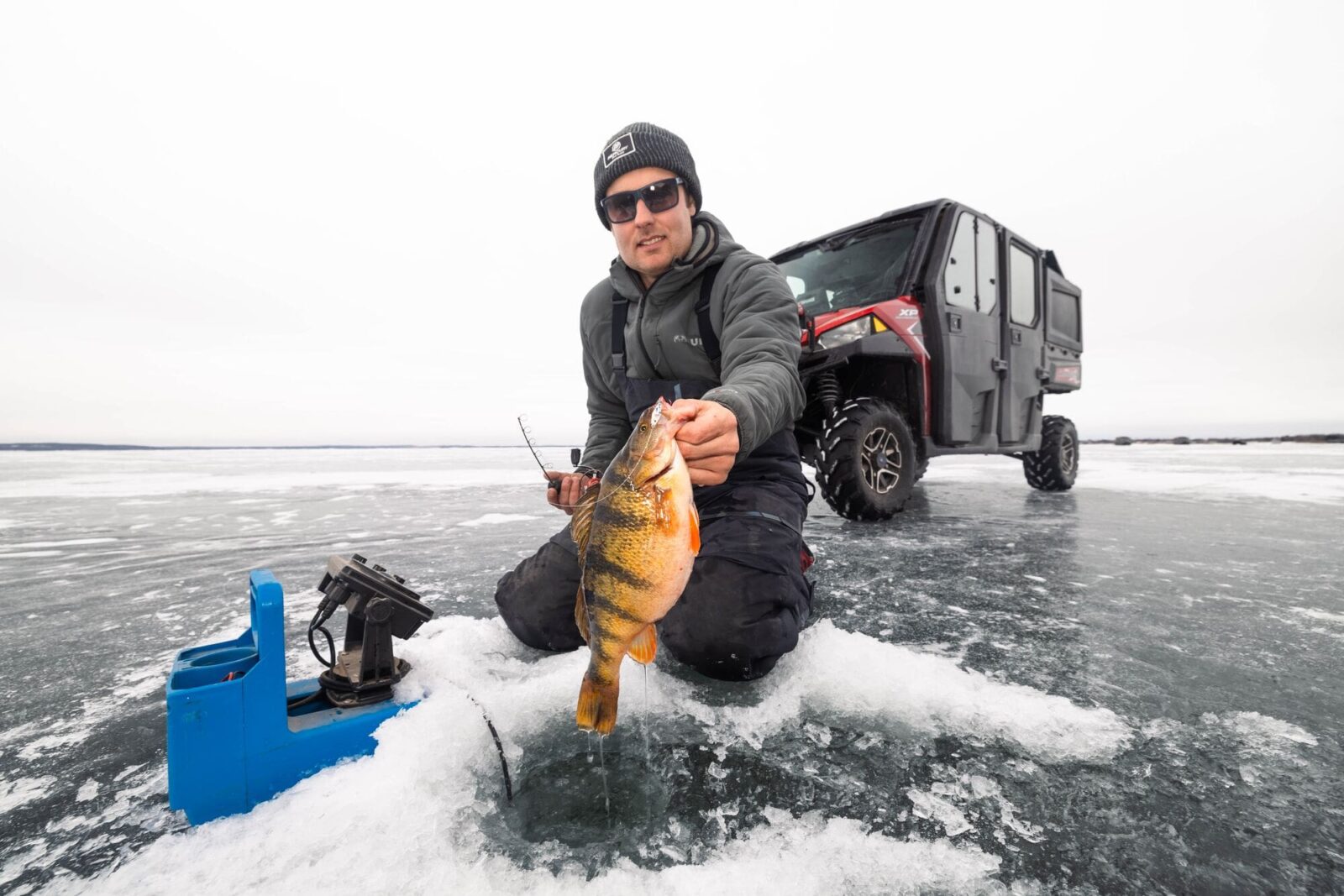

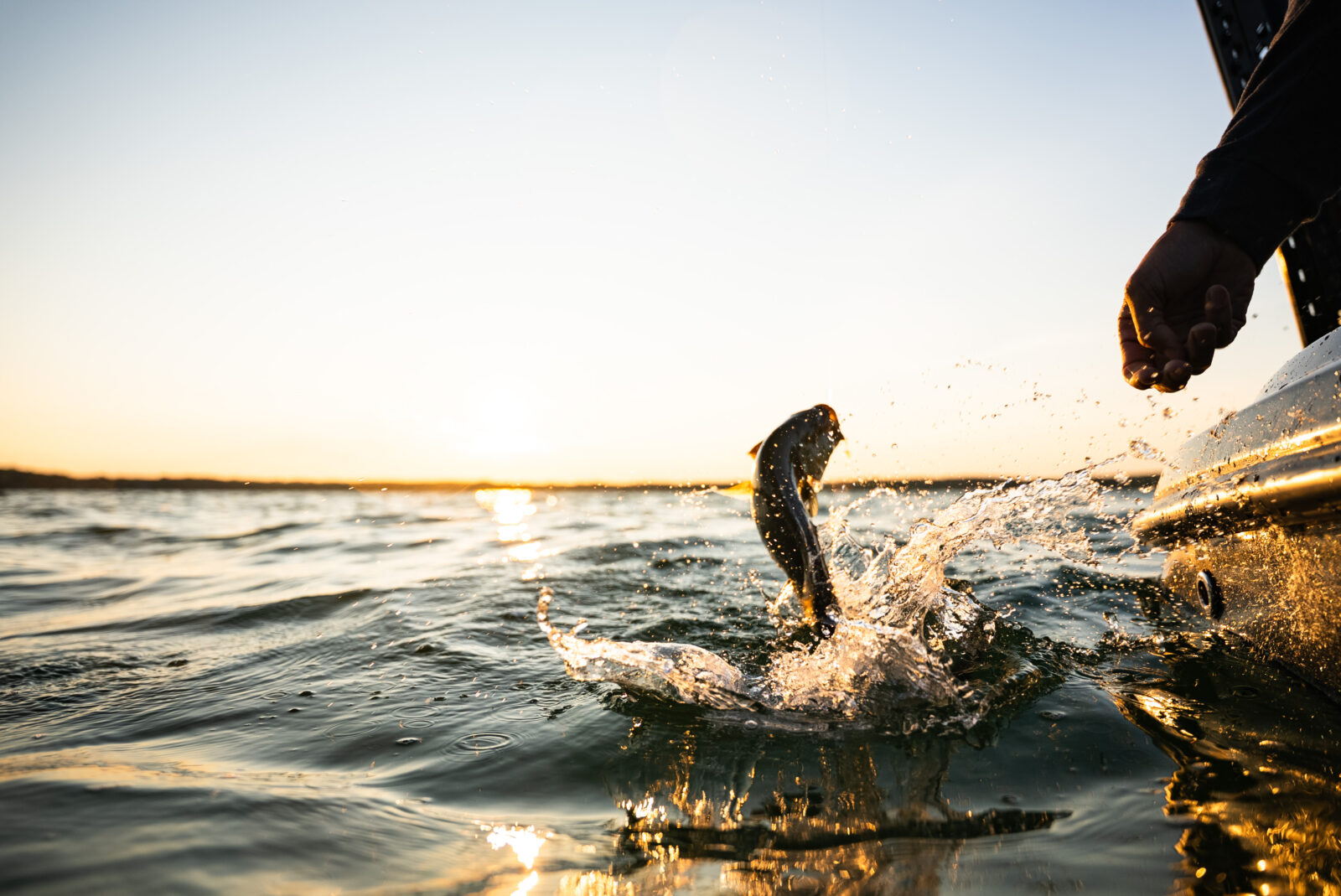
An ice fisherman pulls a perch out of the water.


Yellow Perch

Also known as striped perch, tigers, and teeter pigs.

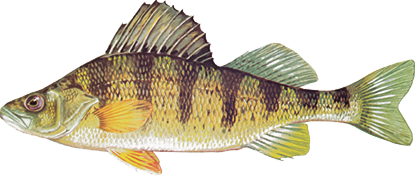
onX Fish perch illustration.

While not as widely distributed as other fish species, yellow perch are sought after across much of the continent. In addition to being a popular target for anglers, they’re an important food source for game fish species.

Despite their growth limitations, they’re a worthy adversary for anglers of all skill levels, offering fast-paced action and a willingness to eat. Prized as table fare, perch are staples in many Friday night fish fry occasions.

Facts and tips provided by Blake Tollefson, onX Fish Ambassador.

Finding Perch Fishing Lakes

Yellow perch (Perca flavescens) are found across North America in a variety of waterbodies. As a glacial lake species, their native range covers most of the northern United States, from the Rocky Mountains to the Atlantic coast. Their expanded range includes populations in every corner of the United States and parts of Canada.  

To streamline the search for quality perch, here’s guidance on finding places likely to hold perch and how to catch them.

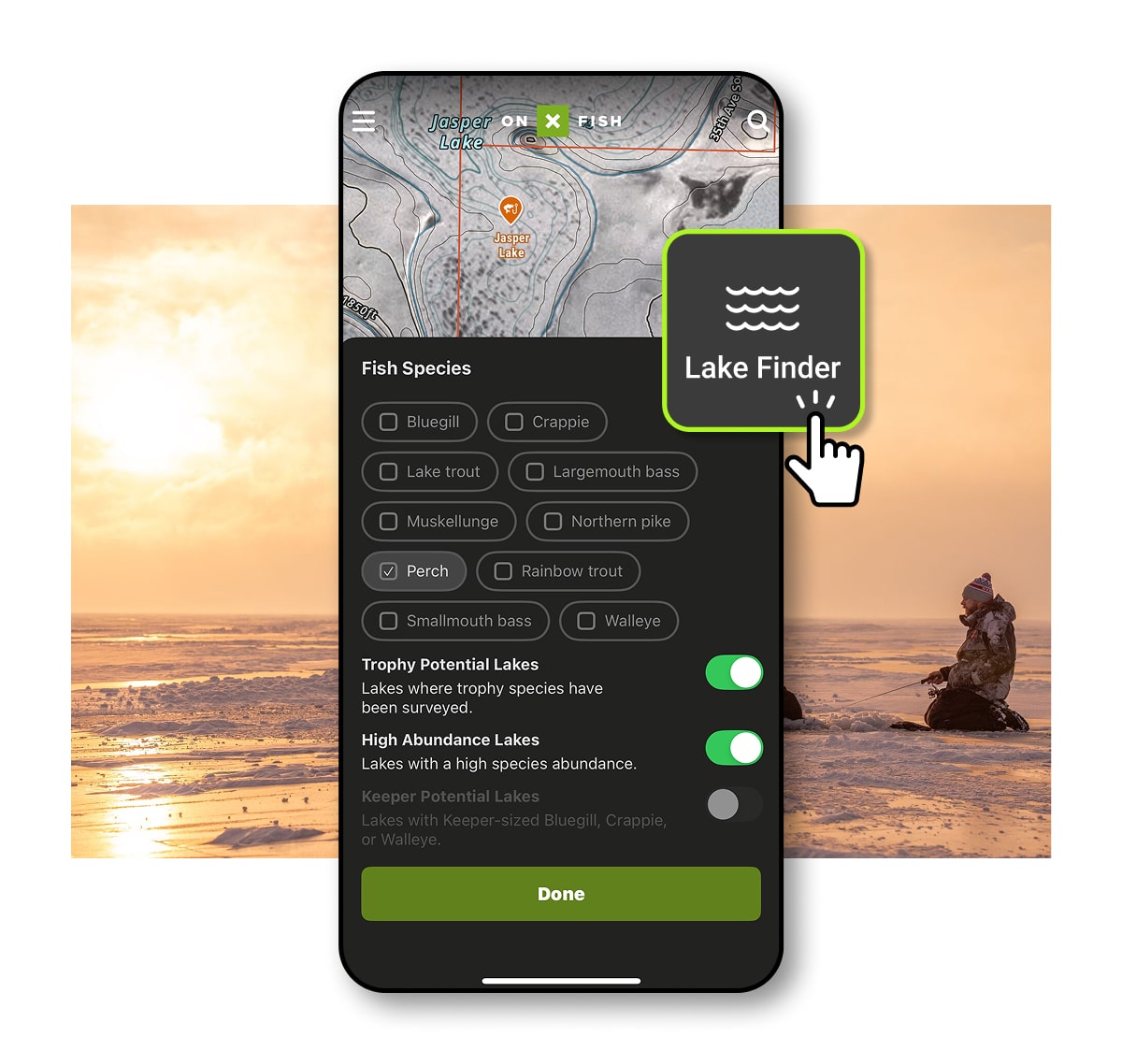
onX Fish Lake Finder capability for perch.

Perch Habitat

Yellow perch are found in a range of waterbodies, including lakes, ponds, sloughs, rivers, and reservoirs. They prefer clearer environments with little to no flow. Perch can tolerate areas with lower oxygen, which allows them to function well in areas like sloughs, river backwaters, and deep-water domains.

Prime perch habitat includes:

  • Vegetation, such as cabbage and coontail.
  • Wood, such as brush piles and fish cribs.
  • Transition areas, such as hard-to-soft-bottom areas and drop-offs.
  • Expansive flats.
  • Basin areas, such as featureless, soft-bottom areas.

Water Temperature

Water temperature has a direct correlation with the overall activity of perch. While perch remain active throughout the entire season, optimal temperatures are between 65°F and 75°F.

Spawning activity generally occurs in the 45°F to 52°F range.

How To Catch Perch

Generally, yellow perch are considered an easy species to catch. While anglers encountering small perch would likely agree, those in search of plus-sized individuals would tend to disagree. Perch are often found in high abundance, and the infamous perch nibble is one of the more recognizable bites in freshwater. 

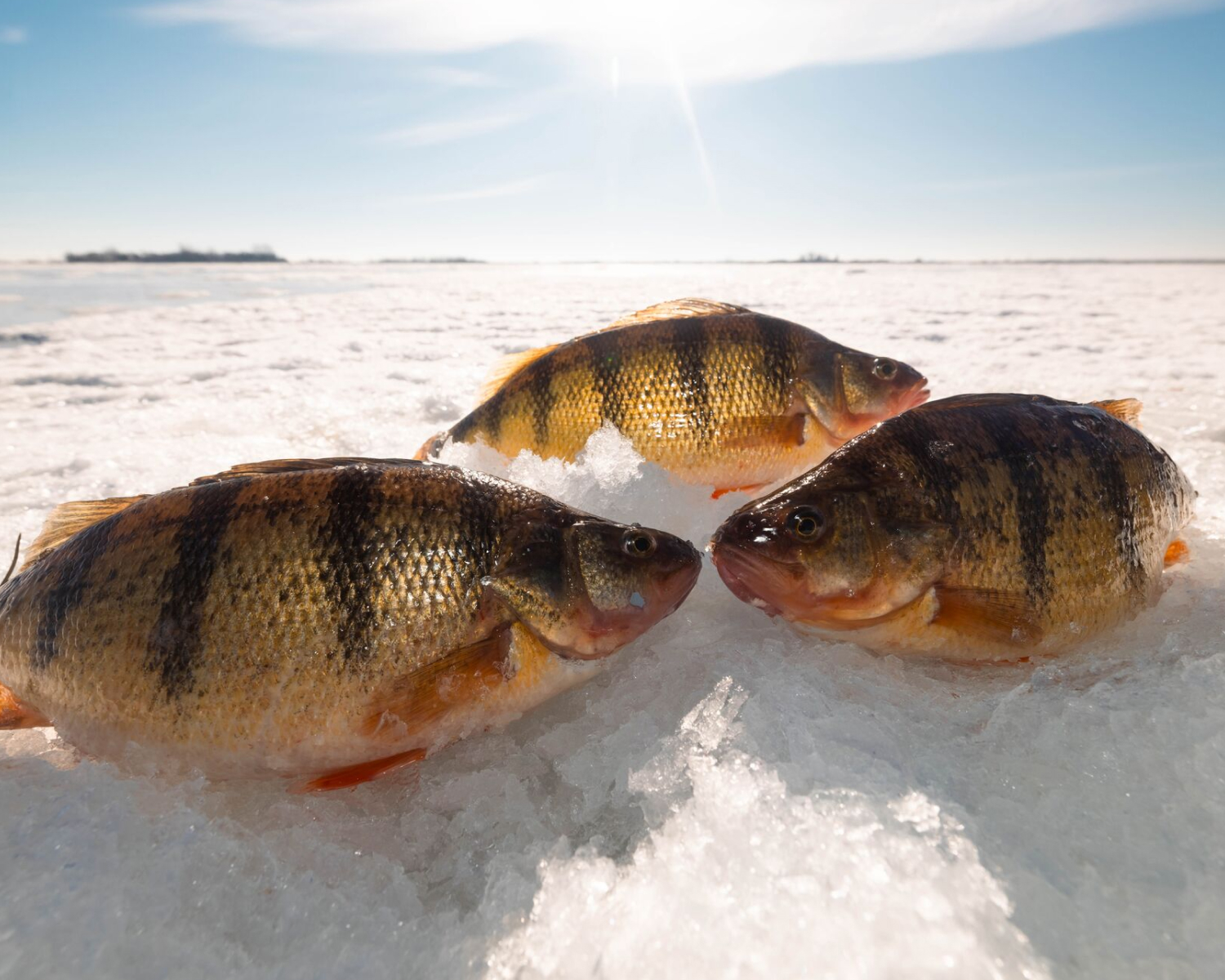
Three perch on ice.
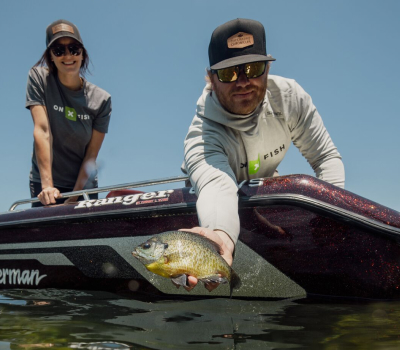
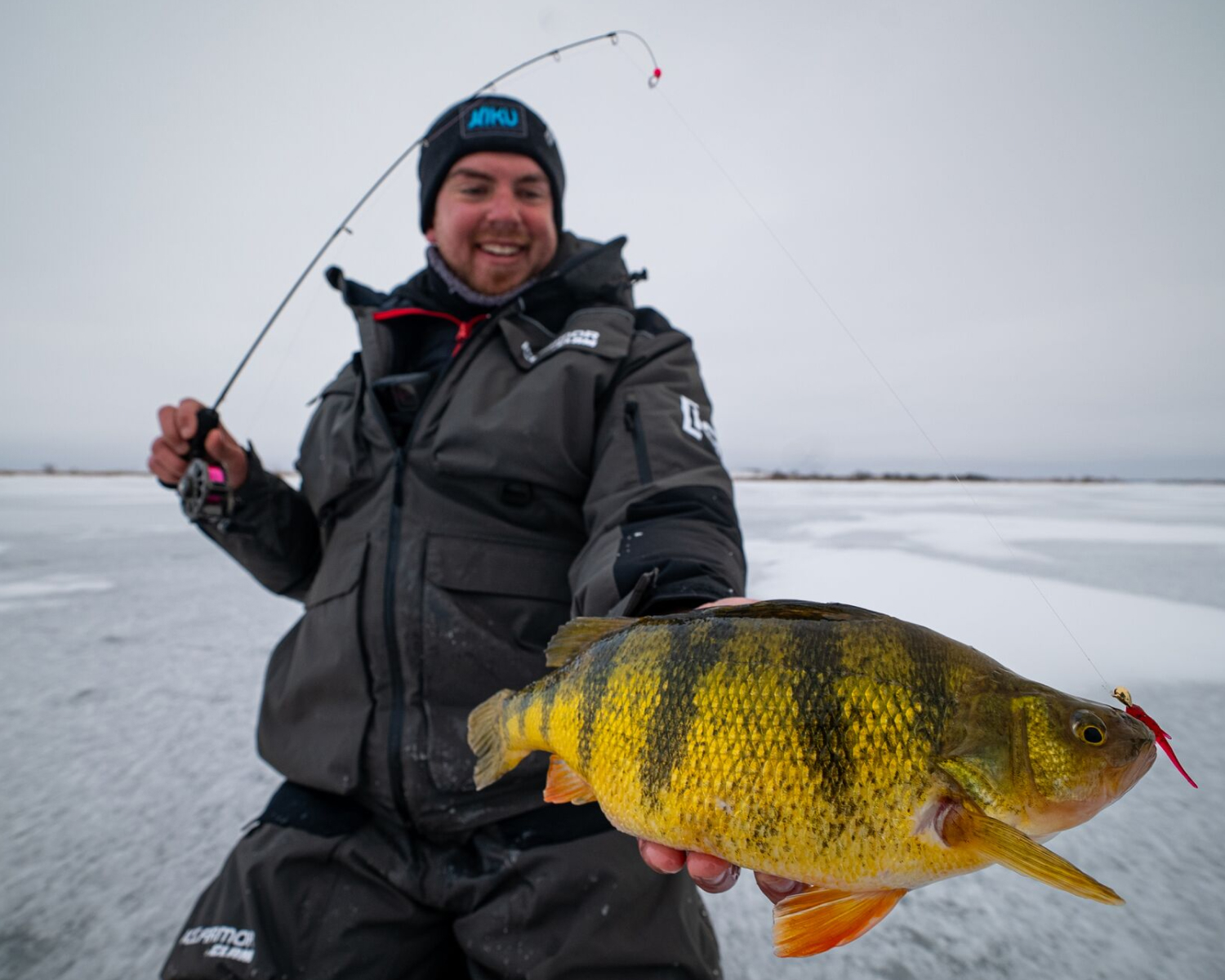
An angler poses with a perch.
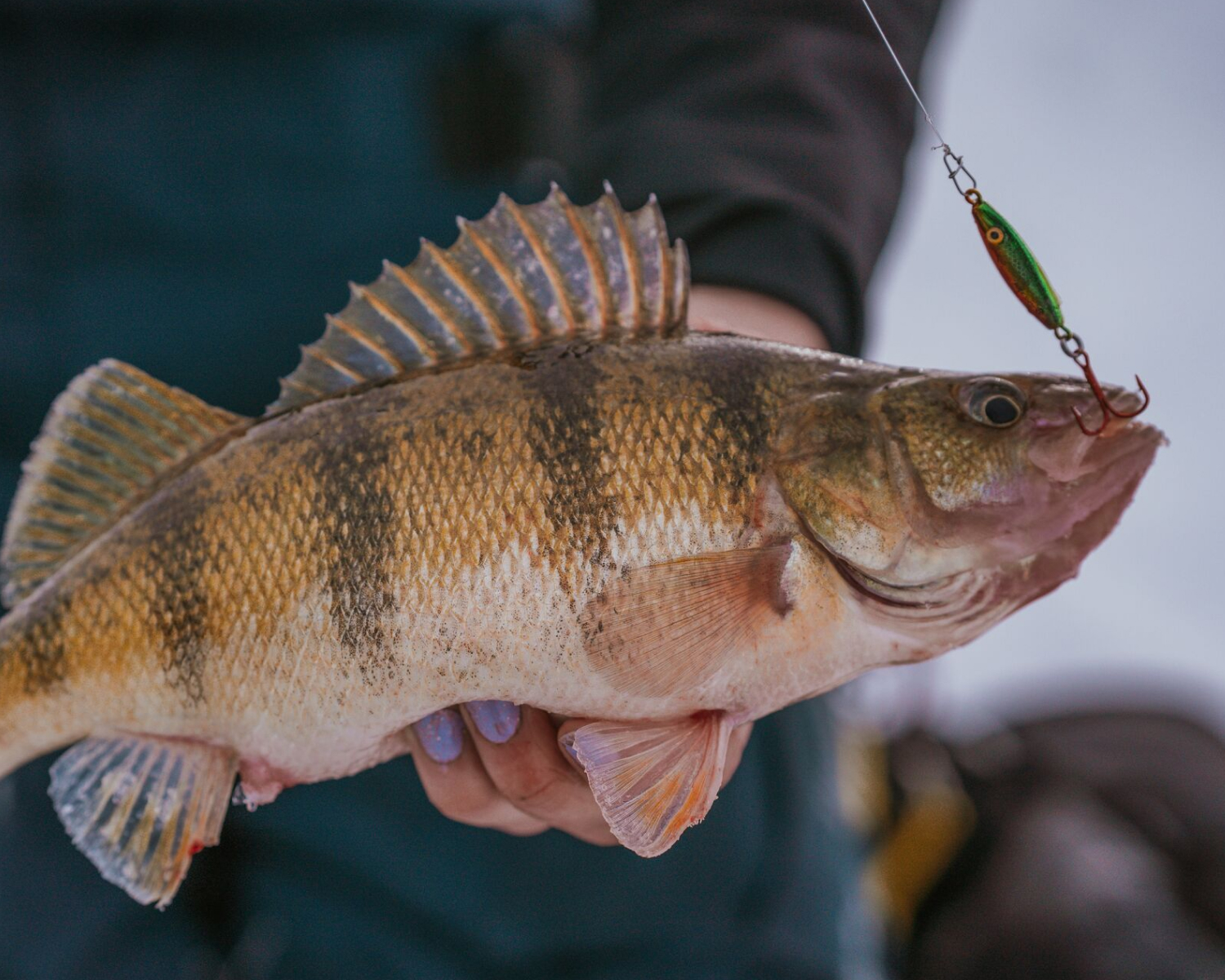
A close up of a caught perch.

Perch Behavior

Despite being classified in the panfish group, yellow perch are a member of the Percidae family, which includes species like walleye and sauger. Aside from a few similarities, the comparisons between perch and the rest of their family are rather limited; they typically share more traits with other panfish species. For example, perch are a schooling fish, often traveling in packs of dozens to hundreds. Where you find one, you’re sure to find more.

They say curiosity killed the cat, and, unfortunately for perch, this fish shares the same mantra. Perch are willing to inspect and investigate nearly any presentation. For anglers who enjoy fishing with an underwater camera, these striped tigers are a prime target due to their inquisitive nature.

What Do Perch Eat?

Perch’s diet is somewhat unique, featuring similarities with both panfish and walleye. Diet preferences vary by location, but common forage includes everything from insects and freshwater shrimp to baitfish and crayfish.

Perch Fishing Techniques

With similarities to panfish and walleye, perch are a common bycatch for both angling groups. Prime tactics are entirely dependent on the system, as well as environmental factors, like forage preferences and time of year.

In some systems, it’s all about matching the hatch, and anglers need to use presentations that emulate small insects, invertebrates, or freshwater shrimp. In others, perch diets are more minnow-based, and more walleye-esque techniques are required.

Perch are suckers for attraction, which is why so many anglers rely on flash and vibration to coax them in.

Perch Fishing Lures

1. Jig and plastic combinations, including paddle tails, minnow imitations, and bug imitations.

2. Hair jigs, such as marabou, bucktail, or synthetic options.

3. Small hardbaits, such as crankbaits, jerkbaits, and darting baits.

4. Small minnows, leeches, and nightcrawlers.

5. Spoons (mostly commonly used during the winter).

6. Waxworms and spikes (most commonly used during the winter).

Perch Knots

1. Attachment knots are ideal for securing lures. Options include the improved clinch knot, Palomar knot, and loop knot.

2. Connection knots are designed to connect leader lines to main lines. Options include the FG knot, Alberto knot, blood knot, and uni knot.

Best Time To Catch Perch

While perch can be targeted year-round, they receive the bulk of their angling pressure during the spring and winter months. 

Seasonal Tips

  • Spring:  During spring, perch move to shallower water. Focus on areas with the warmest water, like shallow bays, sloughs, and protected shorelines. Perch use these locations for the spawn, especially those with healthy vegetation and woody debris. Top techniques include jigs tipped with plastics or minnows, often fished under a float.
  • Summer: Throughout early summer, perch often relate to weeds. Anglers should start their search adjacent to spawning areas. As the season progresses, many fish will move to deeper water, where they can often be found in basin areas, either suspended or on the bottom. The best techniques include jigs paired with plastics or live bait, like minnows and crawlers, and trolling spinner rigs or crankbaits.
  • Fall: Two main patterns exist in the fall, encompassing both deep and shallow environments. While some perch roam throughout basins, others move back to relatively shallow water. They will often seek out transition areas, drop-offs, and any remaining healthy vegetation. Jigs, drop-shot rigs, and crankbaits are great options.  
  • Winter:  Early winter haunts often include shallow flats and long tapering points, especially those with healthy vegetation. Later in the season, many perch move to deeper water, with soft-bottom basins and transition areas being among the top locations. Winter perch are known to roam, so it’s important to be mobile. The best tactics include small jigs and spoons paired with waxworms, minnows, or plastics.

Time of Day and Weather

Yellow perch tend to be cooperative throughout most of the daytime period. Nevertheless, the prime windows at dawn and dusk tend to offer the best results.

A good rule of thumb when it comes to weather: the more stable the patterns, the more consistent the bites. Drastic weather changes, like a cold front or storm, can impact a day of fishing by slowing a bite. 

Catching Perch With the onX Fish App

onX Fish private vs public boundaries.

Getting Access

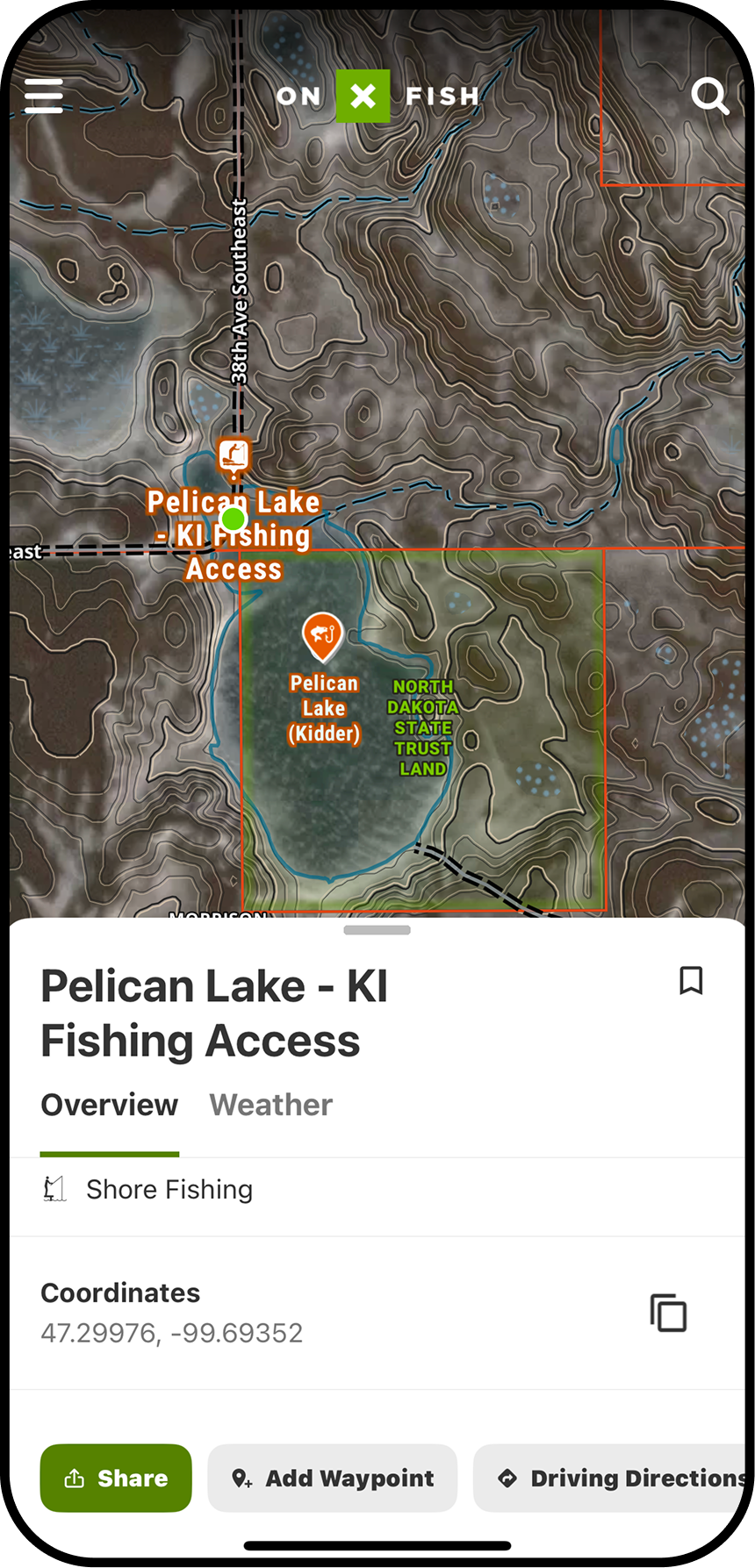
Some of the best perch bites exist in hard-to-reach places—think North Dakota sloughs and Mississippi River backwaters. Determining proper access can often be a difficult task. With detailed land ownership data, anglers can find new ways to access waters when there’s no landing. Locate public lands or verify who owns private parcels with ease.

onX Fish fishery data.

Finding the Right Perch

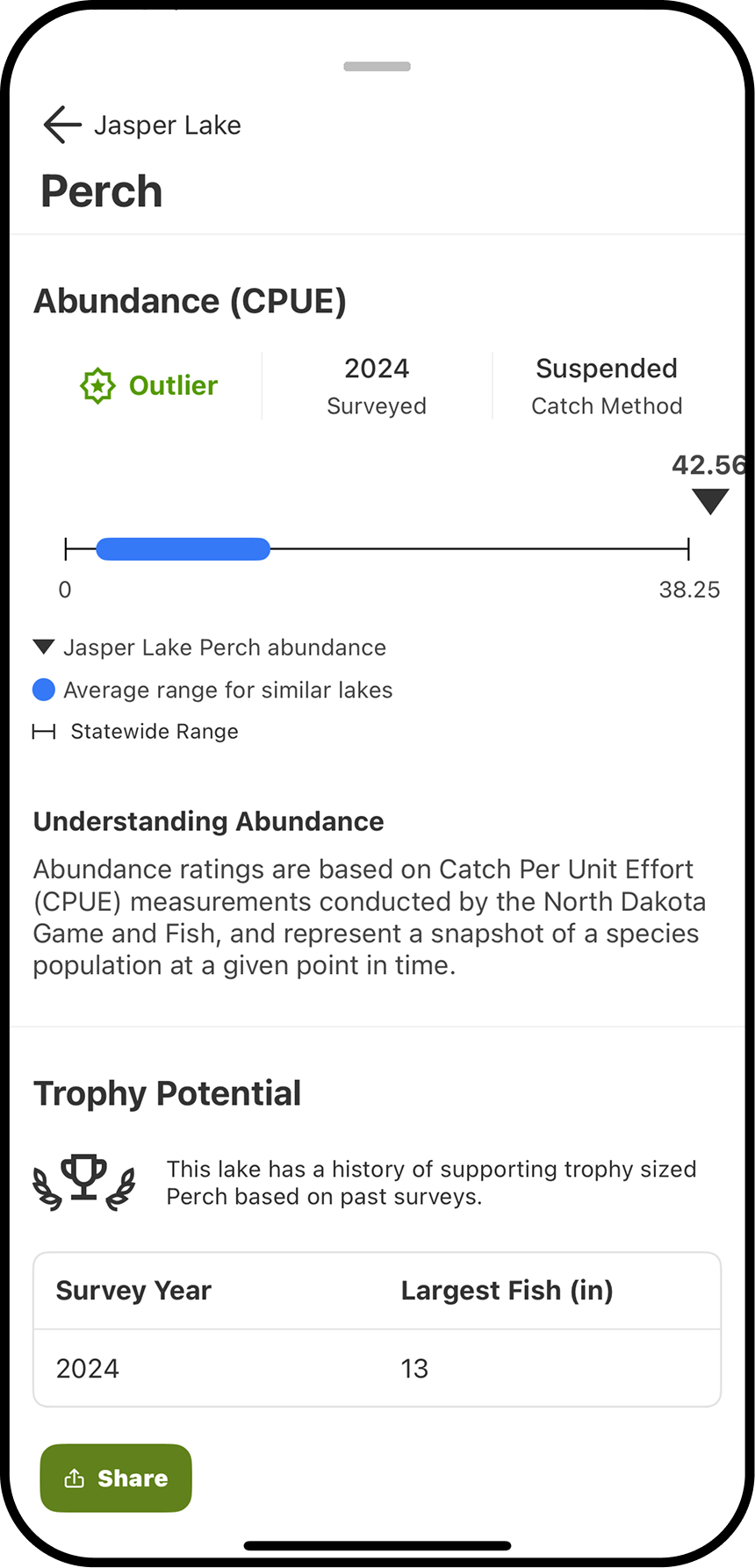
Finding perch may be relatively easy, but finding the right perch is a whole ‘nother animal. Many lakes are crowded with stunted perch. With the Fish App’s detailed fisheries database, anglers can quickly identify which lakes have the fish they’re targeting. Whether you’re after trophies or keepers, the info is available at your fingertips.

Find More Perch Lakes

Open the map. Find the structure. Time it right.

Perch FAQs

Perch vs. walleye: What’s the difference?

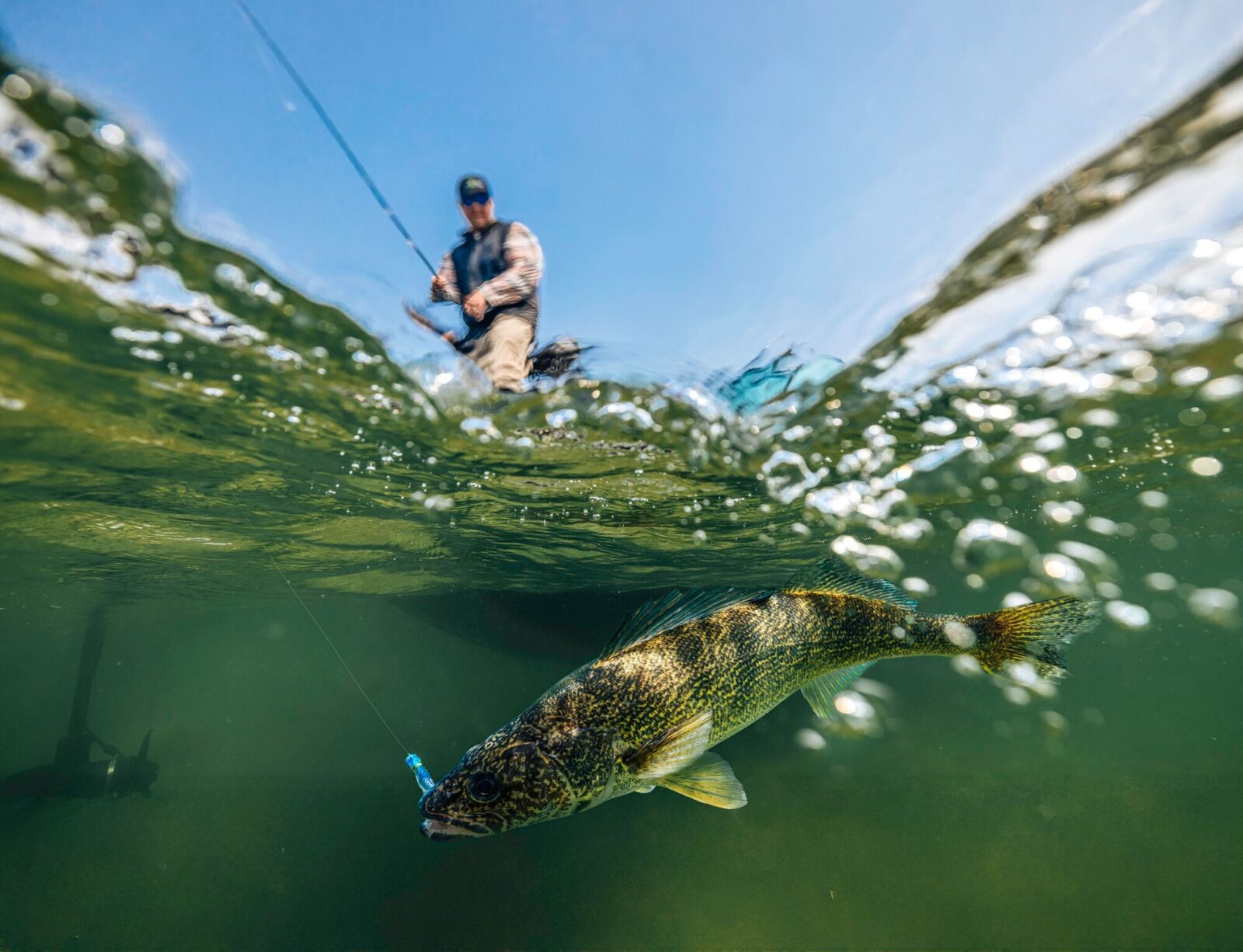
Despite being part of the same family, there are many differences between walleye and perch. The most obvious differences relate to their overall appearance, with perch featuring a yellow body with dark stripes and orange fins, and walleyes featuring a green or gold complexion with no stripes. Walleyes also have teeth and the ability to grow much larger than perch.

Crappie vs. perch: What’s the difference?

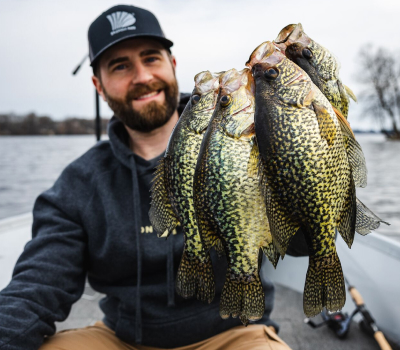
Perch belong to the Percidae family along with walleyes and saugers, while crappies belong to the Centrarchidae family along with bass and sunfish. Yellow perch have a yellowish body with dark, vertical stripes, while crappies have a greener complexion with speckled and barred patterns. Perch have an elongated body, while crappie have a rounder body.

Perch vs. bluegill: What’s the difference?

Aside from different families (perch belong to Percidae and bluegill belong to Centrarchidae), perch and bluegill differ greatly in appearance. Perch feature a yellowish complexion with dark stripes, while bluegill have a darker appearance, sometimes with lighter stripes. Perch have an elongated body, while bluegill have a rounder body.