Understanding Fishing Regulations: Why Staying Informed Is Crucial
Fishing regulations protect fish populations and their ecosystems. Without them, anglers might overharvest or destabilize a habitat to the point that this pastime we enjoy won’t be around for the generations to come. This is why it is crucial for each angler to stay informed about current fishing regulations and do their part to follow them.
Why Fishing Regulations Matter
Even before the first recreational fishing license was issued in Oregon in 1901, regulations had been in place aimed at protecting fisheries from overharvesting. Court records as far back as the 1760s document how Colonial administrators enacted catch limits and gear restrictions during the spawning periods of alewives, a North American herring.
Similar restrictions that included seasonal openings and closings continued over the next 100-plus years until, in 1871, President Grant signed a bill creating the independent Office of Commissioner of Fish and Fisheries, recognizing a national interest in fisheries conservation.
Since the first fishing regulations were put in place, the goals were to sustain fish populations, limit overfishing, protect or renew populations at risk, and ensure fair access to these resources.
To that end, fishing regulations must vary by state, by season, and in many places even by lake. It’s the only way to ensure fish populations have equal chances to thrive.
With these variables in mind, every angler needs to stay informed of the most current regulations in place for the body of water being fished, at the time it is being fished, and for the species being targeted. One tool available to every angler is onX Fish, which simplifies regulation tracking by showing regulations in effect for every lake supported within the App.
Fish Smarter with onX Fish Midwest
Combine fishing regulations, lake filtering, and area insights to build a strategy that ensures you never waste a day on the water. Fish any lake like it’s your home water with the confidence that you’re following every rule and regulation.
What Are Fishing Regulations?
Fishing regulations are rules established by fisheries management authorities to protect the sustainability of fish populations, aquatic ecosystems, and provide fair opportunities for anglers. These regulations vary by location, species, and fishing method.
Types of Fishing Regulations
- Bag Limits – Restrict the number of fish an angler can catch and keep per day to prevent overharvesting.
- Size Limits – Specify the minimum or maximum size of fish that can be legally kept, ensuring that juvenile fish can mature and reproduce while protecting large, breeding individuals.
- Catch-and-Release Rules – Require anglers to release certain fish species or those caught outside legal size and season parameters to sustain healthy populations.
- Seasonal Closures – Designate specific times of the year when fishing for certain species is prohibited, often to protect fish during spawning periods.
- Gear Restrictions – Limit the types of fishing equipment (e.g., nets, hooks, lures) that can be used to reduce bycatch and minimize habitat damage.
- Fishing Area Restrictions – Define zones where fishing is either prohibited or regulated, such as marine protected areas or designated catch-and-release waters.
- Possession Limits – Restrict the total number of fish an angler can have in their possession, including those stored at home or in transport.
How Fishing Regulations Are Established
State fish and wildlife agencies, along with federal and regional fisheries management organizations, create and enforce fishing regulations. These agencies rely on scientific research, population assessments, and stakeholder input to determine sustainable catch limits and conservation measures. These groups may adapt fishing regulations based on ongoing research and environmental changes.
The Role of Fishing Regulations in Conservation and Sustainability
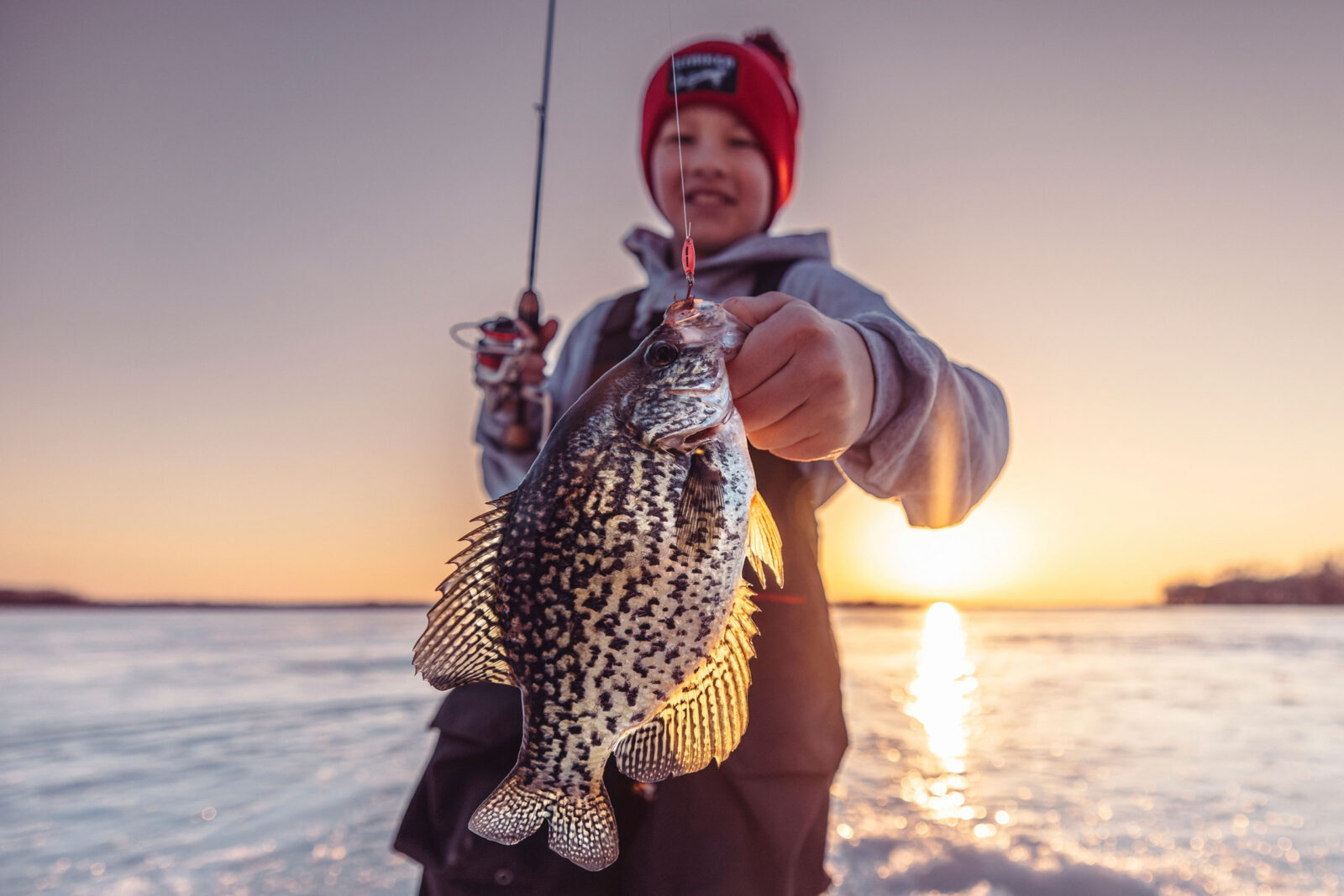
By implementing science-based regulations, fisheries management agencies help sustain fish stocks while allowing anglers to enjoy the sport responsibly. By protecting the species and its habitat, a balanced ecosystem is maintained. This is conservation in action.
Fishing regulations are based on ongoing scientific research, ensuring that rules are data-driven and adaptive. Key sources of data include:
- Fish population assessments – Surveys and studies determine fish abundance and reproductive success.
- Migration patterns – Tracking movements helps identify critical habitats and spawning areas.
- Spawning seasons – Understanding breeding cycles ensures protections during vulnerable times.
By continuously monitoring fish stocks and environmental conditions, fisheries managers can adjust regulations to maintain sustainable populations and healthy ecosystems.
Without these laws and practices in place, populations and the sport of fishing are at risk. Here are some of the risks against which regulations protect:
- Overfishing – Overfishing occurs when fish are harvested at a rate faster than they can reproduce, leading to population declines and ecosystem imbalances. Regulations such as bag limits, size restrictions, and seasonal closures help control harvest levels, ensuring fish have time to grow, reproduce, and replenish their populations.
- Unbalanced Ecosystems – Unregulated fishing can lead to the overharvesting of key species, disrupting predator-prey relationships, and affecting the overall ecosystem. For example, removing too many predators can lead to an overabundance of prey species, which may overconsume vegetation or smaller fish.
Sustainable fishing practices ensure that future generations will continue to enjoy abundant fisheries. The long-term success of fisheries depends on a cooperative effort between anglers, scientists, and regulatory agencies.
Consequences of Ignoring Fishing Regulations
The consequences of purposely or unintentionally breaking fishing laws can have severe and lasting effects. In most states, infractions related to fishing are classified as misdemeanors, so they are subject to fines up to $1,000 per violation and may come with jail time up to 365 days. One’s fishing license may also be revoked for up to three years.
Some states, like Florida, enforce fish and wildlife law violations up to a felony level. Making or possessing a counterfeit fishing license, for example, is a felony and could result in a fine of up to $5,000 and up to five years in prison.
Aside from the legal implications of violating fishing regulations, ignoring the laws can have drastic environmental impacts. Since regulations are put in place to protect fish populations, ecosystems, and the opportunity for future generations to enjoy fishing, taking more fish, the wrong fish, fish too big or too small, will unbalance the scientific-based scales trying to keep them in check.
Common Fishing Violations
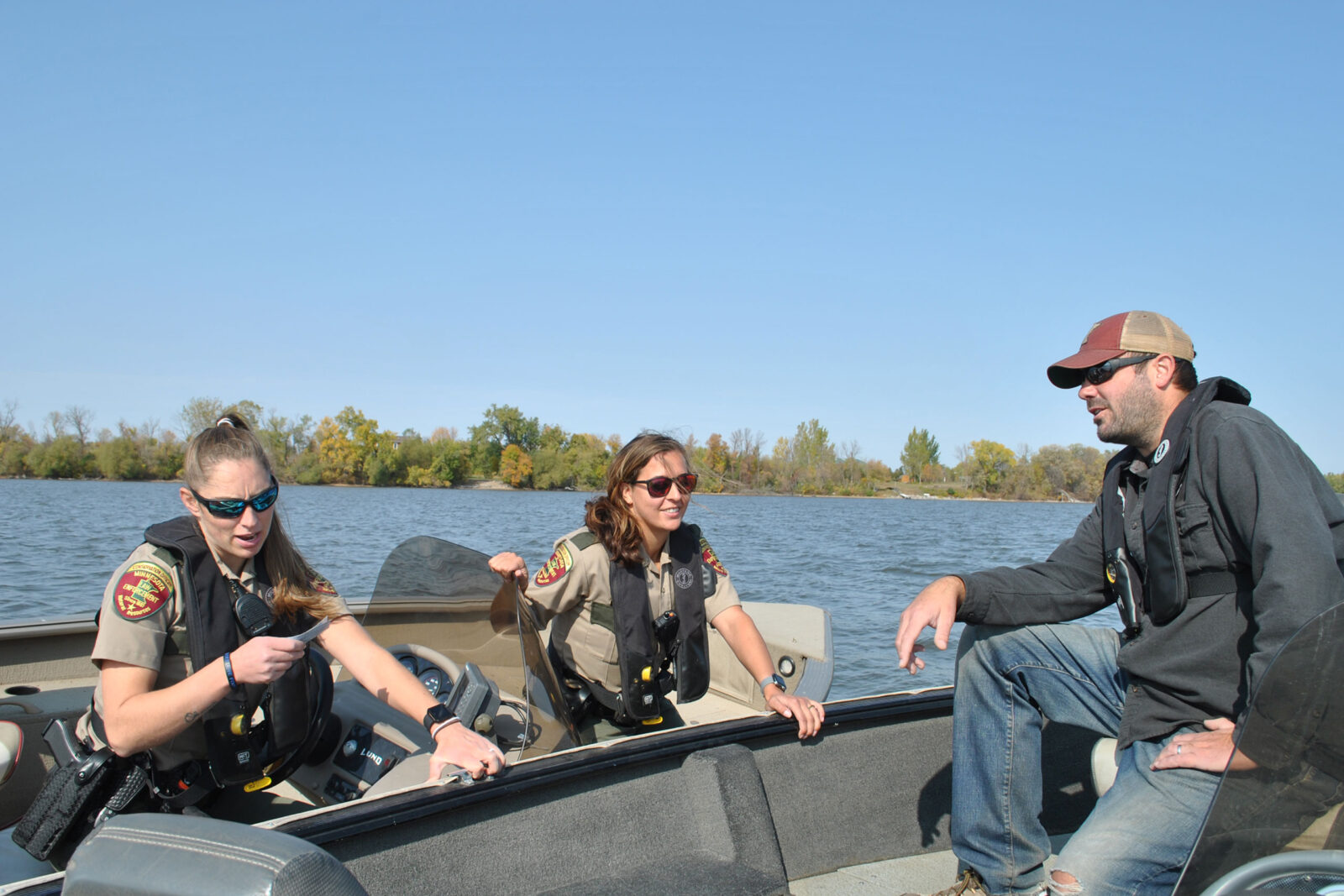
“The most common violation we see is fishing without a license,” says Minnesota DNR Communication Coordinator Joe Albert. “Some people think they’re only going out a time or two, so ‘what are the chances I’m going to get checked by a conservation officer?’”
While some anglers simply ignore the need for a license, others wrongly assume the license year aligns with the calendar year. In Minnesota, as it is in Montana and some other states, the license year runs from March 1 to February 28 of the following year. This can create confusion, for instance, for those who think they can ice fish the entire season, or some believe they don’t need a new license until the ice is gone.
Another common fishing violation is not understanding or adhering to special regulations that might be in place for specific bodies of water.
“We have a fair number of lakes throughout Minnesota with special regulations,” says Albert. “For example, we have some where you can only harvest four walleyes instead of the state limit of six. Those are waters that we manage very intensively because biologists have decided four is the limit anglers can sustainably take from those waters. If one person or group of people takes a gross overlimit, it can have a serious impact on those water bodies.”
Unfortunately, the Minnesota DNR does catch a handful of anglers each year who have taken a gross over-limit of fish. A couple of recent, notable ones from Minnesota are shared below:
Case 1
One case from Feb. 7, 2024, on Lake of the Woods in which two men were each cited for an overlimit of walleyes/sauger (the aggregate limit is six, and no more than four can be walleyes). The overlimit ticket is a misdemeanor. In addition to the citation, each angler was charged $420 in restitution ($30 for each walleye/sauger over the limit).
In this instance, a conservation officer was patrolling Lake of the Woods and knocked on the door of the rental shelter from which the men were fishing. They let the officer in, and he counted five walleyes and five sauger. After some questioning—including about any fish they had at their cabin on shore and a spreadsheet the two had been keeping to track their harvest—it seemed likely they were in possession of an over-limit of fish. The officer asked if he could accompany the men to their cabin and count the fish they had there. They agreed. Back at the cabin, the officer located another 30 fish that had been filleted.
Case 2
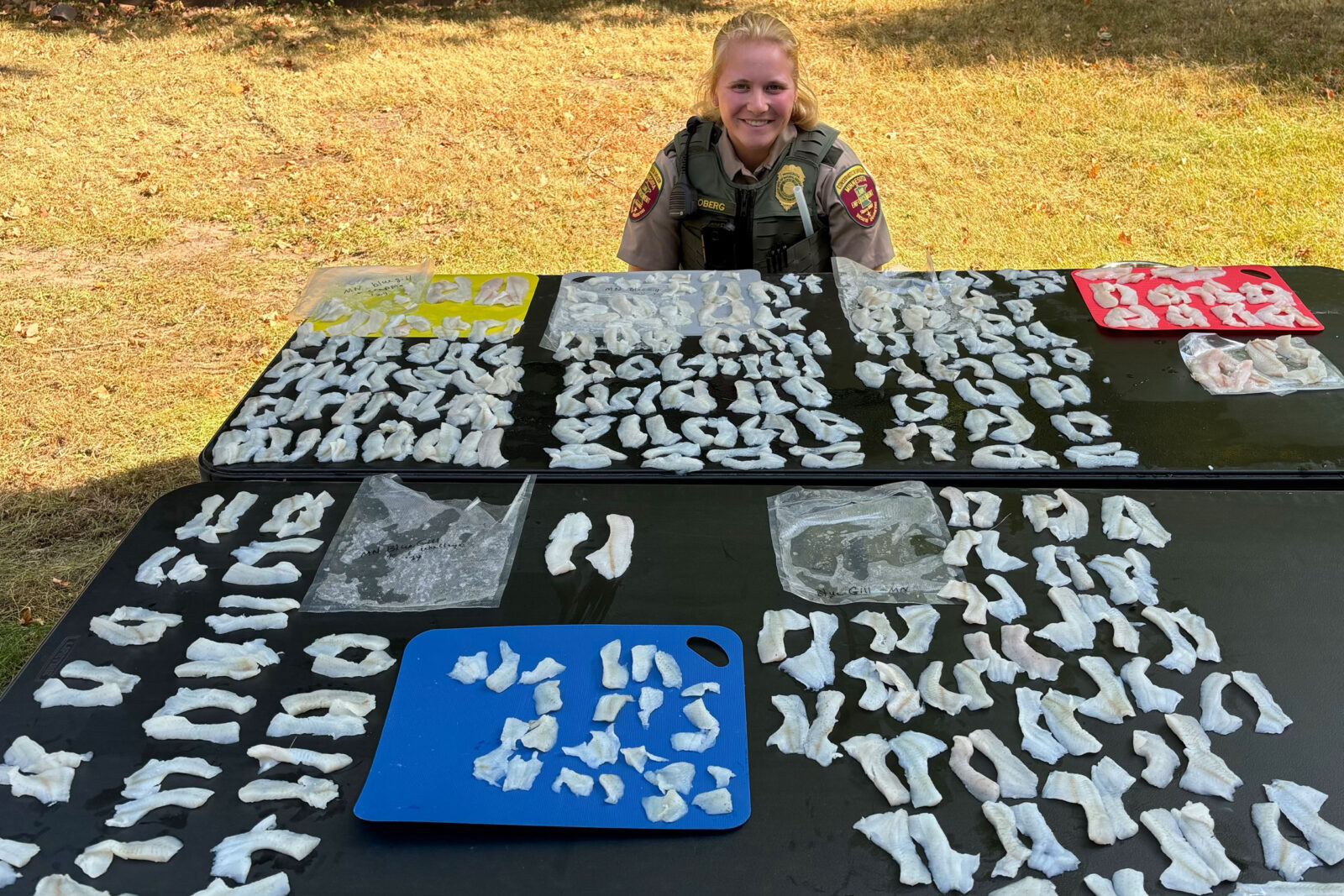
In another case, on Sept. 16, 2024, two conservation officers were patrolling Straight Lake in Becker County and observed two people trolling along a shoreline. The people then parked their boat at a resort and walked onto shore with a basket of fish. The conservation officers headed to shore to conduct a license check. One of the anglers was cleaning fish and told the officers there were additional fish back at the cabin. The officers were allowed inside the cabin, and one of the anglers produced six bags of frozen fish from the freezer. After thawing the fish fillets, the officers determined the two anglers were 118 sunfish over their possession limit. Each of the anglers received a citation for the over-limit and was charged $295 in restitution ($5 for each sunfish over the limit).
How To Stay Updated on Fishing Regulations
Think of fishing regulations as a set of living documents that protect living things. These are not rules that are set once-in-a-while and then forgotten. As such, these documents may need to change frequently. That’s why it’s imperative that every angler knows how and where to check for the most current version of local fishing laws.
Anglers should be aware of federal and state fish and wildlife websites that publish fishing regulations. At the national level, NOAA Fisheries is an excellent resource. Every state-level wildlife agency has its own website and typically publishes paper regulations and electronic copies.
Following your state agency through its social media channels is another way to keep up-to-date with changes that may be made mid-season.
Try hitting up your local bait shop to see what information is new. Or simply open onX Fish to pull up real-time regulations alongside mapping tools. It’s the easiest way to find laws for where you are and when you’re there.
How onX Fish Helps You Navigate Fishing Laws
No matter where you’re fishing, onX Fish has detailed, lake-specific regulations listed in every lake card. Tap in the center of any lake you intend to fish, and see whether or not there are special regulations denoted in the top-of-page overview. Then, scroll down to the regulations section of the lake card. If the lake falls under each state’s general guidelines, there will be a link to each state’s Department of Natural Resources full fishing regulations. Tap on the regulations section to go there, or, if there are special regulations, to see each limit and size restrictions per species for that body of water.
Final Tips for Responsible Fishing
Before any fishing trip, every angler should check for current regulations, which is simple and easy in onX Fish. And when out on the water, practice ethical angling and catch-and-release as much as possible so future generations can enjoy the same recreational opportunities we have.
Finally, if you need additional resources for the areas you plan to fish, look to local conservation groups and state wildlife agencies. They are always there to help.
Fish More Effectively with onX Fish
Search for places to fish by filtering from popular species, boat launch details, and access & amenities information.