Trail Overview
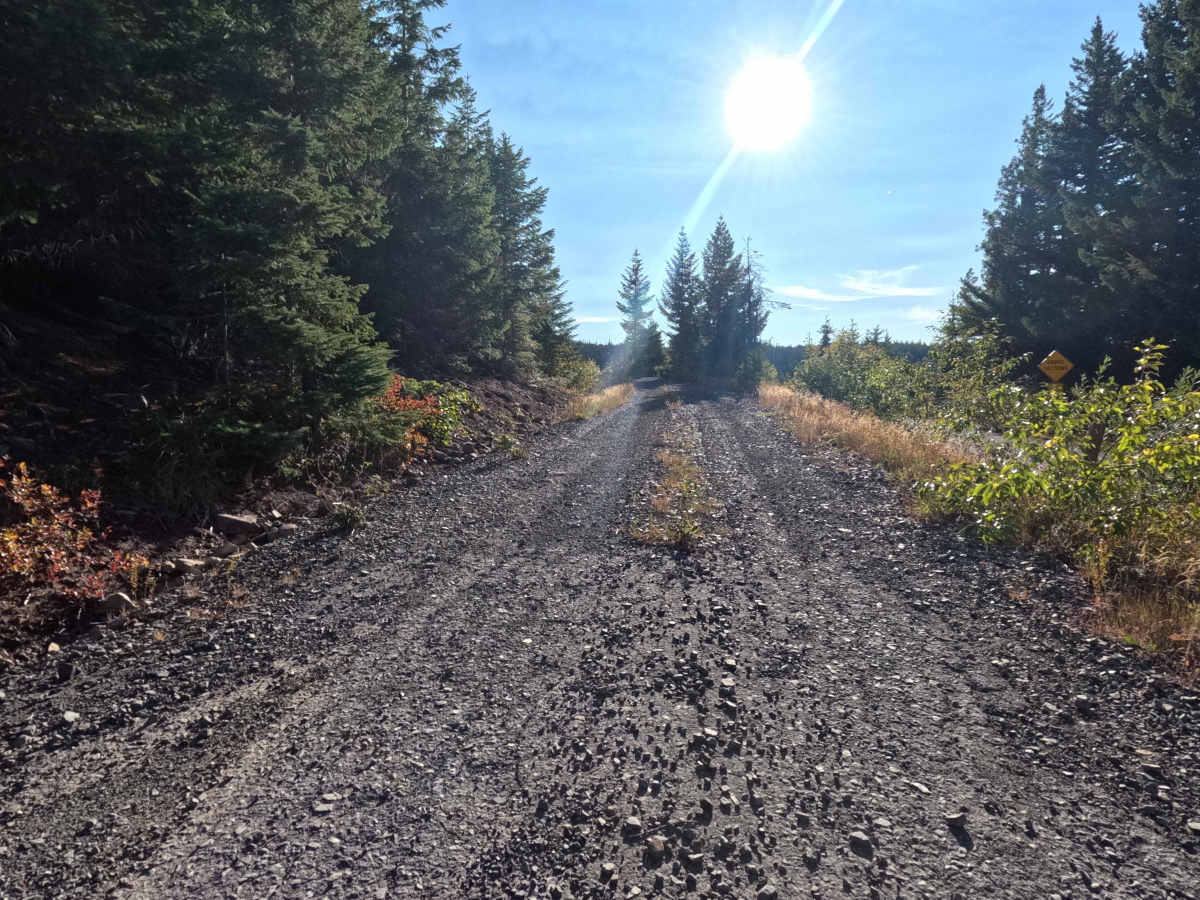
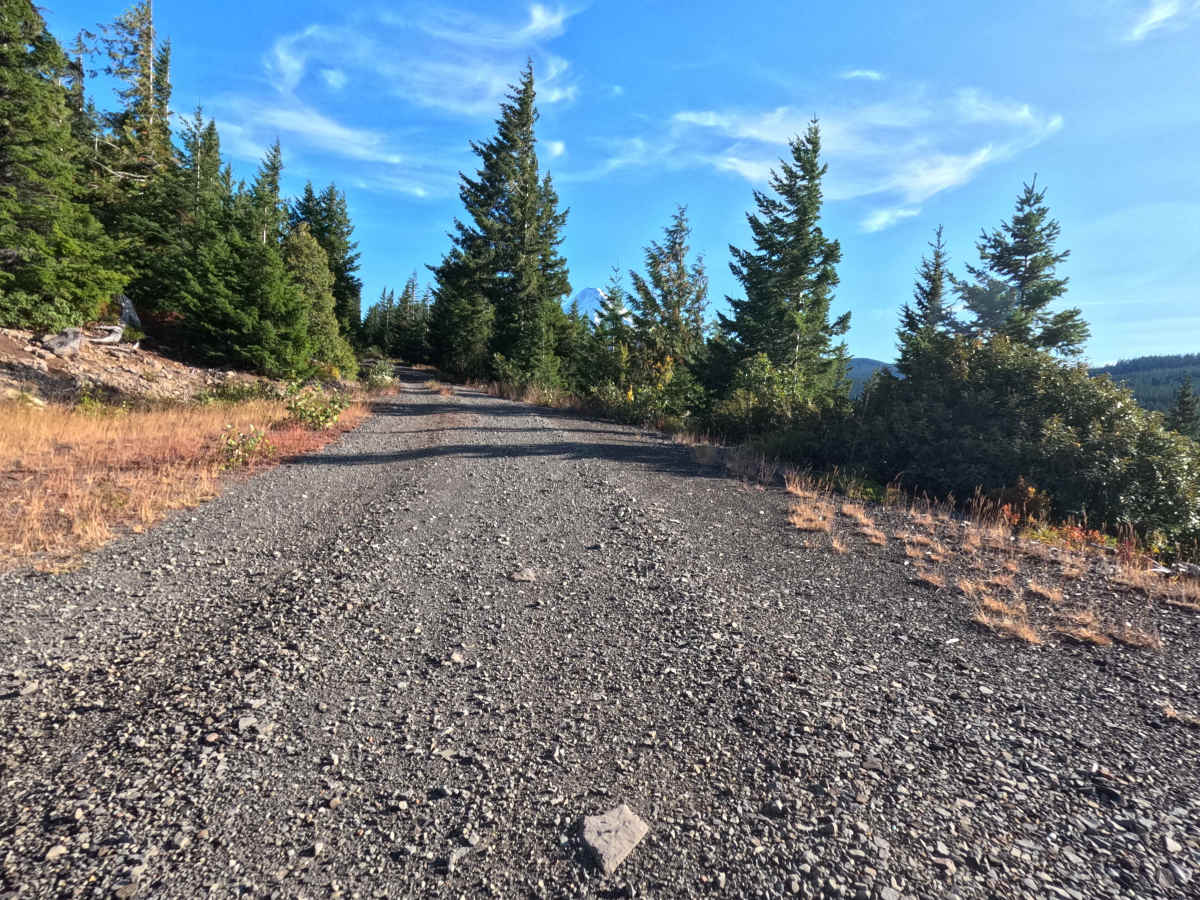
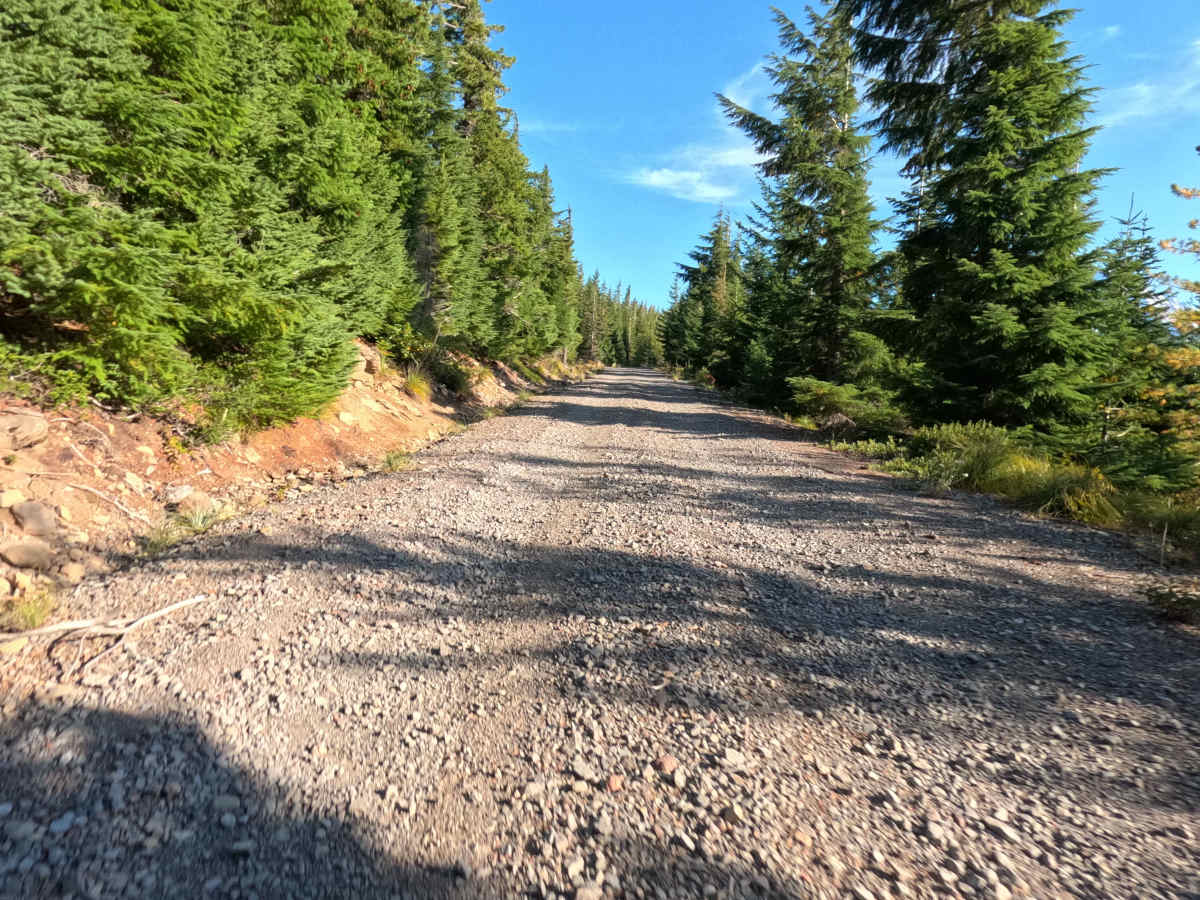
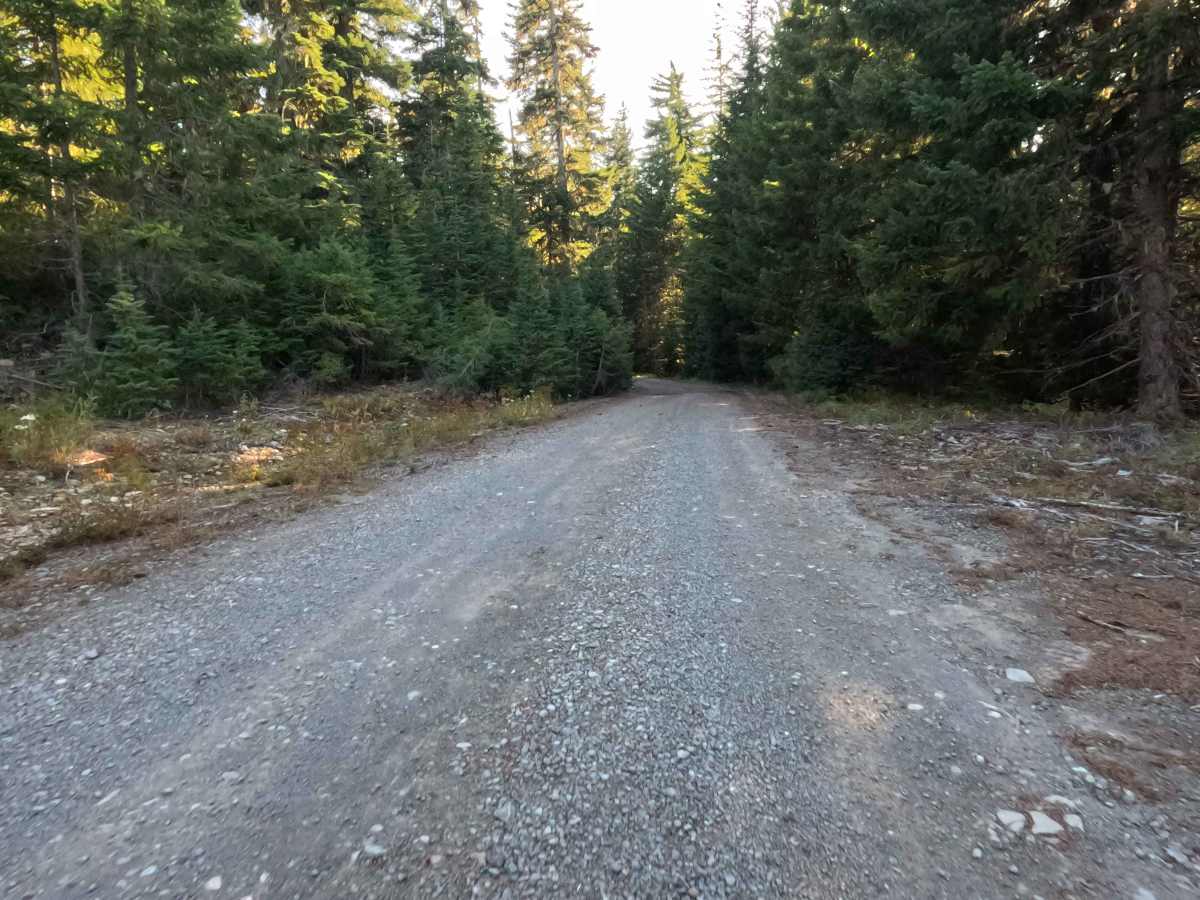
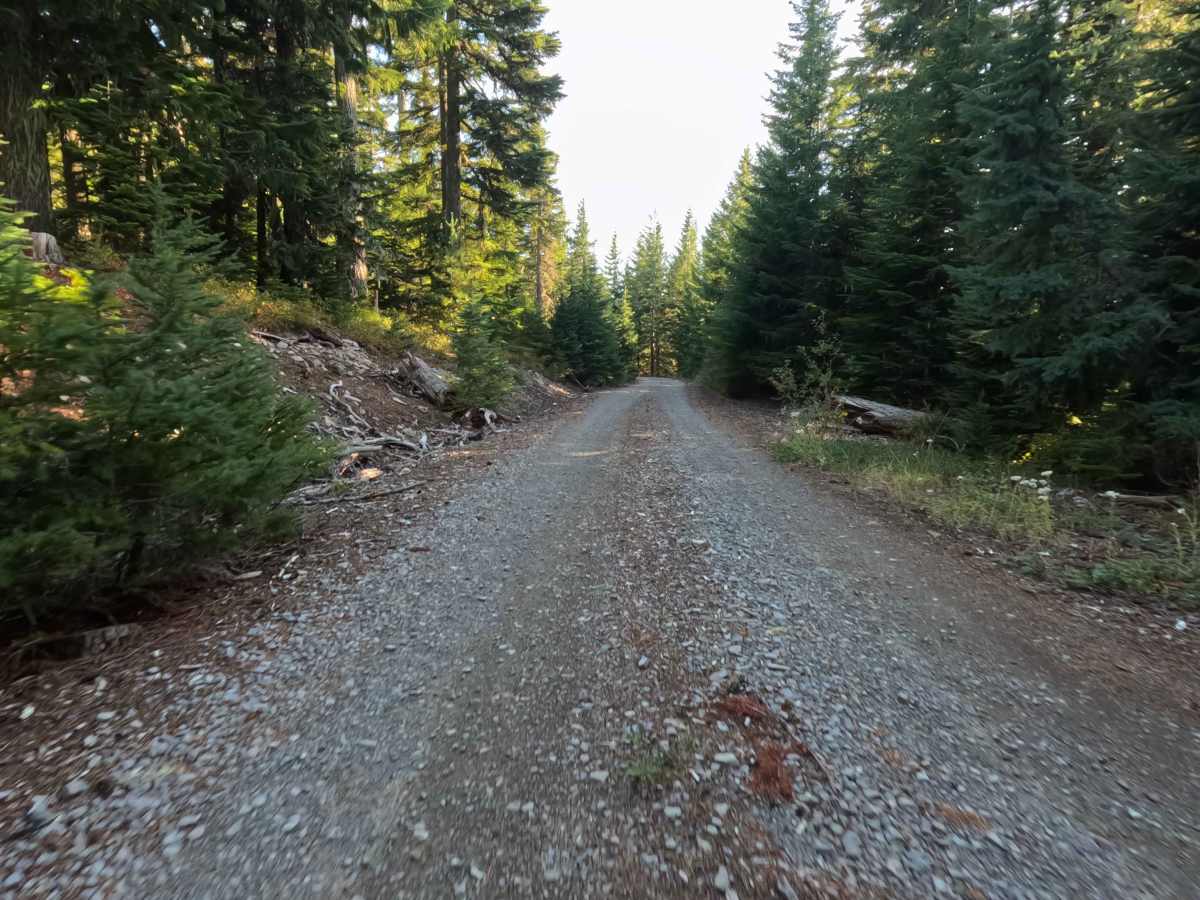
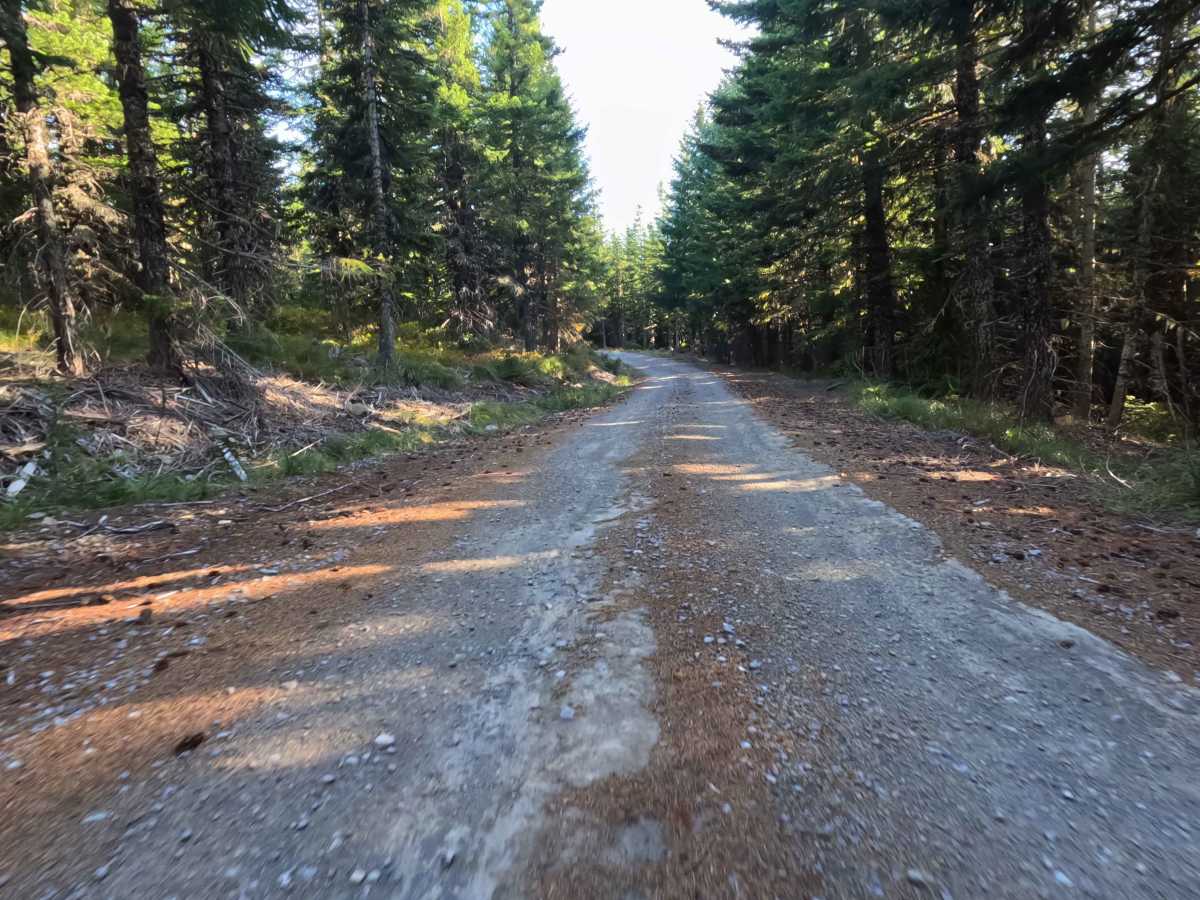
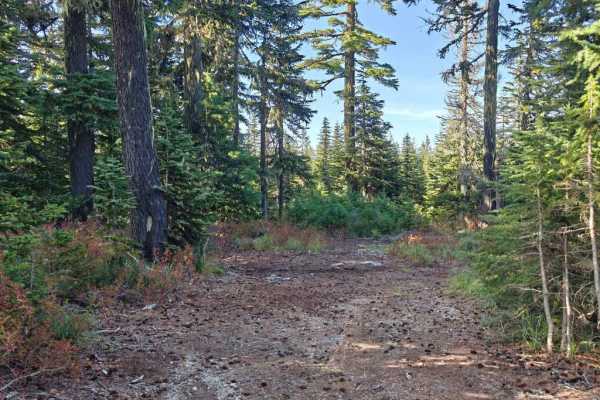
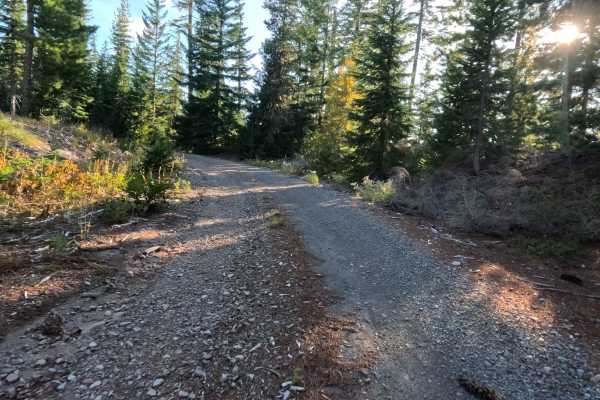
Functioning as a dynamic exploratory route within the National Forest, FS 1630 presents a backcountry journey with a starkly split personality. The surrounding environment transitions dramatically at the midway point, shifting from an airy, sunlit woodland that was strategically thinned about a decade ago, into a shadowy, unmanaged corridor of densely packed evergreens. Outdoor recreationists frequently utilize this dual-character track for secluded woodland drives, wildlife viewing, and accessing isolated reaches of the timberland. The driving surface begins as a comfortably broad, single-lane gravel road before squeezing into a highly constricted, overgrown dirt path, ultimately earning a moderate Grade 2 difficulty rating. While the first half of the trip is a breezy cruise, the second half forces travelers to negotiate encroaching vegetation that guarantees light pinstriping along the sides of passing rigs.
Difficulty
Earning a moderate Grade 2 difficulty rating, this mixed-character forest trail offers an evolving set of driving conditions. Severe technical off-road hazards such as treacherous boulder crawls, steep shelf drop-offs, or impassable mud bogs are entirely absent from the corridor. The initial stretch provides a relaxed, straightforward drive over a well-maintained gravel base. However, as the route plunges into the denser, overgrown timber, the surface deteriorates slightly, introducing persistent shallow puddles and minor ruts. The primary challenges on this trail are navigating these uneven depressions without jarring the cabin and managing the aggressively encroaching brush that guarantees clear-coat scratching. Maintaining a controlled, slower speed in the second half is essential to comfortably absorb the bumpy ruts and safely thread through the tight, tree-lined pinches. A modest amount of ground clearance is recommended to effortlessly roll through the water-filled dips.