Trail Overview
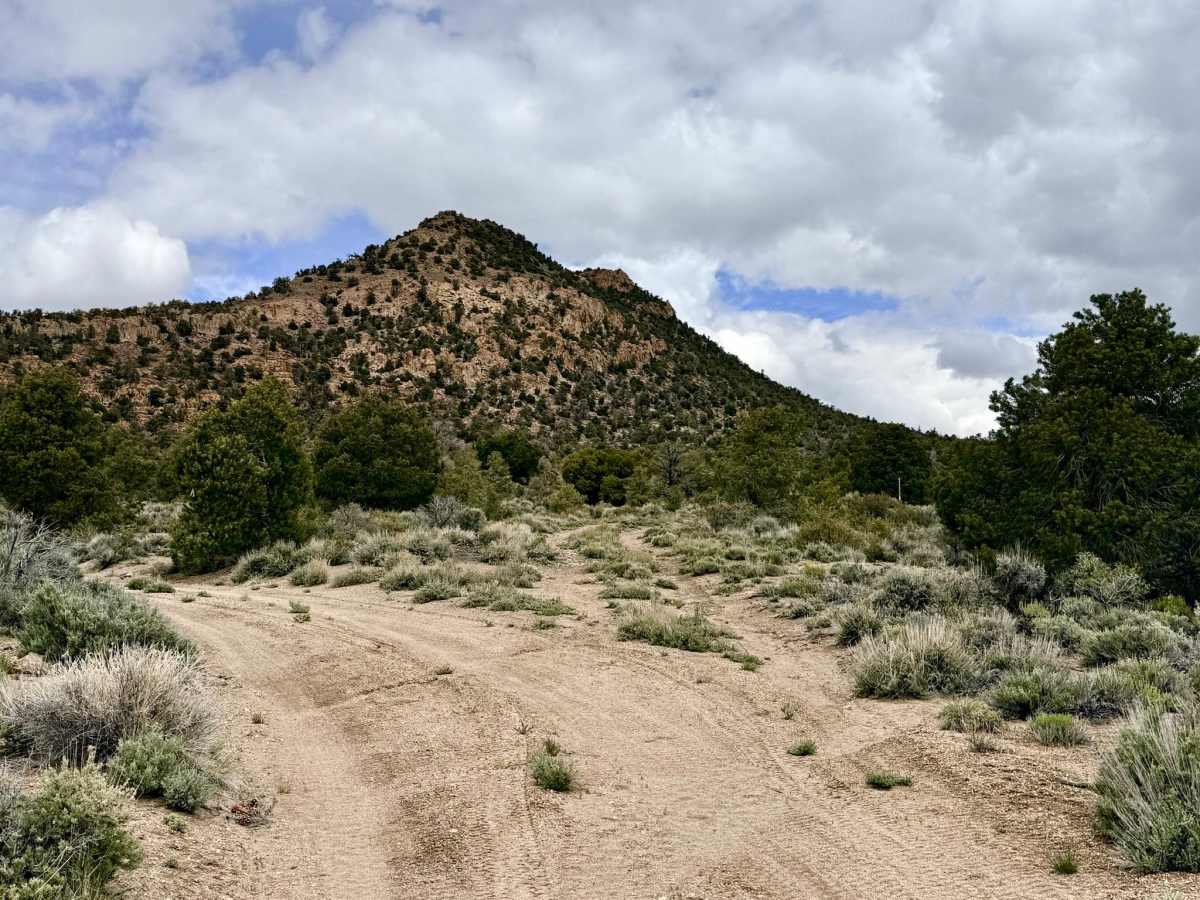
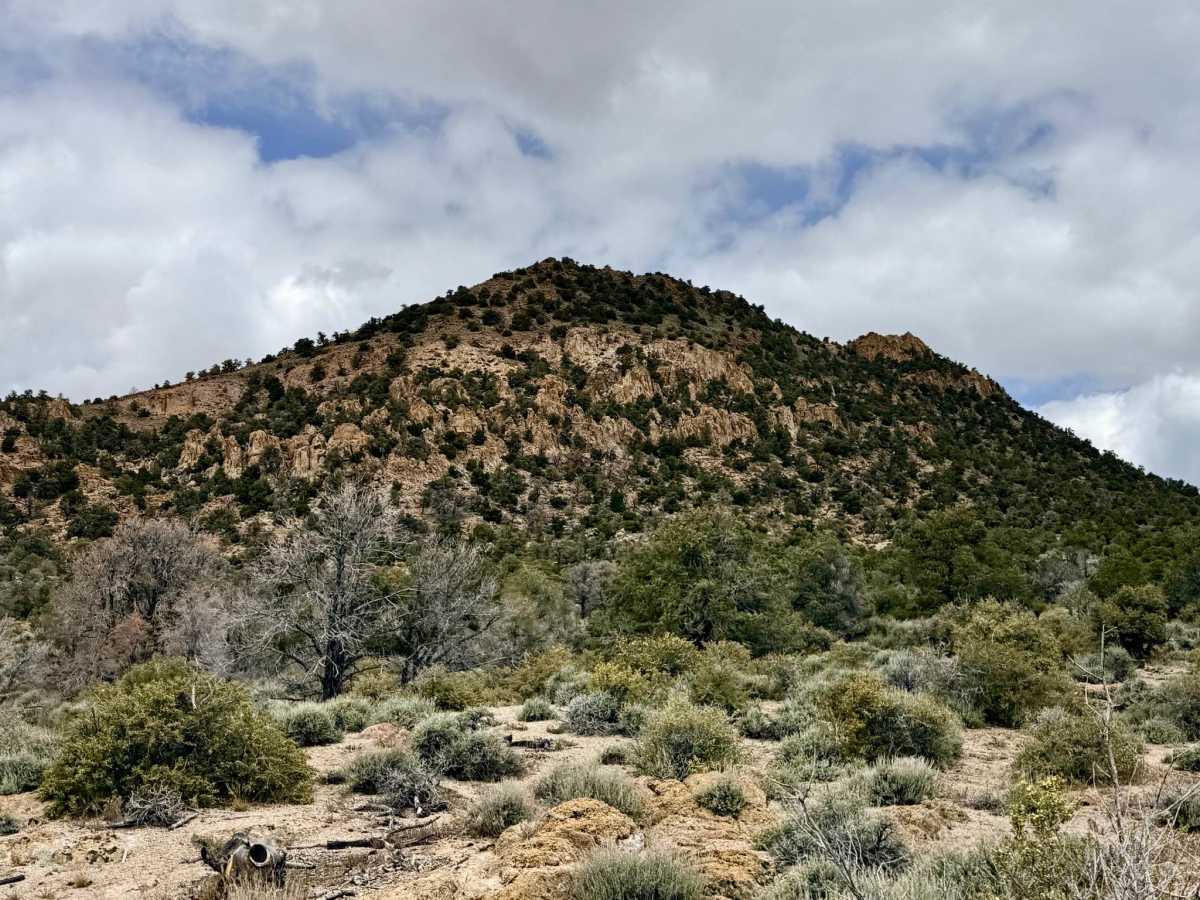
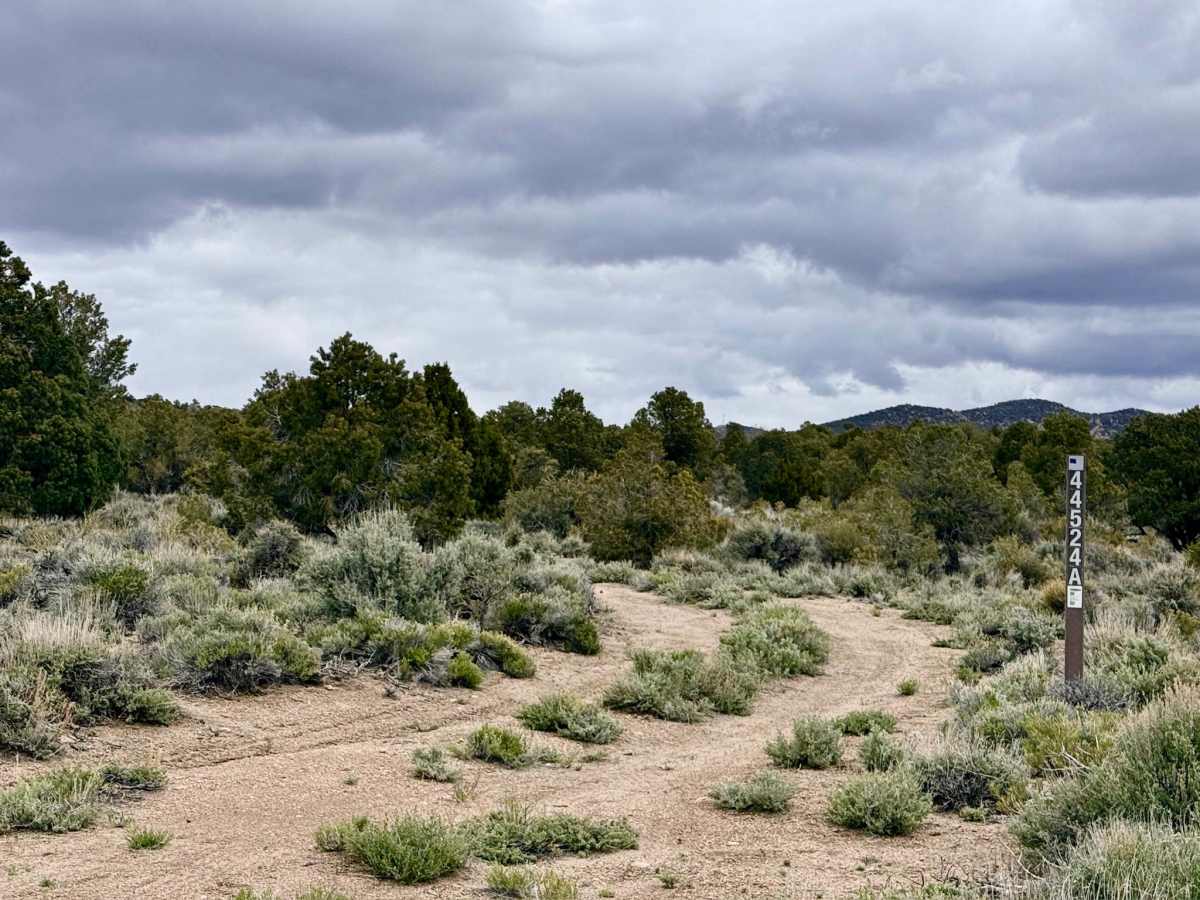
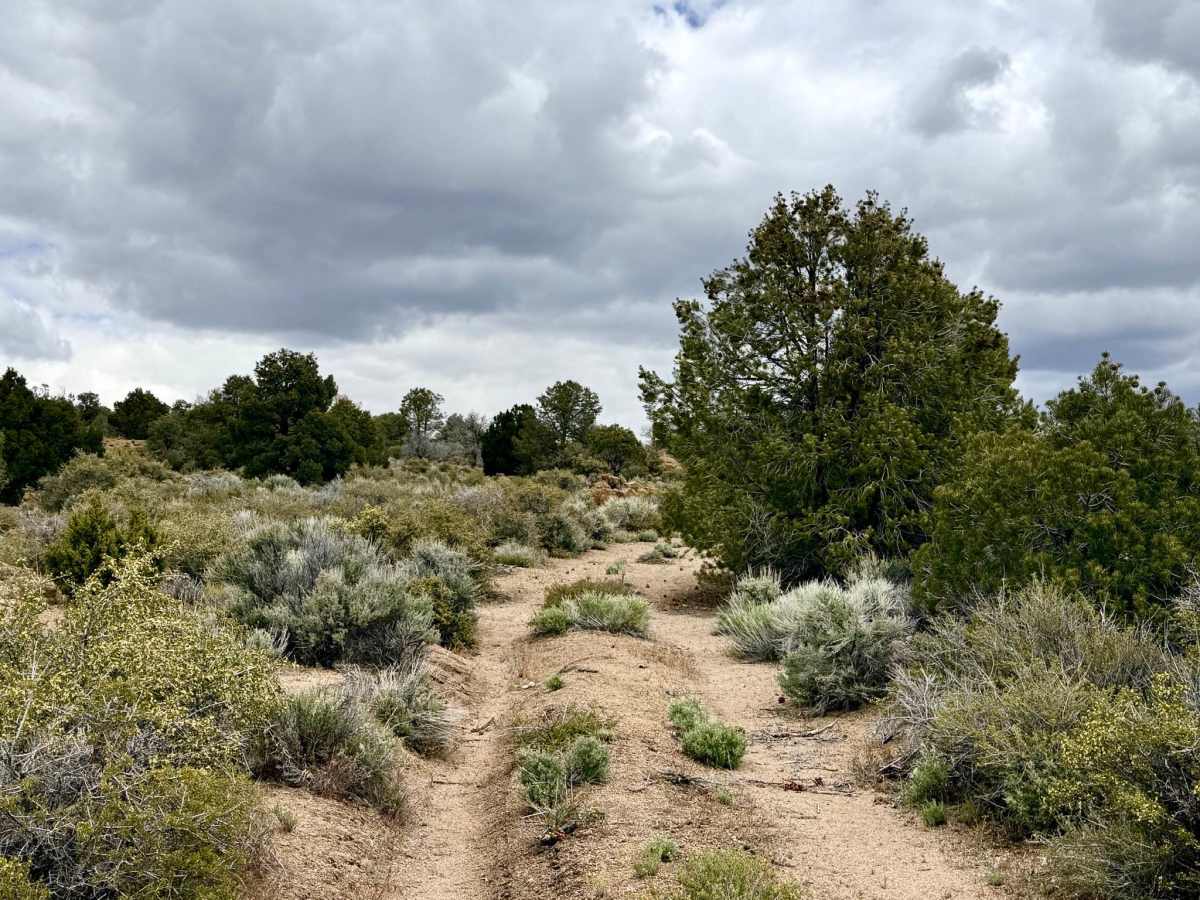
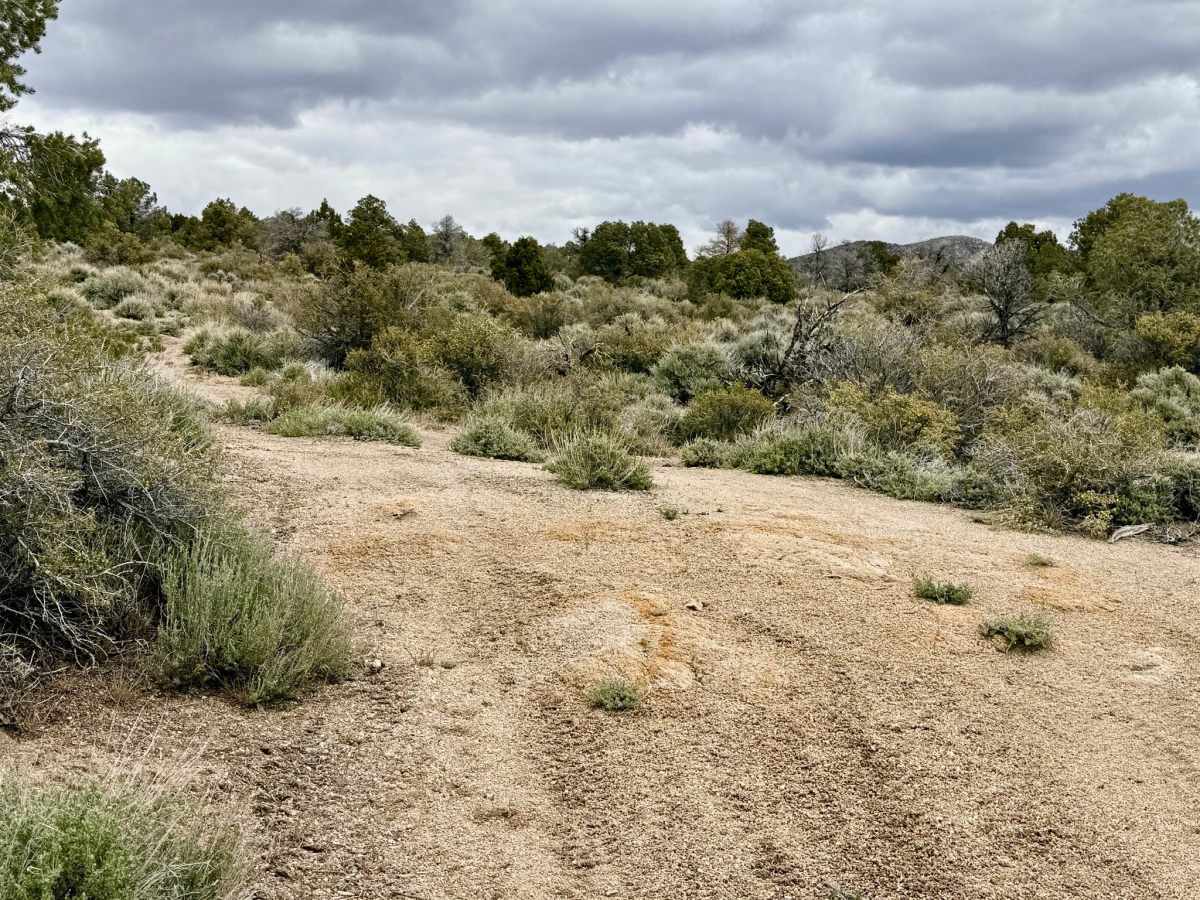
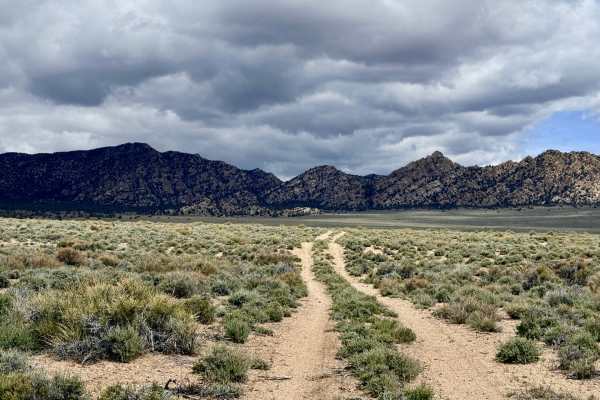
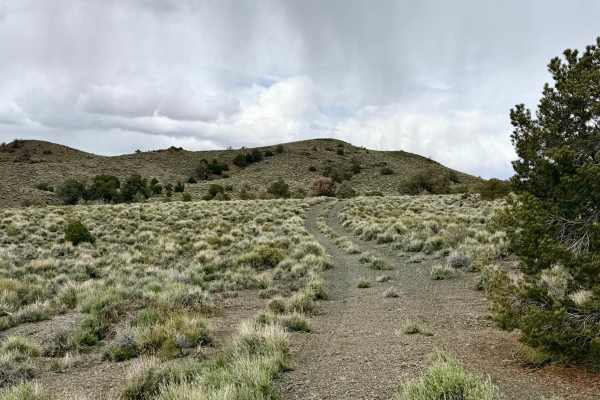
True to its name, this out-and-back trail offers an aggressive and spirited ascent into the rugged interior of the Toquima Range. While the route isn't a literal vertical climb, it wastes no time in gaining elevation, twisting and rolling through a series of steep, undulating hills. The environment transitions rapidly from the lower sagebrush plains into a dense, remote forest of Pine and Juniper. This area appears to be a primary zone for firewood collection, offering a rare "behind-the-scenes" look at the Humboldt-Toiyabe National Forest's resource management. The driving is physically engaging, featuring short, punchy rises and falls combined with several small rock obstacles that demand careful tire placement. Because of its remote location and lower traffic volume, this is a premier corridor for wildlife viewing; keep your binoculars ready for Mule Deer, coyotes, and Sage Grouse. The trail offers an intimate look at the range's unique geology, passing several interesting rock formations that tower over the trail. Be aware that the trail terminates abruptly in a heavily overgrown section. There is just enough room for a multi-point turn to head back out, but there are no established campsites or open clearings at the end.
Cell Service: Expect zero cell service for the duration of this trail. The high mountain ridges create a total signal shadow. Download offline maps before leaving the Tonopah area.
Difficulty
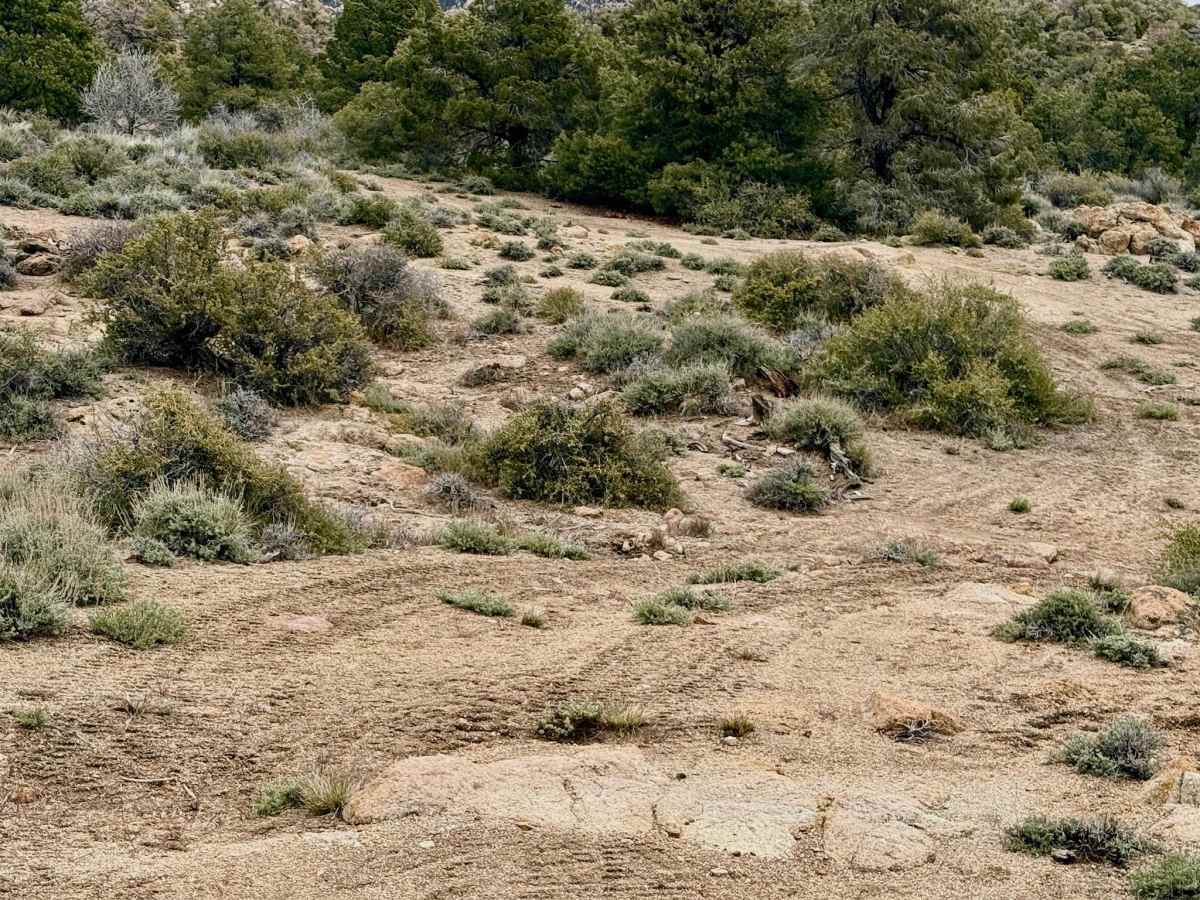
Rated a 3 due to the aggressive elevation gain, short technical rises/falls, and the presence of small rock obstacles that require high clearance. This is a narrow, unmaintained track. Severe paint damage (Arizona pinstriping) is guaranteed, as the juniper and pine branches frequently encroach upon the trail.
History
Nevada: timber and fuel. In the early 1900s, firewood was a precious commodity for the residents of Tonopah and Manhattan, who braved these steep, narrow paths with horse-drawn wagons to haul back the wood needed to survive the brutal high-desert winters. Today, the trail remains a "working" corridor, providing modern residents with the same essential resources their pioneer predecessors sought over 100 years ago.

 Offroad