Trail Overview
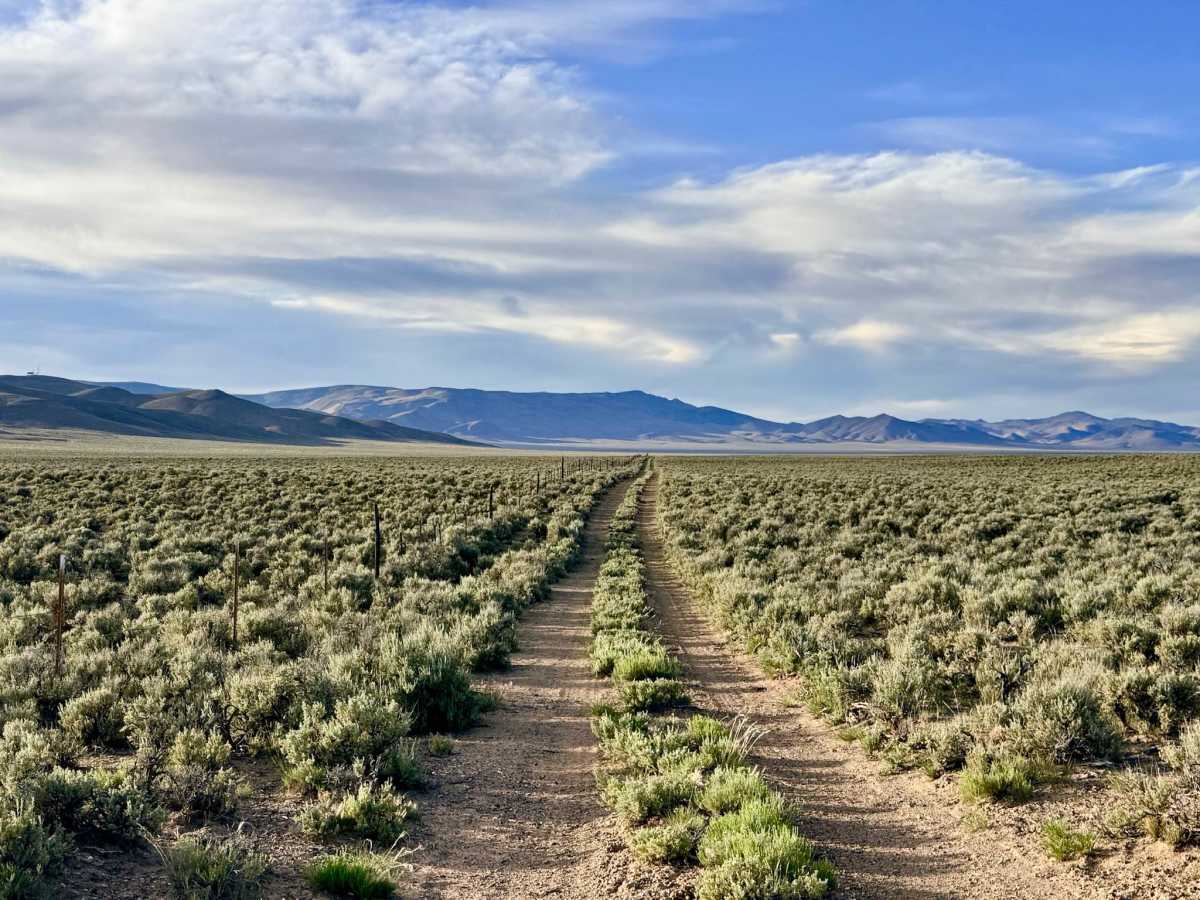
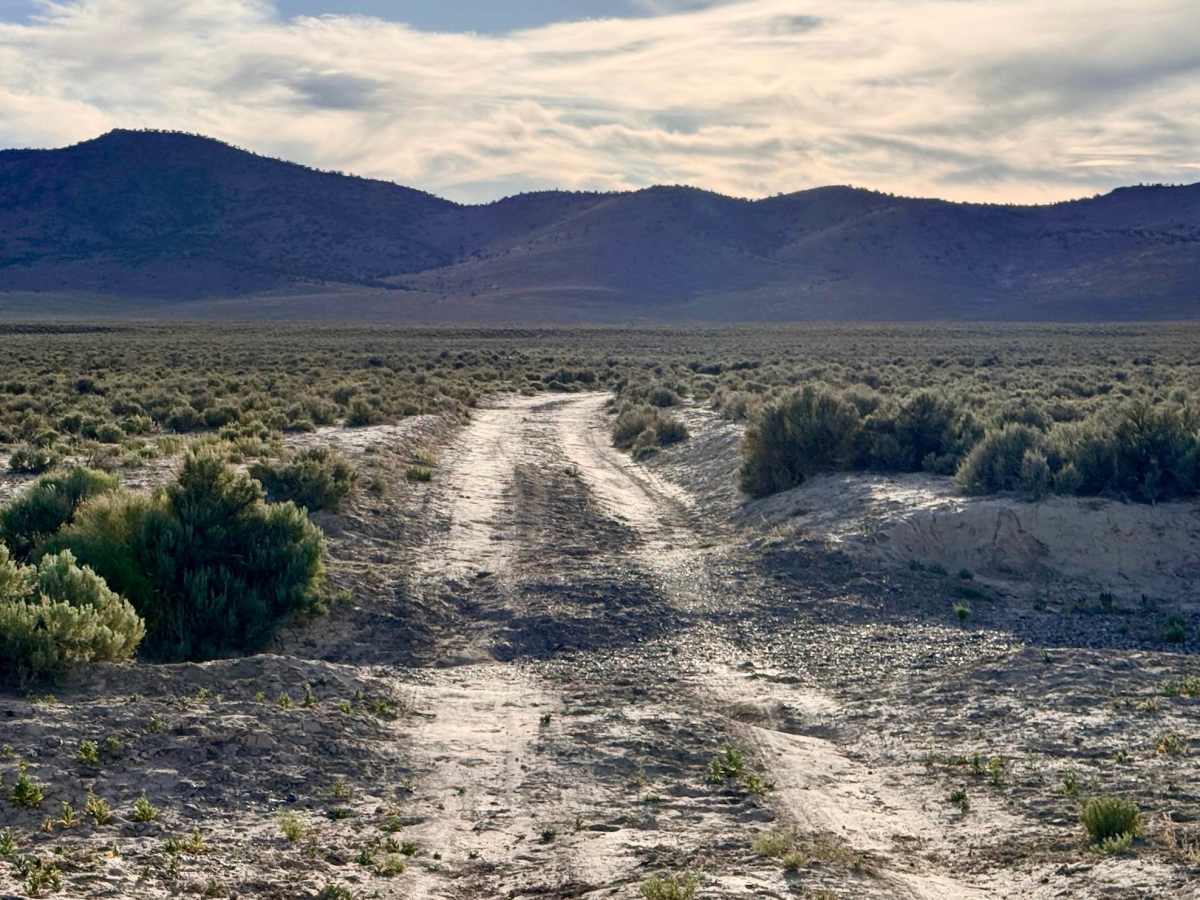
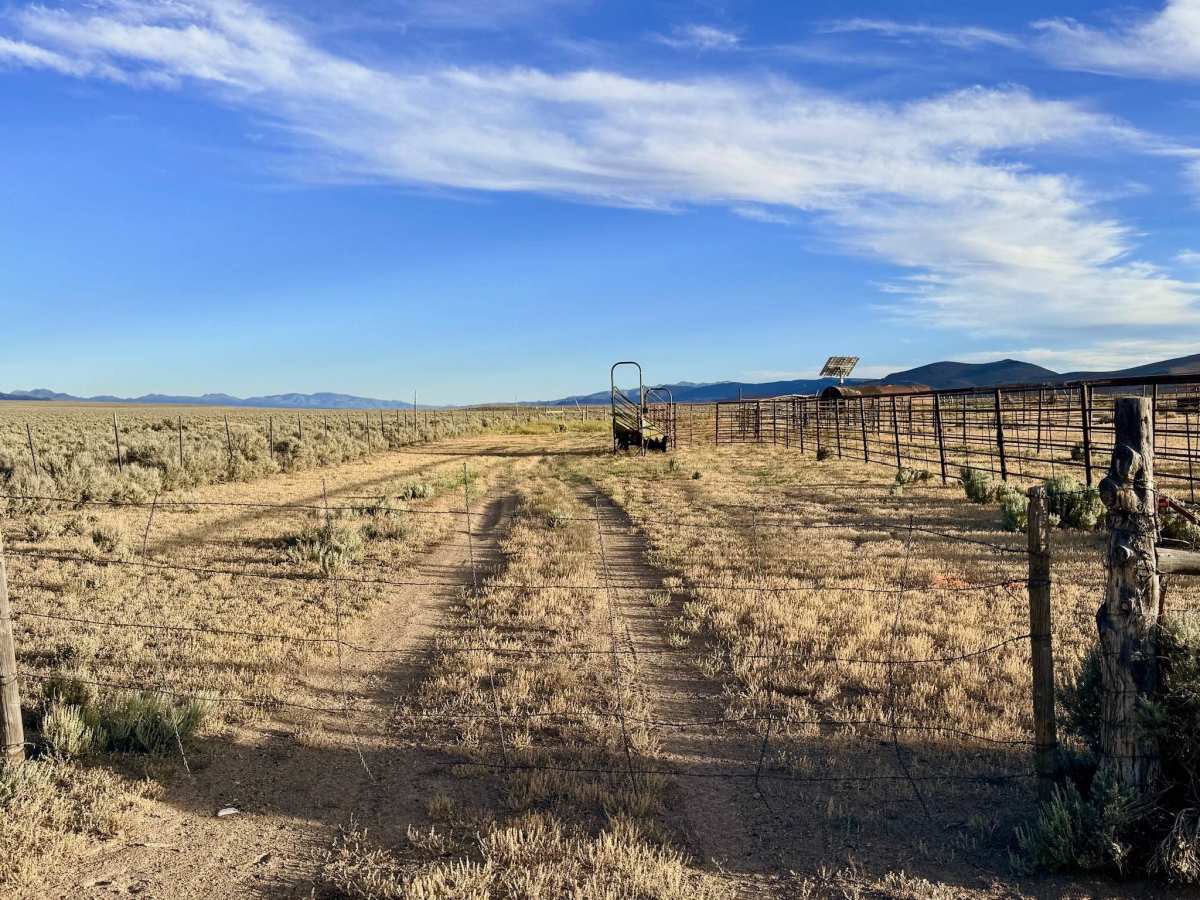
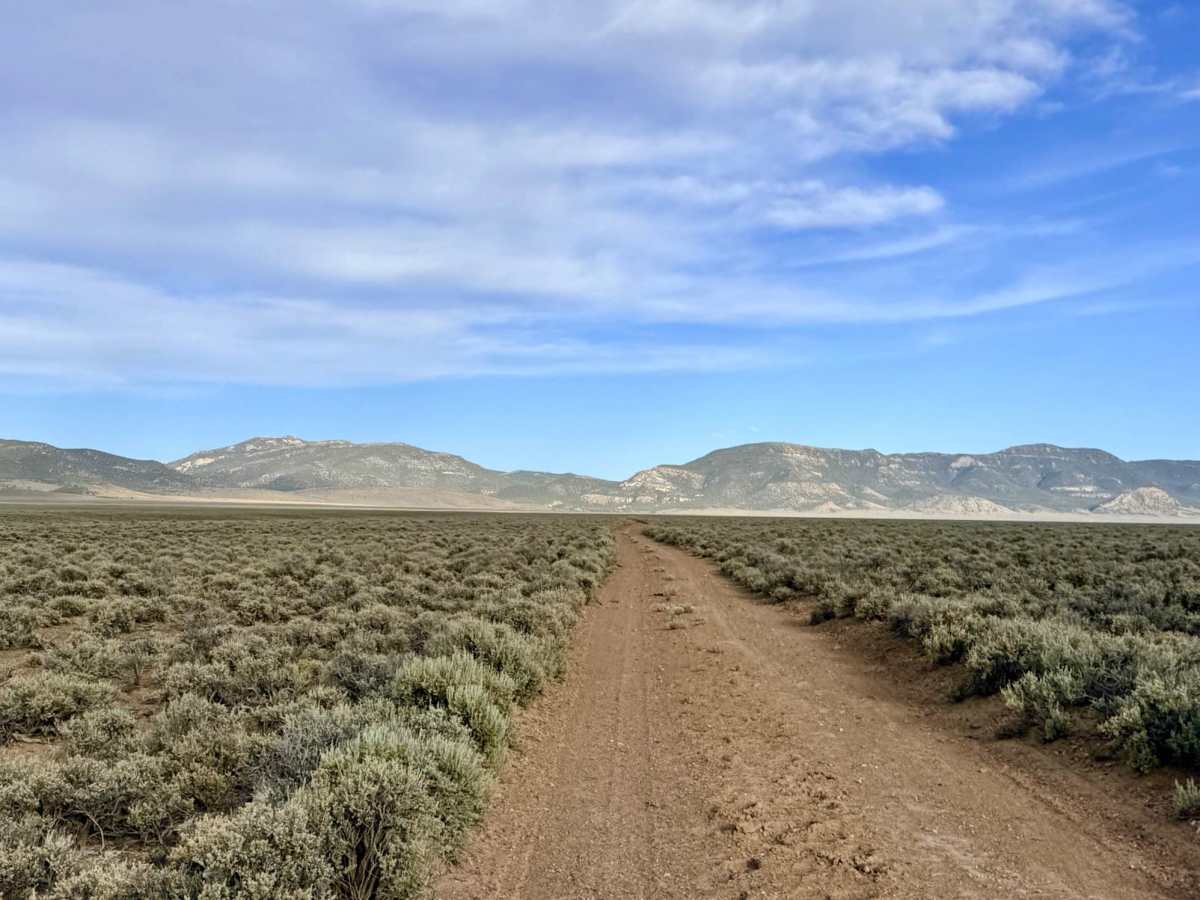
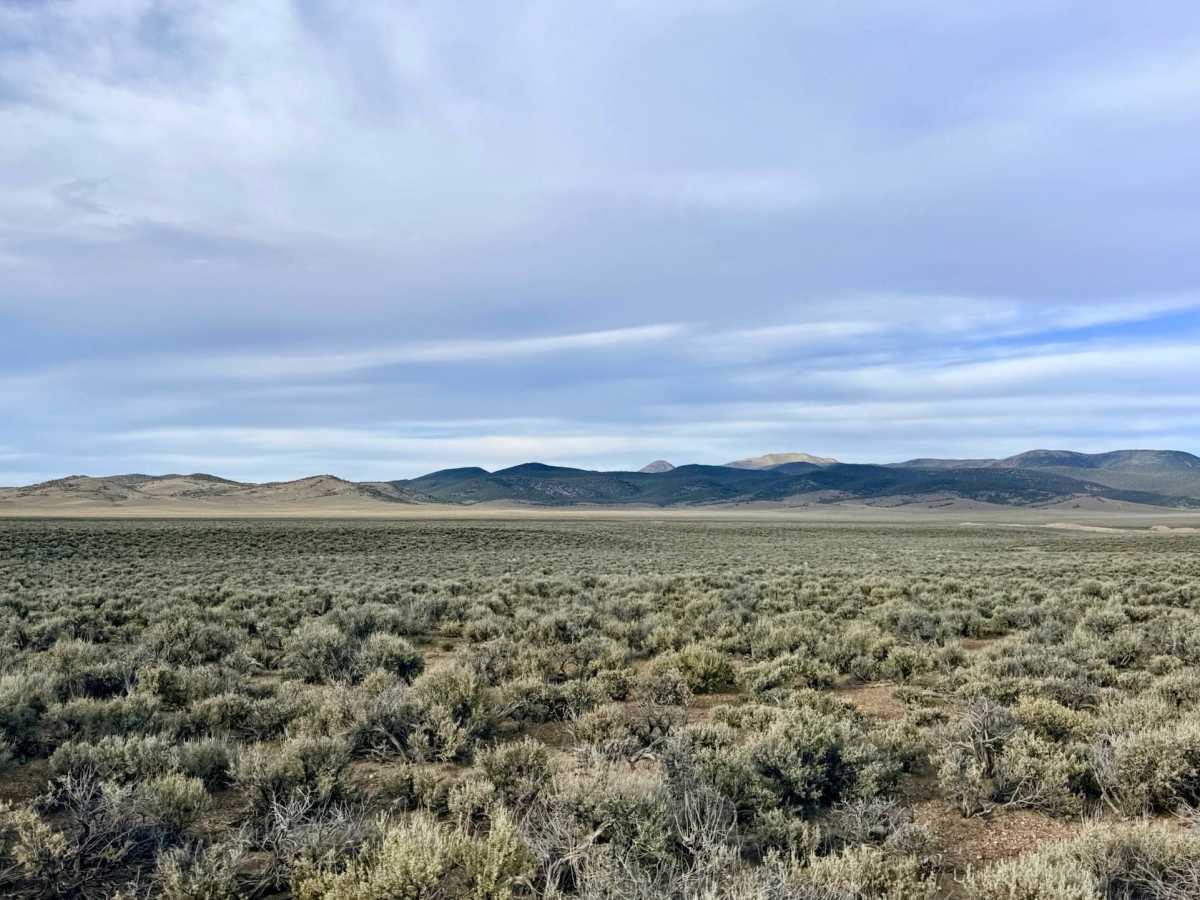
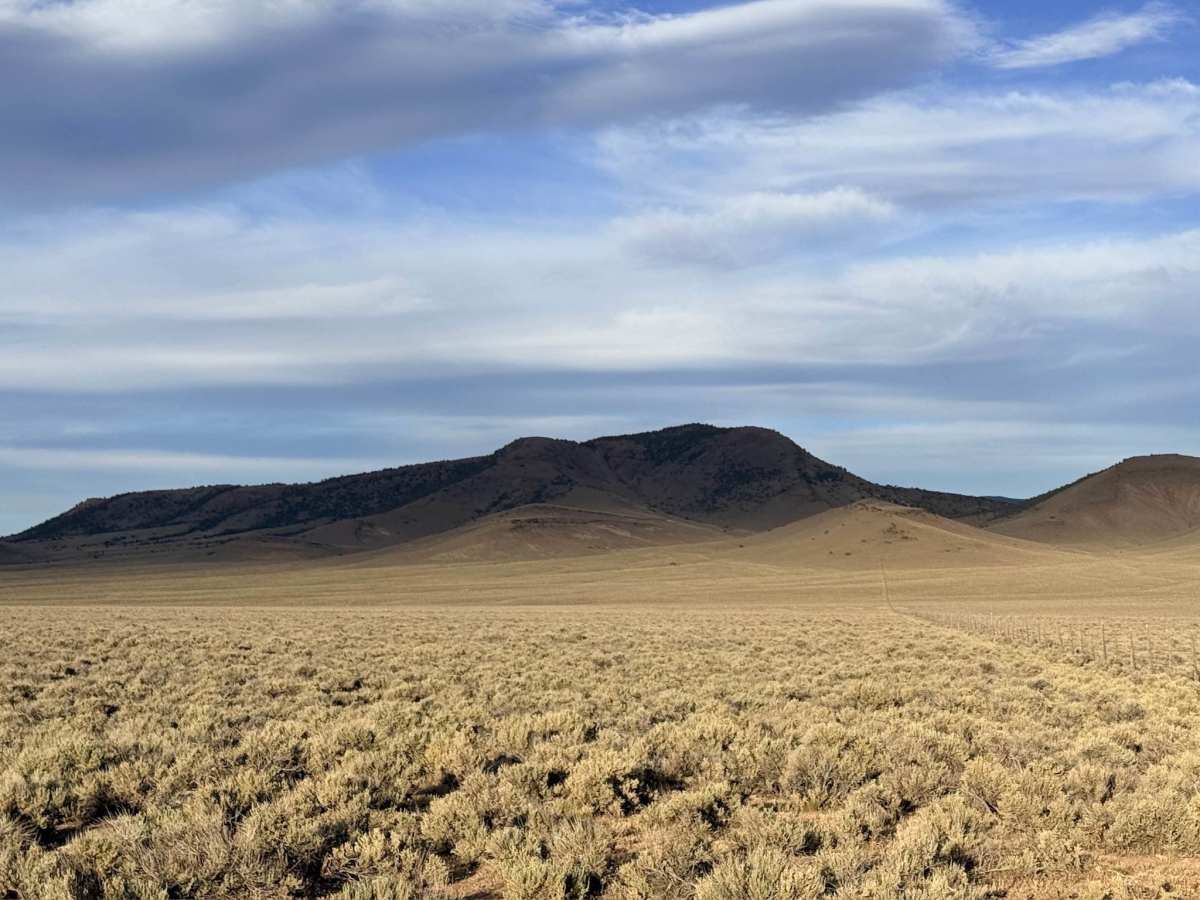
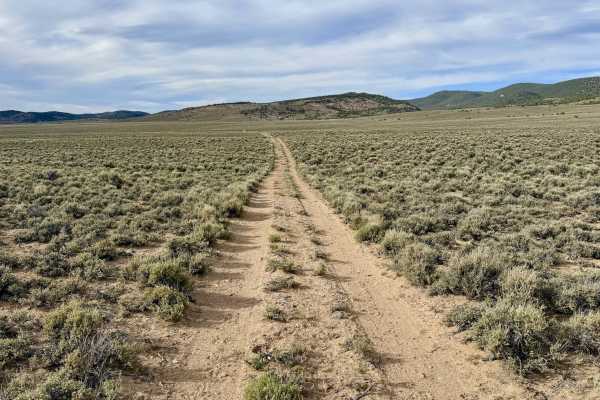
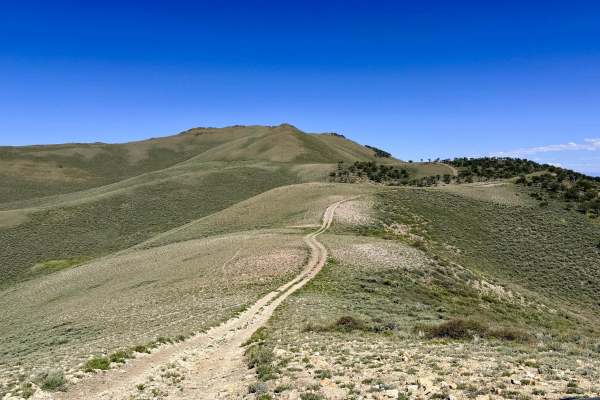
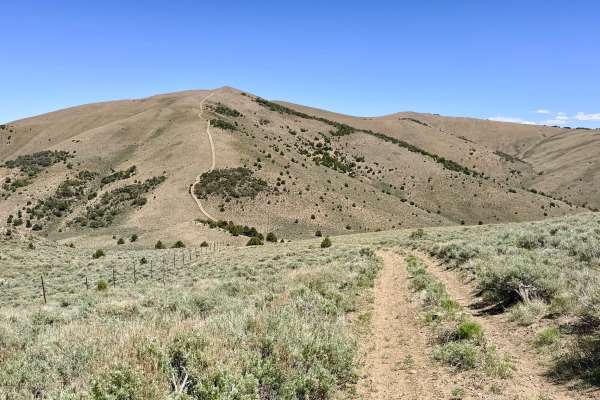
Grimes Ranch Road South offers a fascinating and varied journey across the expansive Great Basin floor. This route likely served as a primary artery for the region before the modern, well-graded Monitor Valley Road was established. Today, it functions as a more secluded and scenic passage through a vast "sagebrush sea." Because the entire trail is situated in low-growing sagebrush, travelers are treated to magnificent, unobstructed 360-degree views of the surrounding mountain ranges as they shimmer against the horizon. The driving experience is diverse and keeps you alert. The surface varies significantly: you will encounter segments of smooth, well-graded gravel, followed by primitive two-track sections where desert vegetation has begun to reclaim the center berm. A unique feature of this trail is the "braiding" found near the older, eroded sections. In areas where the original road has been massively washed out, a new track has been established just to the south. The soil here consists of a fine, talcum-powder-like material that is exceptionally soft but hasn't yet reached the treacherous depth of true "bull dust." This area is a stronghold for Nevada’s iconic wildlife; keep a sharp eye out for Pronghorn Antelope and bands of wild mustangs that frequent the flats between the Toquima and Monitor ranges. * This is active open-range territory. You will encounter several cattle gates along the route; please ensure all gates are left exactly as you found them to assist with local livestock management. Expect zero cell service for the duration of this trail. The vastness of the valley floor ensures you are well beyond any signal reach. Download offline maps before leaving the Tonopah or Austin area.
Difficulty
Rated a 3 primarily due to several deep washout sections that intersect the road. These require a slow, technical approach to manage the steep entry and exit angles. The "talcum powder" sections can create massive, lingering dust clouds. Wet Weather Warning: This trail consists of fine alkaline silts. It becomes completely impassable when wet. The soil turns into a bottomless, sticky "gumbo" that makes recovery nearly impossible. Avoid this route if there is any rain in the forecast.
History
The Grimes Ranch area is a testament to the endurance of Nevada's ranching families. Established during the late 19th-century silver boom, ranches like the Grimes were the "support systems" for the mining camps of Belmont and Tonopah. This road represents the evolution of desert travel; in the early 1900s, it would have been a buzzing corridor for freight wagons and the first rugged automobiles braving the desert. Today, the fading two-track and natural "braiding" show the landscape's slow process of reclaiming these historic industrial paths.