Trail Overview
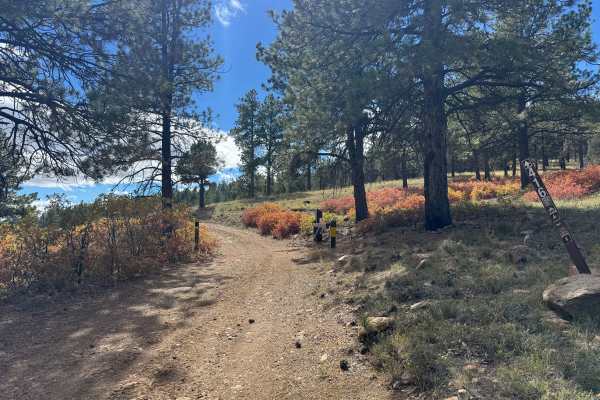
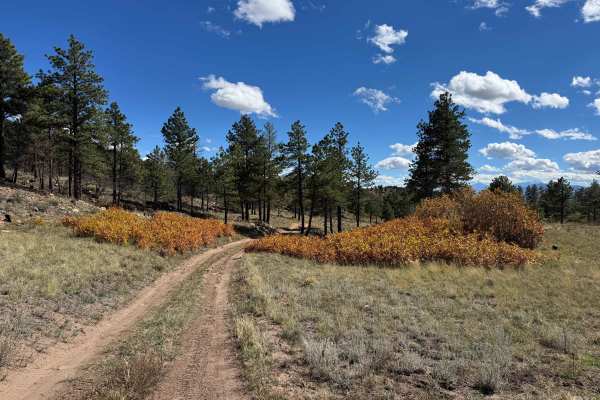
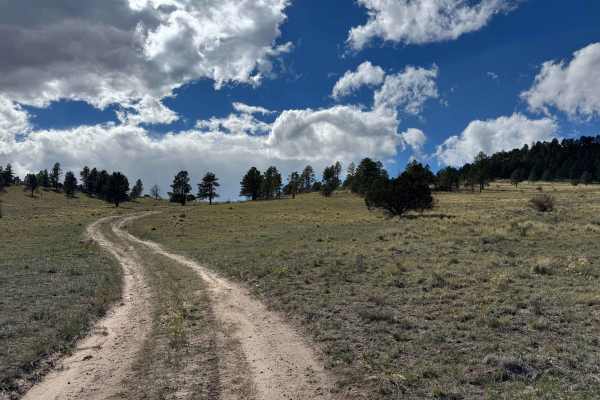
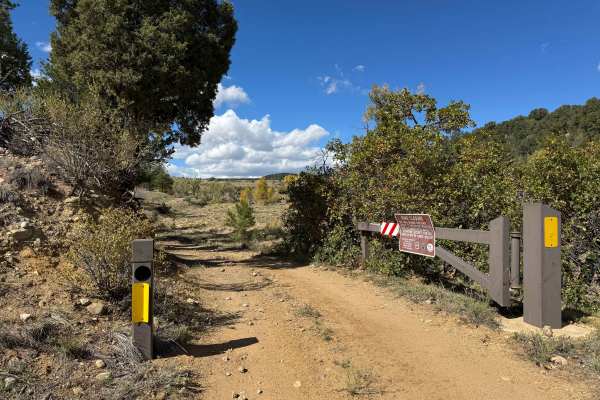
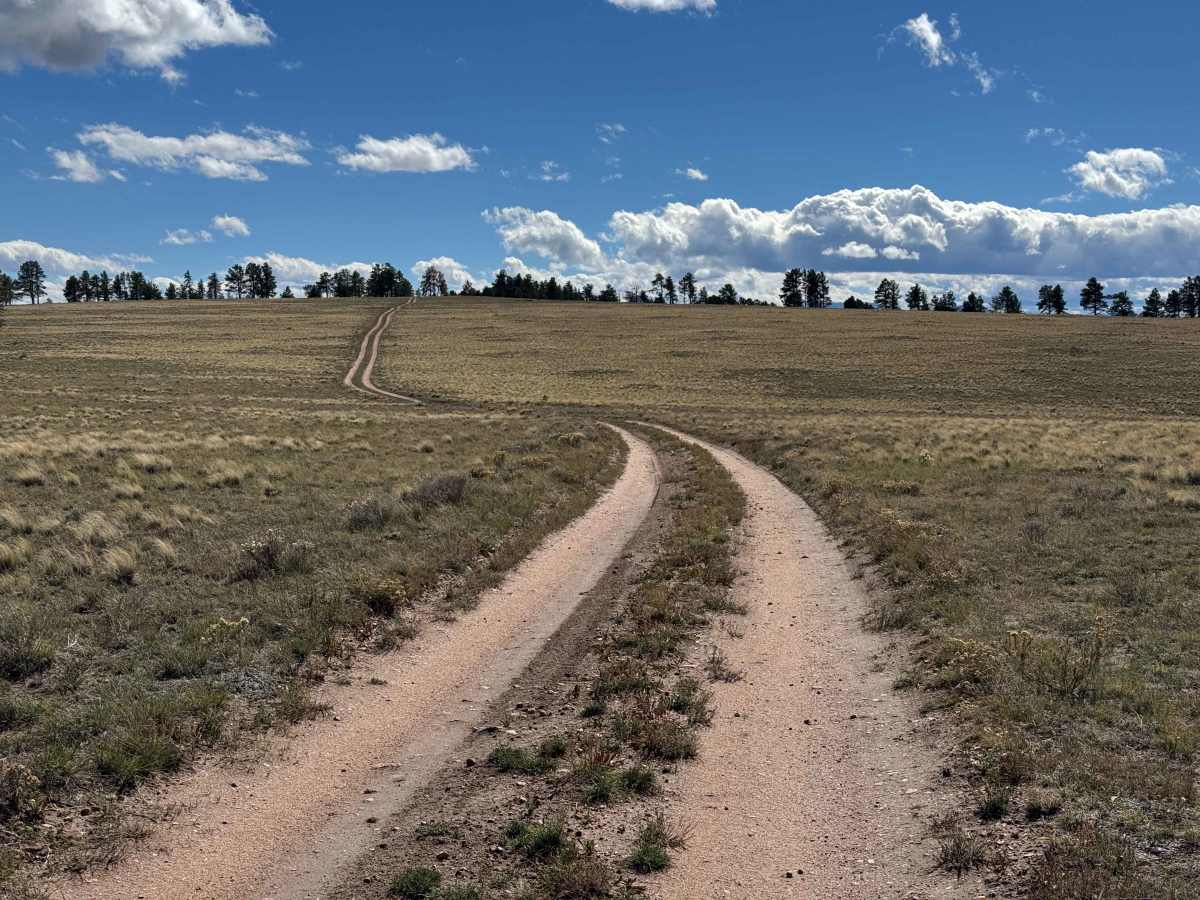
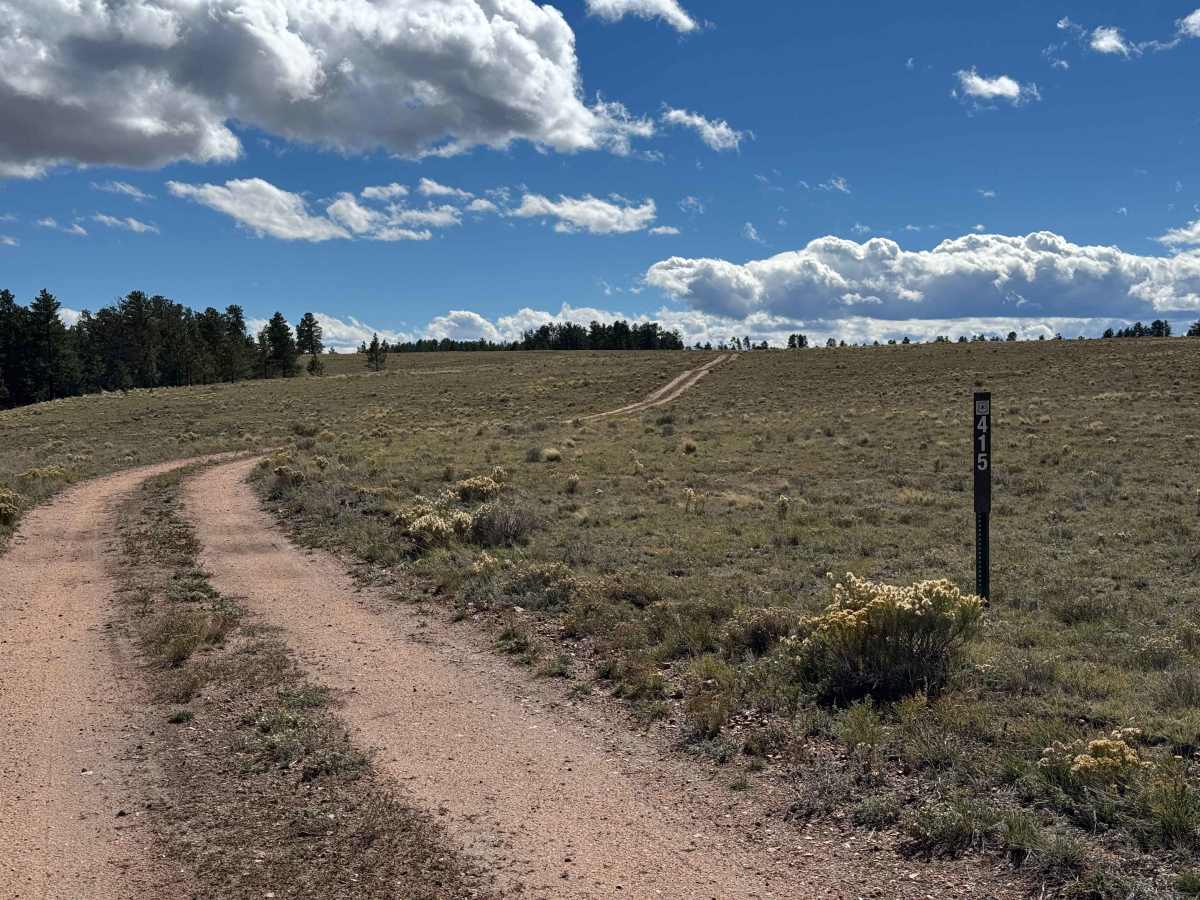
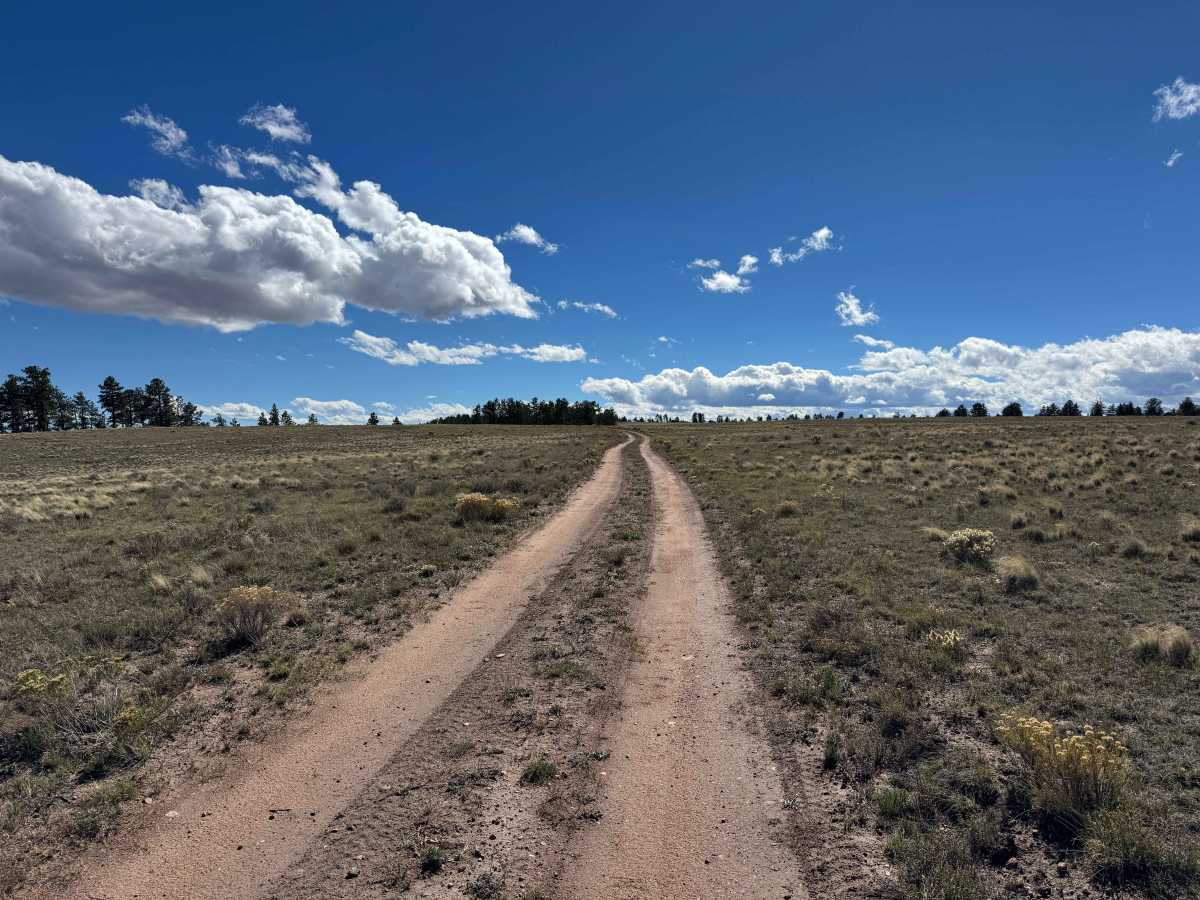
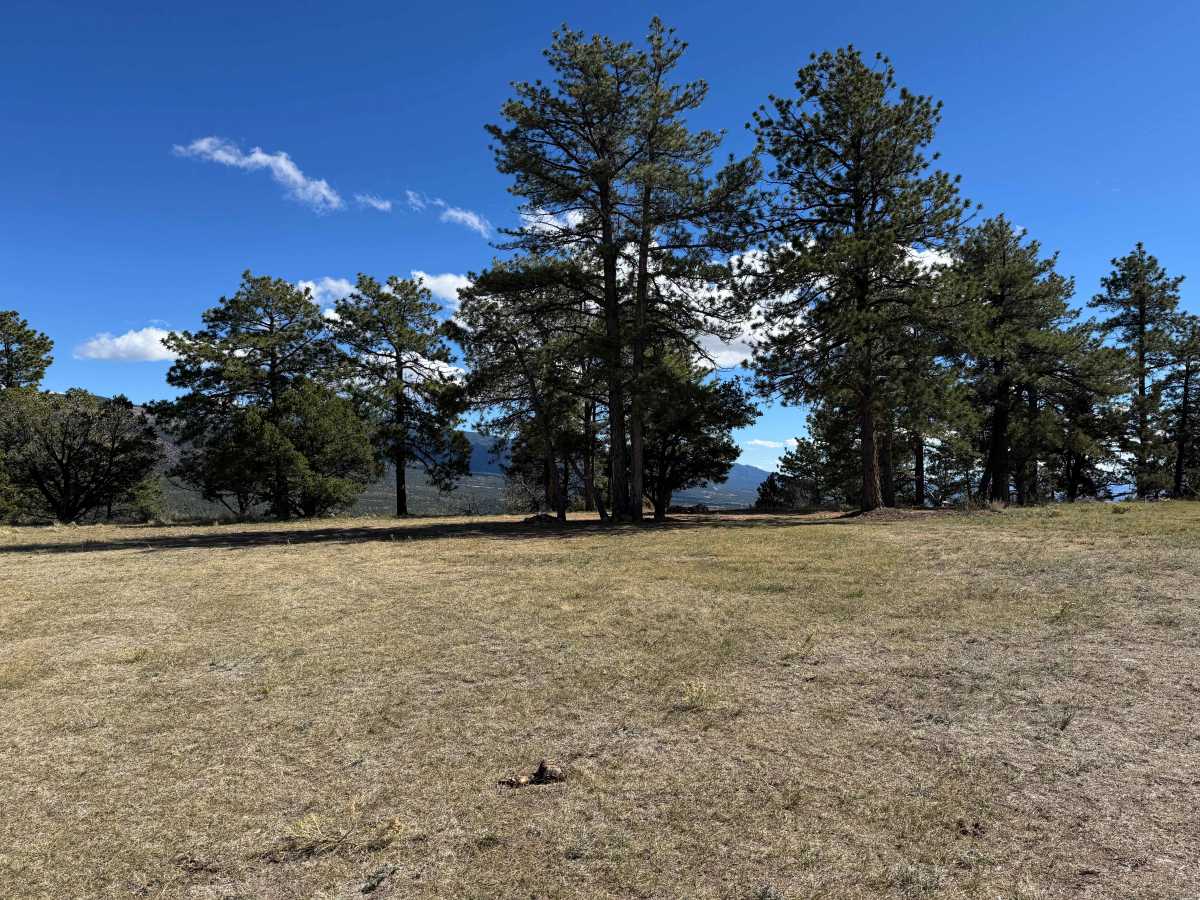
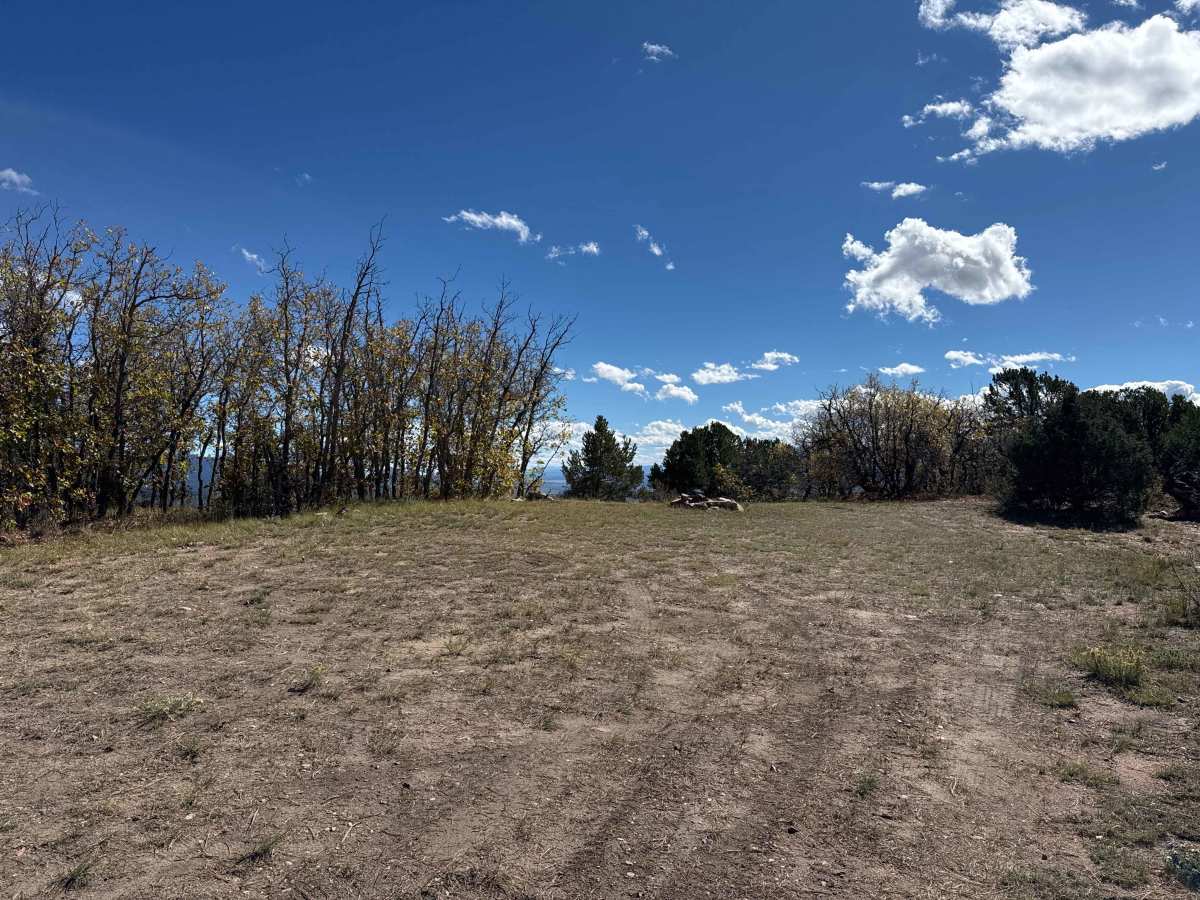
This is a short, one-mile out-and-back trail that is well worth exploring. The easy two-track crosses an open meadow on a mostly smooth surface with no technical sections, making it accessible to most vehicles and drivers. These meadows are frequented by large elk herds, so keep an eye out for wildlife as you make your way across the valley. Near the end of the trail, a turnoff to the left leads to a beautiful dispersed campsite overlooking the valley, with scenic mountain views in the distance. If you continue along the narrow spine into the trees, you’ll reach a second, smaller dispersed campsite at the end of the route. Both camping areas offer a unique setting, making this short trail a worthwhile detour for anyone exploring the surrounding area.
History
The trails and forest roads throughout the southern San Isabel National Forest and the Wet Mountains have a long history tied to ranching, logging, mining, and early mountain settlement in southern Colorado. Many of the routes that visitors travel today began as access roads for ranchers moving livestock, logging operations harvesting timber, and prospectors exploring the surrounding mountains for valuable minerals. Over time, these roads developed into a network connecting remote valleys, mountain meadows, creek drainages, and historic homesteads. The region’s rugged terrain and changing elevations made these routes important for accessing isolated areas and managing the surrounding forest. Today, many roads are maintained for forest management and public recreation, providing access for 4WD vehicles, ATVs, SxS, hikers, hunters, and campers. As you travel these routes, you may encounter old roadbeds, historic ranching areas, and remnants of the region’s working past. The San Isabel National Forest was established in 1902, and its public lands continue to preserve the area’s natural resources and outdoor heritage.


 Offroad