Trail Overview
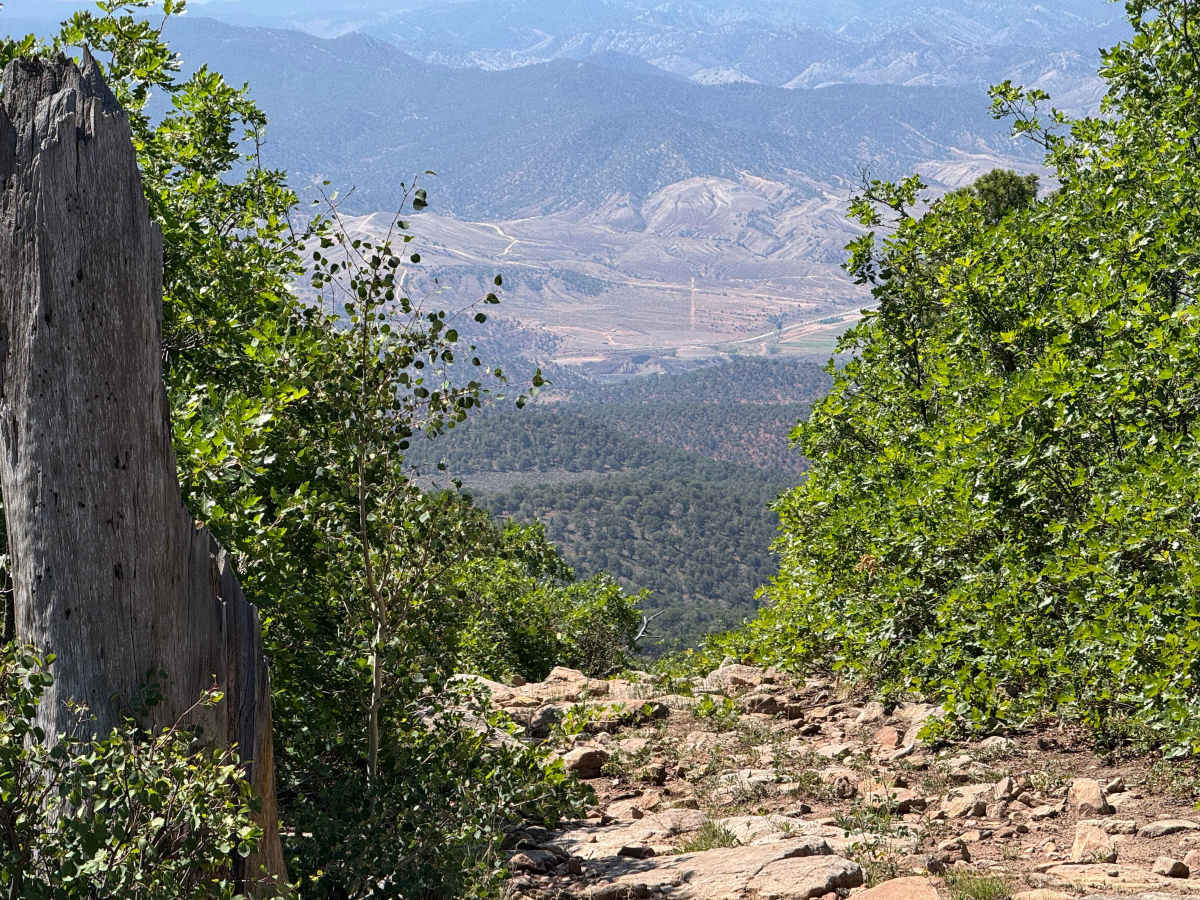
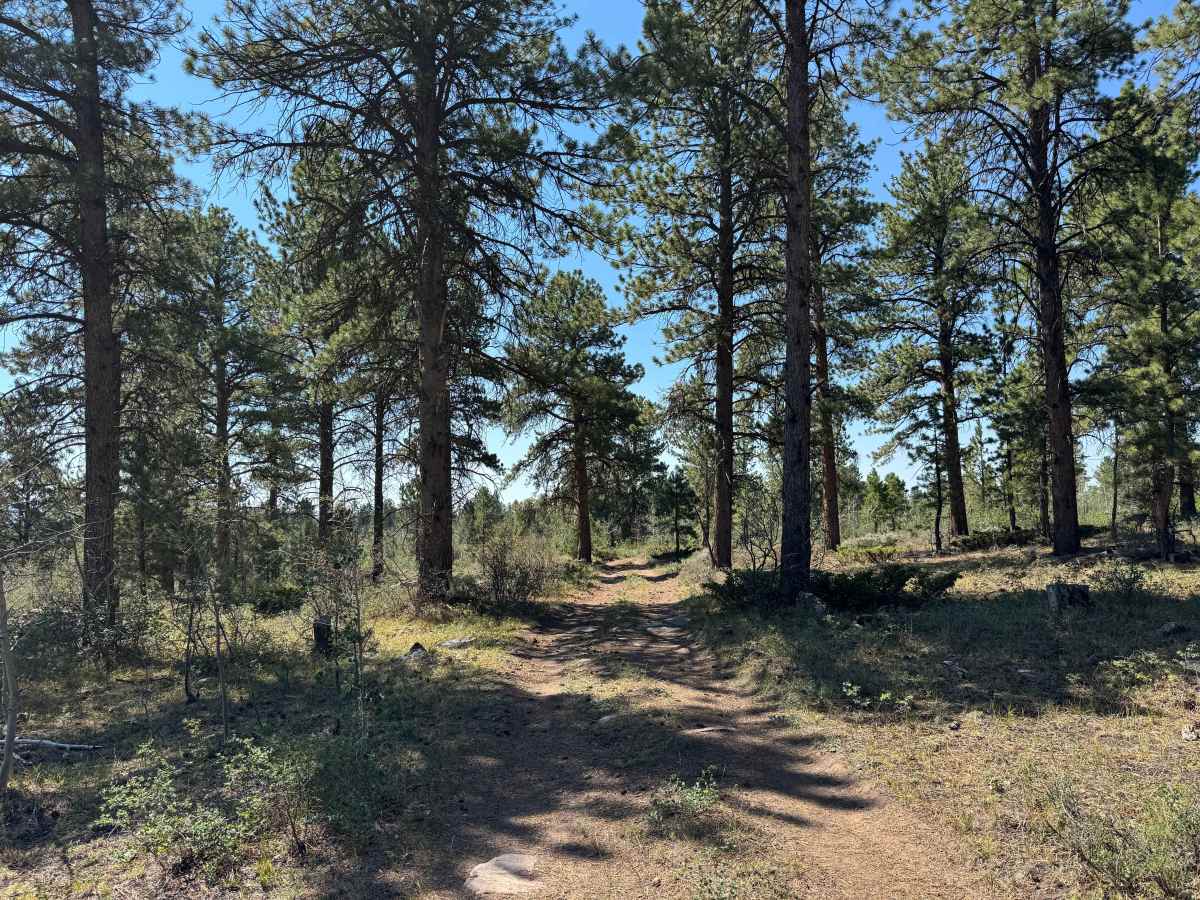
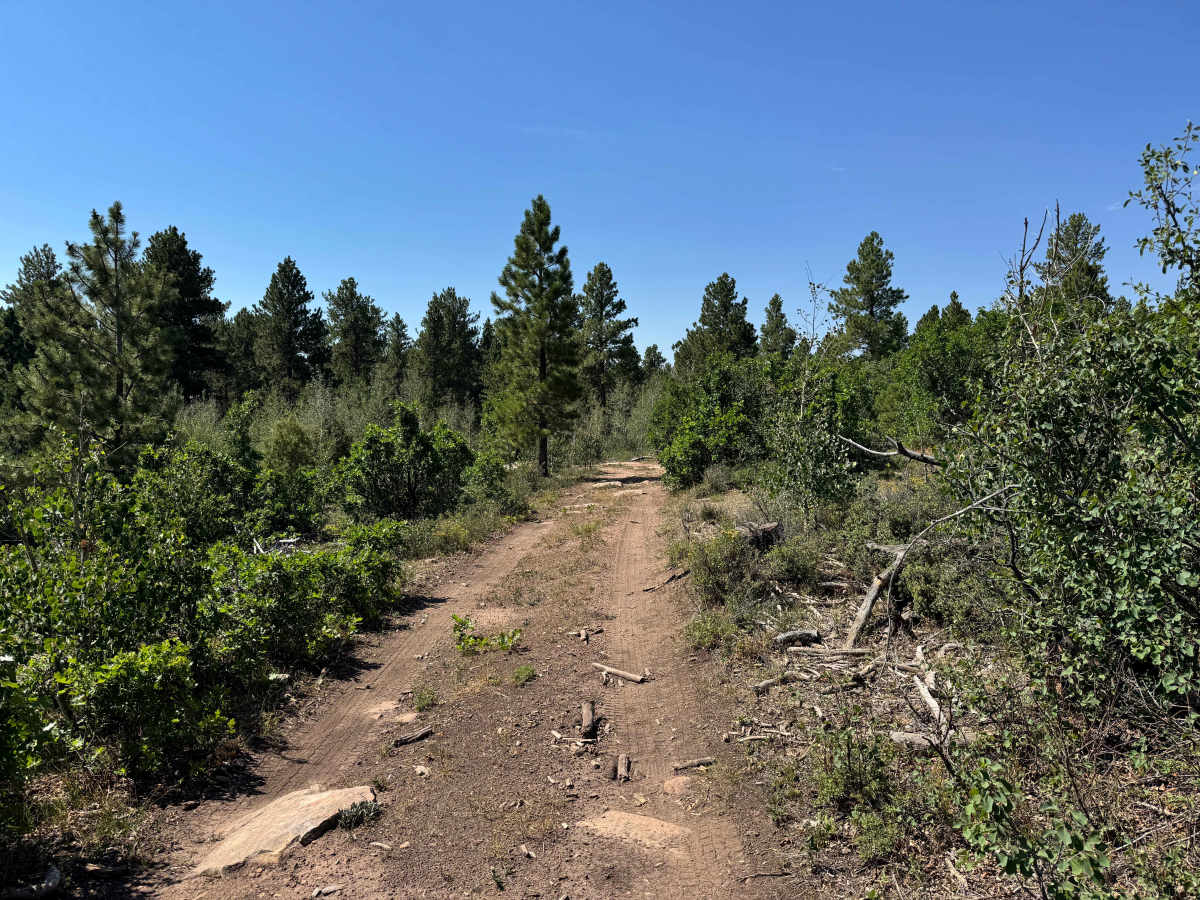
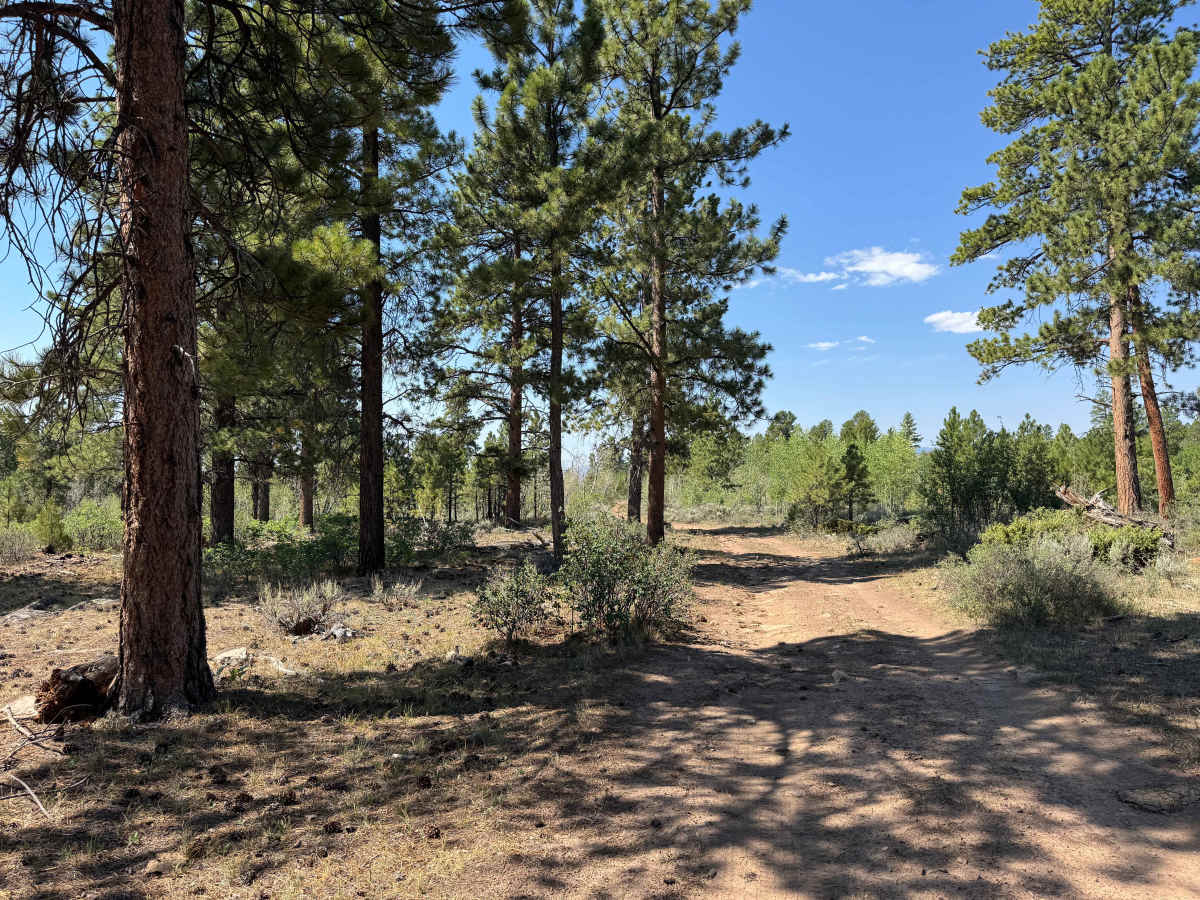
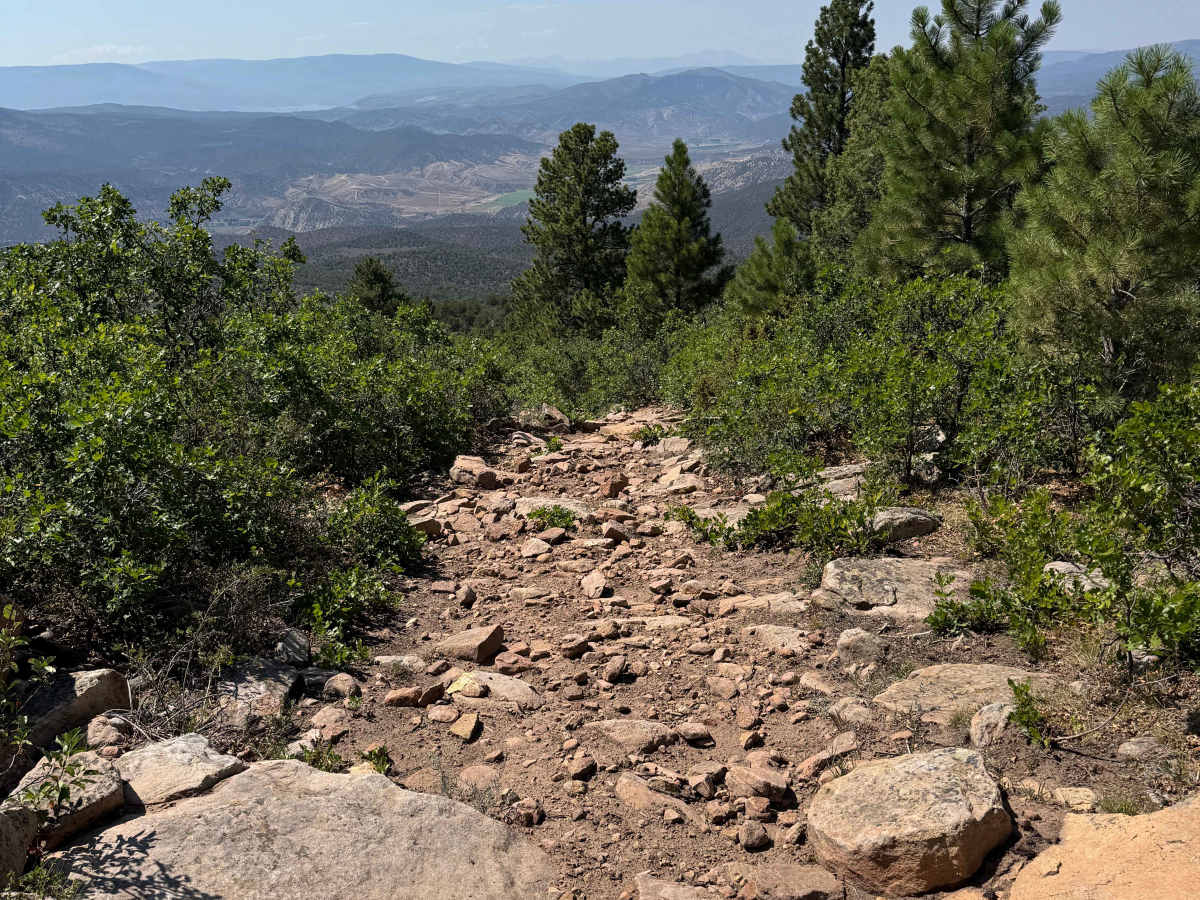
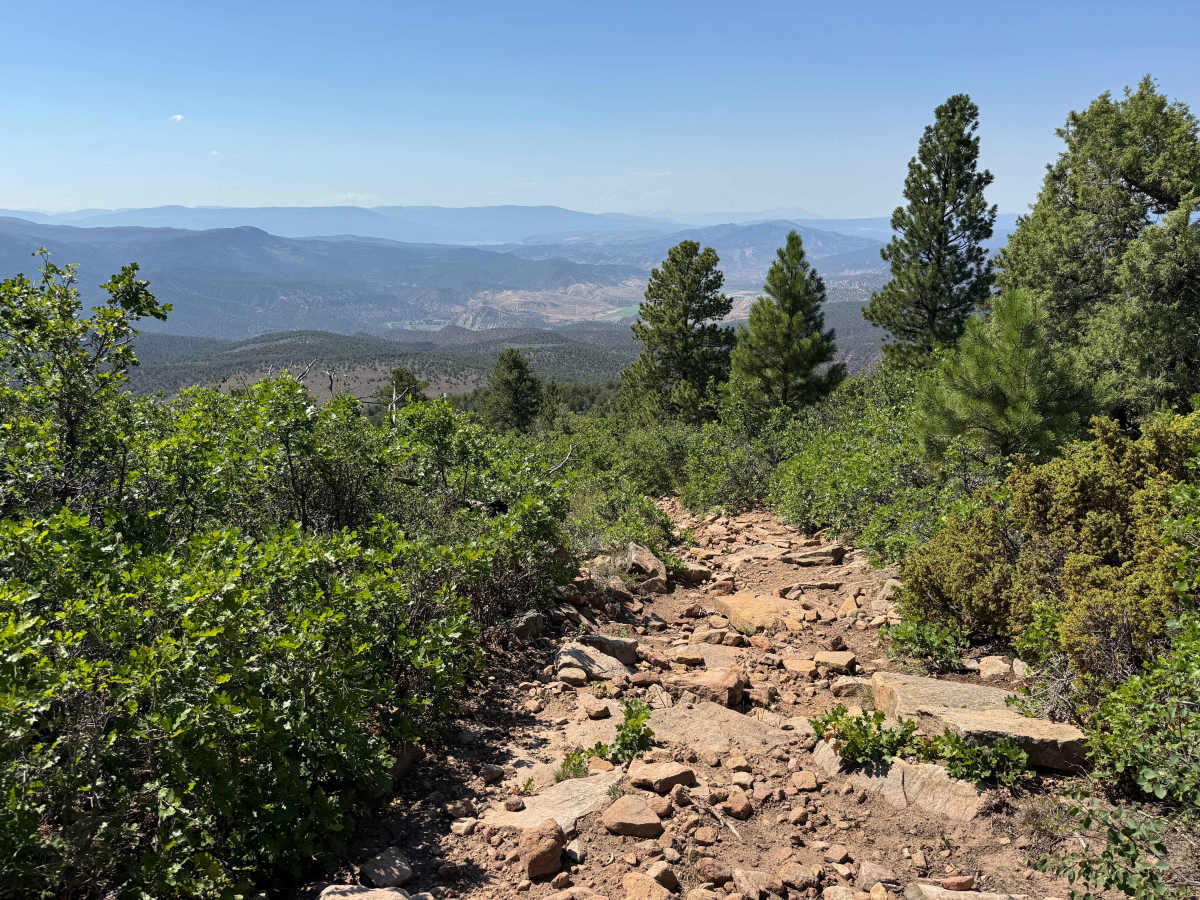
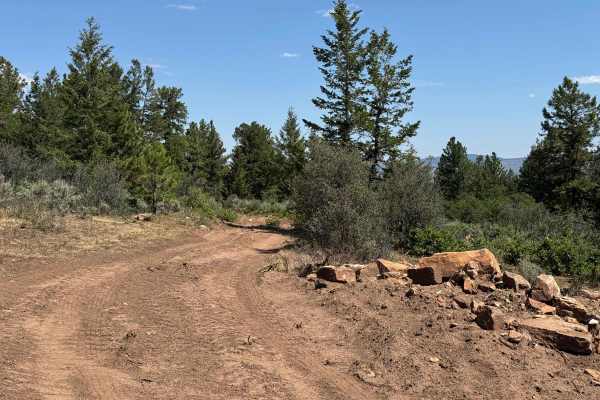
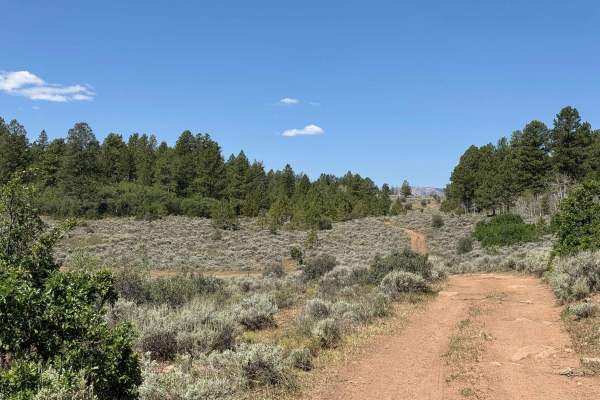
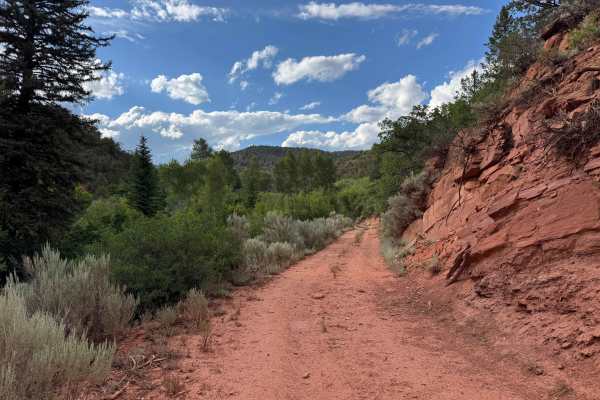
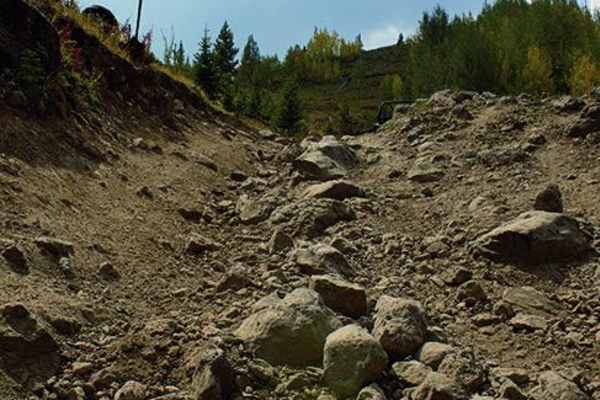
This spur trail begins as an easy, scenic drive through a beautiful pine forest, with dispersed campsites located near the start of the route. For the first three-quarters of a mile, the trail remains smooth with only occasional rocky sections, making for a relaxing and enjoyable drive. At approximately 0.7 miles, the view is spectacular; however, the character of the trail changes dramatically. The route drops down an extremely steep, loose hillside—estimated at more than 30 degrees—with multiple layers of baseball-sized rocks and larger, creating a descent that is far more intimidating than photos can capture. Very few vehicles are capable of safely descending and climbing back out, and because this is an out-and-back trail, that return climb must be considered before continuing. The trail gradually fades before ending at around one mile, with sections so steep and loose that even a 2WD motorcycle may need to be walked uphill. It is strongly recommended to hike the final section before committing any vehicle beyond the steep descent.
Difficulty
The first three-quarters of a mile is an easy drive for any high-clearance vehicle, with only minor obstacles along the way. The final quarter mile is an entirely different challenge, dropping steeply into a rocky canyon where loose boulders and uneven terrain quickly increase the difficulty. Narrow vehicles, such as side-by-sides, are best suited for this section, but even they may struggle with the steep climb back out. Before attempting the descent, it is strongly recommended that you walk the route to evaluate conditions and ensure you have a realistic plan for the return climb. If you decide to continue, carry appropriate recovery gear and, whenever possible, travel with a second vehicle for added safety.
History
The Derby Creek area has a rich history rooted in ranching, transportation, and public lands. Long before European settlement, the valley was traveled seasonally by the Ute people, who hunted and camped throughout the region. By the late 1800s, ranchers established cattle operations along Derby Creek, using its dependable water supply to support livestock and irrigate nearby hay fields. Many of today’s BLM and Forest Service roads began as wagon routes connecting ranches and summer grazing allotments. Today, the area remains valued for its scenic landscapes, abundant wildlife, and outstanding opportunities for off-road recreation, camping, and hunting. (dnrweblink.state.co.us)