Trail Overview
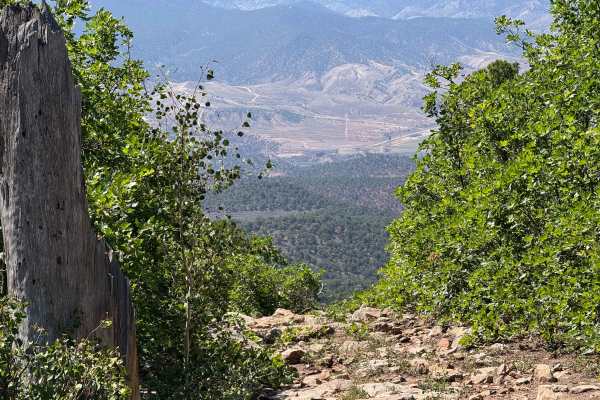
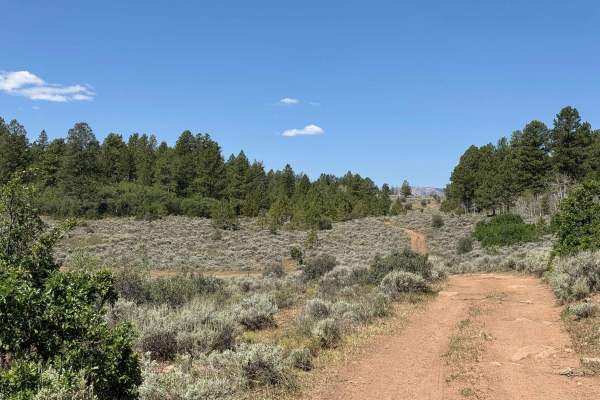
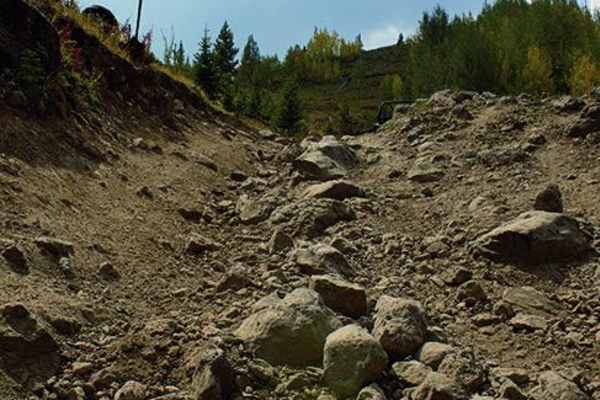
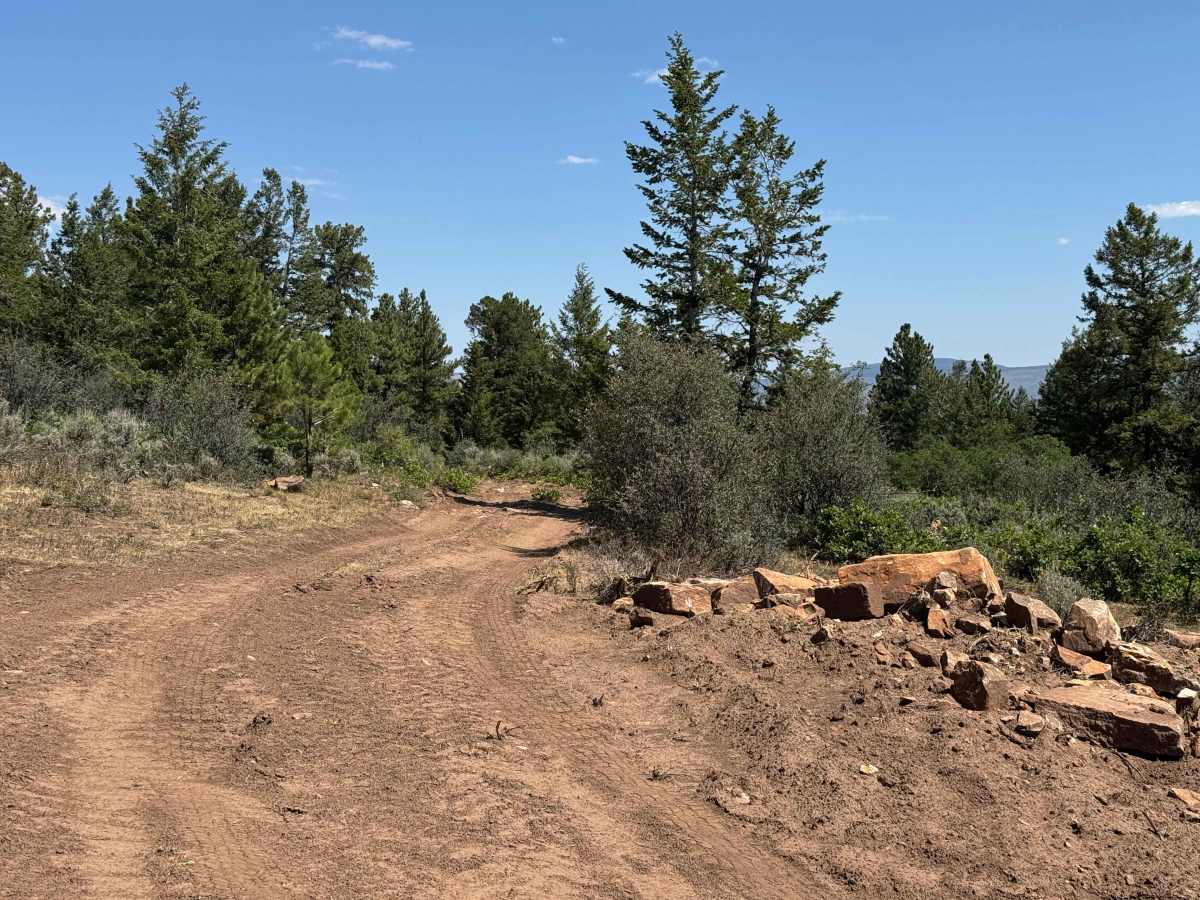
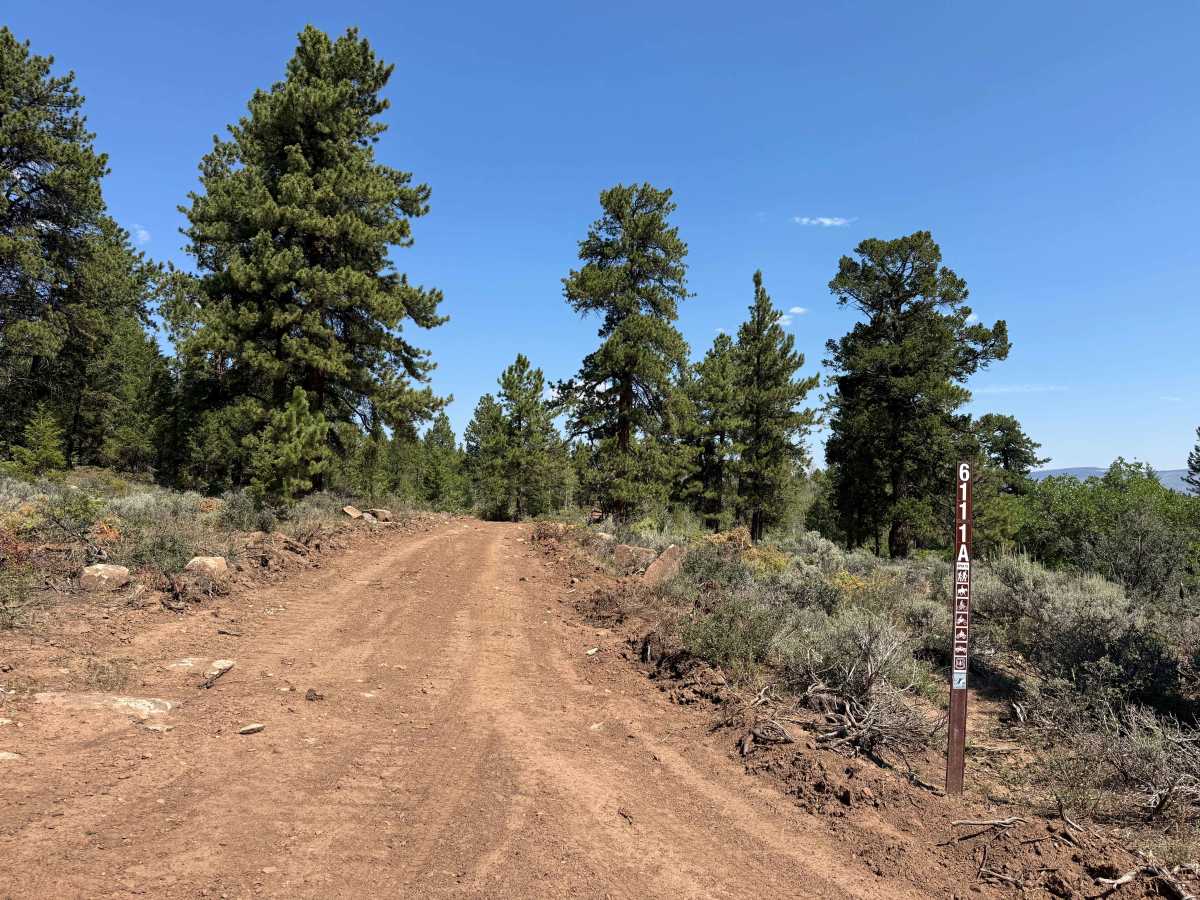
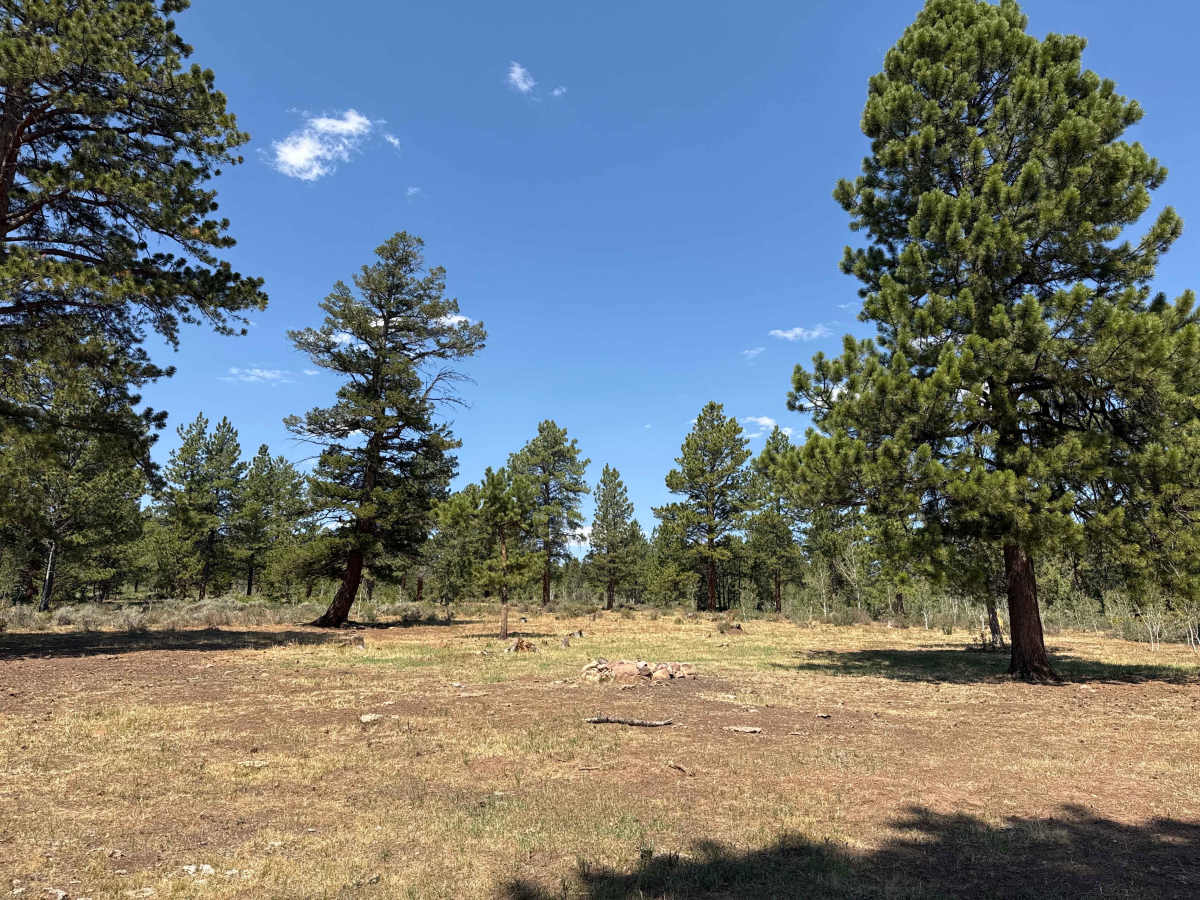
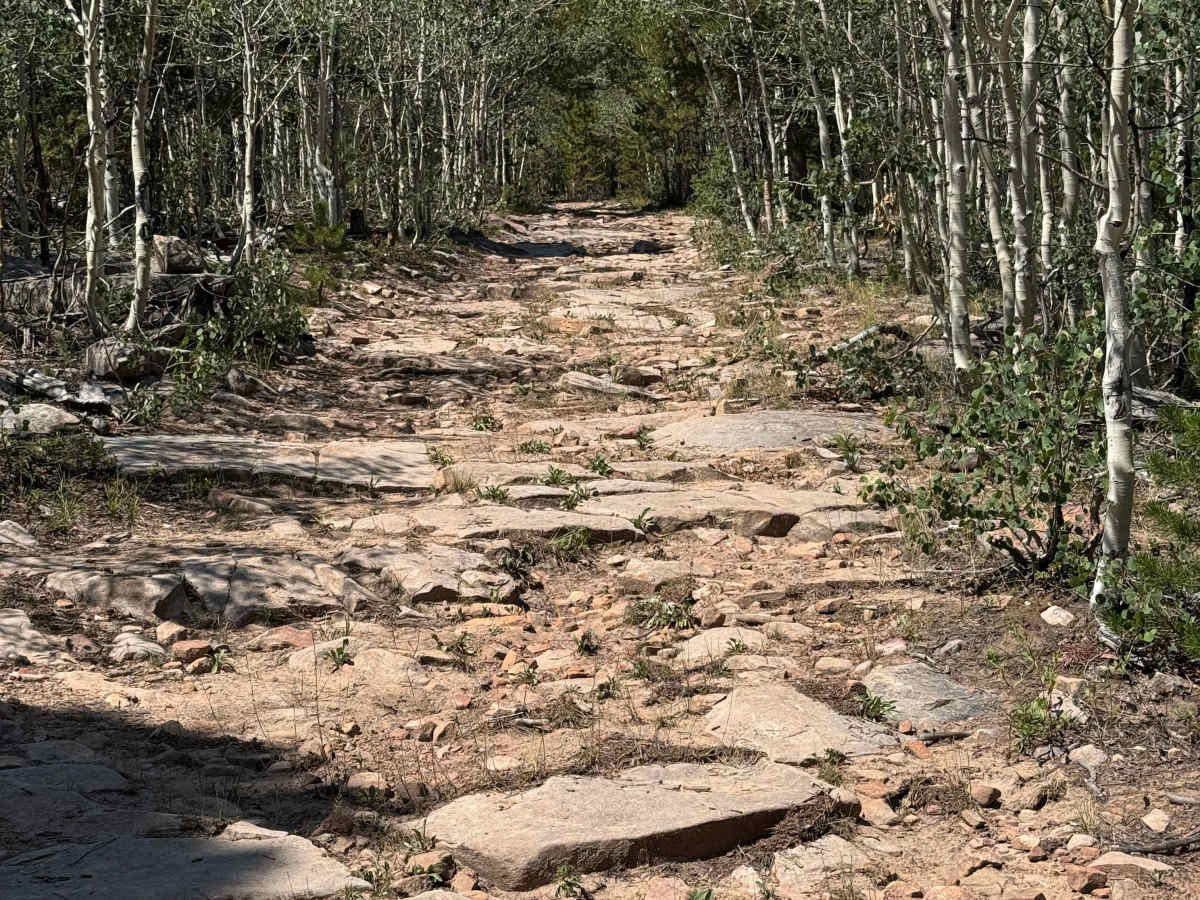
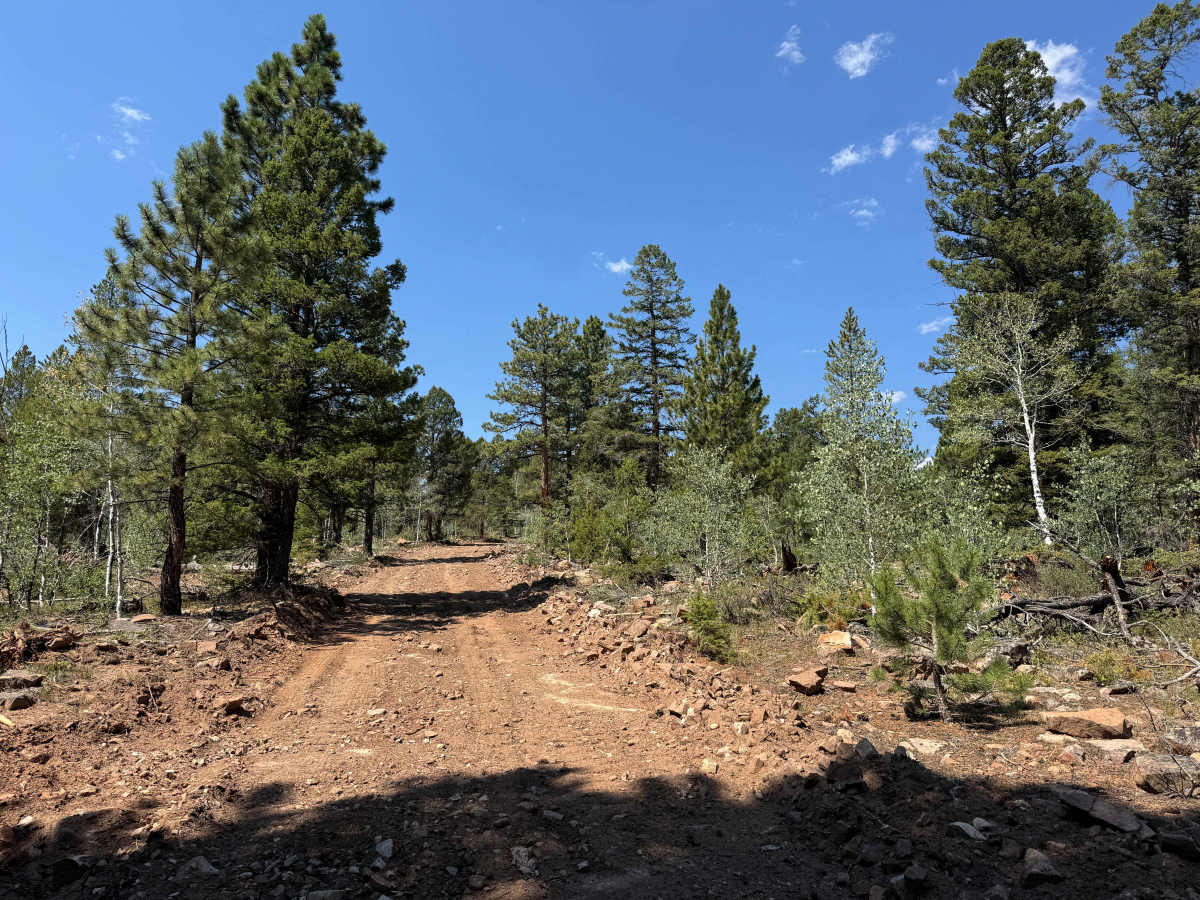
This BLM trail begins with a rough section where heavy equipment has recently been used to widen and improve the roadway. After the initial climb, the route passes through beautiful open meadows offering several excellent dispersed campsites before continuing higher into the hills. Beyond the work area, the trail briefly smooths out before transitioning into a more technical section featuring extended rock slabs up to 40 yards long, loose rocky terrain, and several ledges that generally do not exceed 12 inches. The result is a fun and moderately challenging out-and-back adventure with steadily improving views along the way. The trail ends near the remnants of an old cattle operation, where historic ranch equipment and converging fences mark the beginning of non-motorized hiking and horseback trails.
Difficulty
This trail is not particularly difficult in dry conditions and can be completed by most drivers with a high-clearance 4WD vehicle. Engaging 4WD and airing down your tires is recommended for the rocky sections and the small ledges, where careful tire placement will improve traction and ride quality. With reasonable attention to line choice, these obstacles should present no significant challenge for the average off-road driver.
History
The Derby Creek area has a rich history rooted in ranching, transportation, and public lands. Long before European settlement, the valley was traveled seasonally by the Ute people, who hunted and camped throughout the region. By the late 1800s, ranchers established cattle operations along Derby Creek, using its dependable water supply to support livestock and irrigate nearby hay fields. Many of today’s BLM and Forest Service roads began as wagon routes connecting ranches and summer grazing allotments. Today, the area remains valued for its scenic landscapes, abundant wildlife, and outstanding opportunities for off-road recreation, camping, and hunting.