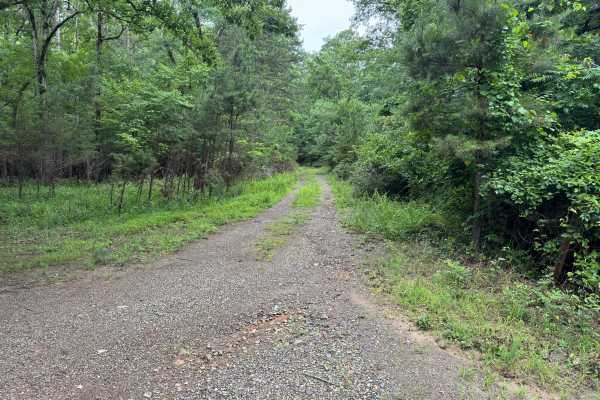
Trail Overview
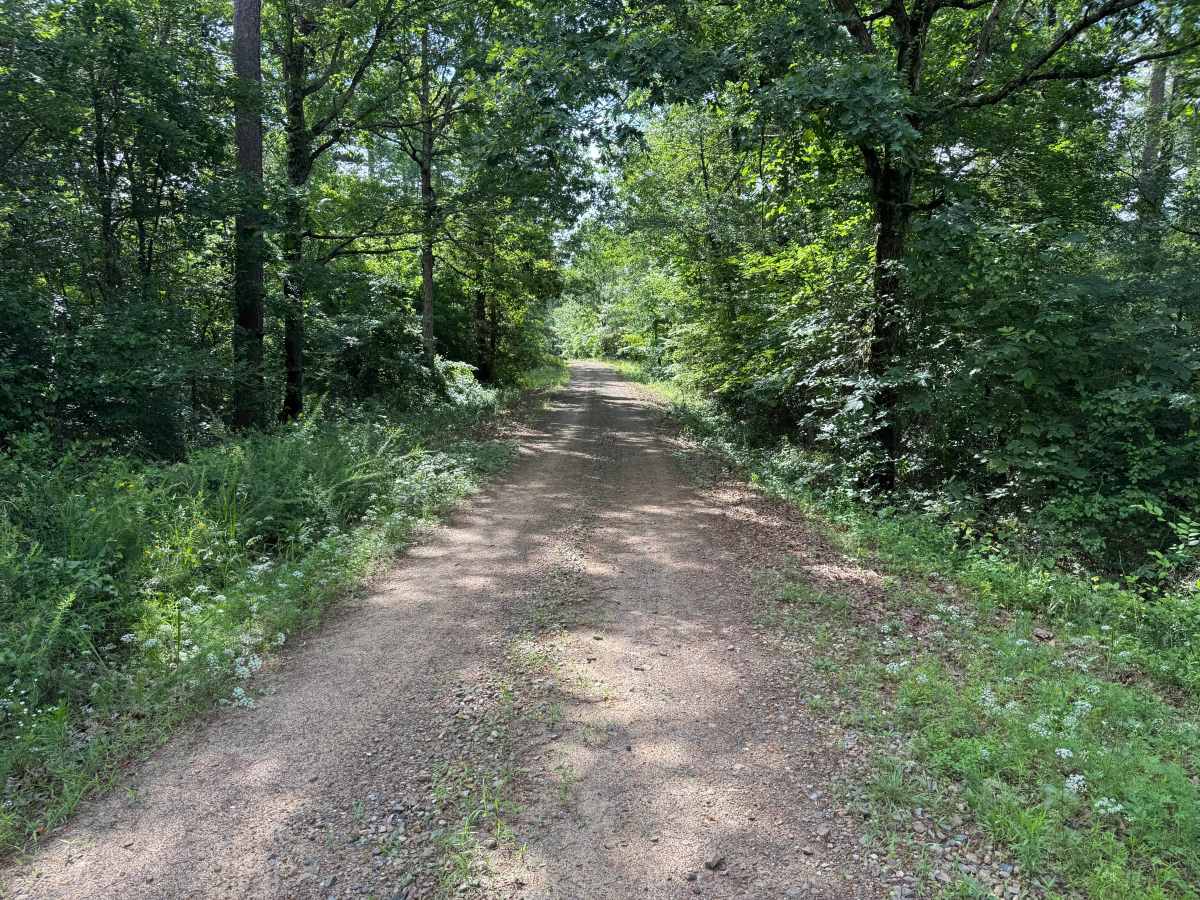
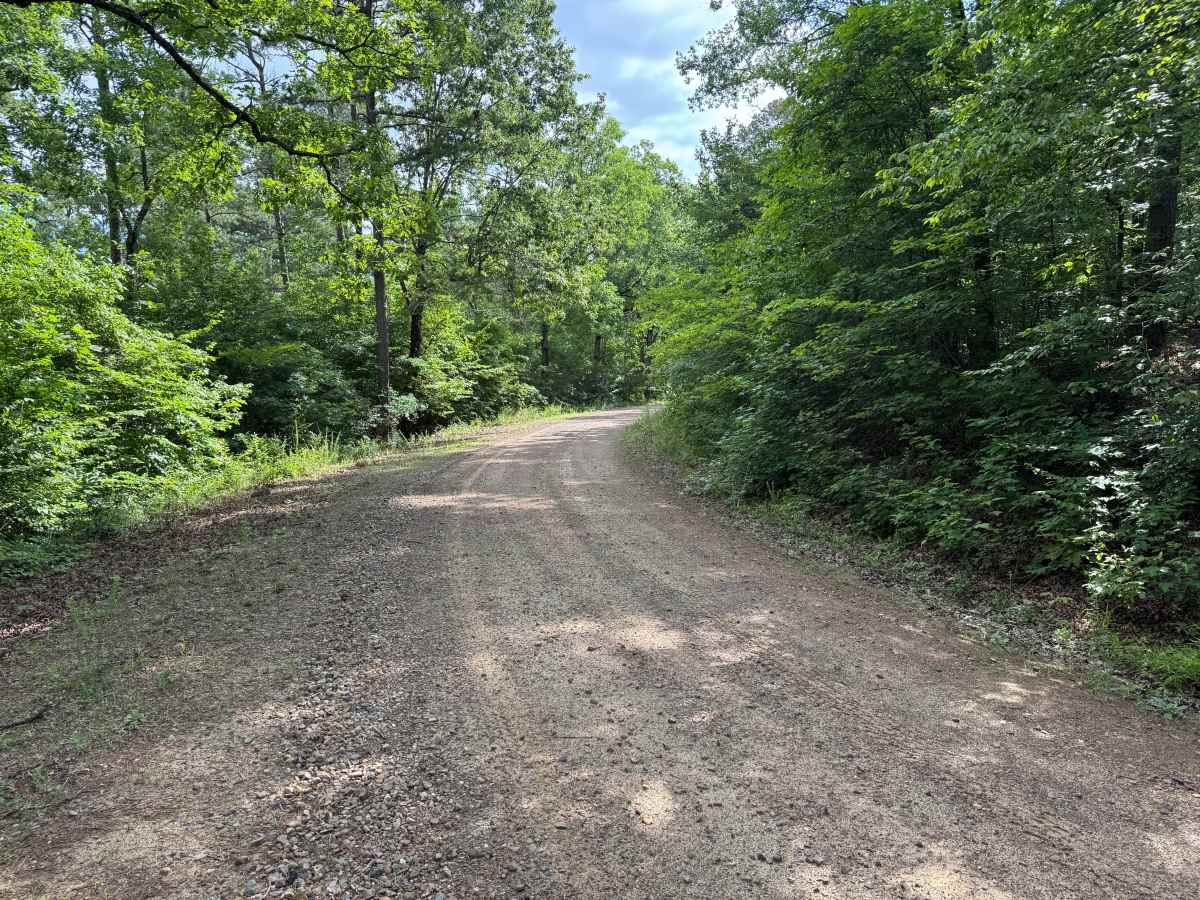
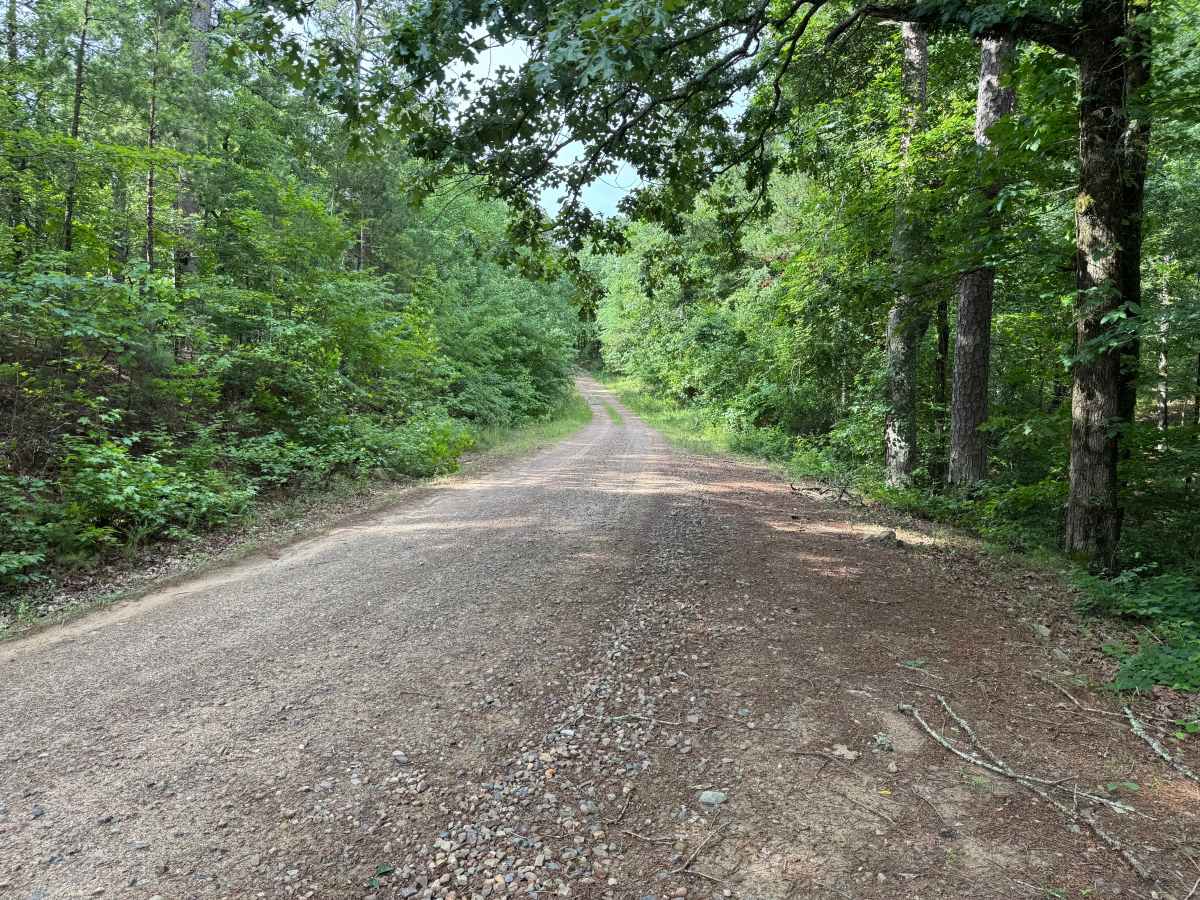
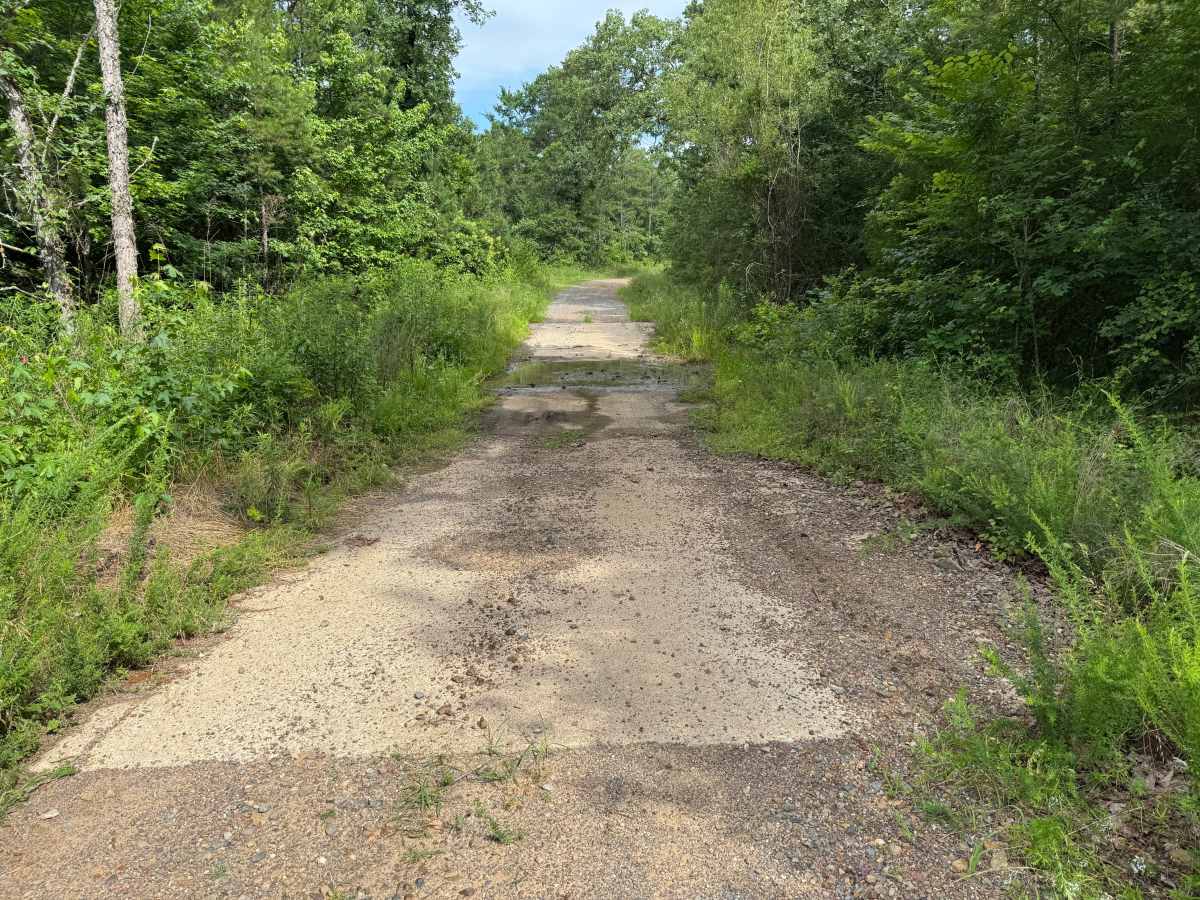
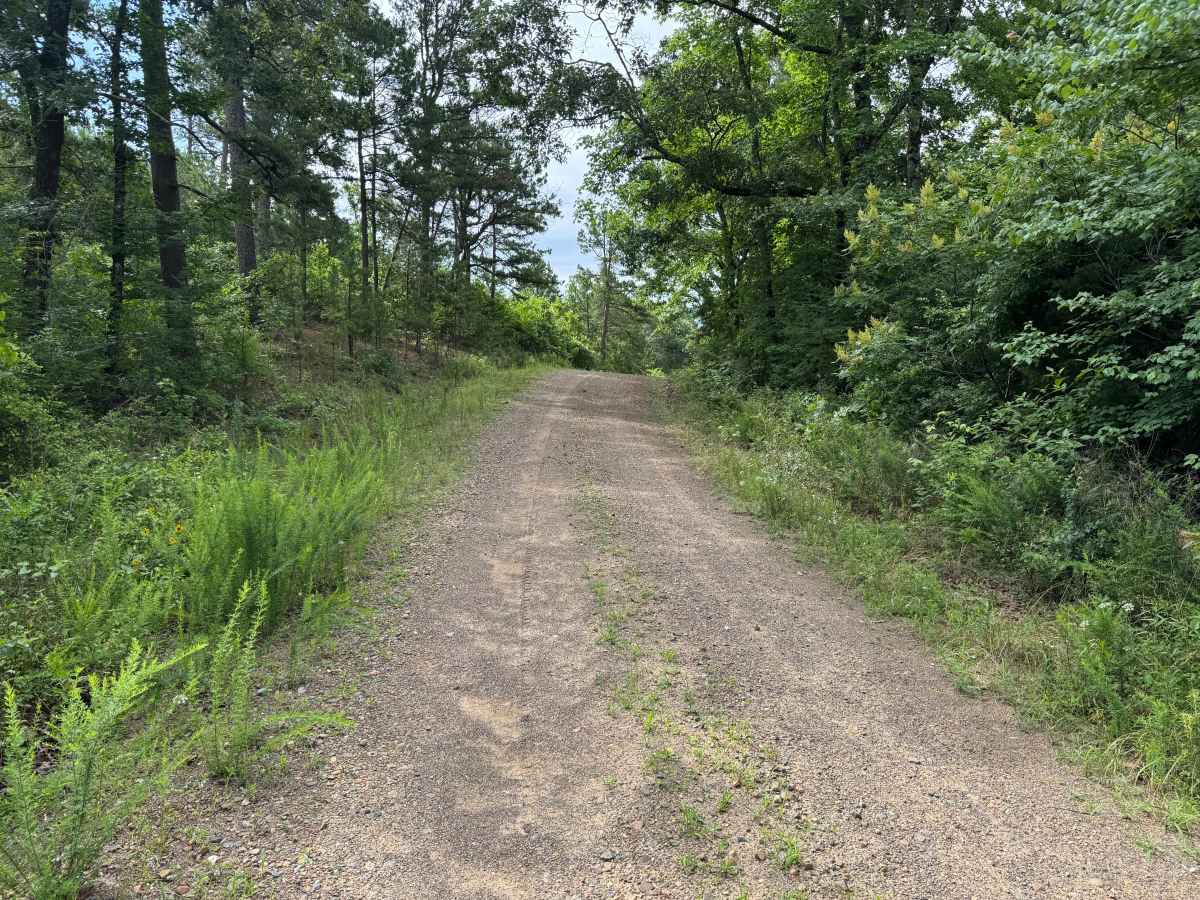
This easy forest connector route travels through a mixture of pine and hardwood timber before eventually transitioning to a paved county road near its end. The trail is primarily one vehicle wide, creating a more secluded feel than some of the wider forest roads in the area. While narrow, there are periodic pull-offs and widened sections where vehicles can safely pass one another when necessary. The route begins on a well-maintained gravel surface and winds through dense forest with gentle curves. Vegetation is generally kept back from the roadway, making the likelihood of pinstriping very low compared to many other roads in the area. Several scenic sections pass beneath a canopy of mature trees, providing shade throughout much of the drive. At approximately the two-mile mark, the road surface transitions from gravel to paved asphalt. This location serves as a convenient turnaround point for travelers looking for a short out-and-back drive. Those wishing to continue can follow the route all the way through to Highway 298. There are no significant obstacles, water crossings, ledges, mud pits, or technical features along this route. The road remains suitable for virtually any street-legal vehicle and provides an easy option for exploring the surrounding forest while connecting to other roads in the area.
Difficulty
The route contains no technical obstacles, water crossings, steep grades, or difficult terrain. The narrow width may require occasional coordination with oncoming traffic, but overall conditions make this one of the easiest roads in the area.
History
The Ouachita National Forest was established in 1907 and is recognized as the oldest national forest in the southern United States. Many roads found throughout the forest today originated as logging, timber management, fire access, or resource extraction routes before becoming part of the modern Forest Service road network. Forest management remains an important part of the landscape, and travelers may encounter evidence of prescribed burns, timber thinning, and habitat restoration efforts. The Ouachita Mountains themselves are among the oldest mountain ranges in North America and are notable for their unique east-west orientation.