Trail Overview
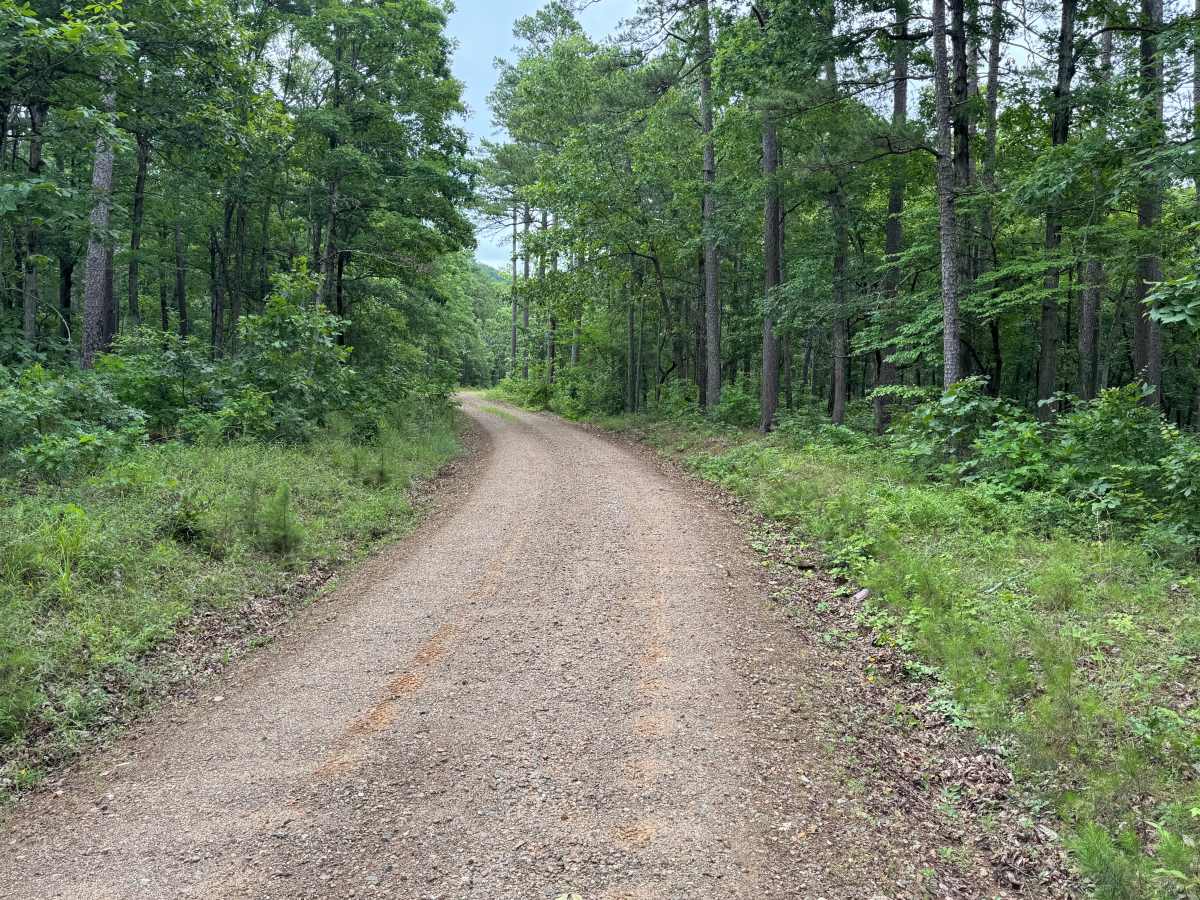
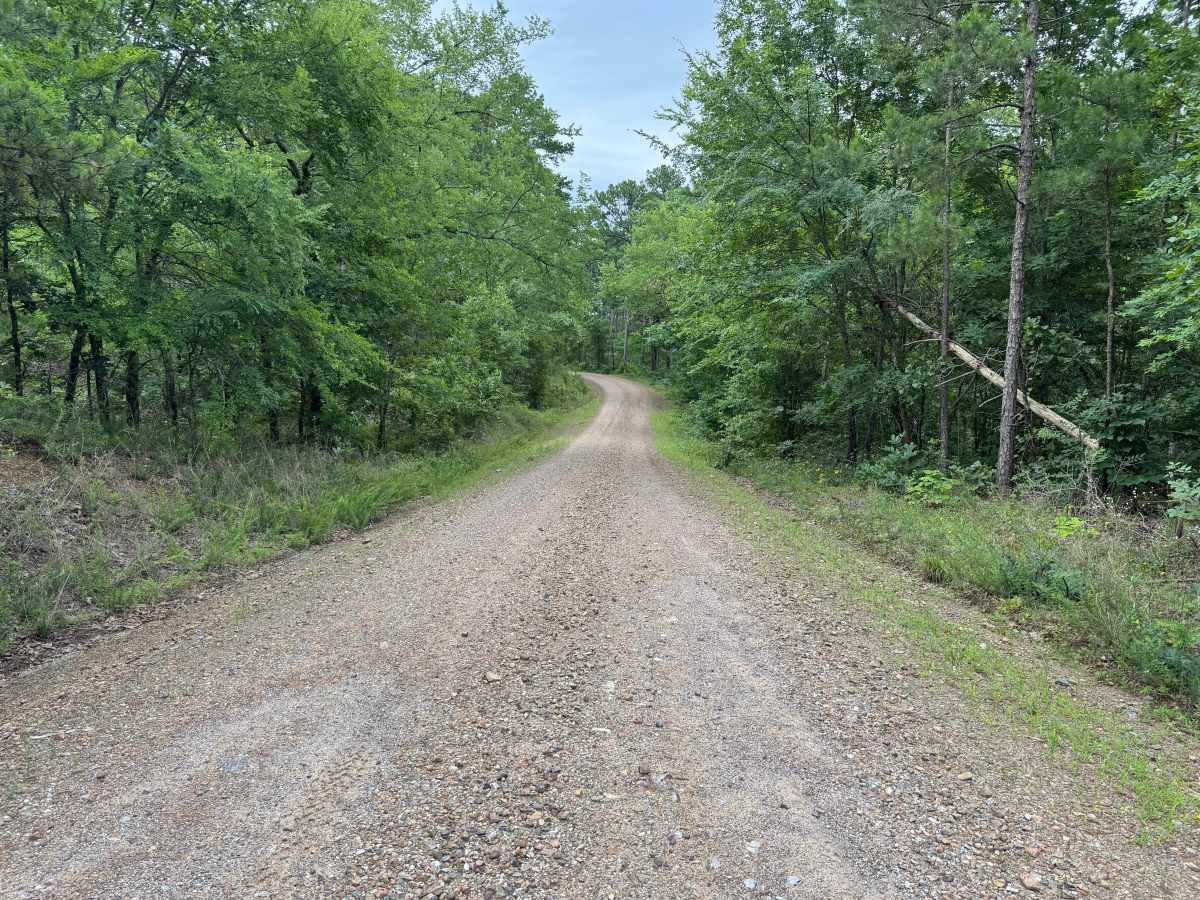
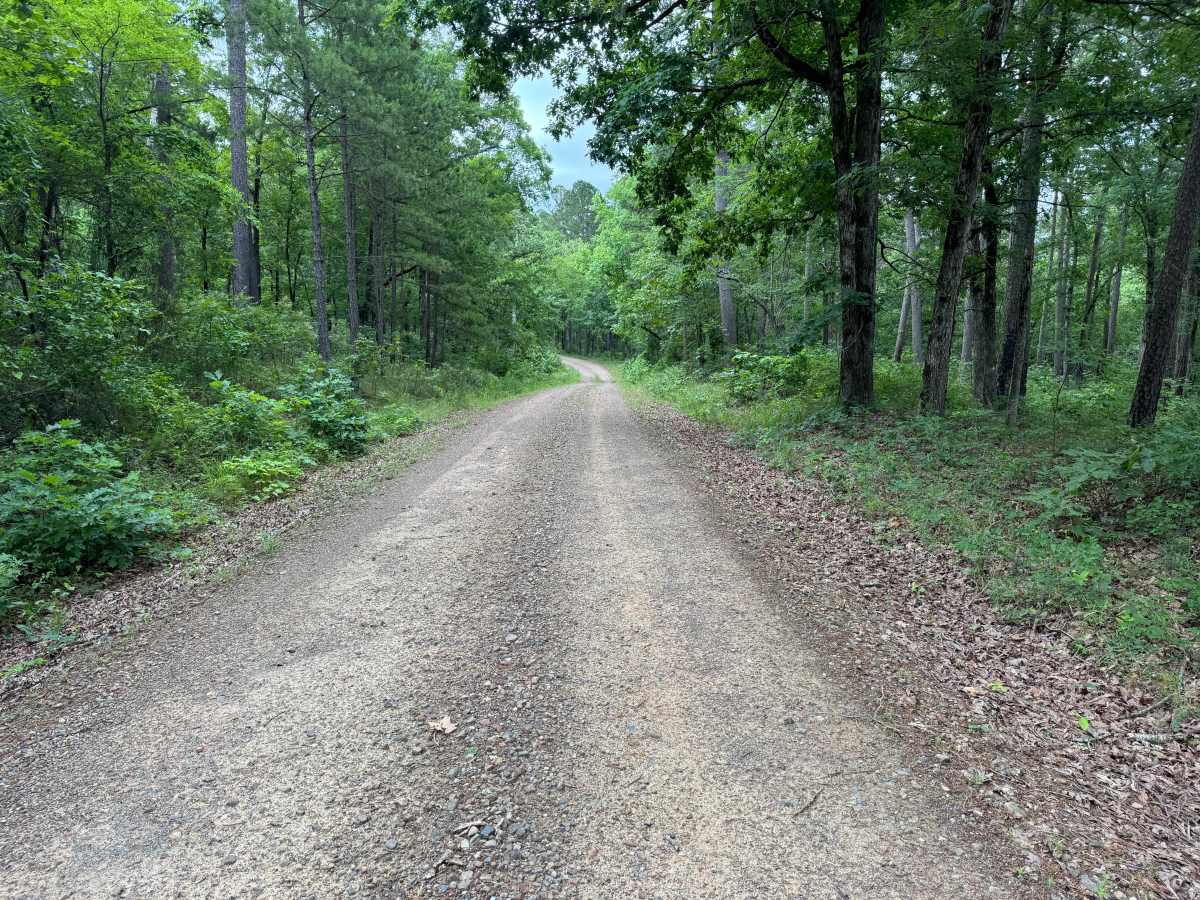
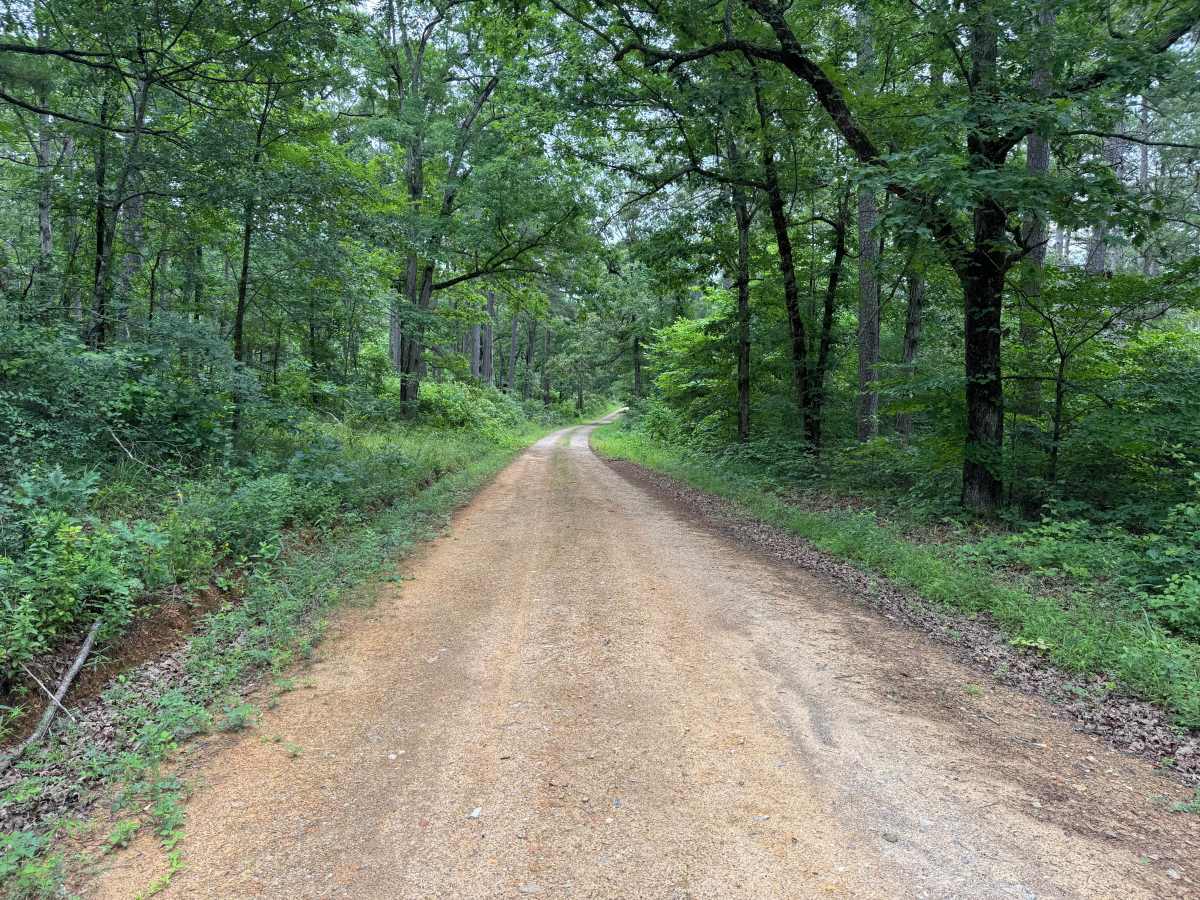
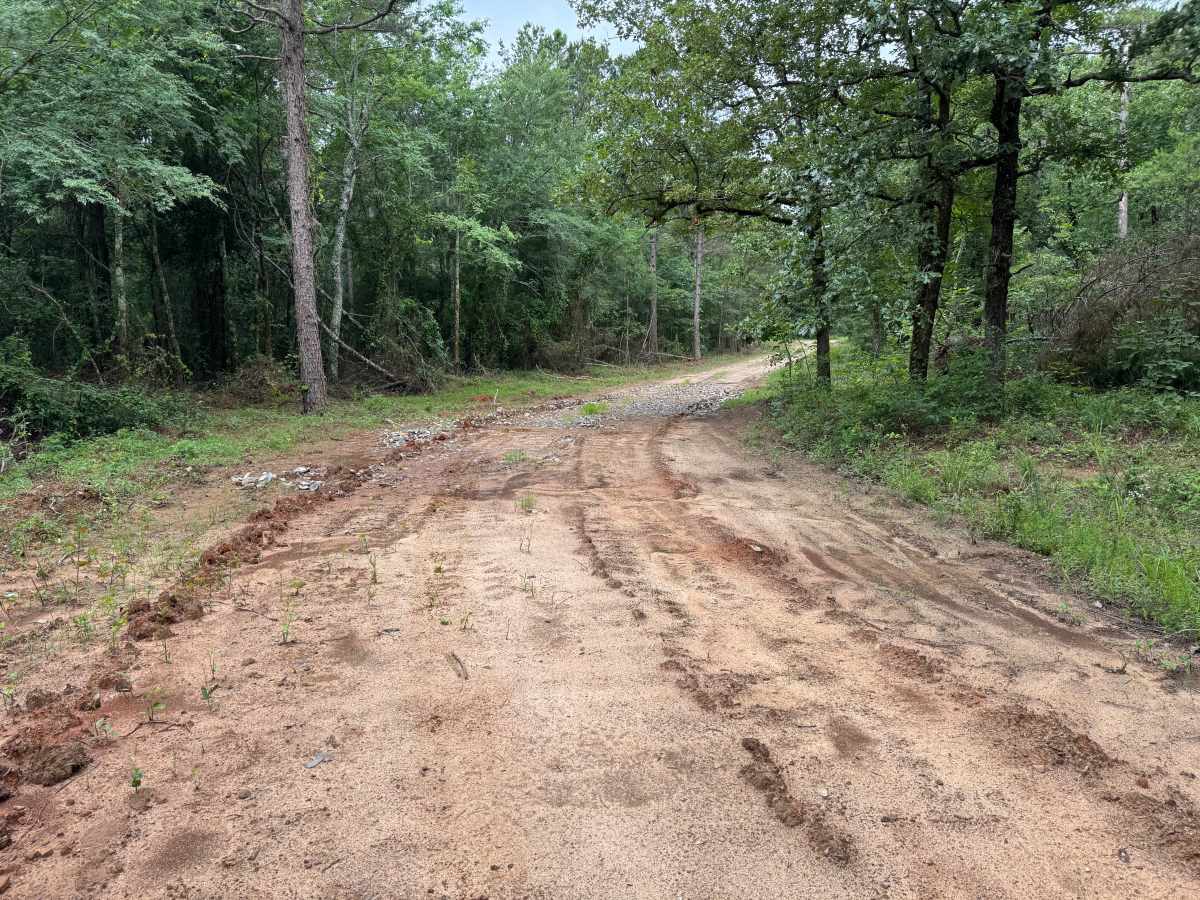
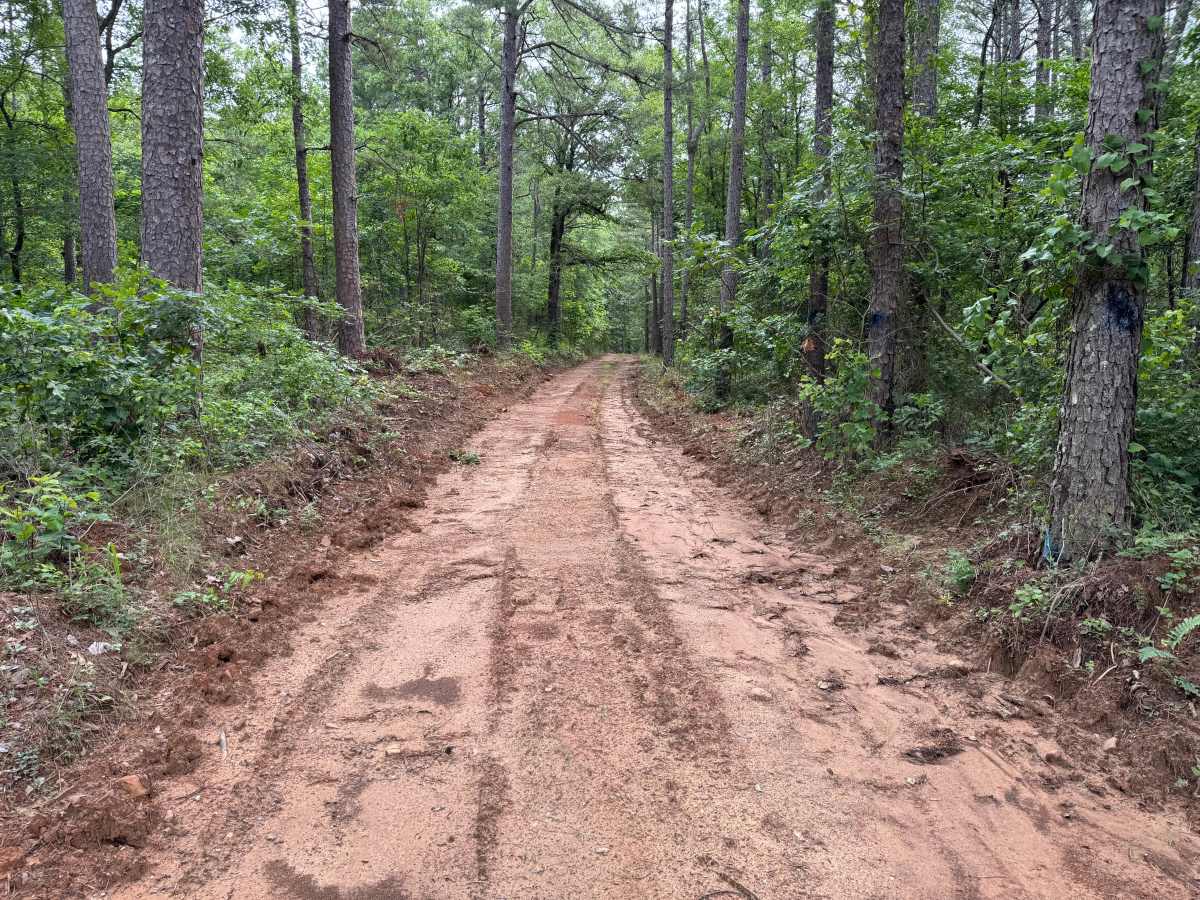
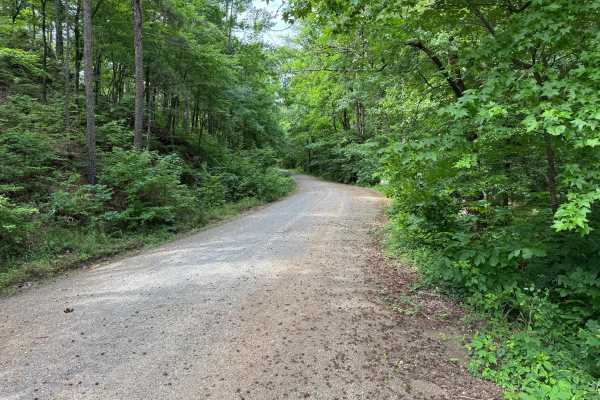
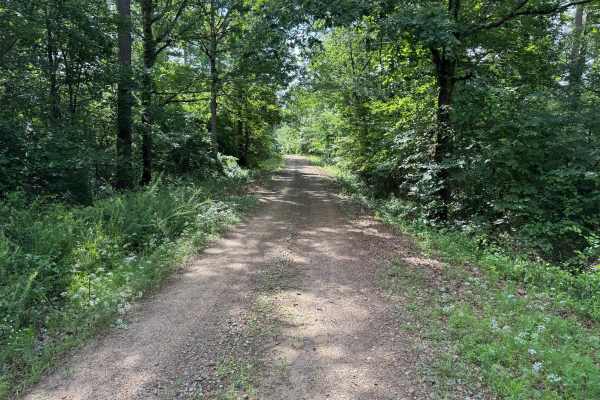
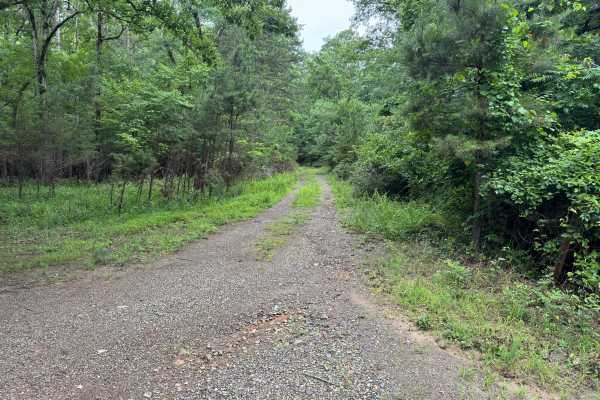
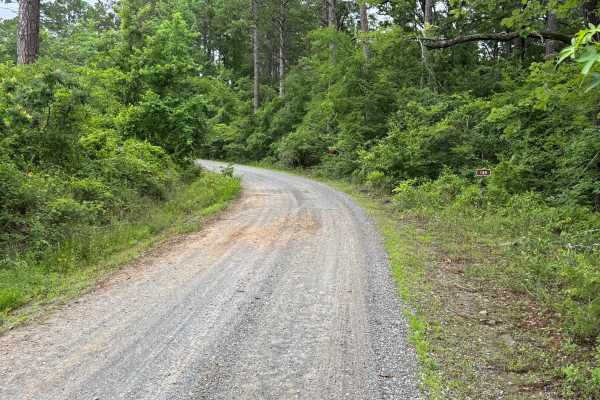
Beginning just off Highway 27, this forest road provides an easy drive through a mixture of pines, hardwood forest, and active timber management areas. The route is approximately one-and-a-half vehicles wide for most of its length, allowing comfortable travel while still maintaining a secluded backcountry feel. Occasional wider sections provide opportunities for oncoming vehicles to pass safely. The route surface consists primarily of gravel and packed dirt, making it accessible to nearly any vehicle during dry conditions. Dense forest canopy provides shade through much of the drive, while occasional openings offer views into recently logged areas. The primary obstacle on this route is a section near Fork Creek that has been heavily impacted by active logging operations. Here, the road transitions from gravel to clay-based soil. During dry weather, this section is generally straightforward, but after rainfall, the clay can become extremely slick and may reduce traction considerably. Drivers should use caution, especially on curves or any slight grades through this area. Aside from the clay section, the route remains well-maintained and easy to navigate. It serves as a good scenic connector road for travelers exploring the surrounding forest road network while providing a glimpse into the area's active timber industry.
Difficulty
There are no significant obstacles, steep climbs, water crossings, or technical features. The only factor that may increase difficulty is the clay logging section, which can become slick when wet. Under normal conditions, the route is suitable for nearly all vehicles.
History
The Ouachita National Forest was established in 1907 and is recognized as the oldest national forest in the southern United States. Many roads found throughout the forest today originated as logging, timber management, fire access, or resource extraction routes before becoming part of the modern Forest Service road network. Forest management remains an important part of the landscape, and travelers may encounter evidence of prescribed burns, timber thinning, and habitat restoration efforts. The Ouachita Mountains themselves are among the oldest mountain ranges in North America and are notable for their unique east-west orientation.