Trail Overview
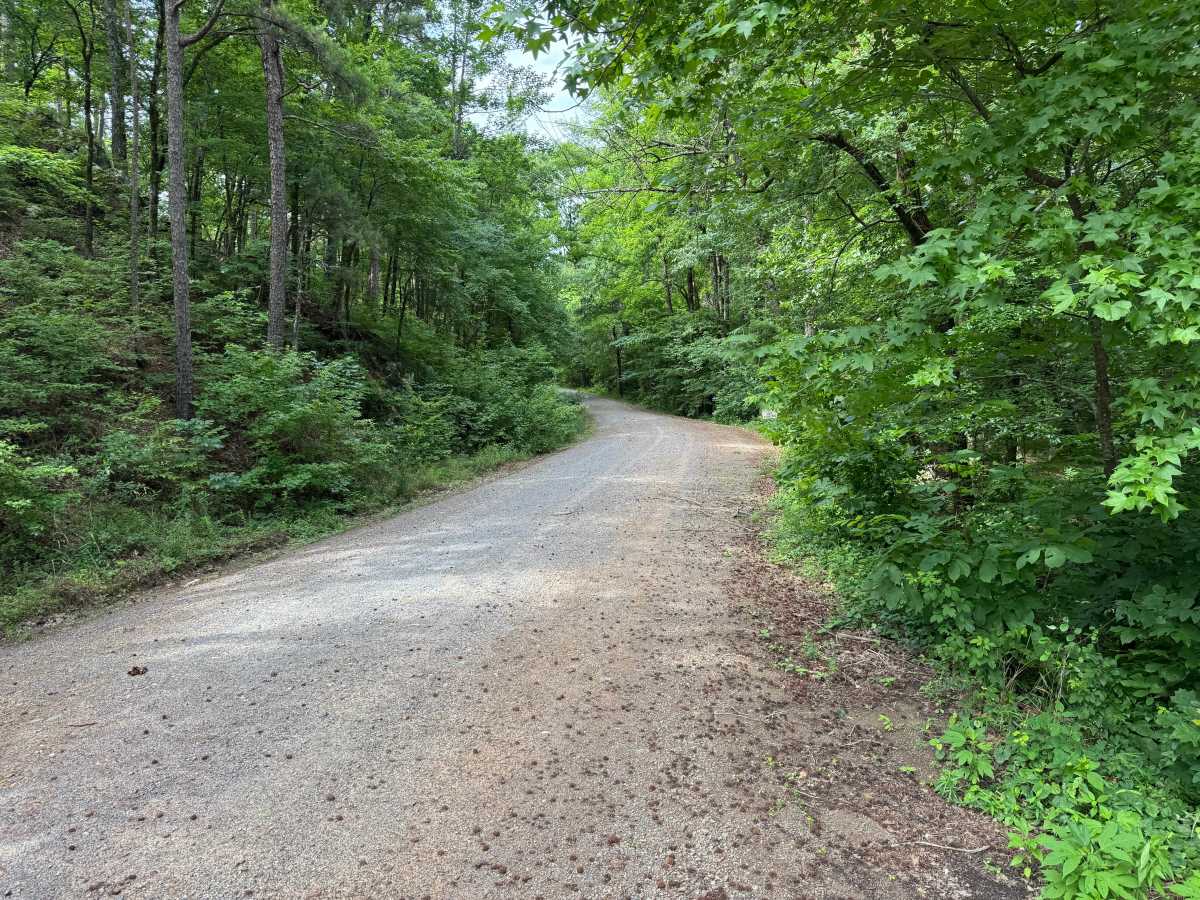
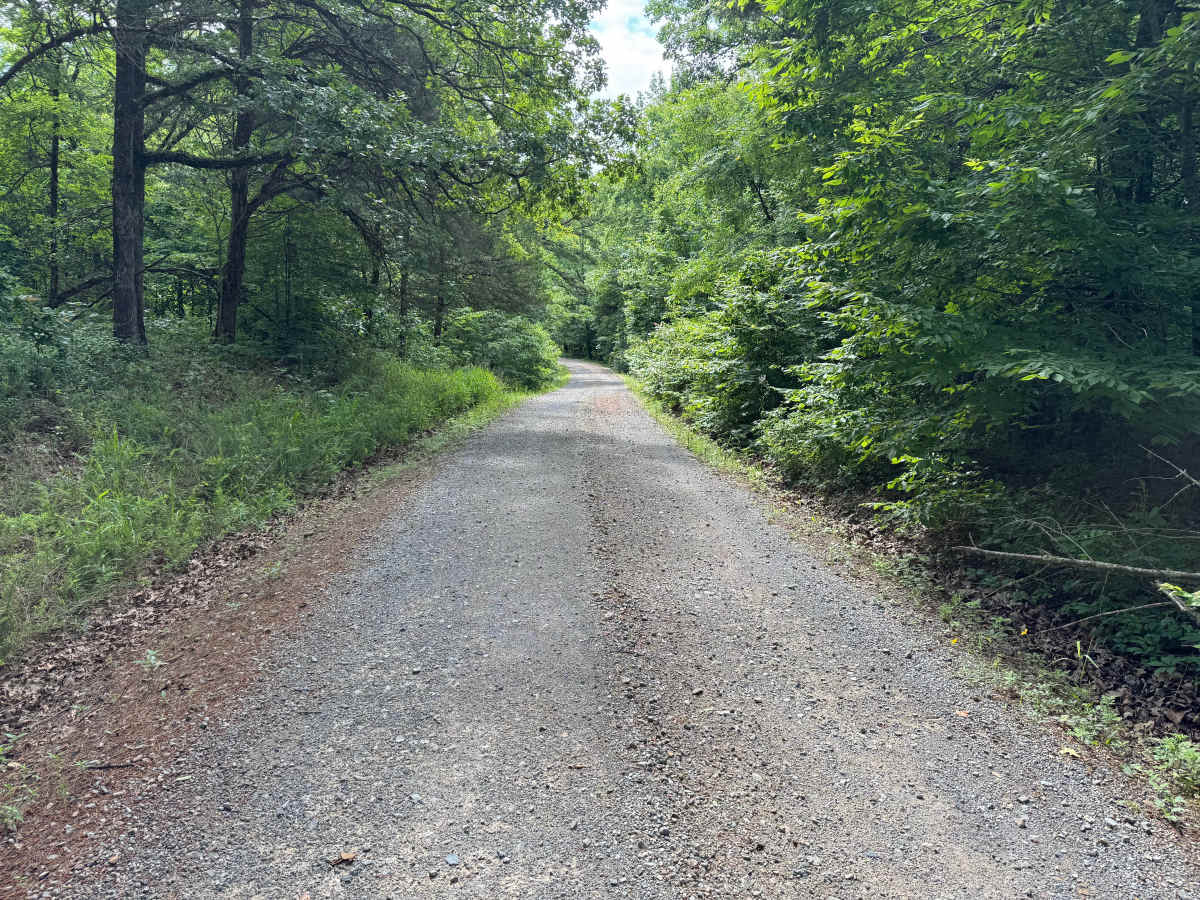
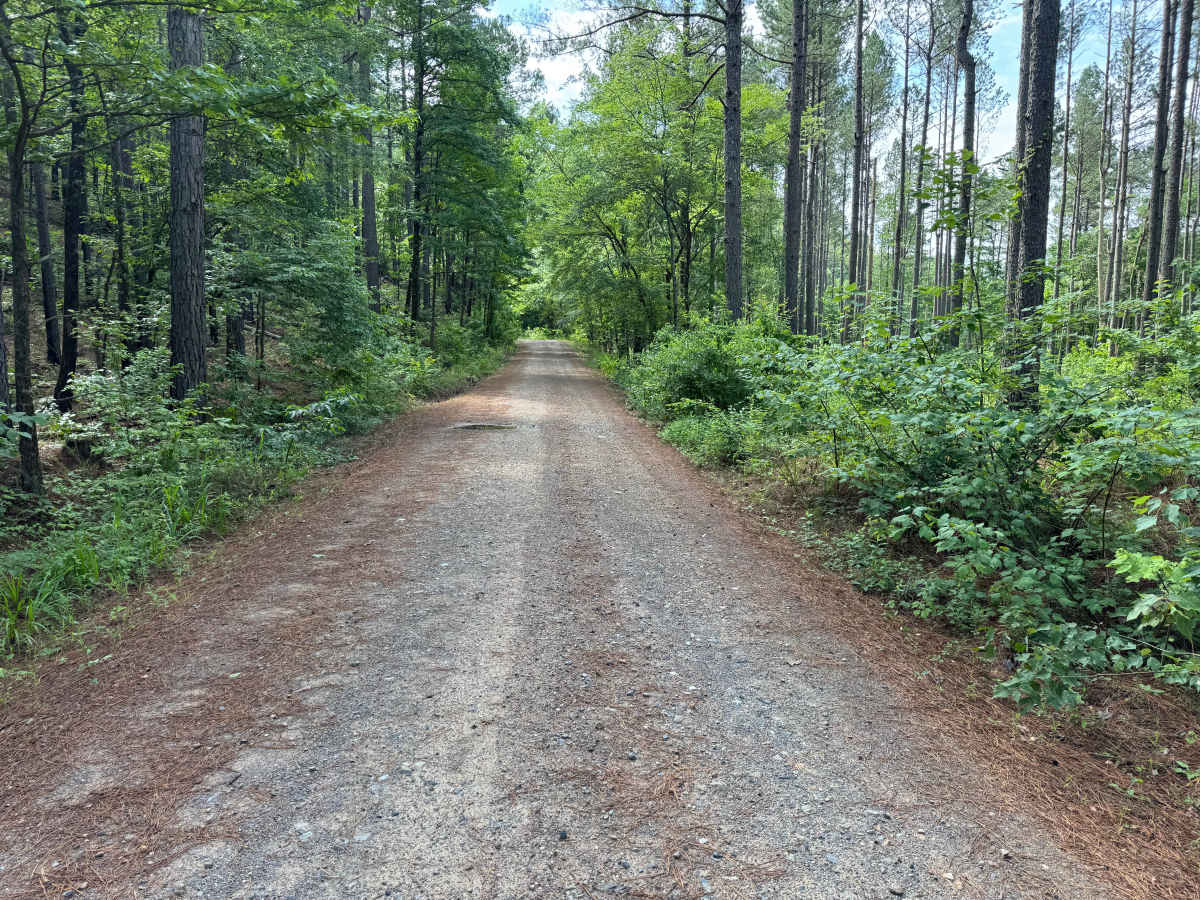
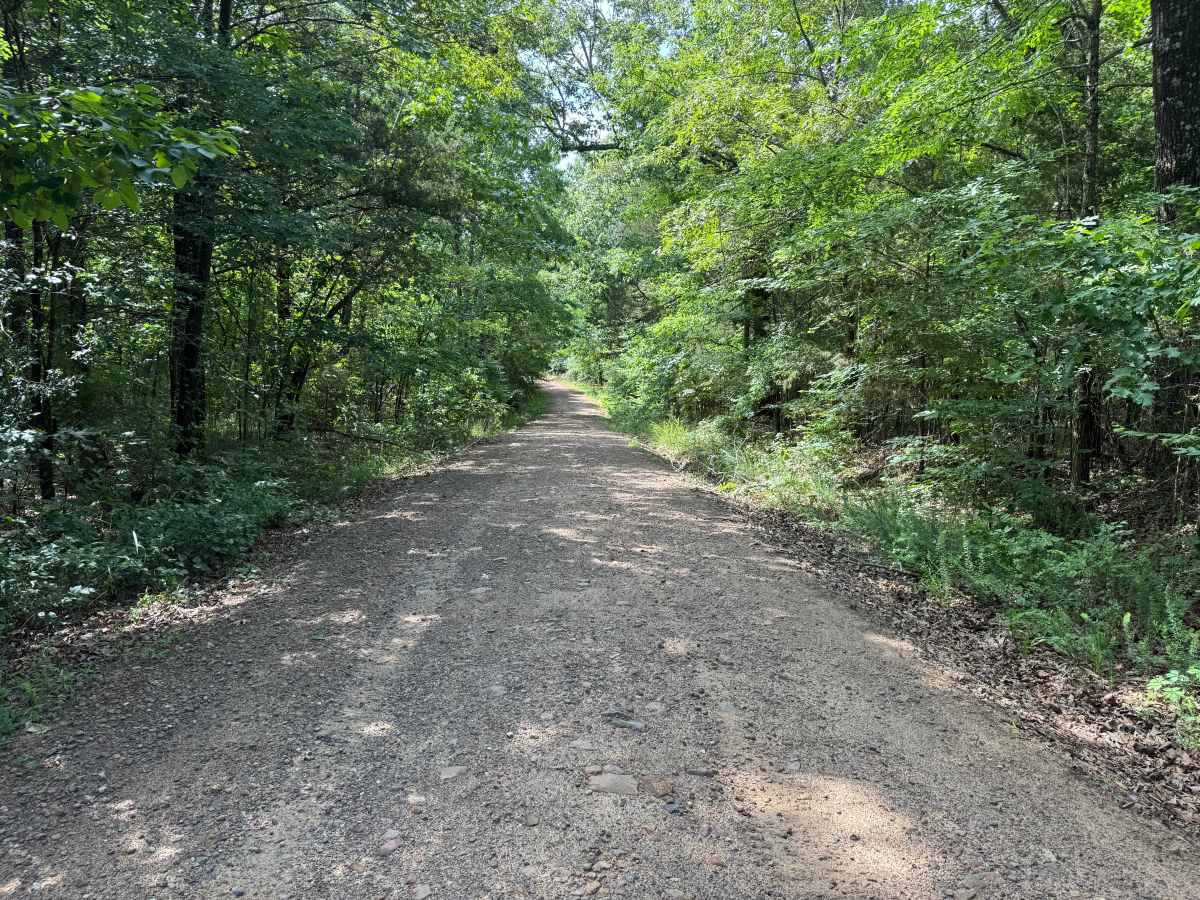
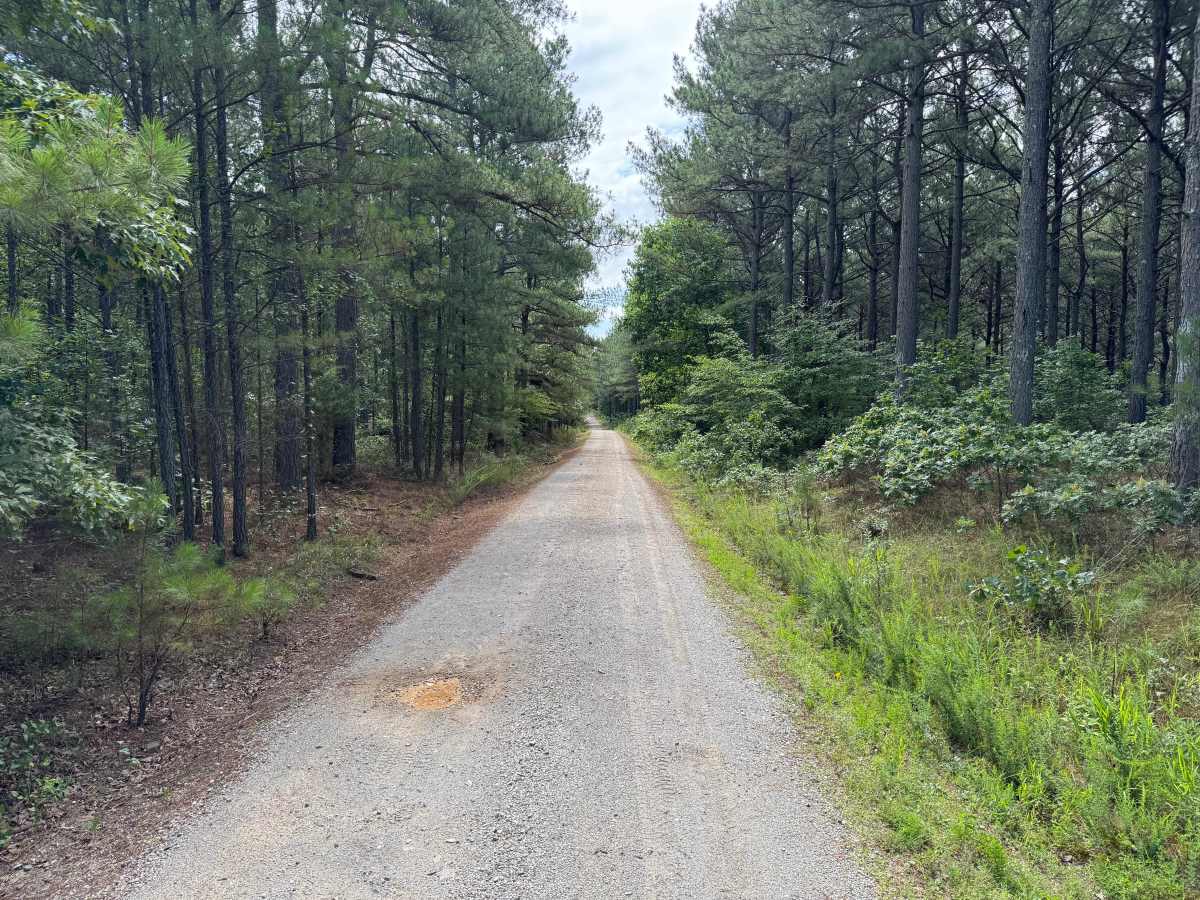
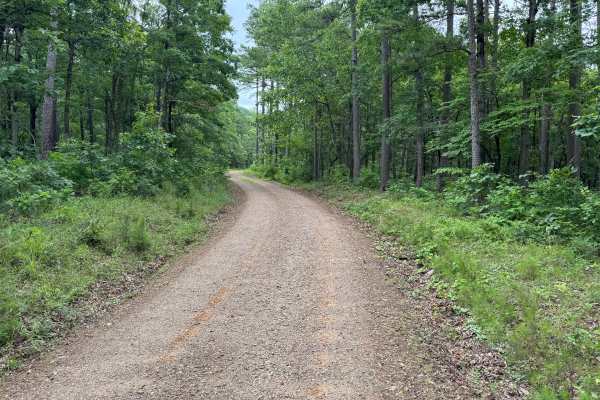
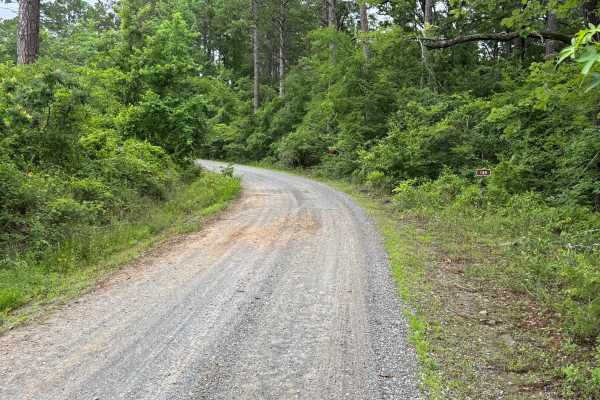
Gladstone (Forest Road 11) is an easy, well-maintained gravel road suited for passenger cars, serving as a primary access corridor into the Stillwater area of the Ouachita National Forest. Extending east from AR-27, the route follows the Irons Fork before transitioning toward the Cedar Creek drainage, maintaining a wide, graded surface that is typically smooth and predictable in dry conditions. The terrain is characterized by gentle elevation changes and long, flowing segments, making it a comfortable drive for a wide range of vehicles. Minor surface features such as loose gravel, light washboarding, and shallow drainage dips may develop over time, particularly after periods of heavy use or weather.
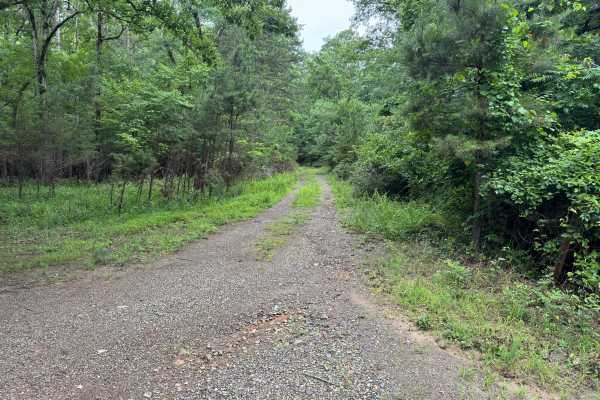
As the road continues deeper into the forest, it connects multiple access points and intersects with secondary routes, eventually reaching Muse Creek Road (FR 78). Its alignment along creek drainages introduces occasional soft spots or minor erosion near low-lying sections, especially after rainfall, though overall conditions remain manageable year-round under normal circumstances. The route sees mixed traffic, including passenger vehicles, ATVs, and SxS, requiring attention around curves and intersections. With its consistent surface and role as a central connector, FR 11 provides reliable access while still offering a scenic drive through forested terrain shaped by nearby waterways.
Difficulty
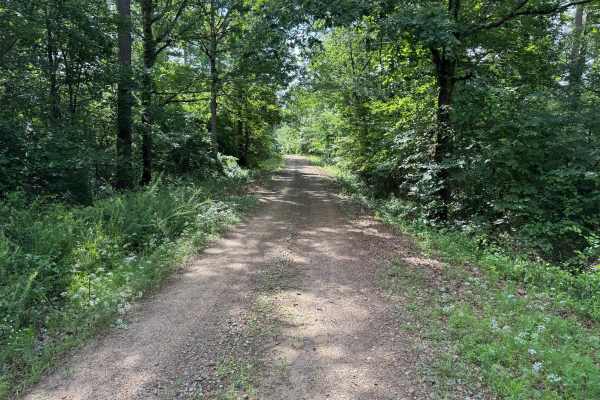
No technical obstacles, rock ledges, deep water crossings, or significant off-camber sections were observed. The primary considerations are the narrow road width, occasional muddy areas, and the possibility of low branches or fallen trees after storms.
History
The Ouachita National Forest was established in 1907 and is recognized as the oldest national forest in the southern United States. Many roads found throughout the forest today originated as logging, timber management, fire access, or resource extraction routes before becoming part of the modern Forest Service road network. Forest management remains an important part of the landscape, and travelers may encounter evidence of prescribed burns, timber thinning, and habitat restoration efforts. The Ouachita Mountains themselves are among the oldest mountain ranges in North America and are notable for their unique east-west orientation.