Trail Overview
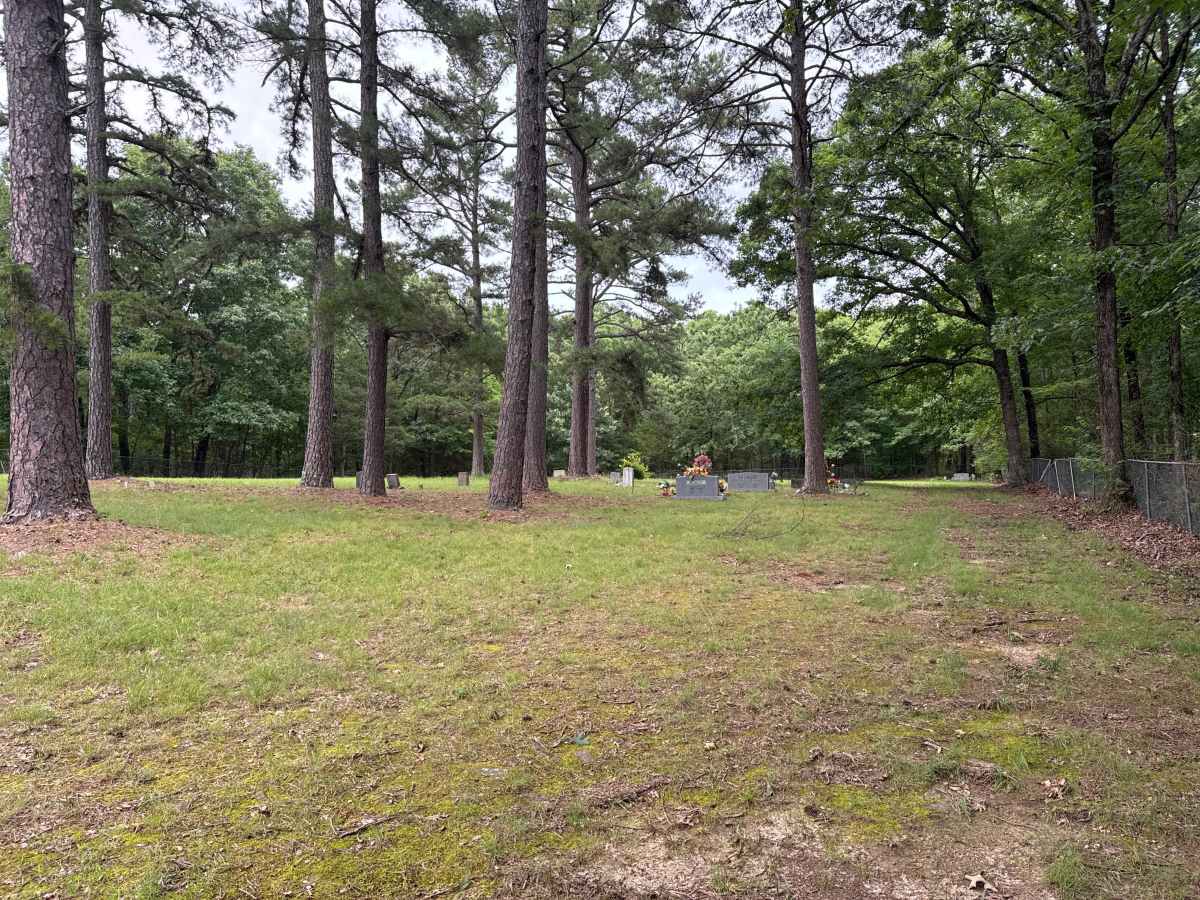
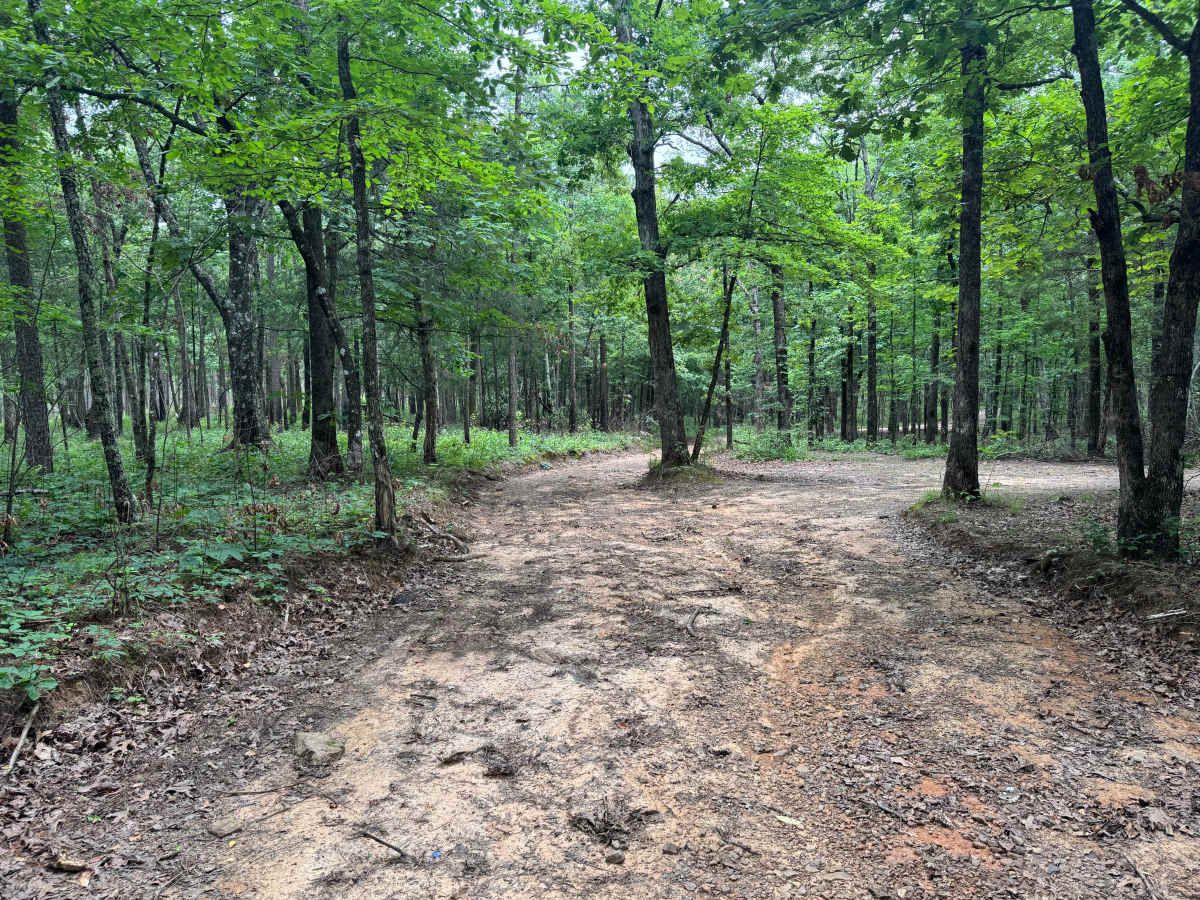
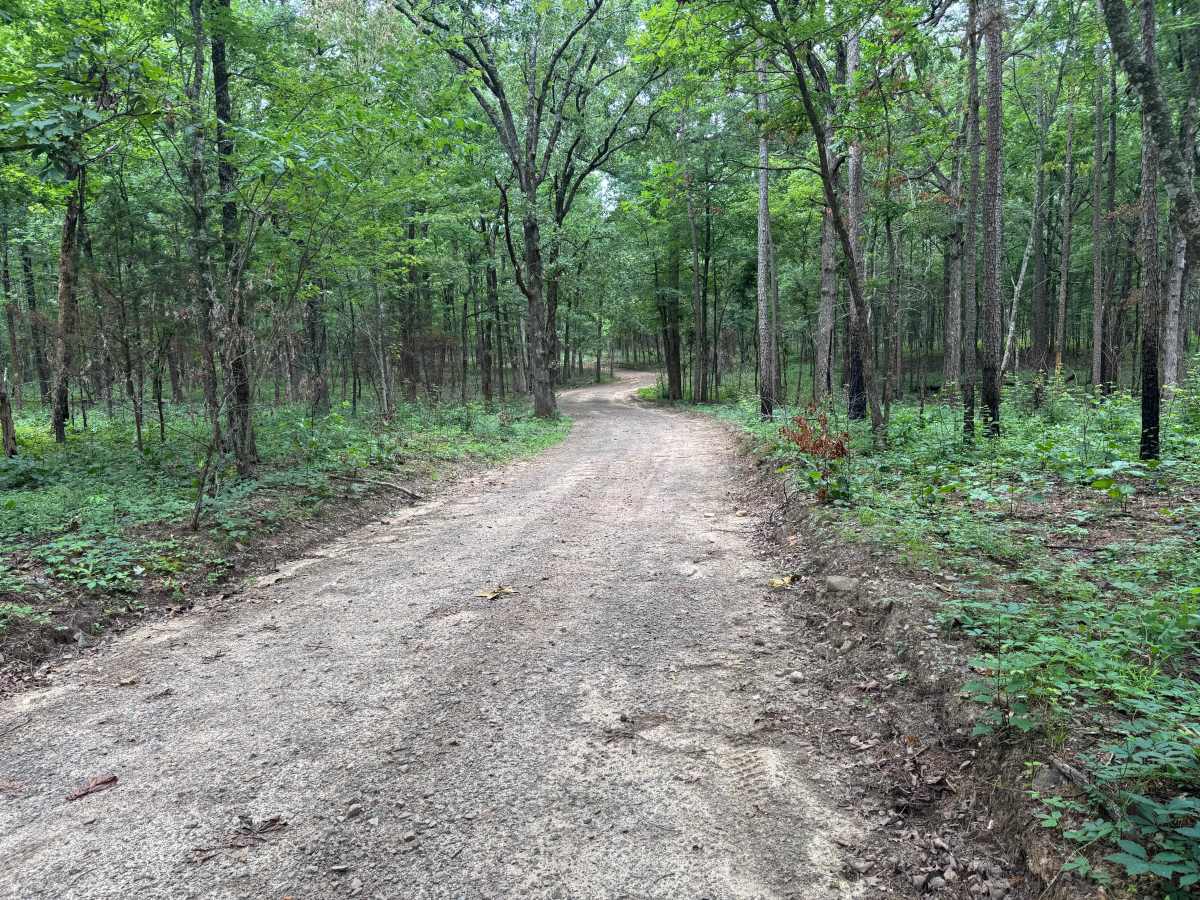
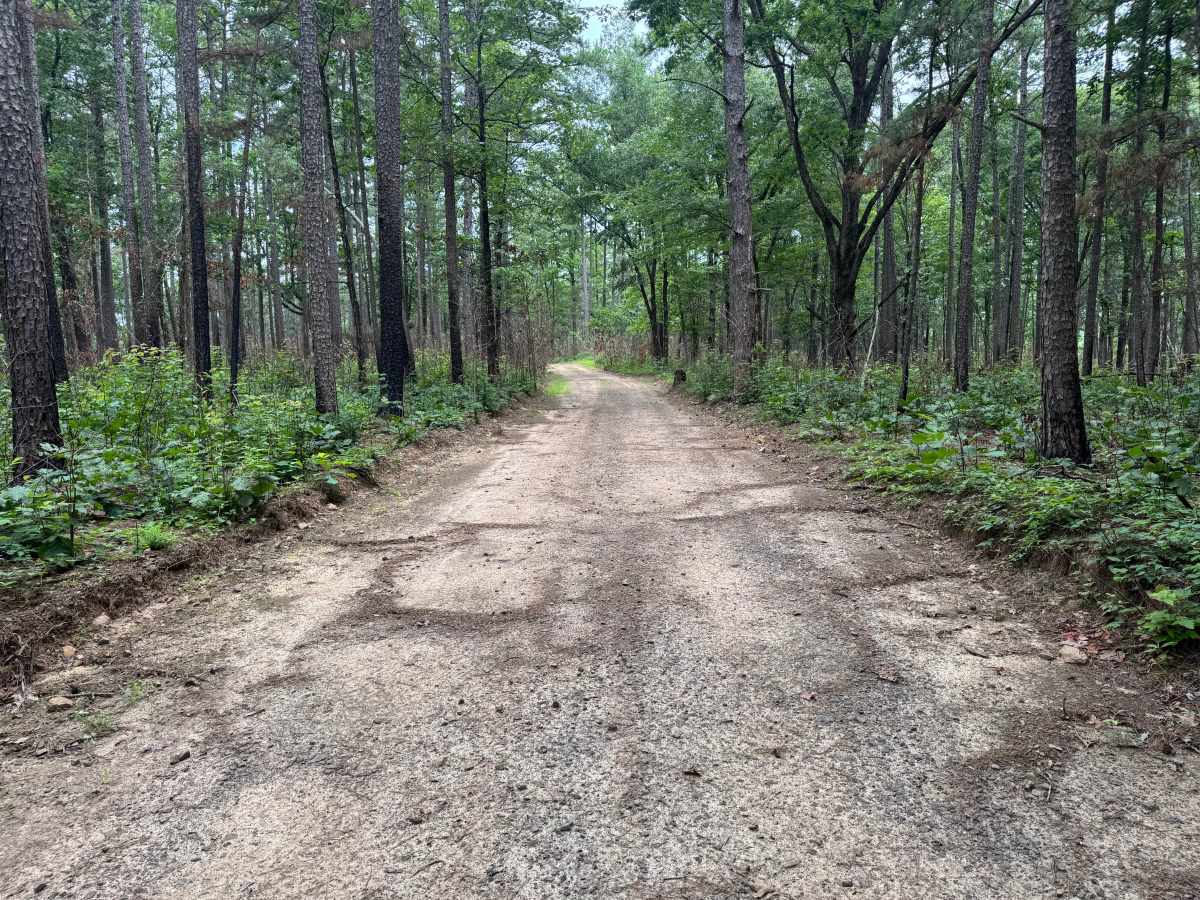
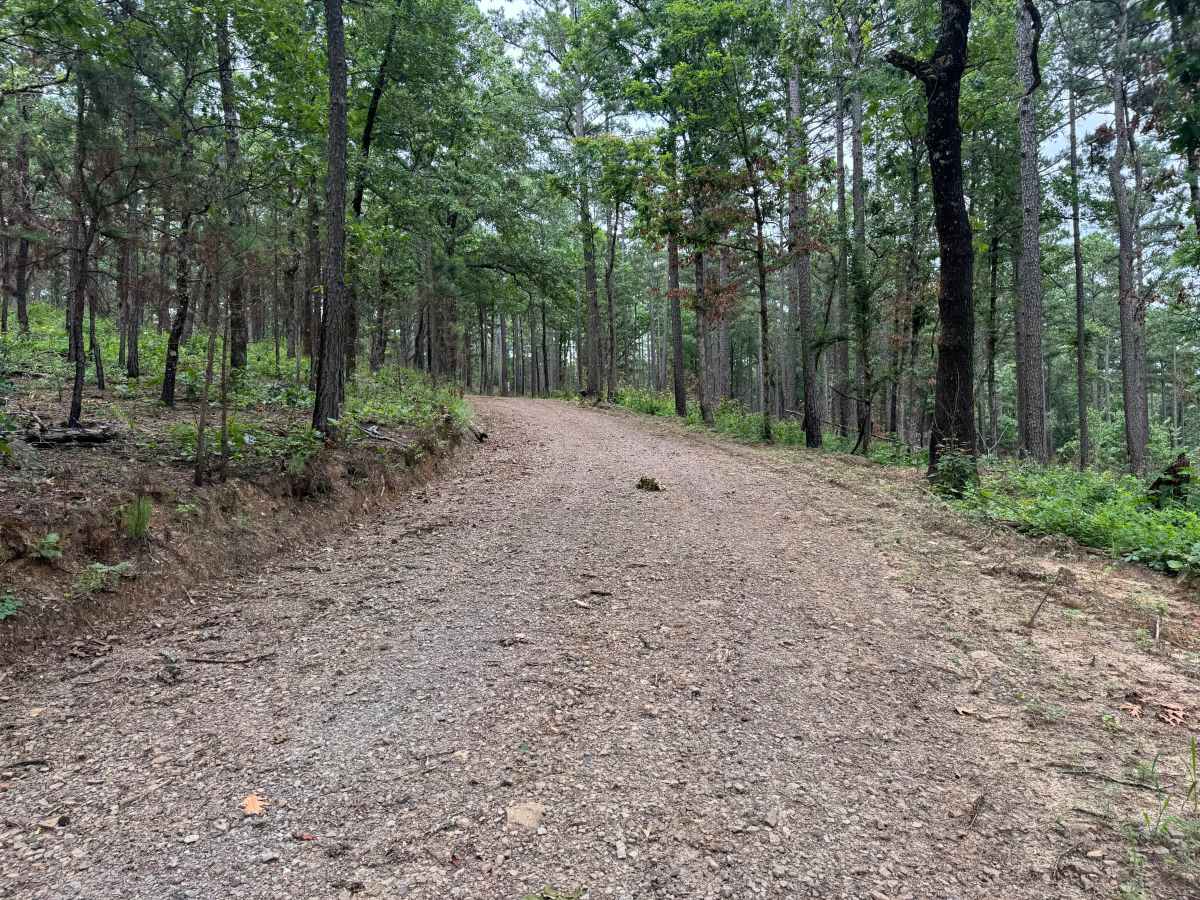
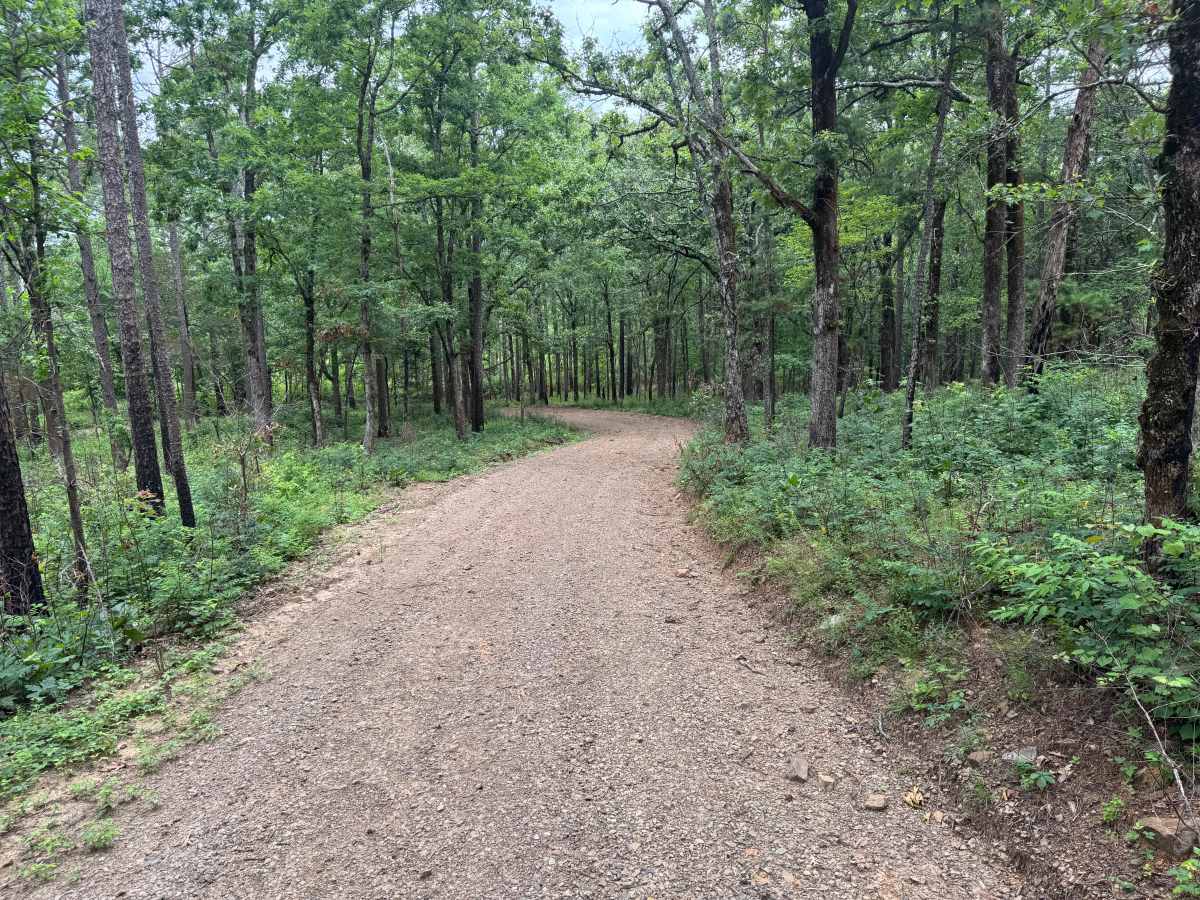
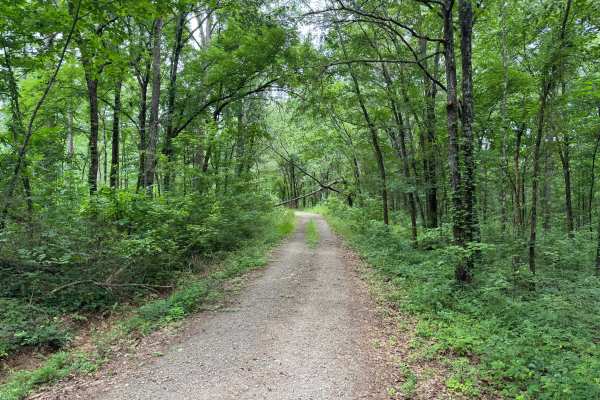
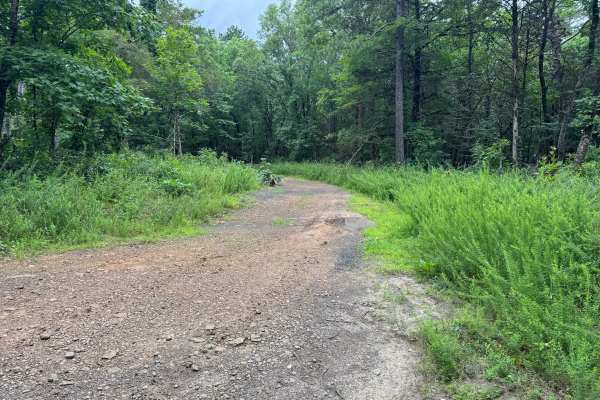
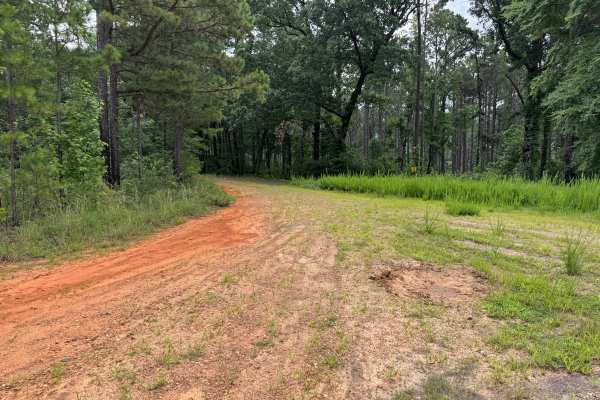
The route begins on a gently climbing gravel road before winding through a quiet forest of towering pines and mature hardwoods. The route is generally well maintained but shows signs of only periodic grading, with scattered loose gravel, minor washboarding, and shallow drainage along the edges. As you travel, the dense forest creates a peaceful atmosphere, with sunlight filtering through the canopy onto the route. The route ends at a small historic cemetery nestled among large pine trees that have likely stood watch over the site for generations. The cemetery contains the graves of many of the area's pioneering families, with some burials dating back to the mid-1800s when this part of the region was first being permanently settled. In addition to early civilian settlers, visitors will also find the resting places of military veterans who served during World War I, World War II, and the Korean War, reflecting generations of local history and service. Family cemeteries like this were common throughout rural America, serving as burial grounds for early homesteads long before larger community cemeteries became established. Today, the cemetery remains an important reminder of the people who helped shape the surrounding community and preserve its history. Despite its historical significance, the cemetery retains a quiet and respectful setting. Large pines provide shade over many of the headstones, while the surrounding forest helps isolate the site from modern development. The route itself is easy to drive in virtually any vehicle and makes for an enjoyable excursion whether you are interested in local history, photography, or simply taking a peaceful drive through the woods.
Difficulty
The route consists primarily of maintained gravel with a gentle initial climb, gradual curves, and no significant technical obstacles. There are no ledges, deep ruts, or water crossings to negotiate. While the surface may become slick after heavy rain and loose gravel can reduce traction in some corners, the route remains straightforward for most drivers. The primary attraction is the historic cemetery and the scenic forest setting rather than challenging terrain. As always, watch for occasional downed branches, wildlife, and oncoming traffic on the narrow sections of road.
History
The Ozark National Forest was established in 1908 and today forms part of the Ozark-St. Francis National Forests, protecting more than one million acres across northern Arkansas. Many of the Forest Service roads traveled today began as logging, fire access, or resource management roads before becoming part of the modern recreation network. Forest management continues to play an important role in maintaining healthy ecosystems through timber management, prescribed fire, wildlife habitat restoration, and watershed protection. The rugged Boston Mountains and surrounding Ozark Highlands remain one of the oldest and most geologically significant mountain regions in North America, offering visitors a unique combination of natural beauty and rich forest history.