Trail Overview
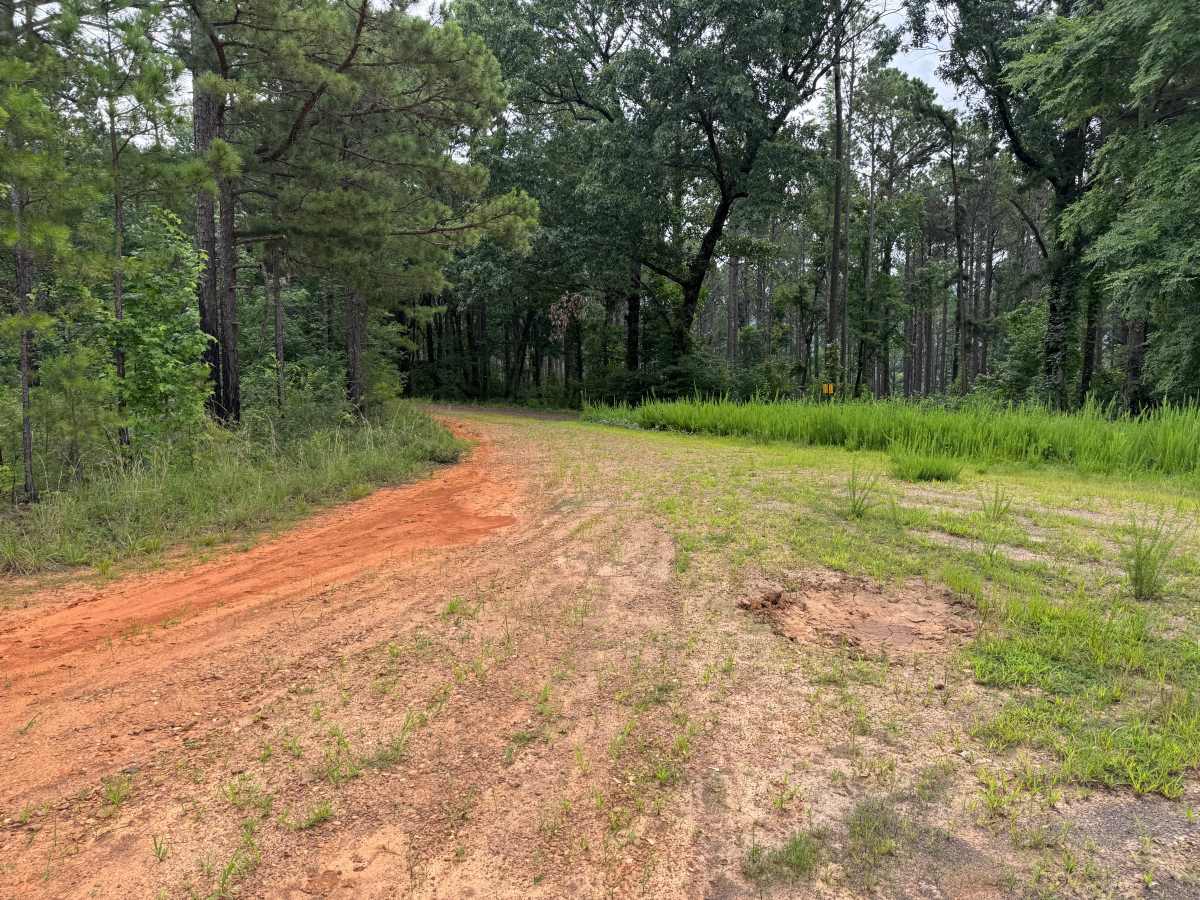
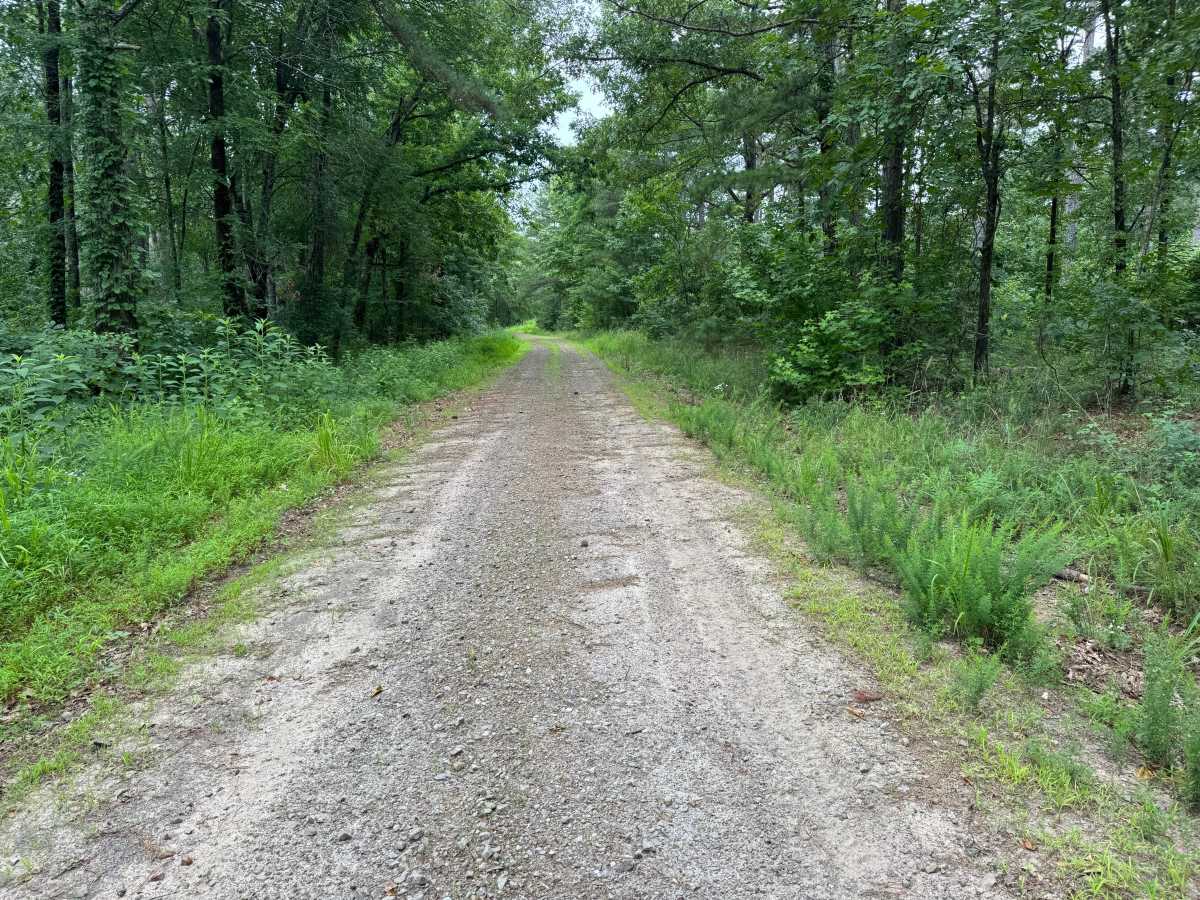
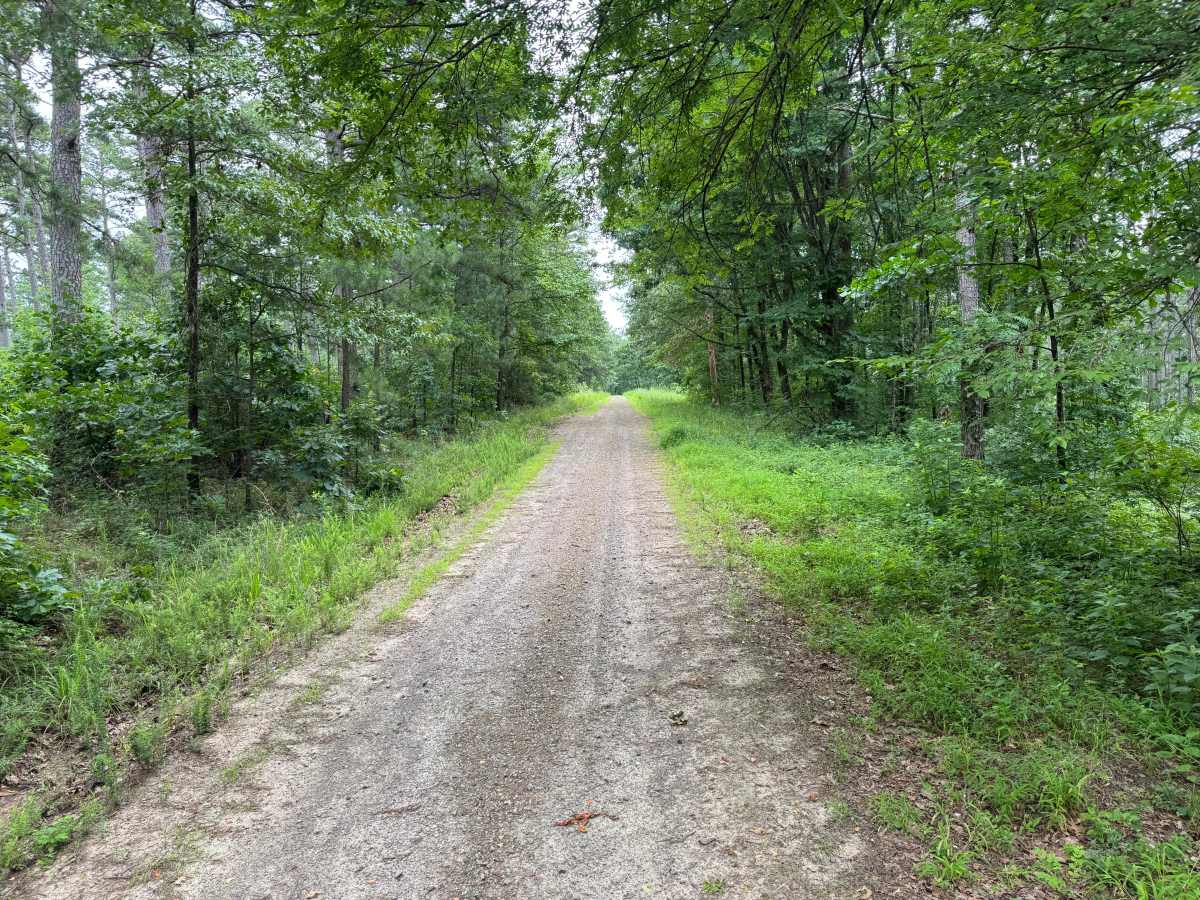
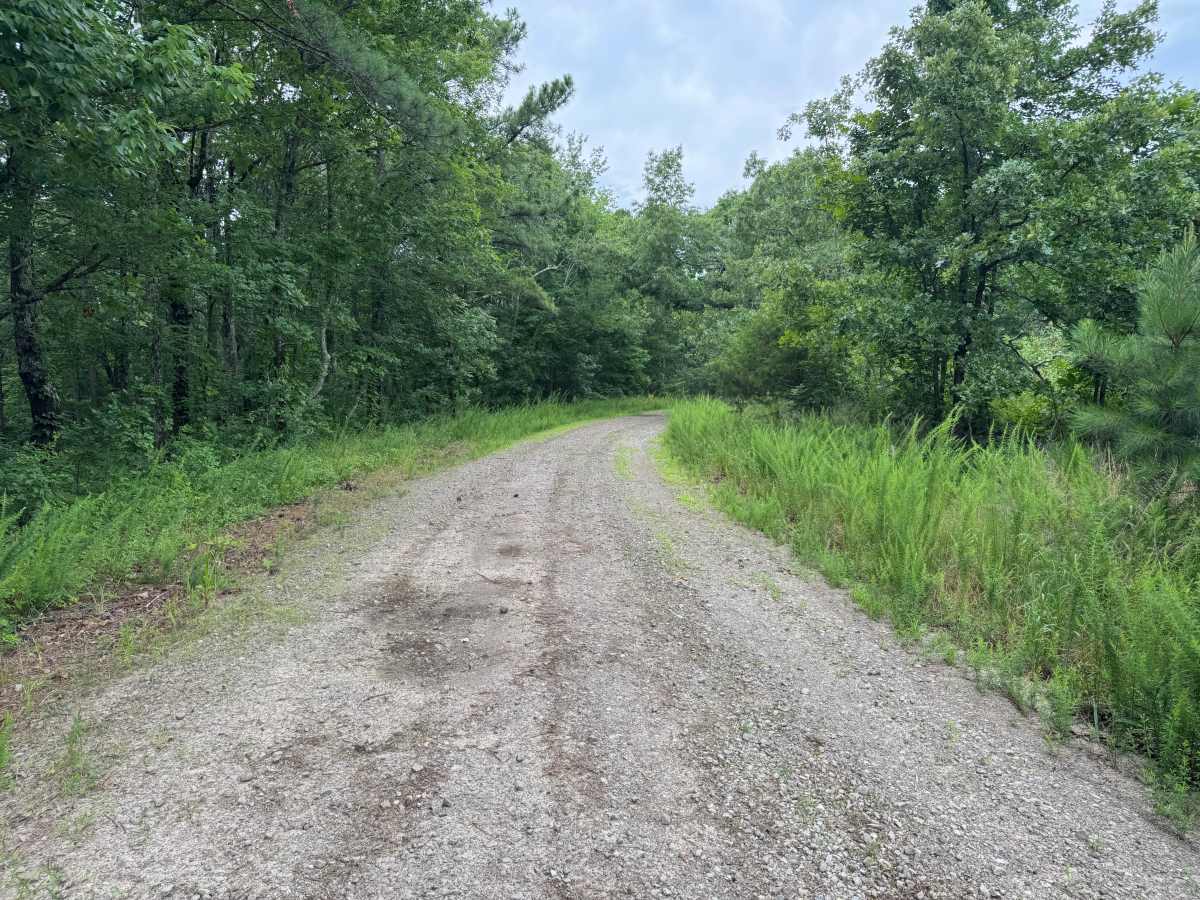
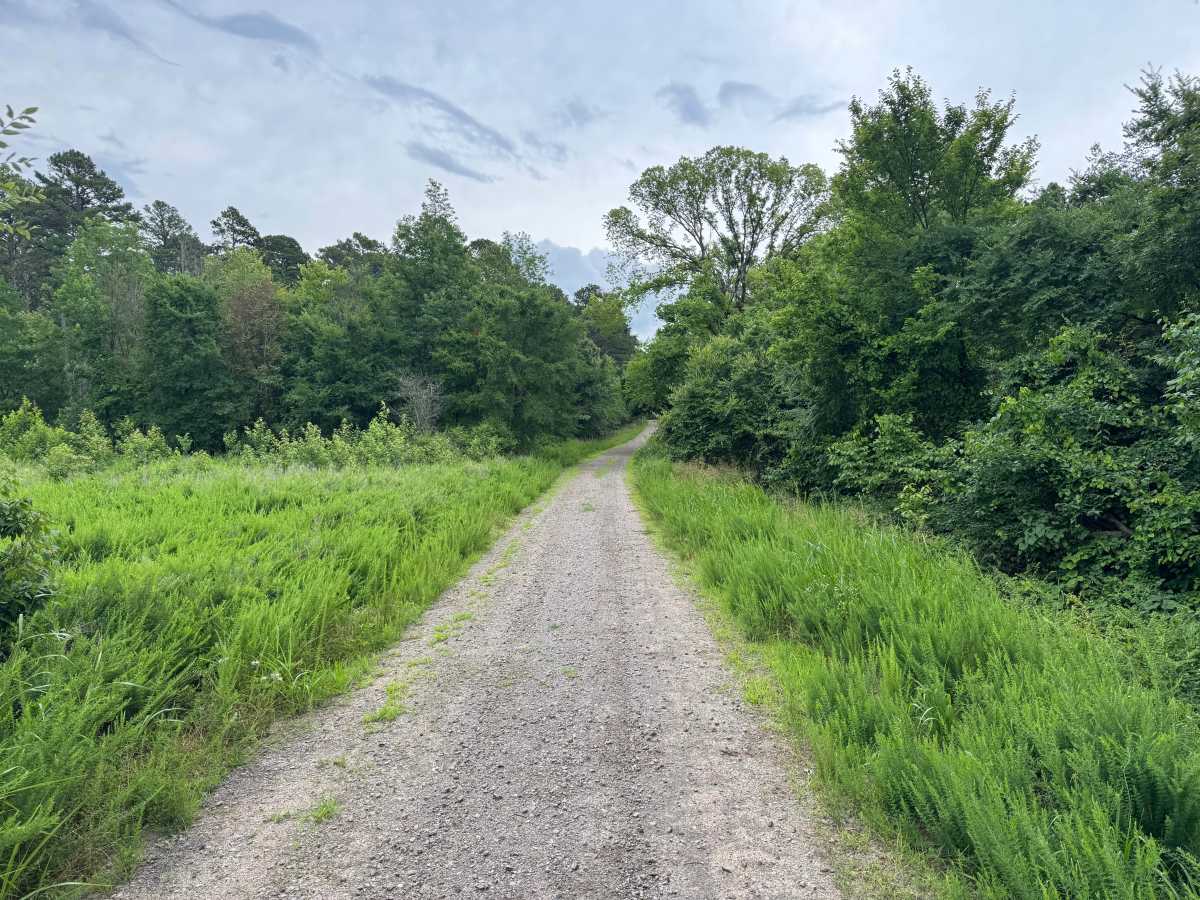
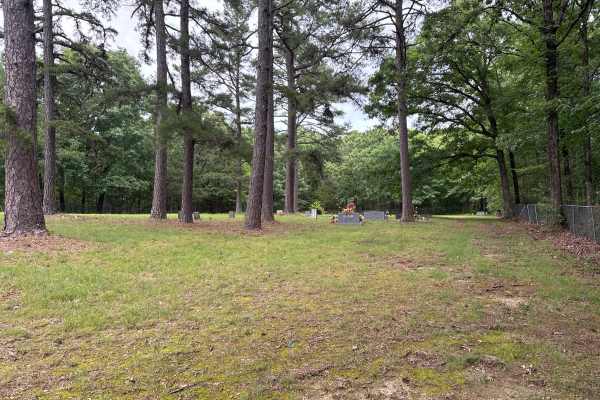
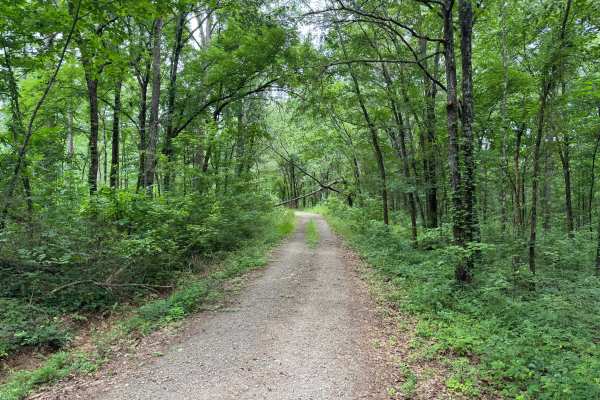
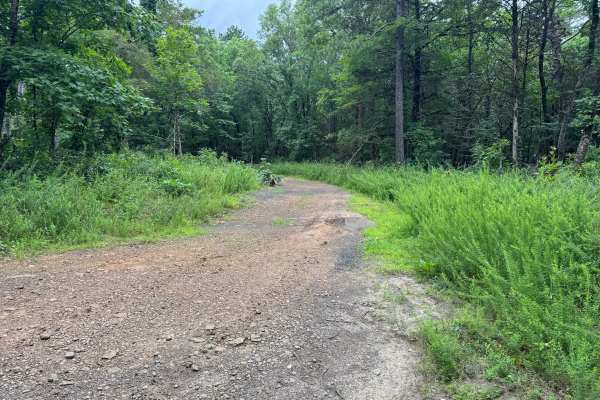
This route follows a well-maintained, single-vehicle-wide gravel road that winds through a peaceful forest of mature hardwoods and tall pine trees. The route surface is smooth and easy to navigate, with gentle curves and long straight stretches that provide excellent visibility ahead. Dense green vegetation lines both sides of the route, while occasional open areas filled with native grasses break up the heavily wooded scenery and create attractive views across the landscape. Although the route is only wide enough for one vehicle in most places, there are numerous wider sections and pull-offs where drivers can comfortably move aside to allow oncoming traffic to pass. The drive is relaxed and scenic, making it well suited for enjoying the quiet forest and watching for wildlife. Deer, wild turkey, and other animals are common in the area, particularly during the early morning and evening hours. There are no significant obstacles or technical features along the route, but drivers should remain alert for fallen trees or large limbs that may block portions of the route following storms or periods of high wind.
Difficulty
The gravel surface is generally smooth with no rock obstacles, steep grades, deep ruts, or water crossings. The only potential hazards are occasional downed trees after storms, wildlife crossing the route, and meeting another vehicle on the single-lane sections, though there are adequate pull-offs available to pass safely.
History
The Ozark National Forest was established in 1908 and today forms part of the Ozark-St. Francis National Forests, protecting more than one million acres across northern Arkansas. Many of the Forest Service roads traveled today began as logging, fire access, or resource management roads before becoming part of the modern recreation network. Forest management continues to play an important role in maintaining healthy ecosystems through timber management, prescribed fire, wildlife habitat restoration, and watershed protection. The rugged Boston Mountains and surrounding Ozark Highlands remain one of the oldest and most geologically significant mountain regions in North America, offering visitors a unique combination of natural beauty and rich forest history.

 Offroad