Trail Overview
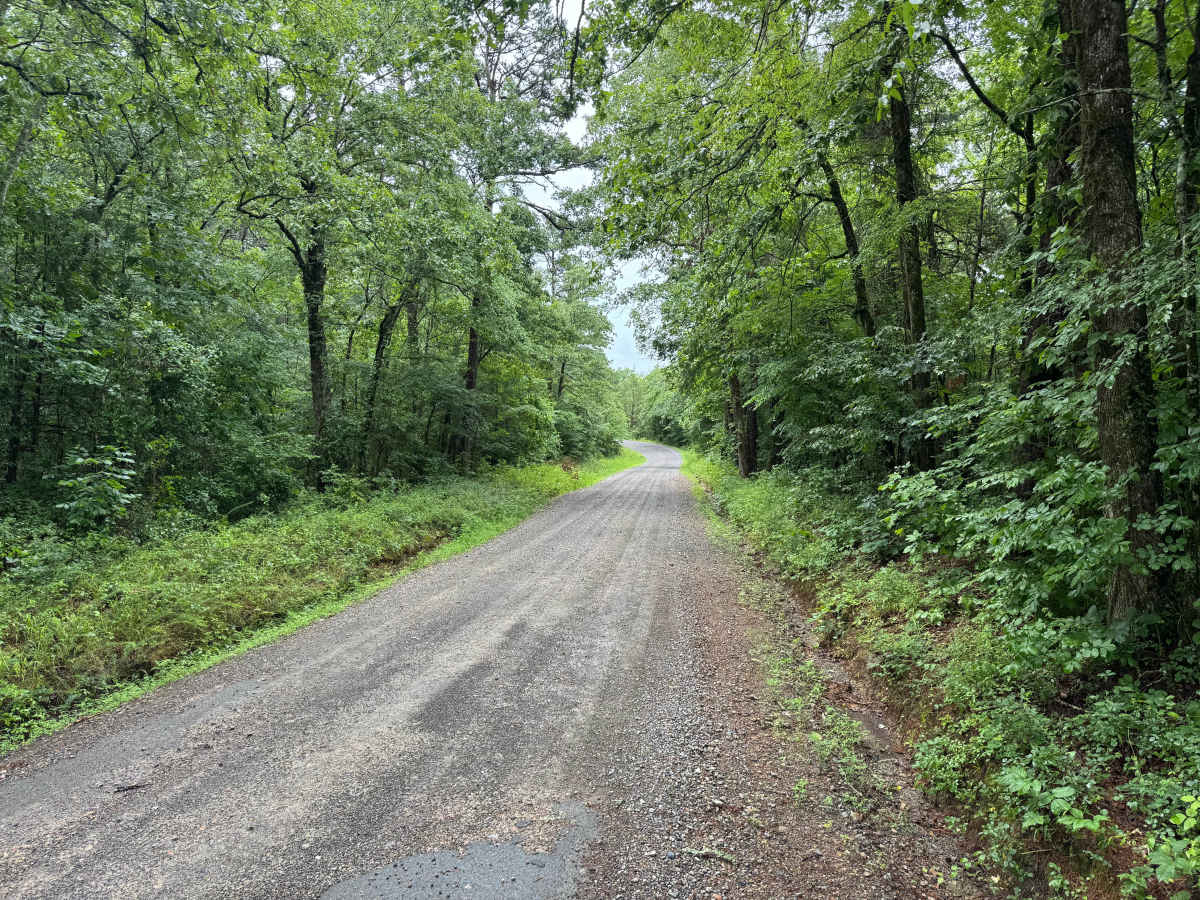
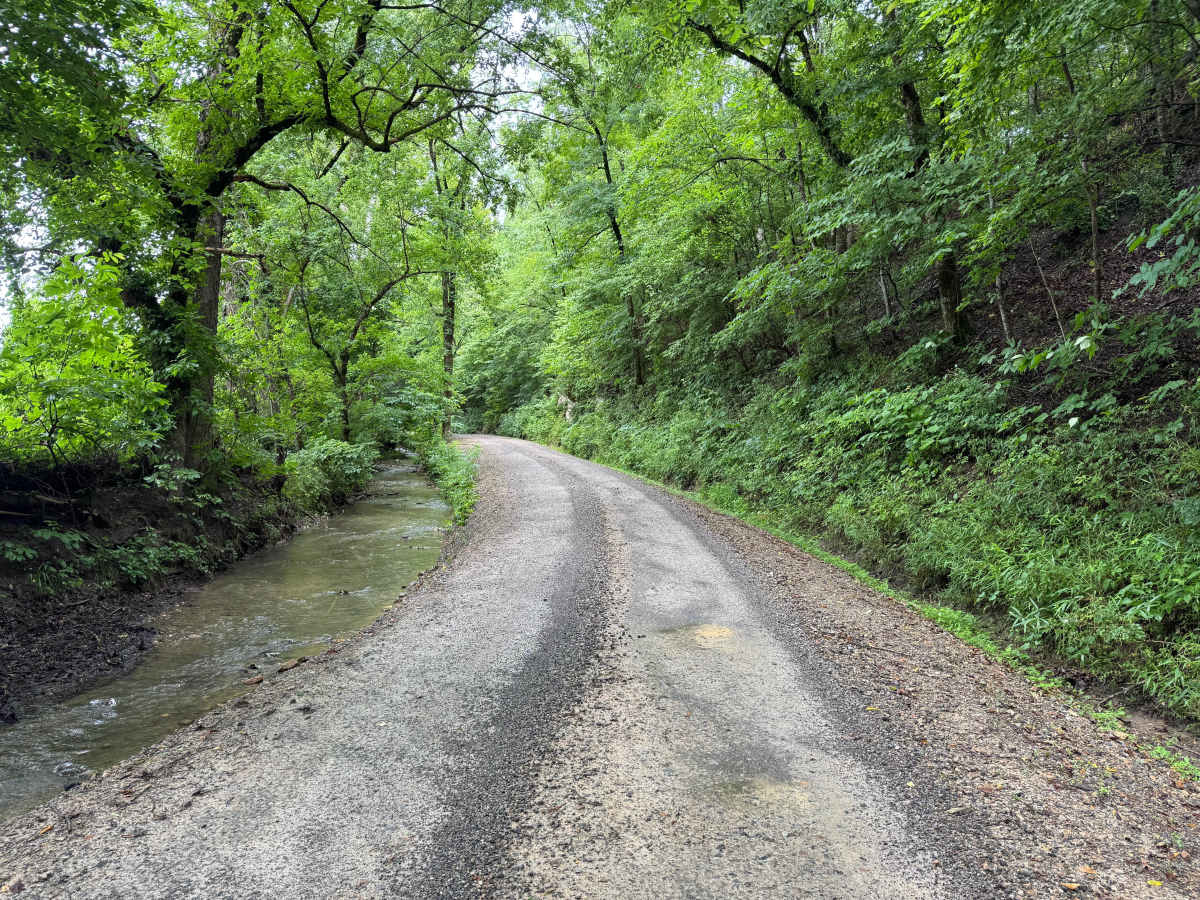
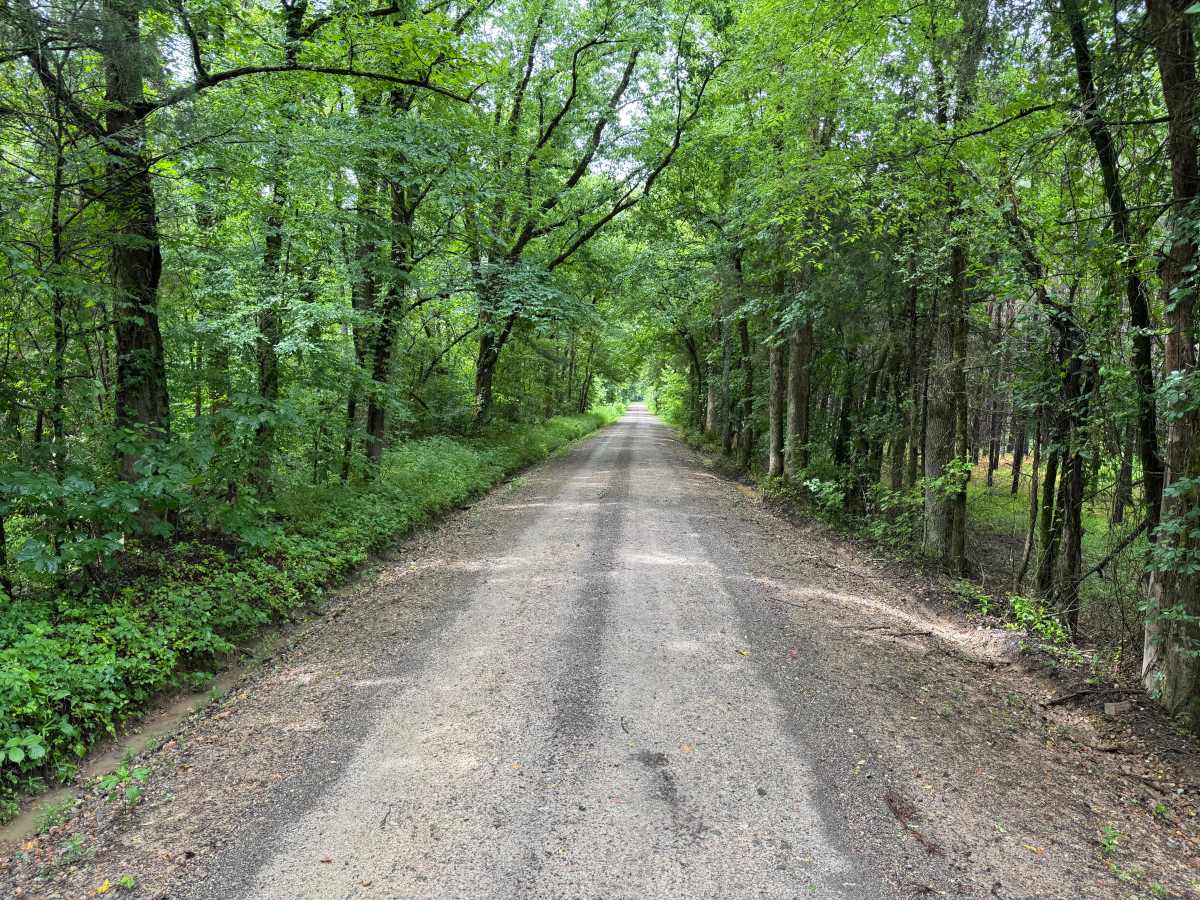
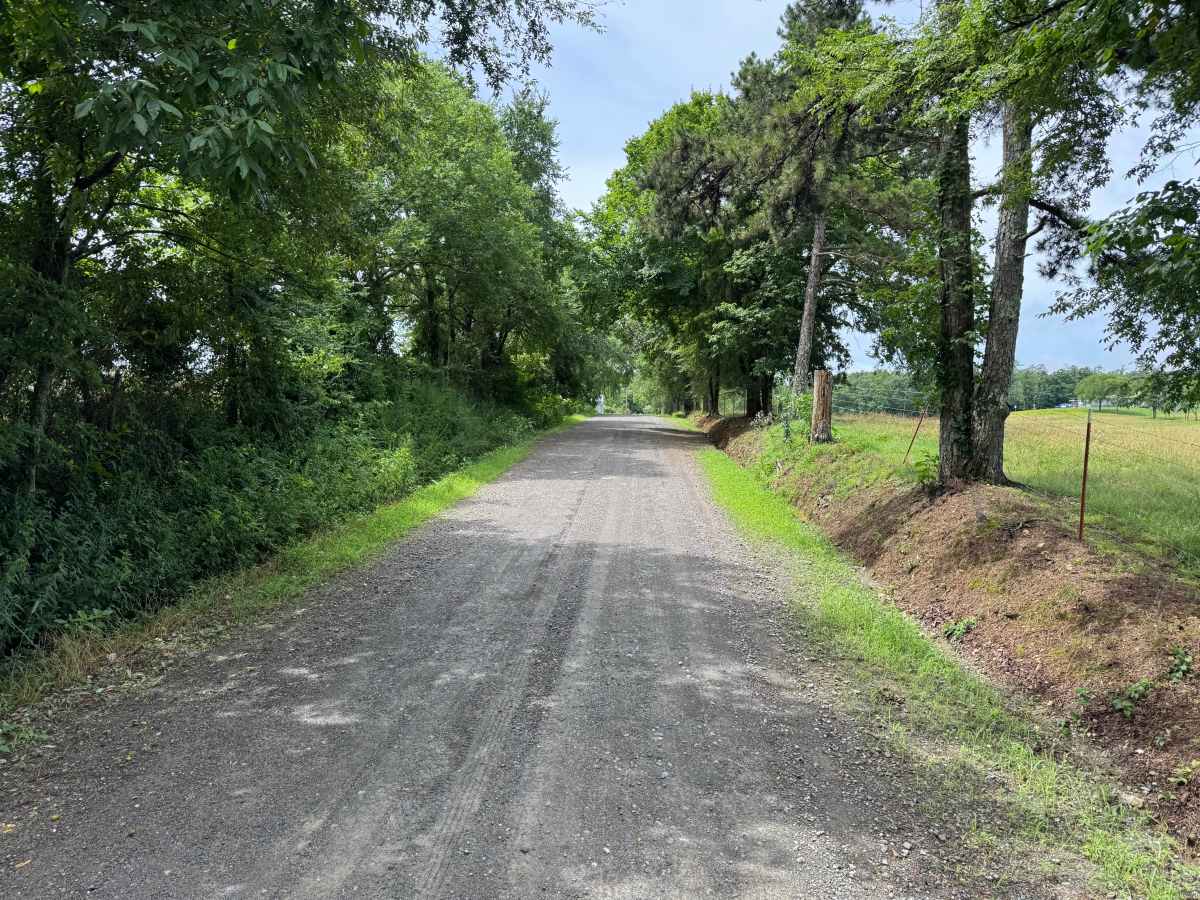
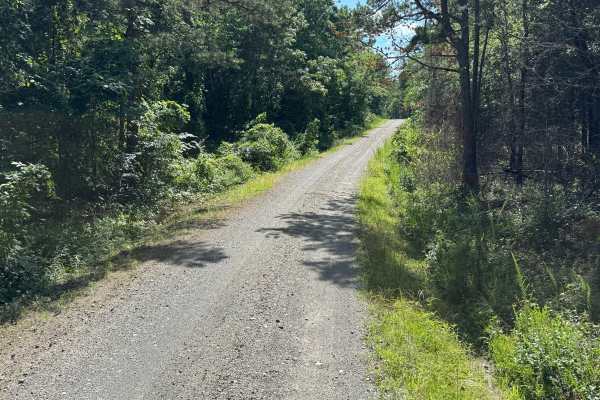
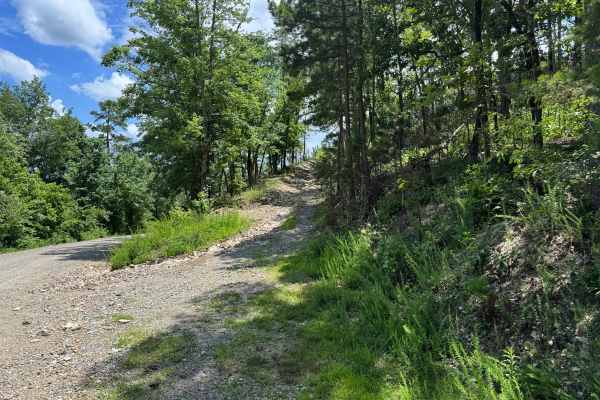
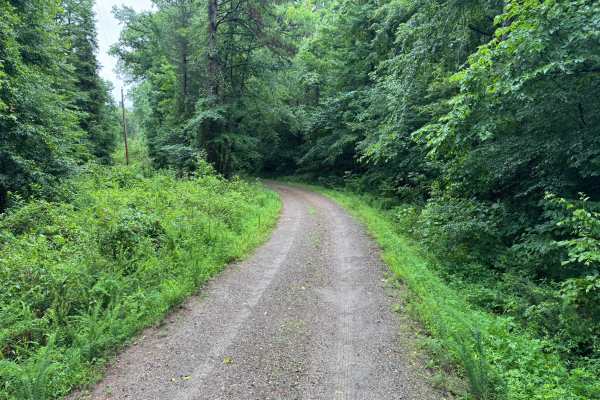
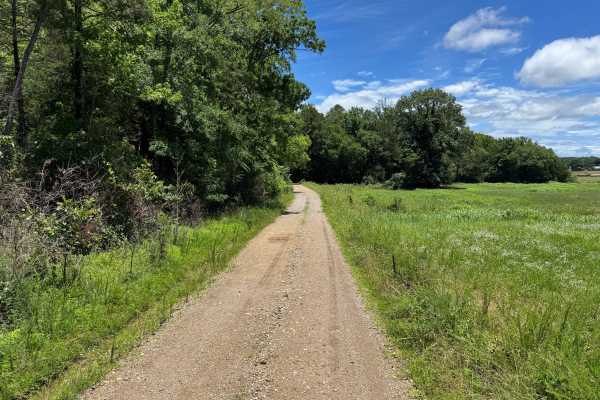
This scenic gravel route winds through a mix of dense hardwood forest and creek bottoms, while providing a relaxing drive through a quiet rural landscape. The road is generally well maintained and suitable for most high-clearance vehicles, while also being accessible to many passenger vehicles during dry conditions. Route width varies throughout the route. Most sections are wide enough for two vehicles to pass with caution, though several stretches narrow considerably as the road follows creek corridors and heavily wooded areas. Drivers should remain alert around blind corners and be prepared to yield in tighter sections. One of the highlights of this route is the changing scenery. Travelers will pass beneath mature tree canopies, alongside flowing creeks, through shaded forest corridors, and across open stretches bordering private farmland. There are no technical obstacles, steep climbs, or difficult terrain features. However, visitors should be mindful of posted private property boundaries throughout the area and remain on public roads at all times. Wildlife sightings are common and may include armadillos, turtles, roadrunners, and deer. Overall, this route offers a peaceful backroad experience that showcases the natural beauty of the region.
Difficulty
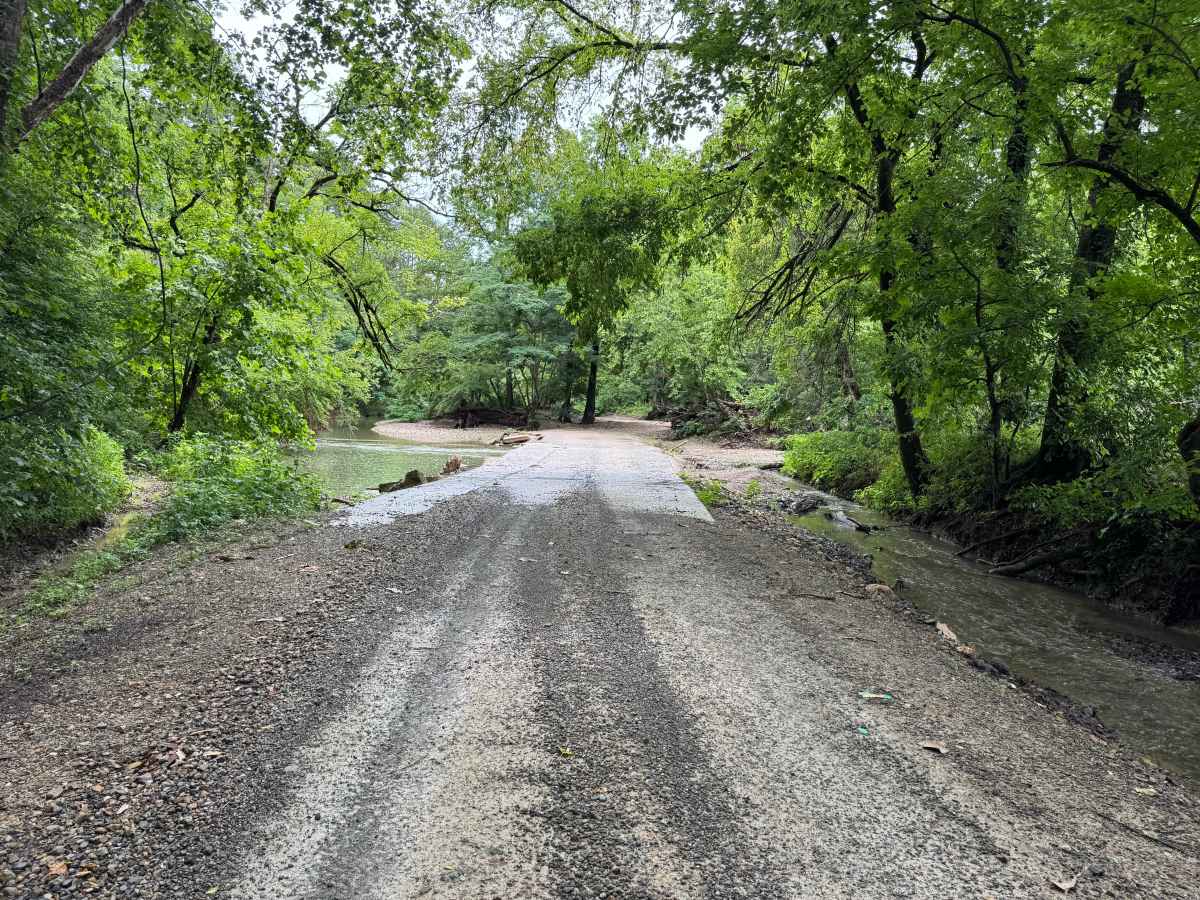
This route contains no obstacles requiring four-wheel drive, lockers, or increased ground clearance. The primary considerations are narrow sections, blind corners, the creek crossing, wildlife, and respecting nearby private property.
History
The Ouachita National Forest was established in 1907 and is recognized as the oldest national forest in the southern United States. Many roads found throughout the forest today originated as logging, timber management, fire access, or resource extraction routes before becoming part of the modern Forest Service road network. Forest management remains an important part of the landscape, and travelers may encounter evidence of prescribed burns, timber thinning, and habitat restoration efforts. The Ouachita Mountains themselves are among the oldest mountain ranges in North America and are notable for their unique east-west orientation.