Trail Overview
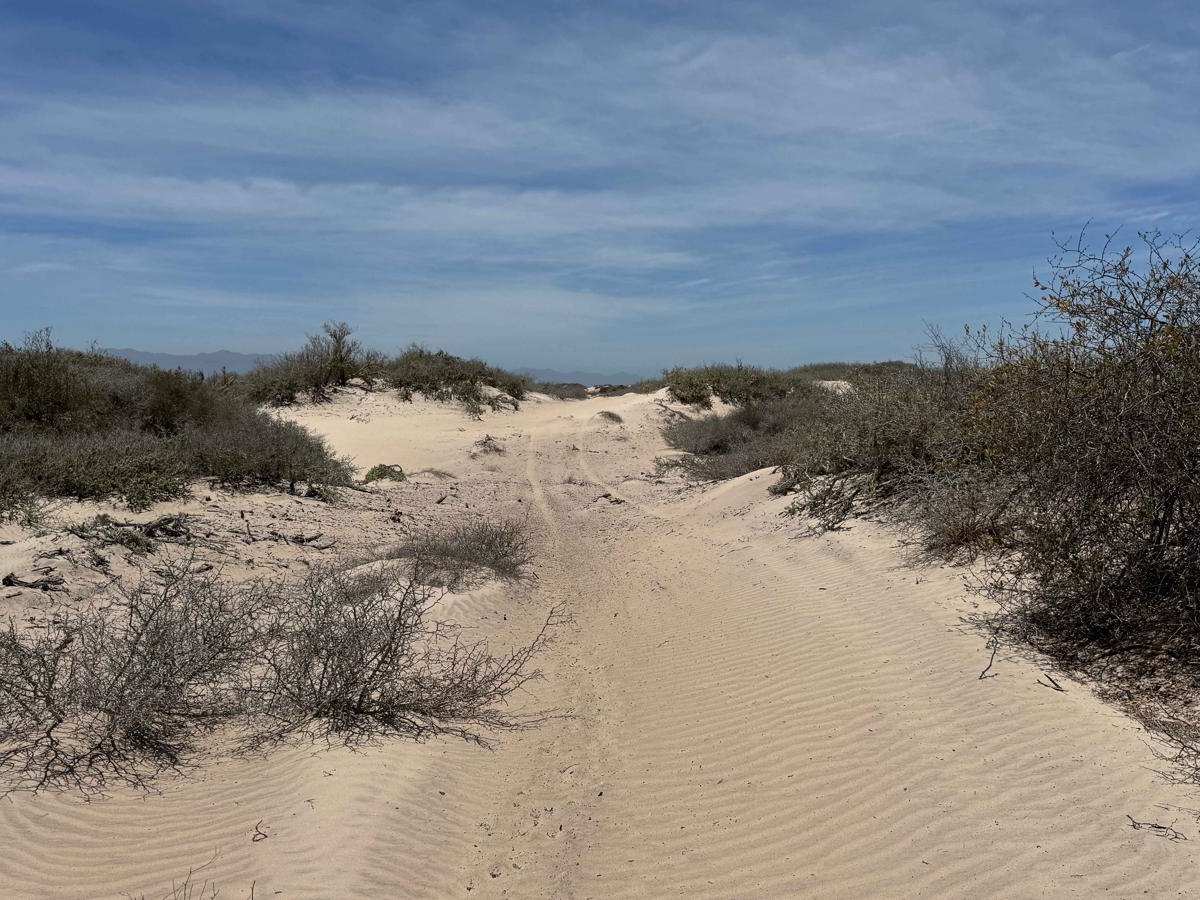
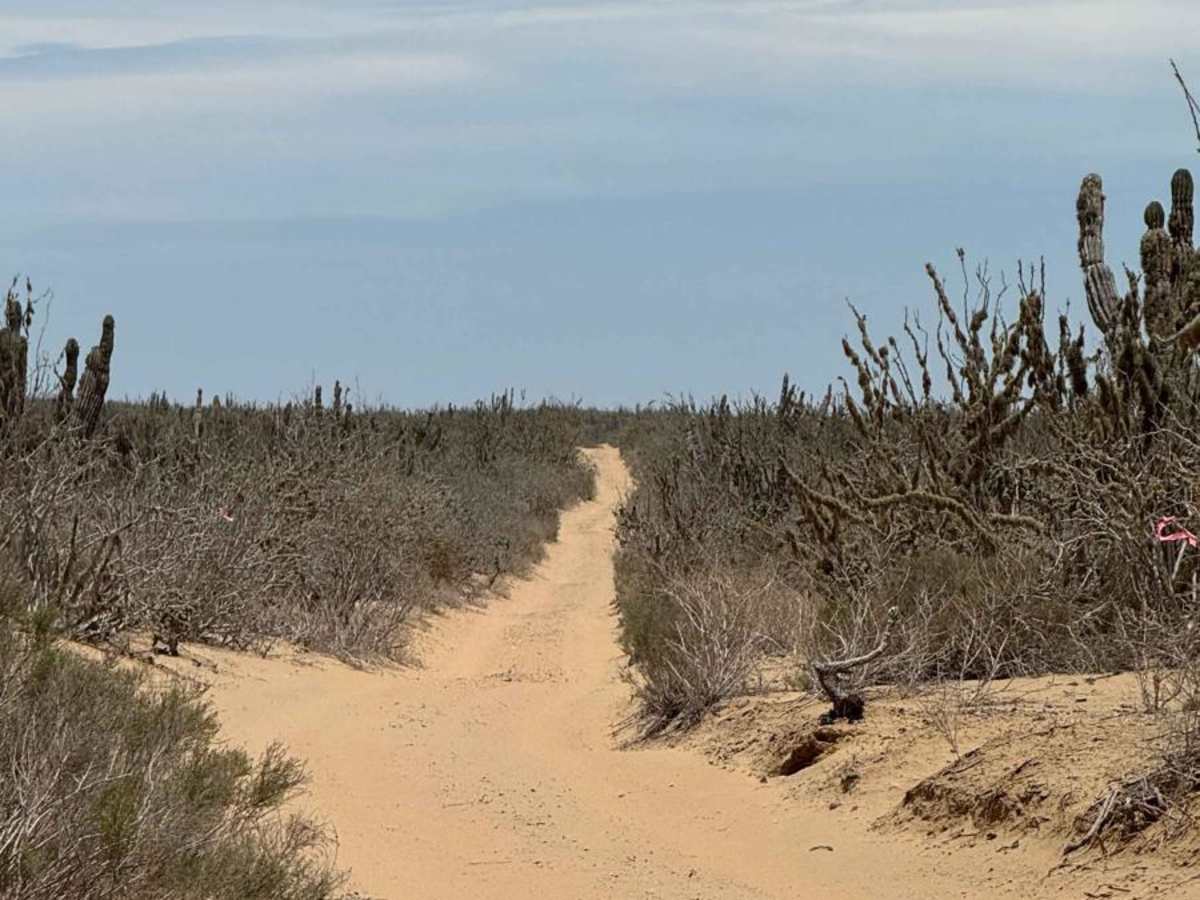
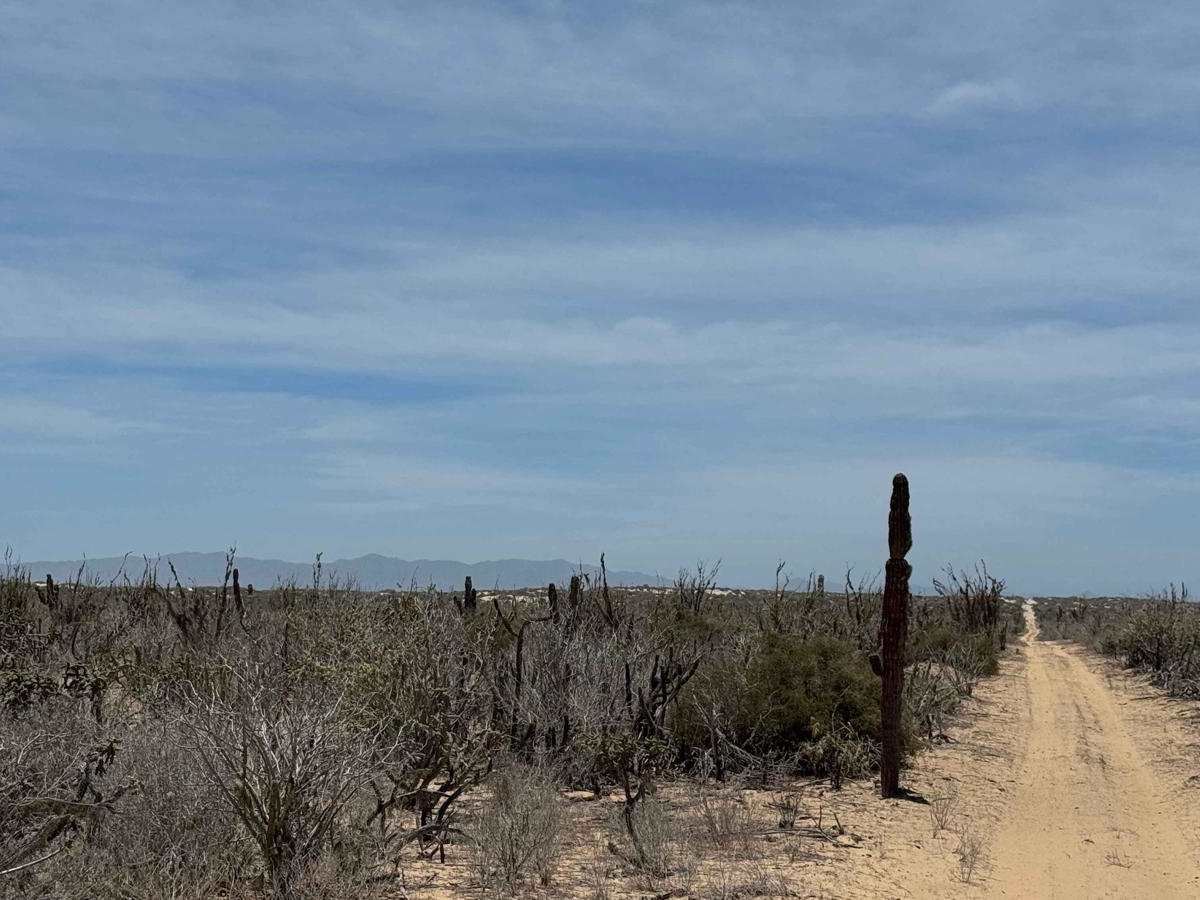
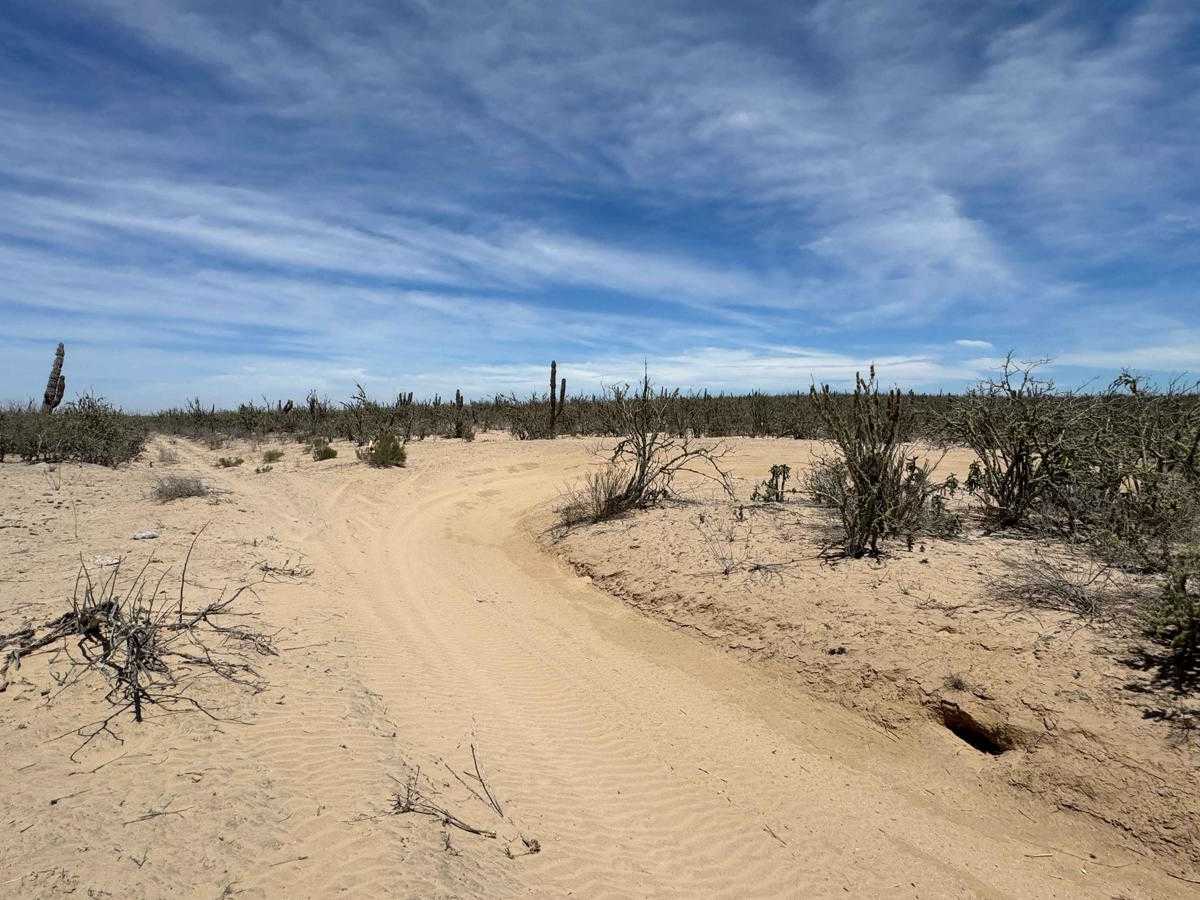
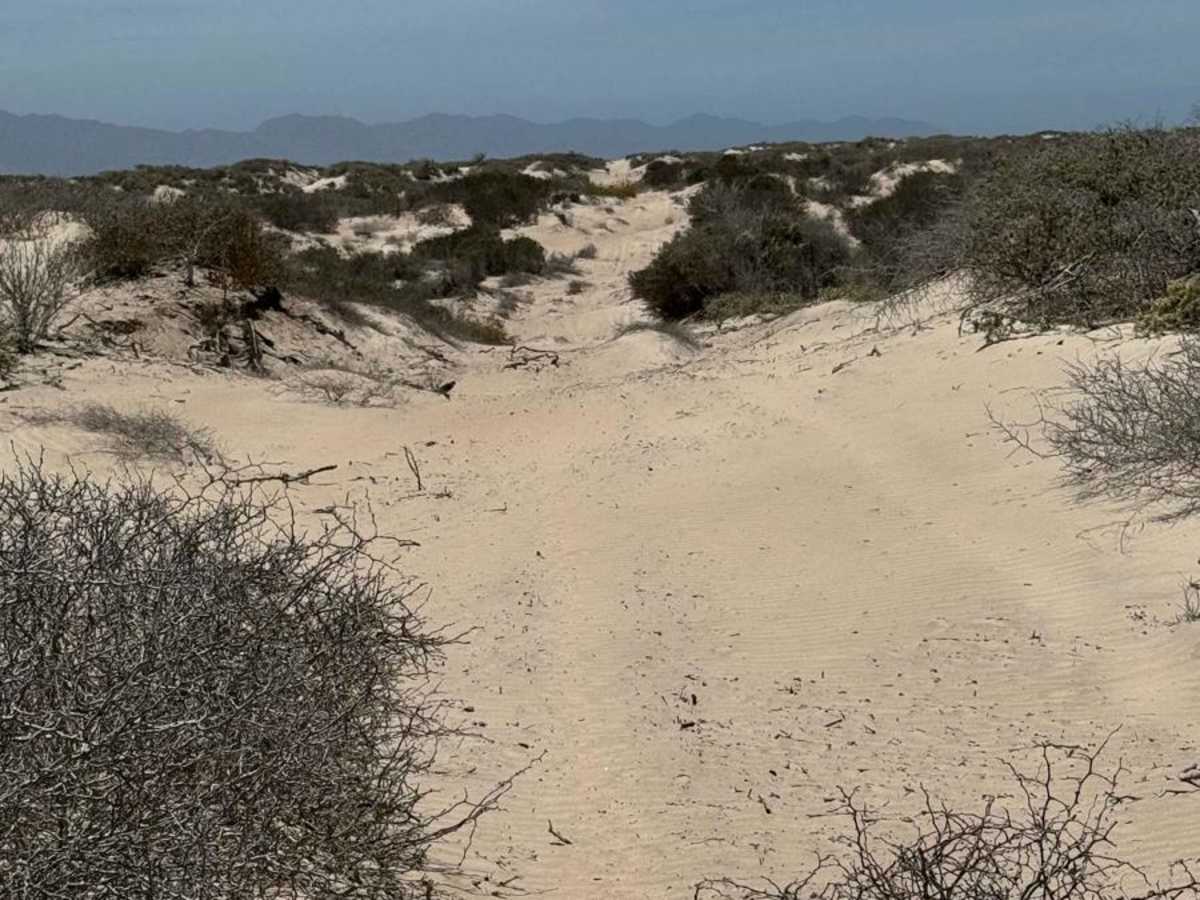
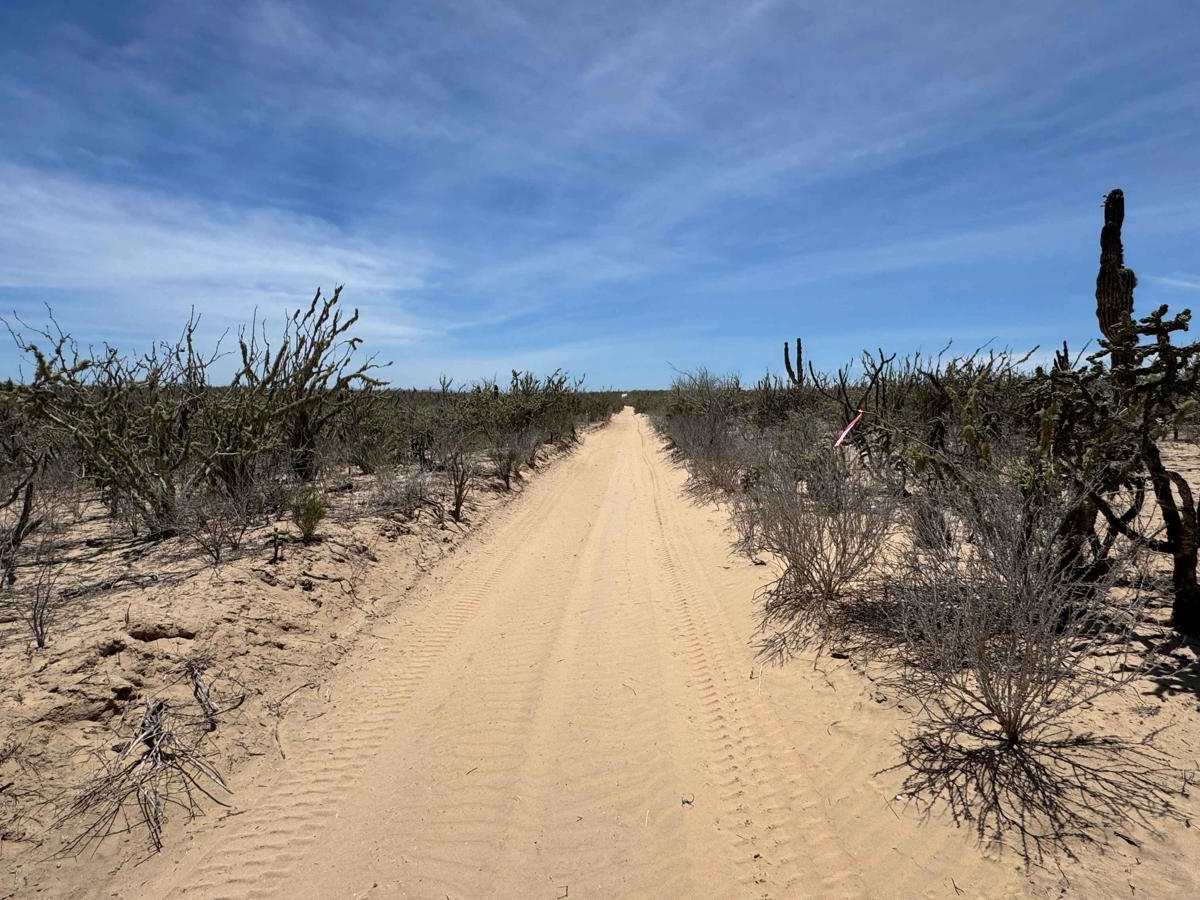
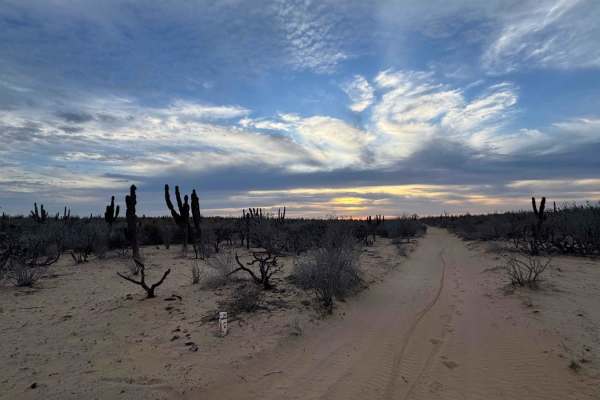
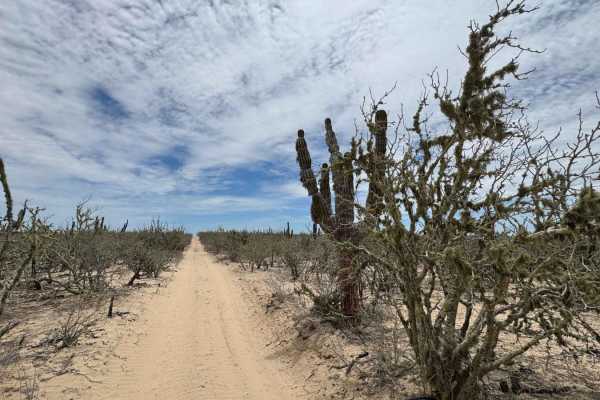
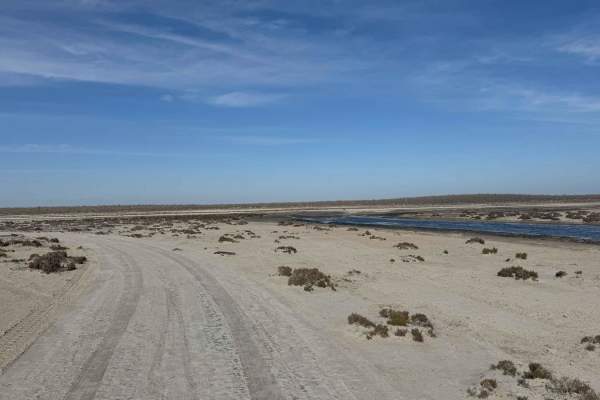
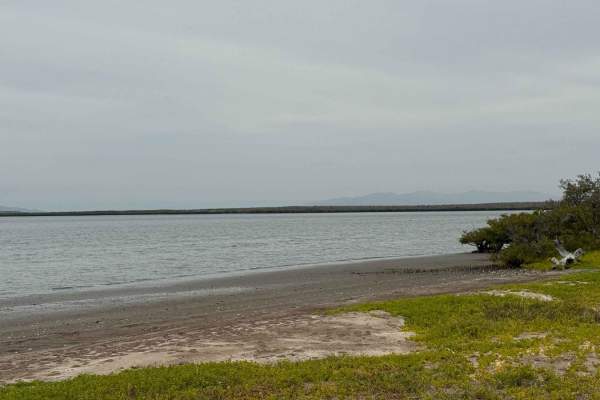
This trail begins along a well-maintained road before heading north into a rugged stretch marked by 2.5 miles of narrow, sandy terrain carved with deep, three-foot whoops--a clear reminder of its heavy use by trophy trucks and other off-road race vehicles. As the route curves southeast, the conditions remain equally challenging, with loose sand and continuous whoops demanding steady control and making four-wheel drive highly recommended. After passing a key intersection where five trails split in different directions, the path continues through a gap marked by two metal posts. Roughly a mile and a half beyond, navigation becomes more technical as you enter a series of deceptively large sand dunes. The trail often disappears beneath windblown sand, making GPS guidance unreliable and visual navigation essential. Turning around becomes difficult past the last open flat, especially for larger vehicles, and drivers should be prepared to air down to the lowest safe tire pressure and self-recover--ideally with a second vehicle. Carefully picking your line through the dunes, the trail eventually drops into a salt flat, which marks the best spot to turn around and retrace your path with momentum. While the route technically ends here, there's room for exploration: continuing straight appears difficult, but bearing left across the salt flat may lead to mangroves or promising fishing areas.
Difficulty
Tackling this trail demands solid judgment, the ability to air down your tires significantly, extensive experience navigating deep sand, and multiple recovery options. The sand dunes are larger and more challenging than they appear in images, with some sections containing exceptionally soft, deep sand that can quickly bog down a vehicle--especially in hotter temperatures, when conditions become even more demanding. About 1.5 miles beyond the metal posts, the defined tracks often disappear, making it easy to lose your line in the shifting terrain. Additionally, it's important to consider recent weather and tidal patterns; if it's been wet, the salt flat--typically the best and most reliable turnaround point--may be submerged or impassable.