Trail Overview
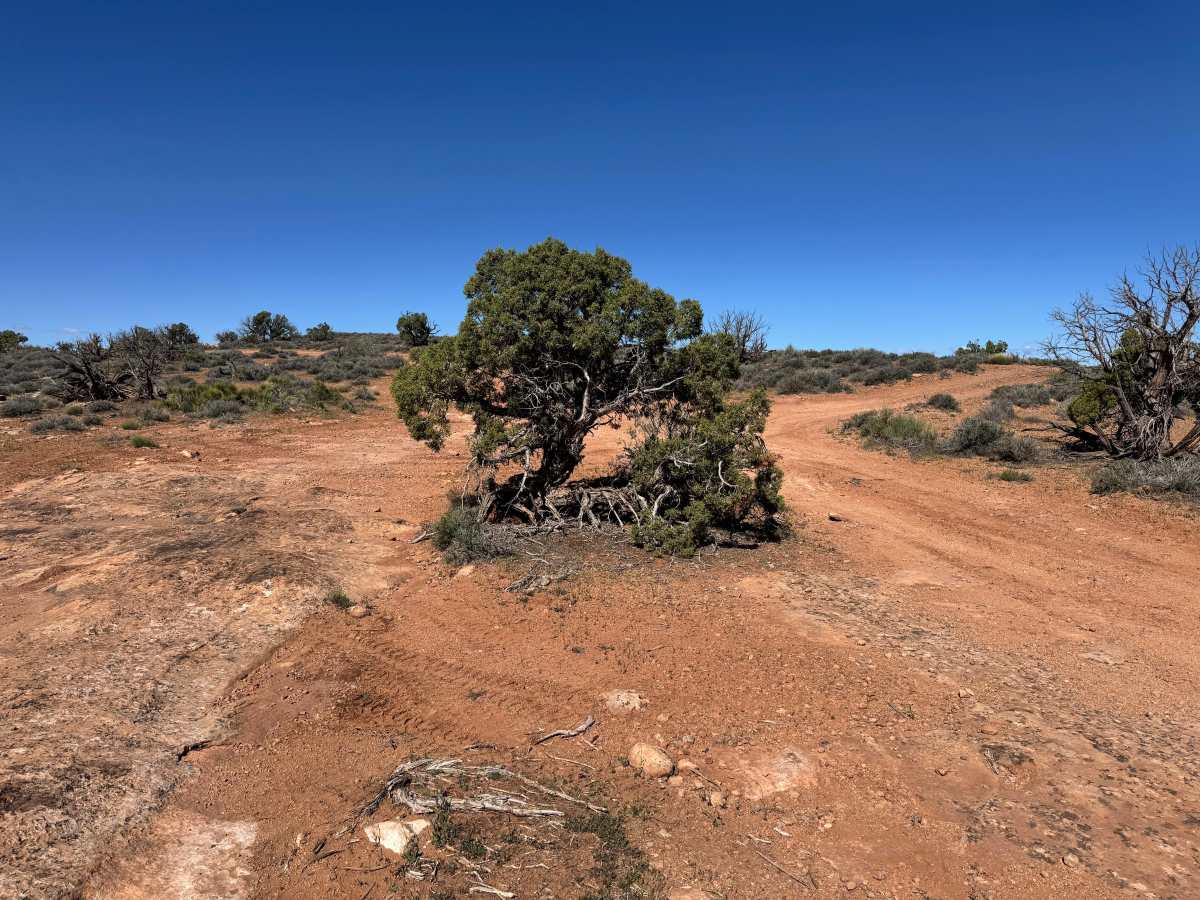
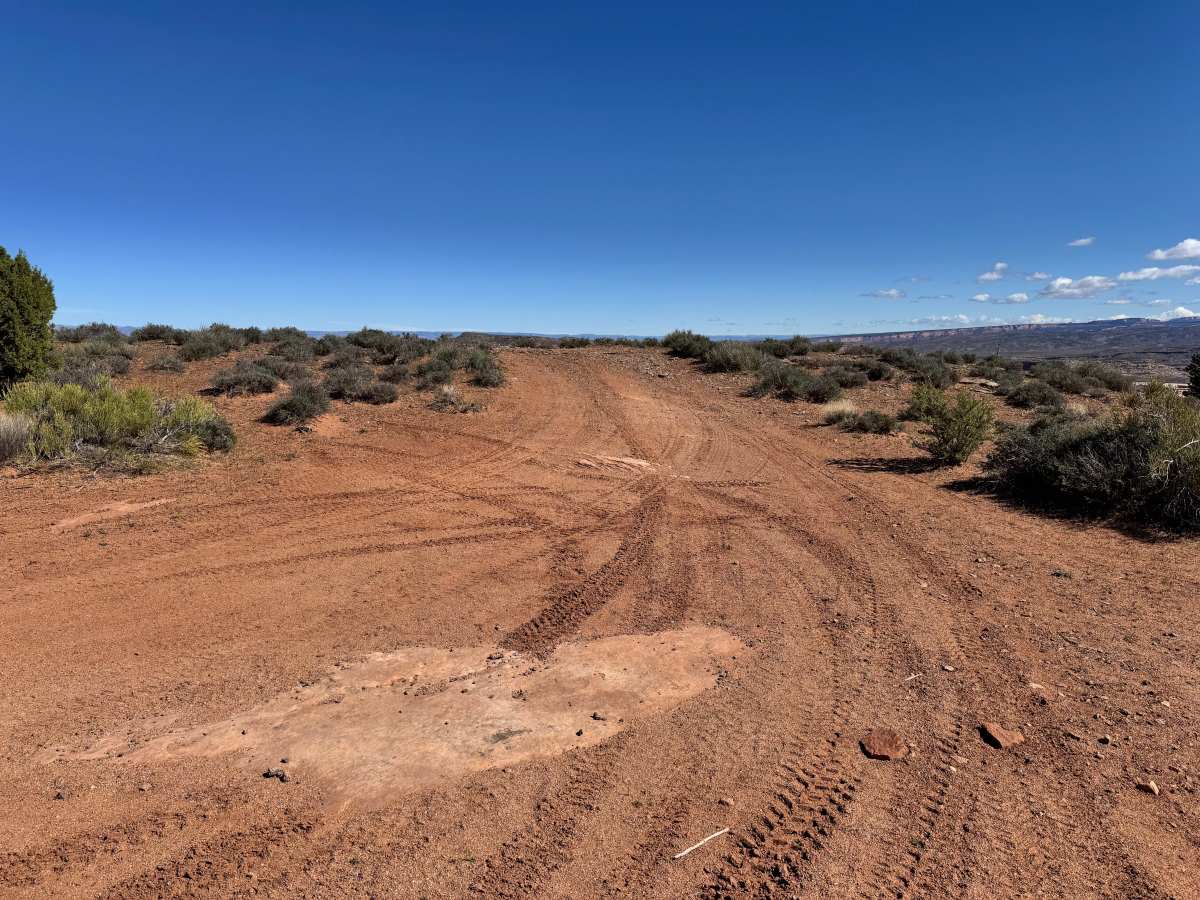
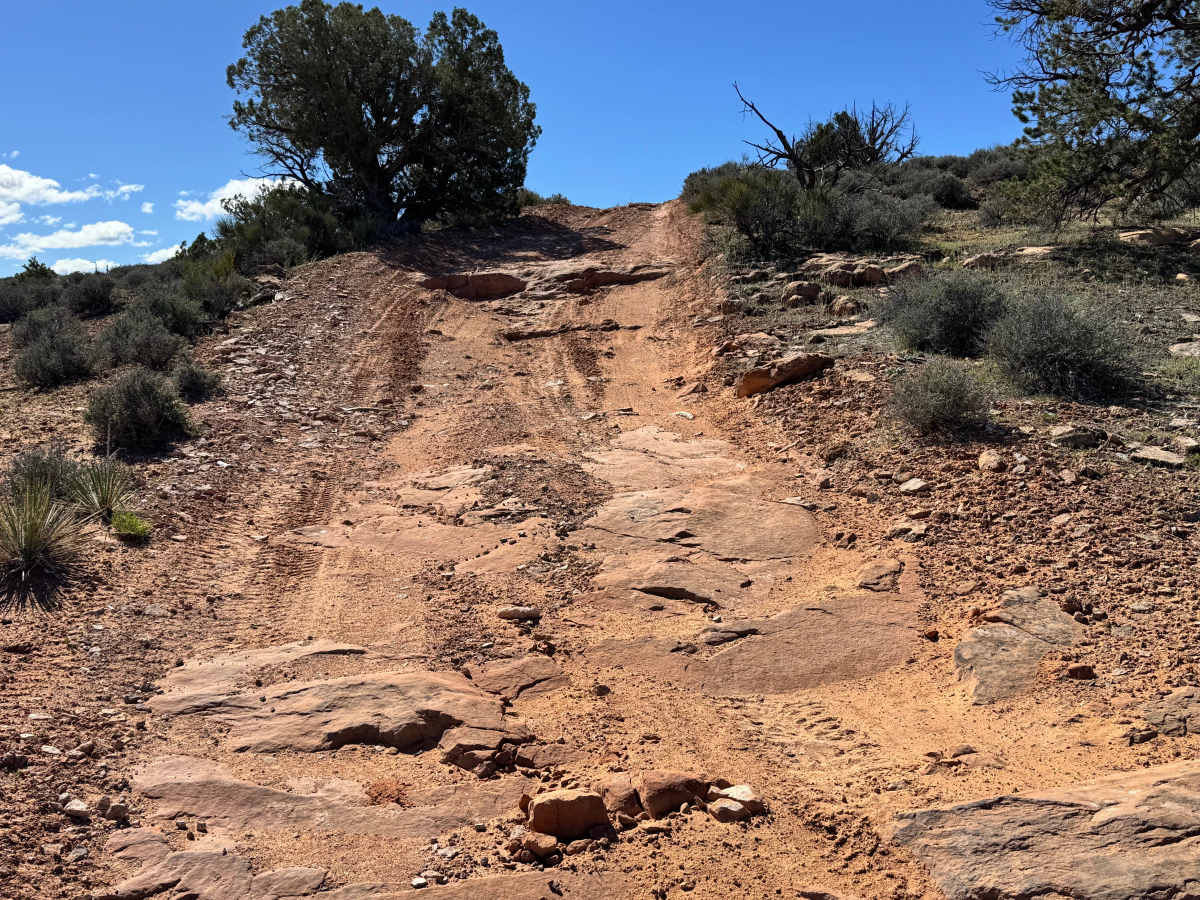
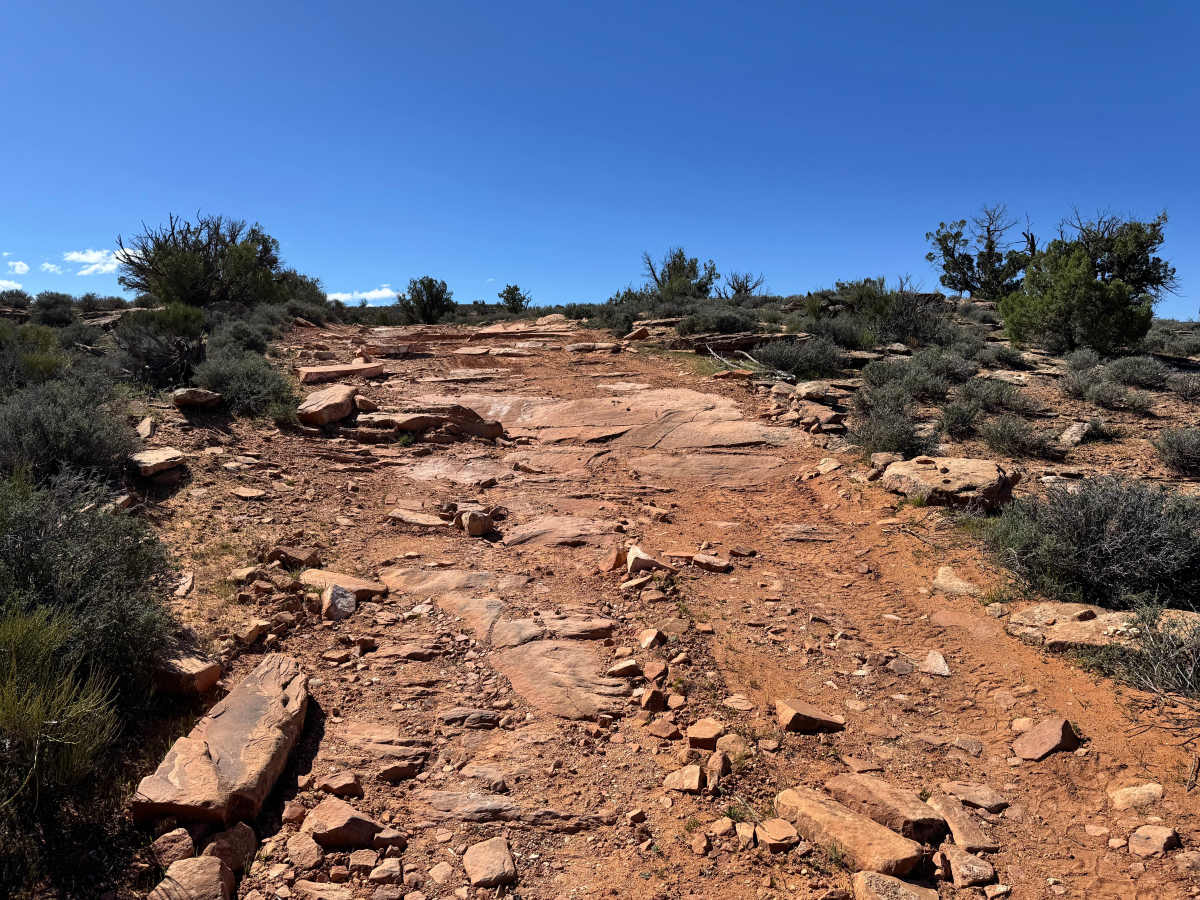
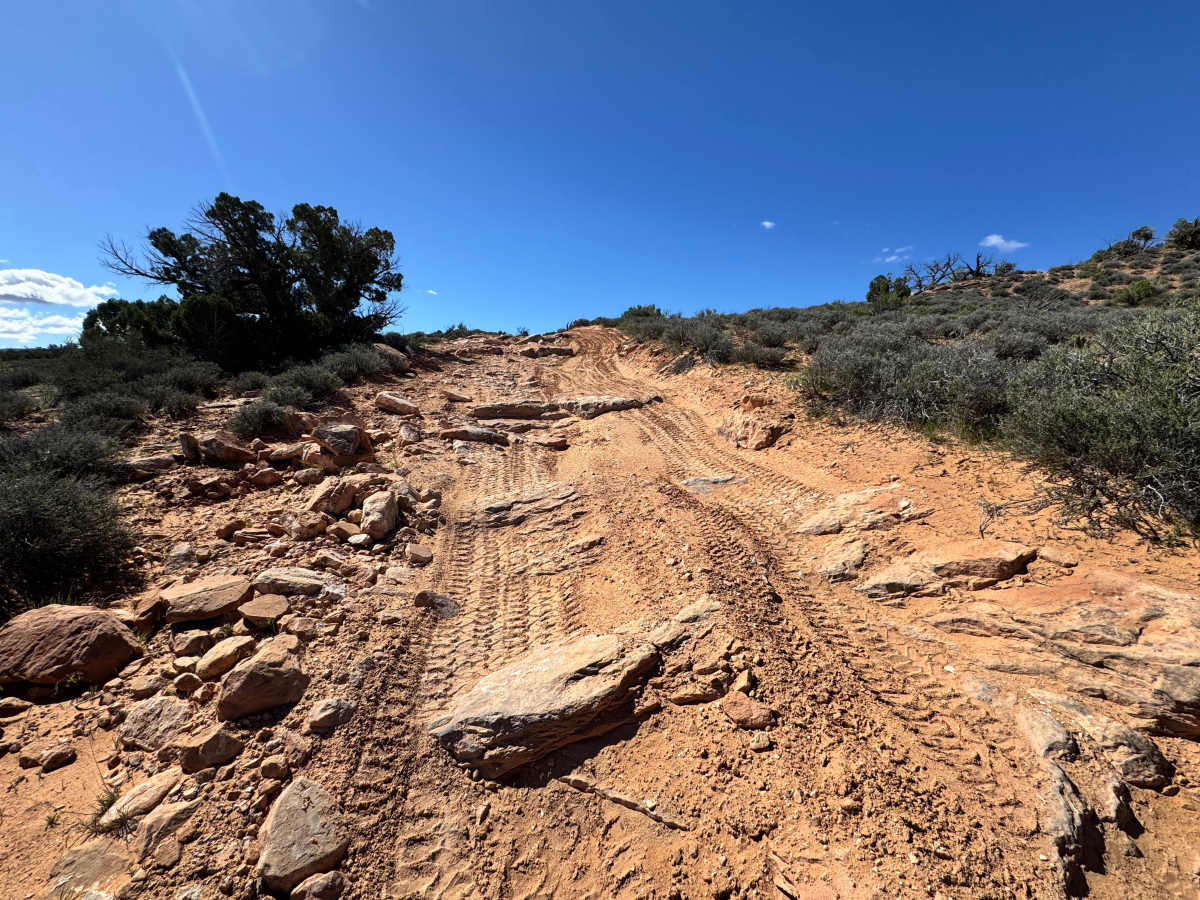
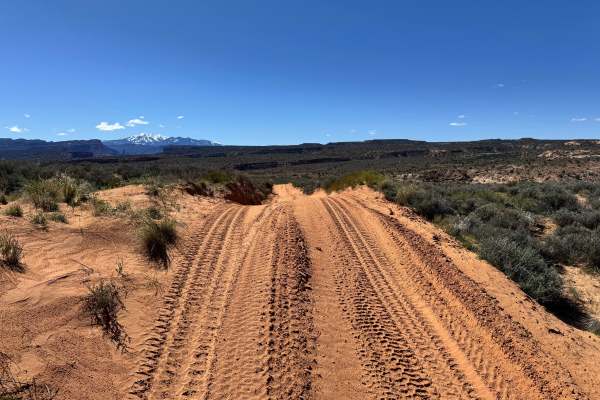
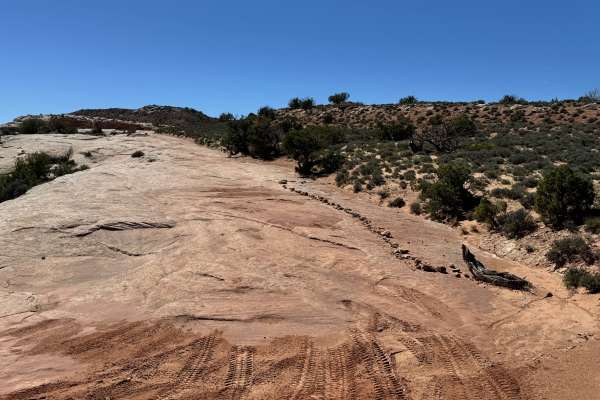
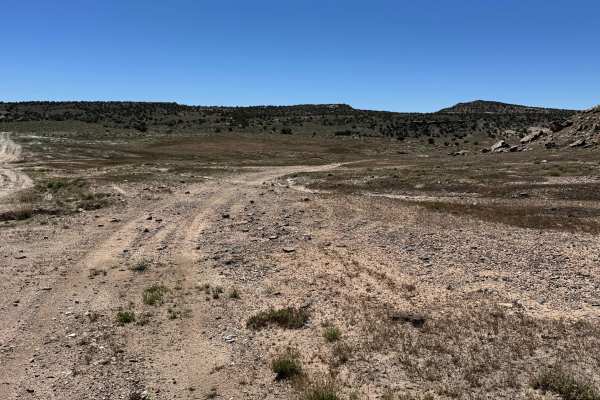
Non-Resident OHV permits apply to ATVs, UTVs, and dirt bikes. Plated street-legal vehicles typically do not need one on legal motorized routes. This route starts with a sandy dirt section winding through low desert vegetation, where staying on the established trail is important to protect the surrounding landscape. Early on, the terrain feels relatively mild, but the challenge quickly increases as the trail transitions into rough, uneven rock. From there, expect a very bouncy ride with frequent off-camber sections that can shift the vehicle and test suspension travel. Multiple rock steps and ledges, some reaching up to 18 inches tall, require careful tire placement, steady throttle control, and adequate ground clearance. The trail finishes at a scenic overlook where, from the right vantage point, you can spot the road below tracing alongside the Colorado River through the canyon.
Difficulty
This route begins fairly easily with sandy dirt and open desert terrain, but difficulty rises significantly once the trail turns rocky and off-camber. Repeated bumps, uneven surfaces, and rock steps or ledges up to 18 inches tall require good ground clearance, low range, and careful line choice. The off-camber sections can feel tippy for taller vehicles, especially with loose rock or poor traction. Stock high clearance 4WD vehicles can complete it in dry conditions, but lifted rigs with taller tires will be more comfortable. Wet weather can increase the challenge quickly.
History
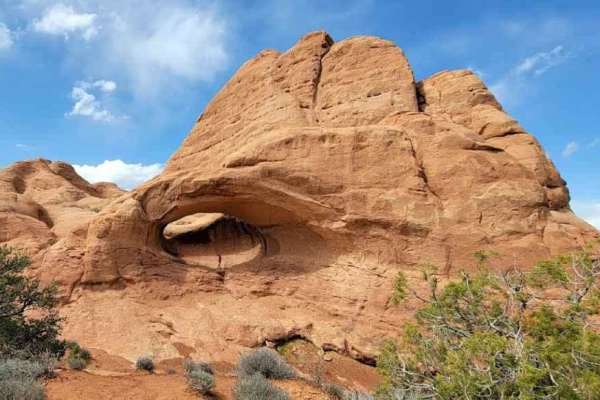
Dome Plateau sits within a region shaped by erosion, mining history, and early backcountry travel routes outside Moab. Today, the trail system is popular with off-road travelers looking to experience classic red rock scenery beyond the busier in-town trails.