Trail Overview
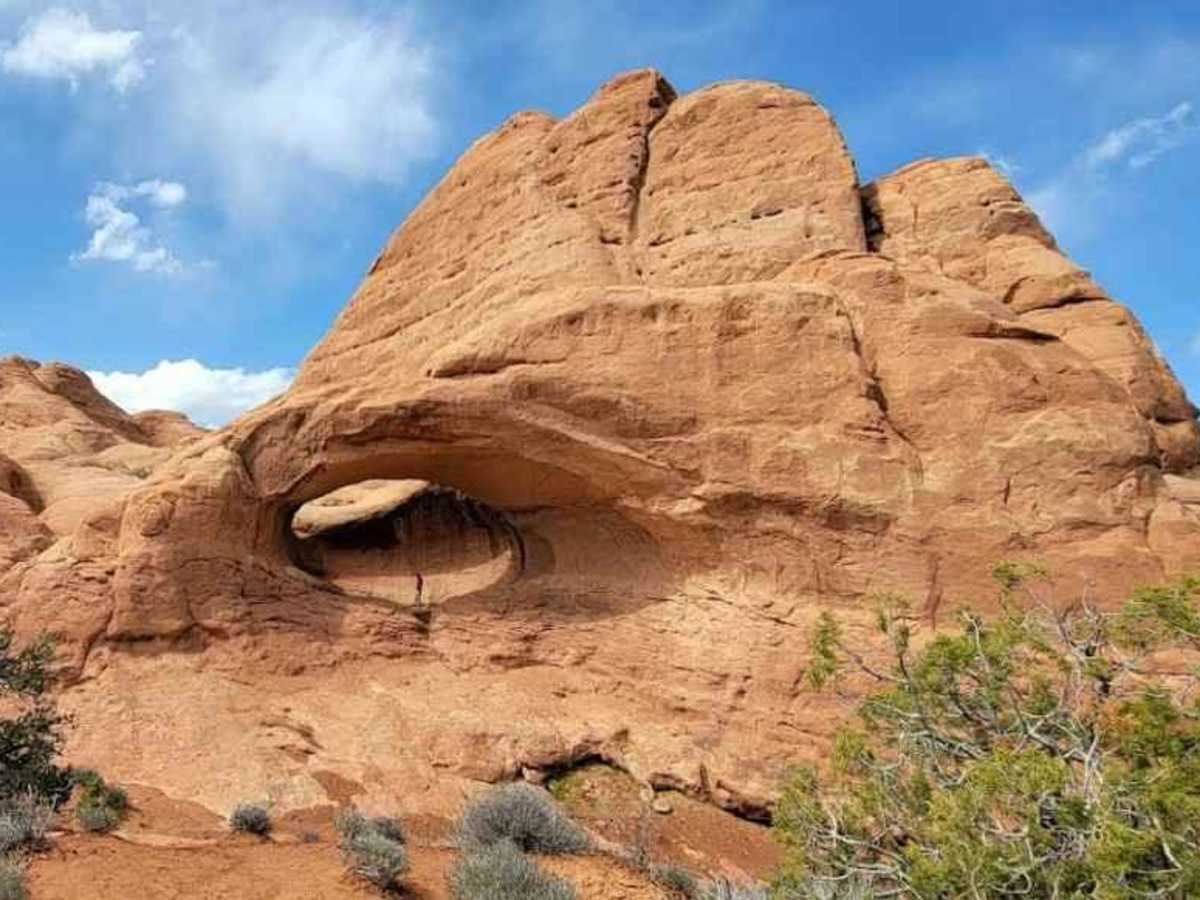
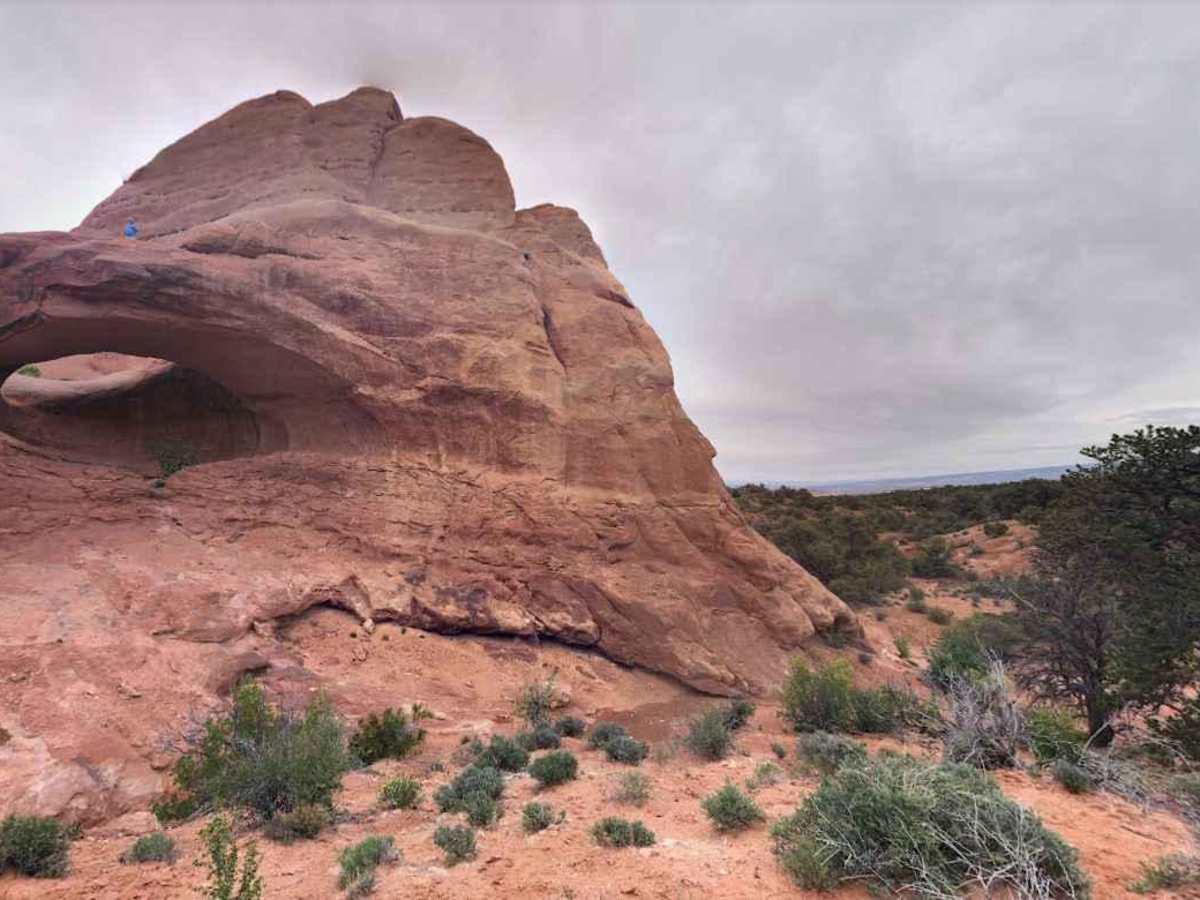
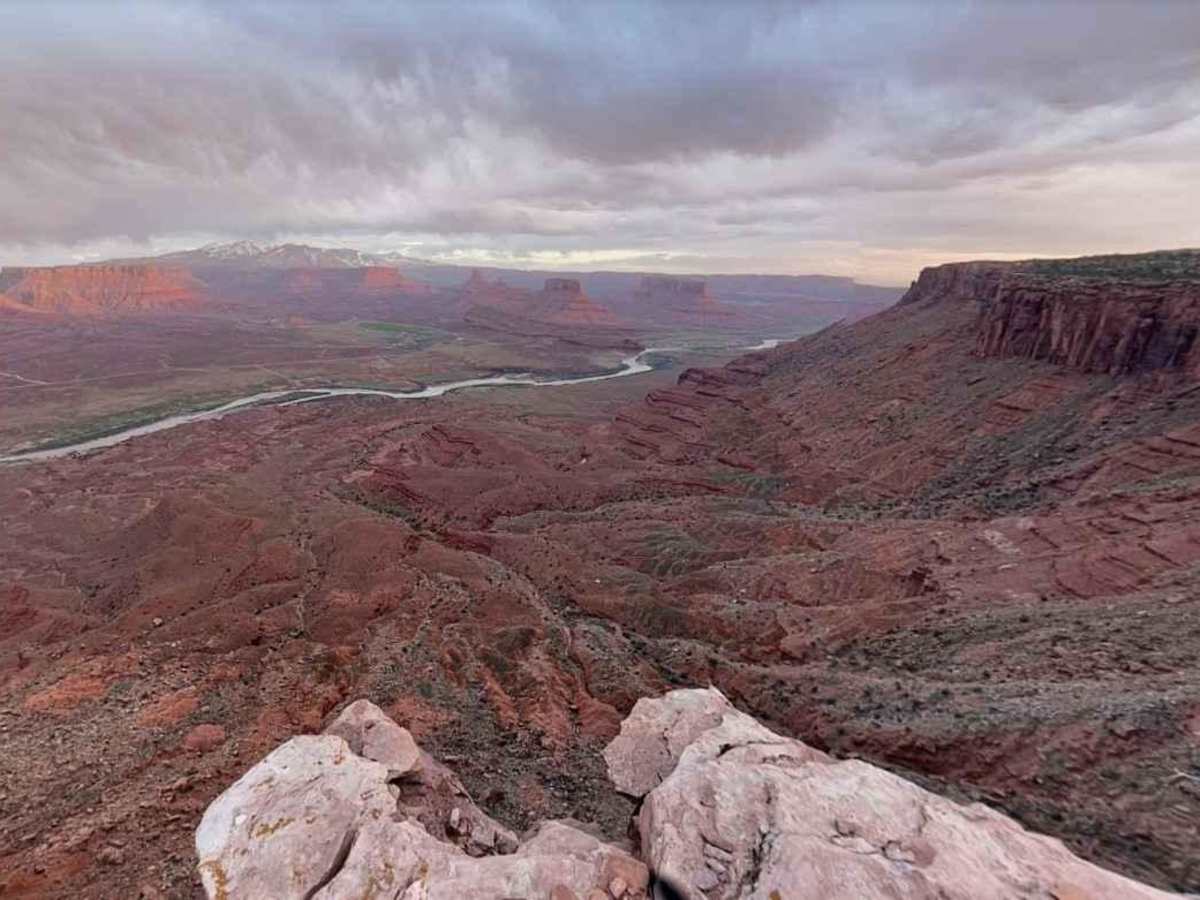
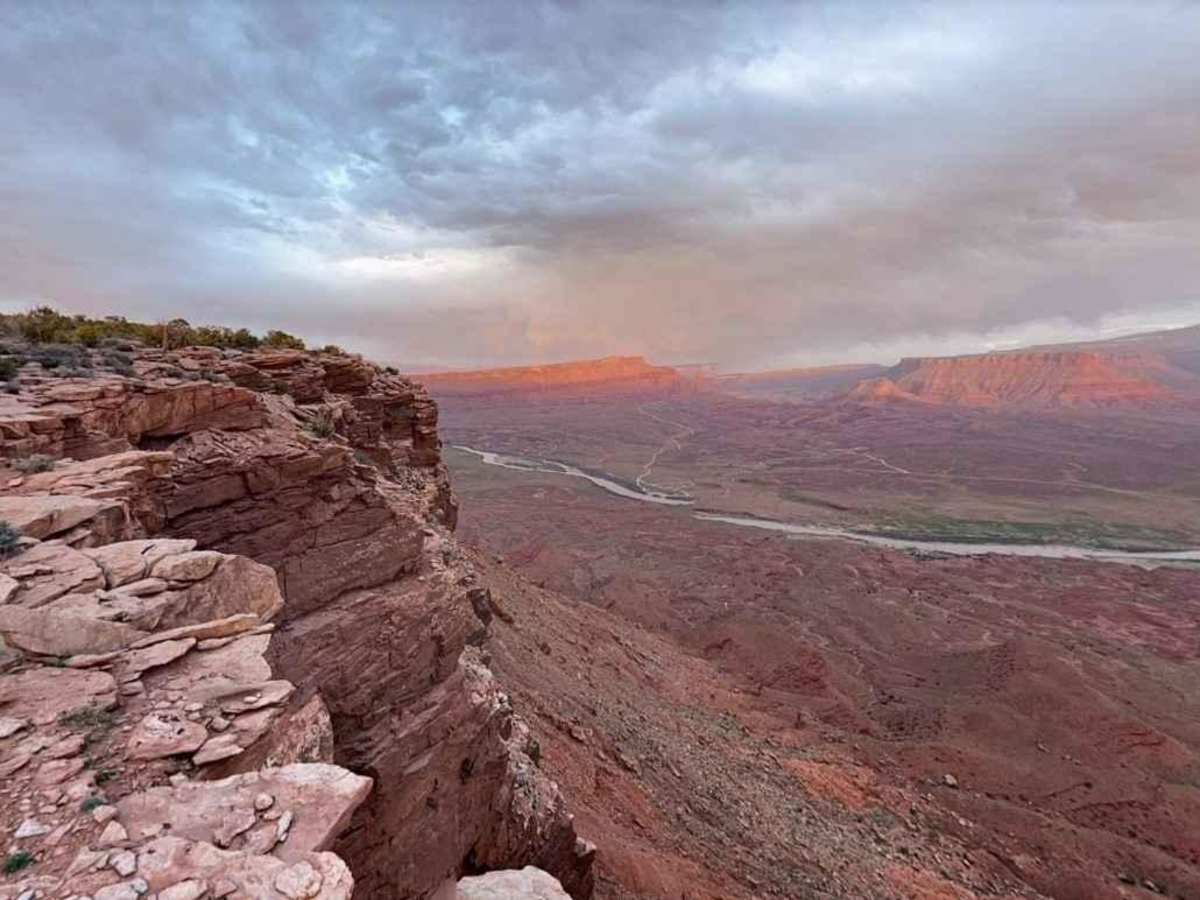
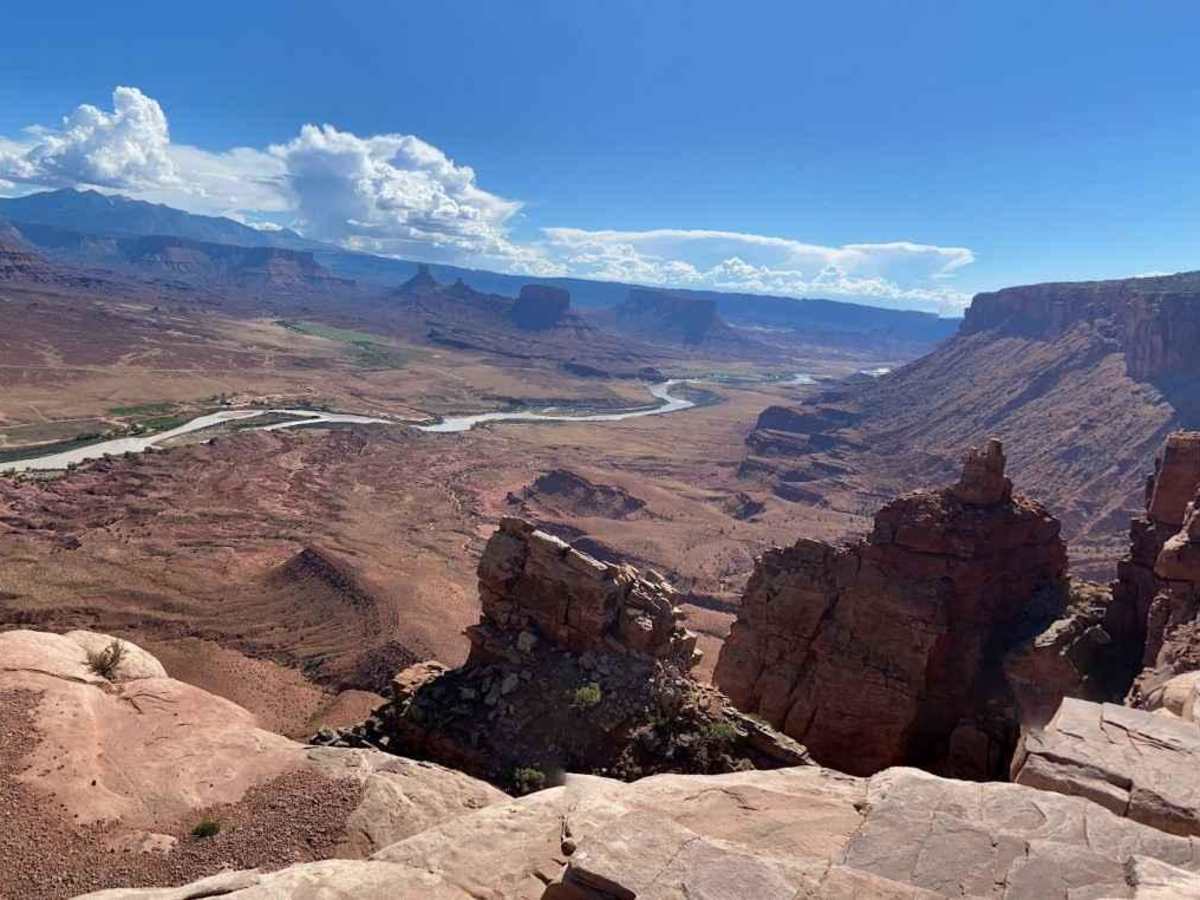
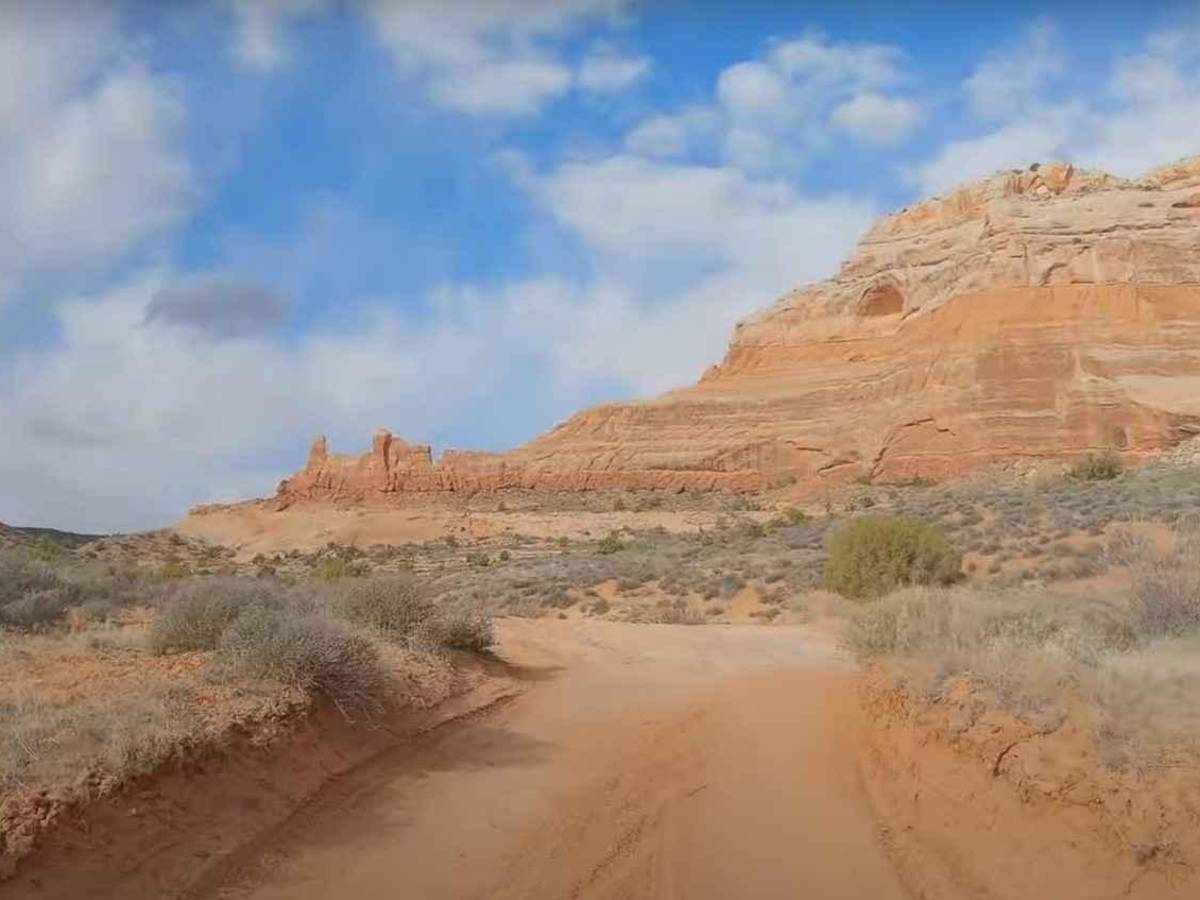
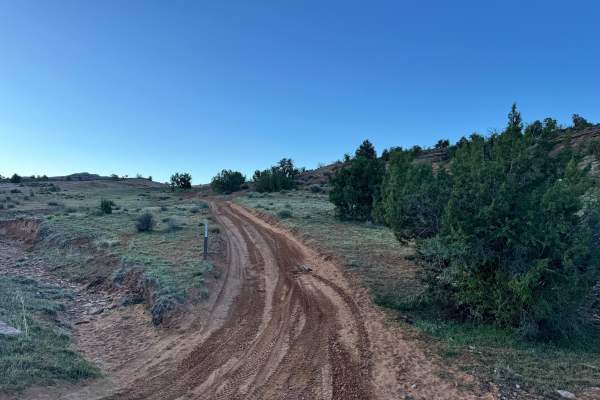
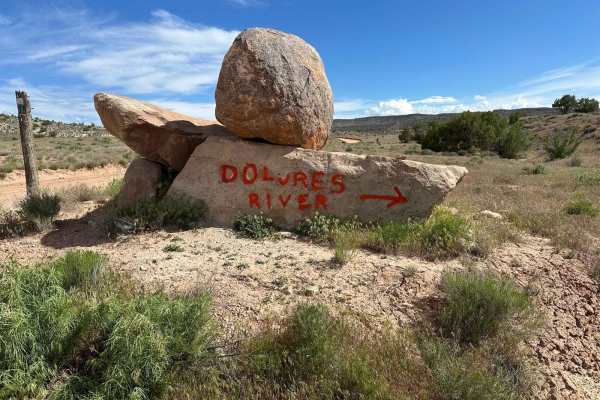
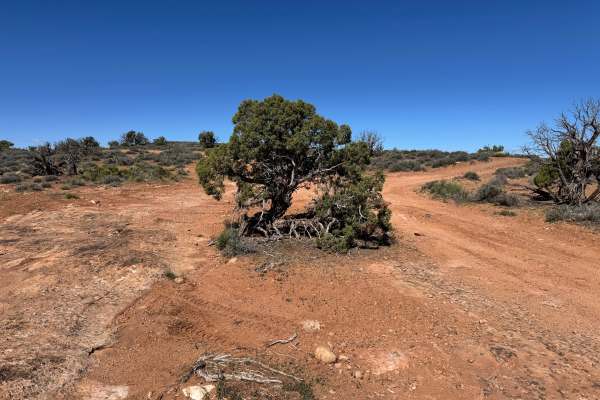
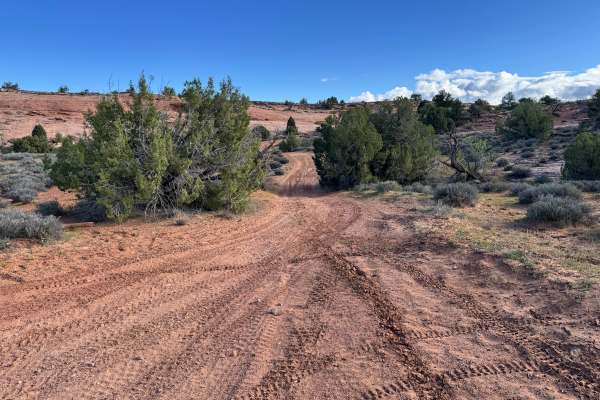
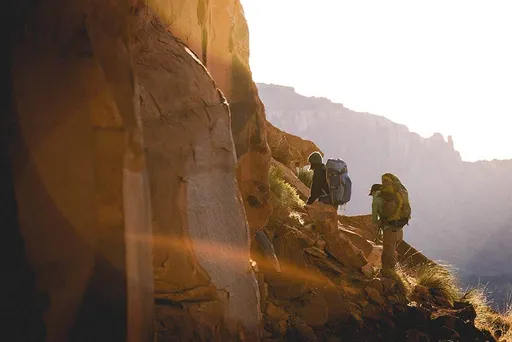
Dome Plateau-EJS is a 30.4-mile point-to-point trail rated 4 of 10 located in Emery County, Utah. Dome Plateau is a large highland area that lies to the north of the Colorado River and the east of Arches National Park. This trail has a 4 rating, and the first part is the most challenging, calling for careful driving and line-choosing during the ascent to the top of the plateau. A high-clearance vehicle is required for this trail. This trail has dramatic scenery, including arches, overlooks, cathedral-sized caves with soaring roofs, and even old mining camps with almost intact cabins. The Entrada Sandstone Cliffs have three noteworthy arches, including the La Boca Arch and sandstone caves. From the overlooking cliffs, exceptional views of the Colorado River are 1,700 feet below. The main notable obstacle on the Dome Plateau trail is Again-and-Again Hill, mostly loose rock and rocky ledges. The rest of the trail offers easy four-wheeling with stunning scenery. The trail is mostly dirt, and the eastern part is sandy, rocky, and bumpy. The northern and western areas have silty dirt that becomes impassable when wet. There is no cell phone service in the area. The nearest services are in Moab.
Difficulty
The trail consists of loose rock, dirt, and sand with some slickrock surfaces. There is some erosion, as well as washes, gulches, and rock steps no higher than 18 inches. Tall tires (33 inches or greater) and limited slip are a plus. 4WD is required. Enhanced suspension travel and good ground clearance are helpful. Good driving skills are also a plus.
History
The trail passes near several historic uranium mining cabins dating back to the mid-20th-century mining boom in southeastern Utah. Additionally, the trailhead near Dewey Bridge pays homage to the historic suspension bridge built in 1916 to connect southeastern Utah to the rest of the state.
Access Description
A day-use or access permit is not typically required for this BLM-managed route, but vehicles must be street-legal or possess Utah off-highway vehicle (OHV) permits. Always check local Bureau of Land Management regulations before departing, as weather conditions can rapidly affect trail accessibility.